Home Audio
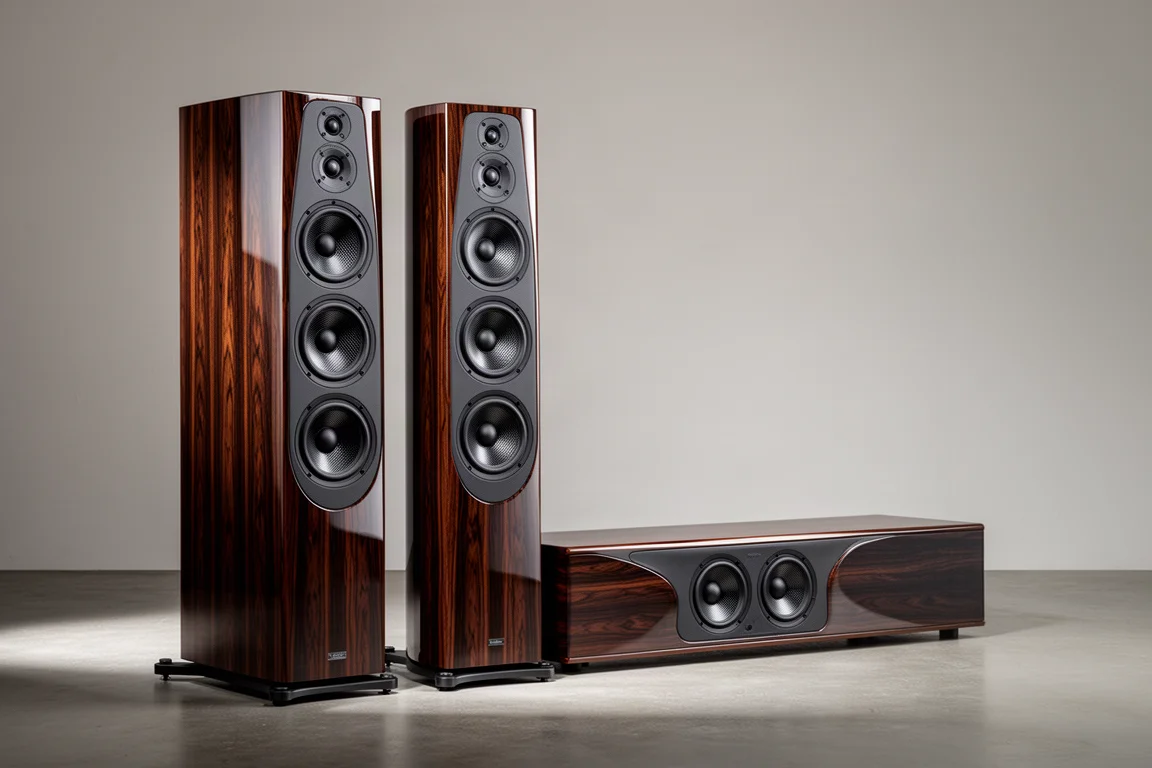
Perlisten S7T and S5C Review: A Flagship Tower and Its Matching Center Channel
A close look at the Perlisten S7T floorstanding tower and the S5C center channel, covering beamforming driver technology, in-room measurements, setup, and what to consider before buying.
Introduction
Perlisten builds some of the most technically ambitious home audio speakers available today, and the S7T floorstanding tower sits at the top of that lineup. Paired with it in this overview is the S5C, a center channel developed specifically to match these towers in a multichannel system.
The S5C started life as a monitor version of the speaker turned on its side to serve as a center channel. The first production unit required several months of work to perfect the crossover design, and the finished speaker carries the same tweeter array and orientation as the S7T.
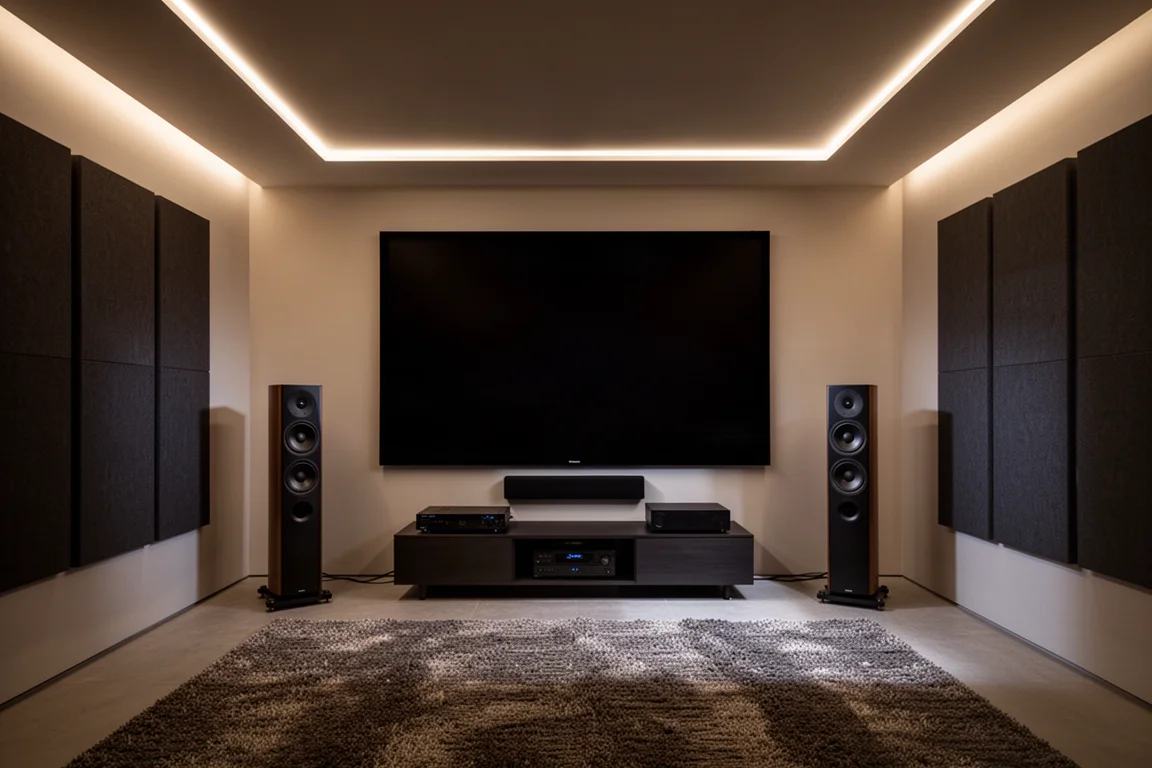
What follows covers how the shared driver technology works, what the S7T and S5C each bring to a system, how the tower behaves in a real room, and the practical questions worth answering before buying into a setup at this level.
Shared Engineering: Beamforming and the Driver Array
Both speakers are built around a beamforming directivity pattern control driver array. On the S7T, four 7-inch mid-bass drivers handle the bass frequencies and share that load between them, while two of those drivers also cover the mid-bass range. Above them sits a compact array made up of two midrange drivers and a single beryllium tweeter. All three reproduce midrange content, but only the center driver plays the high frequencies.
The midrange drivers are deliberately offset from the tweeter, a layout that delivers time alignment at the listening position. Combined with the crossover and the waveguide on the driver array, the beamforming design projects most of its output toward the listener, narrowing dispersion vertically while keeping it very wide laterally. The practical result is that sidewall reflections still contribute to the sense of space while the direct sound stays focused on the seat.
Sharing bandwidth across multiple drivers also produces very high sensitivity and generous dynamic range. These speakers are THX Dominus certified and play at 117 dB with very low distortion, and they can be driven considerably louder than that if the room and the amplification allow it.
Perlisten S7T: The Flagship Tower
The S7T is a tall floorstanding tower with a gloss finish and visible wood grain, a contoured front baffle, and carbon fiber drivers that look as purposeful as they perform. The rear baffle is finished in metal with gold trim and substantial binding posts, and the cabinet reads as a genuinely premium piece of furniture even before it is connected.
Setup flexibility is part of the design. The cabinet uses bottom-loaded ports, and it can be run sealed instead. That decision has to be made before the plinth is installed, and the cabinet needs to be turned upside down to seal the bass drivers, so it is worth planning before the speakers are in position.
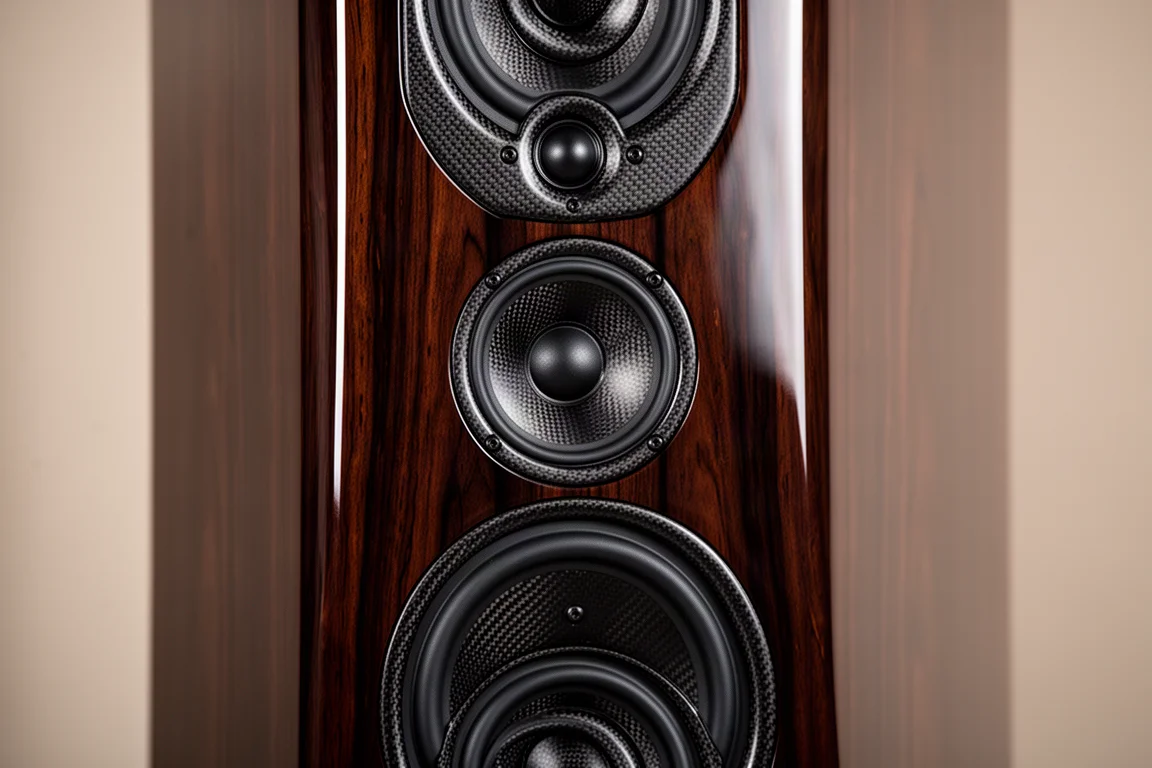
In listening, the towers generate a strong phantom center and unusually precise imaging, with the drivers blending into one fluid presentation rather than reading as separate sources. Sensitivity and headroom are the headline strengths, and the design stays composed at high output levels, which suits demanding home theater material as well as focused two-channel listening.
At just under $20,000 per pair, the S7T is aimed at listeners building a system around accuracy and dynamic capability rather than cabinet size alone.
How the S7T Measures in a Real Room
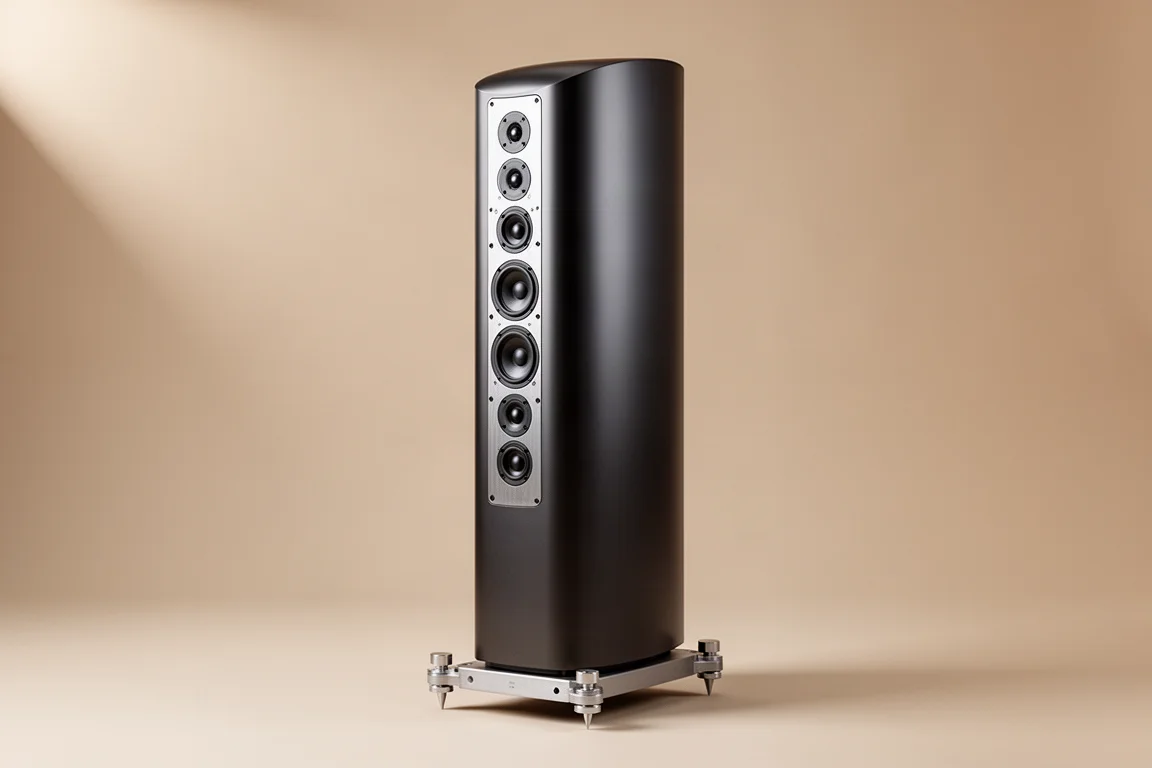
Full-frequency in-room measurements taken at the main listening position showed a response that stayed flat and linear above the room transition frequency, closer to what you would expect from a well-executed active speaker than from a passive tower. A wavelet view of the same setup showed none of the usual bumps and ridges across the range, and the bass held together across all four seats in the room rather than peaking in one spot.
Integration turned out to be straightforward. Time-aligning the subwoofers was enough to bring them into line with the towers, with almost no EQ applied at the listening position. That is a good sign for anyone planning a similar blend of mains and subwoofers.
One practical lesson came out of that setup. With sealed subwoofers in the room and the towers running ported, cancellations appeared around 20 Hz. Sealing the bass drivers resolved the issue, which is exactly the kind of detail worth confirming before final installation.
Perlisten S5C: The Matching Center Channel
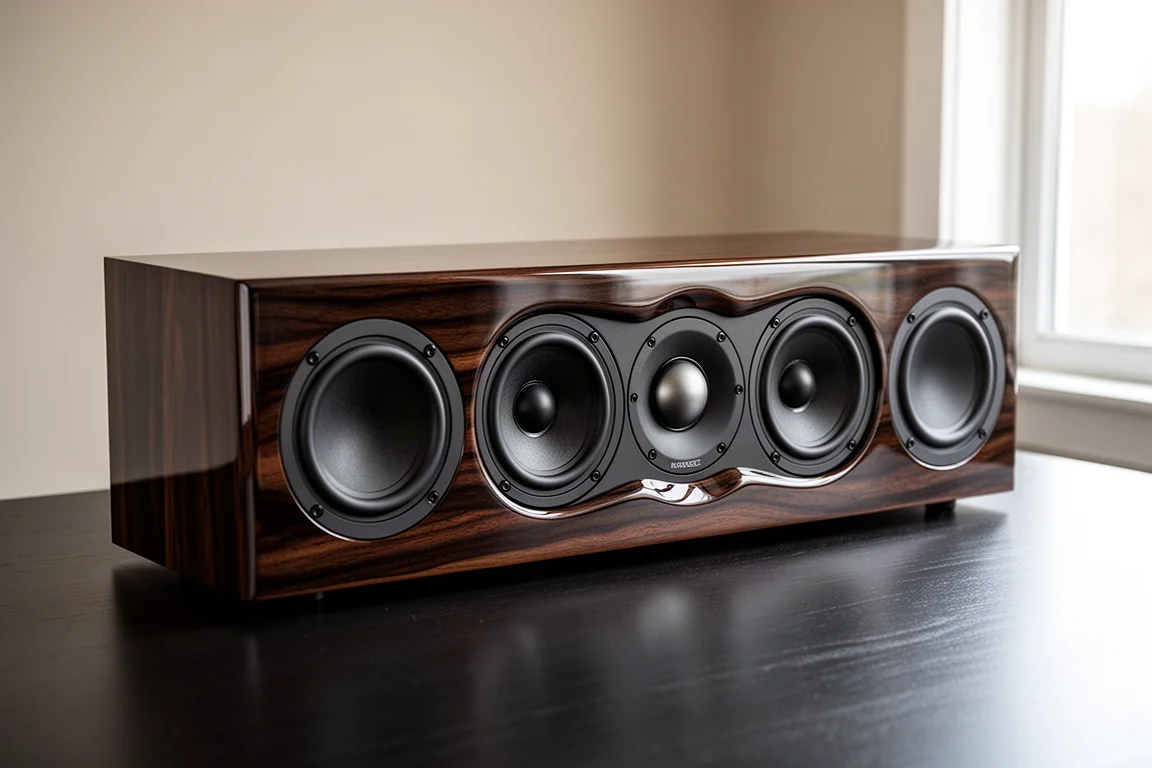
The S5C is essentially the monitor version of the line turned on its side. It is closely related to the larger 7-series center channel but omits two mid-woofers, which makes it considerably easier to fit under a television while keeping the same driver philosophy.
It carries the same tweeter array in the same orientation as the main speakers, and when it sits at roughly the same height as the towers, effects panning from left to center to right stay seamless. Nothing sounds discontinuous across the front stage, which is the main reason to choose a center channel from the same family as the mains.
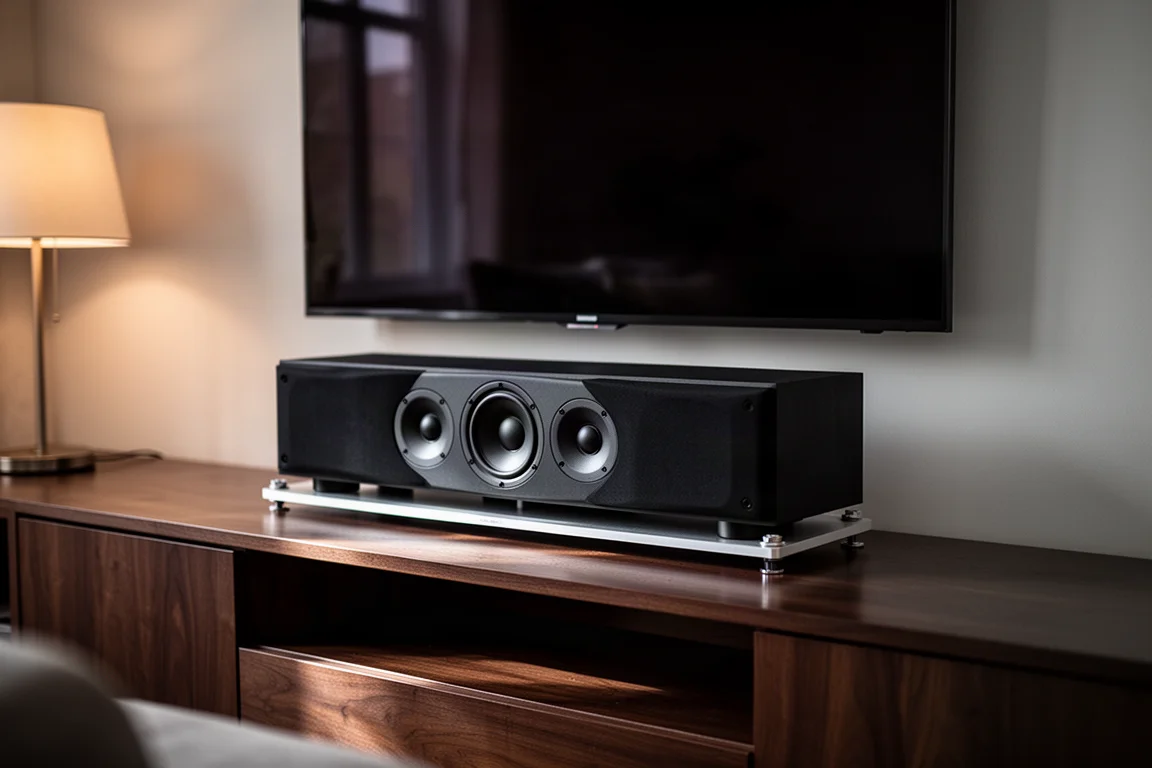
Dispersion is a particular strength here. Because the array keeps off-axis response wide and consistent, listeners seated away from the sweet spot still hear balanced sound, without the lobing that a traditional horizontally mounted MTM center can produce. Decoupling the cabinet from the furniture, for example with an isolation stand, helps it deliver its best.
Setup, Subwoofer Integration, and Room Correction
The S7T is designed to work with subwoofers rather than replace them. It will not shake a house on its own, because the design priority is loud, clean, low-distortion output. Musical subwoofers of comparable quality are what carry the lowest octaves, and blending them properly extends the system down to 20 Hz for a cohesive result from the bottom of the range to the top of the audible band.
Room correction deserves a cautious approach with speakers this neutral. Full-bandwidth correction has a high potential to disturb a response that already measures flat, which is the opposite of what most listeners want. Limiting correction to the lower range, around 300 Hz, is the safer path, leaving the midrange and treble untouched.
For listeners who prefer a little extra air on top, a modest high-shelf boost of roughly 1.5 dB near 16 kHz is enough to add sparkle. The speakers have more than enough dynamic range to accept that kind of adjustment without strain, and the same headroom means bass and treble shelves can be applied to taste rather than out of necessity.
Buying Advice
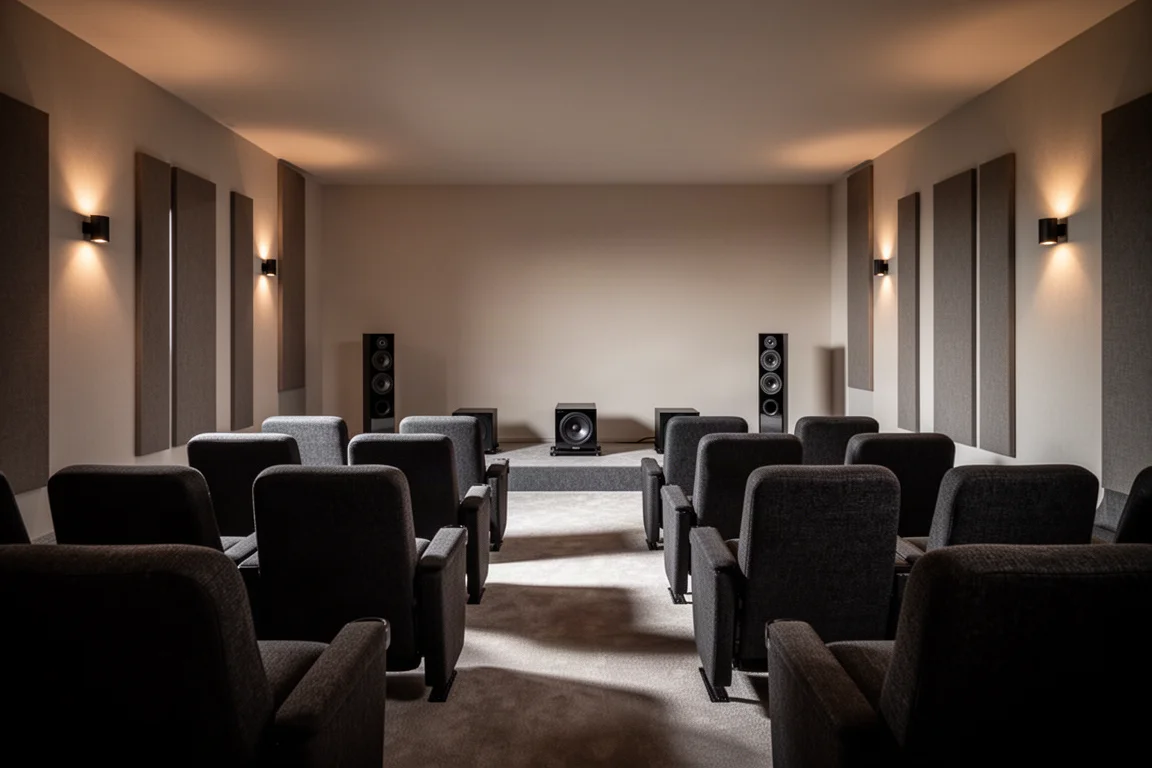
The S7T makes sense for listeners who want a floorstanding speaker with very high sensitivity, low distortion at high output, and imaging that holds together in the sweet spot. Plan for subwoofers commensurate with this level of performance, because a budget subwoofer will be the weak link in a system built around these towers. Decide on sealed or ported operation before installation rather than after, and give the speakers amplification with real headroom.
The S5C is the natural companion for anyone building a multichannel system around Perlisten mains, particularly where a large center channel simply will not fit. Align its height with the left and right speakers, give it a stable and decoupled surface, and the front stage will behave like one continuous speaker.
Together the pair suits a dedicated room where accuracy, dynamic range, and consistency across multiple seats matter more than convenience. Listeners who mainly want deep bass from a single pair of towers without subwoofers should look at a different approach, because this system is built to be extended rather than run alone.
Conclusion
The Perlisten S7T and S5C are built for listeners who value measurement-grade neutrality and the ability to play loudly without strain. The S7T delivers a flat, linear response in a real room and images with unusual precision, while the S5C brings the same tweeter array and wide, consistent dispersion to the center channel. Add subwoofers of similar quality, keep room correction targeted at the lower range, and this combination is easy to recommend.
Further reading
Related Reviews
Home Audio
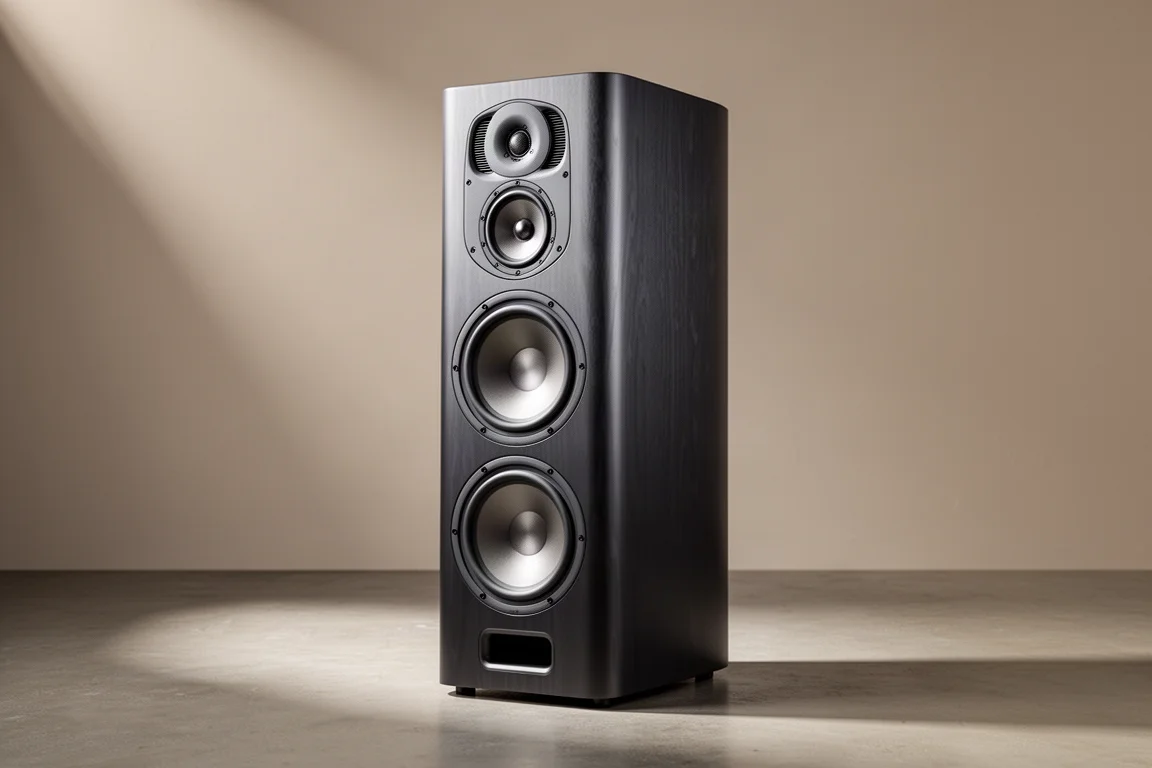
Aperion Novus Tower and Center Review: Punchy Home Theater Sound With Real Refinement
A close look at the Aperion Novus tower and center speakers, from their layered paint finish and punchy bass to the 4-ohm load and what the price actually buys.
Home Audio
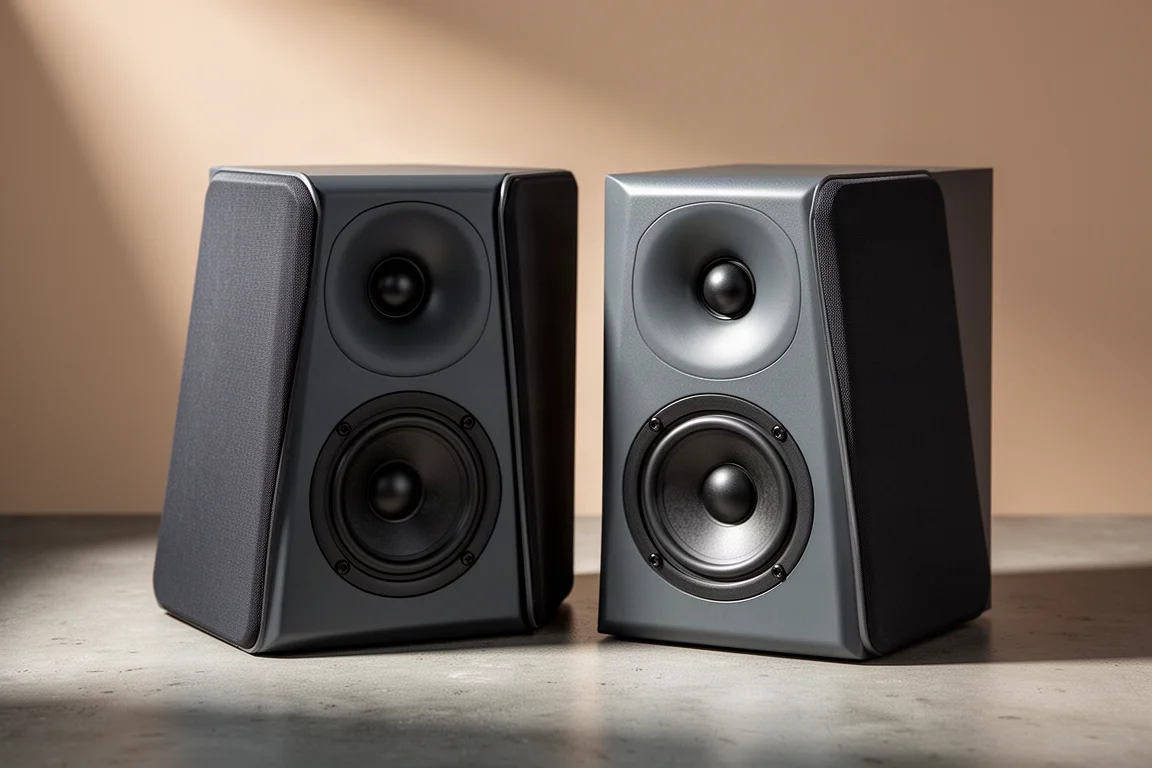
Arendal 1610 Tower Review: Flagship Dynamics in a Room-Friendly Tower
A compact floorstanding tower with three 8-inch aluminium woofers, a 5-inch carbon midrange, and the kind of bass heft usually reserved for much larger speakers.
Home Audio
Arendal 1723 S THX Review: A Reference Speaker Built Like a Tank
A practical look at the Arendal 1723 S THX, a sealed, THX-certified speaker with exceptional build quality, a very flat top end, and a midrange that responds beautifully to EQ.