Home Audio
Perlisten S Series Review: S7t Tower, S7c Center Channel and D215s Subwoofer
A close look at the Perlisten S Series, covering the S7t flagship tower, the S7c center channel and the D215s subwoofer, with the strengths and trade-offs to weigh before buying.
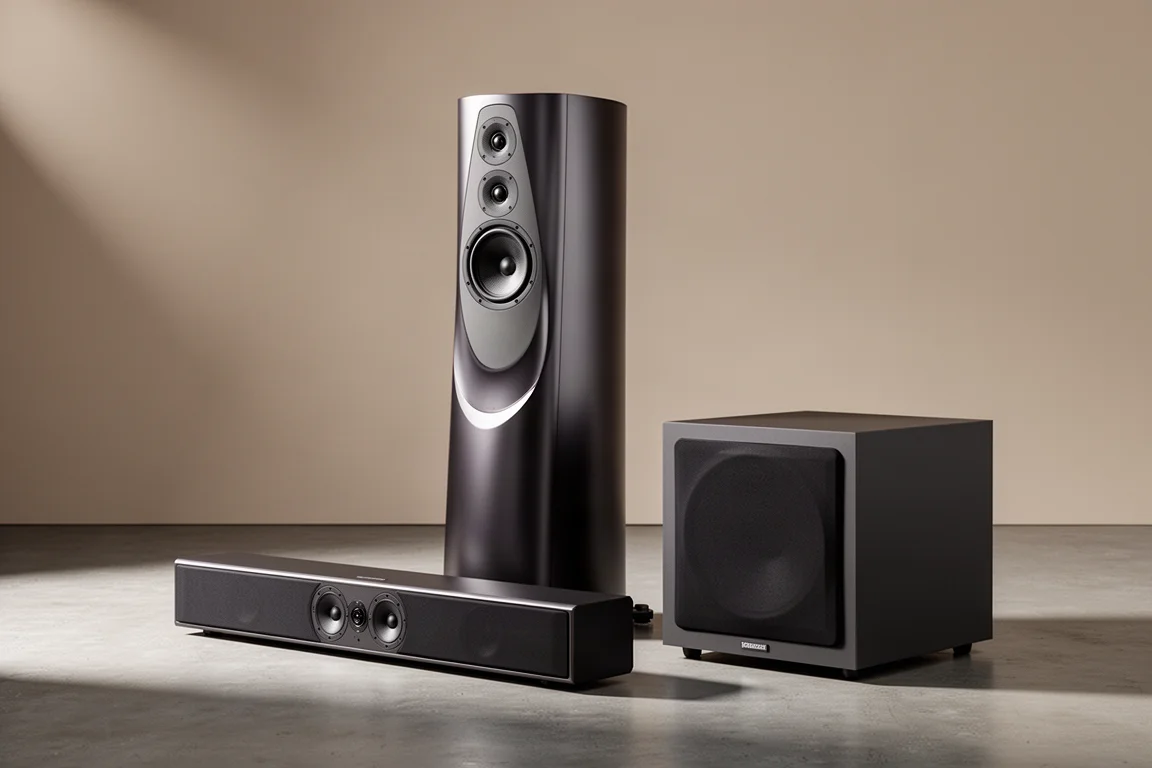
Introduction
Perlisten was founded in 2016 and has built a strong reputation in a short time for its speakers and subwoofers. The S Series is the company’s flagship line, and the S7t floorstanding tower sits at the top of it.
What makes the line interesting is consistency. Every S Series model uses the same core technology, from the S7t tower down to the compact S4b stand-mounted speakers. The intent is that a listener gets the flagship experience whether the room is a commercial-scale theater or a small living room. The S7c center channel and the D215s subwoofer extend that same thinking into a full surround and bass system.
What Sets the Perlisten S Series Apart
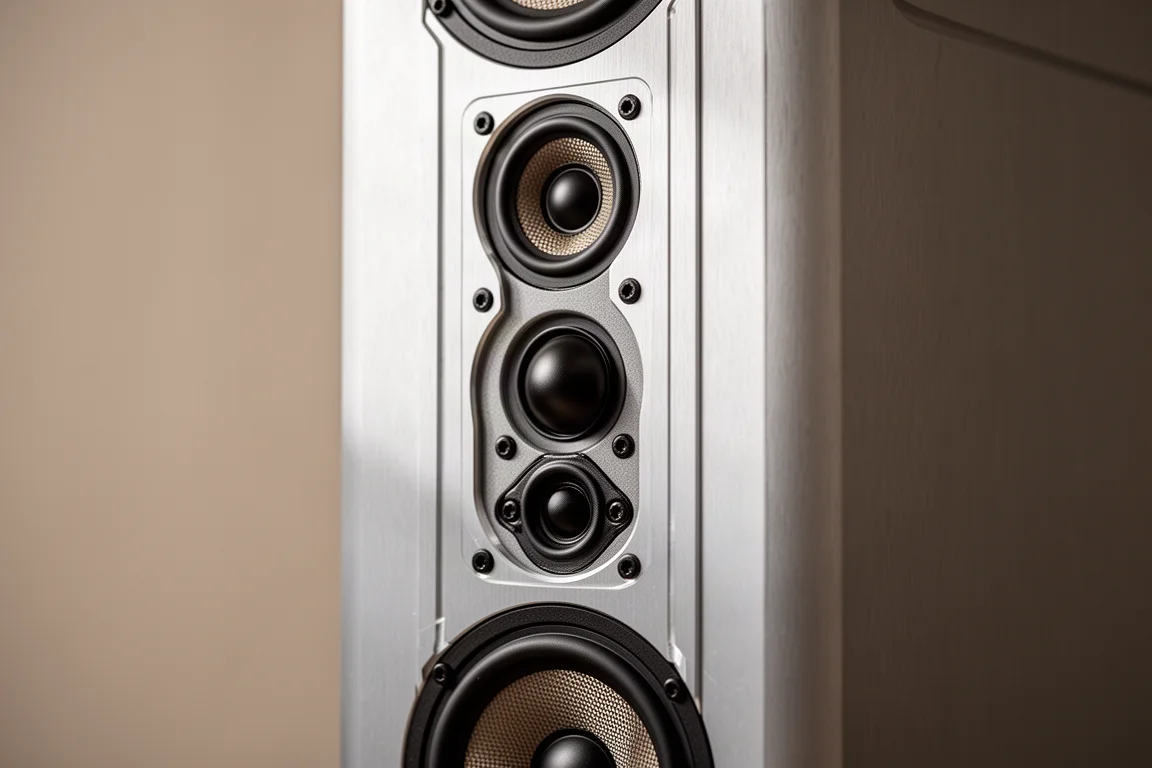
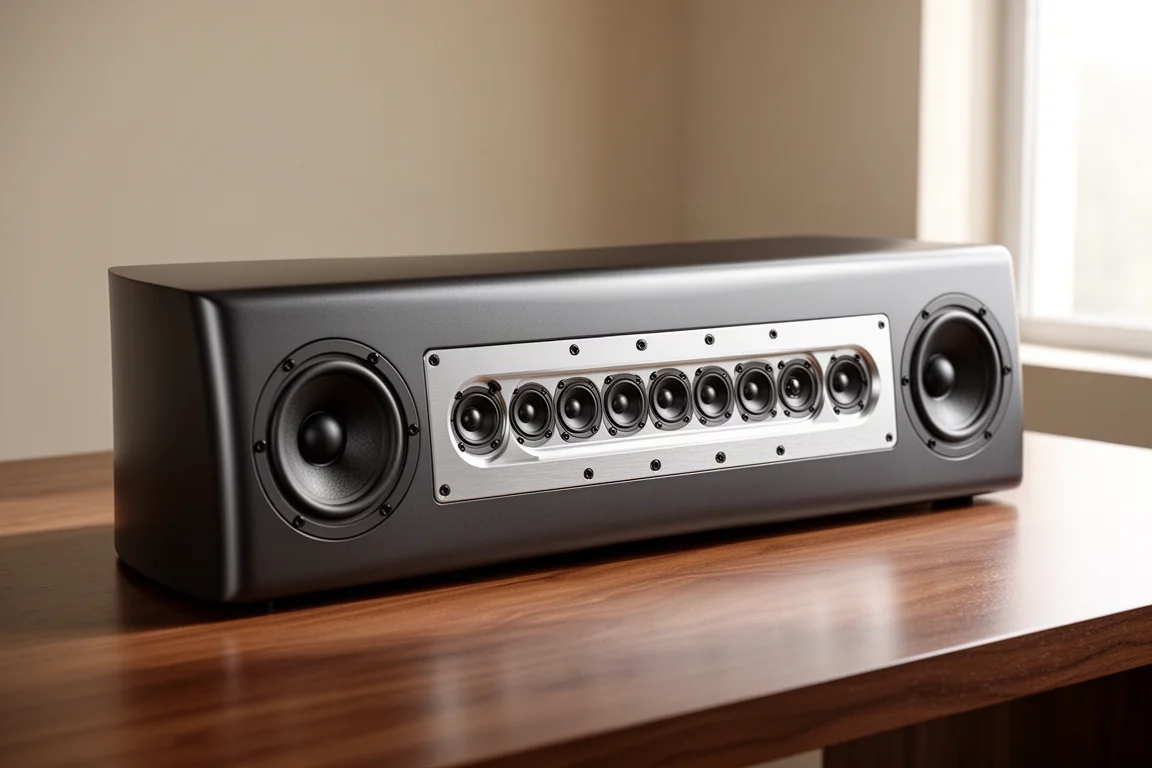
The defining element is the patented DPC array. Perlisten uses a group of small drivers to cover the midrange through the upper treble, and the same array appears across the S Series, from stand-mounted speakers to center channels and surrounds.
At the center of the array sits a 28 mm beryllium dome tweeter, the company’s flagship high-frequency device, designed for a fast, detailed and holographic treble response. The two flanking drivers are the same size but use a dome design with a thin-ply carbon diaphragm, or TPCD. The woofers use the same TPCD material, which keeps them light and fast and allows a crossover point an octave lower than most dome designs can manage.
Putting small, light drivers in charge of the critical midrange has audible consequences. Covering 900 Hz and up with a small driver gives the midrange better speed and detail, and it adds transient snap to guitar strings and snare drums. It also lets vocals come across more realistically, without the cone breakup or response irregularities that larger midrange drivers can run into. A T6 aluminum face plate holds the array in place and gives the S Series its distinctive high-tech look.
The other notable feature is cabinet loading. On every S Series model except the S4b bookshelf speaker and the two center channels, you can switch between acoustic suspension and bass reflex operation. The ports fire downward from the bottom rear of the cabinet, which matters when you plan placement. Bass reflex mode adds roughly 10 Hz of low-frequency extension but gives up some speed, while sealing the ports for acoustic suspension delivers the fastest, most controlled bass with no overhang.
THX Dominus certification rounds out the picture. It is a demanding standard that THX does not hand out easily, requiring a speaker to fill a 6,500 cubic foot room at roughly a 20 foot viewing distance, to withstand a full-range 120 dB signal at one meter, and to meet a sensitivity rating of 92 dB or better. In practice, that means the S Series can play as loudly as you would ever want without strain or distortion at sane listening levels, and the high sensitivity translates into strong dynamics.
Perlisten S7t: The Flagship Tower
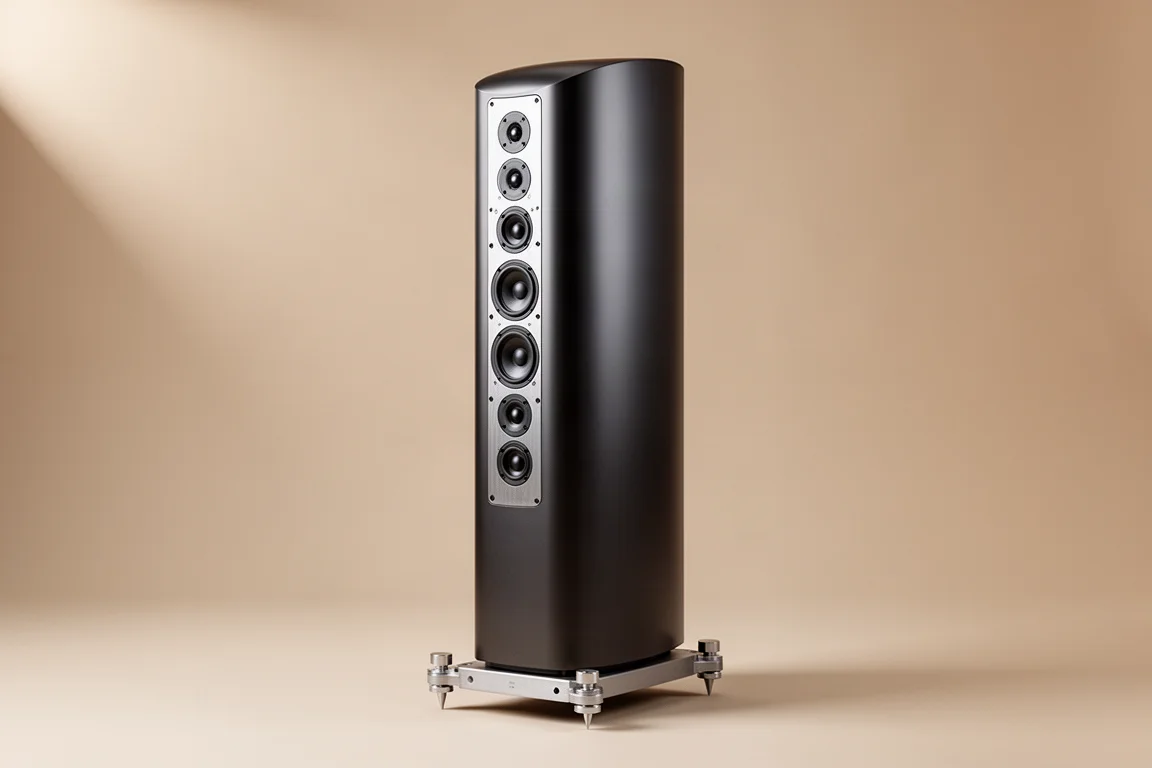
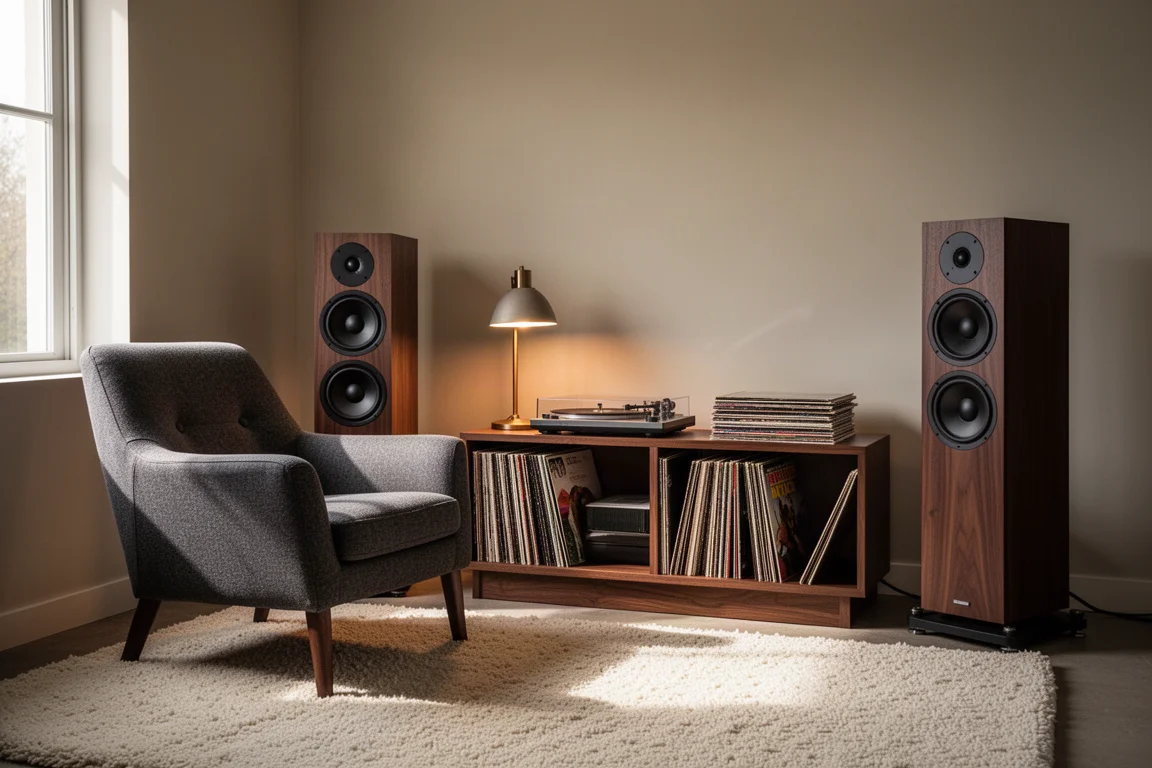
The S7t is the flagship, and it looks the part. It stands 51 inches tall but only about 9.5 inches wide, which makes it easier to fit into a room than most flagship towers. The front baffle is minimalist and elegant, with a curved profile that is a functional part of the sound as well as a clean piece of design.
The base is a heavy metal plate fitted with adjustable spike feet that allow both leveling and tilting. The adjustment knobs sit on top of the feet, so you can make changes without lifting the speaker. Finish options are broad enough to match a room and equipment rack, and the quality of the finish is flawless in person. Around the back you get quality WBT-style binding posts and plated jumpers, and every model in the line supports bi-amping or bi-wiring.
Perlisten S7c: The Matching Center Channel
The S7c center channel uses the same 28 mm beryllium dome tweeter, the same DPC array and the same 7-inch TPCD woofers as the tower. Because the crossover, driver and cabinet design match the S Series stereo speakers, it is a natural partner for an S7t pair. That matters in a theater system, where dialogue and effects move across the front stage and any tonal mismatch between tower and center quickly becomes obvious.
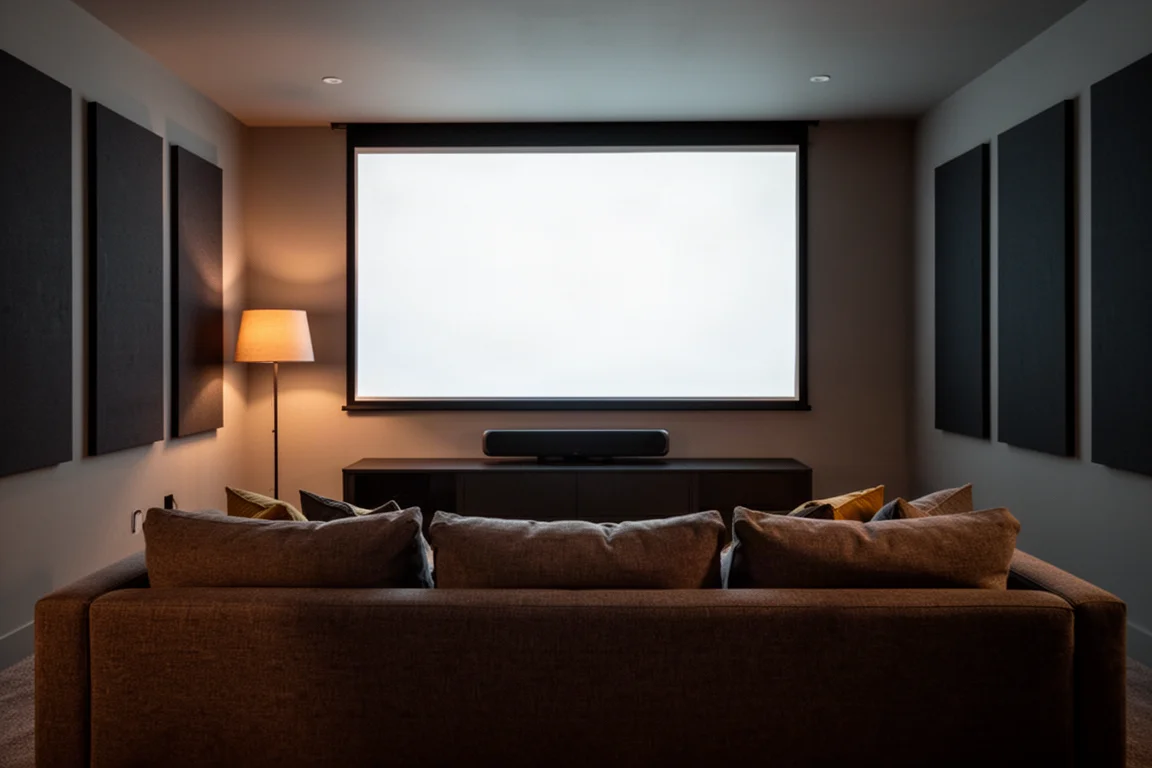
Center channel models do not offer the switchable cabinet loading found on the towers, so placement and bass management are handled through the rest of the system. What you get instead is a speaker that behaves like the tower across the midrange and treble, which is the harder thing to engineer.
Perlisten D215s: A Subwoofer With Real Muscle
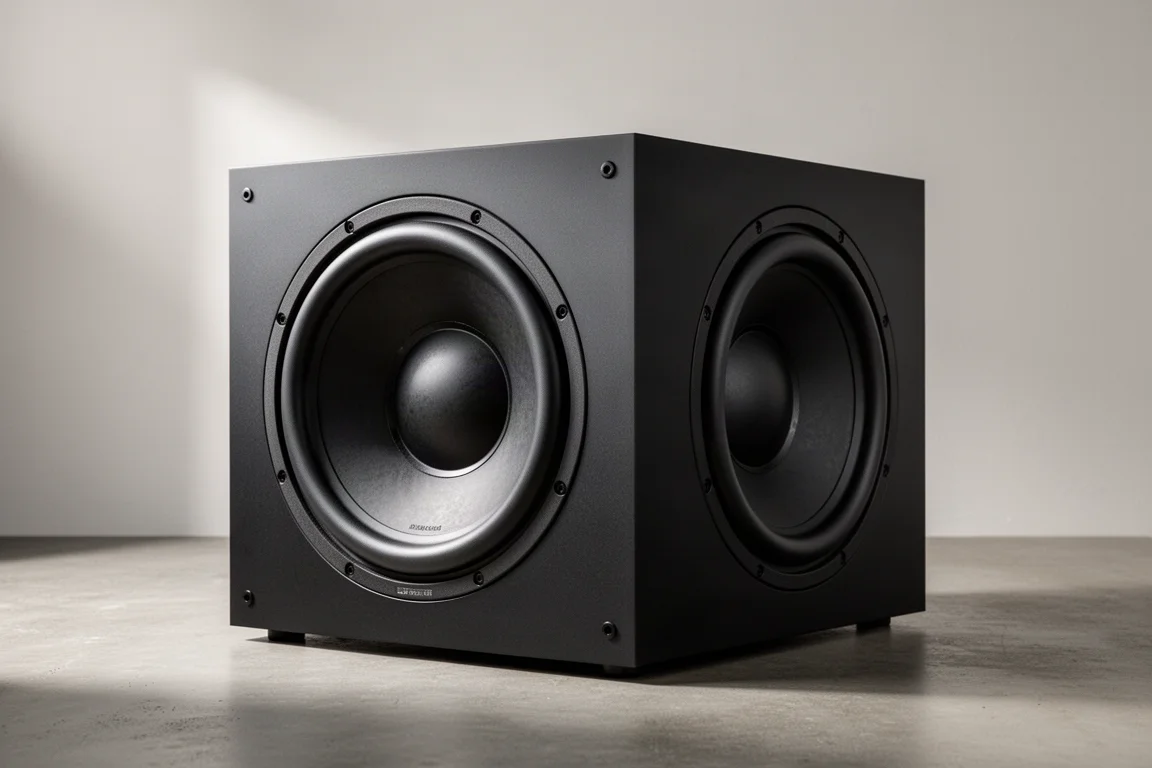
The D215s is built around two Perlisten-designed 15-inch carbon fiber composite woofers in a push-pull configuration. The design was optimized using modeling and Klippel laser measurements, which is the kind of work that shows up as speed and focus in the low end rather than as a vague sense of weight.
Power comes from a 3 kW amplifier, and processing runs through a 32-bit ARM platform controlled by a smartphone or tablet app. On test tones the subwoofer was still performing as low as 13 Hz. It balances high-tech control with raw output, and it stays musical and detailed with music rather than only delivering movie effects. If the cabinet is larger than your room can take, Perlisten also offers D Series subwoofers in three smaller sizes.
Driver Integration and Listening Notes
Because every S Series model uses the same tweeter, the same DPC array and the same 7-inch TPCD woofers, the engineers can keep one sound profile across the range. The only variables are cabinet size and the number of bass drivers used. The practical benefit is seamless transitions from speaker to speaker as effects move around a room.
Integration between the woofers and the DPC array is the standout quality. On well-recorded material, the 7-inch TPCD woofers hand the midrange over to the array without a seam, keeping the sound natural and realistic. Acoustic instruments and layered studio mixes come across with the placement of each instrument intact, without any single driver or crossover region calling attention to itself.
Treble is another area where this design could have gone wrong. Metal dome and ribbon tweeters often take extra engineering to blend with the rest of a speaker, and the S Series manages that blend well, letting the treble show its detail without pulling focus from the overall presentation. On material that depends on emotional weight, the speakers keep soundstage width and depth intact and hold imaging sharp and focused. Listeners who prefer a warmer, cozier presentation may find the S Series direct by comparison, because the design goal is accuracy rather than coloration. The one recurring note is that on certain tracks, the most dynamic passages can feel slightly less excitable than expected, though that is a small point at this level.
Placement and Setup Considerations
The downward-firing ports on the bottom rear of the cabinet are worth planning around. In bass reflex mode, pulling the speakers out into the room is recommended and yields roughly 10 Hz more low-frequency extension. If you would rather have the fastest, most responsive bass with no overhang, sealing the ports and running the speakers as acoustic suspension cabinets is the better choice.
Sensitivity is high enough that the S Series pairs well with a range of amplifiers, and the narrow cabinet makes the line easier to fit into ordinary rooms than most flagship speakers. The adjustable spike feet simplify leveling and tilting on uneven floors.
Buying Advice
The S Series makes the most sense for listeners who want technical accuracy without losing the emotional connection to the music. The speakers resolve detail while staying smooth and inviting, and doing meaningfully better technically would take a considerably larger budget for differences that would be very small.
If you want a system that handles two-channel music and movies with the same voice, matching an S7t pair with an S7c center and a D215s subwoofer is a coherent route, since the drivers and crossover design are shared across the line. Buyers with smaller rooms can still get the same driver technology lower in the range, and buyers who do not need the output of the D215s can step down within the D Series.
Two practical checks are worth making before you commit. First, decide how you want to run the cabinets, since the bass reflex and acoustic suspension options change both placement and bass character. Second, budget for amplification that suits the high sensitivity of the design, because the speakers will reward a clean, capable chain.
Conclusion
Perlisten’s S Series is a convincing flagship effort. The patented DPC array, the beryllium dome tweeter and the TPCD woofers give the line a shared voice from tower to center channel, and the result is the seamless driver integration and musicality that stands out most. Add switchable cabinet loading, THX Dominus certification and a slim footprint, and the S Series is worth a serious look for anyone shopping at this level.
Further reading
Related Reviews
Home Audio
Aperion Novus Tower and Center Review: Punchy Home Theater Sound With Real Refinement
A close look at the Aperion Novus tower and center speakers, from their layered paint finish and punchy bass to the 4-ohm load and what the price actually buys.
Home Audio
Arendal 1610 Tower Review: Flagship Dynamics in a Room-Friendly Tower
A compact floorstanding tower with three 8-inch aluminium woofers, a 5-inch carbon midrange, and the kind of bass heft usually reserved for much larger speakers.
Home Audio
Arendal 1723 S THX Review: A Reference Speaker Built Like a Tank
A practical look at the Arendal 1723 S THX, a sealed, THX-certified speaker with exceptional build quality, a very flat top end, and a midrange that responds beautifully to EQ.