Hi-Fi Speakers
The Perfect Speaker Does Not Exist: Five Speakers and the Trade-Offs Behind Them
Five loudspeakers at very different prices, compared on linearity, directivity, bass extension and compression, to show how every design trades one strength for another.
Introduction
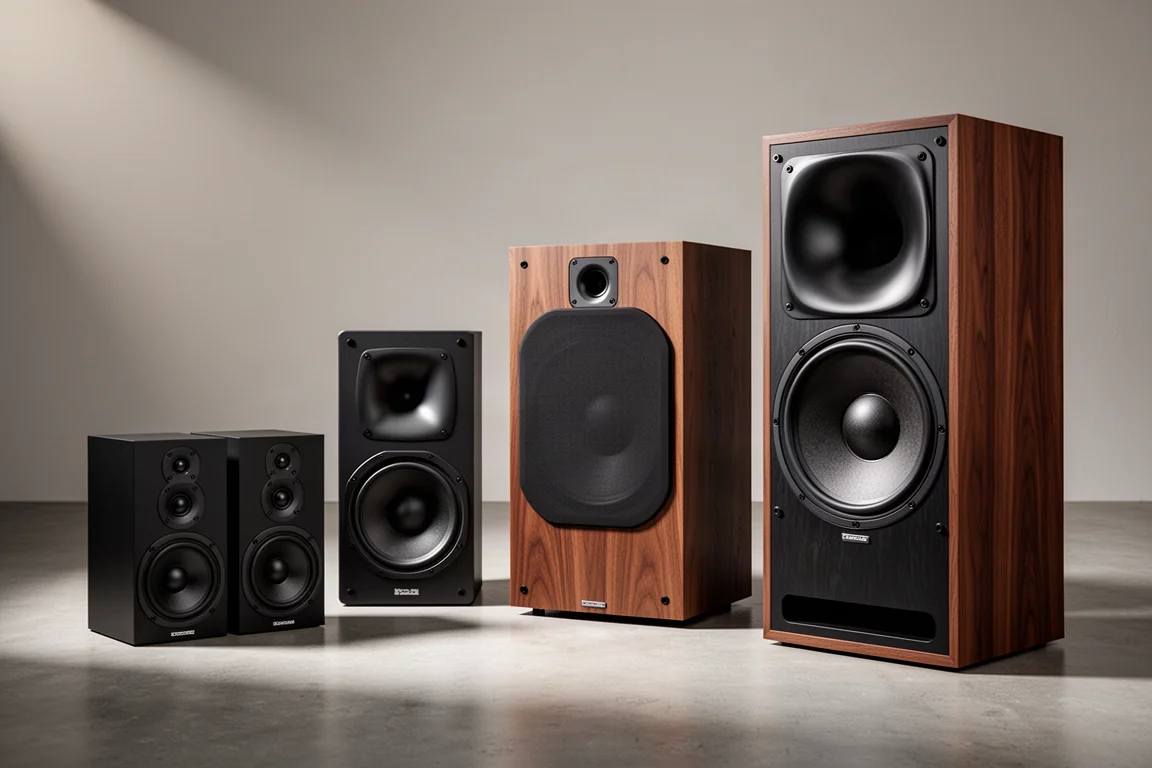
There is no perfect loudspeaker. Every design involves compromises, whether the goal was a low price, a particular look, or one specific performance priority, and understanding those compromises is far more useful than hunting for a speaker that wins on every count.
The practical way to think about a purchase is that it sits between three things: performance and features, looks, and price. In most cases you get two of the three and accept a compromise on the third. A very affordable pair of bookshelf speakers will not have the architecture of a premium floorstander, and a beautifully finished cabinet at a low price usually comes with performance limits somewhere in the response.
Measurement data does not remove those trade-offs, but it makes them visible. It shows quickly whether a speaker is linear, whether it has usable bass, how wide it radiates, and how much output it loses as the volume rises. That is what this guide covers, using five real speakers at five very different price points.
What Actually Matters in a Speaker Purchase
Performance and features cover a lot of ground: linearity, directivity, low frequency extension, passive versus powered designs, three-way versus two-way layouts, monopole versus cardioid radiation, SPL capability, sensitivity, and the amplification a passive speaker will need, along with inputs such as HDMI, USB and analog connections.
For comparing speakers, a few attributes do most of the work. The first is the estimated in-room response, which describes the general timbre you can expect in a normal room. The second is the horizontal radiation pattern, which shapes sound stage width and how precisely instruments are placed within it. The third is compression, which shows how much output is lost as the speaker is driven harder, and therefore how dynamic it will sound and how loud it can realistically play at your listening distance. On-axis and off-axis linearity tie all of it together, and a speaker that is not linear is easy to spot early.
The other half of the decision is harder to measure. Looks matter, and so does price, and both constrain what the engineering can deliver. The useful question is not which speaker is best in the abstract, but which compromises you are willing to live with, given your room, your listening distance and how loud you actually listen.
Neumi BS5: The Budget Benchmark
At roughly $109 per pair, the Neumi BS5 is a strong reference point for what a very affordable speaker can do. Average sensitivity is about 83 dB at 2.83 volts at one meter, and its linearity is good for the price, even though it looks only fair next to speakers that measure considerably better.
The compromises show up in specific places. Front ports create cancellations that produce dips in the response and affect the early reflections directivity index, which makes the speaker harder to equalize precisely. Bass extension is limited: the F3 sits at 68 Hz and the response is down 10 dB at 40 Hz. The estimated in-room response suggests a slightly bright character with a bump around one kilohertz that can sound forward or thin, and toeing the speakers out so they do not face the listener directly is a practical way to soften that. Horizontal radiation is around plus or minus 50 degrees, which is typical for the category.
Output is the other consideration. At the highest volumes the speaker loses between roughly 1 dB and 3 dB in the lower frequencies, so it will not play very loud, and how far away you sit matters a great deal. If you want higher output levels without straining the woofer, crossing the speaker over is advisable. The cabinet looks plain, which is a fair trade at this price.
Emotiva B1+: The Step-Up Budget Option
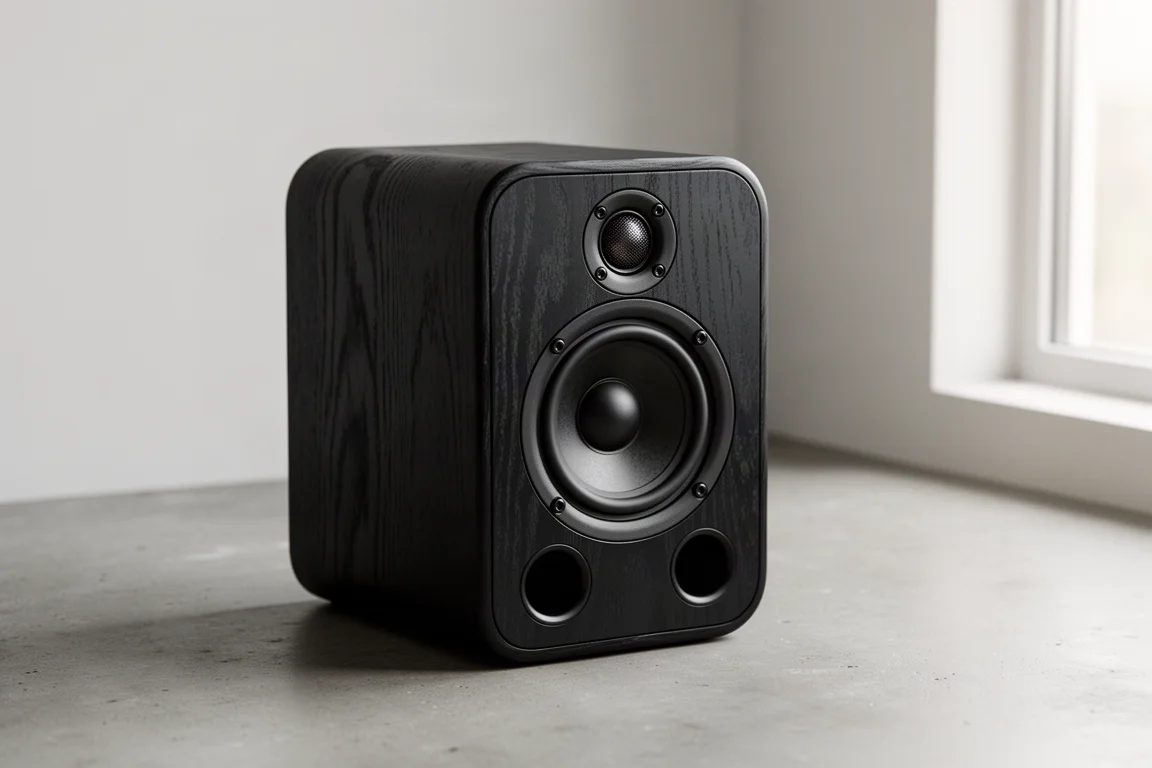
The Emotiva B1+ costs about $249 per pair and moves up a level for roughly $140 more than the Neumi BS5. Linearity is better, the early reflections directivity index is better, which means the speaker takes more gracefully to equalization, and the estimated in-room response is more neutral through the midrange. Low frequency extension is in a similar ballpark, and the two speakers share a similarly plain appearance.
Sound stage width is a little wider than the BS5, and whether that is an improvement depends on your taste: a wider presentation can add spaciousness, while some listeners prefer the more focused placement that narrower radiation can bring. Compression is poorer than the BS5, so the step up in linearity comes with a step down in output capability.
The decision between these two comes down to priorities rather than a clear winner. If equalization and a more neutral tonal balance matter more than maximum output, the B1+ is the more capable speaker. If the budget is fixed near $100, the BS5 remains a sensible starting point.
Kali Audio LP-6 v2: Powered Convenience and Deeper Bass
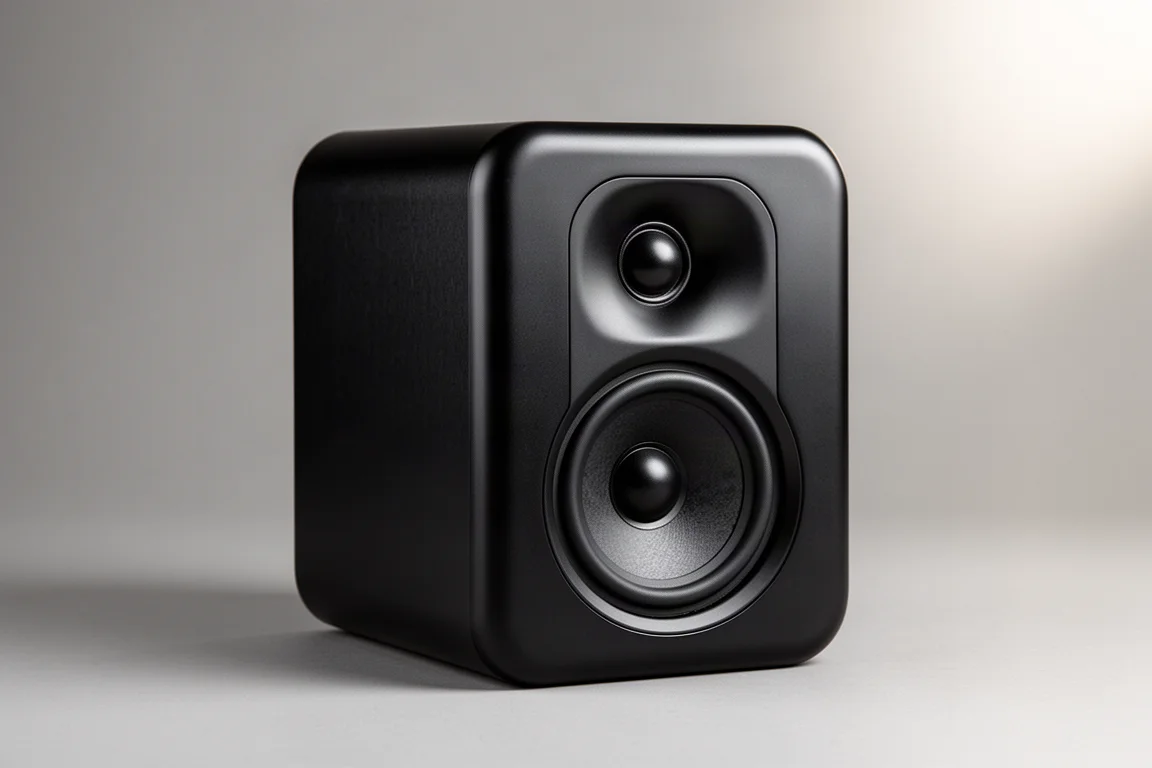
The Kali Audio LP-6 v2 is a powered speaker at about $400 per pair, with a six-inch woofer, a one-inch tweeter in a waveguide, and a broad set of DSP options. No external amplification is needed: connect them and they are ready to use.
Its data is good overall, with some deviations in linearity and in the early reflections directivity index, most likely caused by the vertical offset between the tweeter and the midwoofer. Depending on how the trend line through the estimated in-room response is drawn, the speaker can come across as slightly thin. Horizontal radiation is about plus or minus 50 degrees, similar to the other compact speakers here, and linearity is broadly similar to the Emotiva B1+.
The significant advantage is bass. Where the F3 of the previous two speakers sits closer to 70 Hz, the LP-6 v2 reaches down to 42 Hz, which gives kick drums noticeably more weight. Compression readings are high, but that is largely by design: the built-in DSP limits output to prevent excessive distortion or damage, and the same DSP plus built-in amplification lets you tailor the sound to your setup. The early reflections directivity index is poorer than the Emotiva’s, and the in-room response is sloped a little more steeply. For roughly $150 more, you are buying deeper bass, powered convenience and tuning flexibility rather than a cleaner midrange.
Wharfedale Linton: Wide Dispersion and an Easy Listen
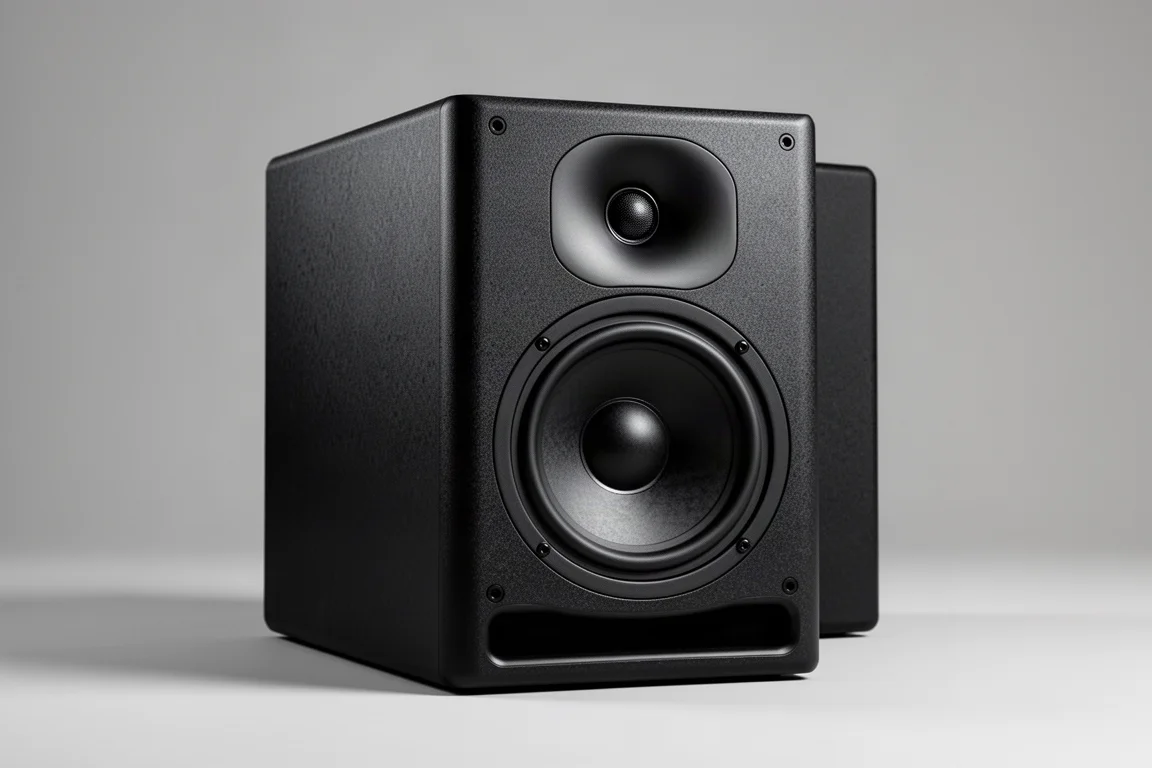
At about $1,500 per pair, the Wharfedale Linton is a different proposition, and it turned out to be one of the most enjoyable speakers in this group. On-axis linearity is quite good and sensitivity is about 85 dB.
Its directivity index dips and rises because the tweeter is offset to the side of the midrange and because of the vertical distance between the two drivers. Practically, that means the region between roughly one and two kilohertz is harder to equalize to taste, and once the speaker is set up, that is largely it. Bass is solid: in-room extension reaches about 40 Hz, with an anechoic F3 of 52 Hz and an F10 of 35 Hz. The estimated in-room response is slightly better with the grille on, and it shows a dip around one kilohertz that takes some attack and dynamics out of the music, plus a mild high frequency lift that can read as brightness. Toeing the speakers off axis by around 10 degrees addressed that well.
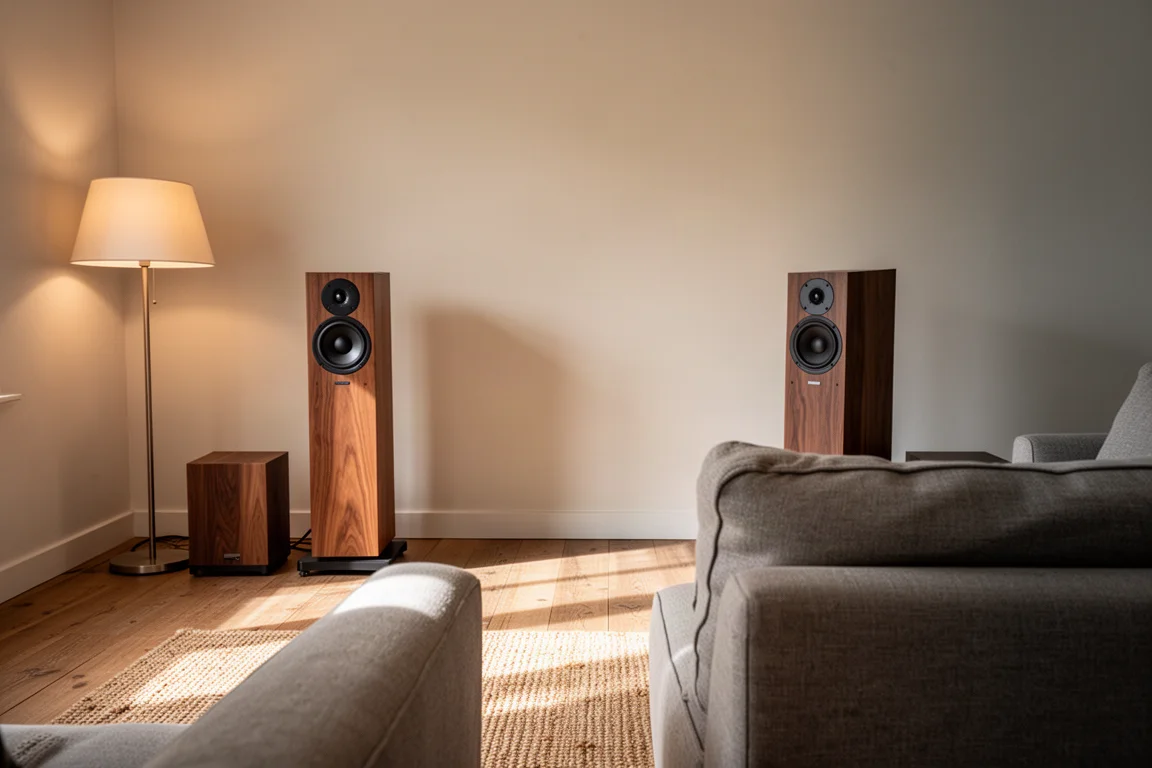
The main selling point is radiation. At roughly plus or minus 70 degrees, the Linton is on the wider side, and that produced a broad sound stage that was genuinely enjoyable. The trade-off is precision: compared with narrower speakers, images are placed less exactly within the stage. Compression is not impressive below about 100 Hz and reaches about 1 dB above four kilohertz at the highest volumes, which is unlikely to matter for most listeners unless they listen loudly and sit far away, where the 60 Hz region and below starts to suffer.
JBL 4367: High Sensitivity, High Dynamics
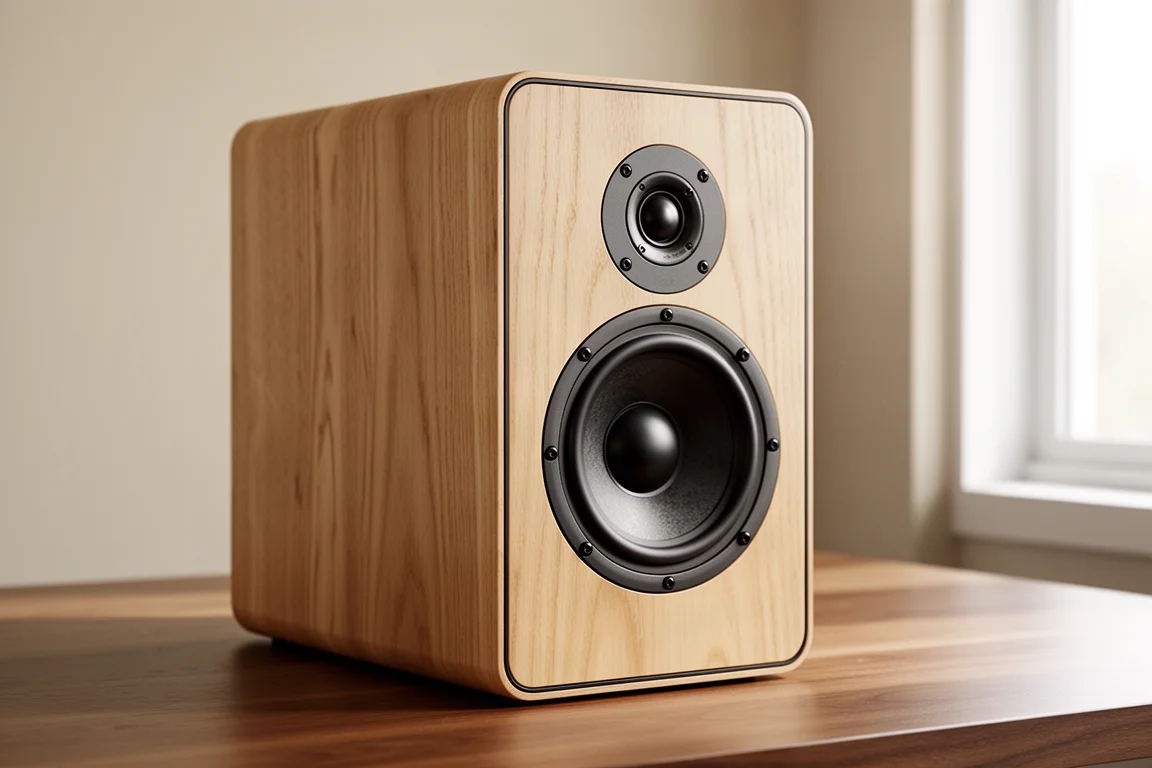
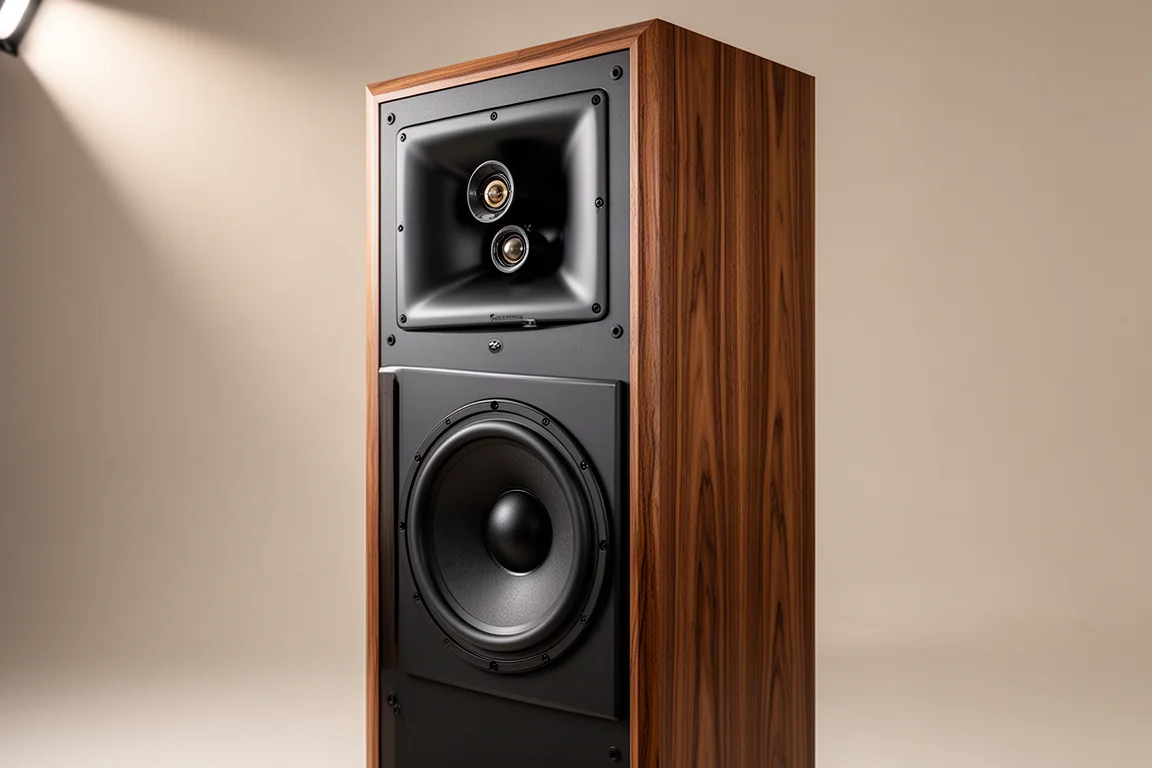
The JBL 4367 costs about $16,000 per pair, and its measurements explain why it stands apart. Sensitivity is 93 dB at 2.83 volts at one meter, among the highest measured, and linearity is good, arguably very good. Extension is the best of the group, with an F3 of 43 Hz and an F10 of 31 Hz, reaching into the mid-30s in room. Most listeners would not need a subwoofer, although anyone wanting more low end still would.
The early reflections directivity index is problematic in places because of the vertical spacing between the horn and the 15-inch mid-woofer, and that is a compromise worth accepting for what the design delivers elsewhere. The estimated in-room response shows extra punch in the 60 to 100 Hz region, and a dip around 700 Hz caused by the vertical driver alignment that did not come across as a tonal problem. The high frequency response rolls off a little earlier than usual, which is why the speaker is often described as warm: the midrange keeps more presence relative to the treble.
The trade-off is radiation. Horizontal coverage is only about plus or minus 40 degrees, which is narrow, and a wider pattern would be welcome. In exchange, compression is practically nonexistent, making this an exceptionally dynamic speaker from soft passages to loud ones. The look is distinctly retro, and that is part of the package.
Buying Advice
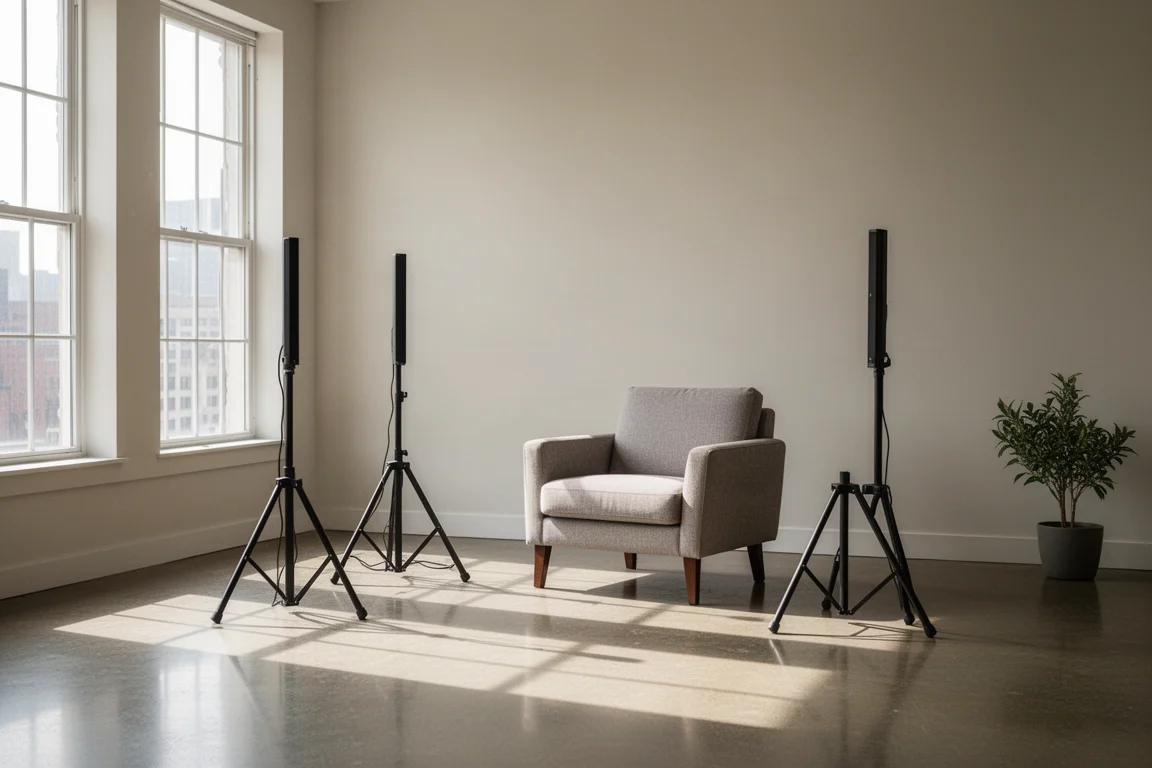
Matching a speaker to your situation matters as much as the speaker itself. Two listeners with the same speaker in the same room will hear different results depending on whether the speakers face the listener directly or are angled out into the room, how far away the listening position is, and how lively the room is. Large glass surfaces, hard floors and no carpet all raise the amount of reflected energy and can increase the output a speaker needs to deliver.
That is also where preference comes in. Some listeners want a very wide sound stage, others want precise image placement. Some want a purely passive speaker so they can swap amplifiers, others prefer a powered design with DSP for tuning. Sensitivity and load determine how much amplification a passive speaker needs, and for powered models the available inputs and DSP settings decide how easily the speaker fits a desk, a studio or a living room. Set a budget, decide on the look you can live with, and then use the measurements to narrow the shortlist to designs whose compromises you can accept.
Conclusion
None of these five speakers is perfect, and that is the point. The Neumi BS5 delivers respectable linearity for about $109 per pair with limited bass and limited output. The Emotiva B1+ improves linearity and equalization friendliness for about $249. The Kali Audio LP-6 v2 adds powered convenience and much deeper bass for about $400. The Wharfedale Linton brings wide, spacious radiation and solid in-room bass at about $1,500, with slightly less image precision. The JBL 4367 delivers exceptional sensitivity, dynamics and extension at about $16,000, with narrower radiation.
The useful takeaway is that data and listening work together. Measurements make it easier to see what a speaker is likely to do in your room, and to understand why two people can hear the same speaker so differently. Once you know which trade-offs you are willing to accept, choosing becomes a great deal simpler, and the speaker you already own becomes easier to get the most out of.
Further reading
Related Reviews
Hi-Fi Speakers
1723 THX Tower vs 1528 Bookshelf: Which Speaker Fits Your Room?
Two speakers at roughly the same price, built very differently. How the 1723 THX tower and the 1528 bookshelf compare on construction, bass, power needs, and sound.
Hi-Fi Speakers
Acoustic Energy AE 300 Review: Deep Bass From a Compact Standmount
A two-way standmount with real wood veneer, surprising low-end weight, and a warm, easygoing character. Here is what to know before buying.
Hi-Fi Speakers
Acoustic Energy AE1 40th Anniversary Review: A Modern Take on a British Classic
A compact standmount that revives a 1980s favorite with all-new parts, a warm mid-centric balance, and a price of £1,499 per pair.