Motor Oil
Pennzoil Platinum Full Synthetic Compared: 0W-16, 0W-20, 5W-20 and 5W-30 Tested
Four Pennzoil Platinum full synthetic viscosities put through cold-flow, heat stress and wear tests to see whether thinner oil really protects as well as thicker oil.
Introduction
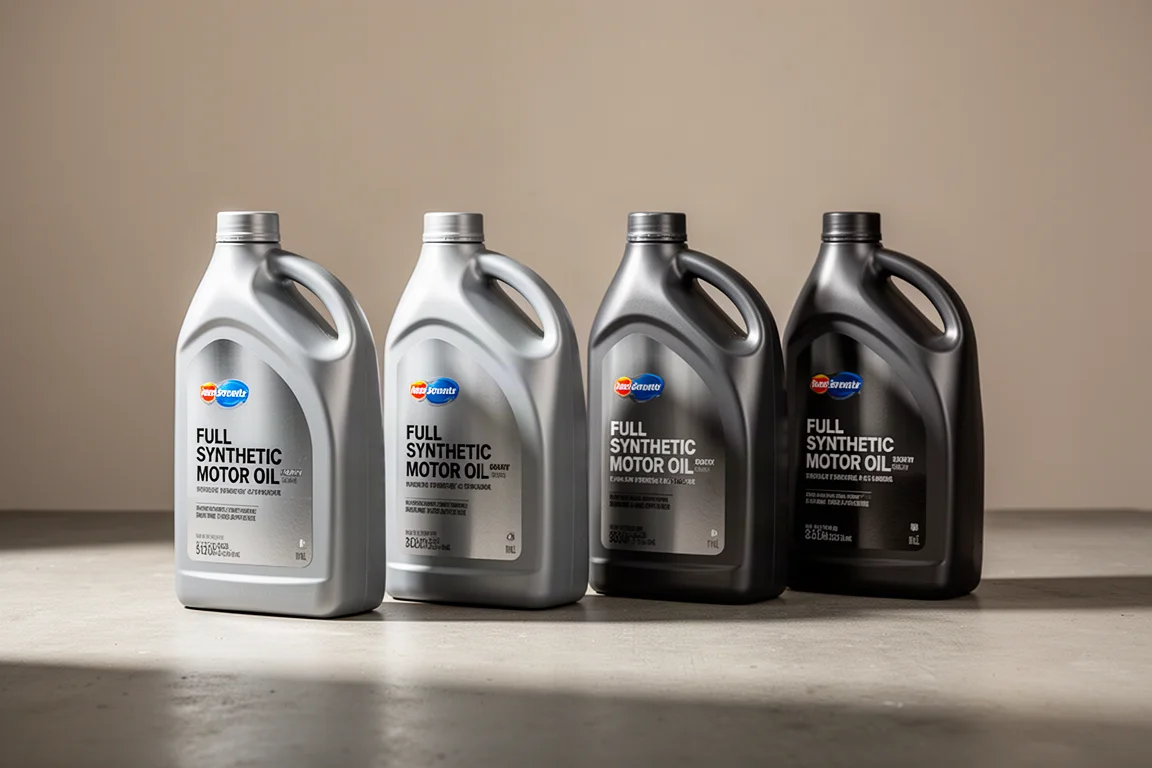
Motor oils keep getting thinner, and the obvious question is whether a 0W-16 engine oil really offers the same protection as a 5W-30. To find out, four Pennzoil Platinum full synthetic oils were compared head to head: 0W-16, 0W-20, 5W-20 and 5W-30. All four are made from natural gas, all four carry the API SP certification, and Pennzoil claims the line is carbon neutral.
The comparison covered three key areas: which oil flows best when extremely cold, which resists wear best, and which holds up best against thermal breakdown and evaporation. The results are genuinely interesting, because thinner oil wins some tests and loses others.
How the Testing Was Done
Each oil was first sampled and sent to an independent oil testing laboratory for a detailed report on the anti-wear additive package, detergent and dispersant content, and the total base number. Samples were shaken before bottling in case part of the additive package had settled, and every bottle was labelled to avoid mix-ups.
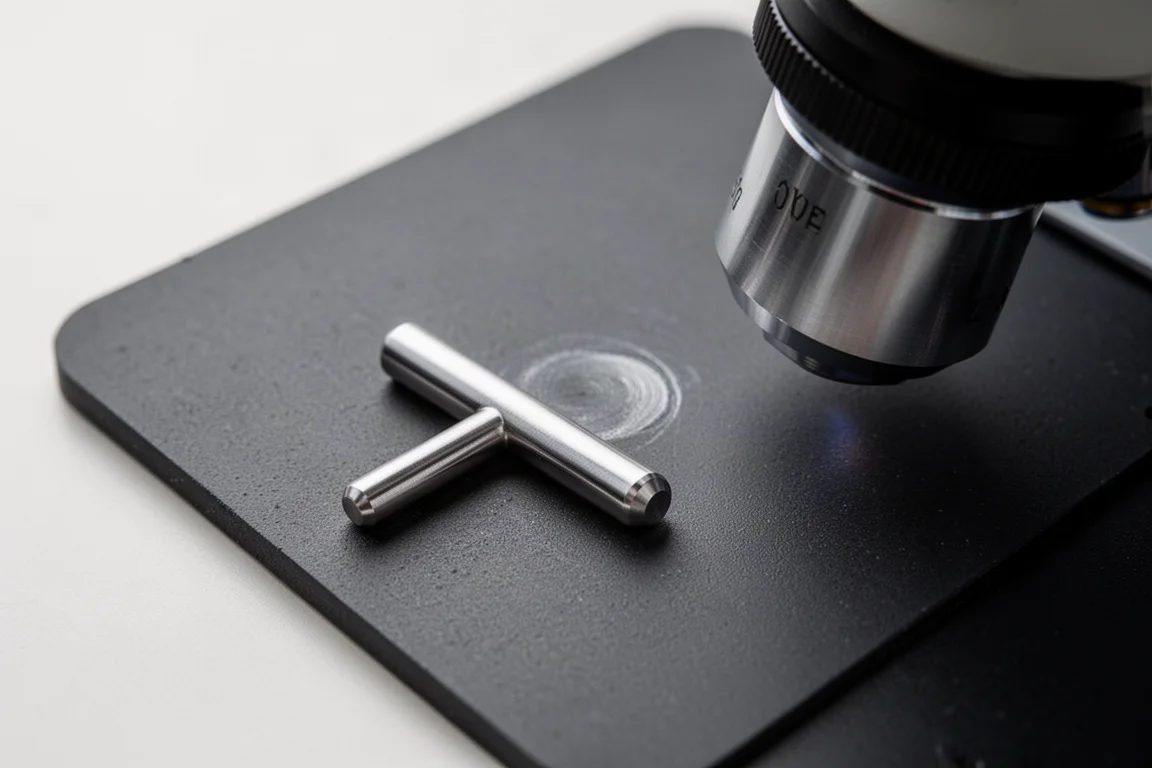
The oils were then put through physical tests at home: a timed cold-flow test at minus 40 degrees Fahrenheit, a two-hour heat exposure at around 410 degrees Fahrenheit, and a lubricity test measuring the size of the wear scar left on a test bearing. Between tests, the equipment was cleaned with brake parts cleaner and the test wheel resurfaced with sandpaper for consistency.
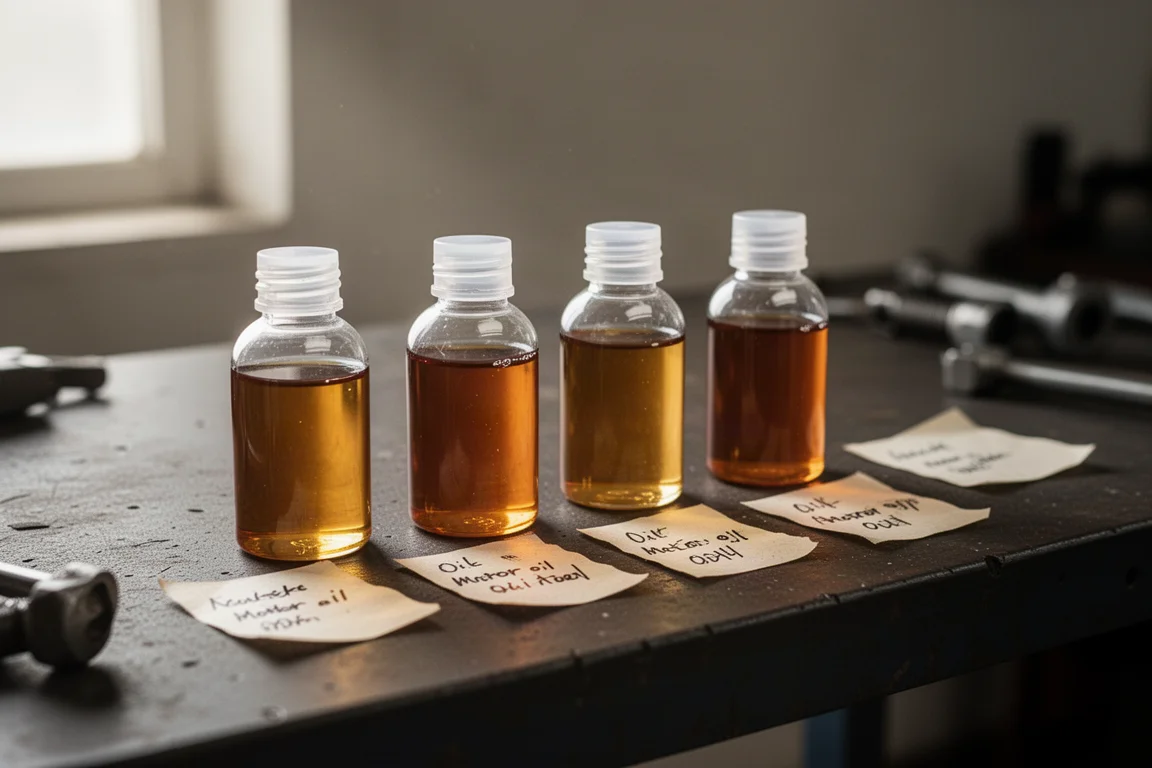
One useful clarification before the results: the W in motor oil stands for winter, not weight. It describes how the oil behaves when very cold, while the number after the dash shows the oil’s flow characteristics in a warmed-up engine.
Heat Test: Thermal Breakdown and Evaporation
For the heat test, exactly 200 grams of each oil was measured into coffee pots and cooked at around 410 degrees Fahrenheit for two hours, with the pots rotated every ten minutes so no burner ran hotter than another. High-quality oil resists evaporation and thermal breakdown, so lower weight loss is better.
Comparing the 0W-16 against the 5W-30 first, the 0W-16 darkened noticeably within twenty minutes while the 5W-30 looked largely unaffected, and the 0W-16 also gave off more vapor. The official industry benchmark for this behaviour is the Noack volatility test, an ASTM standard exposing oil to far more heat than this comparison to simulate conditions near the upper piston ring area.
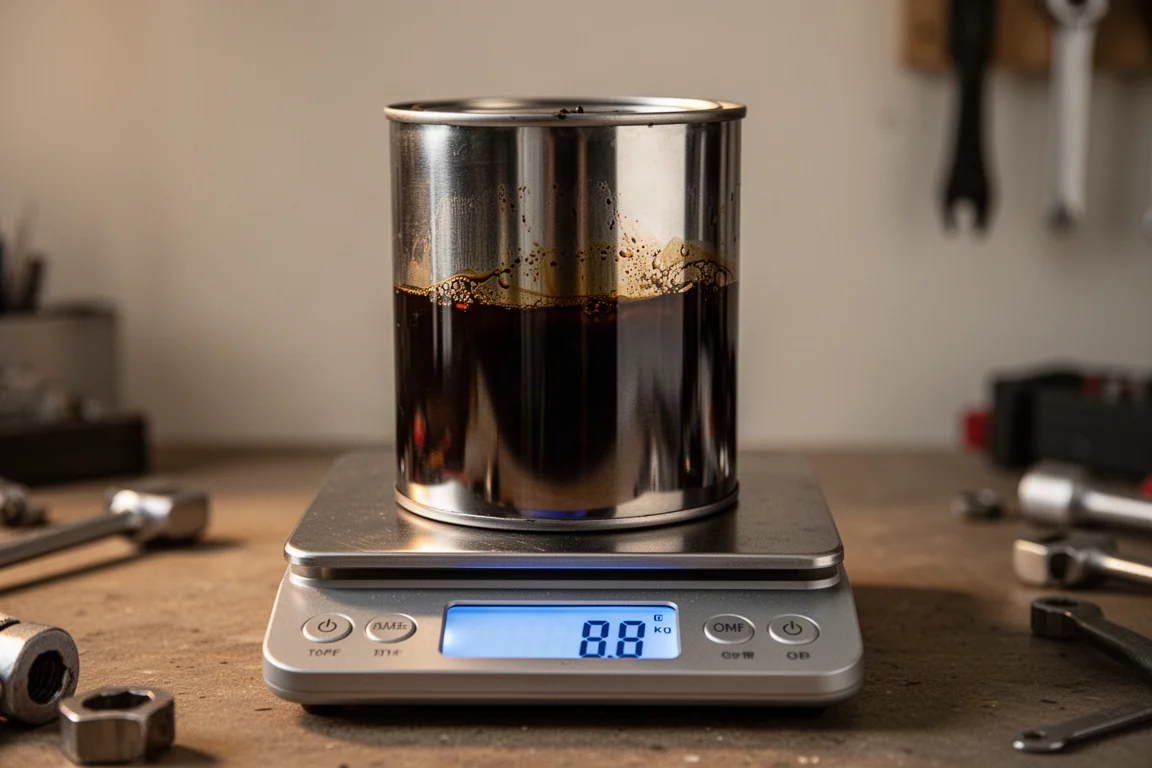
After cooling, the containers were weighed. The 0W-16 lost 4.36 grams to evaporation, while the 5W-30 lost 3.59 grams, a clear win for the thicker oil. In the second heat test, the 0W-20 and 5W-20 were extremely close: the 0W-20 lost 3.97 grams and the 5W-20 lost 3.92 grams. Overall, the 5W-30 lost the least and the 5W-20 was next best, though all four oils performed well.
Cold-Flow Test: Which Oil Moves Fastest
Fresh oil was chilled overnight in a freezer set to minus 40 degrees Fahrenheit, then timed as it raced through a flow tester. The 0W-16 barely slowed down, crossing the line before the other oils had even left the gate. The 0W-20 and 5W-20 needed about a 45-second warm-up before flowing, and the 0W-20 edged the 5W-20 at 1 minute 54 seconds versus 1 minute 57 seconds. The 5W-30 trailed badly, finishing near 2.5 minutes.
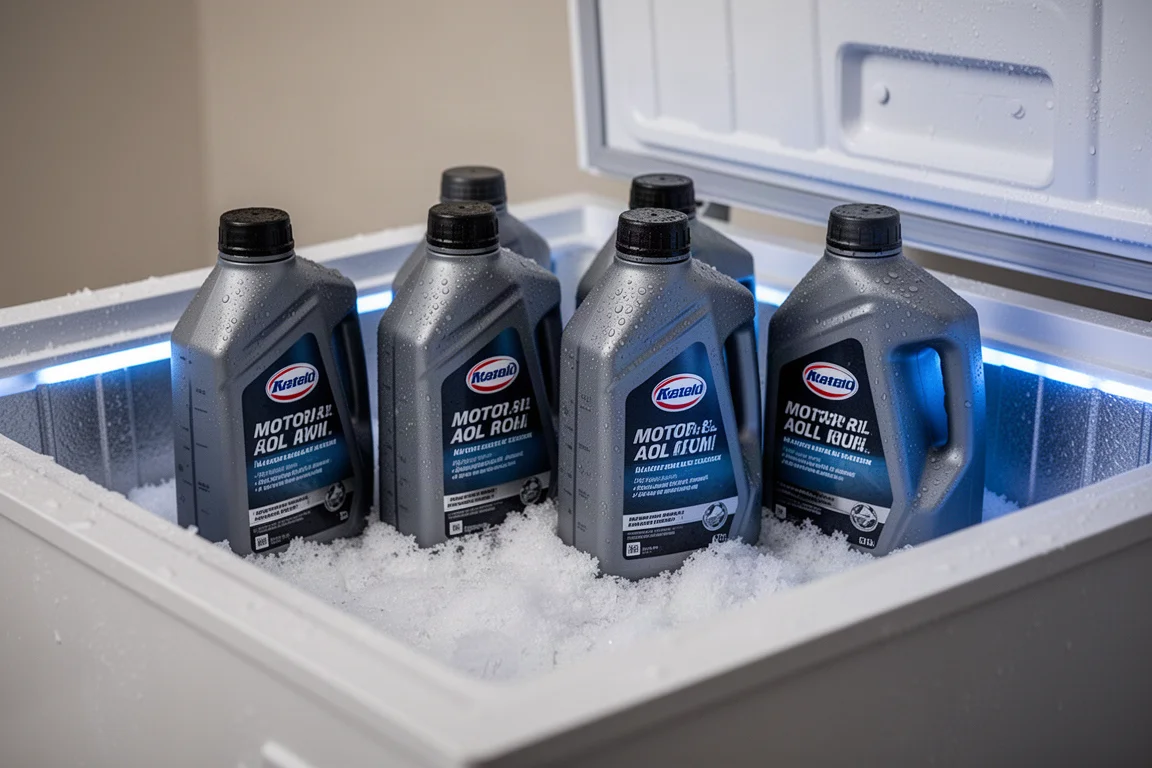
After the two-hour heat exposure, every oil got slower. The 0W-16 still won comfortably at 43.6 seconds, though it was noticeably slower than before. The 0W-20 dropped almost 30 seconds to finish at 2 minutes 22 seconds, the 5W-20 finished roughly 40 seconds slower than fresh, and the 5W-30 needed almost 43 extra seconds. Heat clearly affected all four oils, but the 0W-16 retained the biggest cold-flow advantage.
Wear and Lubricity: Thicker Oil Fights Harder
The lubricity test used 40 ml of heat-exposed oil per run, with the test wheel and pin coated beforehand to avoid a dry start. Less friction means the oil is doing a better job of keeping metal surfaces separated.
In the first comparison, the 5W-30 showed clearly less friction on the energy meter and produced an 8 percent smaller wear scar than the 0W-16, a substantial gap. In the second round, the 5W-20 produced a wear scar about 7 percent smaller than the 0W-20, with the 5W-30 still the overall best performer and the 5W-20 close behind.
Lab Report: Additives and Wear Protection
The lab report consolidated onto a single chart shows all four samples looking clean, with only trace levels of wear metals such as aluminum, iron and tin. Detergent and dispersant content, represented by elements like barium, boron, calcium and magnesium, matters for keeping the inside of an engine clean. Here the 0W-16 had a big advantage at just over 1,800 ppm, with the other three viscosities closely matched around 1,300 ppm.
Anti-wear additives were fairly similar across all four, again with a small edge to the 0W-16, and the 0W-16 also posted the highest total base number at 7.1, meaning the strongest ability to neutralize acids. Judged purely on the additive package, the 0W-16 came out on top, even though it is a very thin oil.
Which Viscosity Should You Buy?
Low viscosity oil flows faster, which should help fuel efficiency, but the testing consistently showed that thinner oil offers somewhat less wear protection than higher viscosity oil. There is also a real-world caution worth knowing: a 2020 Chevrolet running 0W-20 showed just over 20 psi of oil pressure at idle, which the dealership considers normal for that viscosity, while an older Chevrolet with over 300,000 miles and 9,000 hours on 5W-30 shows higher idle pressure.
There is a lot of online debate about substituting 5W-30 where 0W-16 or 0W-20 is specified. The safest suggestion is simply to use the oil called for by the manufacturer. On price, the 0W-16 sits at around $26 for a 5-quart container, with the 5W-30 at about $24, roughly $2 less.
If you want the best cold-flow performance and the strongest lab-measured additive package, the 0W-16 is the standout. If you want the best heat resistance and wear protection, the 5W-30 earned the top marks, with the 5W-20 performing nearly as well. The 0W-20 lands in the middle, strong on cold flow after heat exposure but weaker on wear.
Conclusion
All four Pennzoil Platinum full synthetic oils are well-built products with clean lab results and strong certifications. The takeaway is that no single viscosity wins everything: the 0W-16 excels in cold weather and additive strength, while the 5W-30 and 5W-20 lead on wear protection and thermal stability. Match the viscosity to your engine’s specification first, and you can be confident that any oil in this lineup is a quality choice.
Product link
View more details for Pennzoil Platinum Full Synthetic 0W-16
This product is mentioned in the review. Check the specifications, options, and compatibility before buying.
View more details for Pennzoil Platinum Full Synthetic 0W-16Further reading
Related Reviews
Motor Oil
Best OEM Motor Oil Tested: Honda, Toyota, Ford, ACDelco, Mopar vs Mobil 1
Six SAE 0W-20 full synthetic motor oils put through cold-flow, wear, and thermal breakdown testing to see if any OEM brand can beat Mobil 1.
Motor Oil
Diesel vs Gasoline vs Aviation vs Motorcycle vs Marine Oil: Six Oils Put to the Test
Six motor oils, one independent lab report, cold-flow races, evaporation tests, and wear-scar measurements. The differences between oil types are bigger than most people expect.
Motor Oil
Pennzoil Motor Oil Showdown: Synthetic Blend vs Full Synthetic vs Platinum vs Ultra Platinum
We compared four Pennzoil 5W-30 motor oils across cold flow, wear protection, evaporative loss, and lab-tested additive content to see if the expensive oil is worth it.