Astronomy
Pegasus Astro SmartEye with the Celestron NexStar 8SE: Turn Your Telescope into a Smart Telescope
The SmartEye adds live stacking astrophotography to the NexStar 8SE while keeping the classic eyepiece experience intact.
Introduction
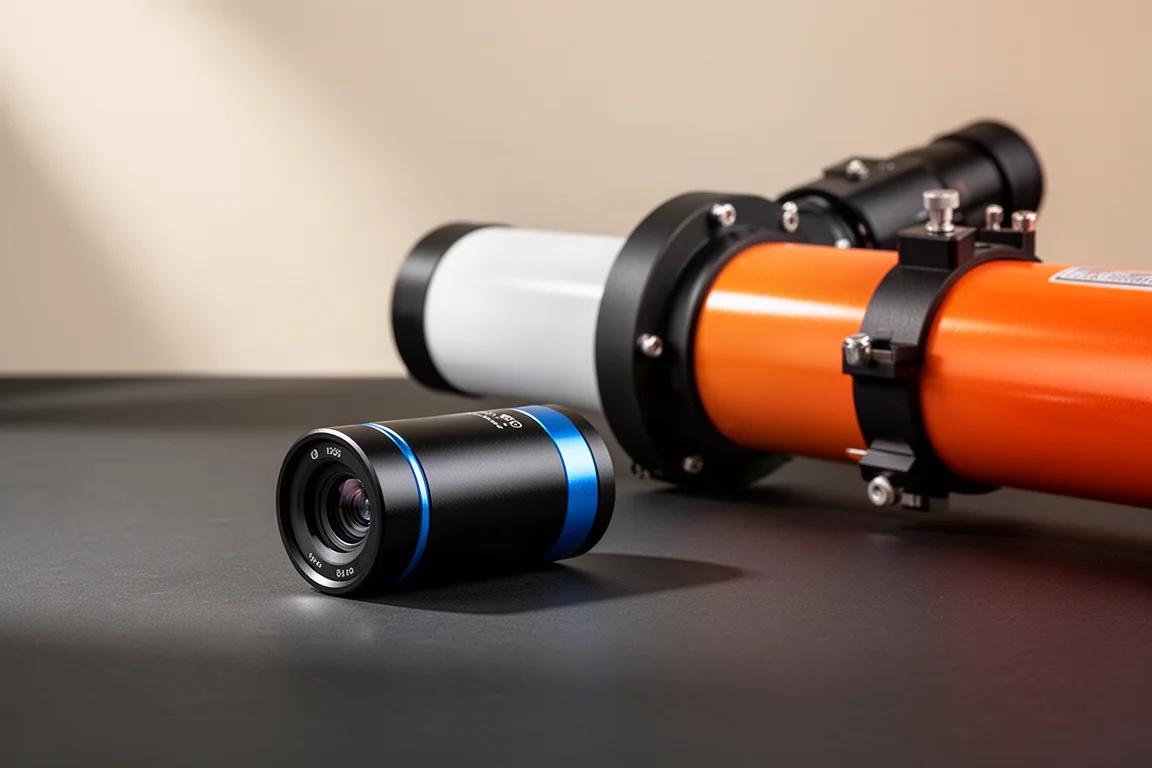
Any visual astronomer will tell you that peering through an eyepiece connects you with the night sky like nothing else, and astrophotography simply can’t replicate that feeling. The catch is that our eyes can’t gather light the way a camera can. The Pegasus Astro SmartEye is designed to close that gap: it offers camera-quality views while preserving the tactile experience of standing at your telescope under the stars. To find out whether it really works, we paired it with the Celestron NexStar 8SE, one of the most popular telescopes in the world and an instrument known for delivering a great visual experience.
What Comes in the Box
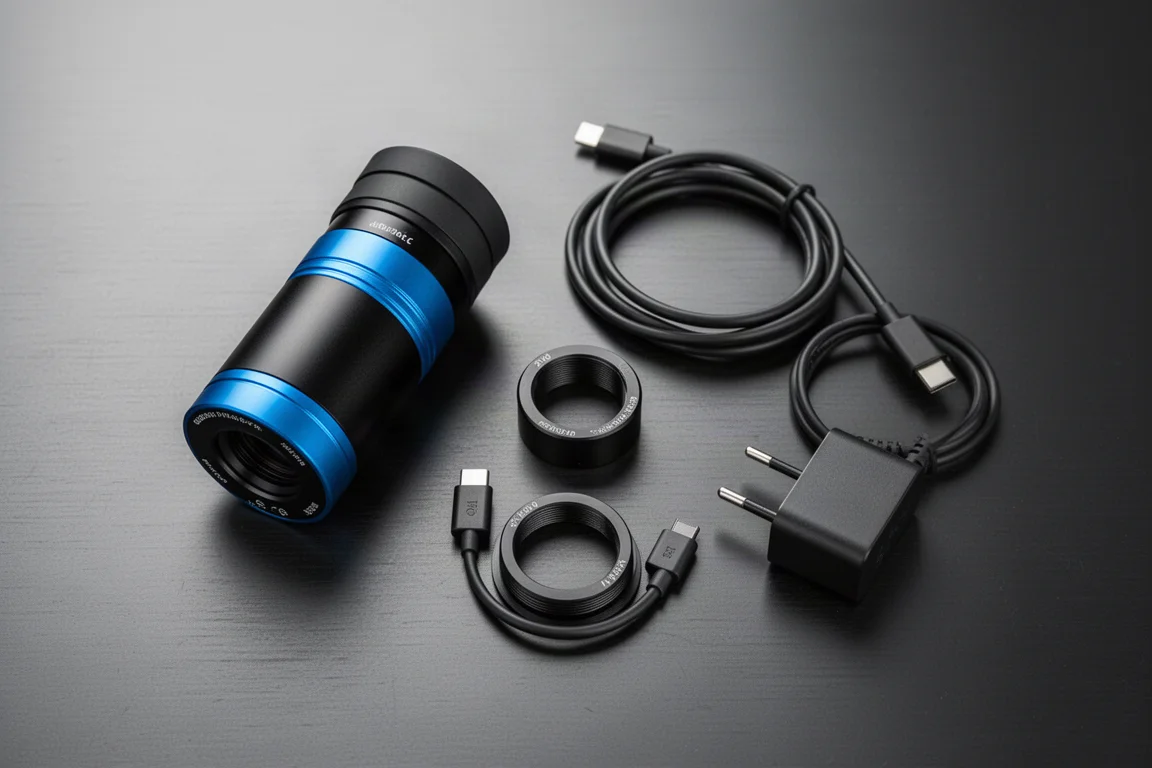
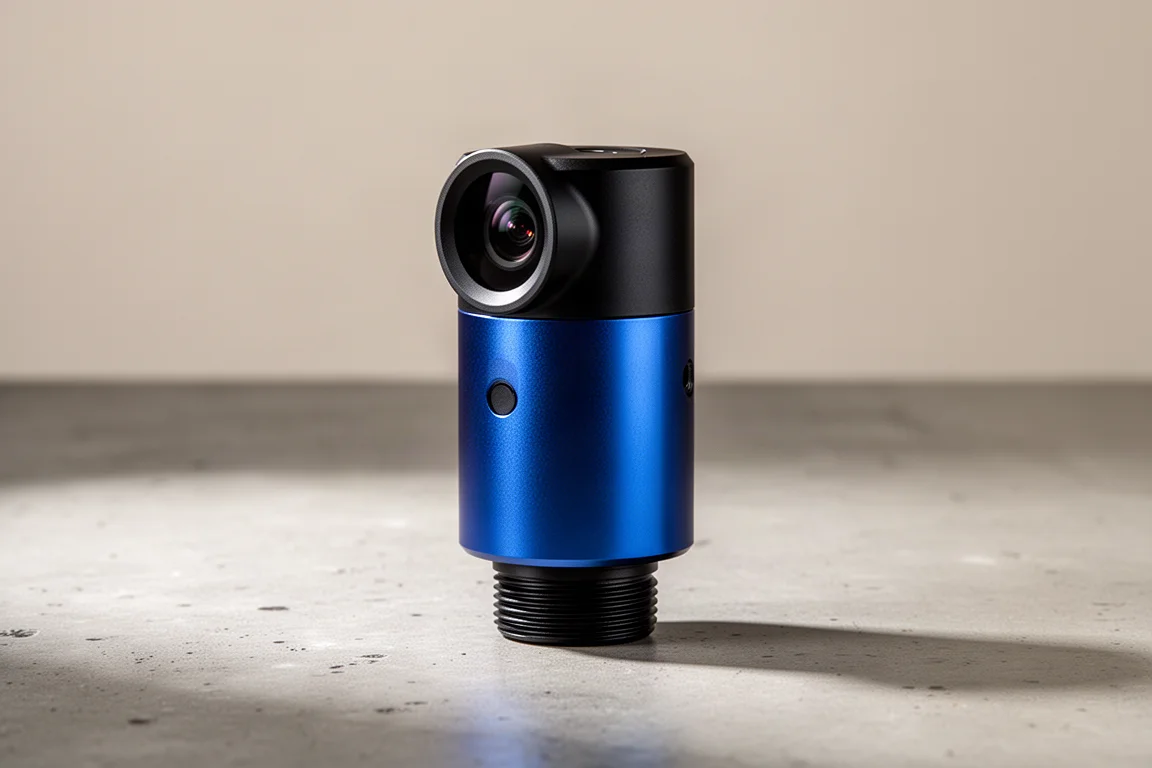
The SmartEye itself arrives with a handsome black and blue anodized coating. Alongside it you get a 2-inch adapter that threads directly into the bottom of the unit, with additional threads for a 2-inch narrowband filter. Power comes from a 12 volt USB-C to AC adapter, with a USB-C cable included. A QR code on the box takes you to the manufacturer’s website for firmware updates.
How the SmartEye Works
At its heart, the SmartEye uses the Sony IMX 533 CMOS sensor, a chip that has become extremely popular in the astrophotography community for good reason. It outputs FITS files that you can save and process later, but the real appeal is the internal live stacking: the sensor captures several-second exposures, and the internal processor stacks and aligns them automatically. As the signal builds, the image grows richer and more colorful, revealing deep sky detail in real time.
All of this is viewed through an ultrawide 90-degree field of view eyepiece, behind which sits a 2560x2560 OLED display. A thumb knob on the side scrolls through imaging modes and adjusts settings like location, and it feels intuitive and simple to use. Internal settings cover starting a new observation or resuming a previous one, storage, camera and temperature controls, and exposure length options for those using a more accurate equatorial mount. The device is powered through a USB input and includes a memory card slot for saving images directly on the unit.
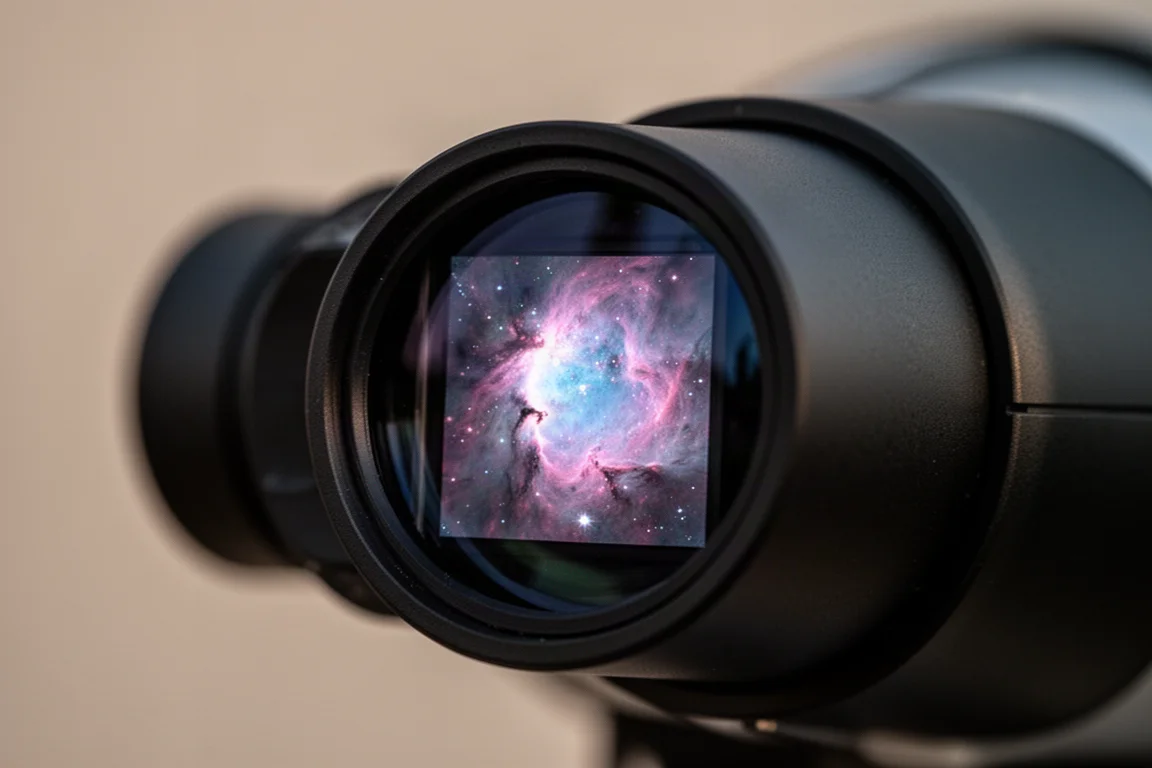
Setup is straightforward. The SmartEye powers on automatically once plugged in. Adjust the diopter on the side of the eyepiece for a sharp image, press the blue button to select live view, and center your object. When it’s ready to enhance, press the blue knob again and choose new observation, and the SmartEye begins stacking and aligning each exposure before your eyes.
Two Ways to Use It
There are two main paths for putting the SmartEye to work. The first, and the one most often discussed, is pairing it with an equatorial mount and a small to medium F/5 refractor designed for astrophotography. In that configuration it essentially acts as a dedicated deep sky camera that doubles as an eyepiece, controlled through the SkySafari Pro app or third-party software like NINA or Sequence Generator Pro. The equatorial mount tracks more precisely, eliminates field rotation, and unlocks the 20 and 30 second exposure settings. That approach appeals most to observers already embedded in deep sky astrophotography.
Why the NexStar 8SE Pairing Makes Sense
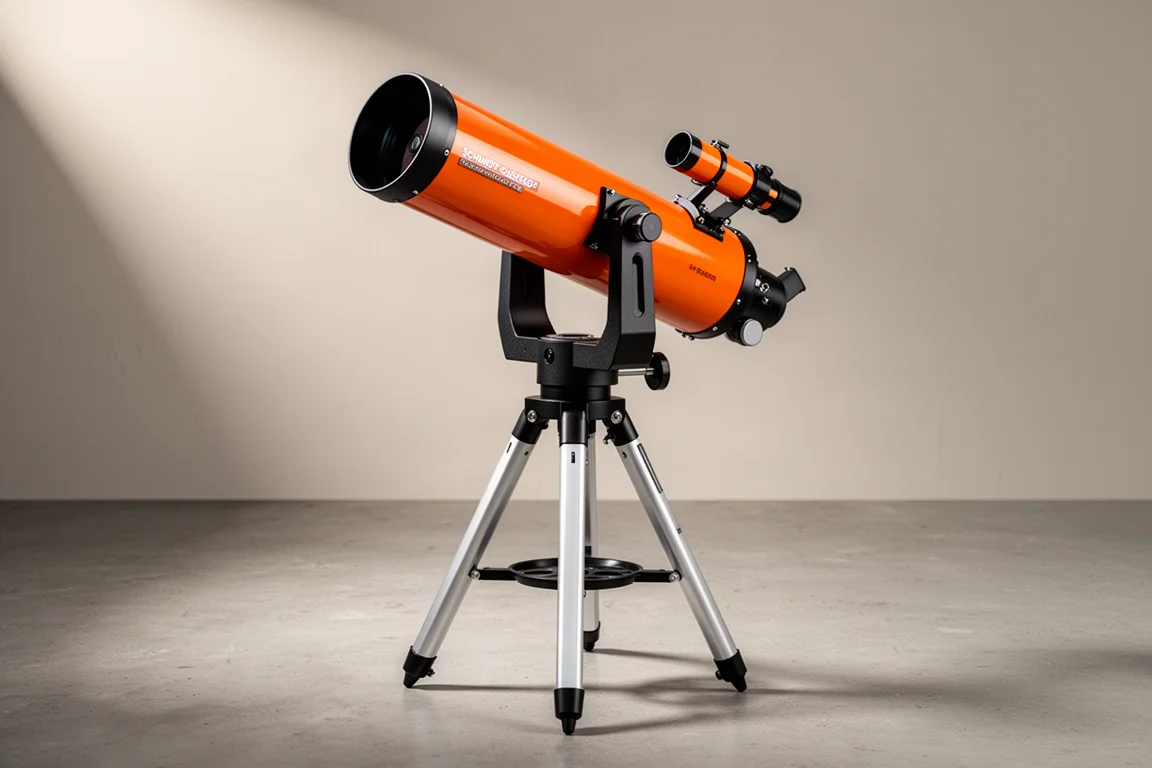
The second path is the one that reveals who the SmartEye was really designed for. The Celestron NexStar 8SE is a wonderful instrument for visual astronomy but not, on its own, a great astrophotography platform. Getting into deep space imaging traditionally means dedicated equatorial mounts, guide cameras, guiding software, guide scopes, and a gear list that grows very quickly.
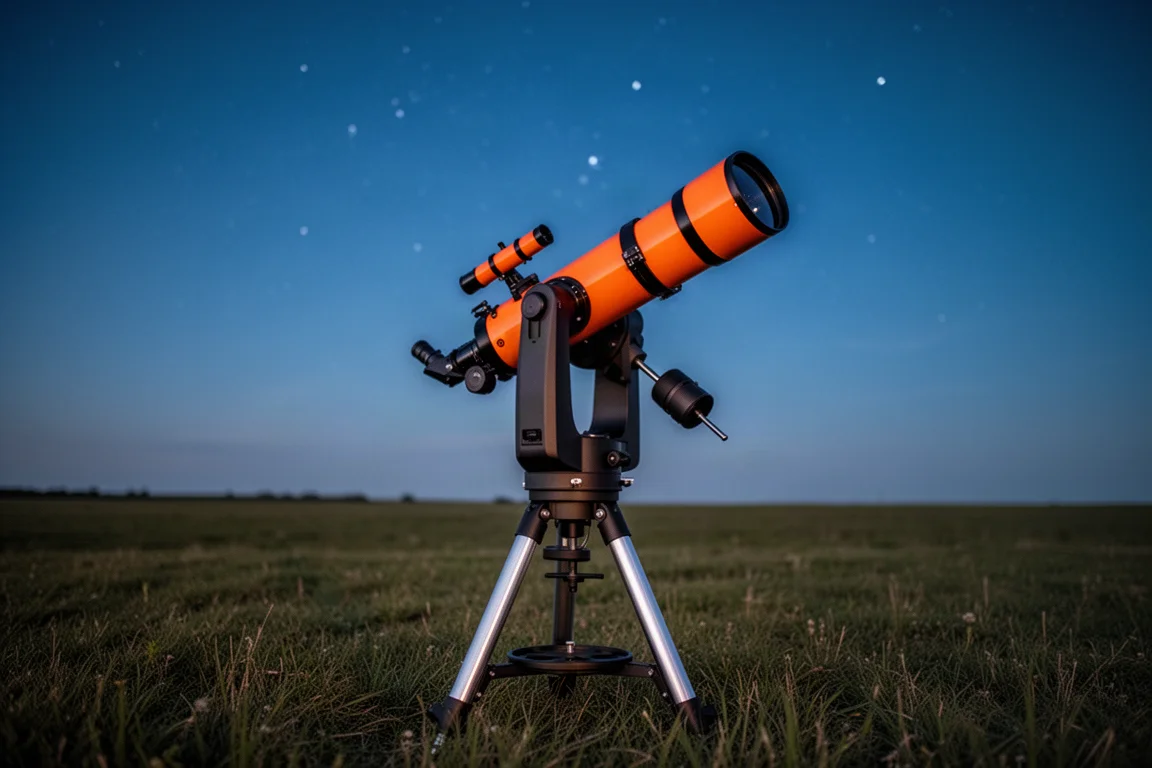
Because the NexStar is already a fully computerized go-to system with a huge database of deep sky objects, adding the SmartEye is a natural way to capture and photograph those objects on an alt-azimuth mount. When the sun sets, you simply insert the SmartEye like a standard eyepiece, align the NexStar, and select your target. In field testing, the combination felt surprisingly natural: the NexStar mount handles go-to and tracking while the SmartEye gradually builds exposures, revealing colors and details in your favorite deep sky objects. Adding the Celestron .63 focal reducer brings the whole system down to an f/7 or faster focal ratio.
Real-World Results Under the Stars
The Orion Nebula session made the case convincingly. In live view, the target appeared as a black and white monochrome image with the Trapezium Cluster clearly apparent. After roughly four minutes of stacking 10-second exposures, the view changed completely: the Trapezium showed pink and blue definition just as it would in a photograph, the outer wings of the nebula took on blue and pink tones, and the companion emission nebula Messier 43 stood out clearly to the side. There was modeling and detail inside the nebula that you would expect from an 8-inch telescope. It genuinely transforms the NexStar 8SE.
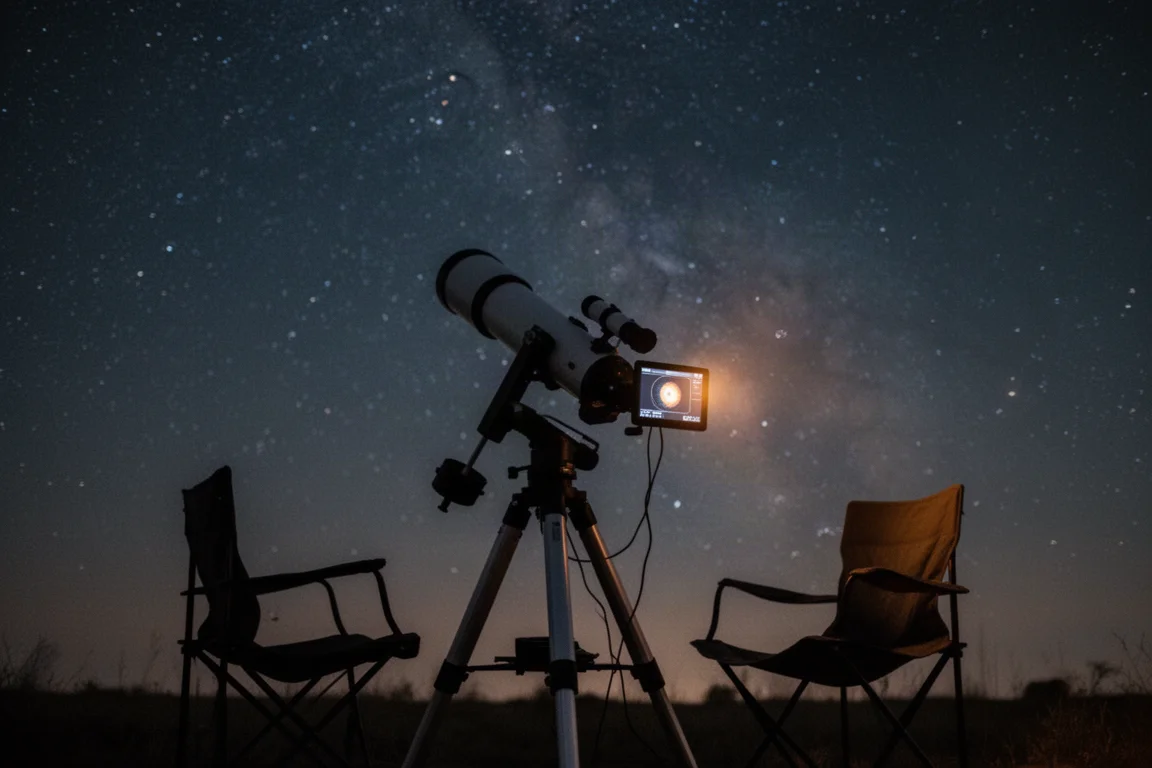
Given how popular the NexStar series is, this pairing starts to make a lot of sense. Thousands of amateur observers use the NexStar, Evolution, or CPC series, all fully go-to and computerized telescopes that make navigating the sky easy. For those users, the SmartEye doesn’t replace their telescope; it fully unlocks it. Paired with the Celestron SkyPortal app and Wi-Fi, the setup closely resembles a modern smart telescope, with one major difference: you can still drop in your favorite eyepiece for high magnification planetary and lunar views, something a smart telescope simply can’t offer.
Buying Advice
If you’re just starting out and want the tactile feel of observing at the eyepiece, but you also want the best possible views, pairing the SmartEye with a computerized telescope belongs on your short list. If you already own a go-to telescope but find yourself observing less because you want more out of it, the SmartEye sidesteps the usual three paths of buying the largest telescope you can handle, going all in on a smart telescope, or building a dedicated astrophotography rig. It doesn’t force you into a single category; it opens up real versatility. You keep the tactile feel of a large telescope, gain the technology of a smart telescope, and still get astrophotos comparable to a dedicated imaging setup.
Conclusion
The Pegasus Astro SmartEye does something no other product quite does, and for observers with a computerized telescope like the NexStar 8SE, it can genuinely change the way you experience the night sky. If you want eyepiece views and live-stacked astrophotography from the same instrument, this combination deserves a close look.
Further reading
Related Reviews
Astronomy
Astronomy Gifts for Dads: Binoculars, Telescopes and Accessories Worth Giving
A practical gift guide covering stargazing binoculars from around $50, beginner telescopes under $500, and accessories under $100.
Astronomy
Best Filters for EAA in Light Pollution: What Short-Exposure Testing Actually Showed
Five astronomy filters and two noise reduction tools tested under light polluted skies for electronically assisted astronomy, with practical results for broadband and narrowband targets.
Astronomy
Six Premium Eyepieces That Transform a Beginner Telescope
A hands-on comparison of Tele Vue Panoptic, Tele Vue Nagler, and Baader Hyperion eyepieces, and why upgrading the stock eyepieces is the best first move in stargazing.