Portable Power
Pecron E2000 Portable Power Station Review: Why It Falls Short
A closer look at the Pecron E2000 portable power station, covering slow charging, self-draining battery issues, and solar compatibility problems before you spend your money.
Introduction
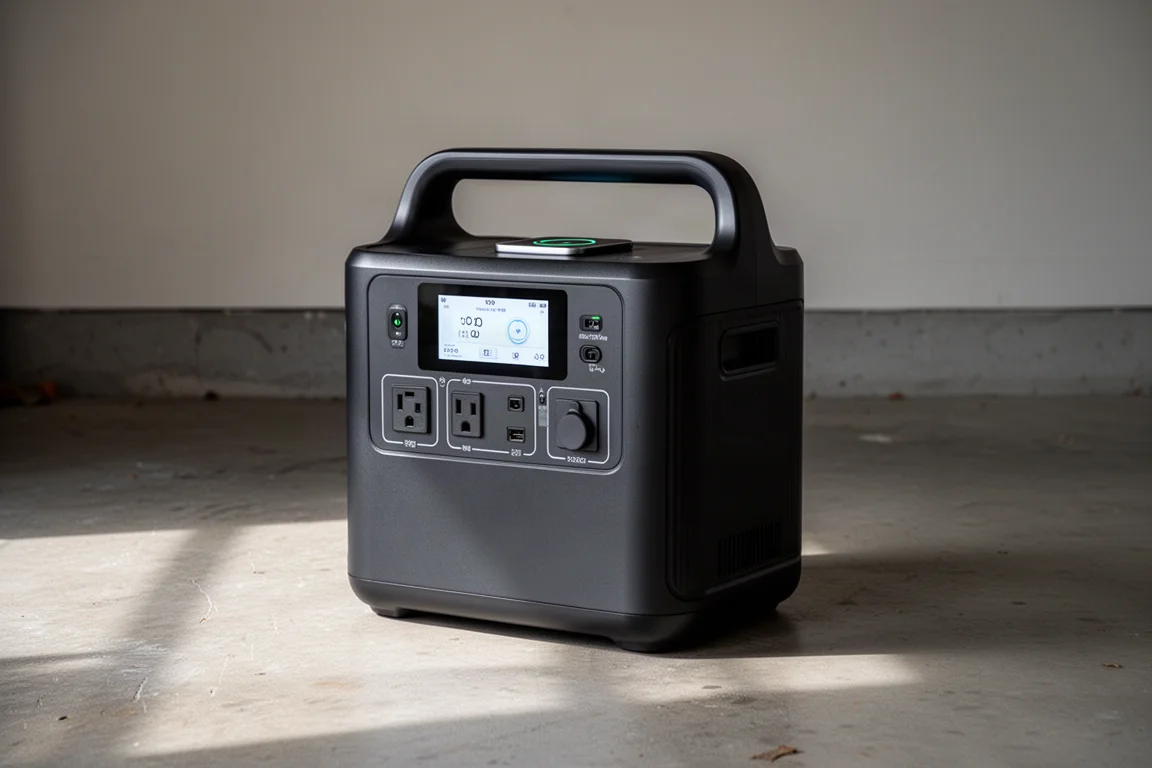
Most portable power stations we cover on this site are units we would genuinely recommend. This one is different. The Pecron E2000 is a portable power supply aimed at campers and tailgaters, and after extended use it is hard to recommend in a market where established brands offer better alternatives for similar or lower money. This review walks through the specific problems so you can decide with confidence before buying.
Who This Product Is For
On paper, the E2000 targets people who want portable power for camping, tailgating, or backup use. It offers a mix of 12V outputs, barrel connectors, USB ports, AC outlets, and a wireless charging pad on top. The screen is bright and easy to read, which is genuinely useful outdoors.
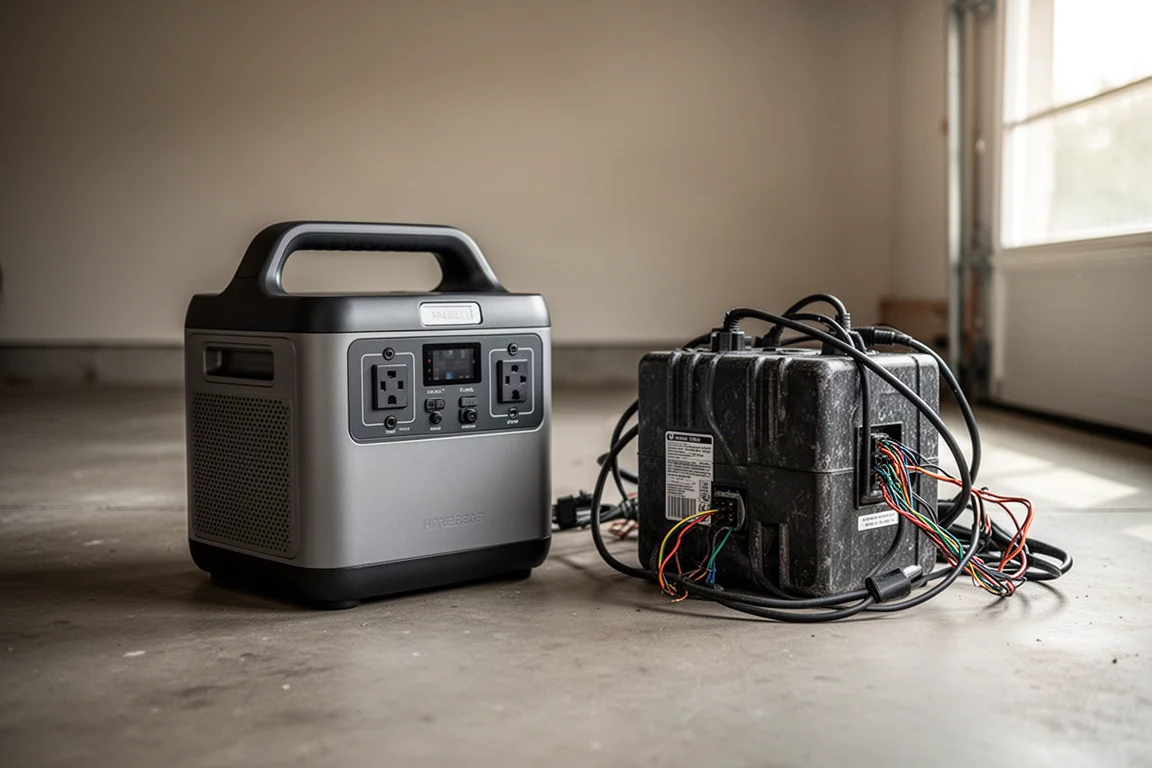
If you already own a unit from a major brand, the E2000 offers little to switch for. If you are shopping for your first portable power station, there are stronger options to consider first.
Charging Speed and the Included Charger
The first noticeable issue is the external charger. It is a large, heavy brick with exposed wiring and circuitry, which feels dated compared to the standard plug-style chargers that most competing units now include. If any water gets into it, the charger is effectively finished, which is a real concern for outdoor use.
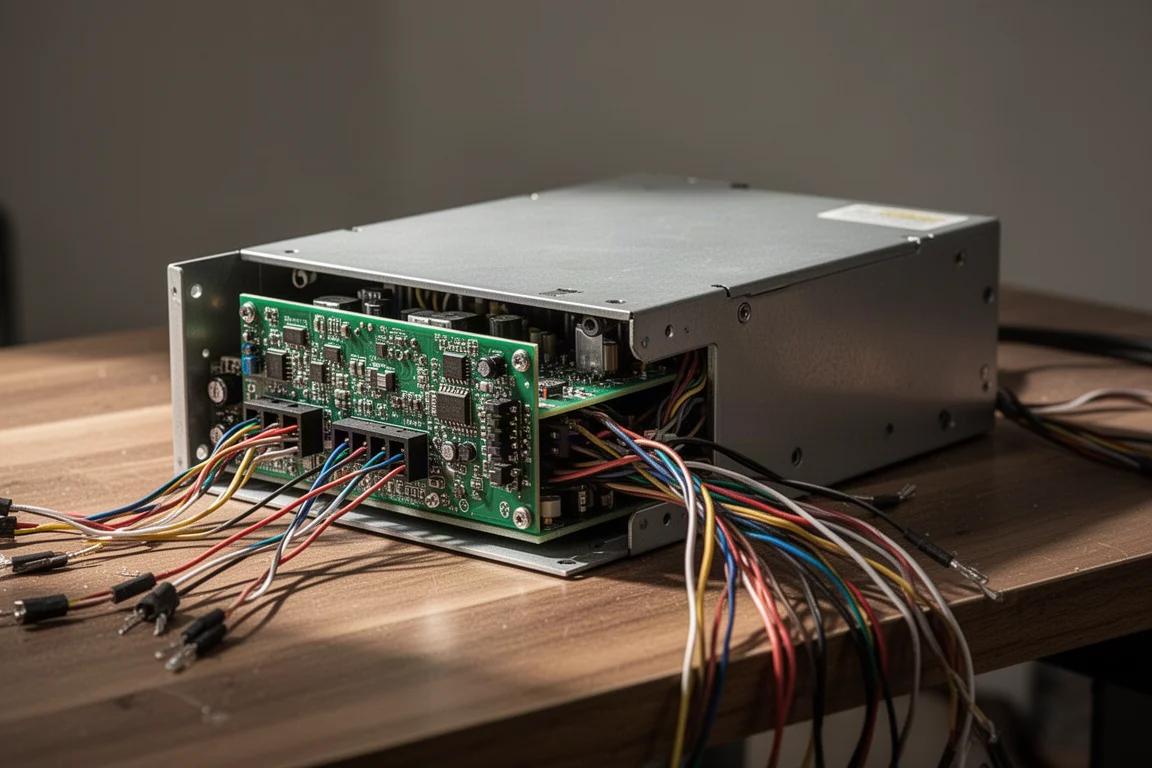
Charging speed is the bigger problem. Larger comparable units typically draw 1,000 to 1,500 watts while charging. The most this unit managed was 521 watts, with most sessions sitting between roughly 495 and 515 watts. That makes topping it back up extremely slow. On top of that, the charger is loud, which makes sleeping near it while camping impractical.
Battery Drain Problem
A more serious issue showed up during storage. After sitting unused in a garage for two to three months at mild outdoor temperatures, the battery drained to complete zero. Comparable units from other brands held a full charge over the same period in the same conditions. Either something in the storage environment caused the loss or, more likely, the battery cells themselves are low quality. Either way, a power station that cannot hold its charge between uses undermines the entire point of owning one.
Solar Charging That Simply Does Not Work
Solar charging is one of the main reasons people buy this category of product, and this is where the E2000 fails hardest. Multiple major-brand solar panels were tested, and none would charge the unit. Every other comparable power station tested accepted charge from a range of third-party panels without issue.
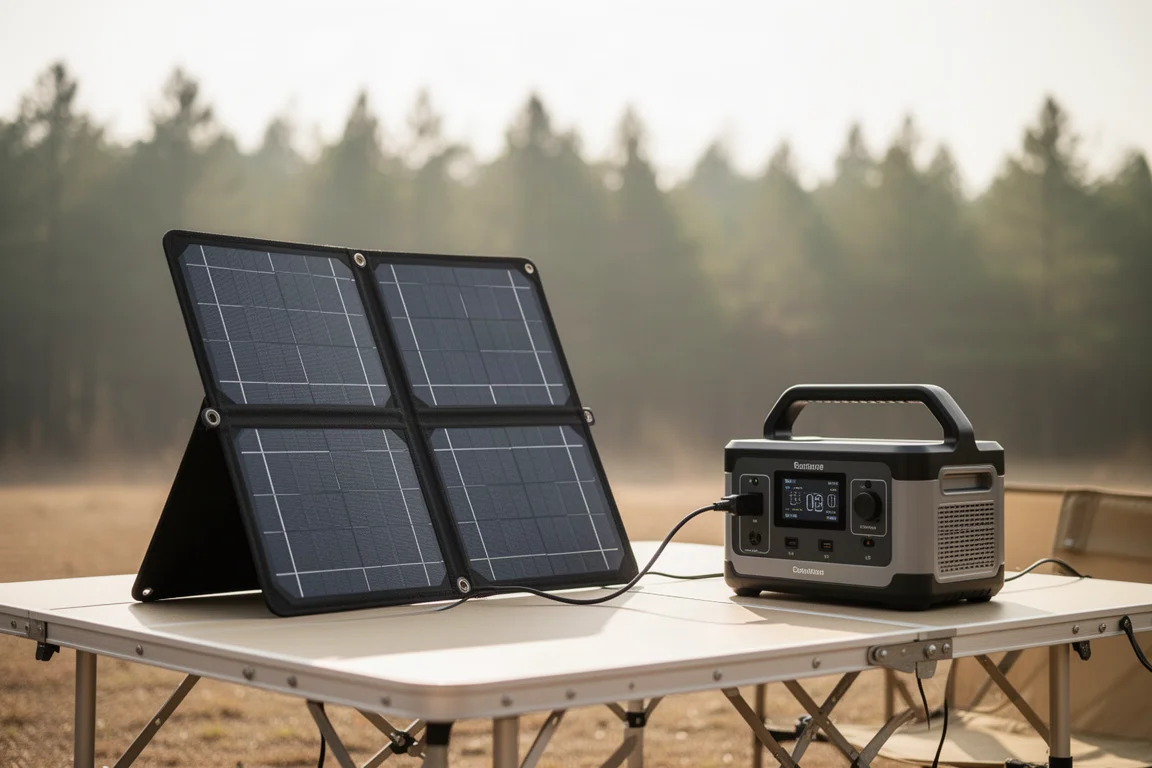
Without solar input, you cannot run this unit off grid without also having access to an AC power source to run the external charger. That removes the core use case for most buyers.
Build Quality and Everyday Usability
The overall construction is acceptable and should survive some rough handling, but the finer details are inconsistent. Some of the output ports work intermittently. The AC outlets function once you get the unit powered on, but the power button itself requires a long hold and behaves unpredictably, sometimes turning on, sometimes not, sometimes shutting off unexpectedly.
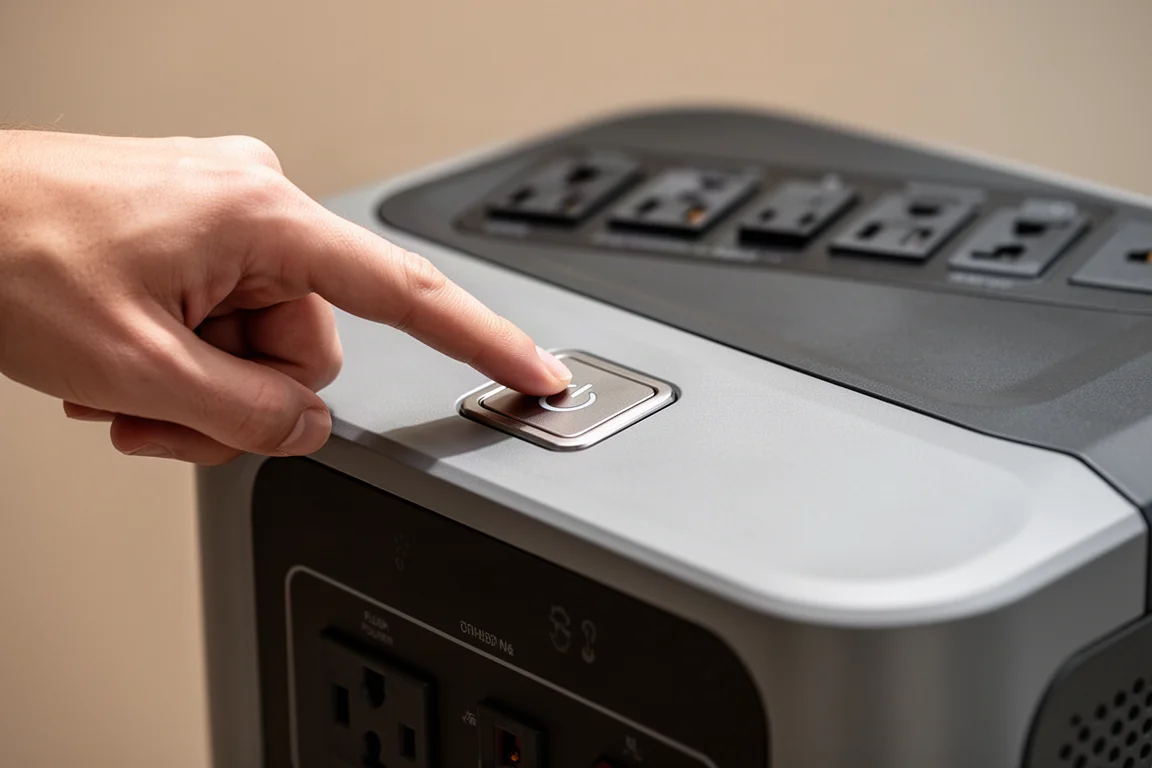
The wireless charging pad on the top surface is a nice idea on paper but charges extremely slowly in practice.
Things to Consider Before Buying
Price is the final strike. Even with all these compromises, the E2000 is not cheaper than a comparable unit from a better-established brand. You would be paying a similar amount for a slower-charging, self-draining, solar-incompatible product with a loud charger. If those trade-offs do not bother you, it will technically get the job done, but at this price there is no compelling reason to accept them.
Buying Advice
If you need a portable power station for camping or tailgating, prioritize units from established brands that charge from standard AC plugs and accept third-party solar panels. Check that the unit holds its charge during storage, confirm solar compatibility before purchase, and look at realistic charging speeds rather than headline capacity numbers. Any of those three checks would have ruled out the E2000 here.
Conclusion
The Pecron E2000 portable power station checks the box on paper with a generous port selection and a bright display, but real-world use exposes problems that matter: a battery that drains itself flat in storage, very slow and noisy AC charging, solar panels that refuse to charge it, and inconsistent port behavior. For similar money, better-built alternatives from major brands are readily available. For most buyers, this is one to pass on.
Product link
View more details for Pecron E2000 Portable Power Station
This product is mentioned in the review. Check the specifications, options, and compatibility before buying.
View more details for Pecron E2000 Portable Power StationFurther reading
Related Reviews
Portable Power
Best Portable Power for Camping and Remote Work: Six Power Banks and Solar Panels Compared
A practical comparison of six portable power options, from a 500W solar generator for car camping to a one pound solar power bank built for backpacking.
Portable Power
Best Portable Power Stations 2026: Nine Models Compared for Real-World Use
We compared nine portable power stations across output, capacity, charging speed, noise, and UPS performance to find the best value and the best overall pick.
Portable Power
Best Portable Power Stations and Power Banks for Blackouts and Travel
Five portable power solutions compared: two EcoFlow power stations, a flight-friendly Zendure power bank, a see-through Shargeek, and the feature-packed Omni 20c+.