Portable Power
Pecron 1500 Review: A Surprisingly Capable Battery in a Box
A 1,500W portable power station with a tough built-in inverter, solid value at $749, and a few design choices worth weighing before you buy.
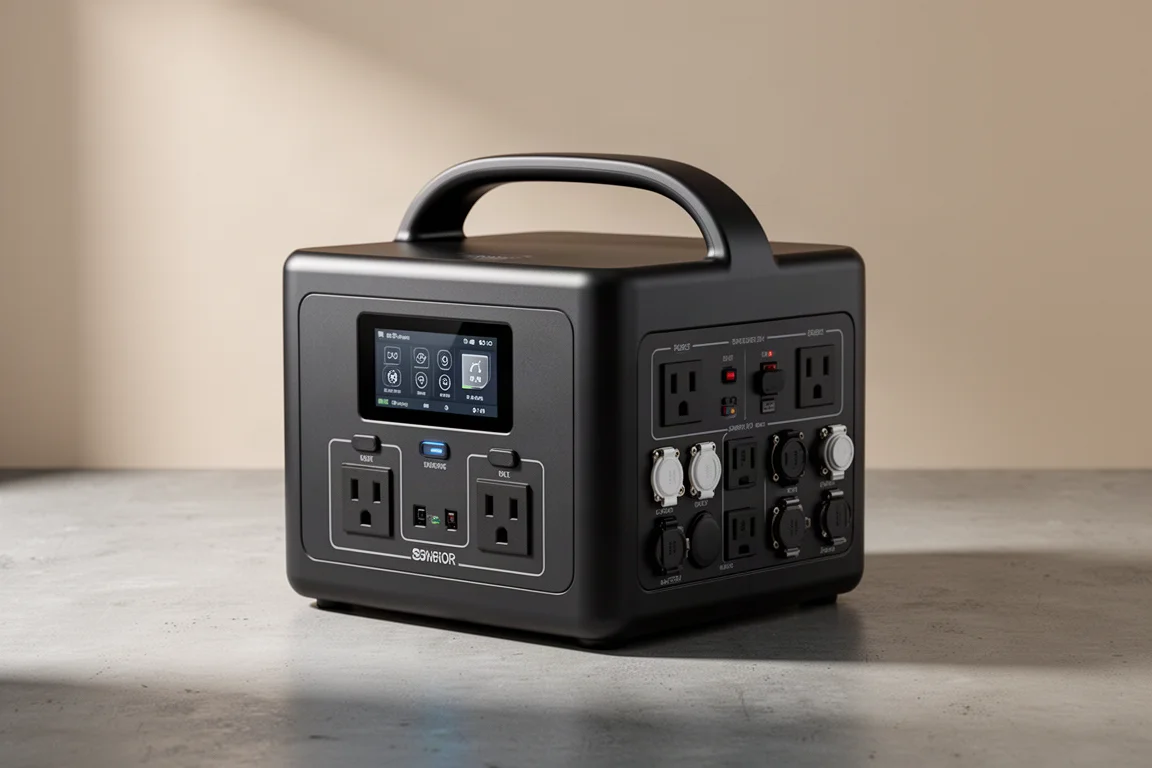
Introduction
The Pecron 1500 is a portable power station, or if you prefer, a battery in a box. It is designed as a cleaner, quieter replacement for a gas-powered generator, and at 1,500 watts of running output it is not going to power an entire RV, but it will deliver plenty of usable juice for camping trips, storm outages, and project work. After spending real time with it, charging devices from it, and stress-testing its inverter, it turned out to be a more capable machine than its spec sheet and form factor first suggested.
First Impressions and Design
Out of the box, the unit weighs 28.6 pounds, which is honestly not bad for something in this size and power class. Boot-up is quick, and the display is easy to read. It is dimmable and can be made brighter, and once something is plugged in it shows the live draw in watts. In testing it read 156 watts while charging a device, doing a genuinely good job of keeping you informed about what is happening.
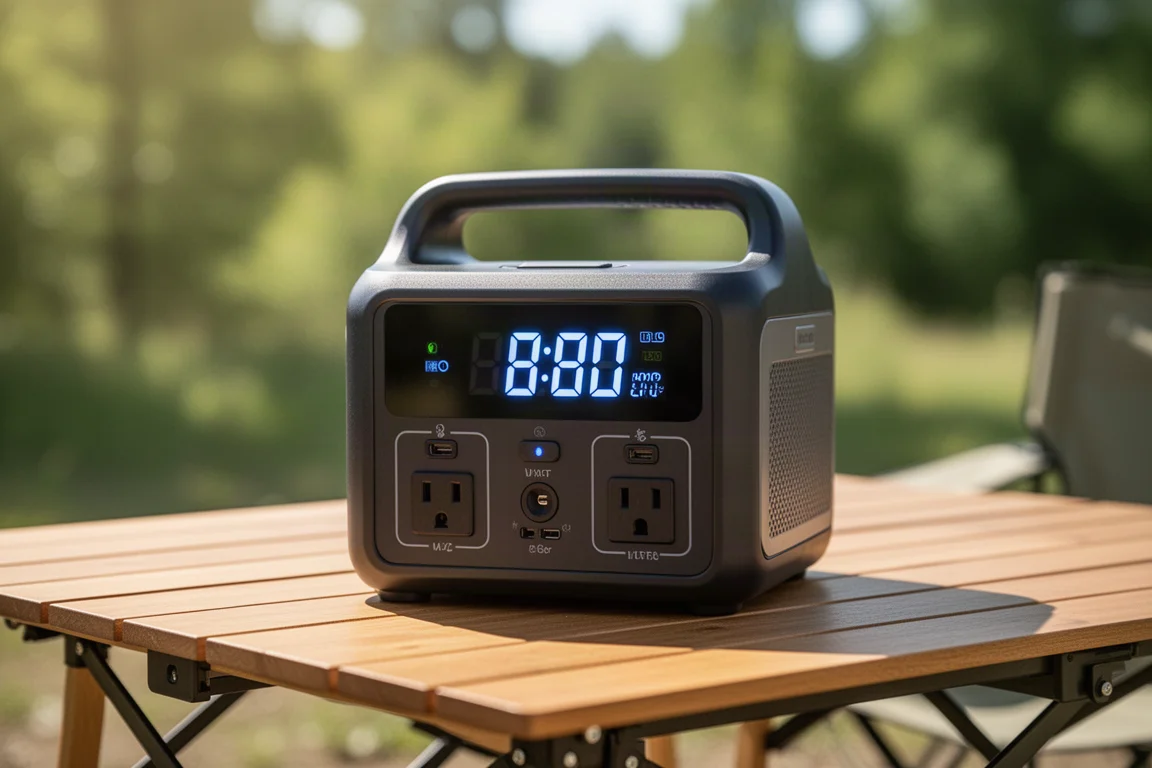
The display was initially a point of criticism. It is a small display area for a device of this caliber, and a bigger screen would have been welcome. That said, Pecron crams a lot of information into it, it is really bright, it is easy to see even outdoors, and the dimmability is a clear upgrade over the previous version of this unit. One design gripe that sticks: the rounded handle on top. It prevents stacking anything on top of the unit, which matters when you are traveling with heavy gear and need to load other items above it.
Ports, Charging, and the Cable Situation
Port selection covers the essentials. There are four quick-charging USB ports on one side, aircraft-style ports, and AC outlets on the rear. On the opposite side there are three more ports, including a grounding port, which you rarely see on a unit like this and is a nice touch.
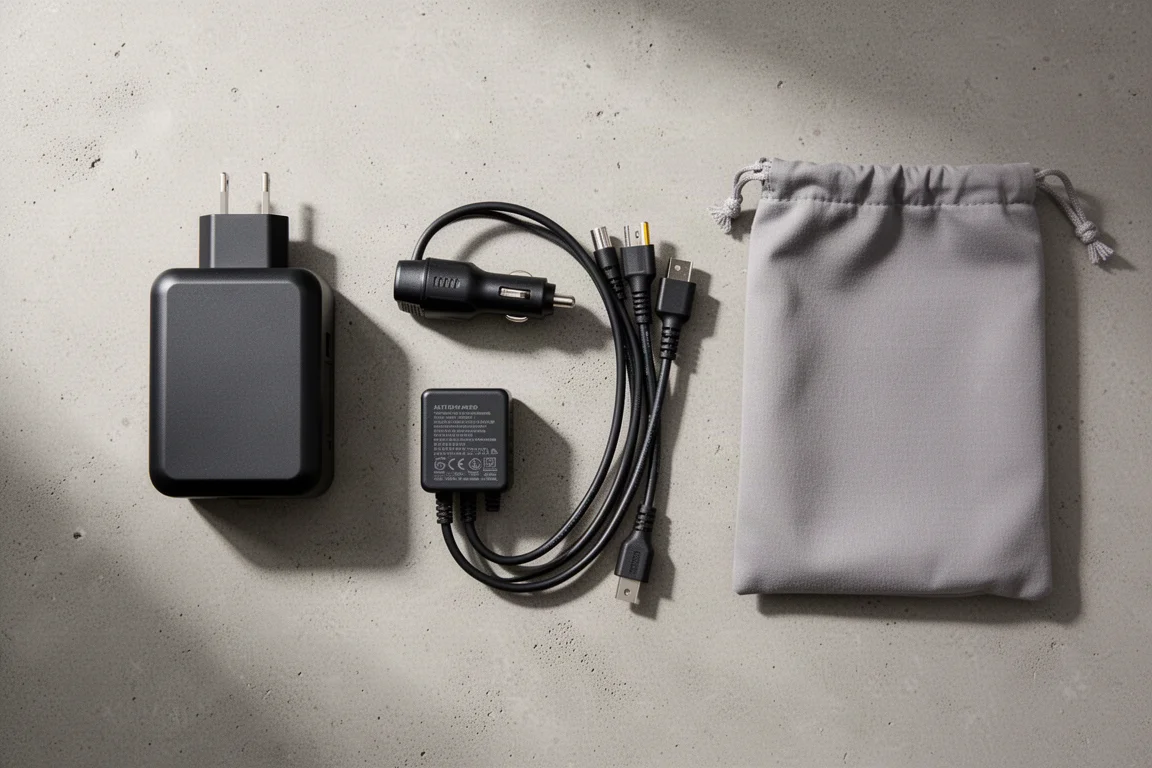
Charging options come via external bricks: a wall power brick that charges the unit in about four hours, and an automotive brick that takes roughly three to four times longer. Everything plugs in through aircraft-style connectors, and there is a dedicated solar input so you can plug a solar cable directly in for off-grid recharging. The one real annoyance is the dongle system. All the extra functions rely on external cables rather than built-in ports, which means carrying extra pieces that will inevitably go missing. It is hard to blame Pecron too much, since few competitors do this much better, but onboard storage or integrated ports would have been the cleaner solution.
What Happens When You Stress It
The inverter is the part that impressed the most. To test it, multiple loads were stacked on at once: DC charging running, USB devices plugged in, and then a demanding load dropped onto the AC inverter. A good inverter system cuts off safely under overload; a bad one kills itself. This unit cut off, reset cleanly, and kept going. That is a seriously robust inverter for a machine at this price.
With 1,500 watts of continuous output and double that, 3,000 watts, available for peak starting loads, you can run some AC systems and serious power tools off of it. That is quite a bit of power for the money.
Who It Is For
This sits in a useful middle zone. Anything under 1,000 watts is awkward for staying out a day or two, and units at 2,000 watts and above start entering RV-level and home-level power territory. The Pecron 1500 lands right in between: serious camping, storm and emergency backup power, and portable power for projects.

It is also worth knowing that Pecron has been in this business for a while. The company offers a full range of power stations, from small portable units up to big expandable dual-battery systems that can run a whole house, plus solar panel systems sold in kit form, a rolling cart for adding wheels after the fact, and accessories like extra adapters, cables, and alligator clips. This is an established company that knows what it is doing.
Things to Consider Before Buying
The value case is strong: $749 for 1,500 watts is a good deal for this much portable power, and the unit is relatively compact for its output. The build quality of the inverter alone sets it apart from weaker competitors that have died under similar stress tests.
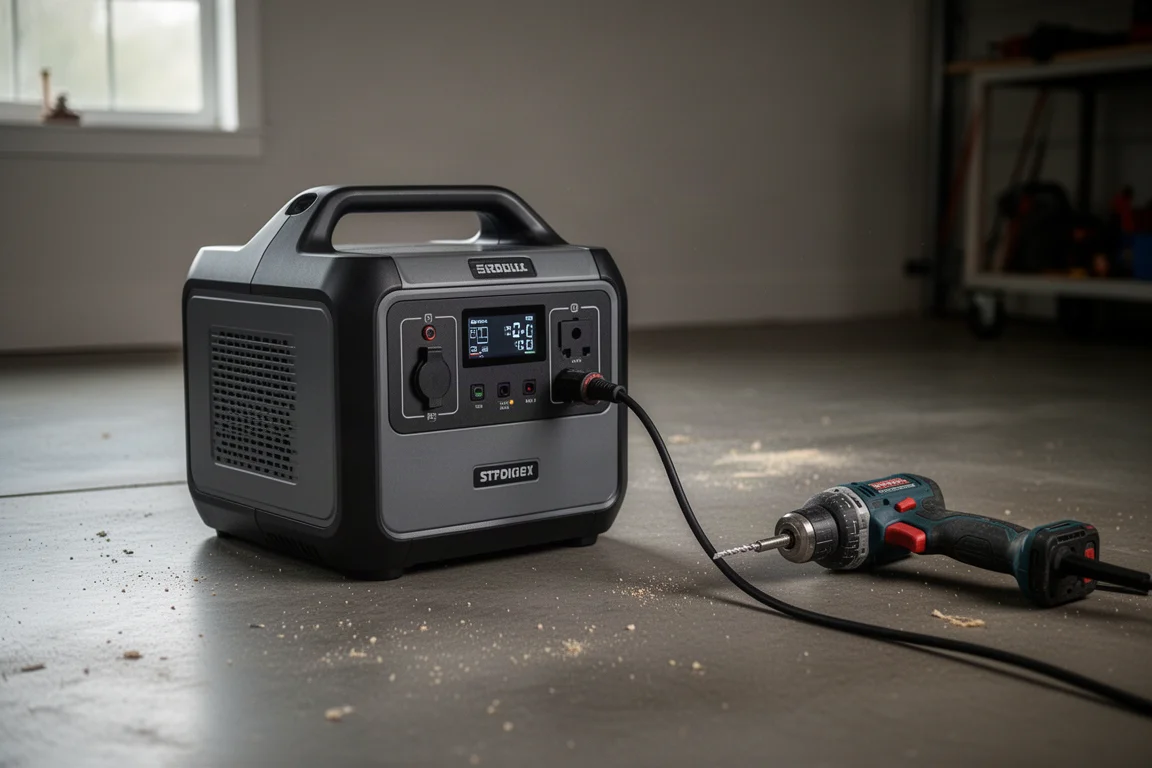
The trade-offs are worth listing before you commit. You are tied to external cables and dongles for charging and expansion rather than built-in ports. The rounded top handle blocks stacking. And the battery is lithium-ion rather than LiFePO4; lithium-ion batteries are a little more volatile and deliver fewer recharge cycles than lithium iron phosphate, even if the choice was likely made for price and size.
Conclusion
This one grew on us. At first glance the form factor, small screen, and limited port array did not inspire confidence. In the end, the Pecron 1500 impressed with its tough inverter, bright and informative display, manageable 28.6-pound weight, and strong price-to-power ratio at $749. If you want dependable mid-range portable power for camping, emergencies, or workshop projects, and you can live with the cable-dependent ecosystem and the lithium-ion battery choice, this is an easy recommendation.
Product link
View more details for Pecron 1500
This product is mentioned in the review. Check the specifications, options, and compatibility before buying.
View more details for Pecron 1500Further reading
Related Reviews
Portable Power
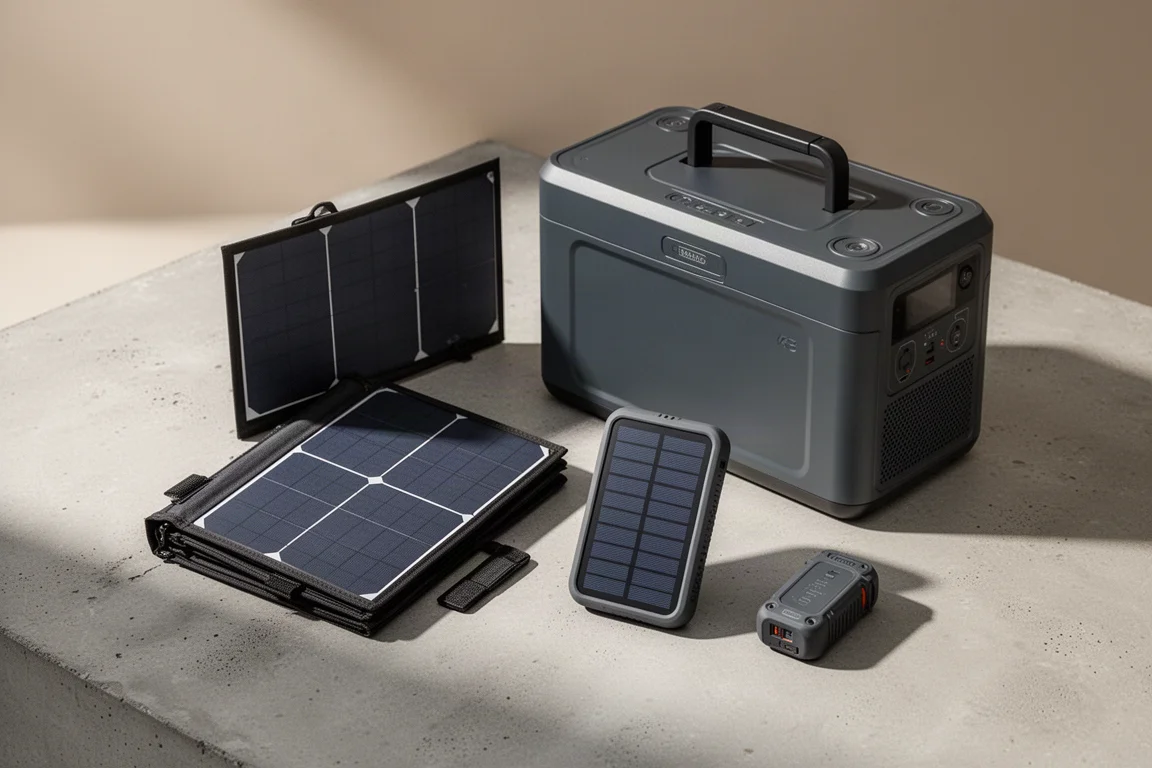
Best Portable Power for Camping and Remote Work: Six Power Banks and Solar Panels Compared
A practical comparison of six portable power options, from a 500W solar generator for car camping to a one pound solar power bank built for backpacking.
Portable Power
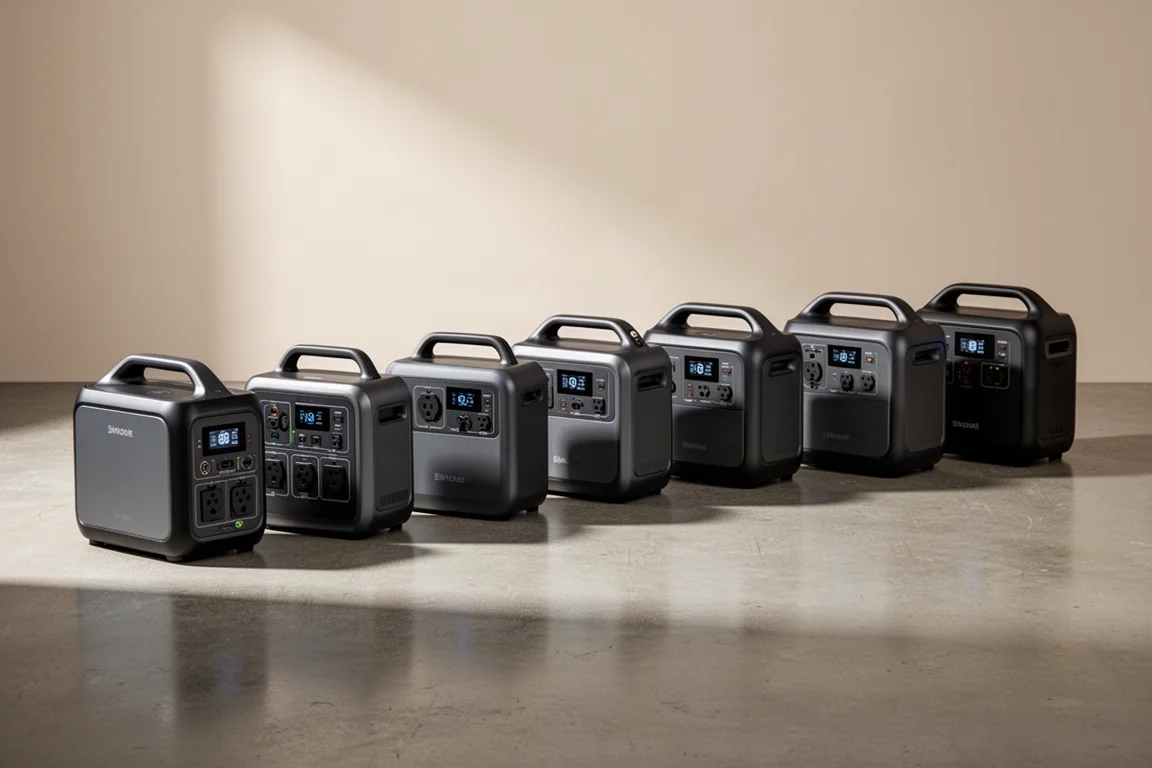
Best Portable Power Stations 2026: Nine Models Compared for Real-World Use
We compared nine portable power stations across output, capacity, charging speed, noise, and UPS performance to find the best value and the best overall pick.
Portable Power
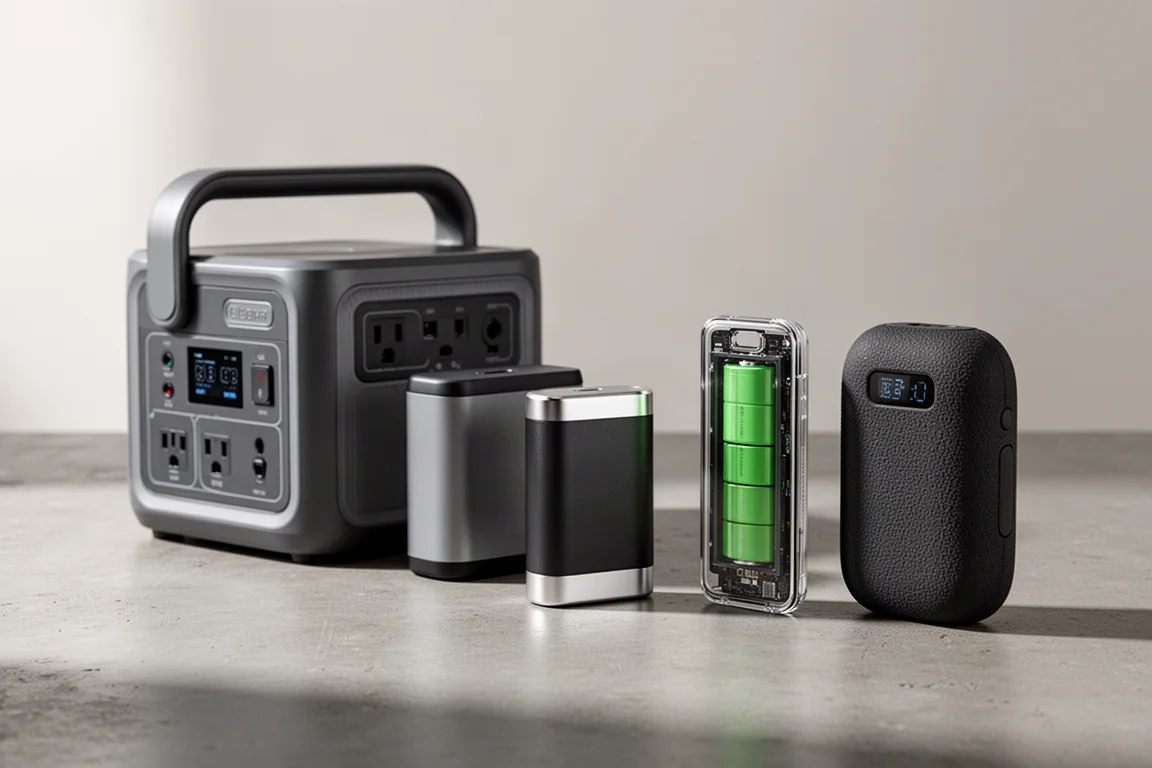
Best Portable Power Stations and Power Banks for Blackouts and Travel
Five portable power solutions compared: two EcoFlow power stations, a flight-friendly Zendure power bank, a see-through Shargeek, and the feature-packed Omni 20c+.