Backpacking Gear
PCT Gear List 2026: Six Backpacking Essentials for a Long-Distance Thru-Hike
A practical look at six pieces of ultralight backpacking gear for a Pacific Crest Trail thru-hike, from a frameless pack to a trekking-pole shelter.
Introduction
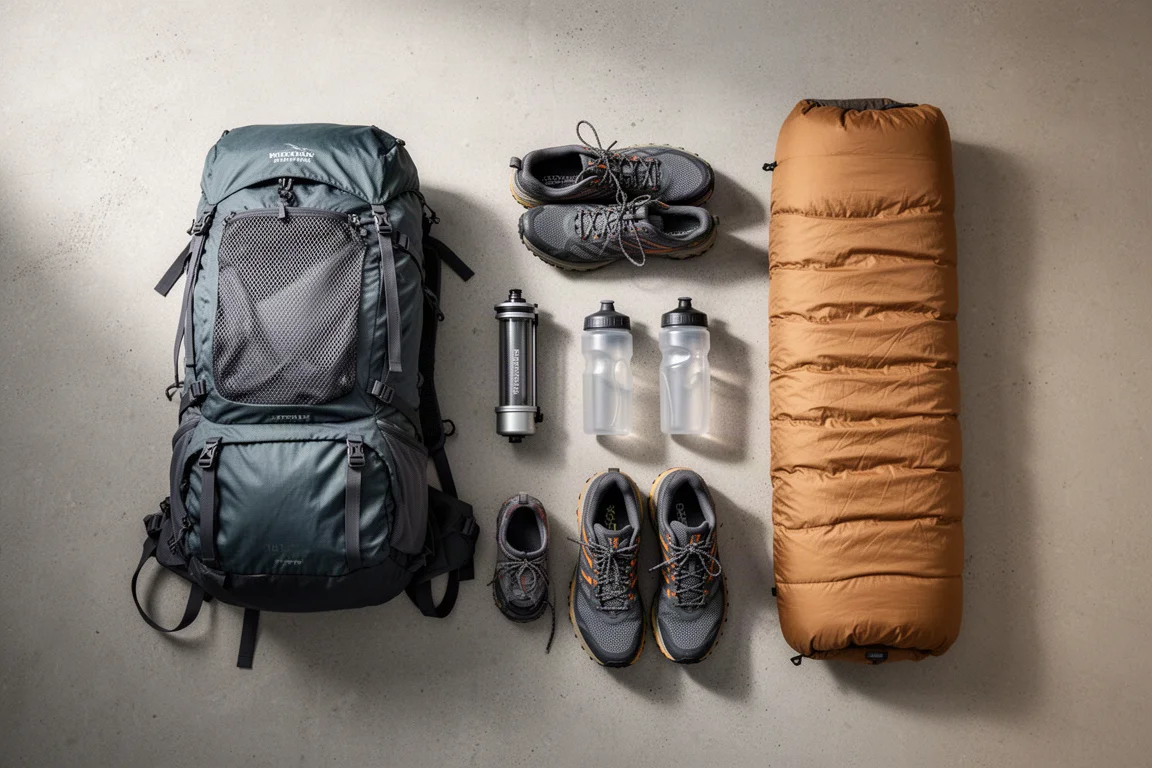
A long-distance gear list is really a set of decisions about weight, durability, and how much comfort you are willing to trade for a lighter pack. The six items below were assembled for a northbound Pacific Crest Trail thru-hike, which begins with roughly 700 miles of desert before the route climbs into higher, colder terrain. That start shapes the list: water capacity matters early, warmth matters later, and every item has to earn its place.
The selection leans ultralight. A frameless pack carries the load, the sleeping pad doubles as its structure, a quilt stands in for a traditional sleeping bag, and the shelter pitches with trekking poles rather than dedicated poles. Details such as a filter with a better flow rate or a wider sleeping pad matter far more after a few hundred miles than they do in a gear spreadsheet.
This roundup looks at what each item does well, where it asks for a compromise, and who it suits.
ULA CDT Backpack: A Frameless Pack With a Low Price
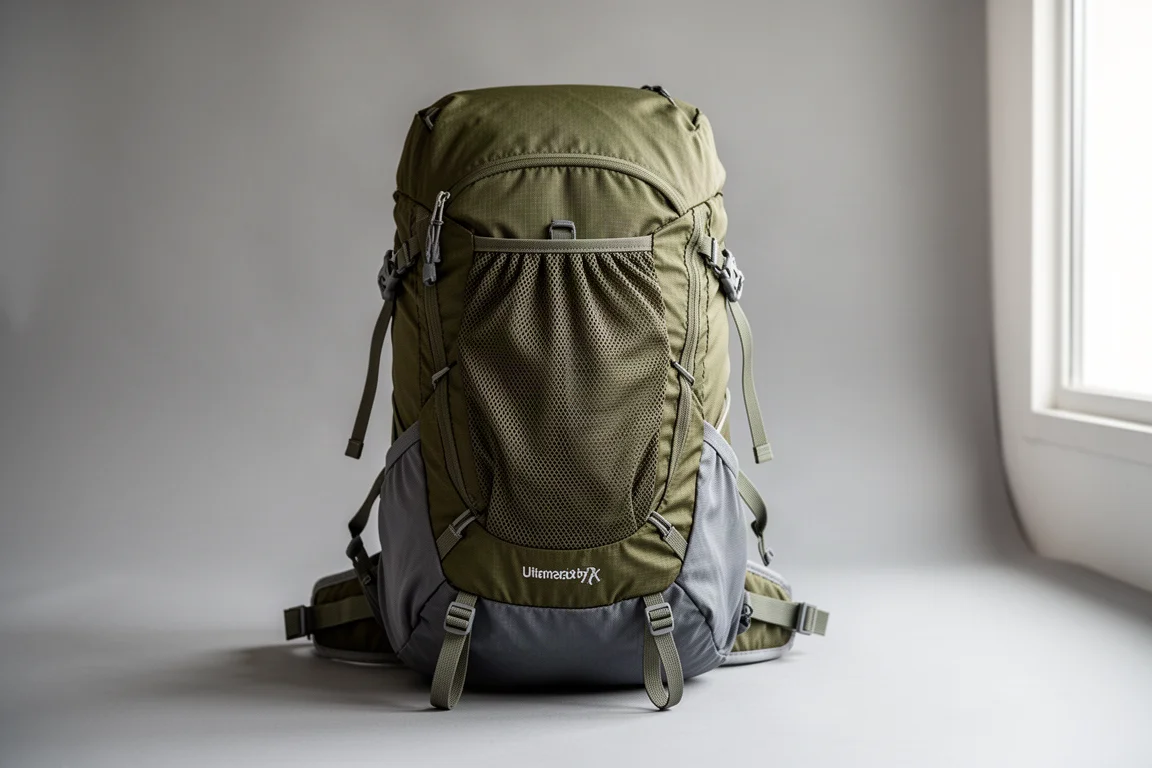
The ULA CDT is a frameless ultralight backpack that has earned a following for two reasons: it is durable, and it costs around $145. For a pack intended to survive an entire thru-hike, that combination is unusual.
This version has been customized with a water bottle sleeve for extra water storage and an added pouch sized for snacks and a phone. The outer pocket uses a mesh fabric rather than a finer netting, which is the more tear-resistant choice when a pack is set down on granite or pushed through brush.
Because the pack has no internal frame, its structure comes from the sleeping pad packed against the back panel. A small sit pad adds a little cushion for breaks and doubles as a lightweight seat around camp.
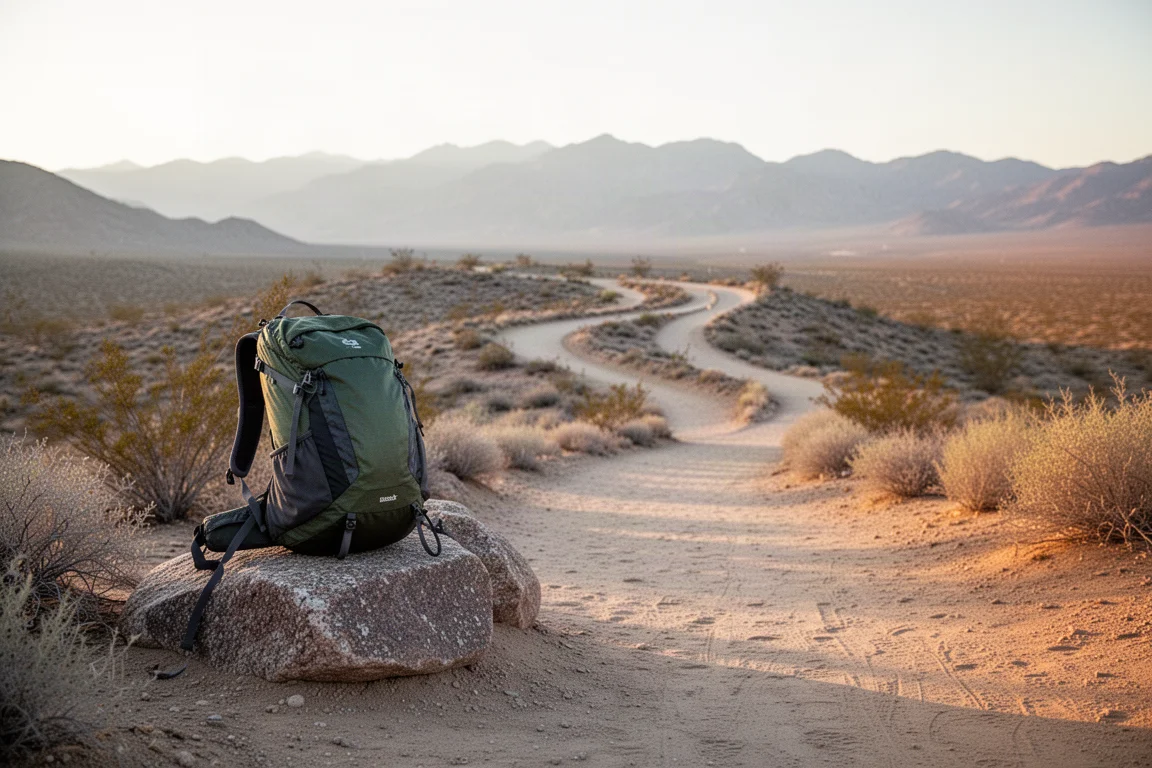
The trade-off with any frameless design is load management. It rewards a light, compact kit and punishes an overloaded one, so it suits hikers who have already trimmed their base weight and want a simple, affordable pack rather than a framed model with more structure.
Sawyer Squeeze Water Filter: Flow Rate Over Size
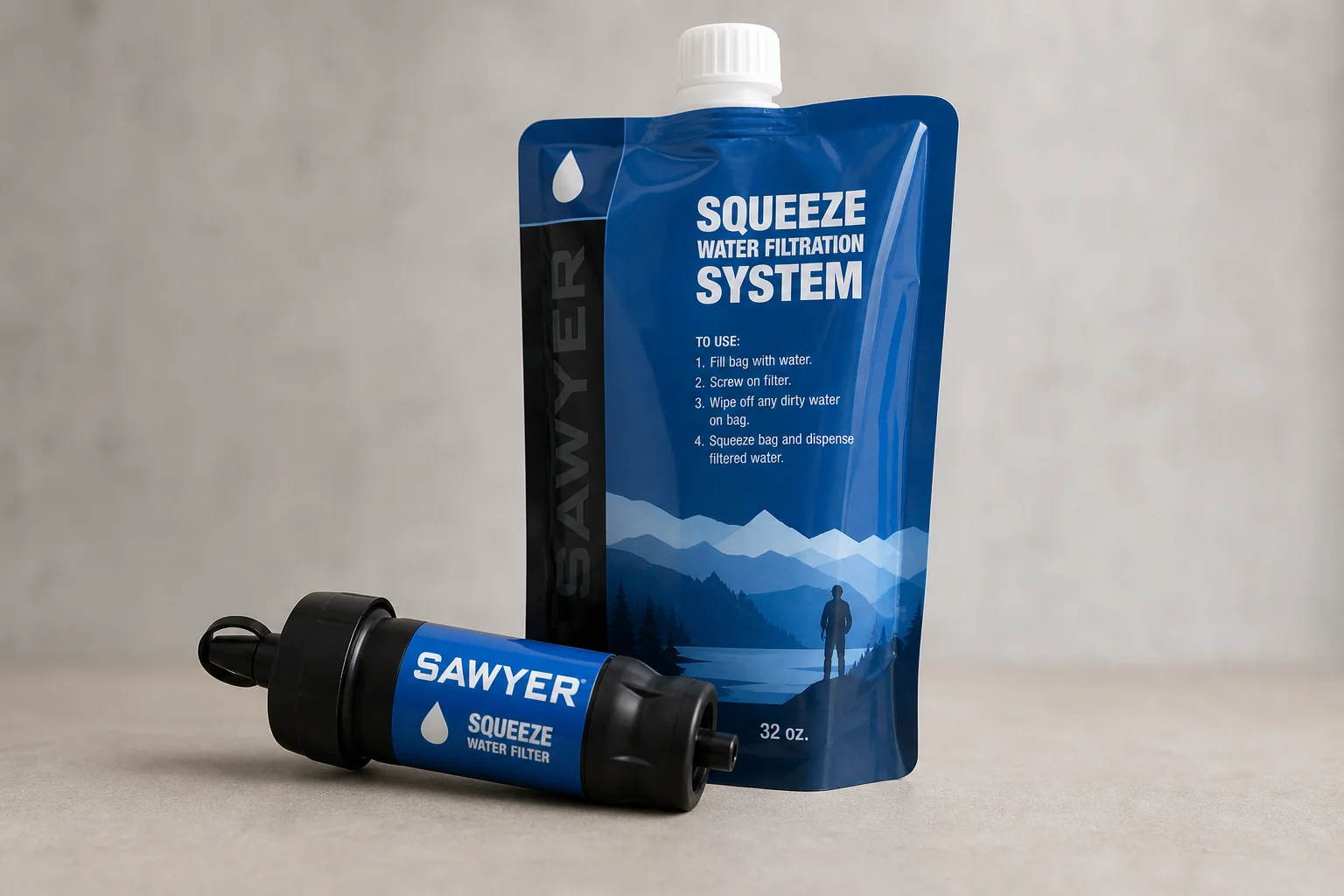
For water treatment, the Sawyer Squeeze is the pick here rather than the smaller Sawyer Mini, on the grounds that the Mini’s flow rate is noticeably slower and becomes a chore when you are filtering several liters a day.
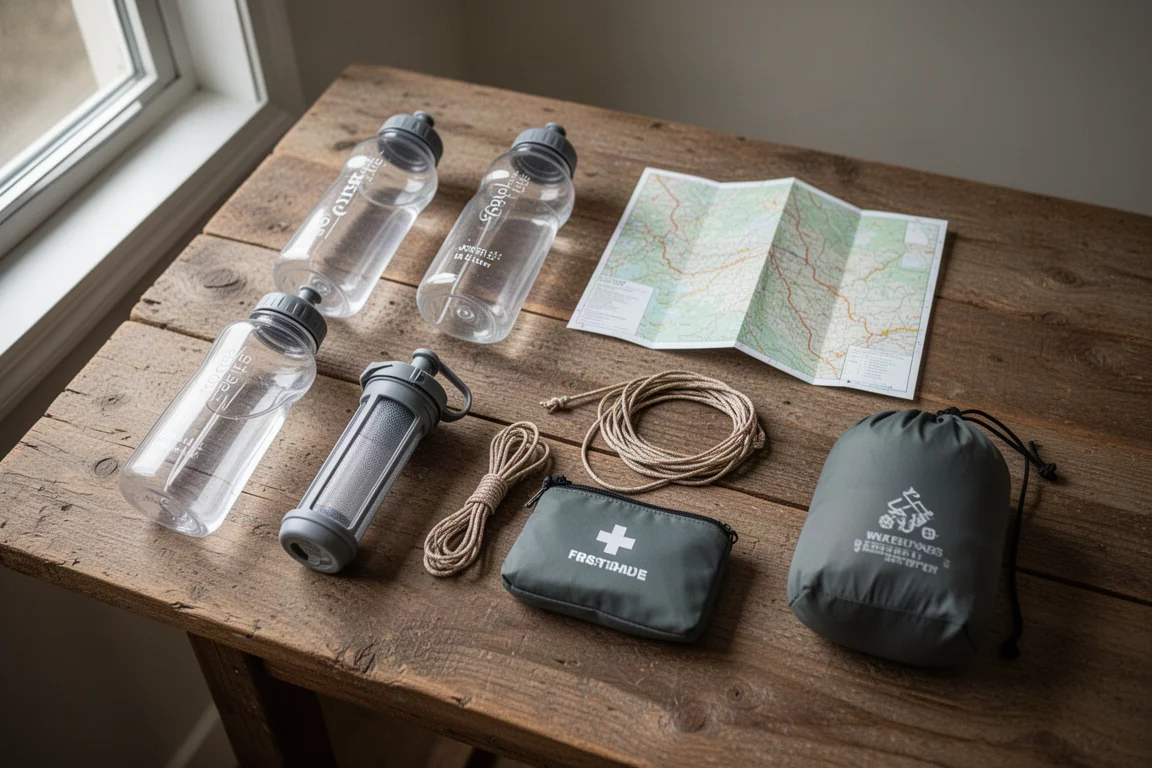
Capacity is handled with two 1.5 liter Smartwater bottles, one of which rides on a shoulder strap for quick sips without stopping. A 2 liter bladder adds reserve capacity for long dry stretches, which is exactly what the desert opening of a northbound hike demands.
Two small spares make the setup more dependable. A replacement o-ring is carried because they are easy to lose, and a spare bottle cap lets the filter be closed off and stored with water inside overnight instead of sitting open.
Altra Lone Peak 6 Trail Shoes: A Fresh Pair Held in Reserve
The Altra Lone Peak 6 is a new addition to this gear list. Rather than starting the hike in the newest pair, the plan is to begin in two pairs of the previous generation and keep the Lone Peak 6 in reserve for later.
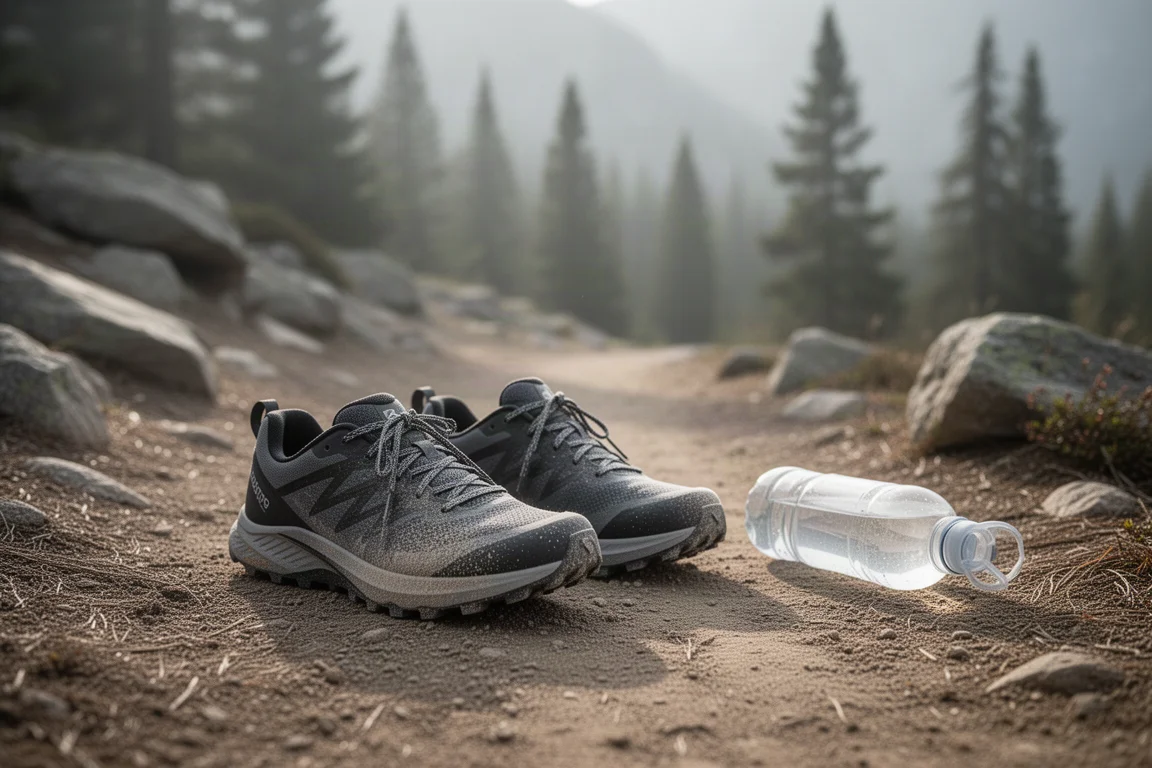
That approach makes sense on a long trail. Footwear wears out faster than almost anything else in a pack, so having a fresh pair waiting is a practical way to manage replacement without hunting for the right size in a trail town.
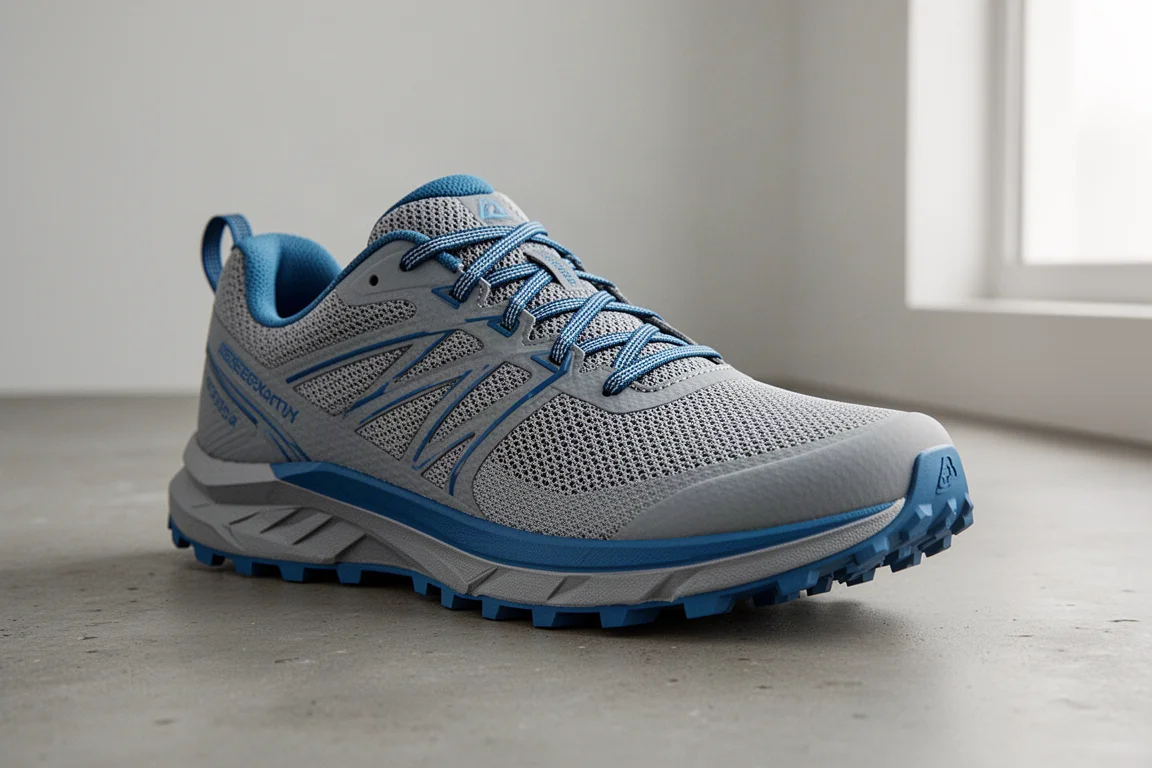
Gossamer Gear The One Tent: A Trekking-Pole Shelter
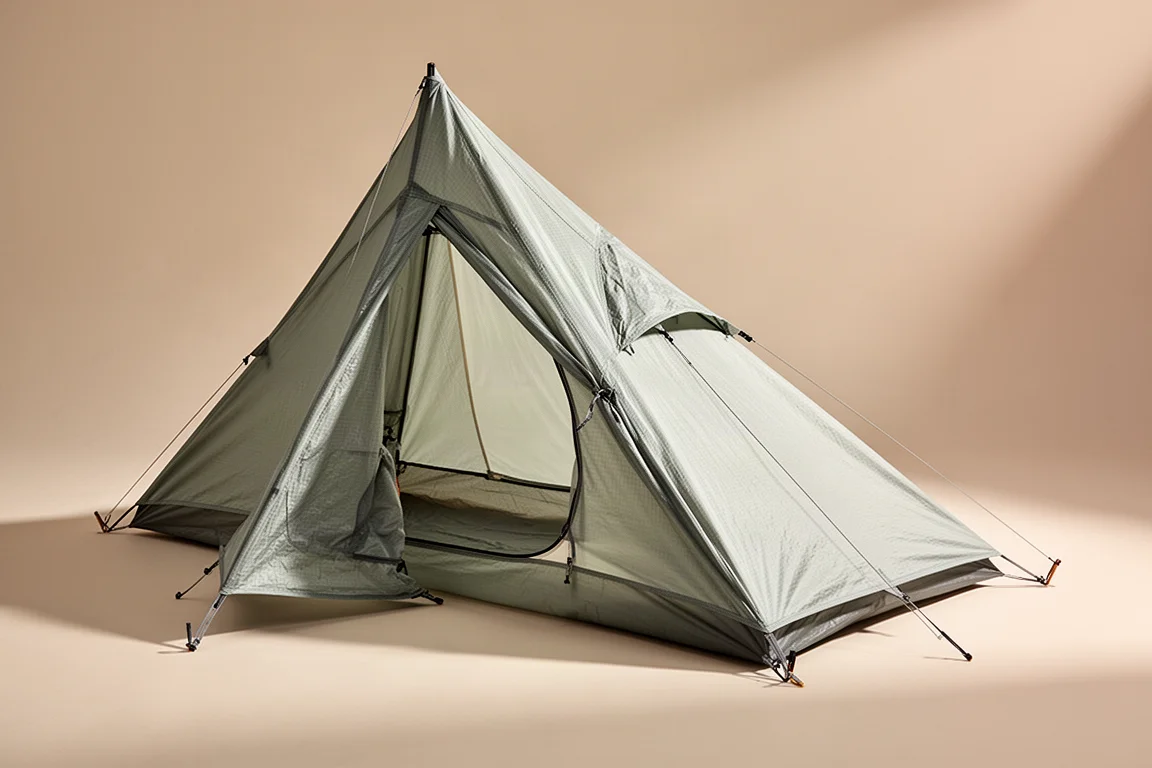
The Gossamer Gear The One is the newest piece of gear in this setup. It has not yet been pitched on trail, but an identical tent was set up during a shakedown session, and the interior was comfortable enough to sit in and spend time in.
The shelter relies on trekking poles for its structure, which means the poles do double duty: walking support during the day and tent support at night. That is a common weight-saving approach on long trails, since it removes the need to carry a separate set of tent poles.
Hammock Gear Econ Burrow 30 Quilt: Proven Sleep Insulation
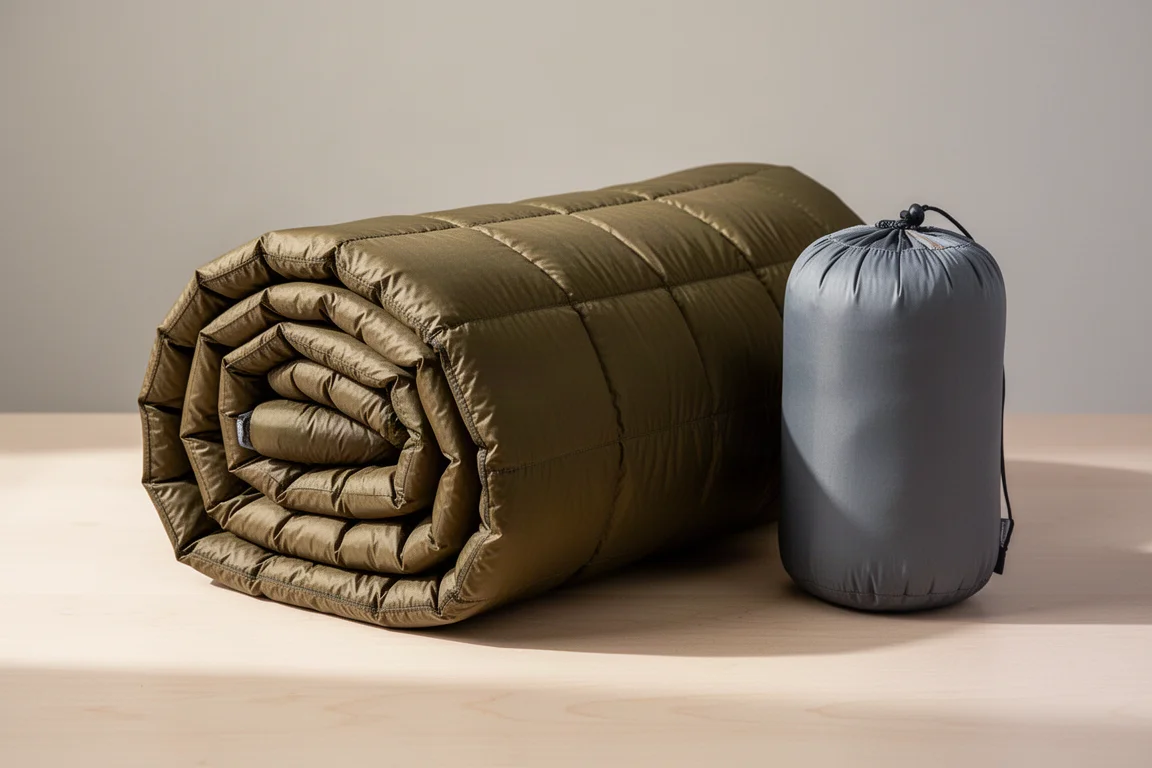
The Hammock Gear Econ Burrow 30 is a 30 degree quilt that has been in use for a couple of years. Because it has held up well, there was no reason to replace it for this hike.
Storage is a small but useful part of owning a quilt. Keeping it in its bag with a pair of dryer sheets and giving it a shake between trips keeps it smelling fresh rather than stale, which is a minor habit that pays off over months on trail.
Therm-a-Rest NeoAir XLite Sleeping Pad: Wide Version as a Frame
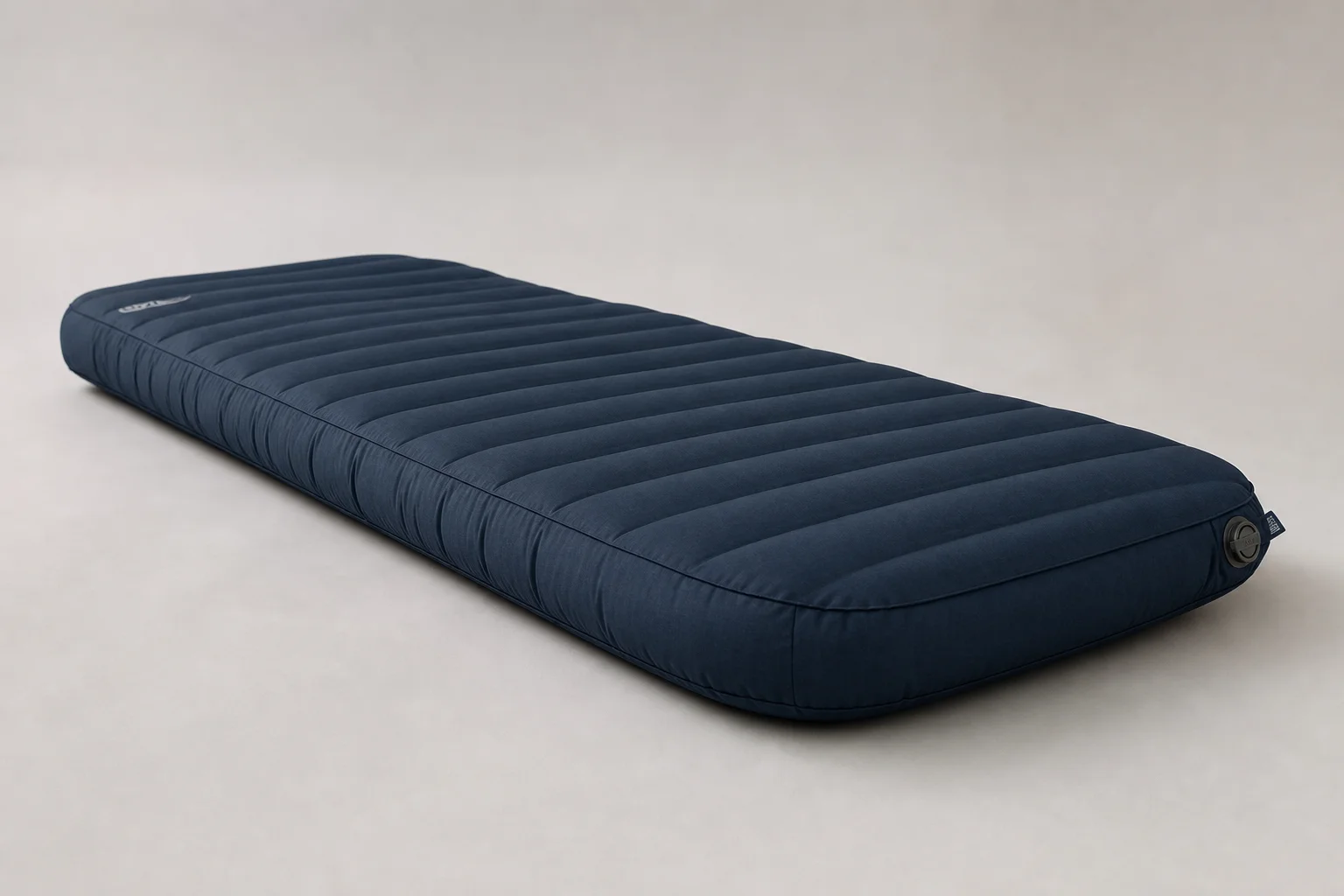
The Therm-a-Rest NeoAir XLite completes the sleep system, and in this setup it also serves as the frame of the frameless pack.
This time the wide version was chosen, for a straightforward reason: back sleepers tend to let their arms hang off a narrow pad, and the extra width solves that. In use the wider pad has been more comfortable, and its larger packed shape fills the back panel of the pack better, which makes the whole carry feel more stable.
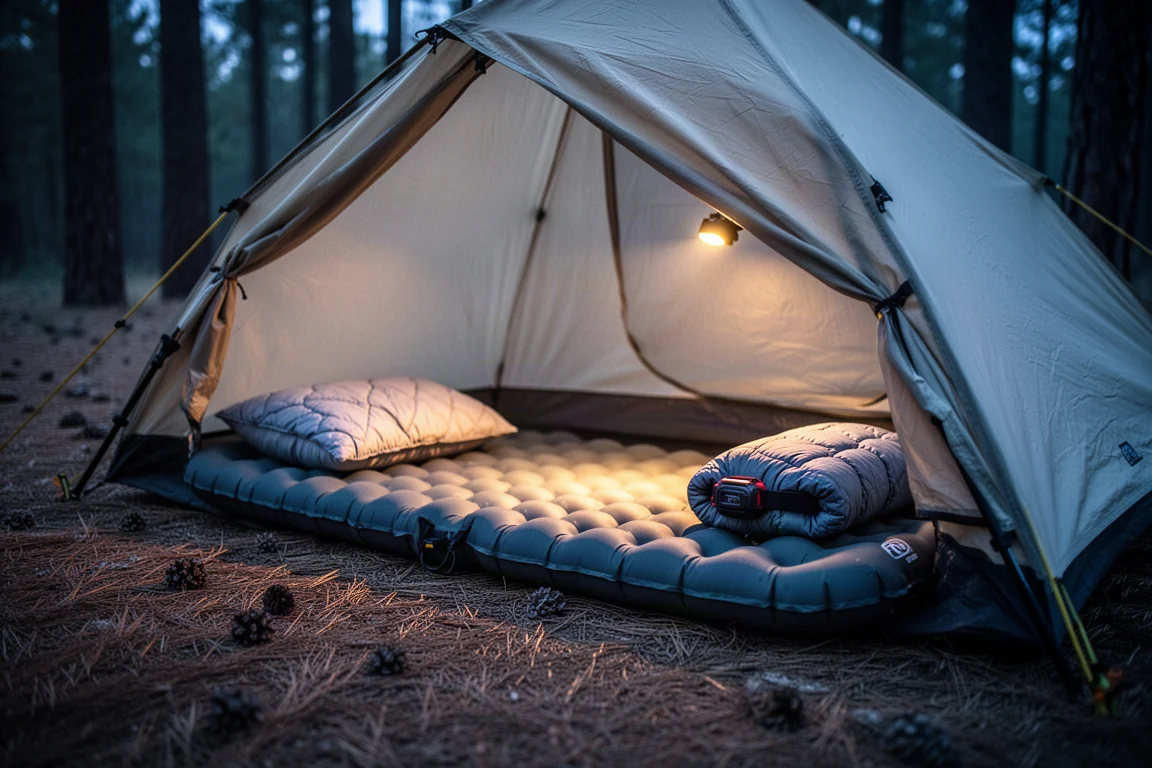
For anyone building a frameless setup, the pad is doing two jobs at once, so its size and shape matter as much as its warmth. A wide pad adds a little weight, but it can be the difference between a pack that carries well and one that digs in.
Buying Advice: Matching Gear to a Long-Distance Thru-Hike
Long-distance gear lists are best read as a system rather than a shopping list. The items here work together: a frameless pack needs a sleeping pad that doubles as structure, a trekking-pole shelter needs poles that are already in your hands, and a water setup needs enough capacity to cross dry stretches without carrying more than necessary.
Three questions are worth asking before buying anything for a thru-hike. First, does the item replace something else you would otherwise carry? Second, will it hold up to daily use for months rather than weekends? Third, is the price proportionate to how much you will actually use it? A $145 frameless pack that lasts a full trail is a different proposition from a shelter or sleep system you expect to keep for several seasons.
Availability matters too. Footwear, water treatment, and consumables are the items most likely to need replacing on trail, so it helps to know what is easy to find in trail towns before committing to a specific model.
Conclusion
This list is deliberately lean: a durable frameless pack, a high-flow water filter with simple bottle-based storage, a trekking-pole shelter, a proven quilt, a wide sleeping pad that doubles as pack structure, and a fresh pair of trail shoes held in reserve. Each item is chosen for a specific job on a route that runs from desert to high mountains, and each one asks for a small compromise in exchange for weight or cost savings.
If you are assembling your own thru-hike kit, start with the items that do more than one job and build outward from there.
Further reading
Related Reviews

Backpacking Gear
Building a 10 lb Base Weight: An Ultralight Backpacking Gear List
A practical walkthrough of the ultralight pieces behind a 10 lb base weight, from a 765 g pack and a roomy one-person tent to a full camp chair and a dependable water filter.

Backpacking Gear
A 15-Pound Lightweight Backpacking Gear List for Solo Trips
A beginner-friendly 15-pound backpacking setup built from easy-to-find gear, with notes on what each piece does, how it packs, and where to spend your attention.

Backpacking Gear
8 Ultralight Backpacking Gear Upgrades Worth Carrying
Eight small, affordable backpacking upgrades that solve real trail annoyances, from a pillow that stays put to a fuel valve that rescues leftover canister gas.