Backpacking Gear
PCT Gear Changes: Ten Thru-Hiking Swaps and Upgrades Worth Knowing
Ten practical gear changes for long-distance backpacking, from wind pants and an ultralight trowel to camera downsizing, battery strategy and pack volume.
Introduction
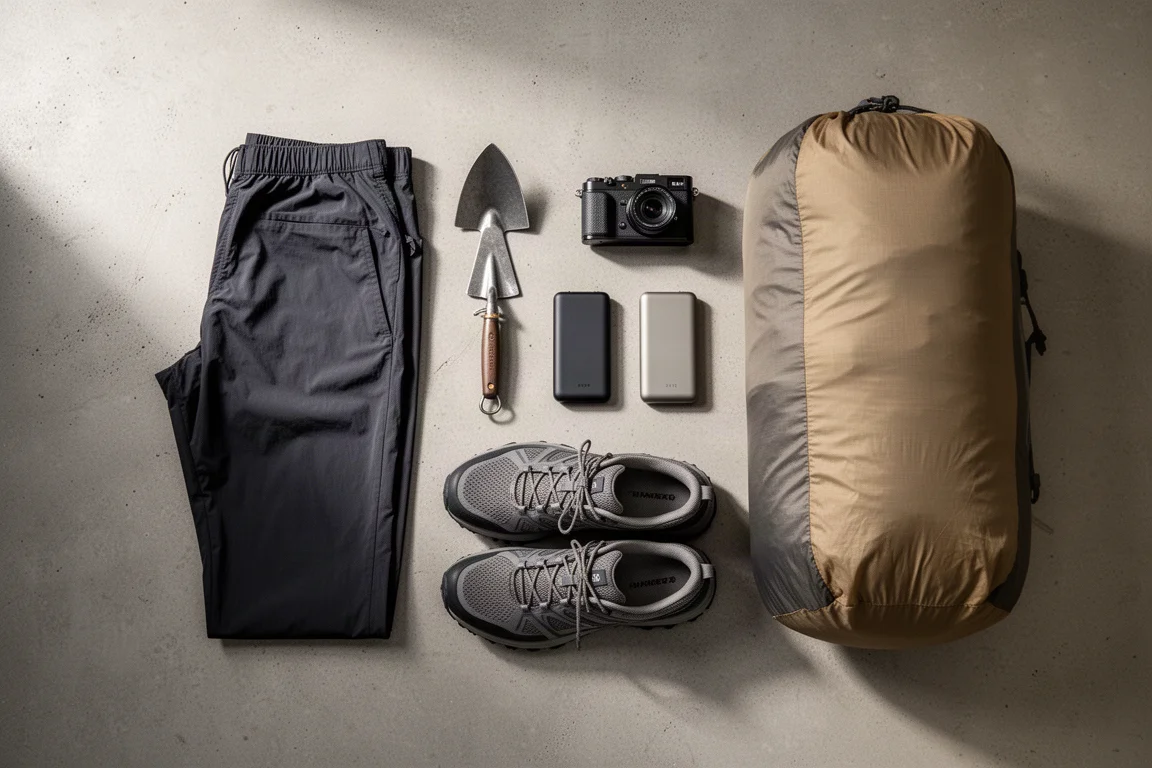
A long-distance gear list is never truly finished. Items get replaced, weights get shaved, and a piece that worked well on one trail turns out to be the wrong answer on the next. The Pacific Crest Trail runs roughly 2,650 miles from the Mexican border through California, Oregon and Washington to the Canadian border, and its desert sections put pressure on a very specific set of decisions: how to stay warm on cold mornings without carrying bulk, how to dig a proper cat hole in hard ground, how much camera to carry, how to keep batteries topped up between towns, and how much pack volume a long food and water carry actually needs.
The ten items below cover those decisions. Some are long-serving favourites being retired, some are lighter or cheaper replacements, and a few are straightforward upgrades. Together they show where a thru-hiking kit can shed weight, save money, or simply work better.
How These Gear Choices Fit Together
Four things decide whether a piece of gear earns its place over a long trail: weight, packed volume, cost, and how it performs at the exact moment you need it. A wind layer that packs down to the size of a fist is worth more than a heavier one that swallows a quarter of a pack. A trowel that weighs 0.6 ounces is worth carrying if the soil will not yield to a heel. A camera that charges over USB removes an entire charger from the list.
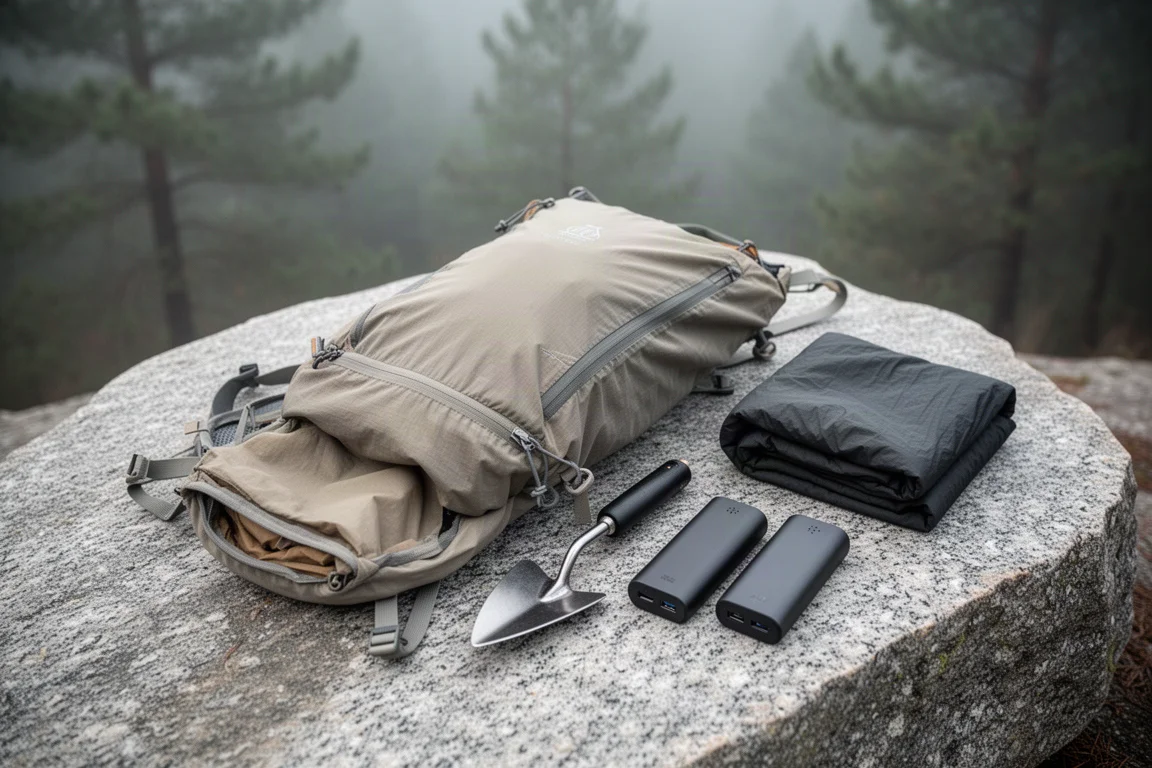
Cost matters just as much as weight, and the gap is not always justified. In several of the cases below, a cheaper item gives up an ounce or two while saving a substantial amount, and the honest question is whether that ounce is worth the difference over thousands of miles. Where an item has already proven itself over years of use, the case for replacing it early is weaker.
The rest of this guide walks through each change in turn, starting with wind pants and finishing with pack volume.
Montbell Tachyon Wind Pants: The Long-Serving Pair
Wind pants do one narrow job extremely well. They block wind, trap a little heat, and pack down very small, which makes them ideal for cold mornings and cold evenings on trail. They also avoid the main drawbacks of tights, which can be too warm and generally take up more space in a pack.
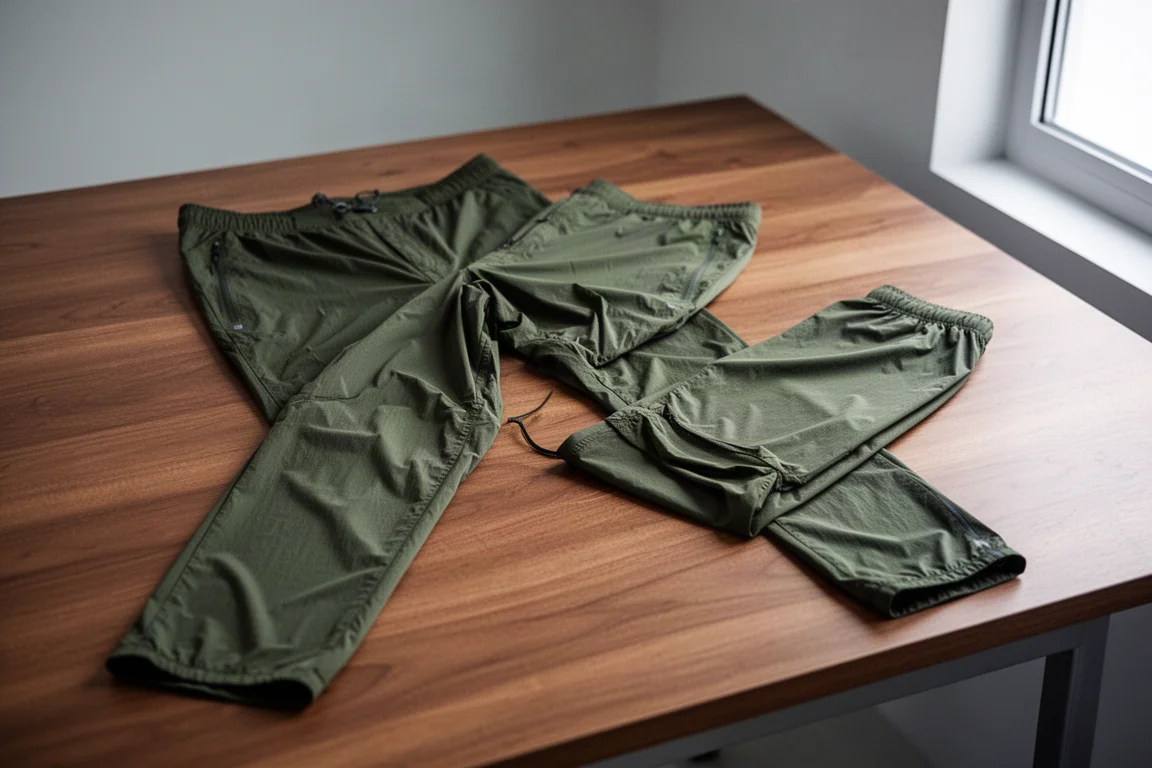
The Montbell Tachyon Wind Pants have been the benchmark for that job, and one pair has covered seven years of thru-hiking without ever being replaced. The fabric is extremely thin, though, and it rips. That pair was sewn repeatedly until it could no longer be repaired at all. At around $100 for a very light piece of fabric, the Tachyon also sits at the expensive end of the category.
Cheaper alternatives exist. Dance pants made for dancers are sold inexpensively and weigh a little more, while costing roughly $80 less. The trade is simple to state: is one extra ounce worth about $80? Hikers who put packability above everything will lean one way, and budget-conscious ones the other.
Enlightened Equipment Copperfield Wind Pants
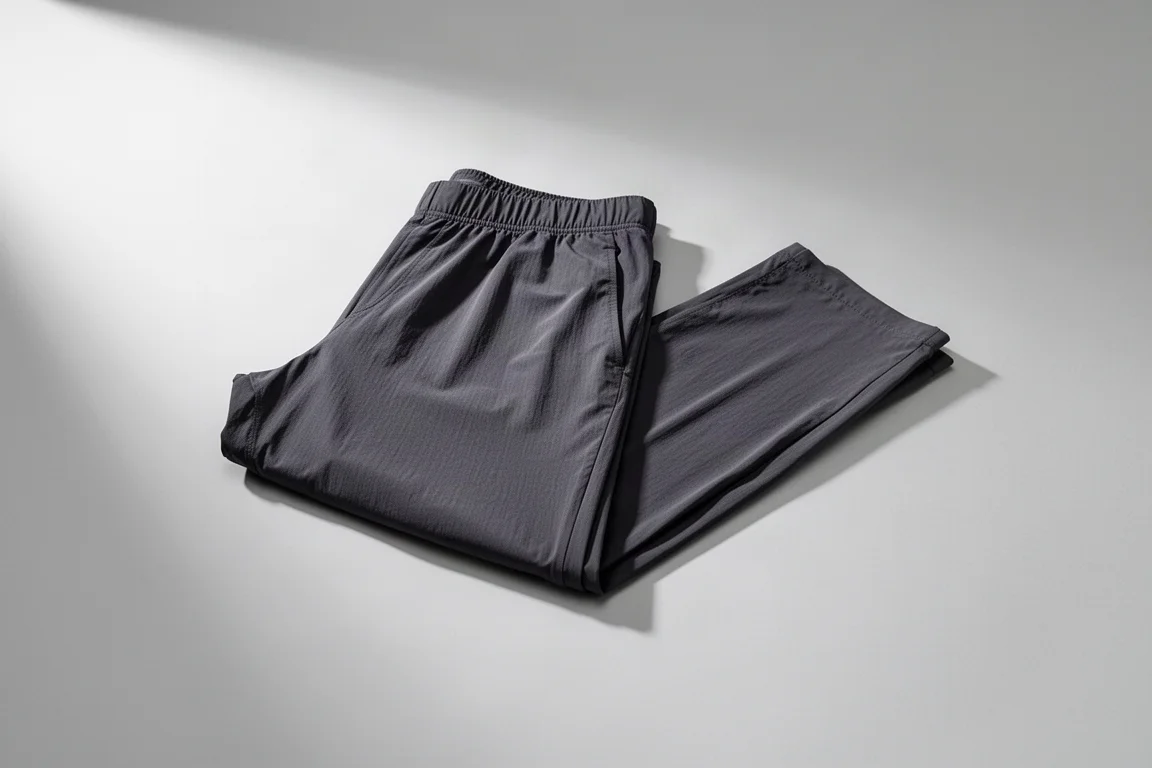
The Enlightened Equipment Copperfield Wind Pants sit in a useful middle position. They cost less than the Tachyon while matching it on weight, which makes them a strong option for anyone who wants the lightest possible wind layer without paying the premium price.
For hikers building a kit around a fixed budget, this is the kind of swap that frees up money for the items that carry real risk, such as footwear and insulation. The wind pant itself is a simple, low-stakes layer, so paying less for the same weight is rarely a compromise.
Deuce of Spades Trowel
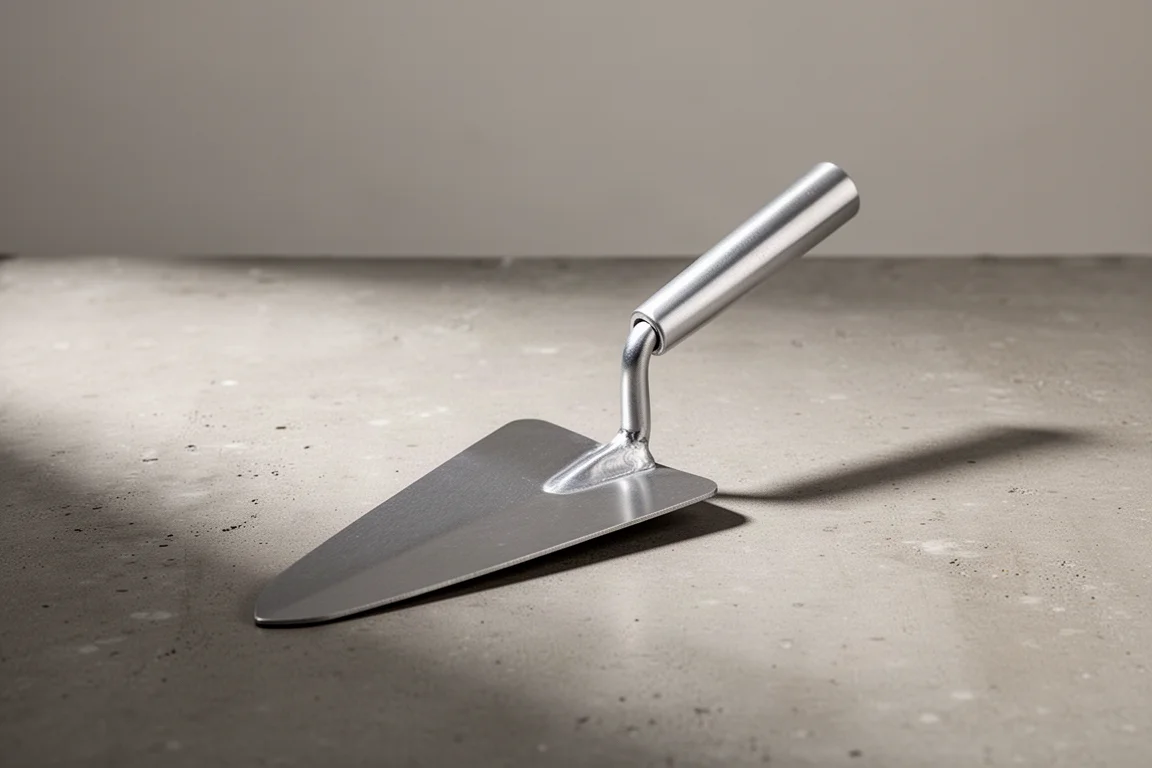
The Deuce of Spades is an ultralight trowel marked at 0.6 ounces. It is small enough to live in an outer pocket of a backpack, so it stays within easy reach whenever it is needed.
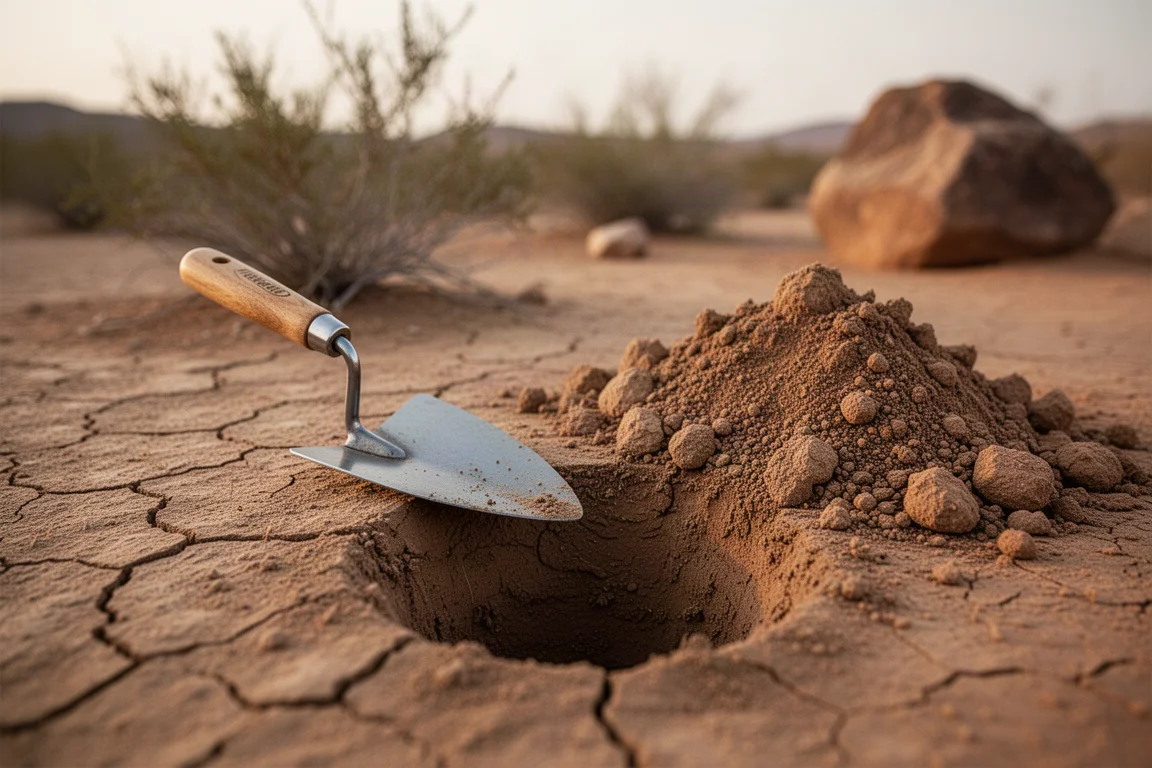
The reason to carry one is desert soil. On the Pacific Crest Trail and most desert routes, the ground is hard enough that digging a cat hole with a foot or a trekking pole is genuinely difficult. Heavy traffic makes the problem worse: popular areas end up with toilet paper scattered around them when hikers do not dig at all. A trowel solves that quickly, and at 0.6 ounces it costs almost nothing in pack weight.
Sony ZV-1: A Smaller Camera for Long Trails
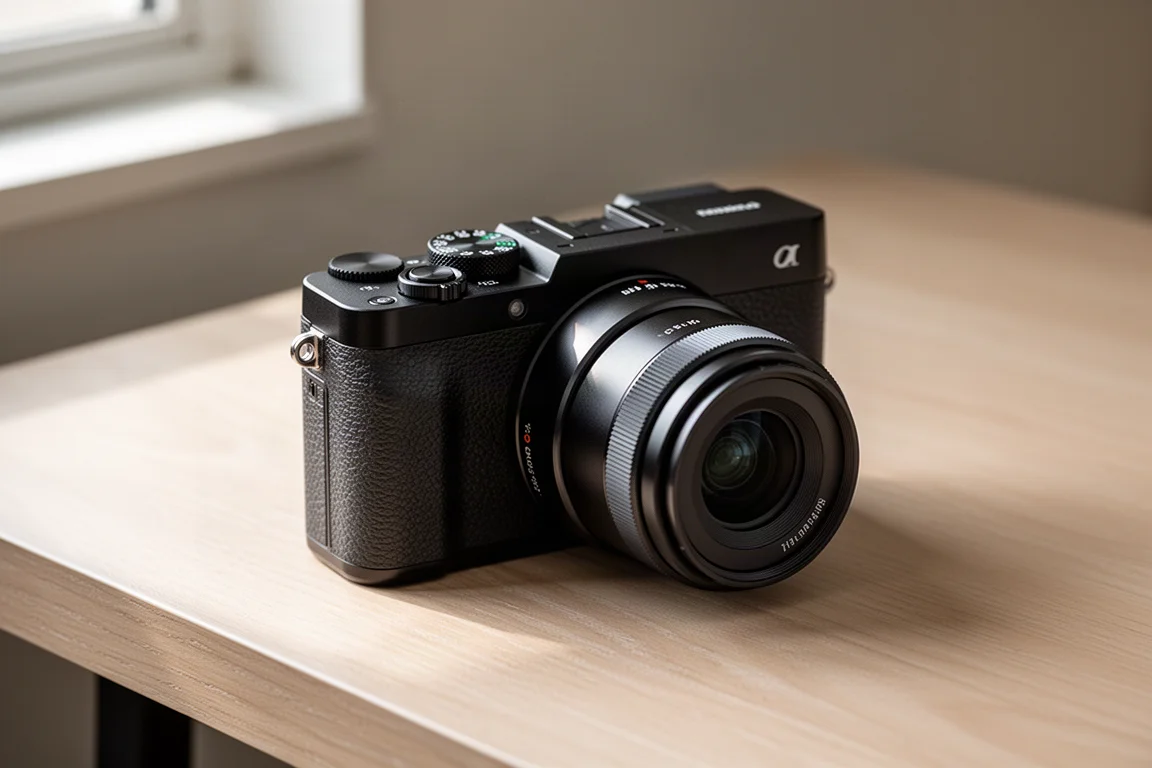
Carrying a camera on a thru-hike is a weight decision as much as a creative one. The Sony ZV-1 is dramatically smaller and lighter than a full-size mirrorless setup, and it keeps many of the same functions. It adds image stabilization, and it charges over USB, which removes the need for a separate battery charger entirely. A small windscreen microphone is included for cleaner audio in windy conditions.
Panasonic Lumix G7: The Camera Being Left Behind
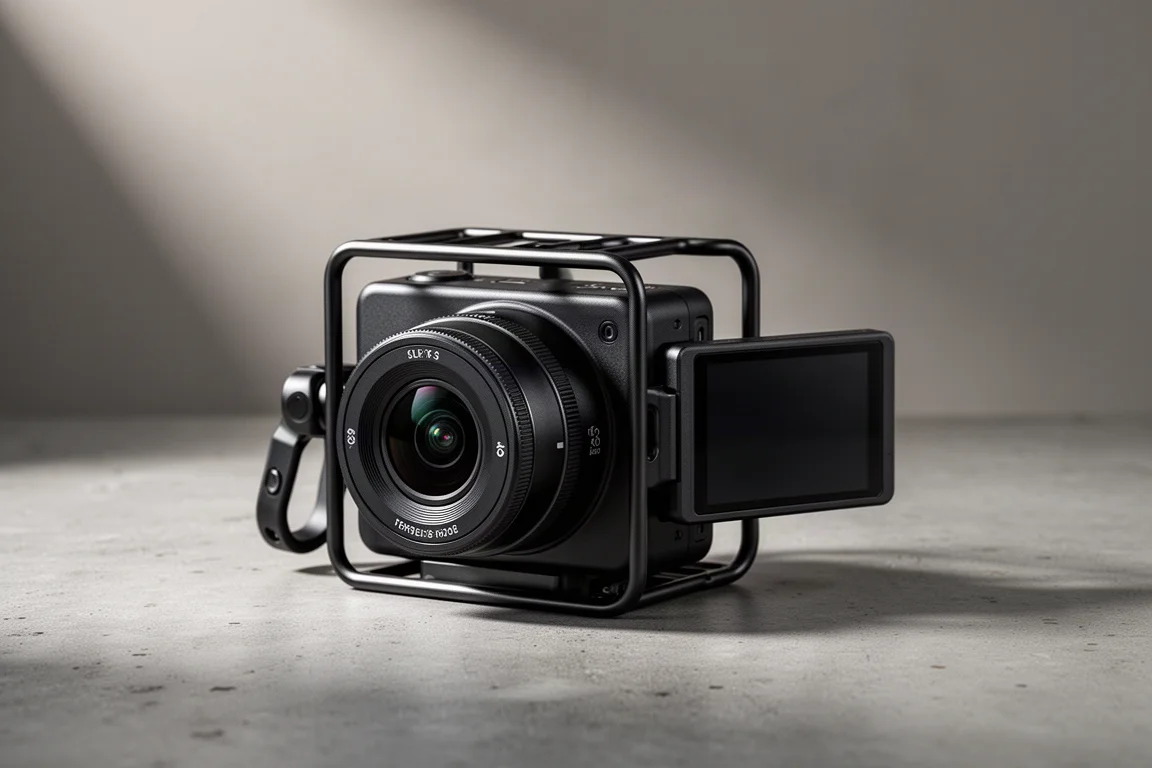
The Panasonic Lumix G7, typically paired with a 12 to 35mm lens, is the camera this change replaces. It films fantastic footage, produces beautiful results, and is easy to use, which is exactly why it has been the default choice for long hikes.
The problem is bulk. It is big, heavy and awkward in a pack that also has to carry a week of food and several litres of water. It also does not charge over USB, so its batteries need a dedicated charger of their own. For anyone weighing image quality against carried weight, that combination is the crux of the decision.
RavPower 20000mAh Power Bank
A large share of modern hiking gear is rechargeable, from cameras and phones to headlamps, and a single high-capacity battery can cover all of it. This 20,000 mAh bank from RavPower is lighter than the previous battery of the same capacity, and paired with the matching RavPower charging port it is expected to charge faster than the smaller alternative.
Charging speed is not a priority for everyone, since town stops, hotels and restaurants all offer outlets. For hikers who move through towns quickly, it can matter more than the weight difference.
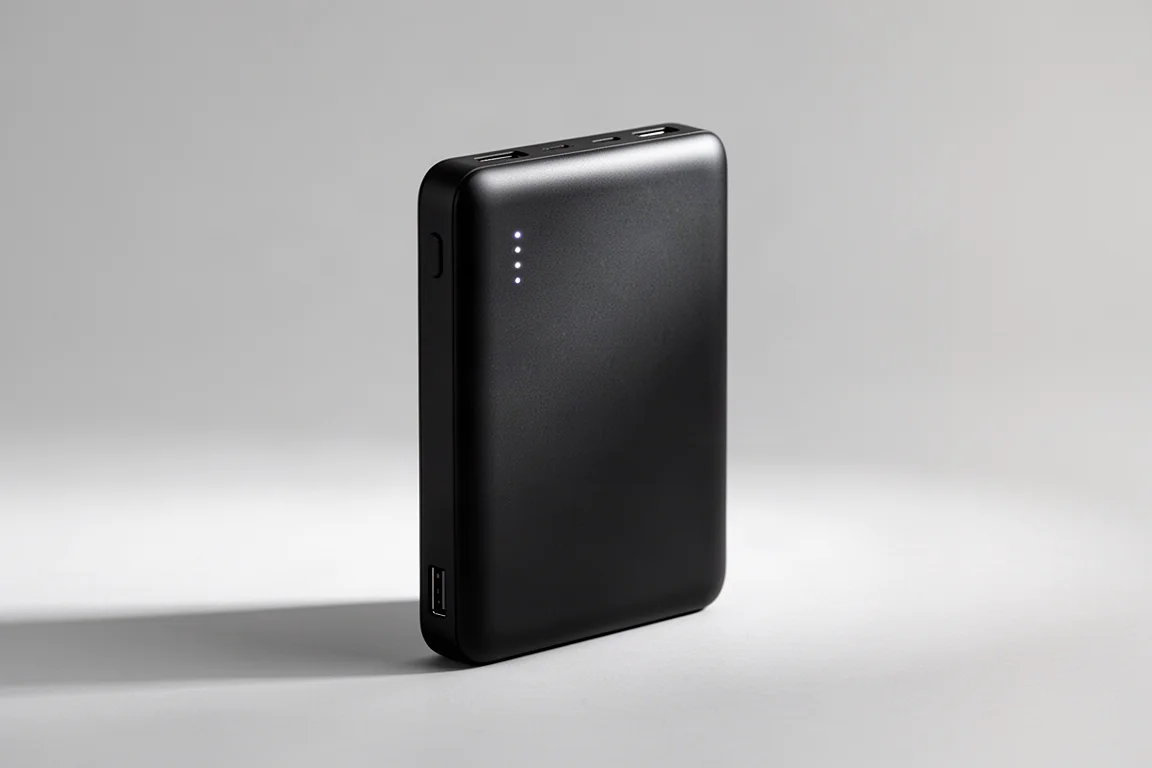
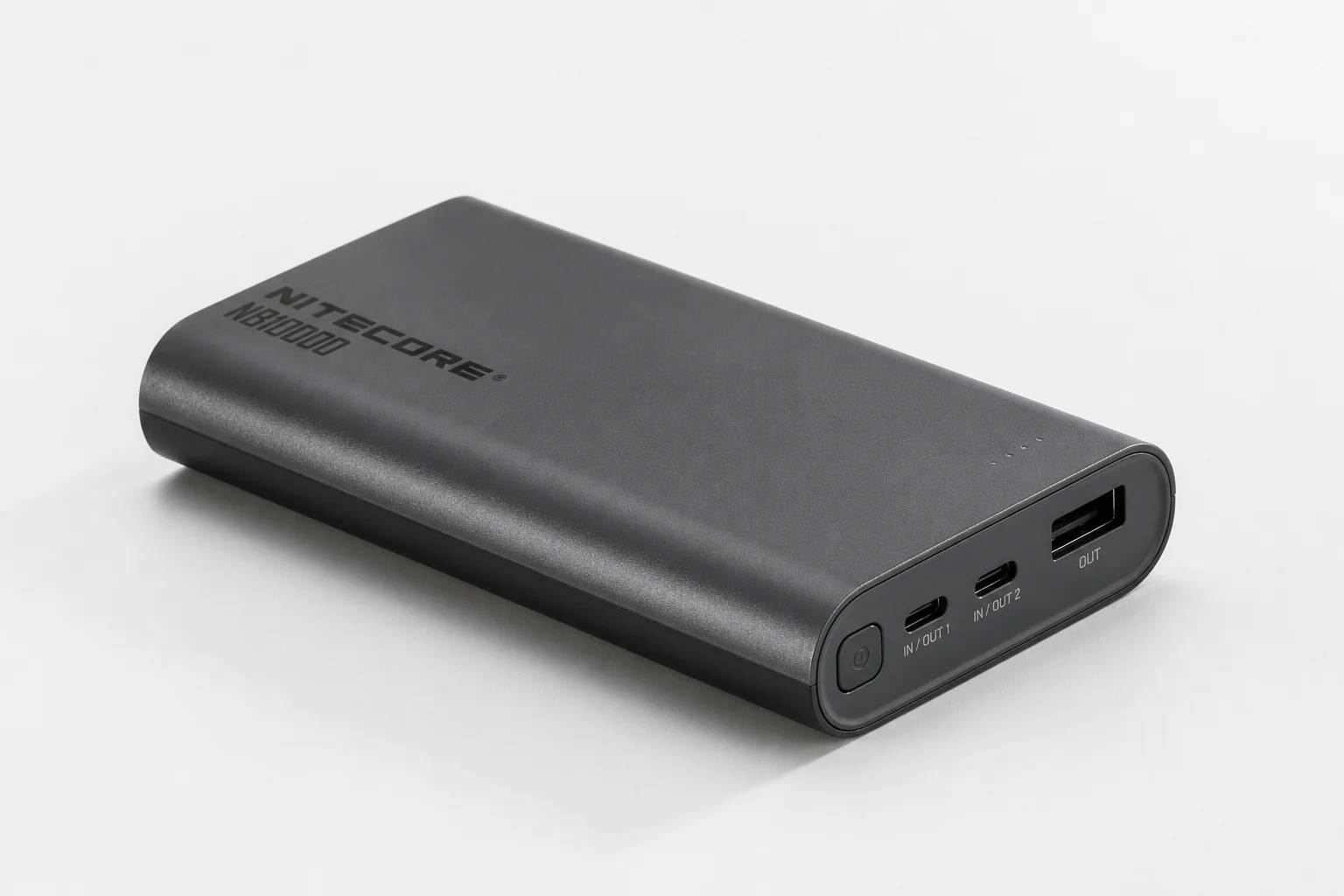
Nitecore NB10000
For most people, the lighter and more sensible option is the Nitecore NB10000. At 10,000 mAh it is smaller and lighter than the larger bank, and two units together match the 20,000 mAh capacity at a lower combined weight.
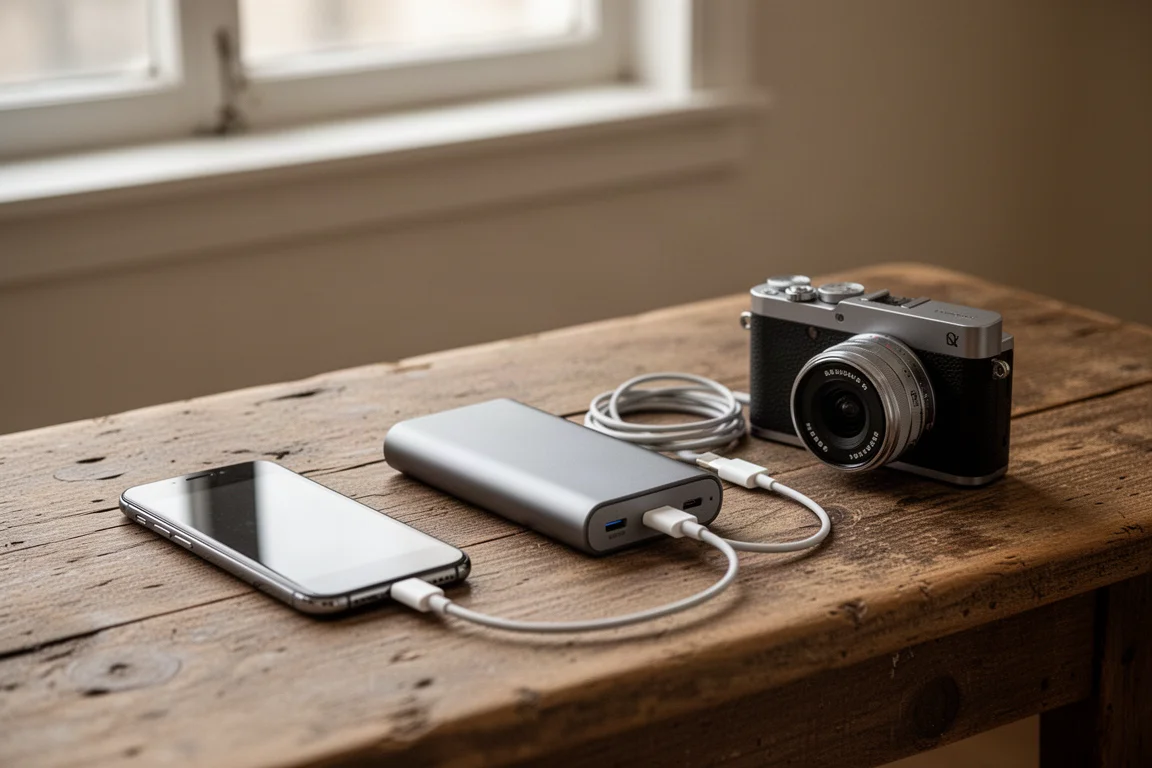
That flexibility is the real argument: the same total capacity can be split across two packs, two pockets or two resupply boxes, and the weight penalty disappears. The trade-off is charging speed, which is the one area where the larger bank has a clear edge.
Xero Shoes Mesa Trail
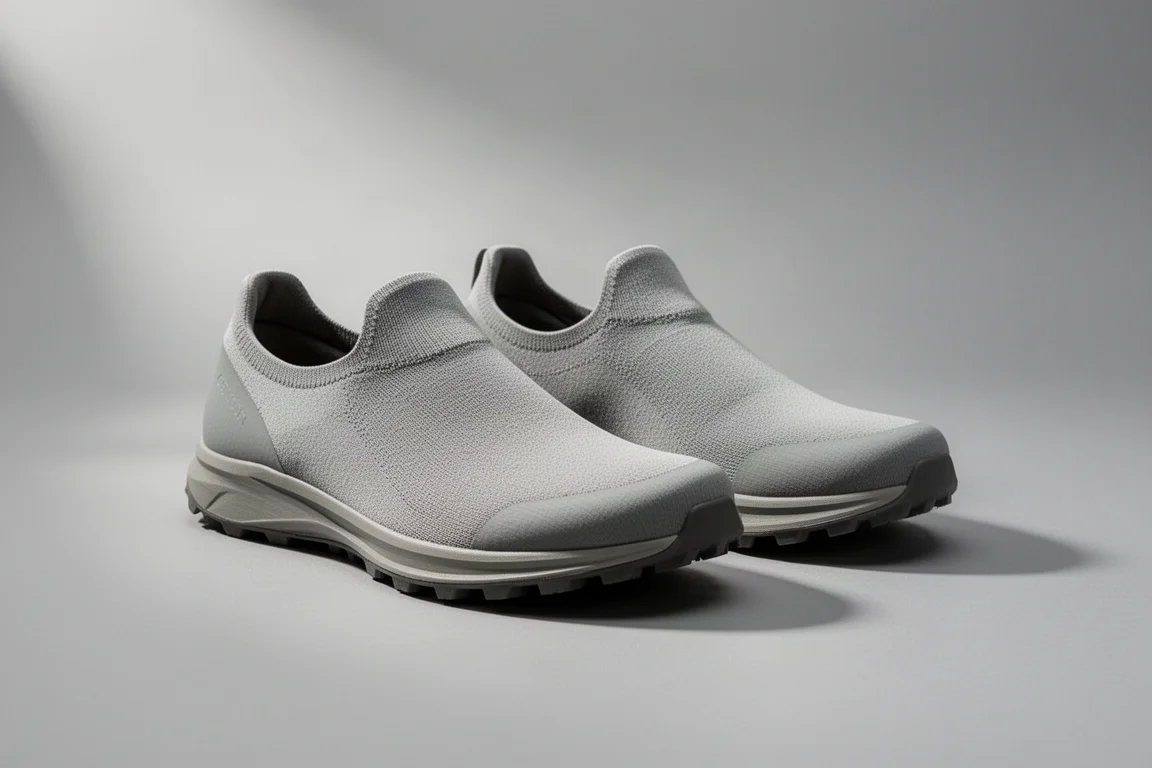
Trail shoes are the hardest item on this list to settle. The Xero Shoes Mesa Trail is a minimalist shoe with a wide toe box, shaped to let the foot sit naturally rather than squeezing it. The first impression is immediate comfort: nothing feels tight, and the fit is unlike most conventional trail shoes.
Minimalist shoes are not for everyone, and they ask more of your feet and legs than a cushioned shoe does. Choosing between them and a more traditional option takes real training miles rather than a walk around the block.
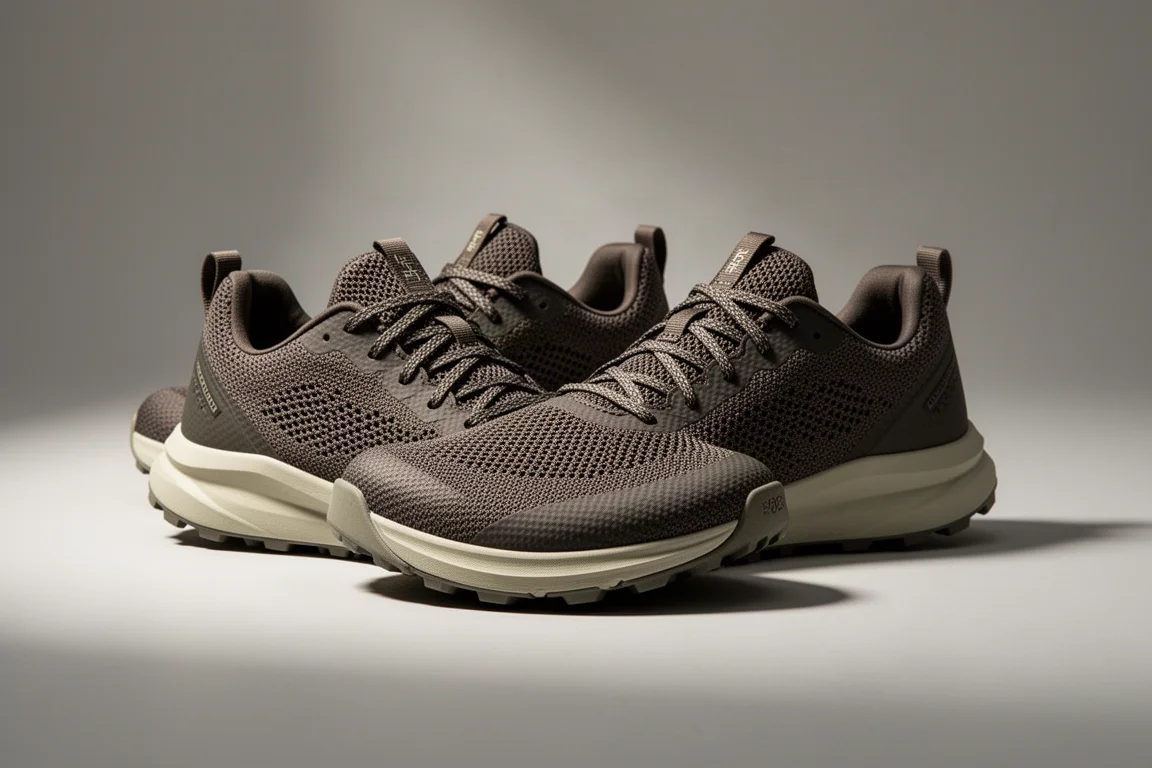
Merrell Trail Glove 6
The Merrell Trail Glove 6 is the previous shoe in that comparison. It performed well and was genuinely liked, but the fit ran a little tighter than ideal over long days, which is why it is not the automatic repeat choice.
Pack Volume: Moving On From the Pa’lante Joey
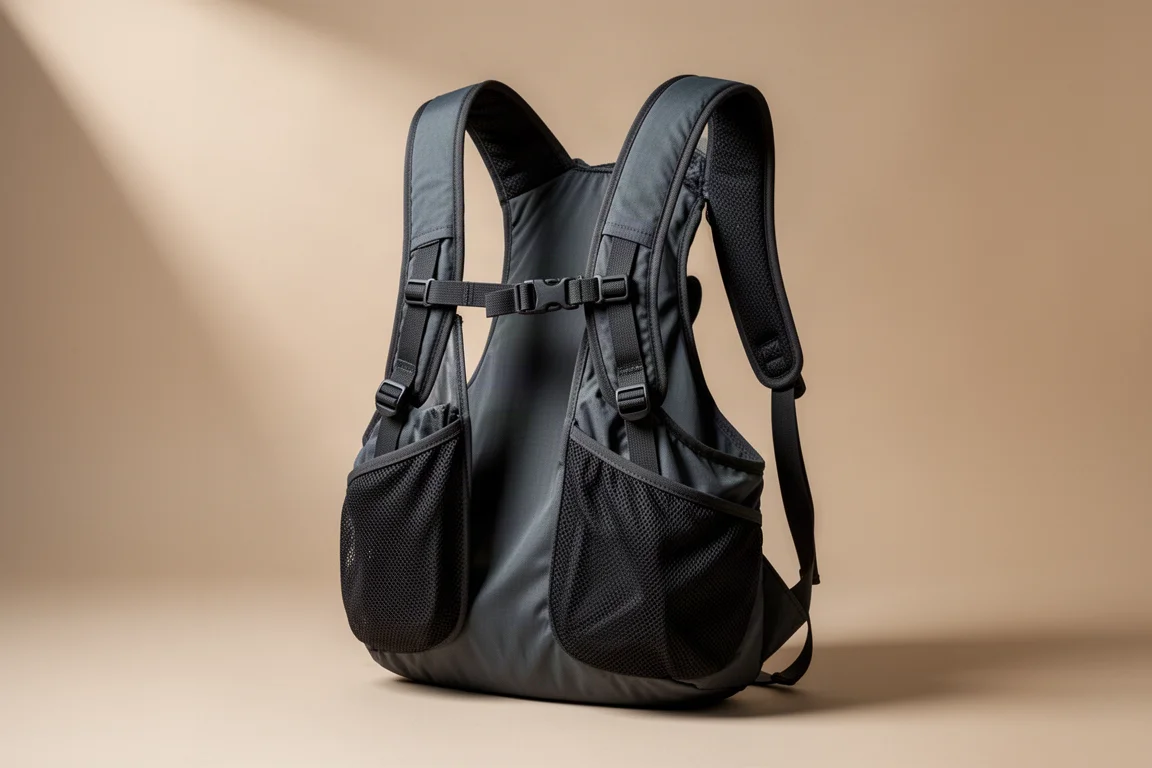
The Pa’lante Joey is a 24 litre frameless pack, and it has been the go-to for lightweight long-distance hiking. Its limitation is capacity: long carries with a bear can, four or five litres of water and a week of food leave very little margin.
The change here is volume rather than a single replacement product. A 37 litre pack adds side pockets that hold extra water bottles, more room in the main body for food, shoulder-strap pockets sized for a camera, and a stashable hip belt that can be deployed for heavy carries and tucked away when it is not needed. That extra volume may be more than a typical three-season kit requires, but for long food and water carries it turns a stressful pack into a manageable one.
Overall Buying Advice
Start from the problem, not the product. If wind is the issue, a wind layer that packs down to nothing solves it. If hard desert soil is the issue, a 0.6 ounce trowel solves it. If camera weight is the issue, moving to a smaller body with USB charging solves it and removes a charger at the same time. Buying gear because it is popular tends to add weight without solving anything.
Then weigh cost against the ounces saved. Paying a premium for a thinner fabric is a real trade, and it is worth asking whether the weight saving justifies both the price and the repairs. Cheaper alternatives sometimes give up an ounce and save a substantial amount, and that can be the better long-term decision. Where an item has already survived years of use, there is rarely a reason to replace it early.
Finally, test everything locally before committing. Shoes, packs and layers all behave differently once they are loaded and moving, and a few training hikes will tell you more than any specification table.
Conclusion
Ten changes, one theme: every item on a thru-hiking list should earn its weight. Wind pants that pack down small, a trowel that makes hard ground manageable, a camera light enough to carry every day, a battery strategy that matches how you resupply, shoes that fit your foot rather than the other way around, and enough pack volume for the longest carries. Get those decisions right and the rest of the list tends to fall into place.
Further reading
Related Reviews

Backpacking Gear
Building a 10 lb Base Weight: An Ultralight Backpacking Gear List
A practical walkthrough of the ultralight pieces behind a 10 lb base weight, from a 765 g pack and a roomy one-person tent to a full camp chair and a dependable water filter.
Backpacking Gear
A 15-Pound Lightweight Backpacking Gear List for Solo Trips
A beginner-friendly 15-pound backpacking setup built from easy-to-find gear, with notes on what each piece does, how it packs, and where to spend your attention.
Backpacking Gear
8 Ultralight Backpacking Gear Upgrades Worth Carrying
Eight small, affordable backpacking upgrades that solve real trail annoyances, from a pillow that stays put to a fuel valve that rescues leftover canister gas.