Backpacking Clothing
PCT Clothing List: Eight Lightweight Pieces From a Sub-7-Pound Base Weight Kit
A Pacific Crest Trail clothing kit built around breathability, durability, and layering, with eight pieces worth copying and the trade-offs to understand first.
Introduction
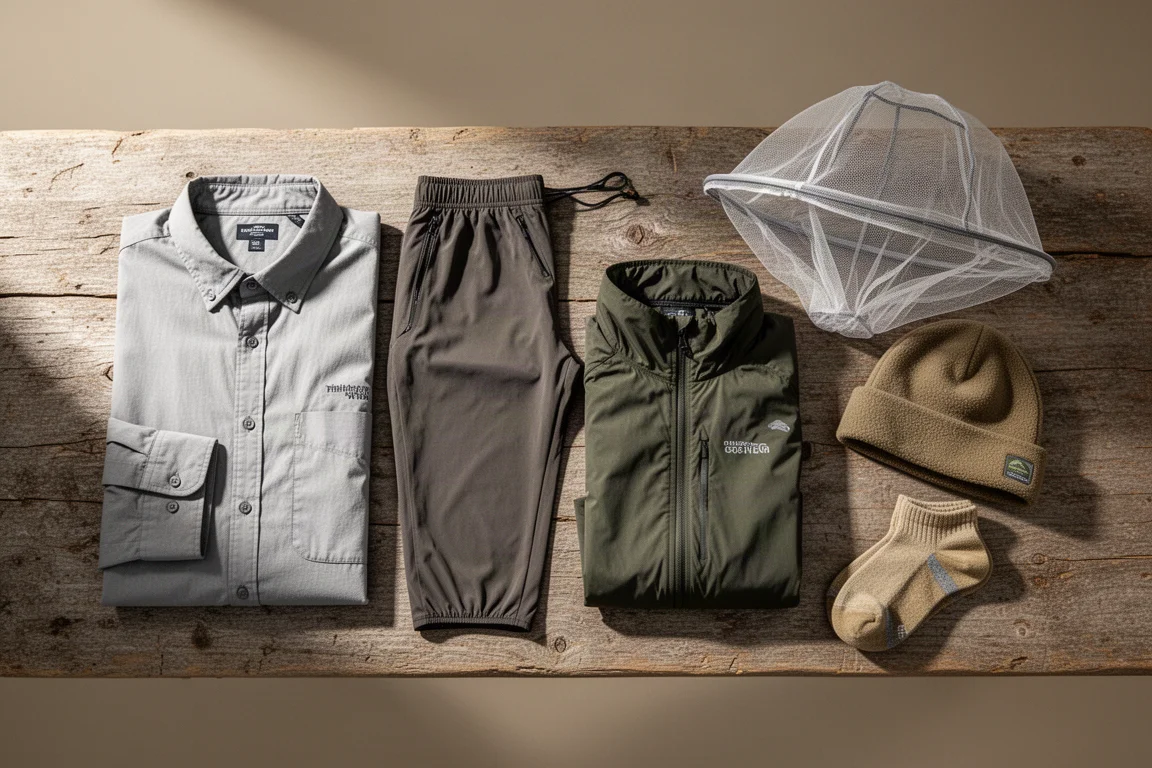
A Pacific Crest Trail clothing kit that begins near 6.6 pounds of base weight and finishes around 7 pounds is not built from exotic gear. It is built from a small number of pieces that each handle one job, and from a willingness to leave everything else behind.
That was the shape of this kit. It started at roughly 6.6 pounds of base weight, picked up a few additions along the way, and ended near 7 pounds. The eight pieces below are the clothing that earned its place, along with the trade-offs that shaped each choice and the ways a different hiker might adapt the same system.
What Mattered Most on This Kit
Three priorities drove the decisions. Heat management came first, because a mid-May start meant hot, exposed conditions in the opening weeks and breathability mattered far more than insulation. Durability per gram came second, since a layer that fails partway through a long walk costs more than the weight it saves. Versatility came third, because the same piece often had to handle a cold morning, wind, and mosquitoes on the same day.
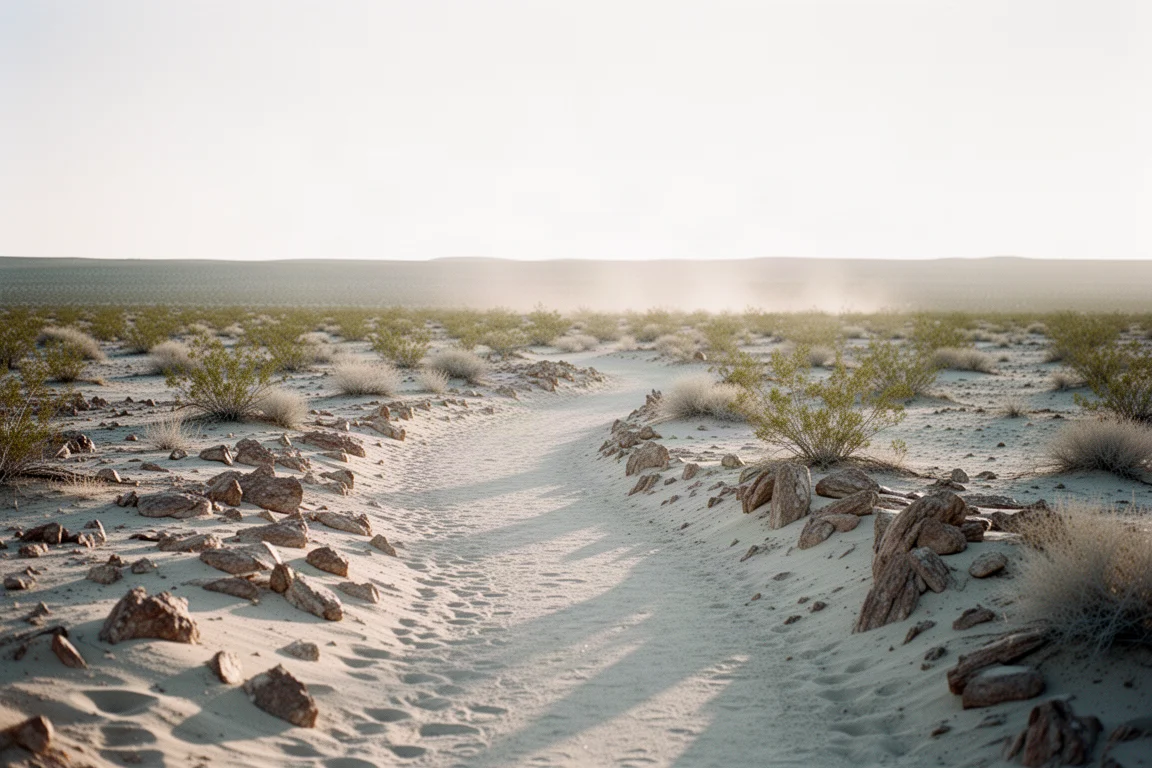
That combination pushes a kit toward layering rather than one heavy garment. Each item covers a narrow range of conditions well, and the ranges overlap just enough to keep the system workable when the weather shifts.
Columbia Silver Ridge Light
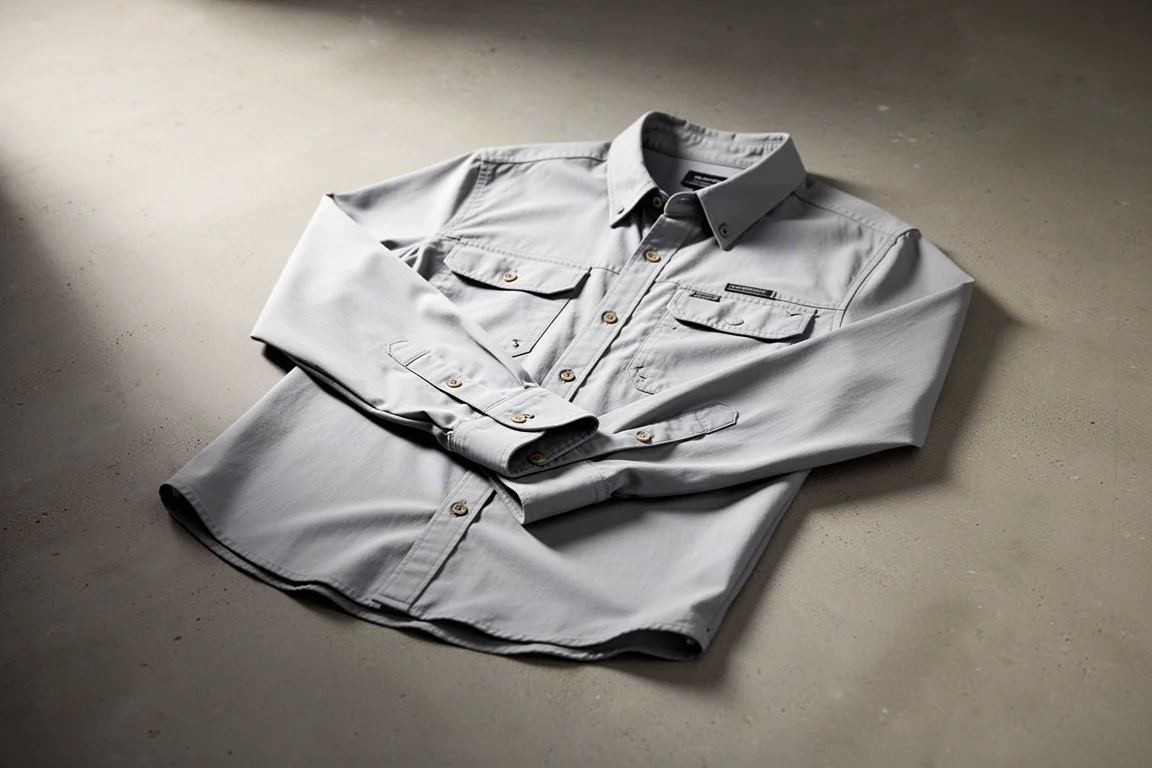
Long sleeves and a button front are the two features that make this shirt work. The fabric breathes extremely well in heat and stays soft against the skin, and the buttons open for real airflow on a hot day. Rolled-down sleeves add arm coverage when the sun is harsh or when mosquitoes are thick.
It has been a first choice since 2018 for good reason. For hot-weather backpacking it handles sun and insects without feeling clammy, which is a rare combination to get from a single layer.
Darn Tough Socks
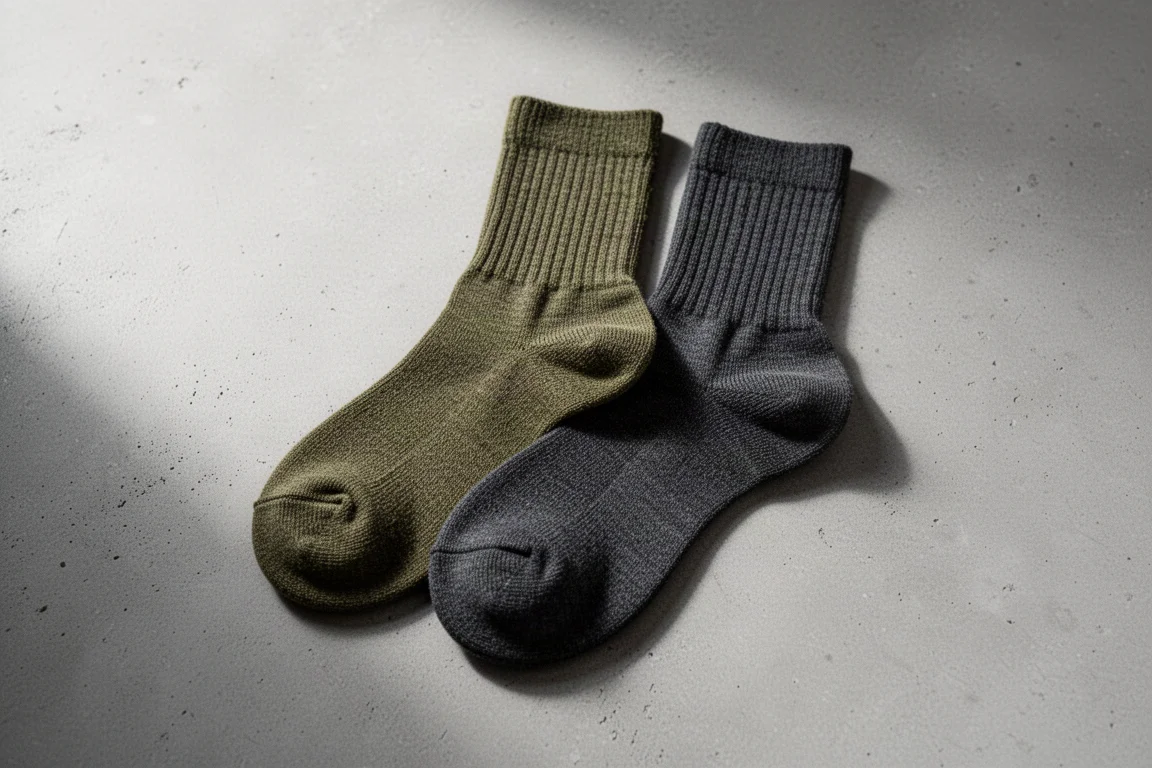
Darn Tough socks started and finished this walk, and one practical advantage is availability: they turn up in most trail towns, so replacing a worn pair rarely requires a detour. Expect roughly 500 to 600 miles from a pair. The lifetime warranty is the real draw, since a sock with a hole can be sent back and replaced with a new pair.
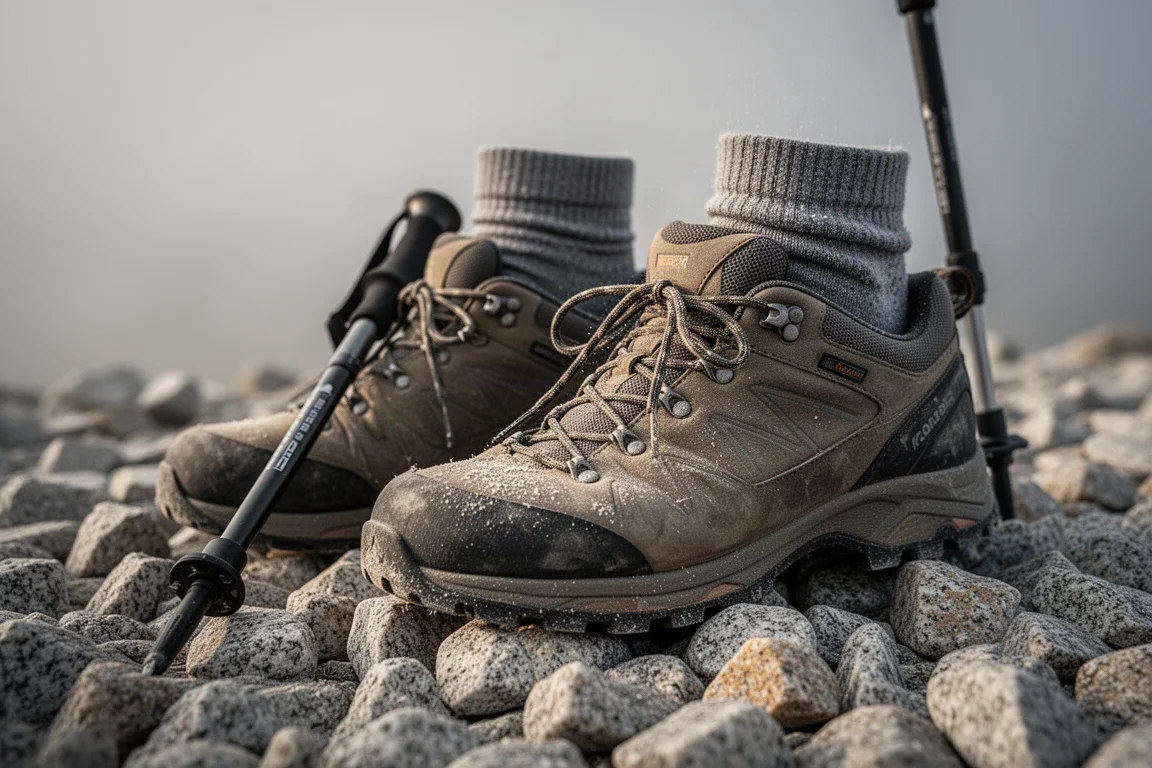
Two pairs were carried at all times, one on the feet and one in the pack. Gaiters make those pairs last longer by keeping grit out of the shoe, which is a small addition that pays off across hundreds of miles.
Dirty Girl Gaiters
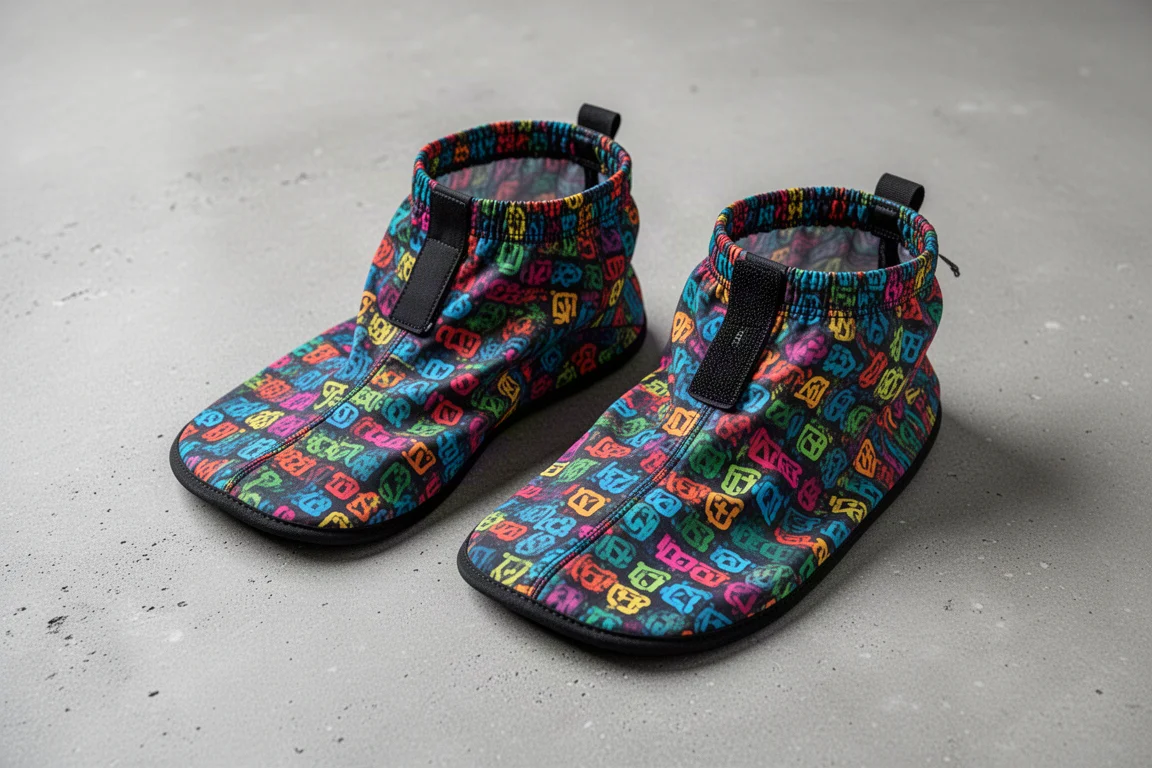
Gaiters are one of the cheapest ways to protect the rest of the kit. Rocky, dusty ground works its way into a shoe, and that grit wears down both the shoe and the sock. A pair of Dirty Girl Gaiters, or any comparable low-cut gaiter, keeps most of it out.
The payoff shows up as replacement mileage rather than comfort. On a long walk that adds up quickly, and the weight penalty is small enough to forget about.
KUIU Peloton 97
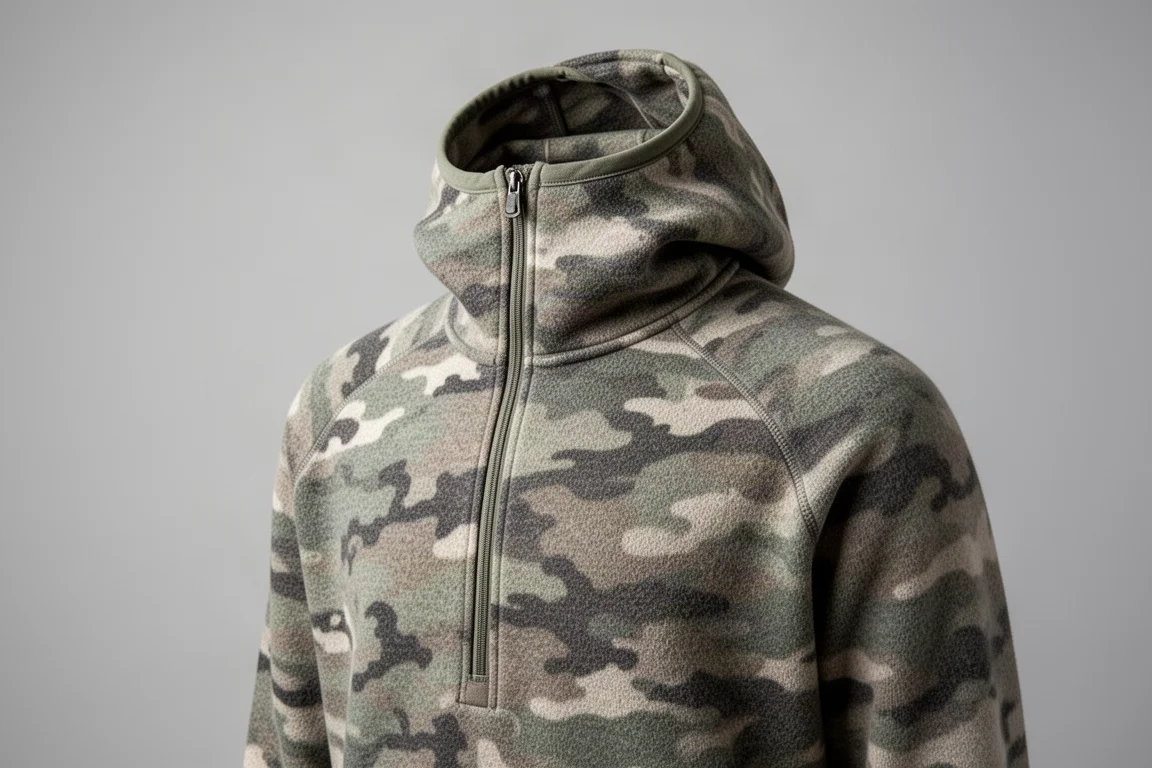
The Peloton 97 is an active layer, and it is very good at that specific job. It is durable enough to have stayed in rotation for a long time, and it can be worn while walking without overheating when the air is chilly. That is exactly what a fleece should do on a day spent moving.
Where it falls short is anything stationary. Hikers who take frequent breaks, or who sit around camp cooking breakfast and dinner, will find it does not provide enough warmth on its own. In that situation the fleece needs a partner.
Enlightened Equipment Torrid
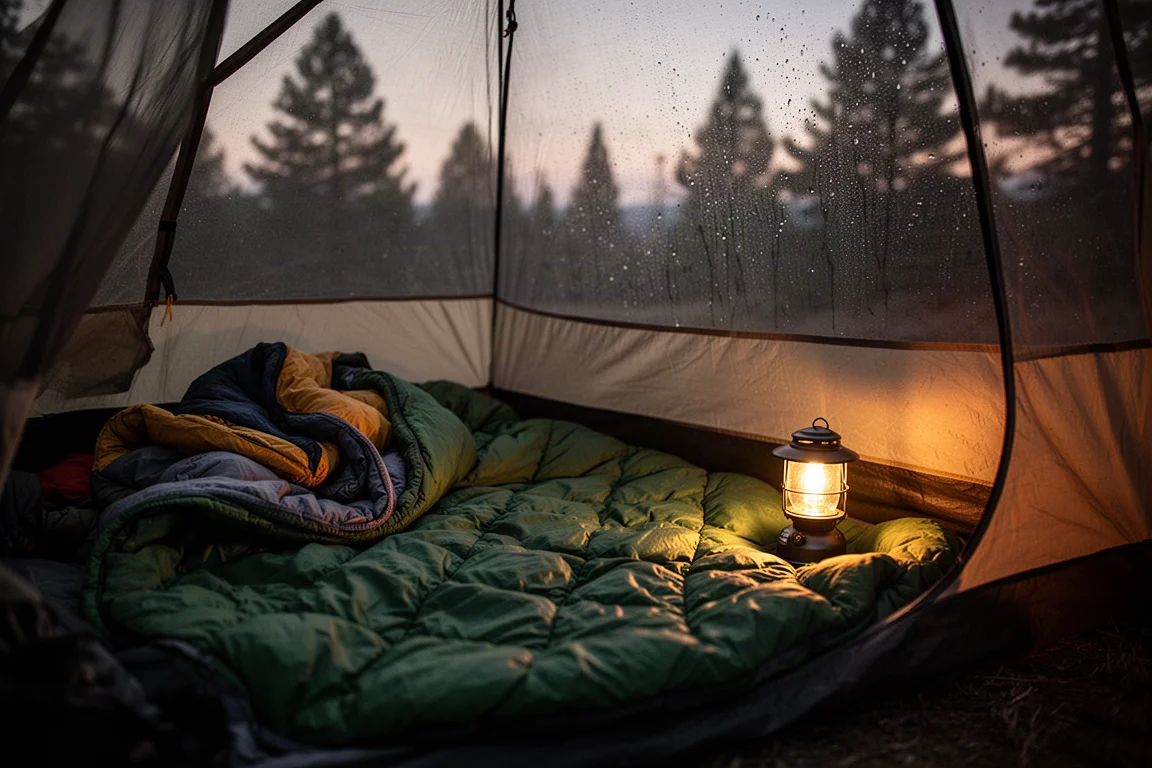
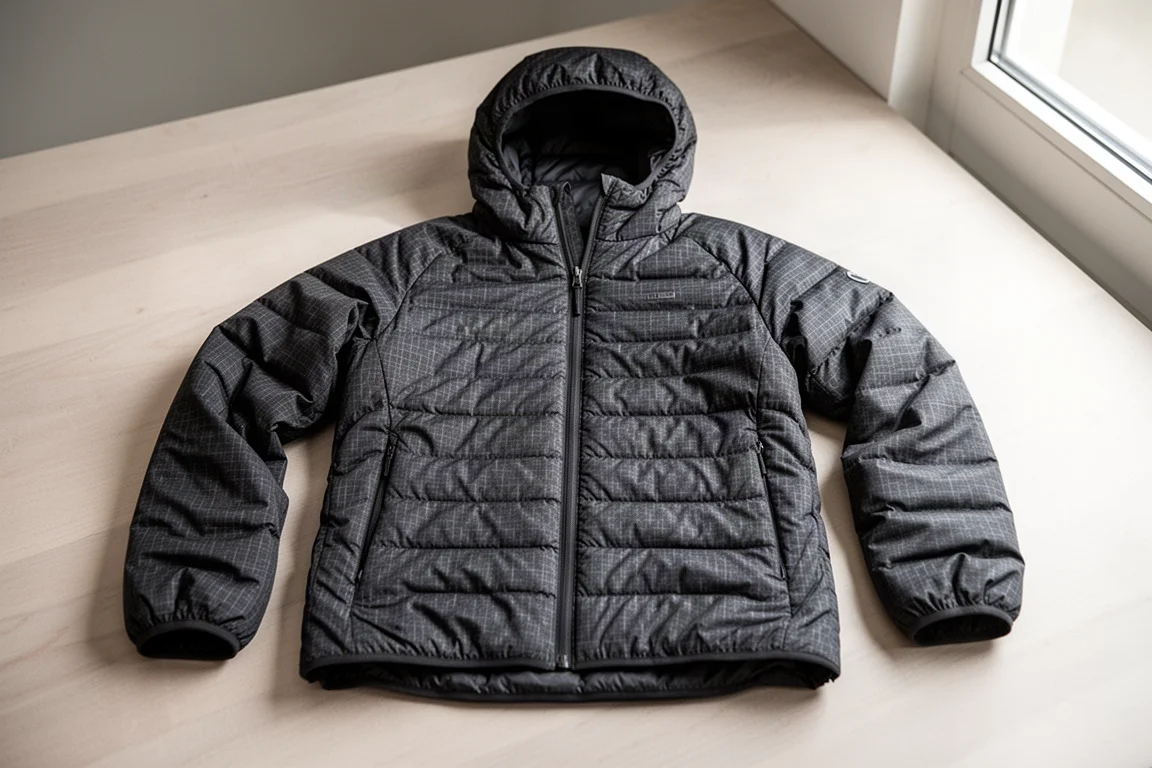
The Torrid is a synthetic jacket built for the opposite situation. It delivers the most warmth when sitting still, which makes it the layer for camp, meals, and long breaks. It has already seen a full thru-hike and gets worn almost daily once the weather turns cold.
There are two sensible ways to build around it. Carry the puffy and skip the fleece, accepting that you cannot hike in it comfortably, or carry both and use the fleece for movement and the jacket for stops. Which one is right depends on how often you plan to stop.
Either approach works as long as the decision is deliberate rather than accidental.
Body Wrappers Warm-Up Pants
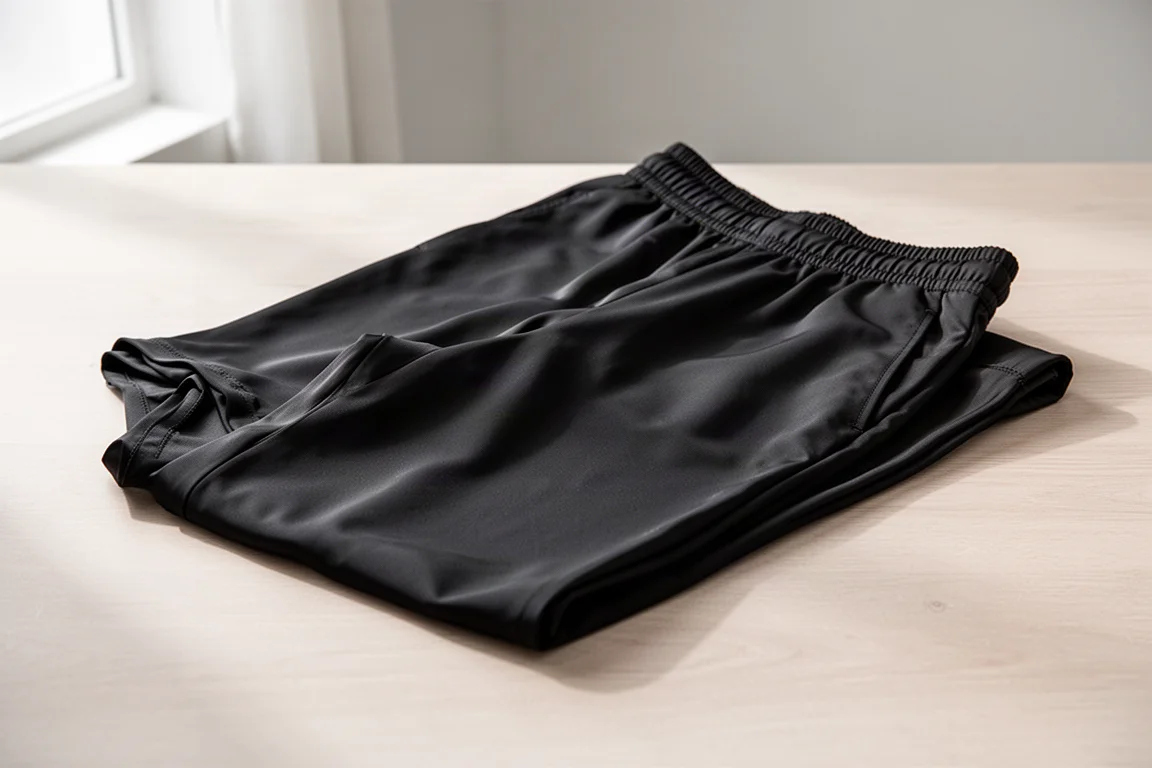
These are not wind pants, though they behave a little like them. They are thin nylon warm-up pants made for dancers, and they trap heat while blocking some wind. They cost about $15 on Amazon, they stayed hole-free through the walk, and they were the layer of choice on cold mornings and evenings and when mosquitoes were out.
The trade-off is weight. A cold-natured hiker will usually be happier with tights, which are warmer but slightly heavier. For a warm sleeper on a tight budget, the warm-up pants are hard to argue with.
Zpacks Fleece Beanie
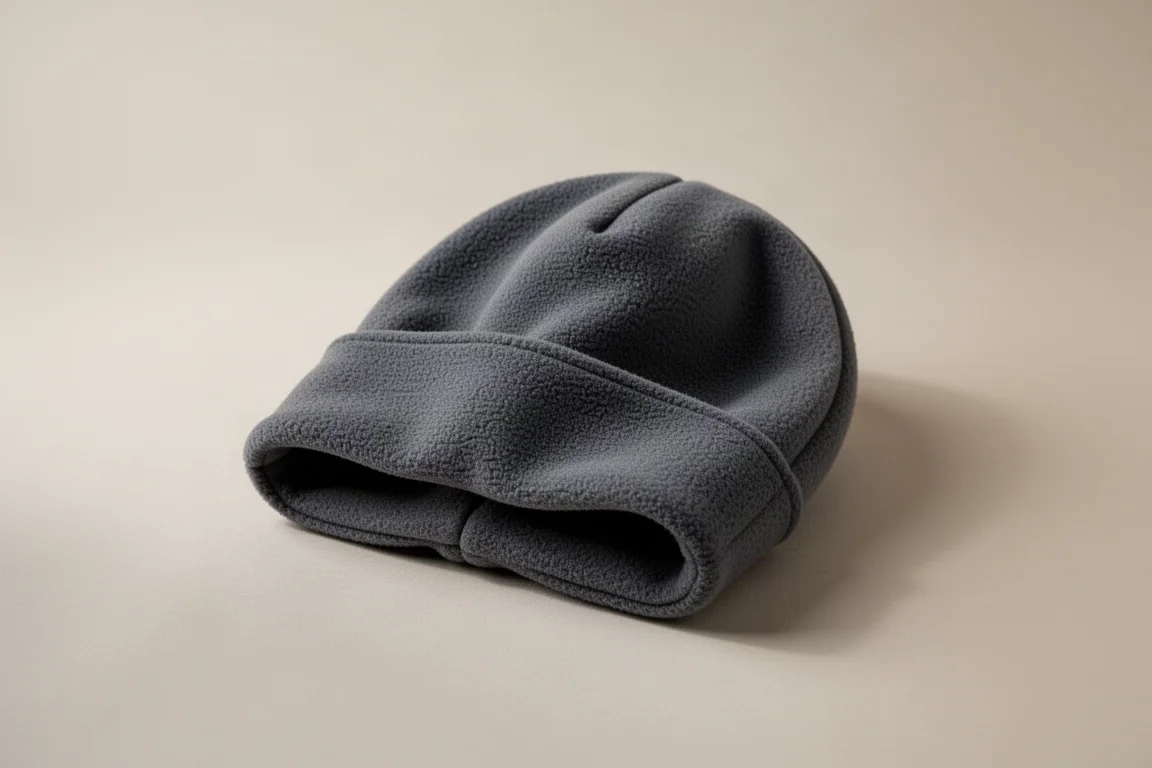
A beanie is the smallest item on this list and one of the most consistently useful. This fleece version weighs about an ounce and has covered roughly 14,000 miles across every trip it has been packed for. Keeping the head warm inside a sleeping bag is a large part of why.
It is not a complicated piece, and it does not need to be. It is the kind of item that gets packed without a second thought because it never causes a problem.
Sea to Summit Bug Head Net
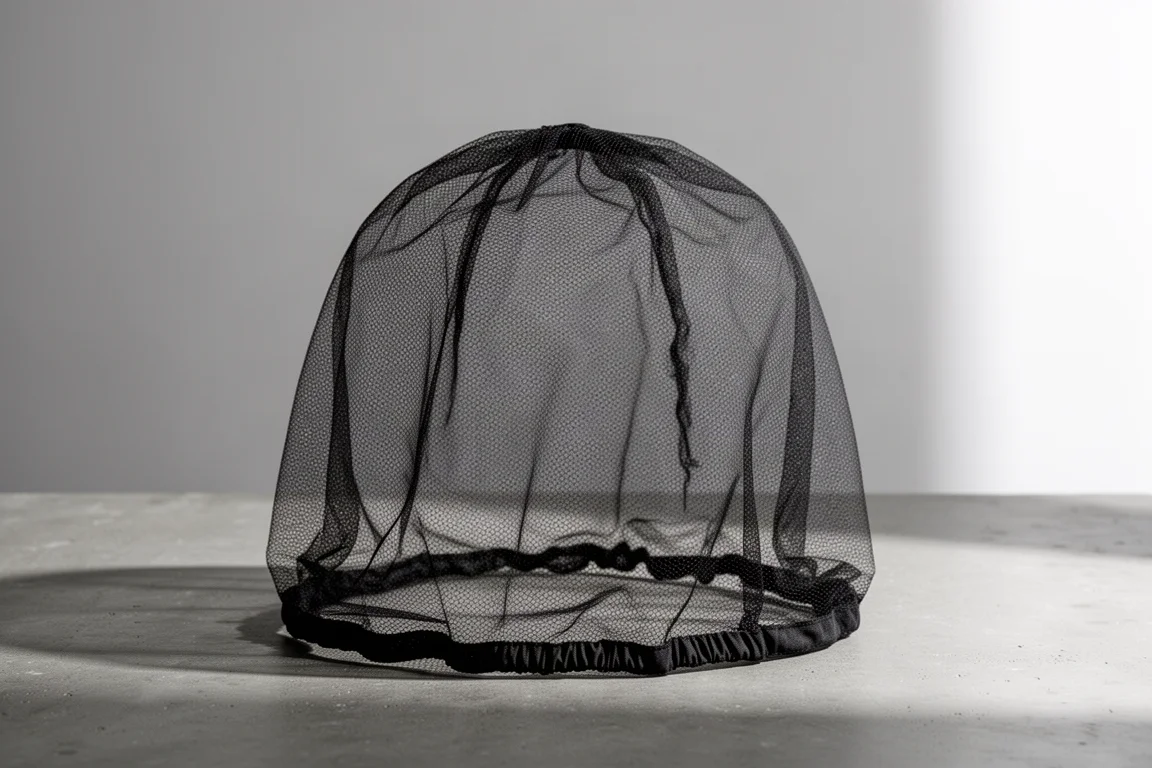
Added for the Sierra and carried all the way to Canada, this head net weighs about an ounce. It goes over a hat, and the hat holds the mesh away from the face so mosquitoes cannot reach through it.
It only came out a handful of times, but those occasions were memorable, particularly in Oregon where mosquito pressure reached genuinely difficult levels. For a summer or early-autumn walk, an ounce is cheap insurance.
How the Layers Work Together
Read as a system, this kit splits cleanly in two. The fleece handles movement, the synthetic jacket handles standing still, and the rain shell covers wet days while adding warmth the rest of the time. Sun protection is where the kit was thinnest: a running cap alone is not enough for exposed desert stretches, and a reflective umbrella paired with the cap is a more comfortable answer. A lightweight short with a five-inch inseam and a built-in liner rounds out the warm-weather setup.
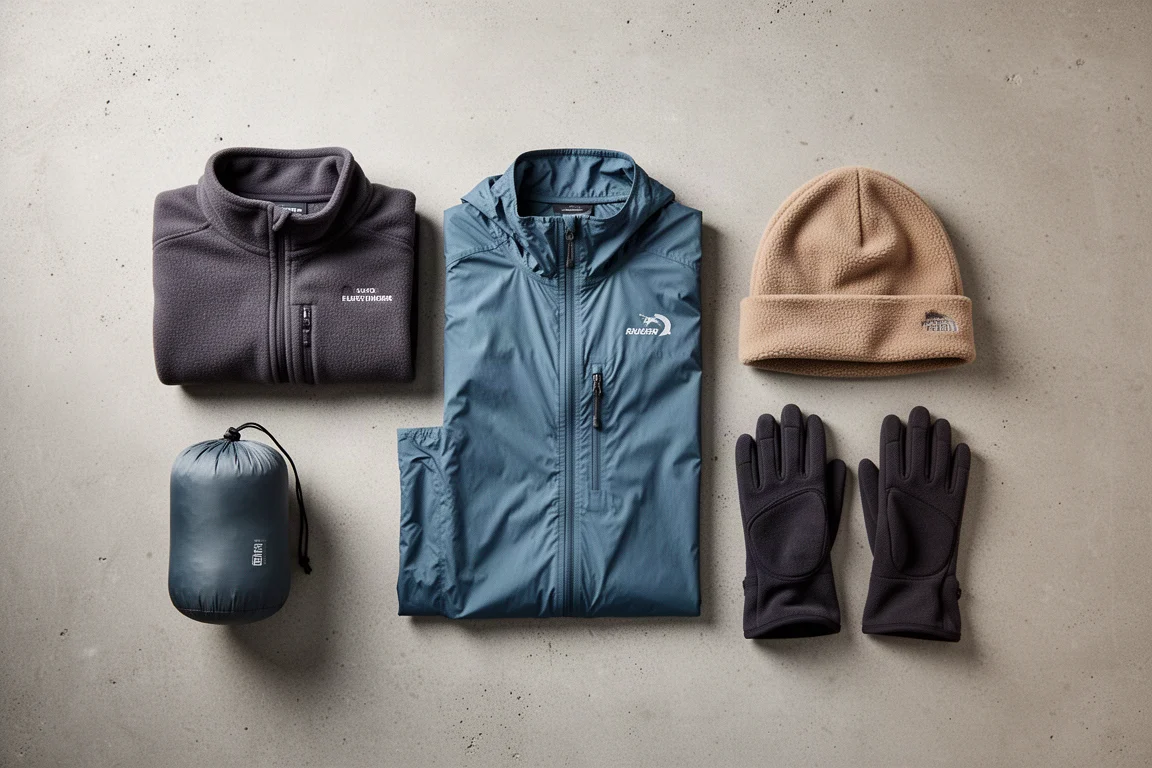
Adapting the kit is mostly a matter of deciding how you stop. If you take long breaks and sit around camp in the evening, put the weight into the puffy and consider leaving the fleece behind. If you walk from dawn to dusk with short stops, the fleece earns its place. Cold-natured hikers should look at tights instead of warm-up pants, and anyone walking rocky, dusty ground should add gaiters before the first pair of socks wears through.
Whatever the final list looks like, the pieces here are the ones that carried a full Pacific Crest Trail crossing and kept the base weight under seven pounds.
Conclusion
A sub-7-pound clothing kit is not about deprivation. It is about choosing a small number of pieces that each do one job clearly, then trusting the system when conditions change. The Columbia shirt and Darn Tough socks cover the daily miles, gaiters protect the investment, the Peloton 97 and the Torrid split movement from rest, and the warm-up pants, beanie, and head net fill the remaining gaps for a few dollars and a few ounces.
Start with the layers that match how you actually hike, then adjust from there.
Further reading
Related Reviews
Backpacking Clothing
Backpacking Clothing Kit for Thru Hikes: 6 Pieces Worth the Weight
A six-piece backpacking clothing kit built around warmth-to-weight, sun and brush protection, and fast drying for long-distance trails.
Backpacking Clothing
Best Backpacking Clothing Kit for Long Trails: Six Pieces Worth Packing
A practical long-distance backpacking clothing kit built around warmth-to-weight, fast drying fabrics, sun protection, and brush resistance.

Backpacking Gear
Building a 10 lb Base Weight: An Ultralight Backpacking Gear List
A practical walkthrough of the ultralight pieces behind a 10 lb base weight, from a 765 g pack and a roomy one-person tent to a full camp chair and a dependable water filter.