Backpacking Clothing
Best Backpacking Clothing Kit for Long Trails: Six Pieces Worth Packing
A practical long-distance backpacking clothing kit built around warmth-to-weight, fast drying fabrics, sun protection, and brush resistance.
Introduction
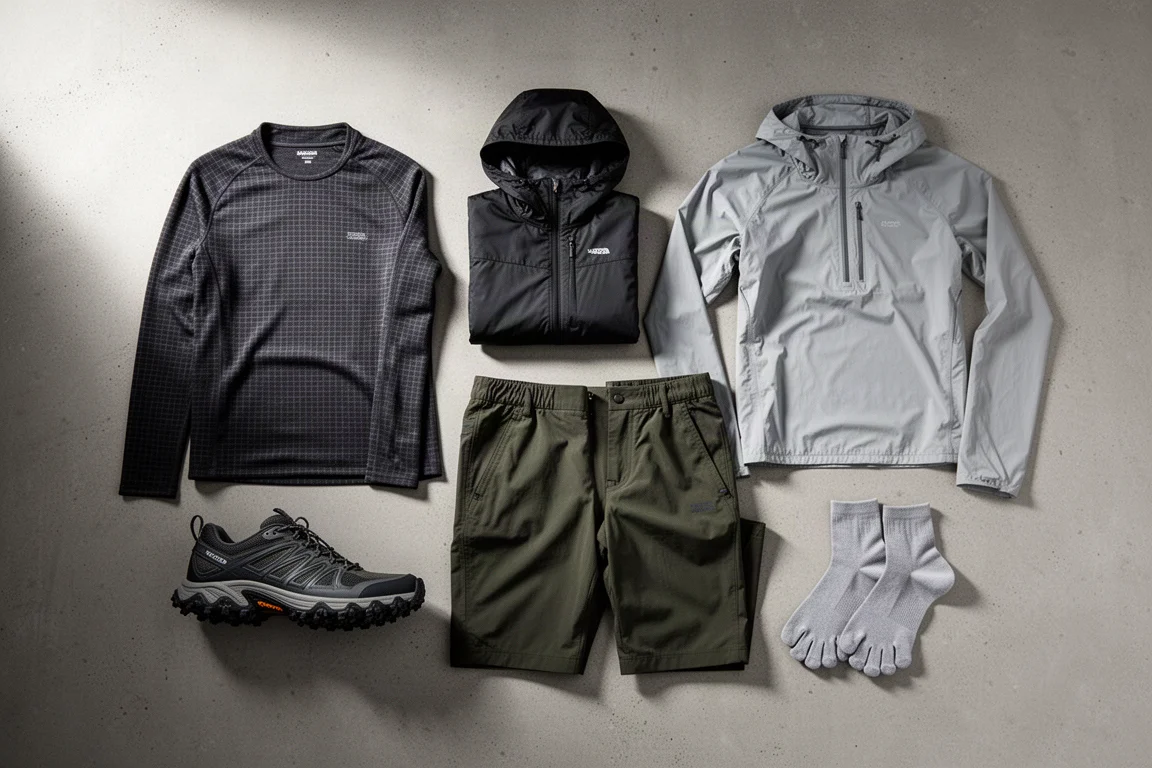
Clothing is one of the most underrated parts of a backpacking kit. Most people check the forecast, pack for warmth, and stop there. But layers do far more than hold heat. They keep insects off your skin, shield your arms and legs from branches and willow scrub, and block the sun on exposed alpine terrain.
On a long route such as an 1,100 kilometre thru hike, that matters even more. Temperatures can drop to minus six degrees Celsius or colder, and humid, damp conditions can make some insulation choices unreliable. The six pieces below form a kit built around three goals: stay warm, stay protected, and stay light.
How This Kit Was Chosen
Every item here earns its place in a pack, and weight is only one part of the equation. Warmth-to-weight matters, but so does how a fabric behaves when it gets wet, how quickly it dries, and how well it survives contact with brush and rock.
Durability is the second filter. Thin nylon shells and long pants hold up better than soft merino or polyester when you are pushing through shrubbery, and long sleeves and legs cut down on sunscreen and insect exposure at the same time. Finally, the pieces need to work together: a camp layer that doubles as sleep insulation, socks that back up your hiking pair, and footwear that drains instead of holding water.
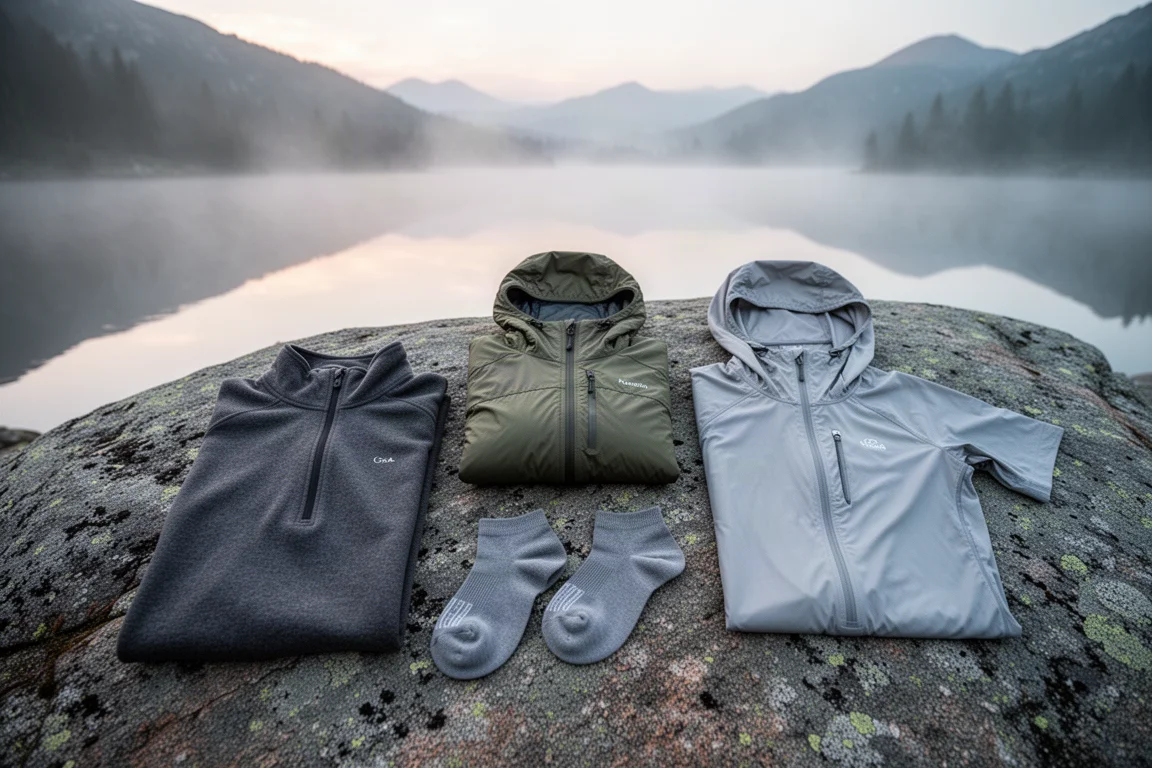
Multi-day comfort also lives in small details. Quarter zips let you dump heat without stopping, hoods add protection without a separate hat, and thin fabrics dry faster than thick ones. Those details are what separate a kit that works from one that only looks good on paper.
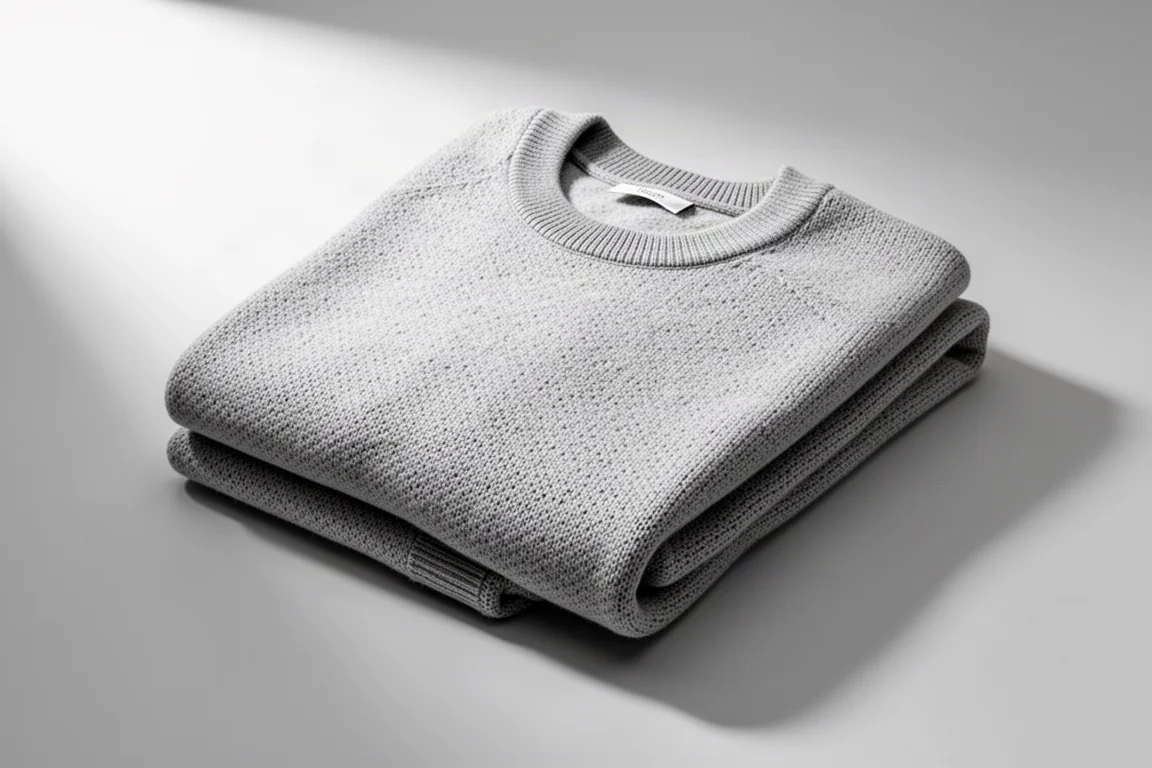
Farpoint OG Polartec Alpha Direct Sweater
The Farpoint OG Polartec Alpha Direct sweater is the lightest insulation layer in this kit at roughly 150 grams, and it offers one of the best warmth-to-weight ratios you can get from a fleece. Alpha Direct fabric traps warmth while staying highly breathable, so it works as an active layer on cool mornings and as part of a sleep system at night.
This version uses a crew neck with no hood. That is a deliberate choice for anyone already carrying hooded shells, an insulated hoodie, and a sun hoodie, since one more hood adds bulk without adding much function.
Enlightened Equipment Torrid Apex Full Zip Hoodie
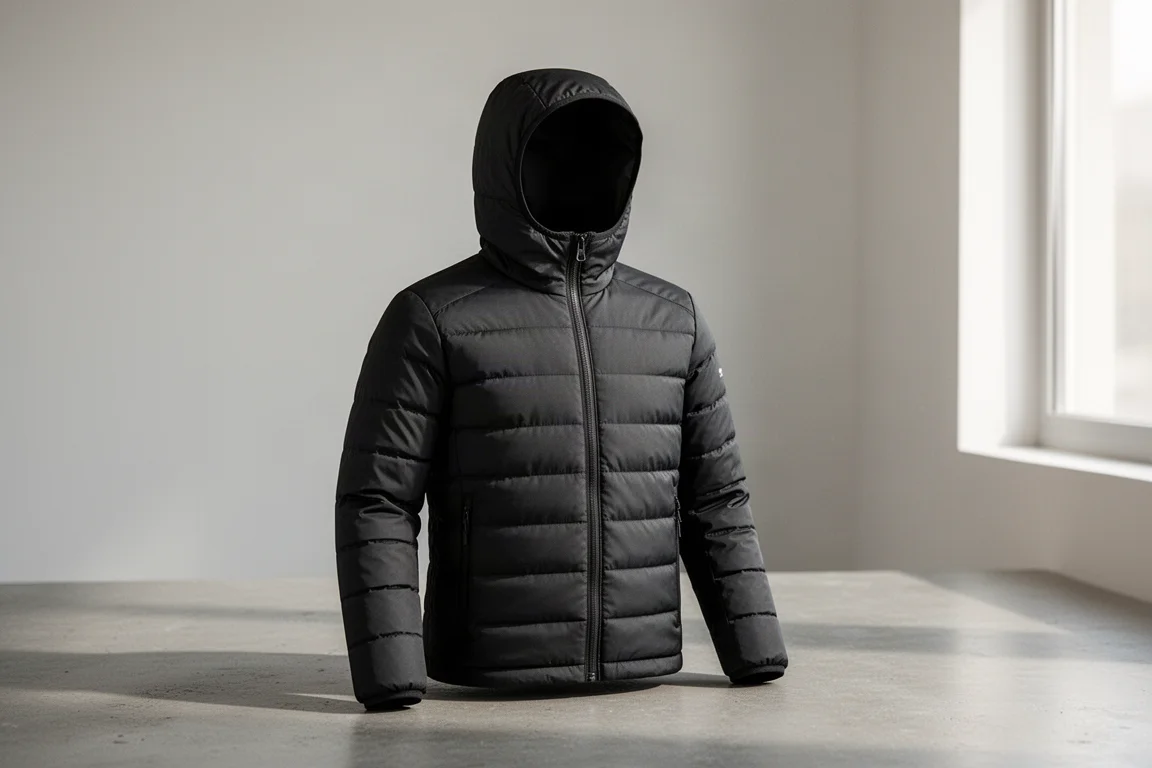
For colder nights, the Enlightened Equipment Torrid Apex Full Zip Hoodie adds a serious amount of warmth at a low weight. It is built with Polartec Apex synthetic insulation, which keeps working in humid conditions and continues to insulate even when it gets wet. Down insulation does not handle moisture nearly as well, which makes synthetic the safer bet on a route with frequent rain and damp air.
This hoodie is warm enough to serve as a camp layer and a sleeping layer at the same time. On nights that fall to minus six degrees Celsius or below, it is the piece that makes wearing everything you brought a realistic option.
Outdoor Research Astroman Sun Hoodie
The Outdoor Research Astroman Sun Hoodie is a long-sleeve nylon shirt with an integrated hood. Nylon is more durable than merino wool or polyester, so it stands up far better to bushwhacking, and it dries quickly after sweat or rain.
The hood and long sleeves keep the sun off your arms, neck, and head on exposed alpine terrain, which reduces how much sunscreen you need to carry and reapply. A quarter zip at the front lets you vent heat when a climb gets steep.
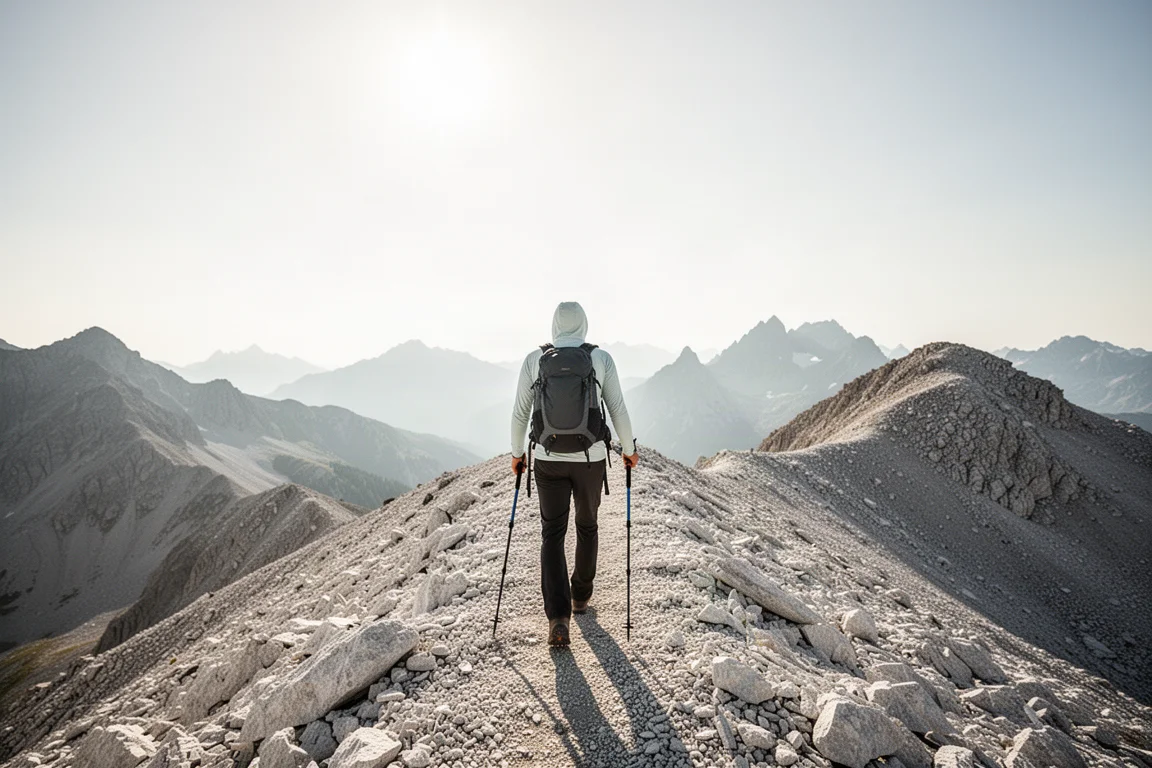
It is the kind of layer you can wear all day and forget about, which is exactly what you want from a sun shirt on a long route.
Mountain Equipment Co-op Mica 2 Pants
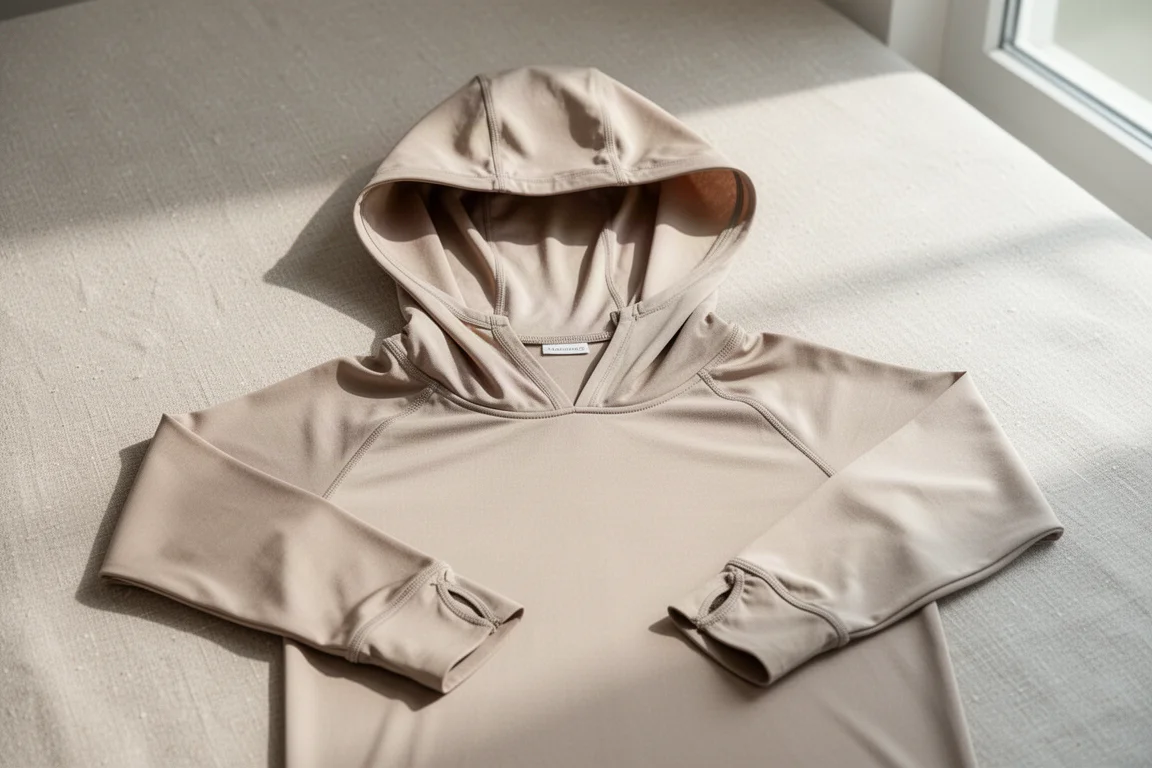
Long pants are essential rather than optional on overgrown trails. In the Canadian Rockies, thick willow and shrub sections can tear up exposed legs, and the Mountain Equipment Co-op Mica 2 Pants are made from lightweight nylon that resists that abuse while drying quickly.
They also provide sun coverage for your legs, which keeps the rest of the kit simpler. Availability is limited, since these pants come from the Mountain Equipment Co-op store in Canada, so plan ahead if you want this specific model.
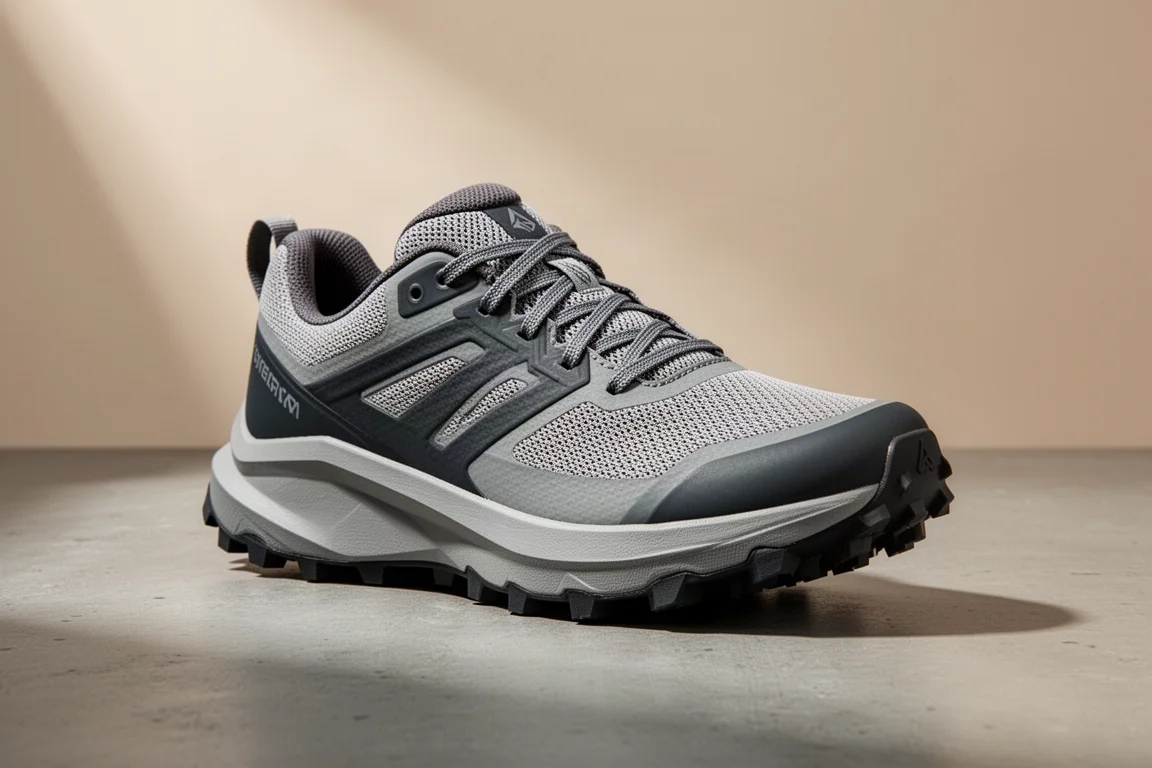
Hoka One One Speedgoat 4 Shoes
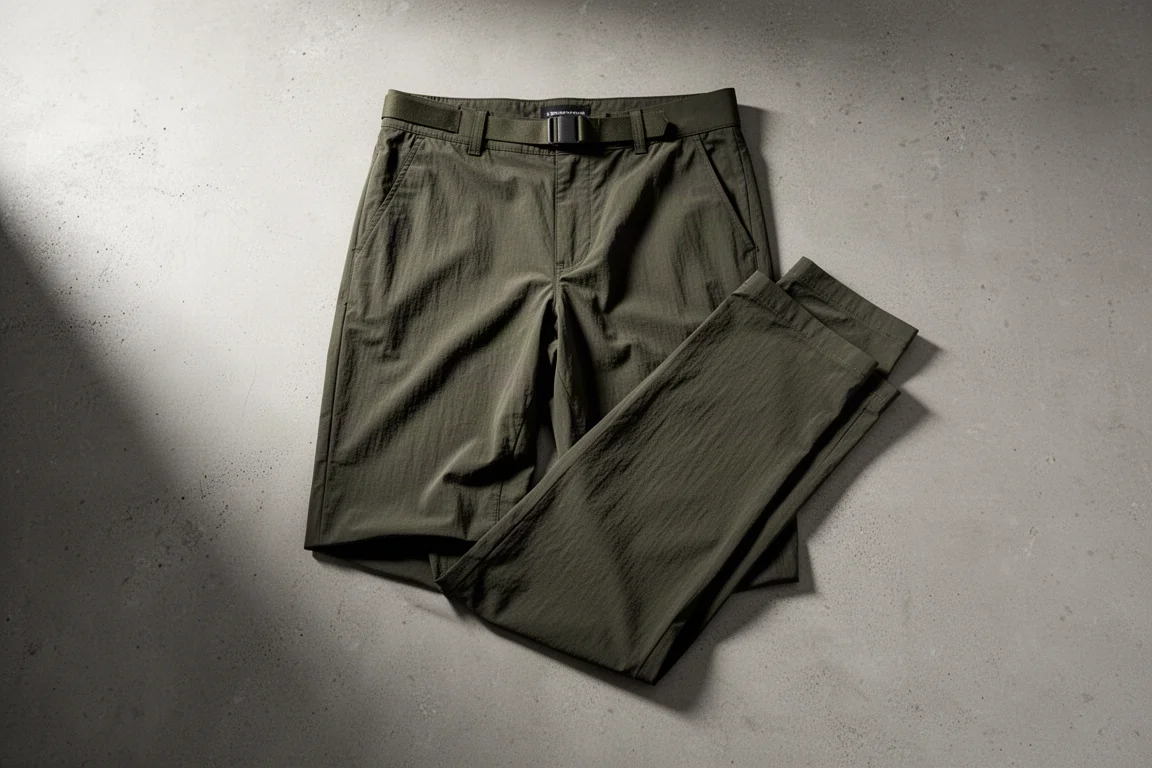
Trail running shoes have become the default choice for long-distance hiking, and the Hoka One One Speedgoat 4 is a strong example. The Vibram MegaGrip outsole is sticky on wet rock, offers reliable traction, and holds up over distance.
The sole is thick, which suits hikers who want cushioning for long days on hard ground. The upper dries quickly as well, an important trait when you are fording streams every few hundred metres and do not want to stop and change footwear. After roughly 300 kilometres of use, this pair is still holding up well, which suggests two pairs could cover a route of this length.
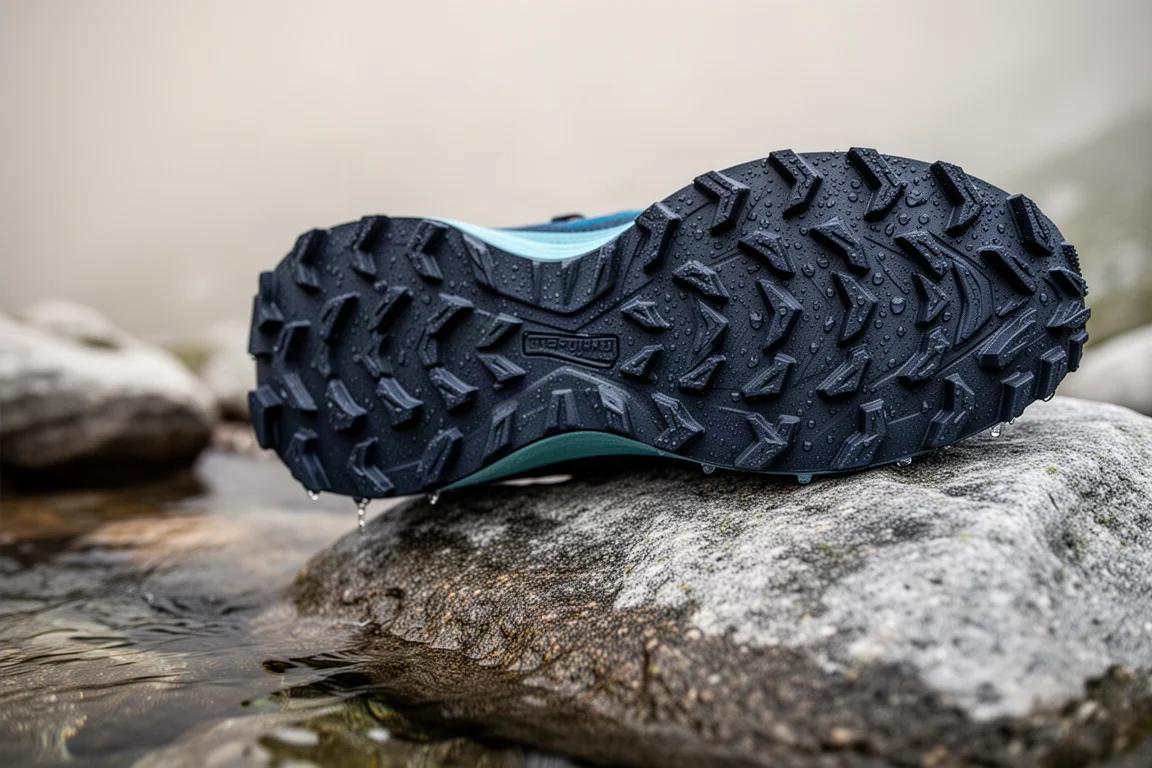
Cushioning and grip matter most when you are tired, and this shoe delivers both without adding unnecessary weight.
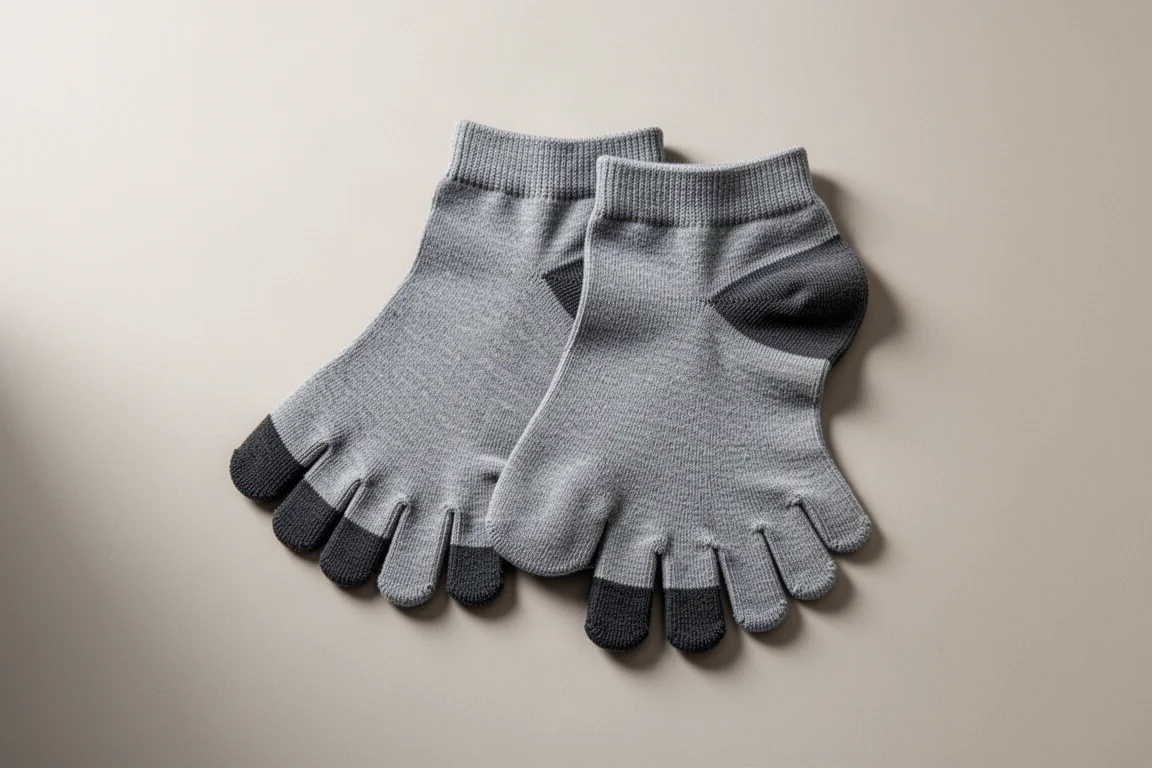
Injinji Light Run Toe Socks
The Injinji Light Run Toe Socks are the thinnest option in the brand’s running range, and thin is the point. A thinner sock holds less moisture and dries faster, which pairs well with fast-draining shoes.
The nylon, polyester, and spandex blend is durable and quick drying. The toe construction lets each toe sit separately inside the shoe, which keeps the foot comfortable and helps reduce blister risk on 40 to 50 kilometre days. The trade-off is odour: these socks can develop a smell after extended use, so plan to rinse or rotate them.
Buying Advice for Long-Distance Trails
Build the kit around function rather than a single temperature rating. A layering system of a light Alpha Direct fleece, a synthetic insulated hoodie, and a durable nylon sun hoodie covers camp, sleep, and hiking conditions with very little overlap.
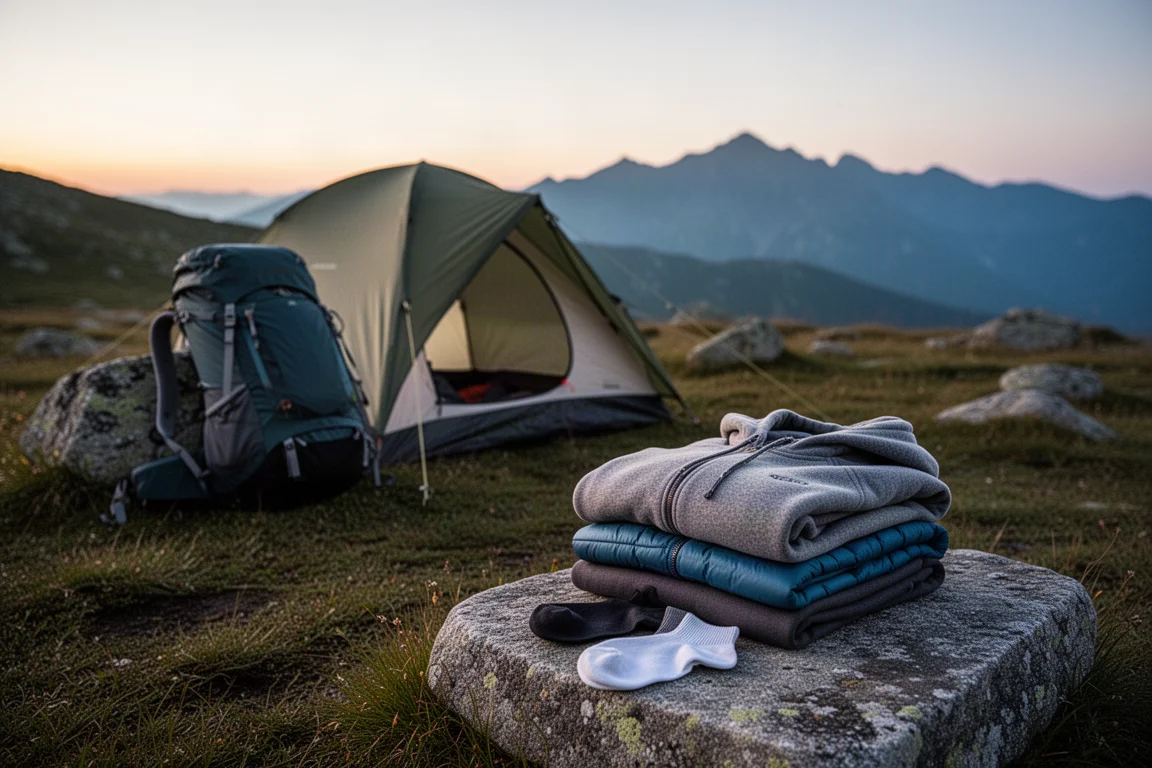
Then match the rest to the terrain. Long pants and quick-drying socks make more sense than heavier alternatives when you are crossing streams and pushing through brush. Where possible, choose pieces that serve two roles: socks that back up your hiking pair, a hoodie that works both in camp and inside your sleeping bag, and footwear that drains instead of holding water.
Conclusion
Good backpacking clothing is a system, not a pile of warm items. The six pieces here cover warmth, sun and insect protection, brush resistance, and fast drying, and each one earns its weight. Choose them for the conditions you expect, test them on shorter trips first, and adjust from there.
Further reading
Related Reviews
Backpacking Clothing
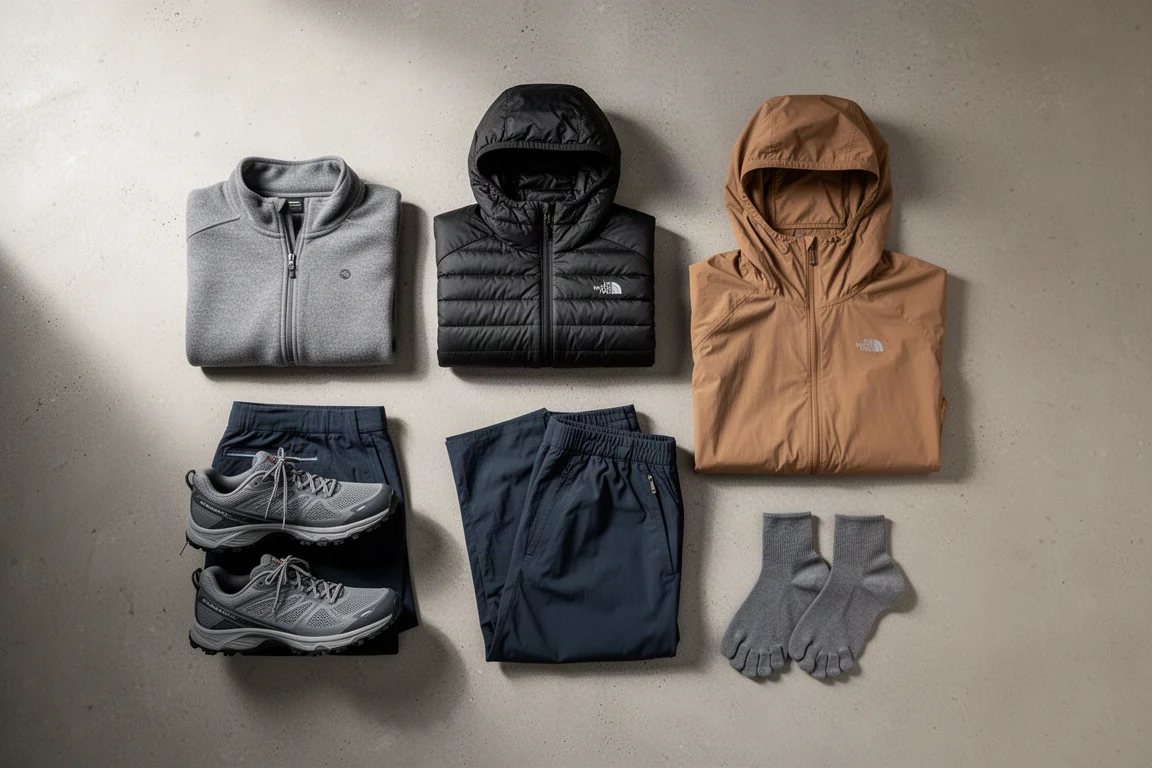
Backpacking Clothing Kit for Thru Hikes: 6 Pieces Worth the Weight
A six-piece backpacking clothing kit built around warmth-to-weight, sun and brush protection, and fast drying for long-distance trails.

Backpacking Gear
Building a 10 lb Base Weight: An Ultralight Backpacking Gear List
A practical walkthrough of the ultralight pieces behind a 10 lb base weight, from a 765 g pack and a roomy one-person tent to a full camp chair and a dependable water filter.

Road Bikes
10 New Road Bikes Worth Watching: Aero, Titanium, Steel and Endurance Standouts
A practical roundup of 10 new road bikes, from aero flagships chasing single-watt gains to titanium, steel and endurance platforms built for real roads.