Backpacking Clothing
Backpacking Clothing Kit for Thru Hikes: 6 Pieces Worth the Weight
A six-piece backpacking clothing kit built around warmth-to-weight, sun and brush protection, and fast drying for long-distance trails.
Introduction
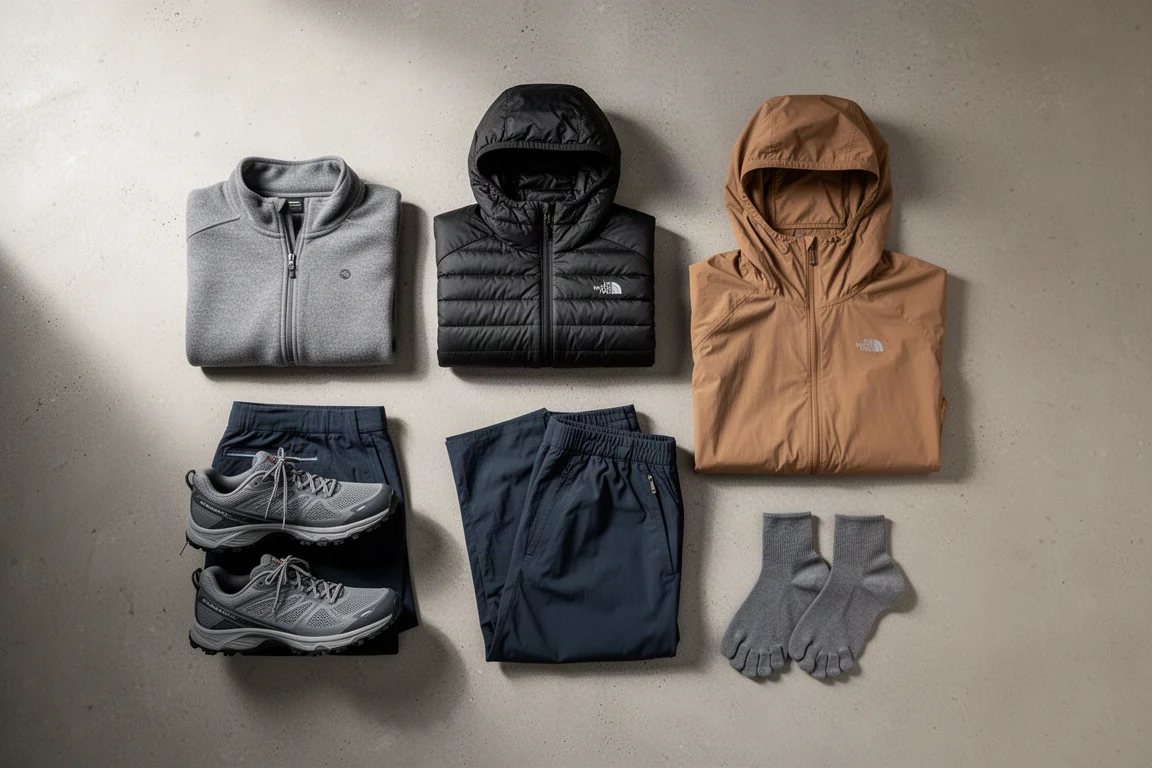
Clothing is one of the most overlooked parts of a backpacking kit. Most hikers check the forecast, pack something warm, and stop there. In practice, the clothing you carry also keeps bugs off, protects arms and legs from branches and dense shrubs, blocks sun on exposed ridgelines, and has to dry quickly once it gets wet.
Planning for a long route such as the 1,100 km Great Divide Trail makes those requirements concrete. The six pieces below were chosen for warmth-to-weight, durability, and how they behave when conditions turn damp. Each one earns its place either at camp and in the sleeping bag, or on the trail during the day.
What Matters in a Backpacking Clothing Kit
Three things separate a clothing kit that works from one that simply adds weight.
The first is warmth-to-weight. Camp and sleep layers make up the bulk of the clothing load, so a fleece or insulated hoodie that delivers real warmth at around 150 grams is worth far more than a bulky alternative. The second is moisture behavior. A fabric that dries quickly and keeps insulating when damp is more useful over a multi-week route than one that performs only in dry cold. The third is durability and coverage. Nylon resists abrasion from brush better than merino or polyester, and long sleeves with long pants handle sun and overgrown trail far better than a t-shirt and shorts.
Small items matter too. Thin liner gloves, a neck buff, a warm hat, and a lightweight rain shell with shell mitts round out the system without adding meaningful weight, and they are often the difference between a comfortable camp and a cold one.
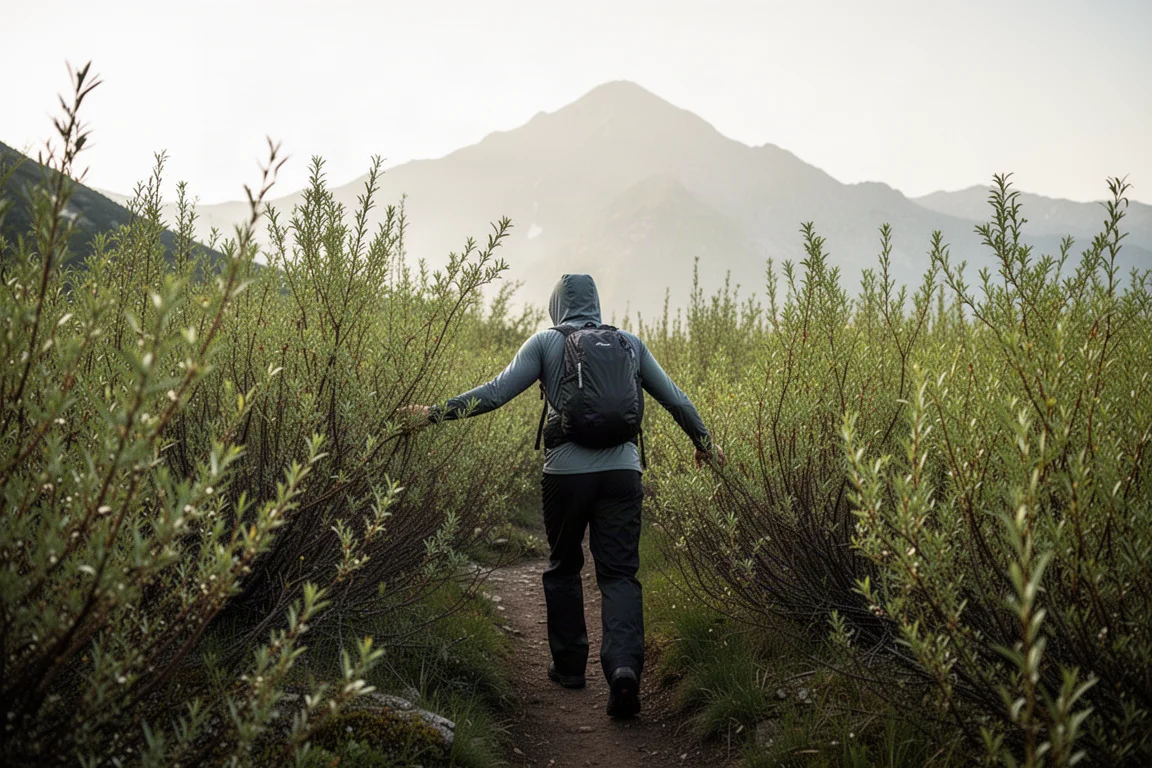
That combination of insulation, coverage, and fast drying is what the rest of this kit is built around. Everything here is chosen to work as a system rather than as a single standout item.
Farpoint OG Polartec Alpha Direct Sweater
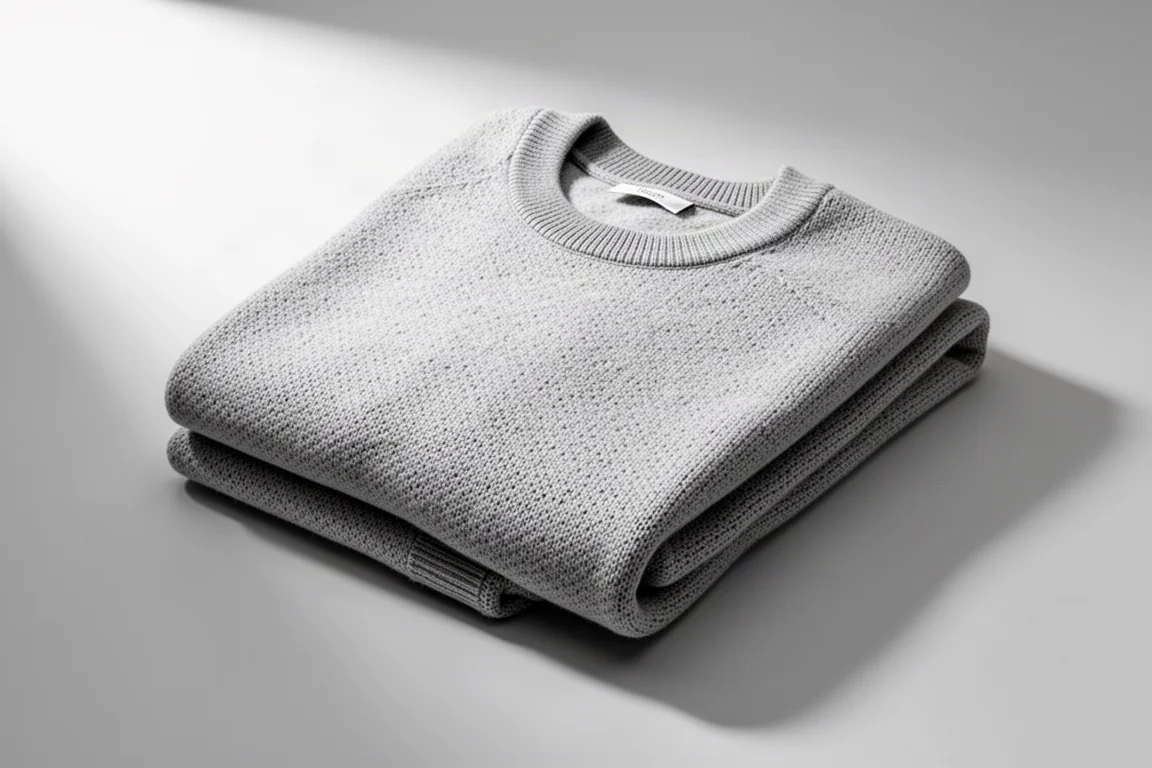
The Farpoint OG is the warmest layer in the kit relative to its weight. It uses Polartec Alpha Direct and weighs only 150 grams, which puts it among the best warmth-to-weight ratios available in a fleece. It is the layer to reach for at camp once the temperature drops, and on cold nights it can be worn inside the sleeping bag.
This version is the crew neck without a hood, a deliberate choice when other layers in the kit already have hoods. It keeps the piece simple and avoids stacking hoods on top of each other.
Enlightened Equipment Torrid Apex Full Zip Hoodie
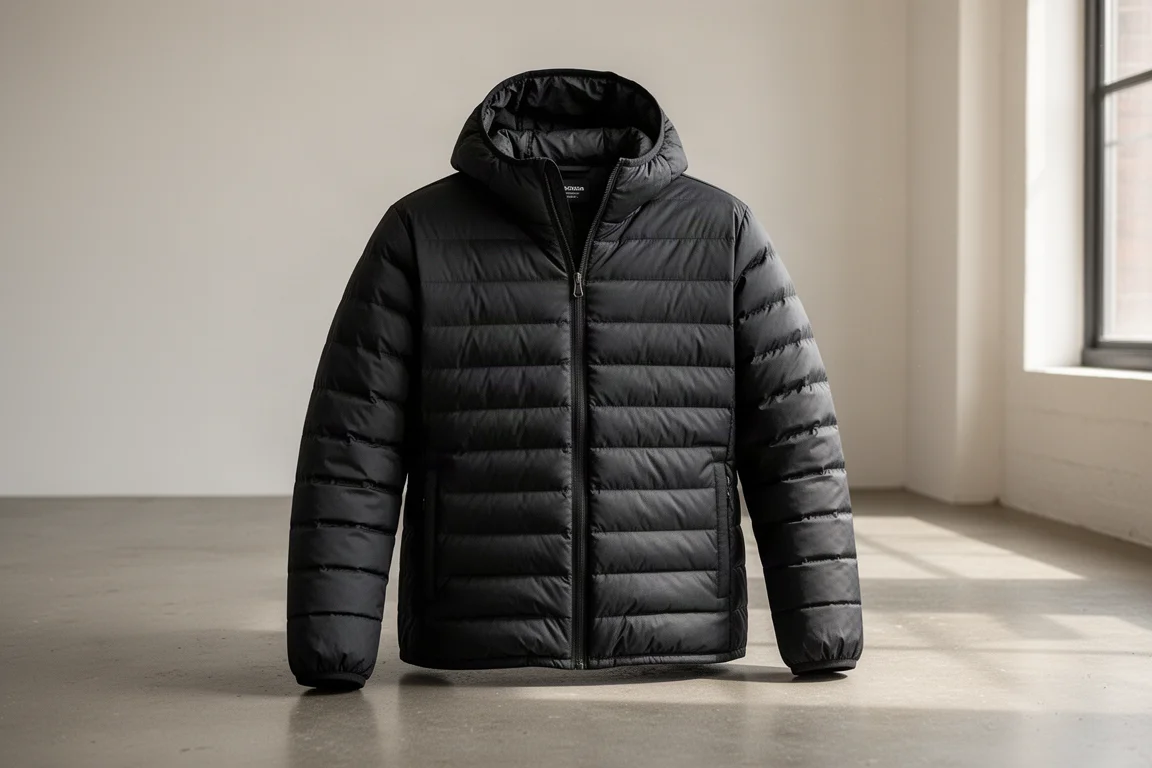
For colder and wetter conditions, the Enlightened Equipment Torrid Apex adds a significant step up in warmth while staying very light. It is built with Polartec Apex synthetic insulation, and that is the key detail. Synthetic fill keeps insulating when the air is humid or the jacket gets wet, where down insulation loses much of its performance in the same conditions.
That makes it a sensible choice for a route where damp weather is likely. On the Great Divide Trail, temperatures can fall to around minus six degrees Celsius or lower, and there are nights when every layer in the pack gets worn at once. The Torrid Apex is central to that warmth system, both around camp and while sleeping.
Outdoor Research Astroman Sun Hoodie
The Astroman is the piece that handles sun, and it does so with a long-sleeve nylon build and an integrated hood. In exposed alpine terrain there is very little shade, so covering arms and head reduces how much sunscreen a day requires. The hood can be pulled up when the sun is directly overhead or when the wind picks up.
Nylon is the reason this shirt holds up. It is more abrasion resistant than merino or polyester, so it survives contact with branches and dense vegetation, and it dries quickly after sweat or rain. A quarter zip at the front lets heat escape when the pace increases, and zipping it back up restores full coverage.
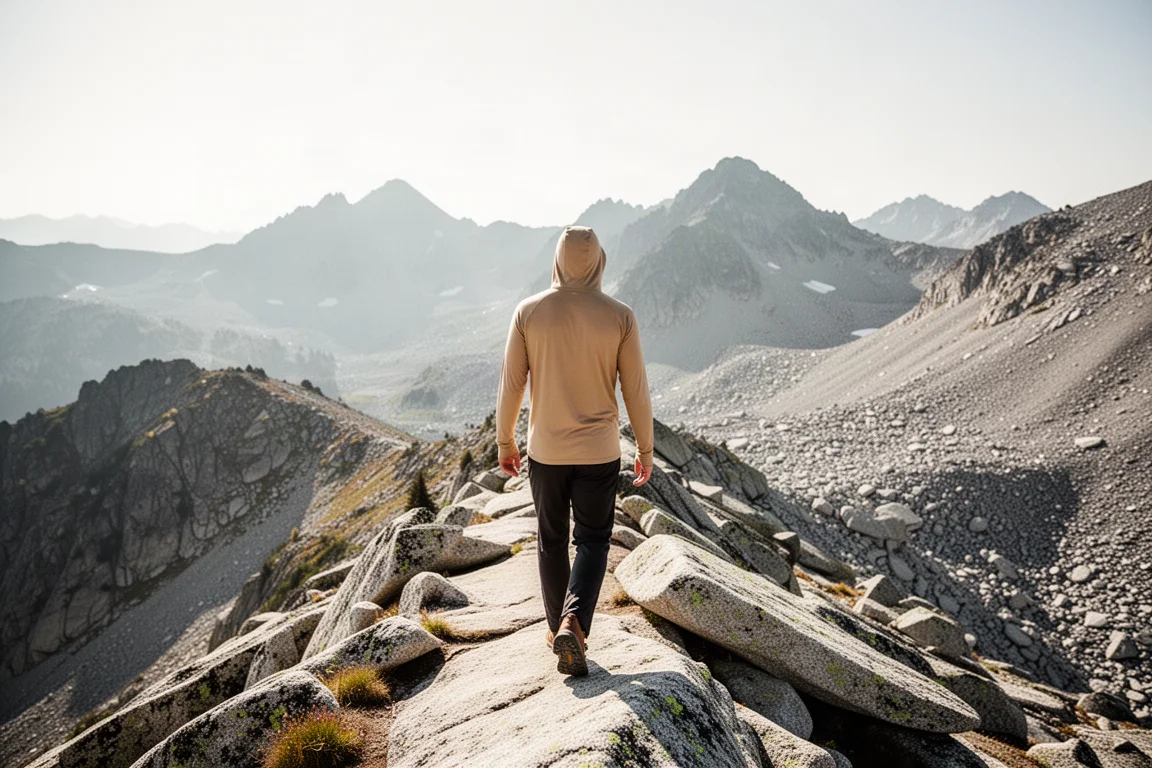
For anyone who spends long days on exposed trail, the combination of coverage, durability, and ventilation is what makes this layer worth carrying instead of a lighter t-shirt.
Mountain Equipment Co-op Mica 2 Pants
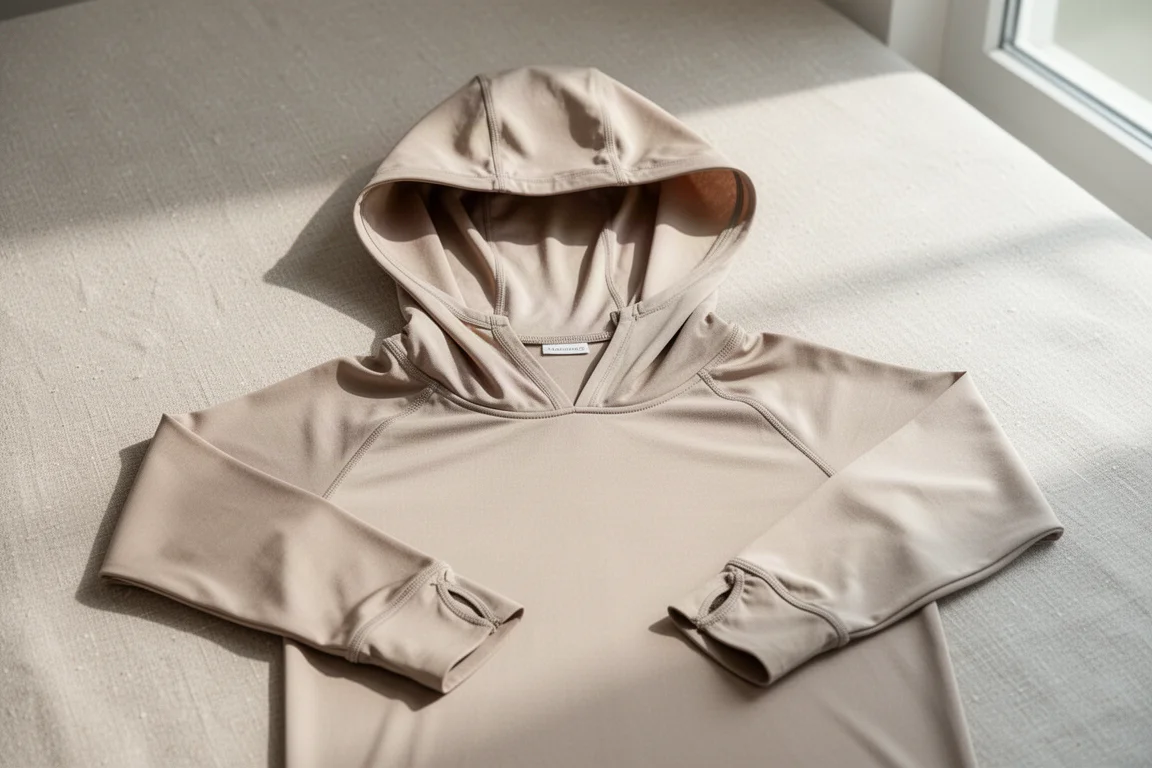
The Mica 2 pants follow the same logic as the sun hoodie, applied to the legs. They are made from lightweight nylon, so they are durable and dry quickly, and they are cut long. That matters on routes through the Canadian Rockies, where long sections run through willows and dense shrubs that tear up exposed legs.
Long pants also handle sun exposure, which is easy to underestimate on high, open terrain. These are sold through Mountain Equipment Co-op stores in Canada, so availability is limited to that market.
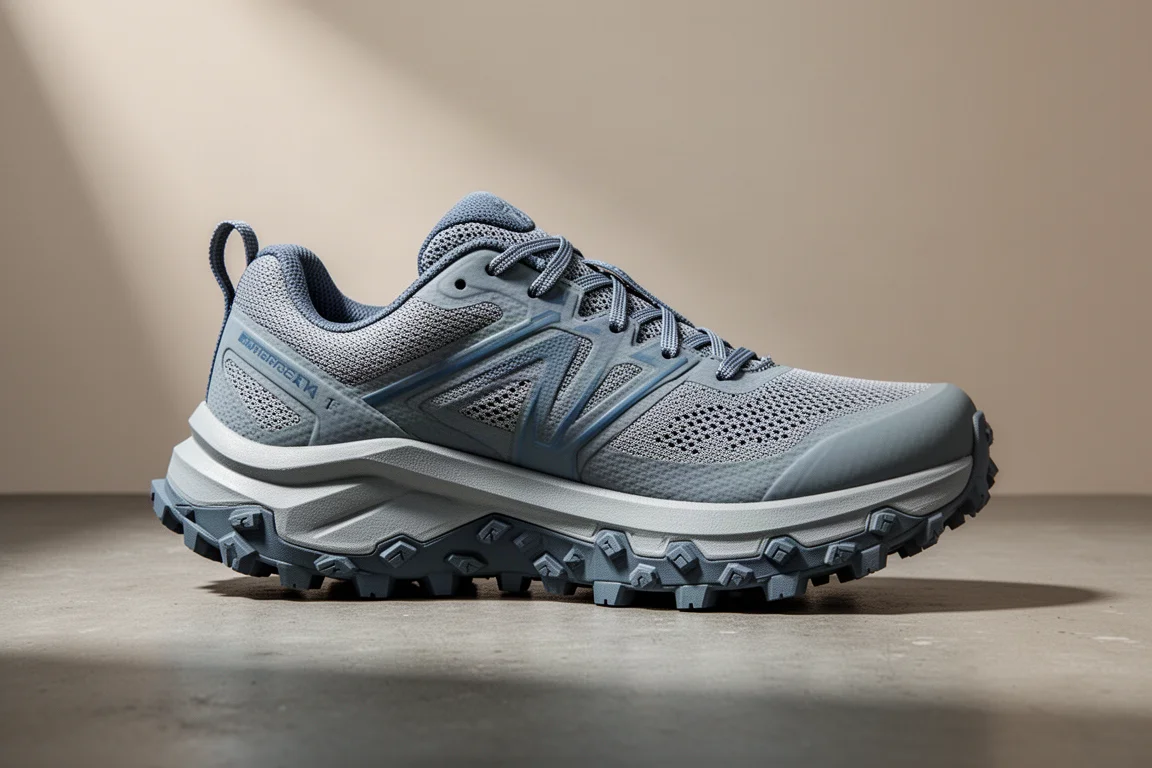
Hoka One One Speedgoat 4
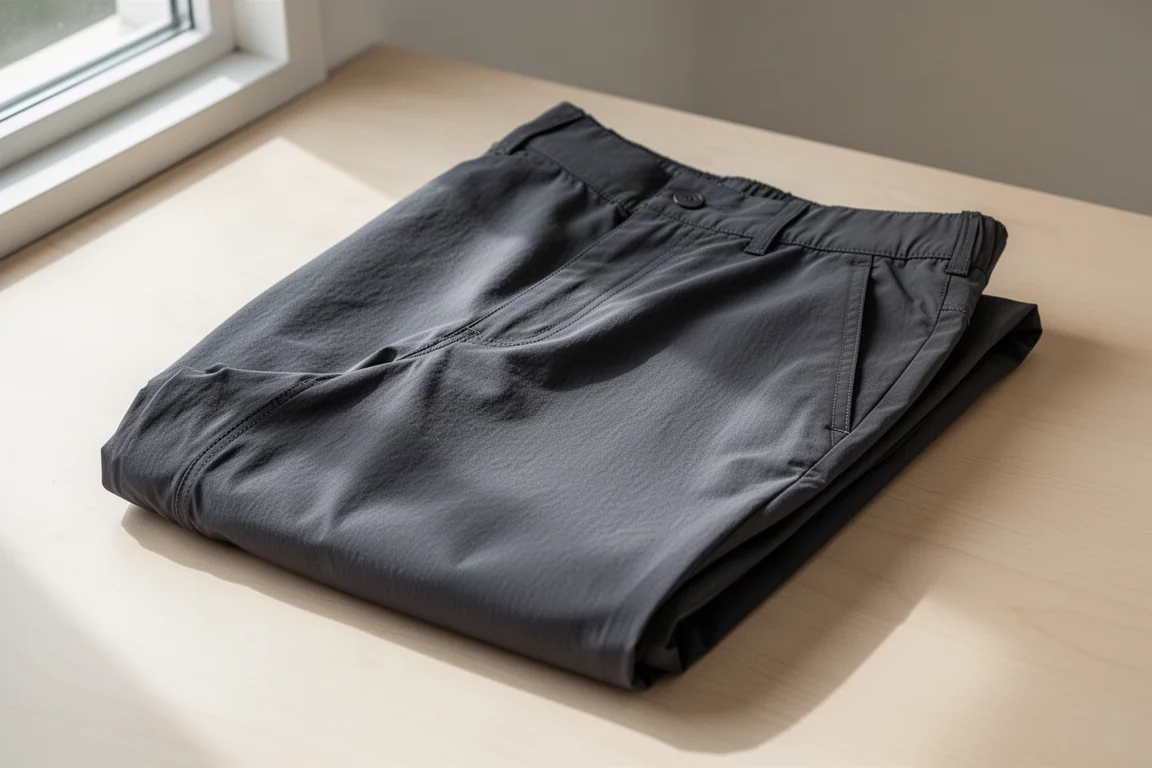
Footwear has to solve several problems at once: grip, cushioning, and drying speed. The Speedgoat 4 uses a Vibram MegaGrip outsole, which is notably sticky on wet rock and holds up over distance. The midsole is thick and well cushioned, which makes a real difference over long days on hard trail.
Drying speed is the third piece. Thru hikes involve constant stream crossings, and stopping to remove shoes at each one is impractical when another crossing sits a hundred metres ahead. A shoe that drains and dries quickly keeps the day moving. With roughly 300 kilometres on a pair and no signs of giving up, two pairs look like a realistic allowance for a 1,100 km route.
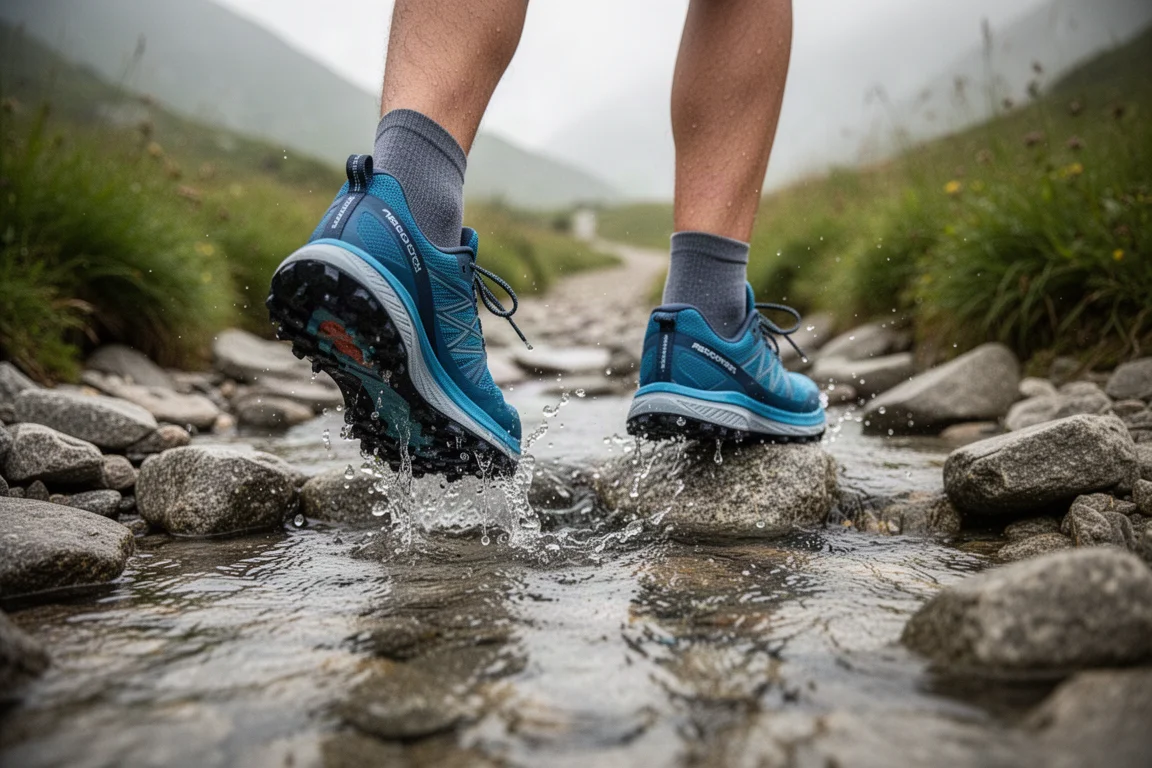
That durability is worth weighing against the cushioning, because a shoe this soft suits long, moderate trails better than steep technical terrain.
Injinji Light Run Toe Socks
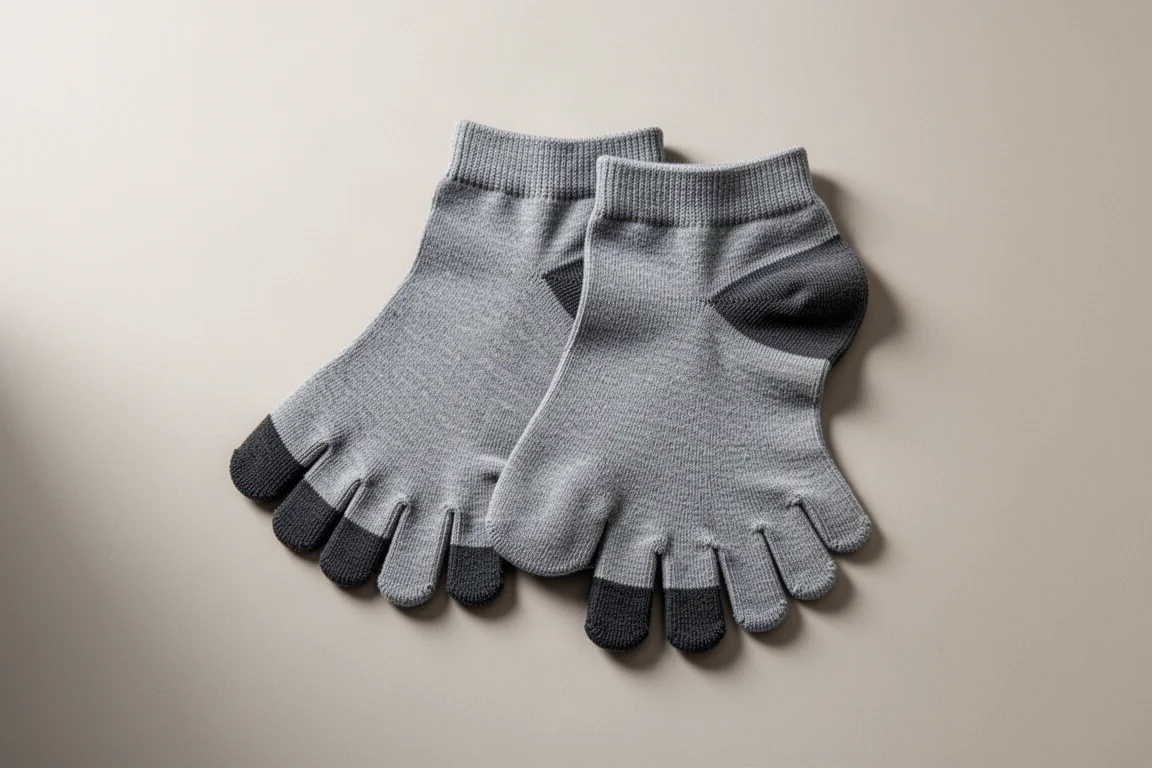
The Injinji Light Run is the thinnest sock in the range, chosen over the brand’s trail running and hiking socks because thin beats thick on a wet trail. A thinner sock holds less moisture and dries faster, which matters when feet stay wet for hours at a time. The nylon, polyester, and spandex blend keeps it durable and quick drying.
The toe design is the other reason to carry them. Separating the toes lets the foot sit more comfortably in the shoe and helps prevent blisters on long days of 40 to 50 kilometres. The trade-off is that they develop odor after extended wear, so a rotation or a spare pair is worth considering on a long route.
Buying Advice
Build the kit around the conditions you actually expect. For camp and sleep layers, prioritize warmth-to-weight: a light fleece around 150 grams plus a synthetic insulated hoodie covers most three-season trips, and synthetic insulation is the safer choice when humidity and rain are likely. For daytime wear, prioritize coverage and abrasion resistance, which means long sleeves, a hood, and long nylon pants on routes with dense vegetation. For feet, prioritize grip, cushioning, and drying speed, then match sock thickness to how wet the trail is likely to be.
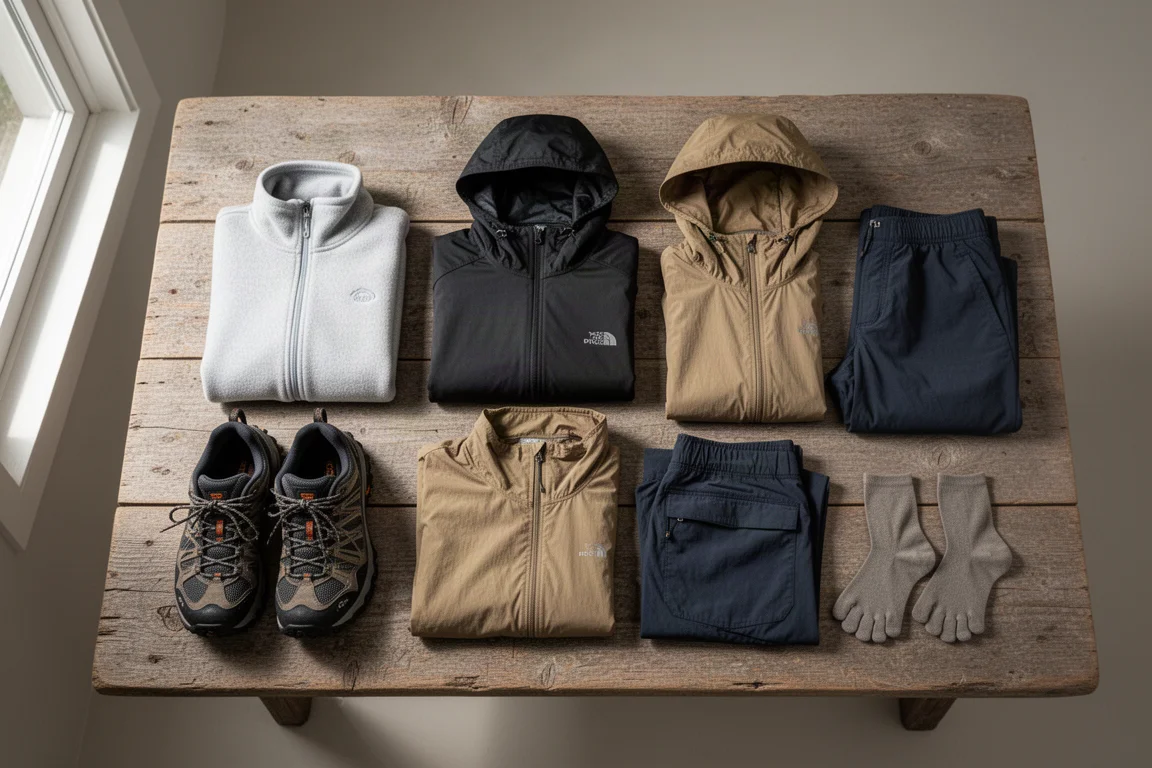
It also helps to audit the kit for redundancy before buying. If several layers already have hoods, a hoodless fleece saves weight without losing warmth. If the route stays dry, a synthetic hoodie may be more insulation than needed. Buying fewer, more purposeful pieces usually beats carrying a heavier kit that duplicates the same function.
Conclusion
The best backpacking clothing kit is not the warmest one or the lightest one. It is the one that keeps you warm at camp, protects you from sun and brush on trail, and dries fast enough to keep up with the day. The six pieces above cover those jobs with a clear division of labour: a light fleece and a synthetic hoodie for warmth, a nylon sun hoodie and long nylon pants for coverage and durability, and trail shoes with thin toe socks for long, wet days on the move.
Further reading
Related Reviews
Backpacking Clothing
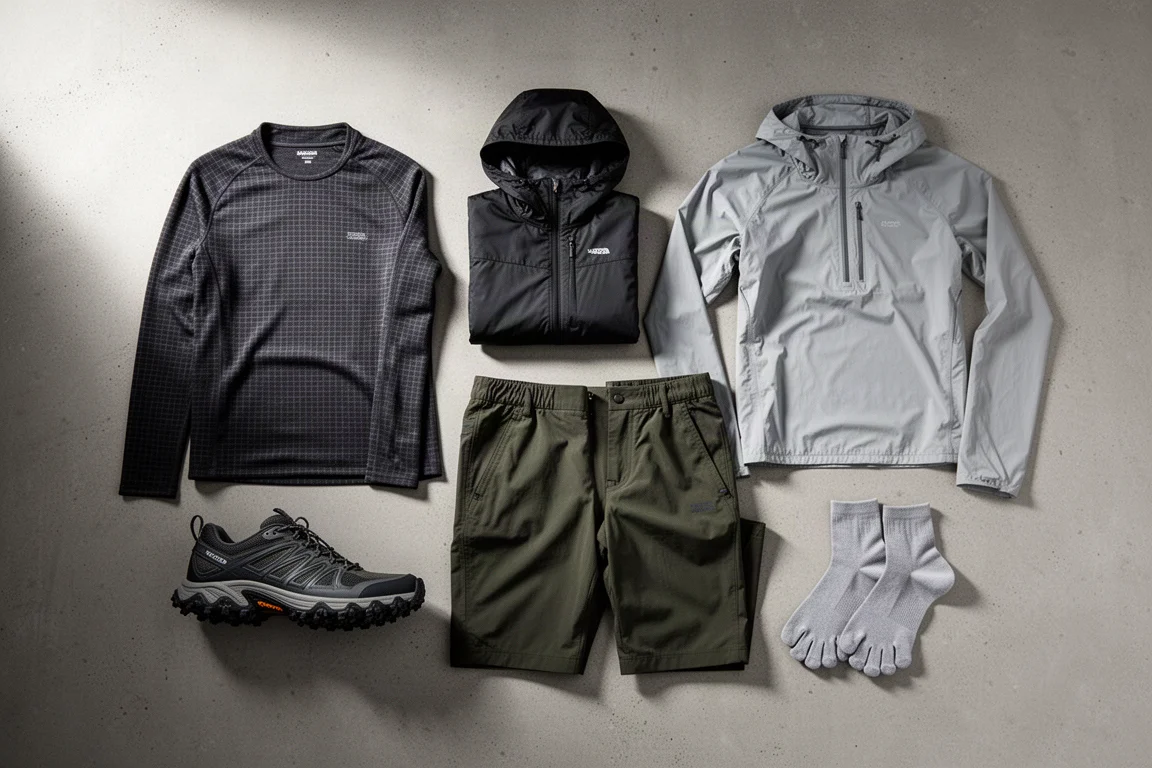
Best Backpacking Clothing Kit for Long Trails: Six Pieces Worth Packing
A practical long-distance backpacking clothing kit built around warmth-to-weight, fast drying fabrics, sun protection, and brush resistance.

Backpacking Gear
Building a 10 lb Base Weight: An Ultralight Backpacking Gear List
A practical walkthrough of the ultralight pieces behind a 10 lb base weight, from a 765 g pack and a roomy one-person tent to a full camp chair and a dependable water filter.
Backpacking Gear
A 15-Pound Lightweight Backpacking Gear List for Solo Trips
A beginner-friendly 15-pound backpacking setup built from easy-to-find gear, with notes on what each piece does, how it packs, and where to spend your attention.