Insulated Jackets
Patagonia Nano-Air Ultralight Review: The Lightest Active Insulation in the Nano-Air Range
A practical look at Patagonia's 20 g/m² active insulation piece: what the Nano-Air Ultralight does well, where its limits sit, and who should buy it.
Introduction
Patagonia’s Nano-Air family occupies a specific place in outdoor layering. It is not a fleece, and it is not a heavyweight synthetic puffer. It is active insulation: lofted synthetic fibres that take the edge off the wind and hold warmth while staying highly air permeable, so built-up heat can escape as your effort level rises.
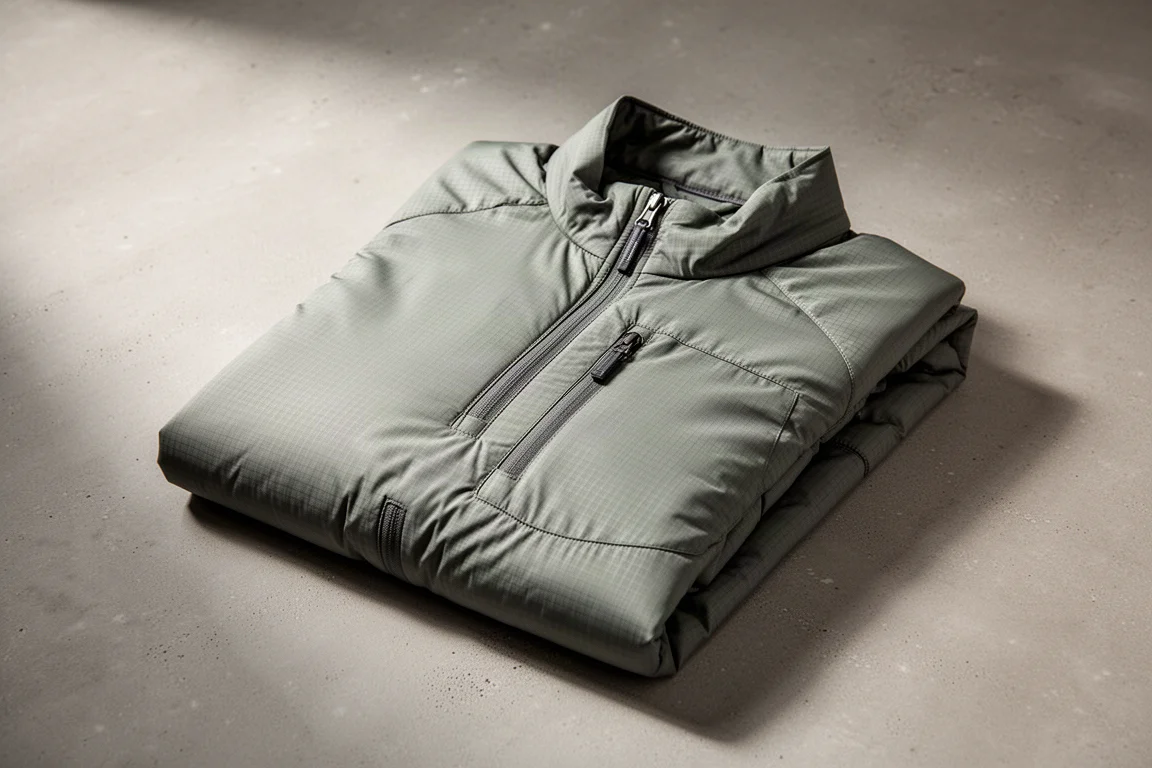
The Nano-Air Ultralight is the lightest expression of that idea so far. It carries 20 g/m² of insulation, half the 40 g/m² used in the standard Nano-Air, and it comes in two forms: a zip-neck pullover that weighs 218 g and a full-zip hoodie that weighs 249 g.

The result is a piece that fills the gap between heading out in a base layer alone and carrying a windproof as insurance. It weighs about the same as, or less than, many fleeces, yet it handles a wider spread of conditions. That is the whole argument for it, and it is a convincing one.
Who This Product Is For
This is a piece for people who move. Climbing, fell running, hiking, and fast-paced days out are all natural fits, because the fabric is stretchy enough to reach and move freely in, and breathable enough that you are not stopping to strip layers every twenty minutes.
It also suits anyone who wants a single light layer to replace a jumper or fleece on cool days. Worn over a base layer alone, it feels like just enough when a base layer by itself seems slightly risky.
The case for winter is different. Here it works as one component in a layering system: a fleece underneath for extra warmth, a warmer jacket over the top when you stop, or the Ultralight itself worn under a waterproof shell, where its breathability helps manage moisture.
It is not the right choice if you want warmth while standing still, or if you need a single jacket for genuinely cold, exposed conditions.
Main Strengths
The headline strength is how much versatility Patagonia has squeezed out of a very small amount of insulation. At 218 g for the zip neck, it is lighter than most fleeces while offering more wind resistance and a broader usable temperature range.
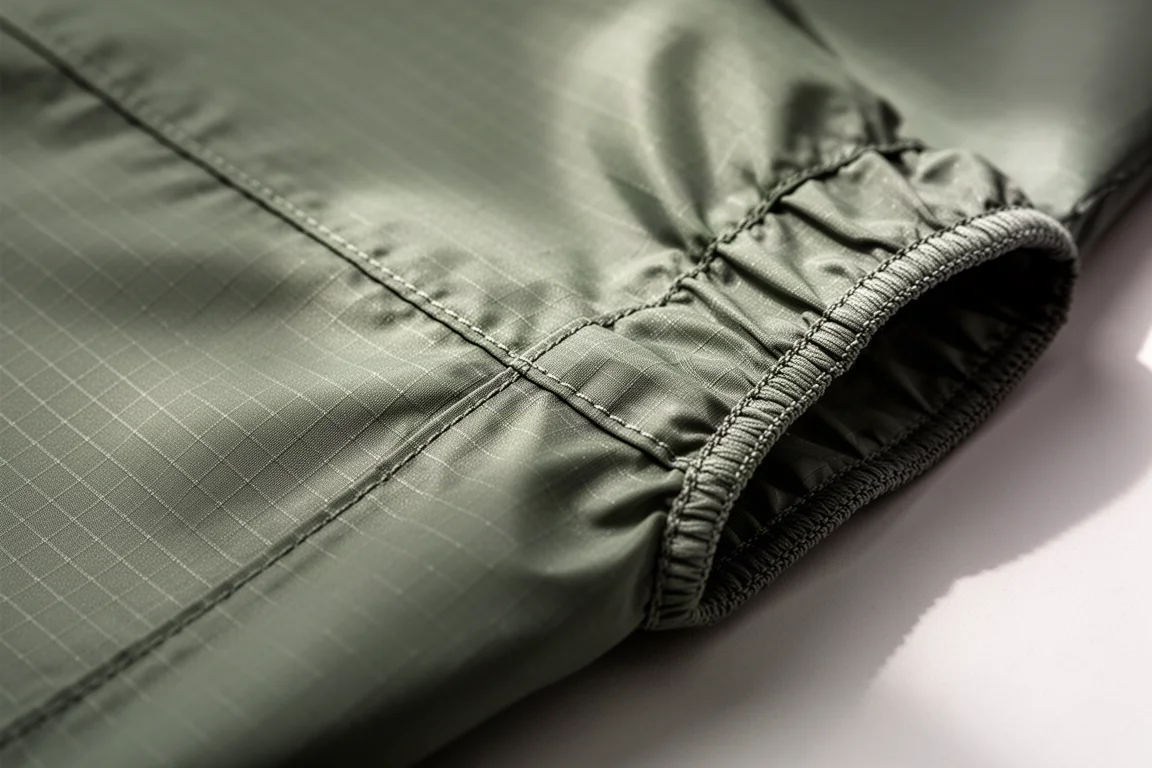
The face fabric is a 100% polyester ripstop. It is extremely light, highly breathable, and notably stretchy, which is what makes the piece feel so easy to be active in. It moves with the shoulders and arms rather than pulling against them.
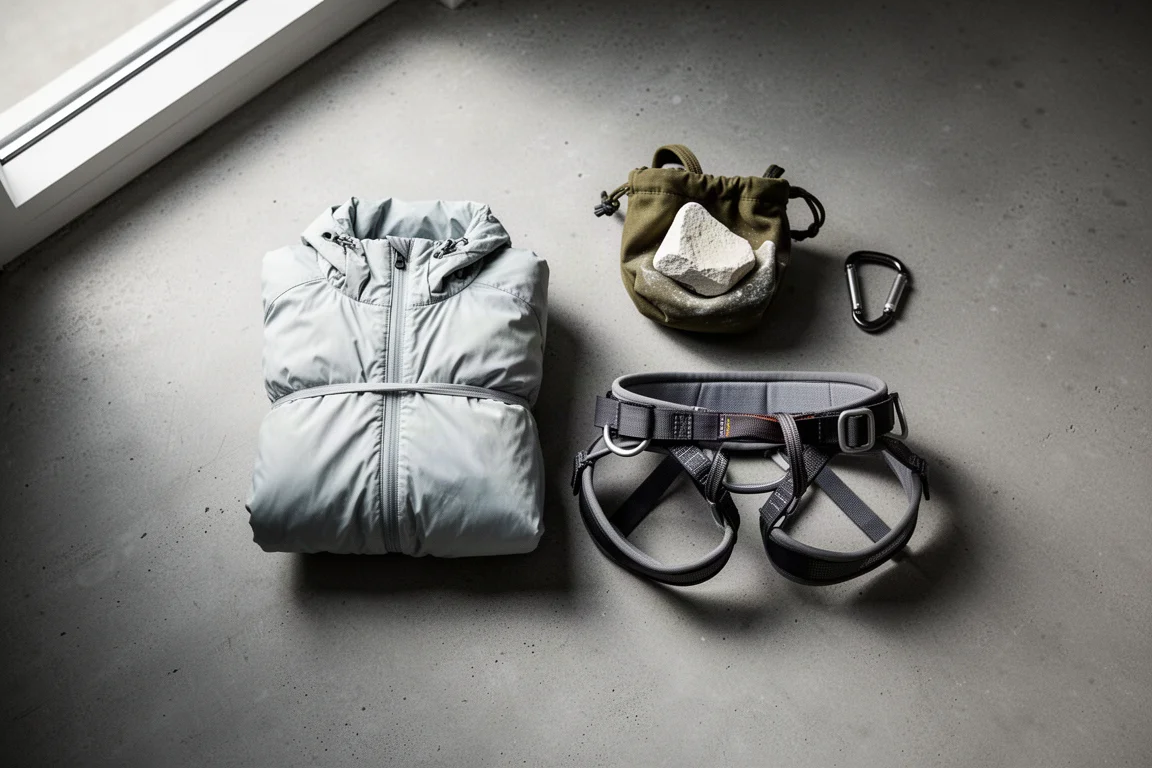
Packability is the second big win. When you take it off, it compresses down to almost nothing and stows inside its own chest pocket, which means it can be pushed into a small hip pack or clipped to a harness without a second thought.
The design is also deliberately simple. There is a single, generously sized zippered chest pocket that is large enough for a phone, and on the zip-neck version the front zip is a two-way design, so you can open it from the bottom to vent without the fabric flapping around. That detail matters most when you are running.
How the Insulation Is Mapped
The insulation is not applied uniformly. Most of the body is covered with the 20 g/m² layer, but under the arms there is none at all, so those panels behave more like a plain windproof. That is where you overheat fastest, and leaving it uninsulated is a sensible piece of design.
At the cuffs, Patagonia uses its Capilene Cool fabric. That adds abrasion resistance exactly where you scuff against rock, wicks moisture well, and allows plenty of flex, so the cuffs stay snug and comfortable without feeling tight.
Things to Consider Before Buying
The first thing to be clear about is warmth. With half the insulation of the standard Nano-Air, the Ultralight is a light layer, not a warm one. It is best understood as a breathable shell against wind and a little chill rather than a jacket you rely on for cold.
Second, the wind resistance is exactly that. It is not fully windproof, and that is intentional, because the air permeability is what lets you dump heat when you are working hard. On a cold, exposed summit stop, you will want something else over the top.
Third, storage is minimal. There are no hand pockets on either version, and the only pocket is the zippered chest pocket. If you like somewhere to put your hands on a chilly belay, this is not that jacket.
Finally, the durable water repellent finish sheds light moisture well, and Patagonia states that the piece has no intentionally added PFAS. That wording is deliberate: the company is saying it has not added PFAS to create the water repellency, while acknowledging that traces cannot be fully ruled out because these substances are present in the wider environment. It is an honest way to describe a genuinely difficult problem.
Fit and Sizing Notes
Patagonia calls this a slim fit. In practice it sits close to the body without restricting movement, which is what you want from an active layer, and the stretch in the ripstop means it never feels tight across the shoulders.
Because it is a close cut, it layers neatly under a shell and over a thin base layer. If you prefer a roomier feel or plan to wear it over a midlayer, it is worth thinking about the fit before you commit.
Buying Advice
The main decision is which version to take. The zip-neck pullover is the lightest option at 218 g and the one to choose if grams matter most and you want a simple pull-on layer with two-way venting. The full-zip hoodie weighs 249 g, adds a hood, and gives you a full-length zip for easier temperature control. It still has no hand pockets.
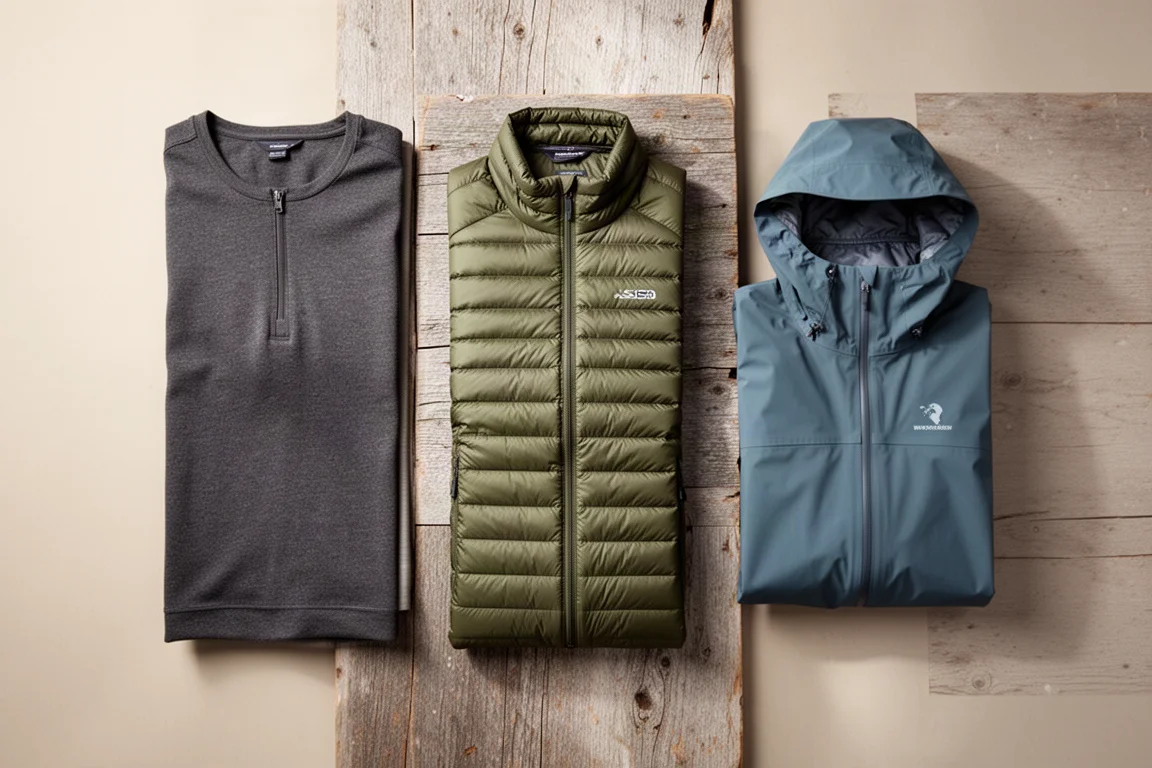
The second decision is what it replaces. If you normally carry a fleece or a jumper for cool, active days, the Ultralight is lighter, just as breathable, and more wind resistant, which makes it a strong candidate to take that slot in your pack. If you already own a standard Nano-Air and want more warmth, this is not the upgrade you are looking for. If you want less bulk and more breathability, it is.
Conclusion
The Nano-Air Ultralight makes sense because it is honest about what it is: a very light, very breathable active insulation layer with a modest warmth ceiling and almost no extra features. For climbing, fell running, hiking, and winter layering, that simplicity is the point. It is lighter than a fleece, more versatile than a plain windproof, and it packs down small enough that there is little reason to leave it behind.
Product link
View more details for Patagonia Nano-Air Ultralight
This product is mentioned in the review. Check the specifications, options, and compatibility before buying.
View more details for Patagonia Nano-Air UltralightFurther reading
Related Reviews
Insulated Jackets
Aerogel vs Down Insulation: Two Aerogel Jackets Compared
Aerogel is the lightest solid on record, but two aerogel jackets measured against a comparable down jacket tell a more complicated story about warmth.
Insulated Jackets
Arc'teryx Atom LT vs Decathlon Trek 50: Does the Premium Synthetic Jacket Earn Its Price?
A side-by-side look at two synthetic insulated jackets at very different prices, covering fit, weight, insulation, features, and warranty.
Insulated Jackets
Big Agnes Shovelhead Jacket Review: Does Treated Down Stay Warm When Wet?
A close look at the Big Agnes Shovelhead jacket and its bluesign approved, PFAS-free DownTek insulation, including what happened when it was soaked twice in near-freezing conditions.