Insulated Jackets
Patagonia Nano Air Light Review: A Breathable Insulated Jacket for Active Days
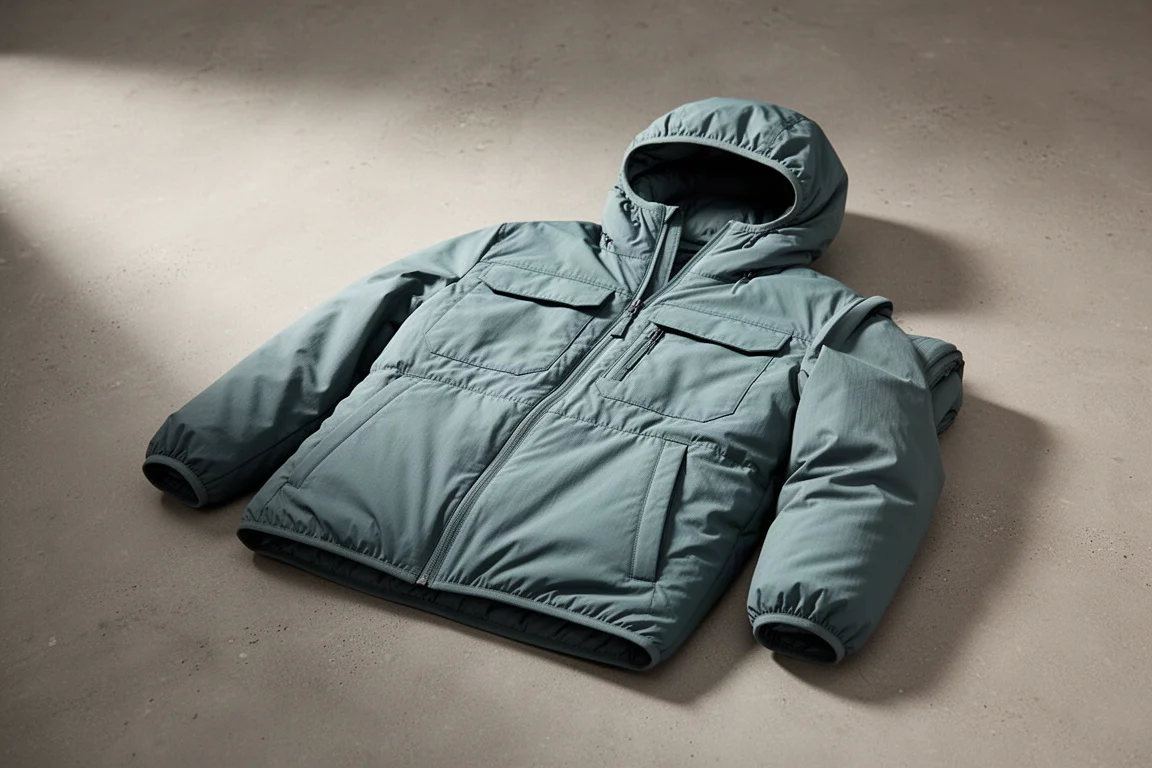
The Patagonia Nano Air Light pairs 40 g/m² FullRange insulation with a recycled polyester ripstop shell, four pockets, and a helmet-compatible hood at 371 grams.
Introduction
The Patagonia Nano Air Light is a breathable insulated jacket for people who generate a lot of heat on the move and want to stay comfortable without constantly stopping to add or remove layers. It belongs to the same family as Patagonia’s original Nano Air, an early example of the breathable synthetic mid layer.
That distinction matters. A conventional synthetic jacket keeps you warm by holding hot air in, which also holds in sweat. A breathable insulated jacket works differently: heat moves into the insulation and then finds its way back out, so you stay warm without turning clammy.

At 371 grams, with 40 g/m² of FullRange insulation and a face fabric and lining made from 100% recycled polyester ripstop, it stays light while covering a wide range of conditions.
What Makes the Nano Air Light Different
Traditional warmth in the outdoors has usually come from fleece or from stacking multiple insulating layers. Fleece breathes well but offers limited weather protection, and wind cuts through it easily. Getting real warmth often means wearing something thick, or several versions of the same thing.
Breathable synthetic jackets take a different route. They are much lighter than the fleece equivalent, pack down small, and stay comfortable against the skin. That combination makes them useful year round: a light layer on cool summer mornings and evenings, and part of a layering system in winter, often under a shell or over a fleece.
The Nano Air Light works because its insulation is highly air permeable. Warm air passes into the insulation and out again rather than being sealed in. Worn on its own it feels warm without becoming stuffy. Add a windshell or a waterproof shell over the top and the escaping air slows down, the insulation holds more warmth, and the jacket feels noticeably warmer without any extra bulk. A thin windproof layer that weighs almost nothing can be carried in a pocket and pulled on when the temperature drops.
Who This Jacket Is For
The Nano Air Light suits anyone who runs hot, cools down quickly, and wants one layer that handles both. It is built to stay on all day: warm enough during high-output activity, and warm enough to keep wearing when you slow down.
It works well for climbing, and the four-pocket layout is a practical detail here. Two chest pockets stay accessible with a harness on, while the hand pockets sit underneath it. Hill walking and cold-weather running are equally comfortable fits given how breathable the fabric is, and it doubles as an easy everyday jacket. For milder conditions, Patagonia’s lighter Nano Air Ultralite uses 20 g/m² of insulation and packs down very small, though it offers less warmth and is not a winter layer.
Main Strengths
The case for the Nano Air Light rests on three things: how the insulation behaves, how the fabric feels, and how the details support layering.
FullRange Insulation and Breathability
The jacket uses 40 g/m² of Patagonia’s FullRange insulation, a synthetic fiber that is highly air permeable and stretchy. In practice that means you can dump heat when you are producing a lot of it and stay warm when you are not. It is designed to be worn all day through changing output levels rather than swapped on and off.
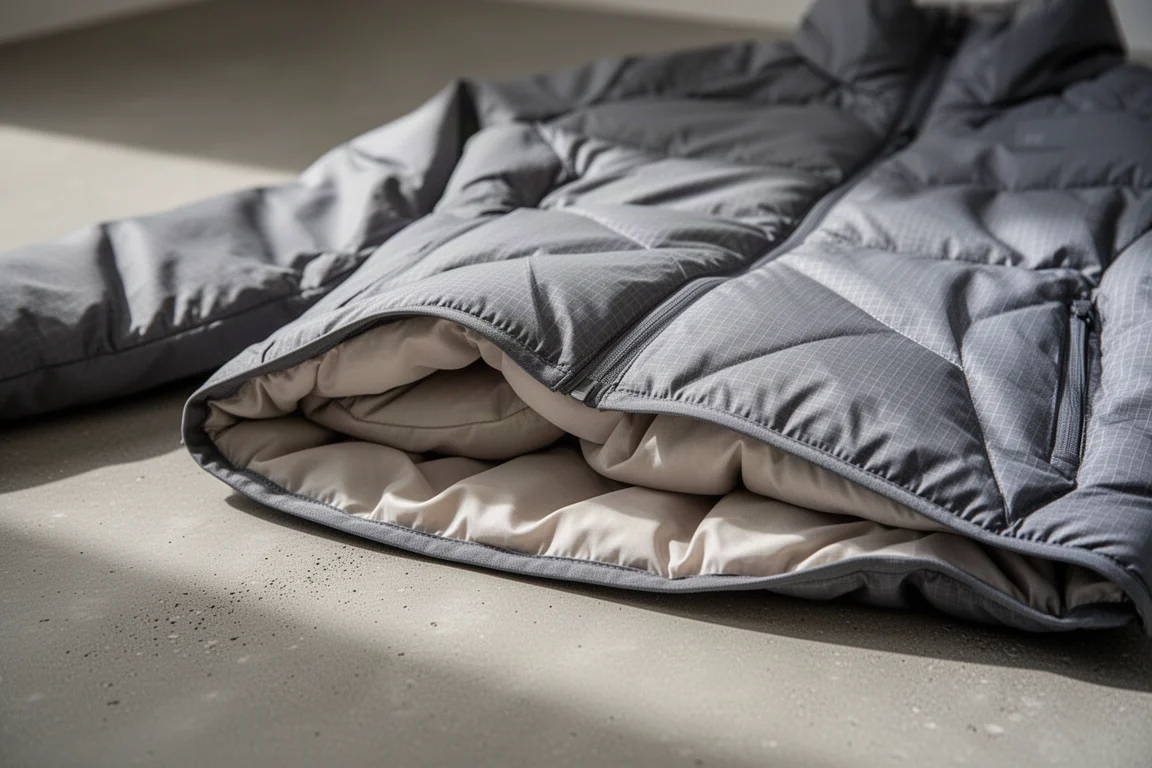
The face fabric and lining are both 100% recycled polyester ripstop. This is not the shell you do your roughest work in, but the ripstop structure makes it more abrasion resistant than the soft, comfortable hand feel suggests. The lining is pleasant against bare skin or a t-shirt, and it slides easily over a fleece.
The outer fabric carries a PFAS-free DWR finish, which helps shed light moisture. The jacket is not waterproof and is not meant to be, since it is far too breathable for that. If it does get wet, the same air permeability that moves heat also helps it dry off quickly.
Fabric, Comfort, and Pocket Layout
There are four pockets in total: two hand pockets and two chest pockets. The chest pockets are the ones that remain usable with a harness on, which is a genuinely thoughtful layout for climbing. The left hand pocket doubles as a stuff sack, so the whole jacket can be pushed inside and zipped closed, then clipped to a harness if needed. Packing it into a small dry bag instead keeps the bundle tighter and protects the zip, while guaranteeing the jacket stays dry.
Hood, Cuffs, and Hem
The hood is snug and designed to sit under a helmet, and it has enough stretch that a helmet can be squeezed over it if required. It moves well with the head and stays quiet, which is not always true of synthetic hoods. The cuffs and hem are elasticated and plush with no adjustment at all, a sensible choice for a jacket meant to behave more like a technical jumper and to layer under a shell without extra bulk from hook-and-loop closures.
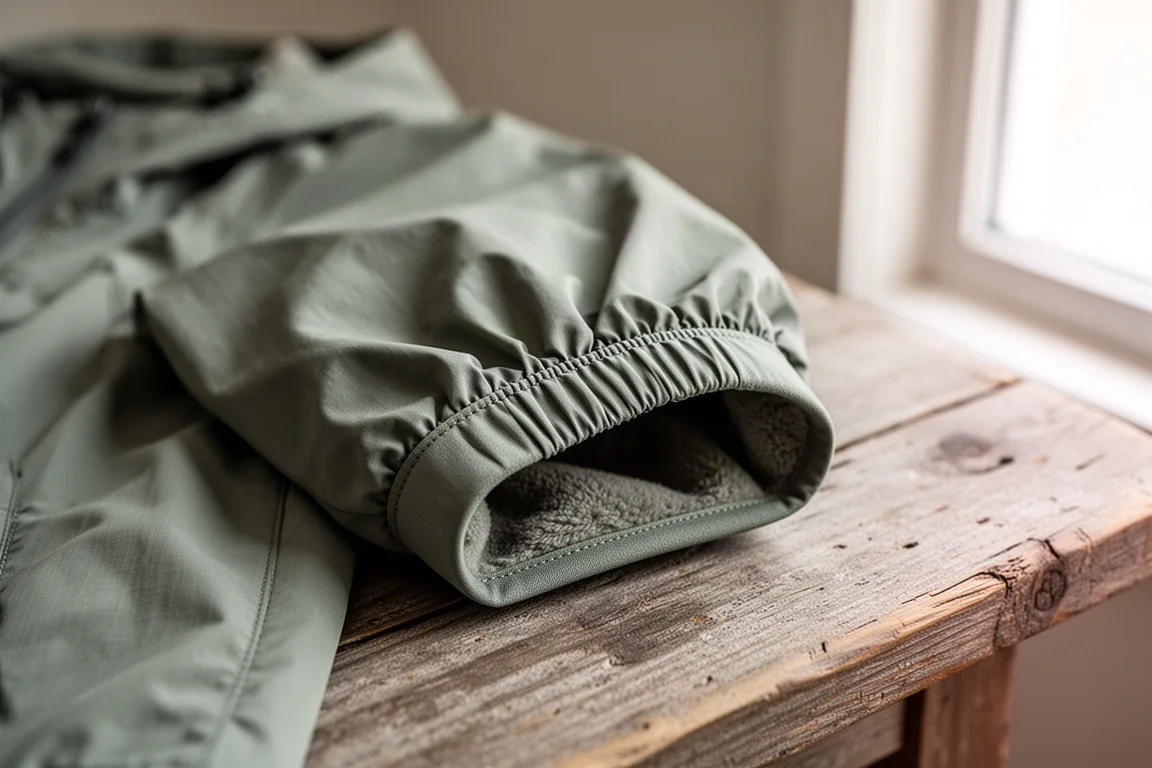
That low-profile approach keeps the jacket streamlined and comfortable, and it reinforces the idea that this is a layer you put on in the morning and forget about until the evening.
Things to Consider Before Buying
The Nano Air Light is not a waterproof jacket and should not be treated as one. Its breathability is the whole point, and a waterproof membrane would work against it. Plan on carrying a shell for wet or windy weather.
There is no adjustment on the cuffs or the hem. That keeps the fit clean and low-profile, but it also means you cannot fine-tune the seal at the wrists or waist, so the fit depends on choosing the right size.
Because the face fabric prioritises softness and breathability, it is not built for heavy abrasion against rock or pack straps the way a hard shell is. The ripstop weave helps considerably, but this remains a mid layer rather than a protective outer layer.
Buying Advice
Choose the Nano Air Light if you want one layer that copes with a wide range of output levels, layers cleanly under a shell, and stays comfortable enough to wear all day. It makes the most sense for climbers, hill walkers, and cold-weather runners who run warm and dislike stopping to manage layers.
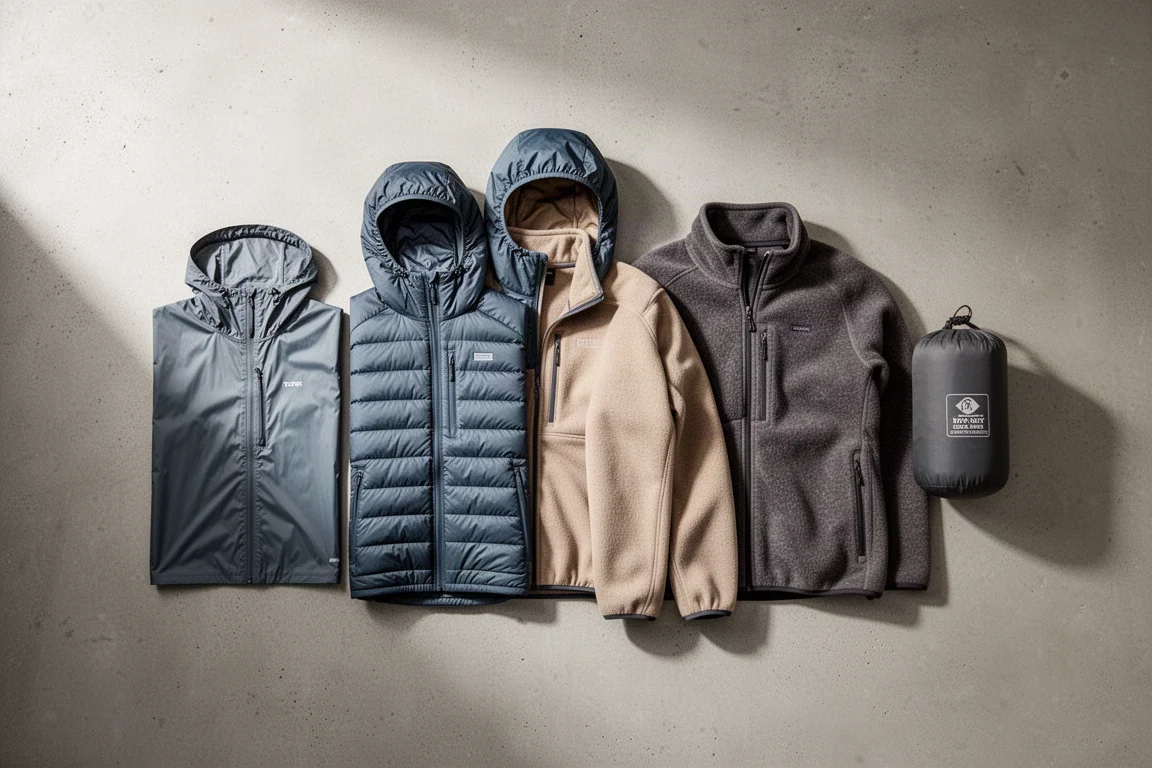
If you mainly need maximum warmth for low-output winter use, a heavier insulated jacket will serve you better. If you want the smallest possible pack size for milder conditions, the lighter Nano Air Ultralite is the more appropriate option, with the trade-off in warmth already noted. Sizing matters more than usual here, since there are no hem or cuff adjustments to compensate for a fit that is slightly off.
Conclusion
The Patagonia Nano Air Light is a well-considered breathable insulated jacket. Its 40 g/m² FullRange insulation, recycled polyester ripstop construction, four-pocket layout, and helmet-compatible hood all support the same idea: stay warm through changing activity without overheating. At 371 grams it stays light, and it works just as well on its own as it does under a shell.
Product link
View more details for Patagonia Nano Air Light
This product is mentioned in the review. Check the specifications, options, and compatibility before buying.
View more details for Patagonia Nano Air LightFurther reading
Related Reviews
Insulated Jackets
Aerogel vs Down Insulation: Two Aerogel Jackets Compared
Aerogel is the lightest solid on record, but two aerogel jackets measured against a comparable down jacket tell a more complicated story about warmth.
Insulated Jackets
Arc'teryx Atom LT vs Decathlon Trek 50: Does the Premium Synthetic Jacket Earn Its Price?
A side-by-side look at two synthetic insulated jackets at very different prices, covering fit, weight, insulation, features, and warranty.
Insulated Jackets
Big Agnes Shovelhead Jacket Review: Does Treated Down Stay Warm When Wet?
A close look at the Big Agnes Shovelhead jacket and its bluesign approved, PFAS-free DownTek insulation, including what happened when it was soaked twice in near-freezing conditions.