Sleeping Pads
Paria Elevate XL vs Nemo Eclipse: Two Warm Sleeping Pads Compared
A close look at the Paria Elevate XL and the Nemo Eclipse, two wide sleeping pads with suspended insulation, similar real-world comfort, and a clear price gap.
Introduction
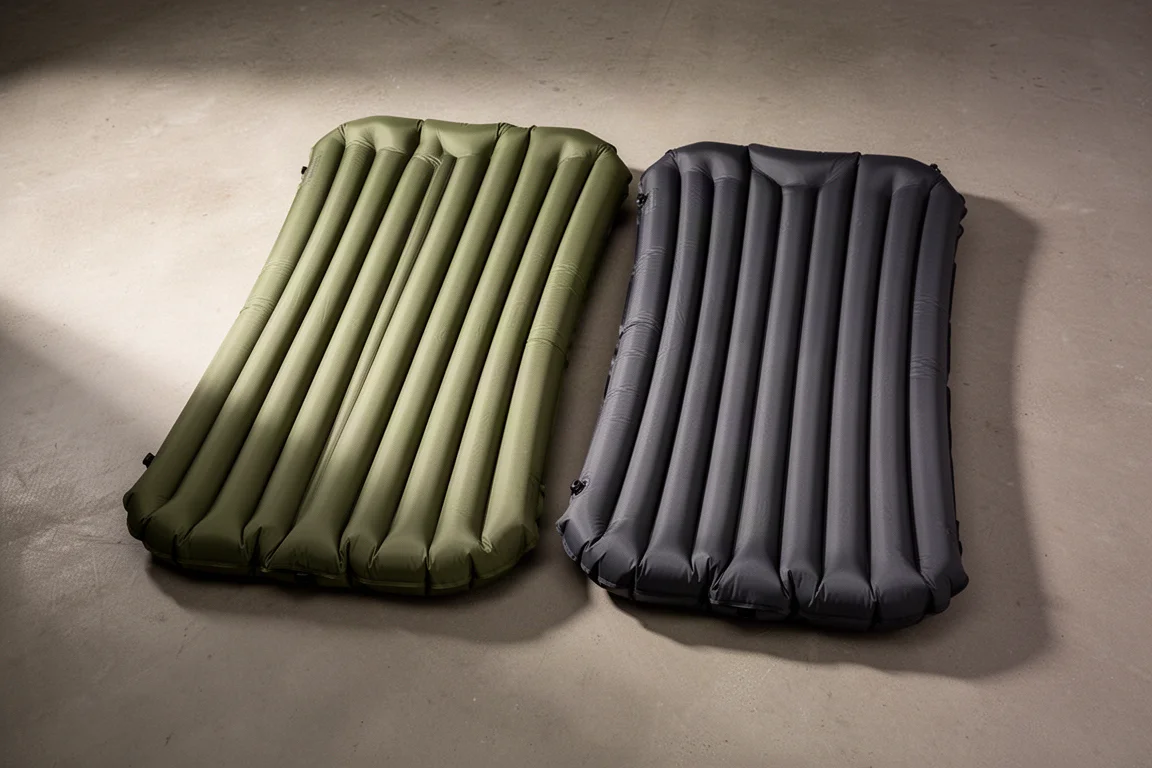
Two wide sleeping pads, near-identical baffle geometry, and a price gap of roughly $60. That is the short version of the Paria Elevate XL versus the Nemo Eclipse, and it is why the comparison deserves a closer look. Both pads use vertical baffles with suspended insulation, both come in a 25 by 76 inch long wide footprint, and both are comfortable enough to sleep on night after night.
The Elevate XL is the largest pad Paria Outdoor Products makes, with three layers of metallized film insulation and an R-value of 5.7. The Eclipse is a long-running Nemo design with a 6.2 R-value and a Vortex pump sack in the box. What separates them is not warmth in practice. It is hardware, fabric, and how much you want to spend.
What to Look For in a Sleeping Pad
Warmth ratings are only part of the picture. The other half is how a pad is built: the direction of the baffles, the width of the sleeping surface, the quality of the valve, and whether an inflation sack is included.
Baffle direction matters more than most shoppers expect. Horizontal baffles can create pressure points along the shoulders and hips, which is why side sleepers often wake up with numb arms. Vertical baffles distribute that pressure differently and tend to feel more supportive across the whole body.
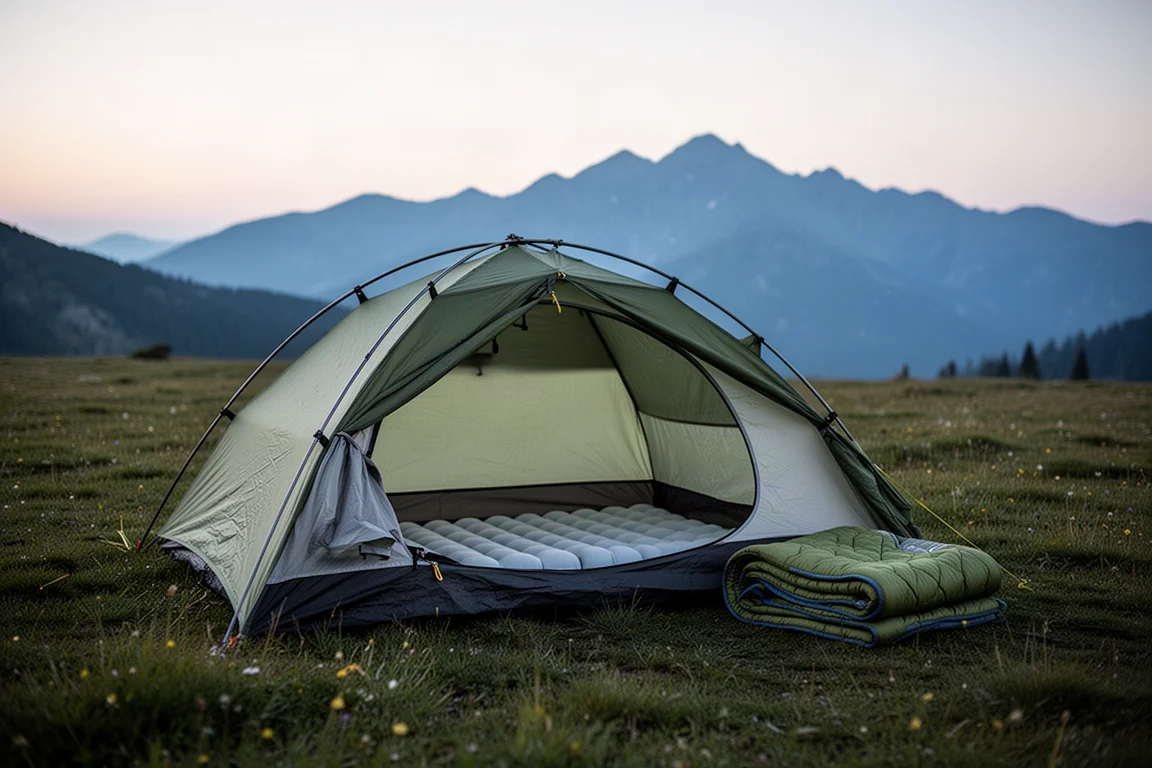
Width and length deserve the same scrutiny. A 20 inch wide pad is fine for back sleepers who stay still. Anyone who rolls during the night will usually be happier on a 25 inch wide pad, even if it costs a little extra weight and money.
Valves and inflation accessories are the least glamorous part of the decision, but they are also the parts most likely to fail. A pad that leaks slowly through its valve is worse than useless on a cold night, and a pad that ships without an inflation sack means either extra spending or a lot of lung work at camp.
Paria Elevate XL: Warmth and Value
Paria is known for wallet-friendly gear, and the Elevate line follows that pattern. The XL is the biggest version at 25 by 76 inches, and there are two smaller options: a 20 inch wide model and a short torso-length pad. There is no regular-wide version, so anyone who wants the 25 inch width has to step up to the XL.
The insulation is the interesting part. Three layers of metallized film are suspended through the baffling rather than glued flat against the shell, which is the same general approach used on several higher-priced pads. The result is an R-value of 5.7 in a pad that weighs around 20 ounces in the XL size.
What you do not get is an inflation sack. Paria sells a pump sack separately, and for some buyers that will be the first accessory added to the cart. If you already carry a pad inflator, this matters less than it sounds.
Comfort and Warmth in Real Use
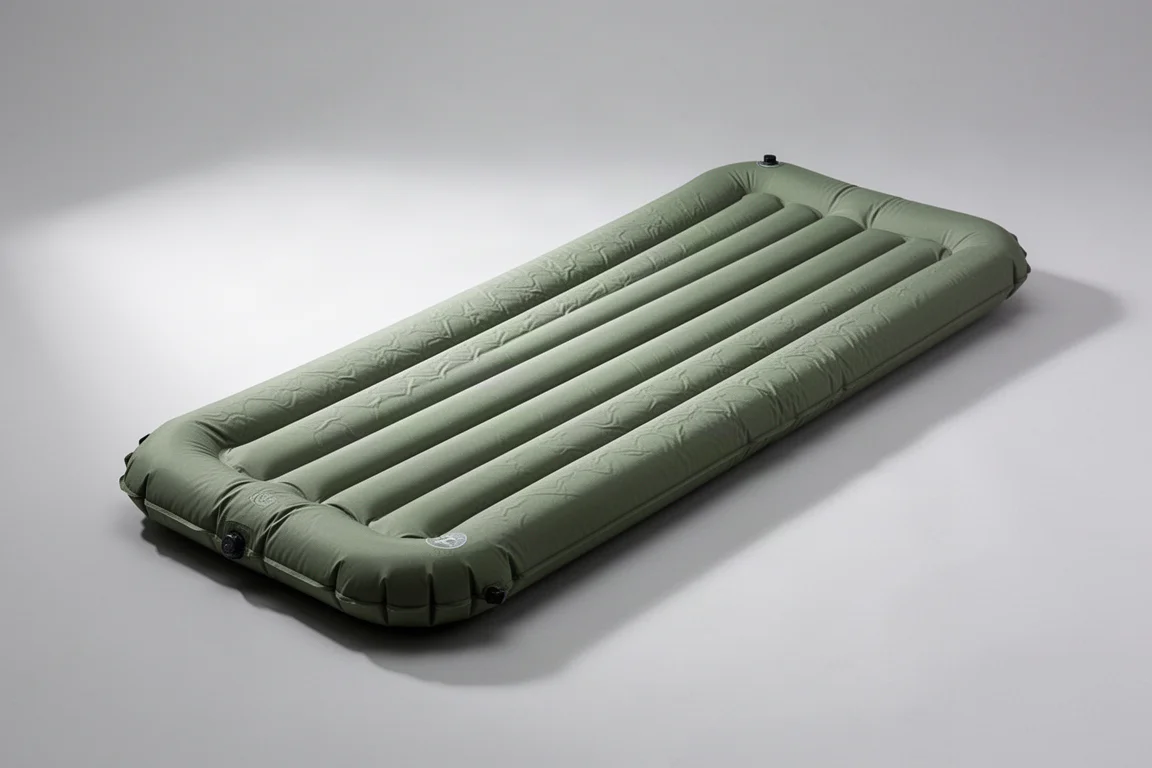
Comfort is where the Elevate XL makes its case. The vertical baffling is genuinely supportive, and the suspended insulation keeps warmth consistent across the surface instead of pooling in the middle. Nights down to freezing produced no cold spots, and a full week of indoor use on a trip to Scotland confirmed that the pad holds up to repeated, everyday sleeping rather than just the occasional weekend.
Side sleepers should take note of the baffle layout. Pads with horizontal baffles often leave shoulders and arms tingling after a few hours. The vertical design here avoids most of that, and it is a big part of why the pad feels more comfortable than its price suggests.
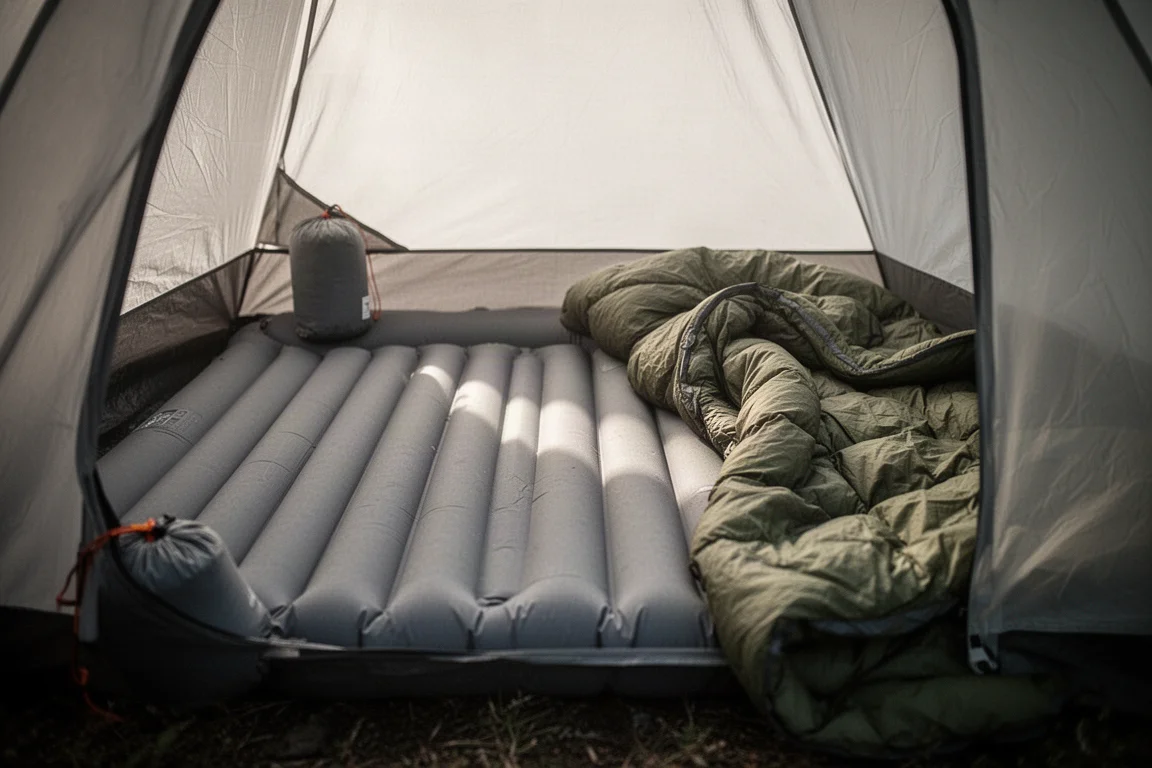
That comfort carries over to the long wide footprint. At 25 inches across, there is enough room to change position without sliding off the edge, and the extra width is the main reason to choose the XL over the smaller versions.
Nemo Eclipse: The Benchmark Alternative
The Nemo Eclipse has become something of a reference point for value in wide sleeping pads. In the long wide size it matches the Elevate XL at 25 by 76 inches, with a 6.2 R-value and the same broad design philosophy: vertical baffles, suspended insulation, and a plush feel.
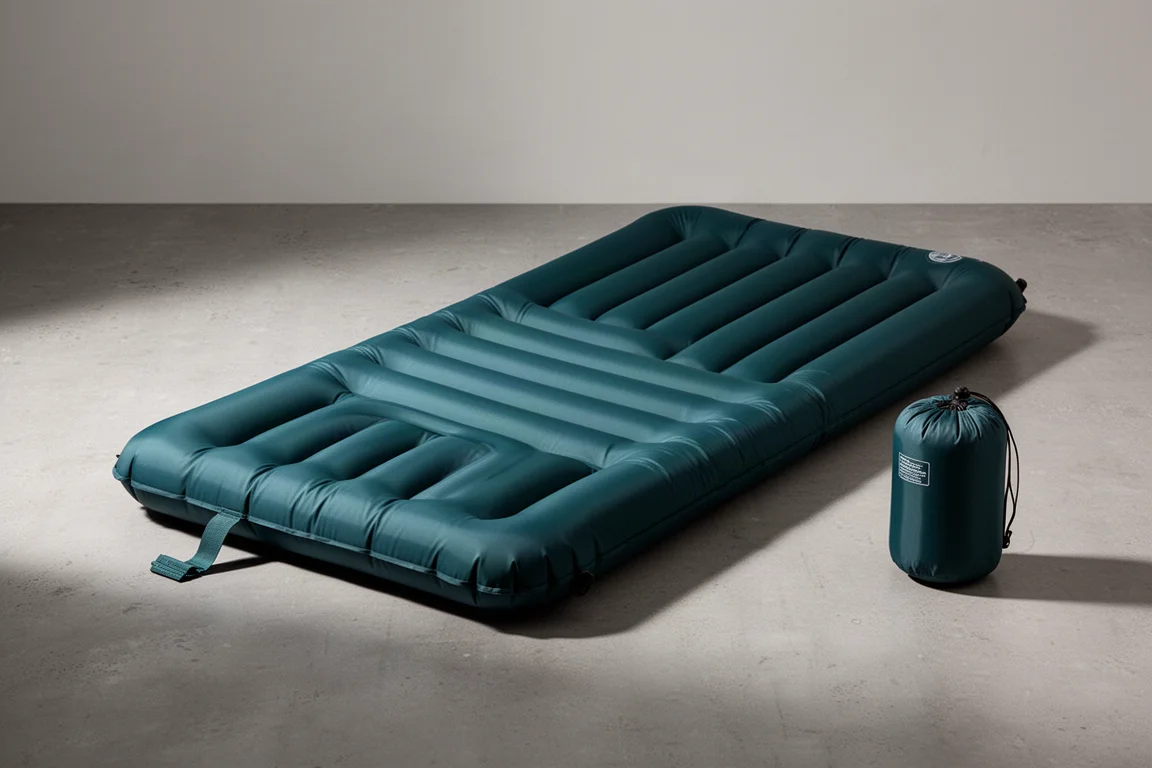
Where the Eclipse pulls ahead is in the details. The valve system is noticeably better engineered than the generic valve on the Elevate, the top fabric feels more substantial than the 20 denier nylon Paria uses, and a Vortex pump sack is included in the box rather than sold separately.
Head to Head: Warmth, Comfort, and Value
On paper the R-value gap looks meaningful: 5.7 against 6.2. In practice, at temperatures around freezing, the two pads sleep almost identically. Neither produced cold spots, and the difference in warmth was not something you could feel.
Comfort tells a similar story. Both are among the most comfortable pads available at their respective price points, and both are far more comfortable than older designs with horizontal baffles. The Eclipse also stands out against the Nemo Tensor, which has been a popular choice for years but does not match the Eclipse for all-night comfort.
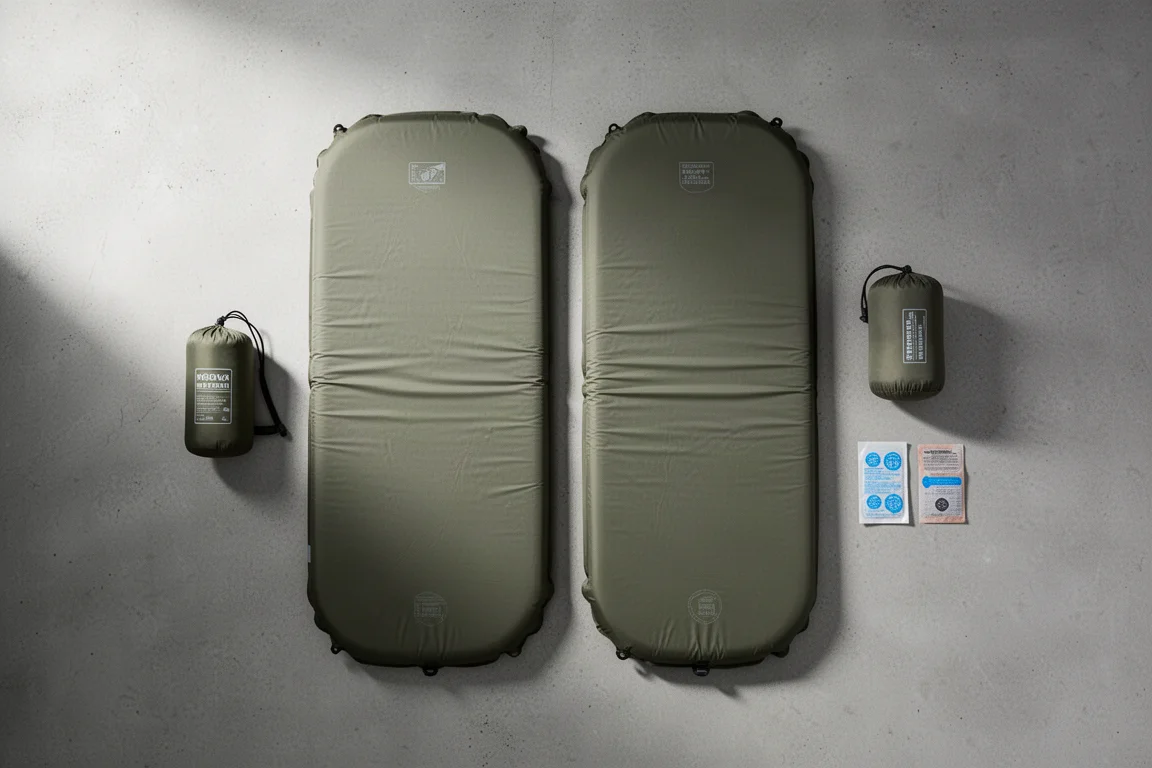
Price is where the two pads genuinely diverge. The Elevate XL lands around $140, while the Eclipse long wide is around $200. That $60 gap buys a better valve, a sturdier-feeling top fabric, and an included pump sack. Whether those upgrades are worth the difference depends entirely on how much you value the hardware details.
Valve, Pump Sack, and Long-Term Durability
The valve is the one real concern with the Elevate XL. It is a generic design also found on several lower-cost pads, and one early unit developed a slow leak traced back to the valve rather than the shell. Paria handled it well: a replacement was shipped without argument under the brand’s lifetime warranty, and the second pad has now logged at least ten nights without any further trouble.
The missing pump sack is the second point worth flagging. Most pads in this category include some form of inflation bag, and the Eclipse is one of them. Paria’s decision to leave it out keeps the price and the packed weight down, but it does mean budgeting for an add-on if you do not already own an inflator.
Durability looks reasonable overall. The 20 denier nylon top is thinner than what Nemo uses, but there is no evidence that it punctures easily. Treat the pad with normal care, keep it away from sharp ground, and the fabric should hold up fine.
Which Sleeping Pad Should You Buy?
If value is the priority, the Paria Elevate XL is the straightforward choice. It delivers a wide, warm, genuinely comfortable sleeping surface for roughly $60 less than the Eclipse, and the warranty support behind it is reassuring. The trade-offs are the generic valve and the missing inflation sack.
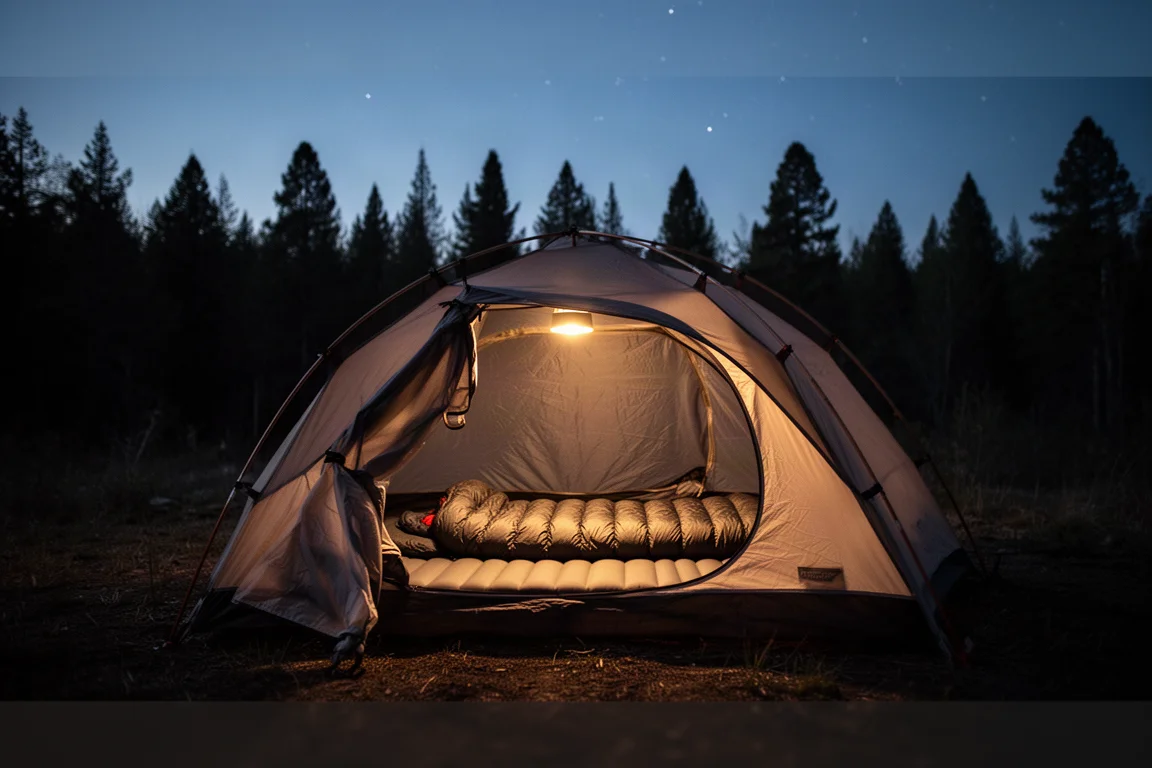
If you would rather not think about those trade-offs, the Nemo Eclipse earns its higher price. The valve is better, the top fabric feels more robust, and the included Vortex pump sack means you can inflate the pad properly from day one. Buyers who want a well-known name and a proven design will find the extra spend easy to justify.
Either way, you are getting a pad that sleeps warm down to freezing temperatures and supports side sleeping far better than a horizontal-baffle design. The right answer comes down to budget and how much the small hardware differences matter to you.
Conclusion
The Paria Elevate XL and the Nemo Eclipse are close cousins: same footprint, same insulation concept, and similar real-world warmth. The Elevate XL wins on price and matches the Eclipse where it counts most, which is comfort overnight. The Eclipse wins on the details that are easy to overlook until something goes wrong, namely the valve, the fabric, and the included pump sack. Choose the Paria if you want the best value in a wide pad, and choose the Nemo if you want the more polished package.
Further reading
Related Reviews
Sleeping Pads
Best Backpacking Sleeping Pads 2026: Nine Pads Rated on Price, Comfort, Warmth, and Weight
Nine backpacking sleeping pads compared on price, comfort, warmth, and weight, from a $65 summer pad to a year-round option rated at R-7.3.
Sleeping Pads
Best Backpacking Sleeping Pads: Comfort, Warmth, and Weight Compared
A practical comparison of the Nemo Quasar 3D, Therm-a-Rest NeoAir XTherm Max, and Big Agnes Rapide SL for backpackers choosing between comfort, warmth, and packed weight.
Sleeping Pads
Best Backpacking Sleeping Pads: Ultralight, Winter, Comfort and Budget Picks
A practical roundup of the sleeping pads that stand out for ultralight weight, winter warmth, pressure relief and value, plus three popular pads that fell short.