Sleeping Pads
Paria Elevate XL vs Nemo Eclipse: Which Insulated Sleeping Pad Is Worth It?
A practical comparison of the Paria Elevate XL and Nemo Eclipse sleeping pads, covering warmth, comfort, valve hardware, and which one delivers better value.
Introduction
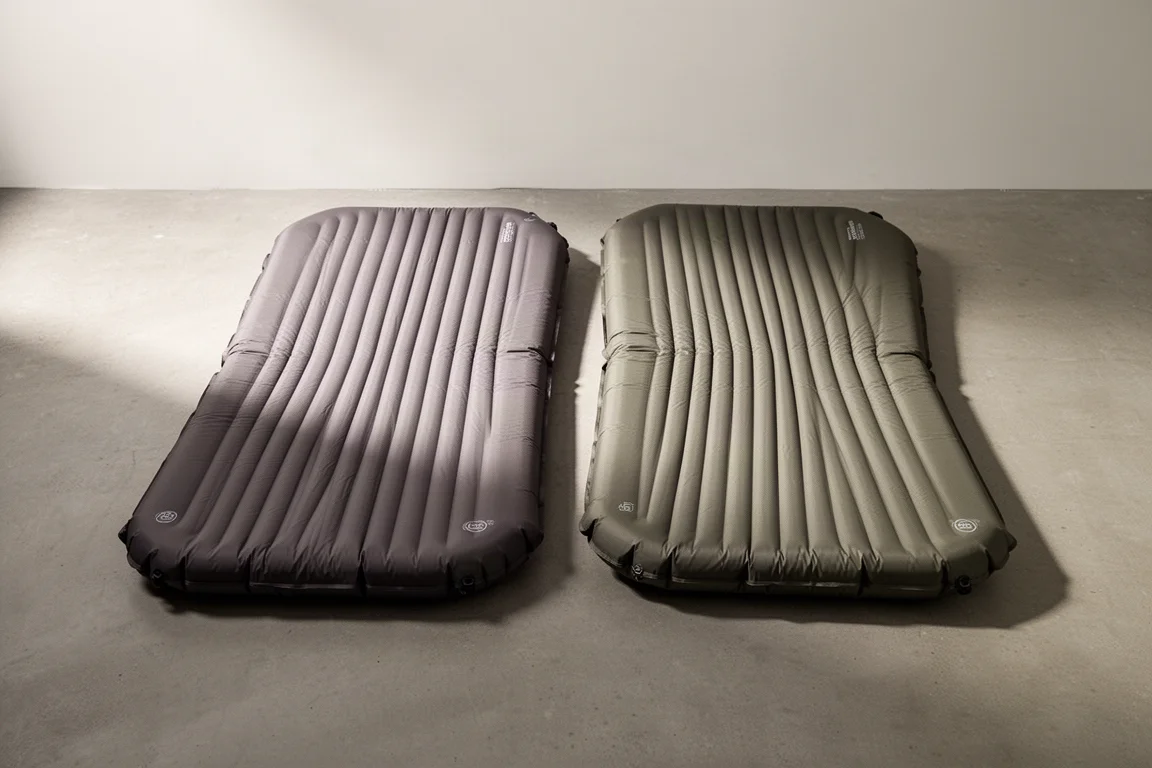
Paria Outdoor Products has built its reputation on gear that keeps the price down without cutting the features that matter, and the Elevate XL is the most ambitious sleeping pad the company has released so far. It is the largest pad in the line at 25 by 76 inches, it carries an R value above 5, and it uses three layers of suspended insulation for around $140.
The natural benchmark is the Nemo Eclipse, a pad that has become a reference point for value in this category. The two share far more than they differ: quilted vertical baffling, suspended insulation, and an R value that puts both firmly in three-season territory. The Eclipse Long Wide matches the Elevate XL almost inch for inch, but it costs $200 and includes hardware the Paria does not. Deciding between them comes down to how much those extras are worth to you.
What These Two Sleeping Pads Have in Common
Both pads are built around vertical baffling rather than the horizontal chambers found on many older designs. Vertical baffles hold their shape under a sleeper’s shoulders and hips, which makes side sleeping noticeably more comfortable, and the quilted surface on each pad distributes support evenly along the length of the body.

Warmth is close on paper and closer in practice. The Elevate XL is rated at 5.7, while the Eclipse is rated at 6.2. Across nights that dropped to freezing, that gap was hard to feel, and both pads stayed warm and consistent without cold spots. The Paria weighs 20 to 20.5 ounces in the XL size, which keeps it competitive for backpacking despite its generous width.
Paria Elevate XL: Specs That Matter on the Trail
Three layers of metallized film are suspended through the baffling rather than bonded flat to the shell, which is the main reason the Elevate XL reaches an R value of 5.7 at this price. The XL measures 25 by 76 inches, and Paria also offers a 20 inch wide version and a short torso length pad for smaller pack volumes.
The top fabric is 20 denier nylon. That is on the lighter side, and it is one of the few places where the Eclipse feels like the more substantial pad, though a full season of use has not produced any durability problems on the Paria.
Sizing is worth a closer look. The 25 inch width is only available in the XL, so anyone who wants a wide pad without the extra length will not find that option here. The Eclipse handles this the same way, offering its 25 inch width in the Long Wide.
Living With the Elevate XL
Comfort is where the Elevate XL earns its place. It has been slept on across a full summer, through several backpacking trips and a week of indoor use while traveling, and it remained comfortable night after night. The quilted baffling keeps the surface even, and it holds up better than horizontal baffle designs for anyone who sleeps on their side.
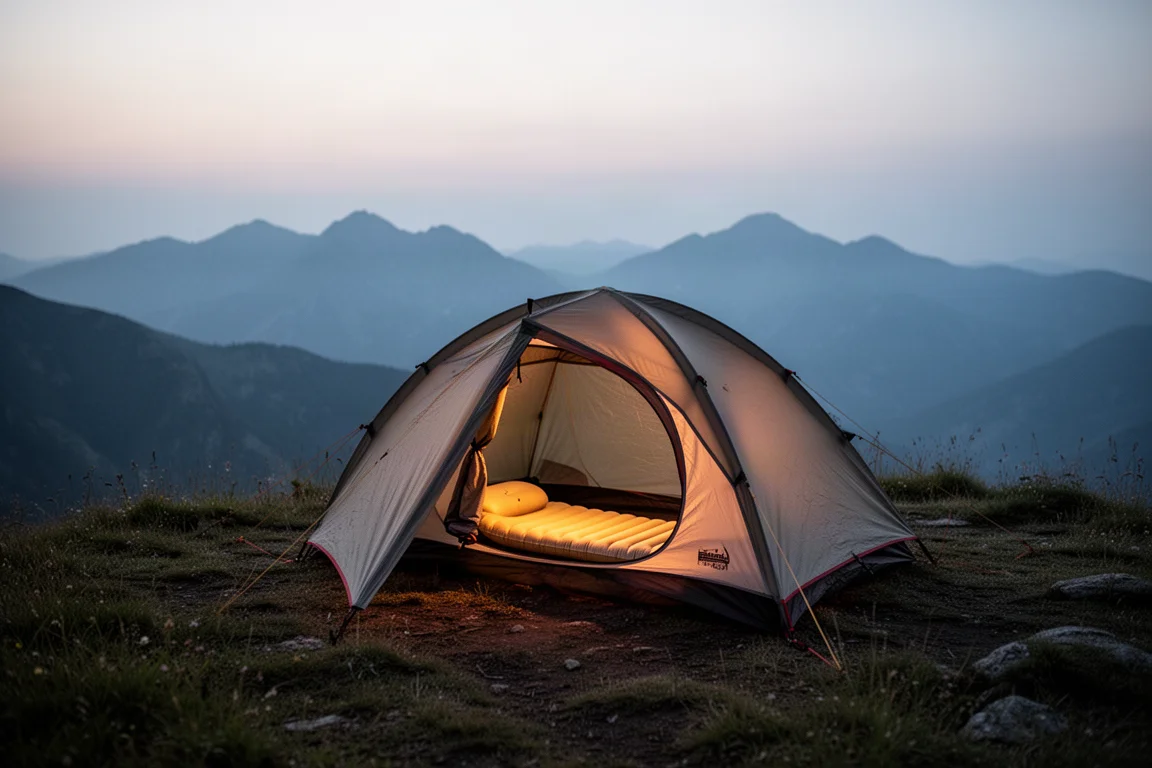
Two practical points are worth knowing before ordering. The first unit developed a slow leak that traced back to the valve rather than the shell. The valve itself is a generic design shared with several other sleeping pads, and it is the least distinctive part of the build. Paria handled the problem through its lifetime warranty, shipping a replacement quickly and without argument. The second pad has since logged more than ten nights with no further valve issues.
The second point is simpler: the Elevate XL does not include an inflation bag or pump sack. A pump sack is available separately as a Paria accessory, so the cost of one has to be added to the pad’s price if you do not already carry an inflator. For $140, that omission stands out, since most pads in this bracket ship with some form of inflation bag.
Nemo Eclipse: The Familiar Premium Option
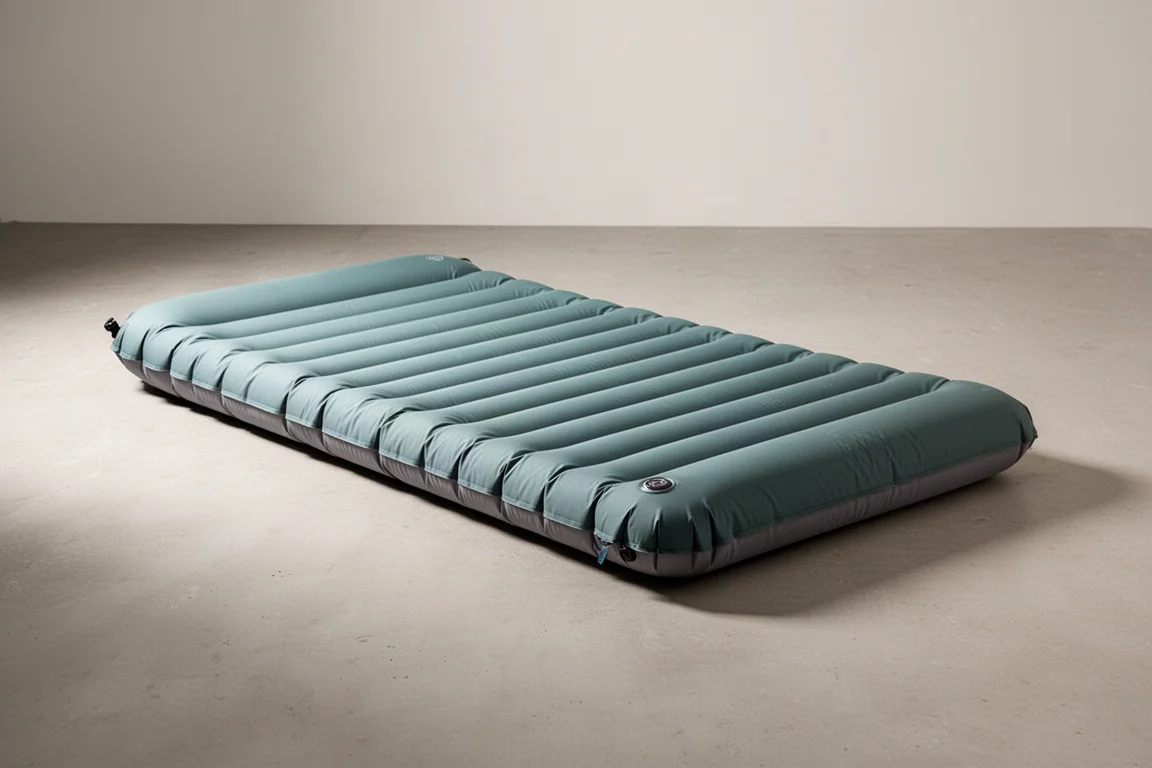
The Eclipse approaches the same design brief from the premium end. It uses the same suspended insulation and vertical quilted baffling, it comes in a Long Wide measuring 76 by 25 inches, and it carries an R value of 6.2. It costs $200.
The differences that justify the price are mostly in the details. The Eclipse includes a Vortex pump sack, its valve system is easier to live with day to day, and its top fabric feels more robust than the 20 denier nylon on the Elevate XL.
Where the Eclipse Justifies Its Price
Those hardware advantages are real, and they matter most to campers who inflate and deflate a pad every night and want the process to feel effortless. An included pump sack alone removes a meaningful amount of effort from camp setup, and a valve that seals predictably is the kind of detail you notice over a long trip.
On warmth and comfort, the two pads stay remarkably close. At freezing temperatures the 0.5 difference in R value did not translate into a noticeable difference in sleep quality, and both are among the most comfortable pads in this category, though the very top premium models still hold a slight comfort edge.
Value, Budget, and What Each Pad Asks of You
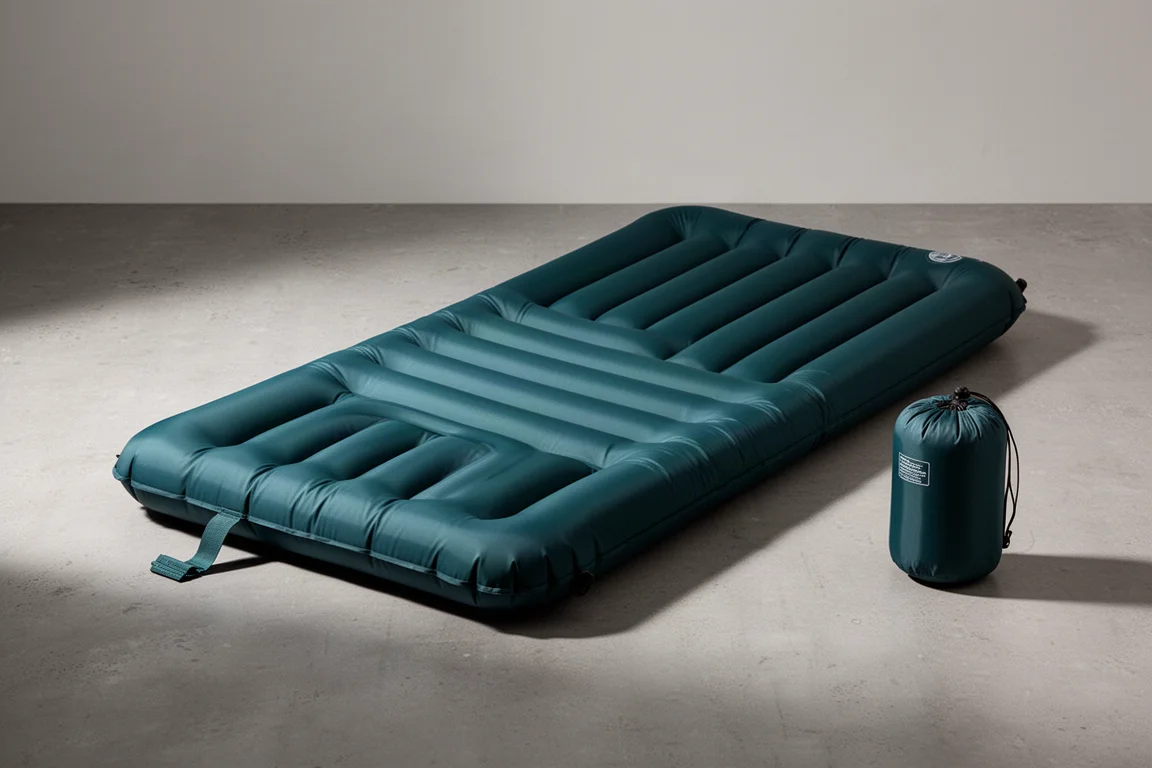
The gap between the two pads is $60, and that money buys a pump sack, a better valve, and a slightly more robust top fabric. The Paria Elevate XL asks you to supply your own inflation method and to accept a plainer valve in exchange for the lower price.
If budget is the deciding factor, the Elevate XL is the clear pick, and its three layers of insulation mean the savings do not come at the cost of warmth. If you would rather have the included pump sack and the more polished hardware, the Eclipse is the more complete package out of the box. The two designs are similar enough that either pad will serve most three-season backpackers well.
Which Sleeping Pad Fits Your Next Trip?
Start with width and warmth, then decide on price. Anyone who wants a 25 inch wide pad and sleeps down to freezing has two strong options here, and the choice really comes down to how much the extras on the Eclipse are worth to you.

Backpackers watching pack weight should note that the Elevate XL lands at 20 to 20.5 ounces in the XL size, so the wider footprint does not come with an unreasonable weight penalty. If you already carry an inflation pump or a pad inflator, the missing pump sack on the Paria matters far less, which tilts the value further toward the cheaper pad.
If you want the simplest ownership experience, with everything included and a valve you never have to think about, the Eclipse is the safer choice. If you want comparable comfort and warmth for noticeably less money, the Elevate XL is the better value, and Paria’s lifetime warranty covers the one weak point in the design.
Conclusion
The Paria Elevate XL and the Nemo Eclipse are close enough in design that neither is a mistake. The Eclipse wins on hardware, with a better valve, a more substantial top fabric, and a Vortex pump sack in the box. The Elevate XL wins on price, delivering an R value of 5.7, three layers of suspended insulation, and genuine comfort for around $140. Match the pad to your budget and to how much you care about included accessories, and either one will keep you warm through three-season conditions.
Further reading
Related Reviews
Sleeping Pads
Best Backpacking Sleeping Pads 2026: Nine Pads Rated on Price, Comfort, Warmth, and Weight
Nine backpacking sleeping pads compared on price, comfort, warmth, and weight, from a $65 summer pad to a year-round option rated at R-7.3.
Sleeping Pads
Best Backpacking Sleeping Pads: Comfort, Warmth, and Weight Compared
A practical comparison of the Nemo Quasar 3D, Therm-a-Rest NeoAir XTherm Max, and Big Agnes Rapide SL for backpackers choosing between comfort, warmth, and packed weight.
Sleeping Pads
Best Backpacking Sleeping Pads: Ultralight, Winter, Comfort and Budget Picks
A practical roundup of the sleeping pads that stand out for ultralight weight, winter warmth, pressure relief and value, plus three popular pads that fell short.