Integrated Amplifiers
Parasound NewClassic 200 Integrated Review: A Class D Amplifier With a Standout Phono Stage
A slim, feature-dense integrated amplifier that pairs Class D power with a fully analog signal path, a Burr Brown DAC, and a phono stage that competes with dedicated units.
Introduction
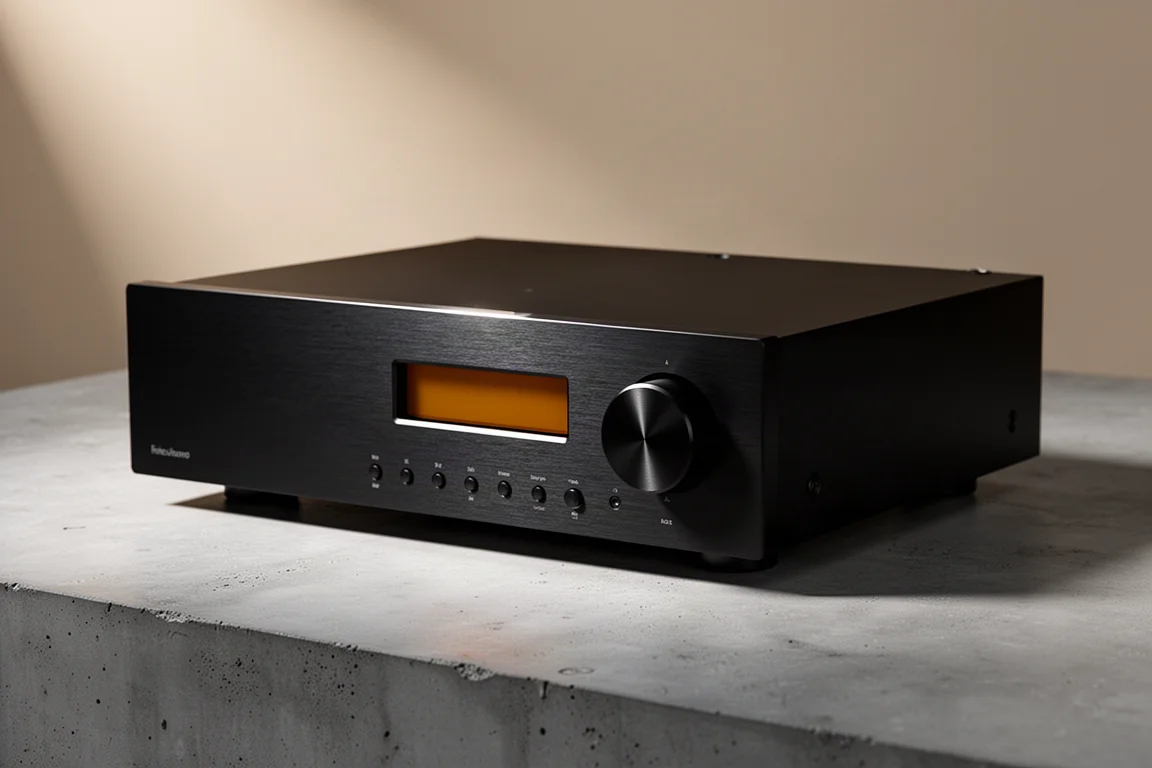
The Parasound NewClassic 200 Integrated, labelled simply as the 200 Integrated on the box, is an integrated amplifier built around a Class D output stage that uses Pascal modules, while the rest of the circuit follows the conventions of a traditional Class A/B amplifier. It arrives in a chassis that is unusually slim but quite deep, a shape that looks purpose-built for a rack, and a rack-mount kit is offered for exactly that.
Availability is limited. The amplifier has been listed on pre-order at a major retailer and has not been widely stocked, so buyers should expect to confirm availability rather than assume it is sitting on a shelf.
Who This Amplifier Is For
This amplifier suits listeners who want a single box to cover vinyl, digital sources, and subwoofers, and who would rather adjust tone by hand than work through a menu of digital presets. Every filter and tone control is handled in the analog domain, which appeals to anyone who wants the flexibility of a modern integrated without a digital signal processor sitting in the signal path.
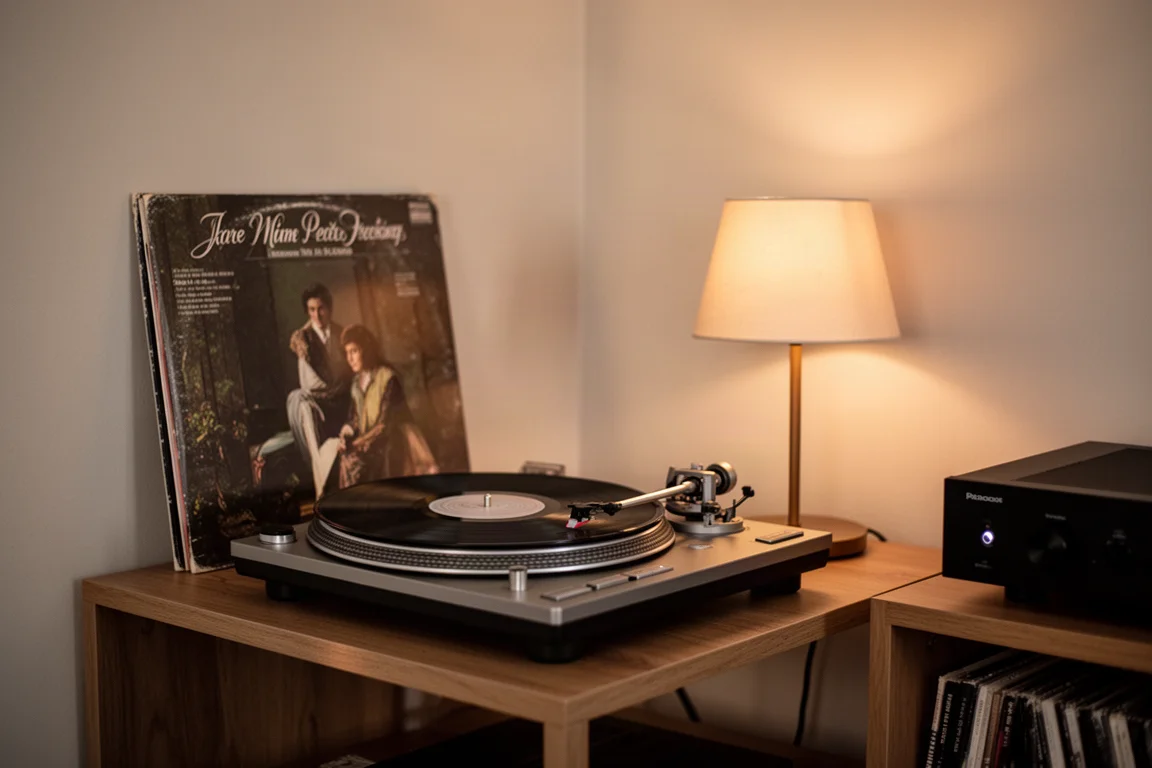
It also makes sense for a two-channel system that lives next to a home theater setup. The bypass inputs let the amplifier hand the front left and right channels over to an AV processor when a film starts, then return to music duty afterwards without rewiring anything.
Main Strengths
The core appeal is how much is packed in. There are analog high-pass and low-pass filters, a bypassable moving magnet and moving coil phono preamp, summed subwoofer outputs, preamp outputs, and a Burr Brown DAC with optical, coaxial, and full-size USB inputs. Bass, treble, balance, and subwoofer level adjustments all happen in the analog domain, which is uncommon at this level of integration.
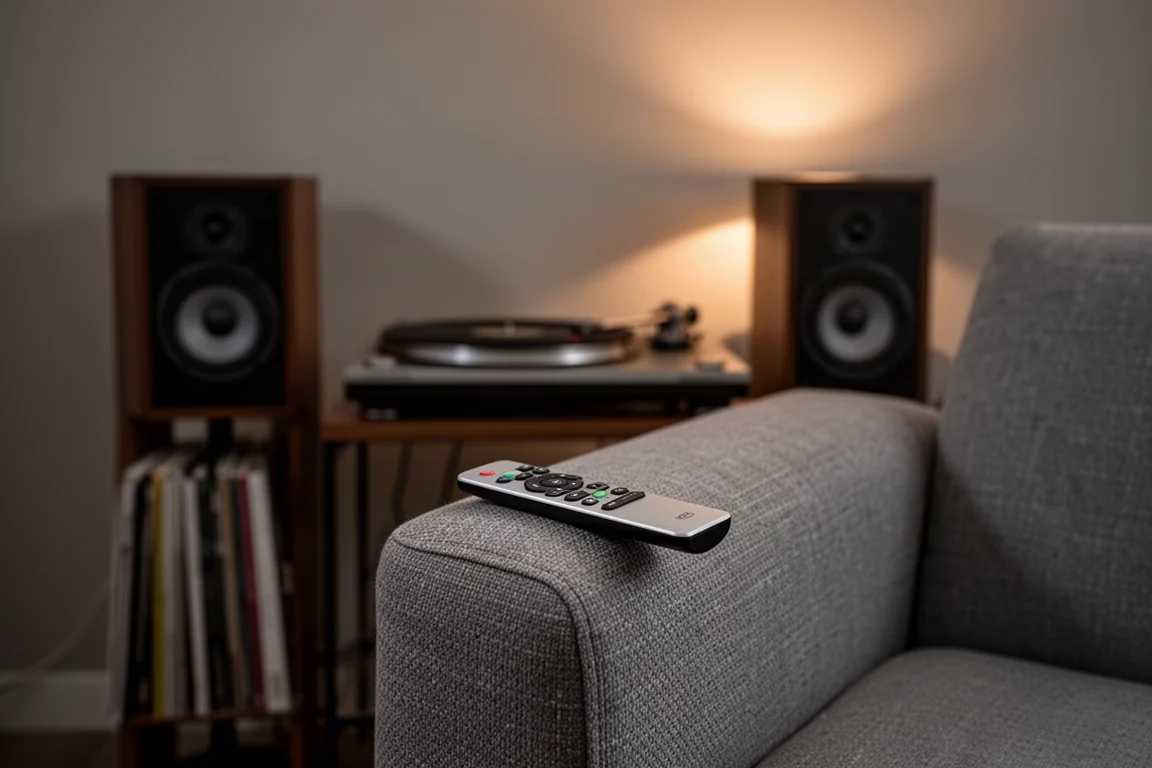
A capable remote control is included and covers a wide range of functions from the listening position. Build quality feels solid throughout: the volume knob has real weight to it, and input changes are accompanied by the click of relays.
Connectivity and Analog Flexibility
On the back panel, the layout starts with a moving magnet and moving coil phono preamp that can be bypassed to free up another analog input. Three RCA line inputs follow. Next come the bypass inputs, which effectively turn the amplifier into a power amplifier for the front two channels of a home theater system. A fixed record output is provided, along with two summed subwoofer outputs: one full range for use with a subwoofer’s own filtering, and one with a fixed 80 Hz low-pass filter.
Preamp outputs make it possible to use the amplifier as a preamp later, or to feed a different power amplifier. That preamp output includes a selectable high-pass filter that sweeps from 20 Hz to 140 Hz, all in the analog domain. The DAC section uses a Burr Brown chip, and there is a 12 volt trigger output plus an RS-232 connection for control systems.
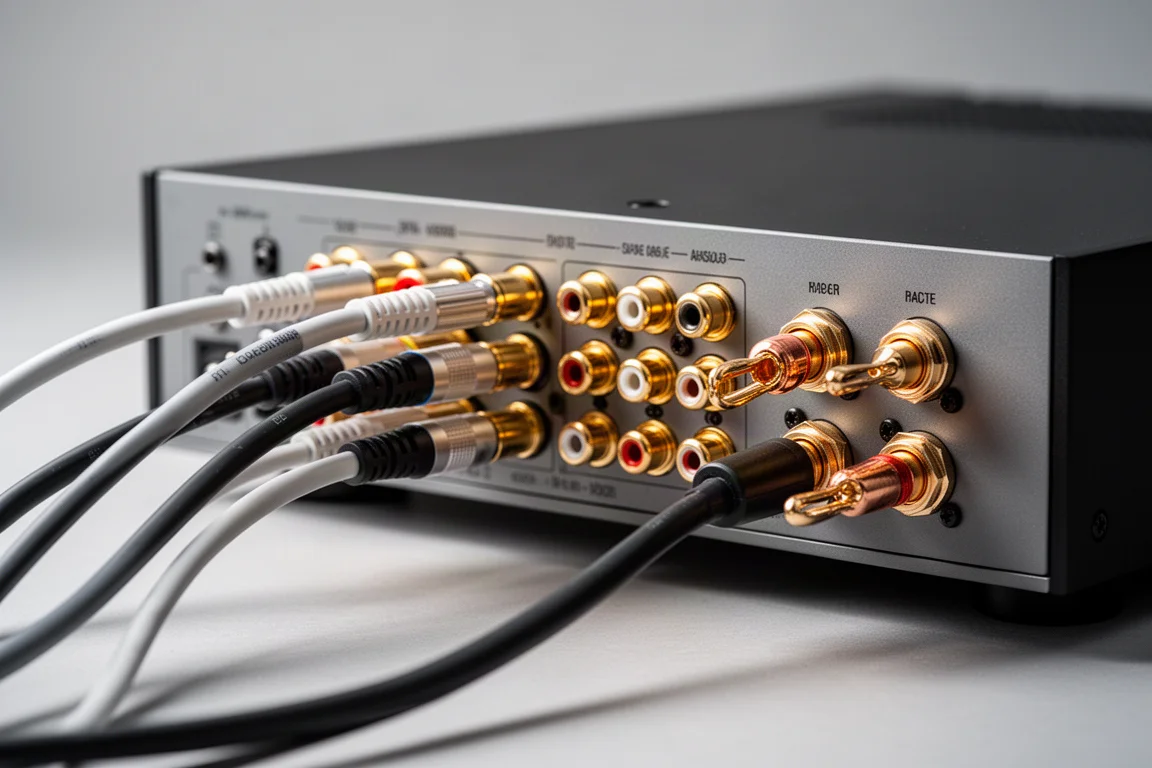
The speaker outputs are stable into both 4 ohm and 8 ohm loads, and power output is the same for either. Up front there is a power button, a headphone output fed by a separate headphone amplifier, and a 3.5 mm aux input that disables one of the rear analog inputs when something is plugged in. A compact display handles menu duties through the input selector, which also gives access to bass, treble, balance, and subwoofer level.
Sound Quality and the Phono Stage
The phono stage is the highlight. It is implemented well enough to compete with dedicated phono preamps costing several hundred dollars, and it holds its own against units well above that bracket. Listening through vinyl reveals a balanced presentation with plenty of detail, no harshness, and no forward tilt in any part of the frequency range. Bass is full and thick without becoming bloated, and it stays well controlled. The soundstage is large.
The DAC is also strong, performing on a level comparable with a good standalone DAC in the $250 range. The amplifier’s overall character leans closer to a Class A/B design than most Class D amplifiers do: the midrange keeps its fullness and warmth, and the presentation carries more personality than the flat, detail-first sound Class D can sometimes produce. It also drove a pair of 4 ohm standmount speakers without strain.
Things to Consider Before Buying
The display looks dated, and the chassis styling is more functional than fashionable. The headphone output is adequate rather than a reason to buy, so anyone who listens mostly on headphones should weigh that carefully.
The front 3.5 mm input disables one of the rear analog inputs when something is plugged in, which matters if every input is already spoken for. There is no DSP anywhere in the signal path, so room correction and digital bass management are not part of the package.
Price is the bigger question. The amplifier sits above several well-established alternatives, and availability has been limited, so buyers may need patience. The preamp-only version of the same model costs only about $200 to $300 less, which makes the integrated version the better value for almost everyone.
How It Compares With Other Integrated Amplifiers
The NAD C 338, which uses Hypex modules and sells for around $800, is the closest comparison on paper. The Parasound sounds fuller in the midrange and at the bottom, and more balanced overall, even with the NAD’s bass boost engaged. It also offers considerably more in the way of tone controls, high-pass filters, and preamp outputs. It costs more, and it sounds better.
The Rotel Tribute A11 is a Class A/B design costing roughly $500 to $600 less, and the two sound remarkably similar. The Parasound’s built-in phono stage is the stronger of the pair. Even so, a buyer could add a $200 to $300 phono preamp to the Rotel and still spend less overall, which is the honest trade-off.
The Emotiva TA1, at roughly $550, covers most of the same functionality, including high-pass preamp outputs, for about half the price. The Parasound sounds better, with tighter bass, but the Emotiva is no slouch, and adding the matching A2 power amplifier tightens the bass and improves instrument separation. The PT1 preamp paired with the A2 power amplifier is another route, arriving as two boxes at a lower combined price.
Buying Advice
If the budget allows and the goal is one box that handles vinyl, digital sources, and subwoofers with analog tone control throughout, this amplifier is an easy recommendation. The phono stage alone justifies a serious look for anyone with a large record collection.
Buyers who only ever need a preamp should note the small price gap to the preamp-only version, but the extra $200 to $300 for the integrated model buys a lot of flexibility and is the safer choice. Anyone shopping primarily on price should compare the Rotel and Emotiva options above, since both deliver much of the same function for less. Given the limited availability, it is worth confirming stock before committing.
Conclusion
The Parasound NewClassic 200 Integrated gets the fundamentals right: an excellent phono stage, a solid Burr Brown DAC, analog tone controls and filters, and enough connectivity to anchor a two-channel system or slot in beside a home theater setup. It is not the cheapest way into Class D, and it is not the value leader on paper. It is, however, one of the most complete and best-sounding integrated amplifiers in its class, and for the right listener it solves a lot of problems at once.
Product link
View more details for Parasound NewClassic 200 Integrated
This product is mentioned in the review. Check the specifications, options, and compatibility before buying.
View more details for Parasound NewClassic 200 IntegratedFurther reading
Related Reviews
Integrated Amplifiers
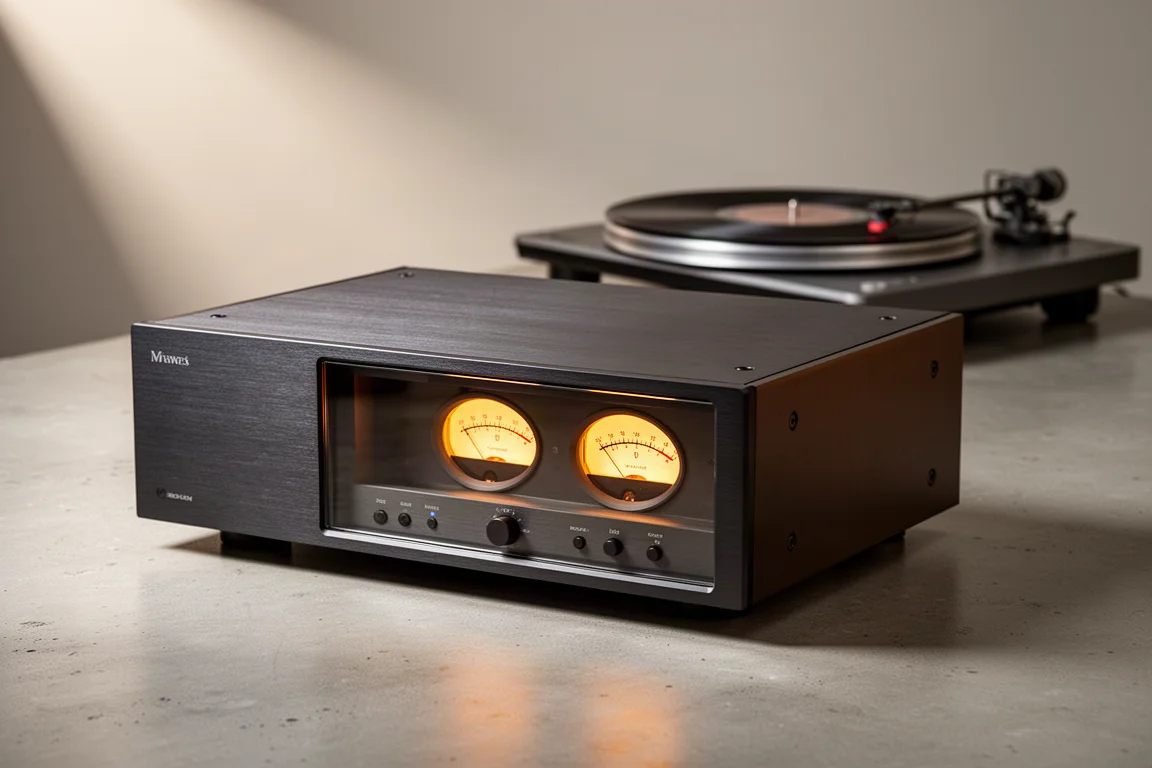
Advance Paris A10 Classic Review: Vintage Looks and a Lively, Punchy Sound
The Advance Paris A10 Classic pairs glowing blue VU meters and a tube stage with one of the widest input sets on any integrated amplifier. Here is what it does well and what to weigh before spending $2,500.
Integrated Amplifiers
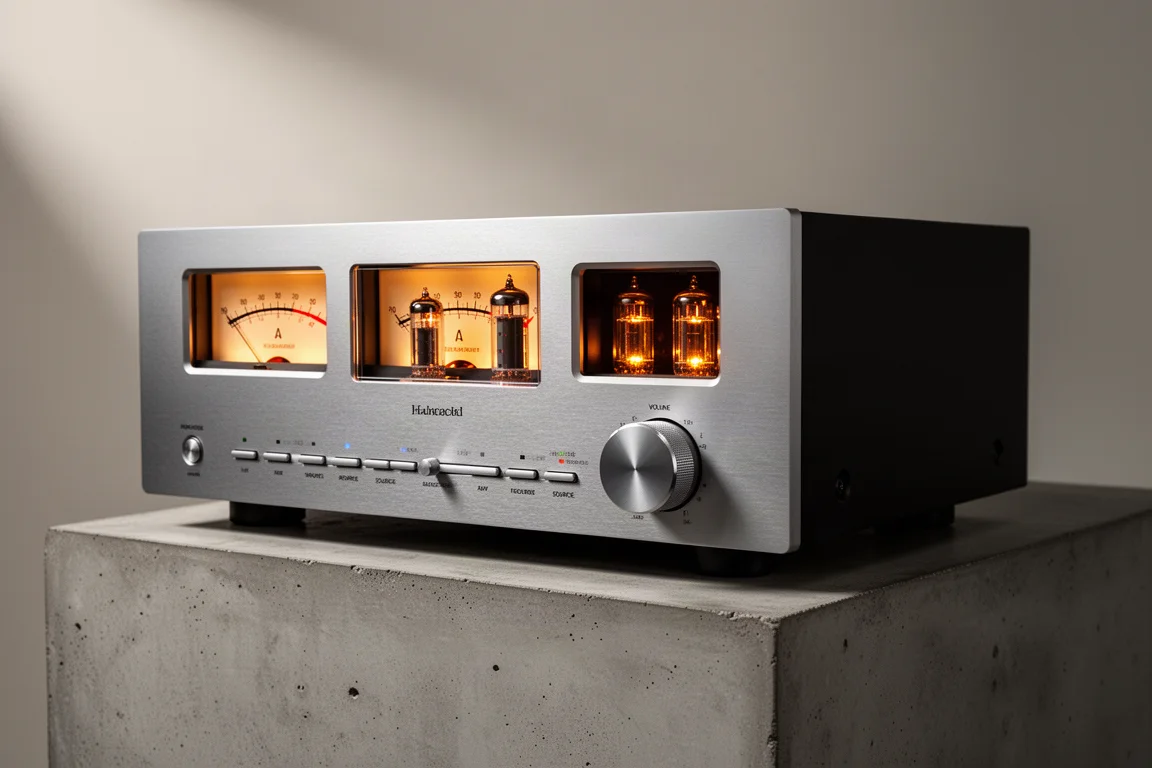
Advance Paris A12 Apex Review: A Modern Integrated Amplifier With Vintage Character
A dual mono integrated amplifier with 180 watts per channel, a tube front end, VU meters, and a connectivity list that covers turntables, televisions, computers, and headphones.
Integrated Amplifiers
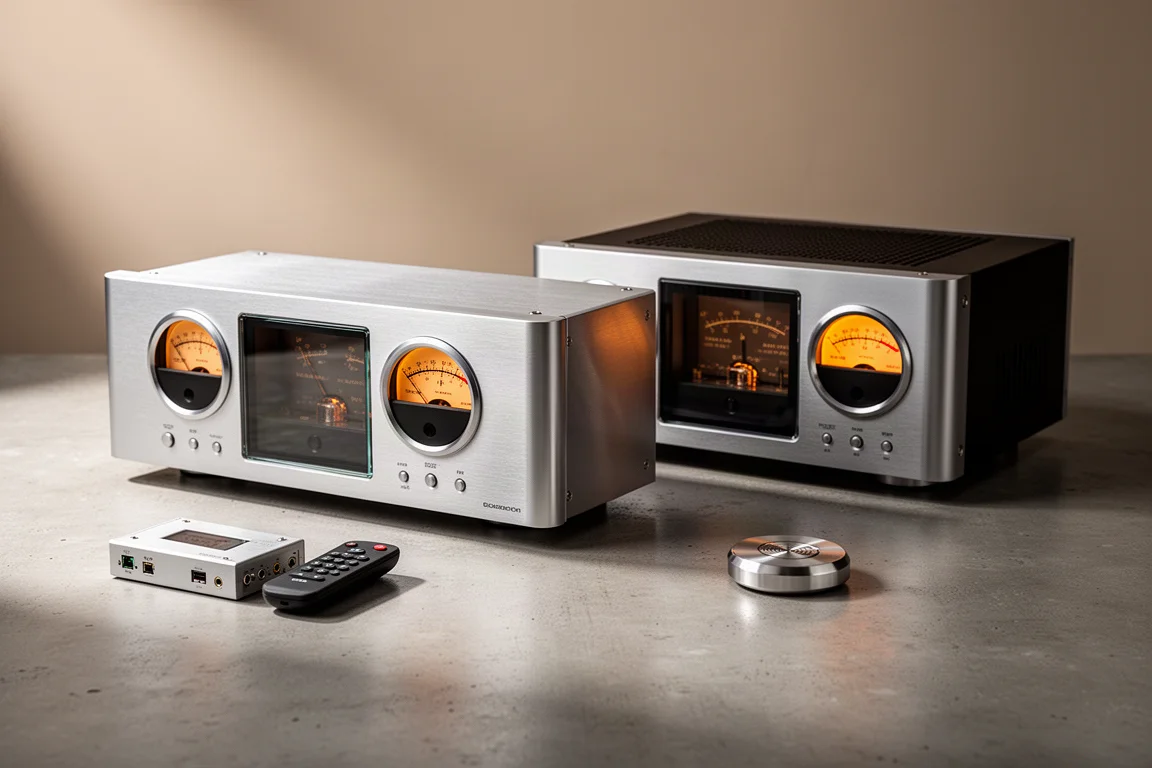
Advance Paris Nova Range Review: AI130, AI190 and Modular Upgrades
A practical look at the Advance Paris Nova range, including the AI130 and AI190 integrated amplifiers and the modular streaming, Bluetooth and remote accessories that expand them.