Hi-Fi Audio
Parasound Halo Hint 6 Review: One Box That Makes Separates Hard to Justify
The Parasound Halo Hint 6 pairs a 160-watt Class AB power stage with a phono preamp, a Saber DAC, and analog bass management in a single chassis. Here is what it does well and what to weigh first.
Introduction
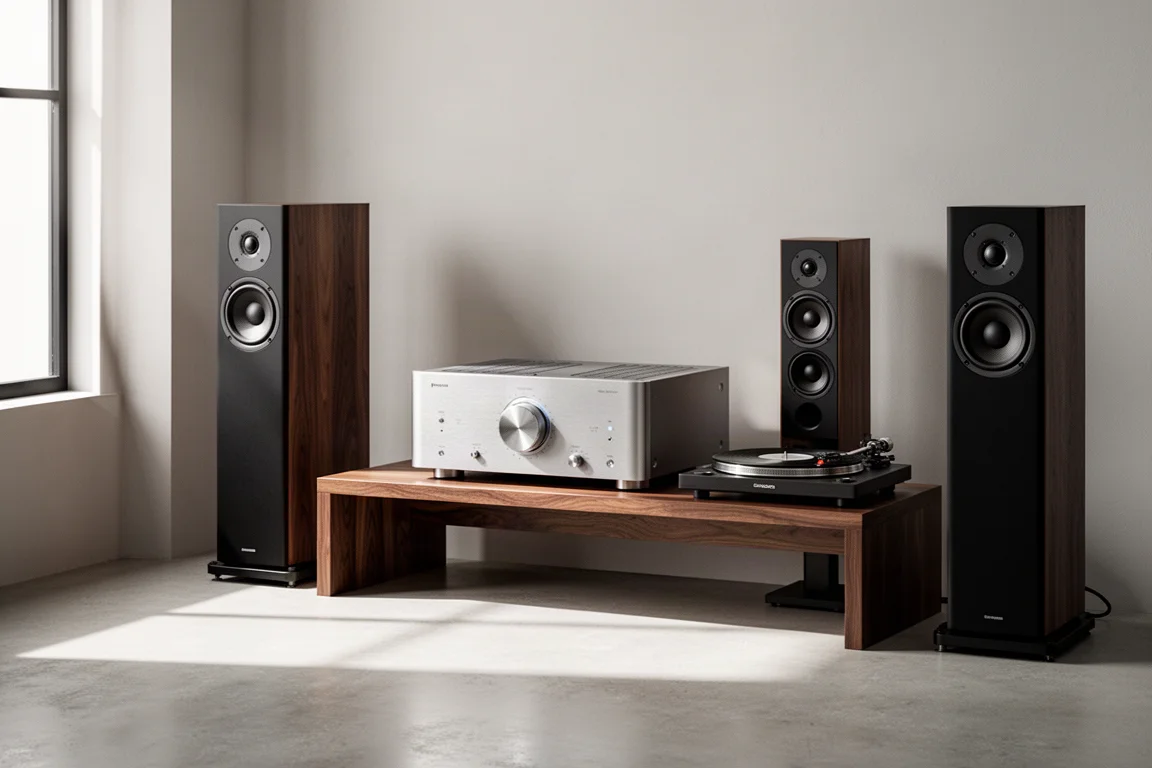
The Parasound Halo Hint 6 is a stereo integrated amplifier that folds several separate components into one chassis. Inside is a power amplifier designed by John Curl, running in high bias Class AB and rated at 160 watts per channel into 8 ohms and 240 watts per channel into 4 ohms. Around that core, Parasound has built in a preamplifier, a phono stage, a digital-to-analog converter, and a headphone amplifier.
That combination is the whole point. A two-channel system built from separates needs an amp, a preamp, a DAC, and a phono stage, plus the cables and shelf space to connect them. The Hint 6 covers those roles in a single enclosure, and it does so while keeping a genuinely analog signal path for vinyl and line-level sources.
The feature list is not just about consolidation. Analog bass management is handled by low pass and high pass filter controls, so a subwoofer can be blended without routing the main speakers through a separate processor. There is also a home theater bypass, which lets the Hint 6 slot into a multichannel system as the amplifier for the left and right mains.
Who This Product Is For
This amplifier suits listeners who want one serious box at the centre of a two-channel system. If you own a turntable, a streaming source, and a pair of speakers that benefit from real current delivery, the Hint 6 replaces a stack of gear without asking you to give up much. The built-in moving magnet and moving coil phono stage means a separate phono preamp is optional rather than mandatory.
It also makes sense for anyone who wants stereo sound to do double duty with television and film. Because the Hint 6 has optical and coaxial digital inputs, a television can feed it directly, and the subwoofer outputs make a simple 2.1 or 2.2 setup straightforward. Adding the home theater bypass turns the unit into a dedicated stereo amplifier for the main speakers whenever a multichannel processor is in charge.
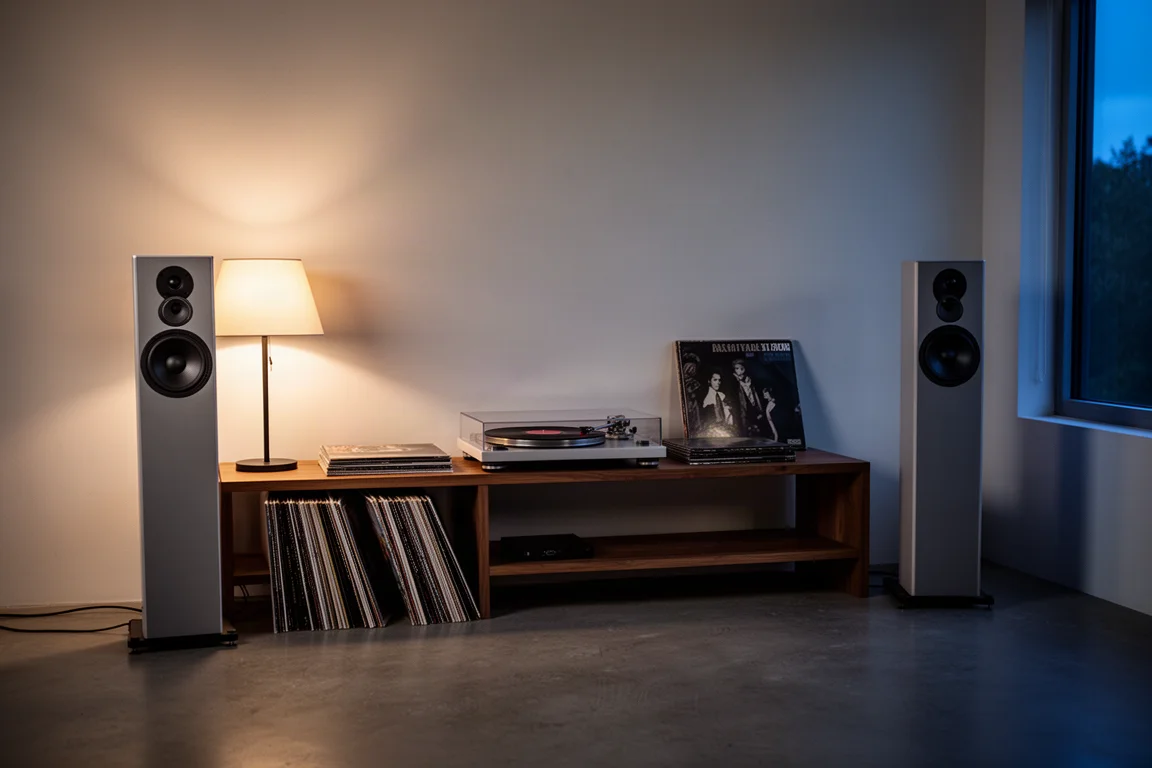
The Hint 6 is a less natural fit for someone who wants a strictly analog, minimalist signal path with no digital circuitry in the same box, or for a listener who values vintage-style meters and old-school industrial design above flexibility. It is also worth thinking about physical presence: this is a full-size component, not a compact lifestyle amplifier, and it expects a proper shelf.
Main Strengths
The strongest argument for the Hint 6 is not any single feature but the way the pieces work together. Power delivery, source flexibility, and a consistent sonic character add up to a component that is easy to live with across very different recordings and very different speakers.
Amplifier Power and Circuit Design
The rated output of 160 watts into 8 ohms and 240 watts into 4 ohms puts the Hint 6 in comfortable territory for most floorstanding speakers. More important than the numbers is the sense of headroom. It behaves as though it has more in reserve than the specifications suggest, which shows up as an easy, unhurried quality when the volume climbs.
Across a range of speakers, including Focal Aria K2 towers, Wharfedale Lintons, and Monitor Audio Silver 500 7G towers, the amplifier never seemed to be the limiting factor. Each speaker was heard close to what it does best, which is a useful sign that the amplifier is not stamping its own character over everything connected to it.
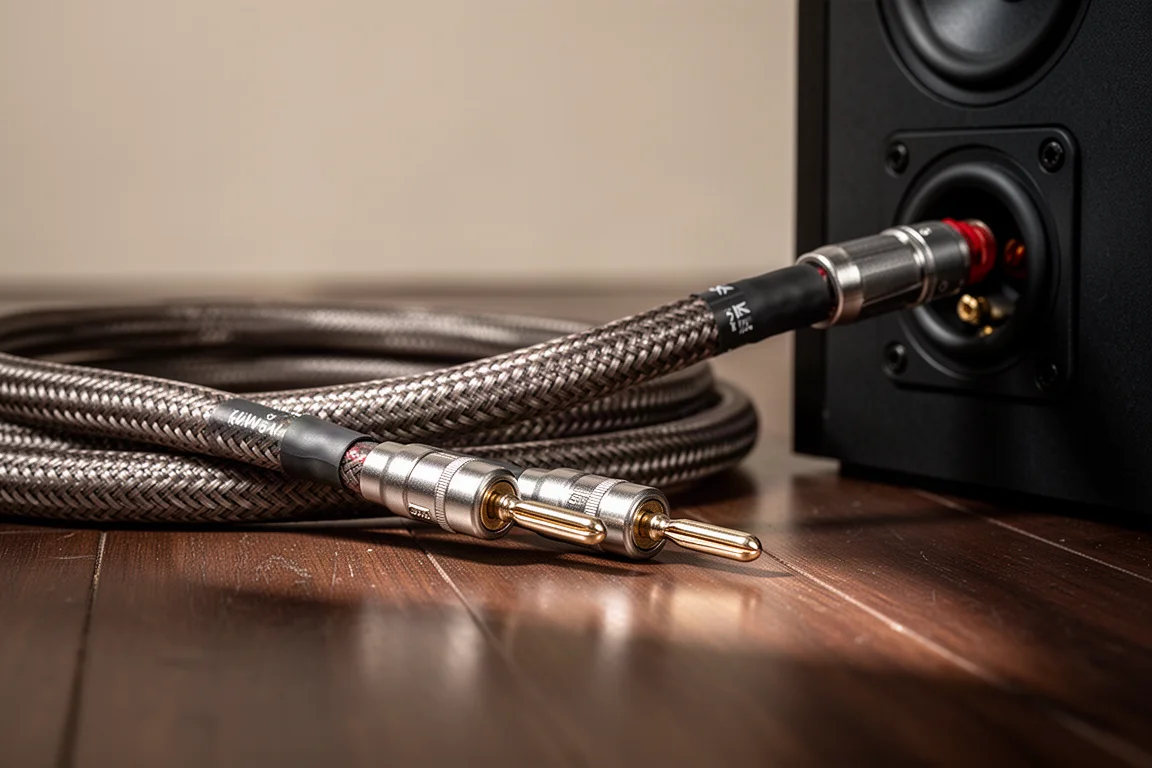
Dynamic behaviour is a particular strength. Swings between quiet and loud passages arrive naturally and in proportion, so the amplifier scales with the music rather than compressing the contrast. At moderate levels it stays composed and detailed, and at high levels it keeps the same balance instead of hardening.
Connectivity and Analog Flexibility
The analog side is unusually complete for an integrated amplifier at this level. There are balanced and unbalanced analog inputs, balanced and unbalanced preamp outputs, and stereo subwoofer outputs. That means a subwoofer can be added without giving up the main preamp outputs for another purpose.
The phono stage accepts both moving magnet and moving coil cartridges, and it is good enough to reveal differences between cartridges rather than flattening them. Analog bass management through the low pass and high pass filters is the feature that ties it together: the crossover point can be set to suit the speakers in use, so the main speakers are relieved of the deepest bass while a subwoofer handles it.
The home theater bypass is a practical addition for mixed systems. When a surround processor takes over, the Hint 6 becomes a straightforward stereo power amplifier for the front left and right channels, and it steps back out of the way for two-channel listening when the processor is off.
Digital Inputs and DAC
The built-in converter uses the ESS Saber 32 reference chipset, and it sounds very good. There are two optical inputs, one more than the previous generation, plus coaxial digital inputs and a USB input that supports native DSD files. The extra optical input is a small change with real practical value, since televisions, streamers, and disc players can all stay connected at once.
A dedicated high current headphone amplifier rounds out the package. It is a genuinely useful inclusion rather than an afterthought, and it means late-night listening does not require a separate headphone amp on the shelf.
Sound Quality
In the bass, the Hint 6 favours agility over outright depth. Speed and texture are the priorities, and the low end stays articulate rather than thick. Listeners who want maximum weight and warmth down low will get closer to their target by adding a subwoofer, which the subwoofer outputs and bass management make easy. For anyone who values pace and definition, this is a very likeable presentation.
The midrange is clean, transparent to the source, and largely free of coloration. There is a slight leanness in the bass that costs the midrange a touch of weight, but this should not be mistaken for a cool or analytical sound. It simply avoids excessive warmth. Definition through the midrange is excellent, and vocal recordings in particular come across as vivid and three-dimensional, with high intelligibility regardless of the speakers in use.

The high frequencies are open, extended, and dimensional. This is a more refined treble than older Halo separates delivered, and it stays composed even with recordings that carry compression or heavy sibilance. The amplifier does not mask those traits, but it does not exaggerate them either. Treble-leaning reed and brass instruments keep their bite, while the finest breathy detail around flutes and clarinets is a little less pronounced than on considerably more expensive amplifiers.
Soundstage performance is where the Hint 6 is at its most impressive. Detail and separation are excellent, and focus stays sharp even as instruments and voices move across the stage. The presentation does not push forward into the room. It begins right at the front baffles of the speakers and extends well behind them, and it never becomes aggressive.
Controls and Everyday Use
Day-to-day operation is handled either through the physical controls on the front panel or with the included backlit remote, which is a sensible arrangement for a component that will be used with several sources. Setup is straightforward: connect sources, set the crossover to suit the speakers, and the system is running.
Things to Consider Before Buying
The main reservation concerns build feel rather than sound. The small knobs for tone controls and balance are plastic, and the volume knob, despite an audiophile-approved volume control design, feels vague and somewhat disconnected from the action. It works and it reaches the level you want, but it does not feel as tactile as the solid chassis around it suggests. The front-panel buttons have a light click rather than a positive, substantial action, and that is a fair criticism at this price.
The second consideration is bass depth. The Hint 6 is agile rather than deep, so a subwoofer is the natural companion if your speakers are modest in the low end or if you want full-range weight without compromise. Buyers who prefer to run a pure two-channel setup with no subwoofer should weigh that carefully against their speakers.
Third, there is no HDMI input. A television connects through optical, which works well, but the absence of HDMI keeps the unit one step short of being a complete hub for a modern living room system. Finally, the price sits well above value-focused integrated amplifiers. The question is not whether the Hint 6 is good, but whether its particular combination of power, phono stage, DAC, and bass management is what your system actually needs.
Buying Advice
For a listener who wants one component to handle vinyl, streaming, television, and headphones, the Hint 6 makes a strong case. It delivers high-end sound quality without high-end pricing, and its flexibility means the money that would have gone into a second or third box can go into speakers instead.
Comparisons are useful here. Against the Audiolab 6000A Play, which costs close to half as much, the Hint 6 is the better amplifier in terms of soundstage separation and raw power for difficult speakers, but it is not twice as good. The Audiolab counters with a slightly fuller sound that flatters almost any speaker, plus streaming built in. If you need the extra wattage or the more fleshed out DAC and phono stage, the Hint 6 justifies the step up. If not, the Audiolab remains an outstanding value.
Against the Yamaha A-S1200, which sits in a similar price bracket, the Hint 6 offers a much richer feature set, since the Yamaha models lack built-in DACs and separate subwoofer outputs, and they do not include bass management. The Hint 6 is competitive with the considerably more expensive Yamaha A-S3200 on sound, which makes the value argument even stronger. Moving up to amplifiers such as the McIntosh MA7200, which costs close to double, buys more air around instruments and a different flavour of low-end reach, but the gap is not proportional to the price.
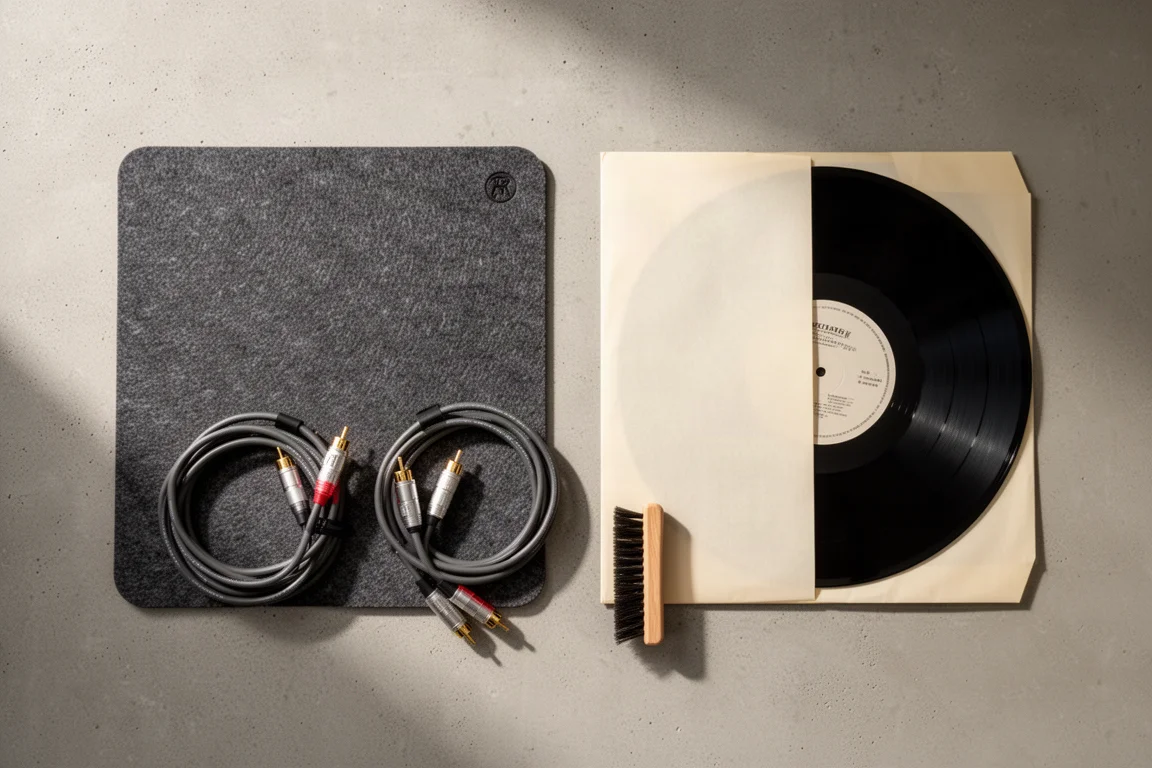
All-in-one streaming amplifiers such as the Naim Uniti Atom, NAD M10 and M33, and Cambridge Audio Evo 150 are worth considering if minimising the system footprint matters more than anything else. Their Class D or hybrid topologies can sound sterile to ears that prefer Class AB, and the Hint 6 is the more engaging listen. The Musical Fidelity M5si offers a comparable sound and a similarly appealing minimalist build, with perhaps a little more authority in the low midrange, but it is harder to find in some markets and it does not match the Hint 6 for features.
The practical way to decide is to start from your sources. If you need a phono stage, a DAC, and proper bass management in one chassis, the Hint 6 is close to ideal. If you already own those pieces, or you mostly stream and want a smaller footprint, the money may be better spent elsewhere.
Conclusion
The Parasound Halo Hint 6 is the kind of component that quietly changes the value calculation for everything above it. It provides high-end sound quality, real power, and an unusually complete set of features at a price that is obtainable rather than aspirational. Its bass favours speed over depth and its control knobs do not feel as premium as the rest of the chassis, but those are narrow complaints against a very well-rounded amplifier.
For anyone assembling a two-channel system from scratch, the Hint 6 removes a lot of the guesswork about matching components and cables. Spend more and you can find a little more air and a little more low-end weight, but the difference is rarely proportional to the extra cost. That is a comfortable position for a buyer to be in, and it is why the Hint 6 deserves serious consideration before committing to a stack of separates.
Product link
View more details for Parasound Halo Hint 6 Integrated Amplifier
This product is mentioned in the review. Check the specifications, options, and compatibility before buying.
View more details for Parasound Halo Hint 6 Integrated AmplifierFurther reading
Related Reviews
Hi-Fi Audio
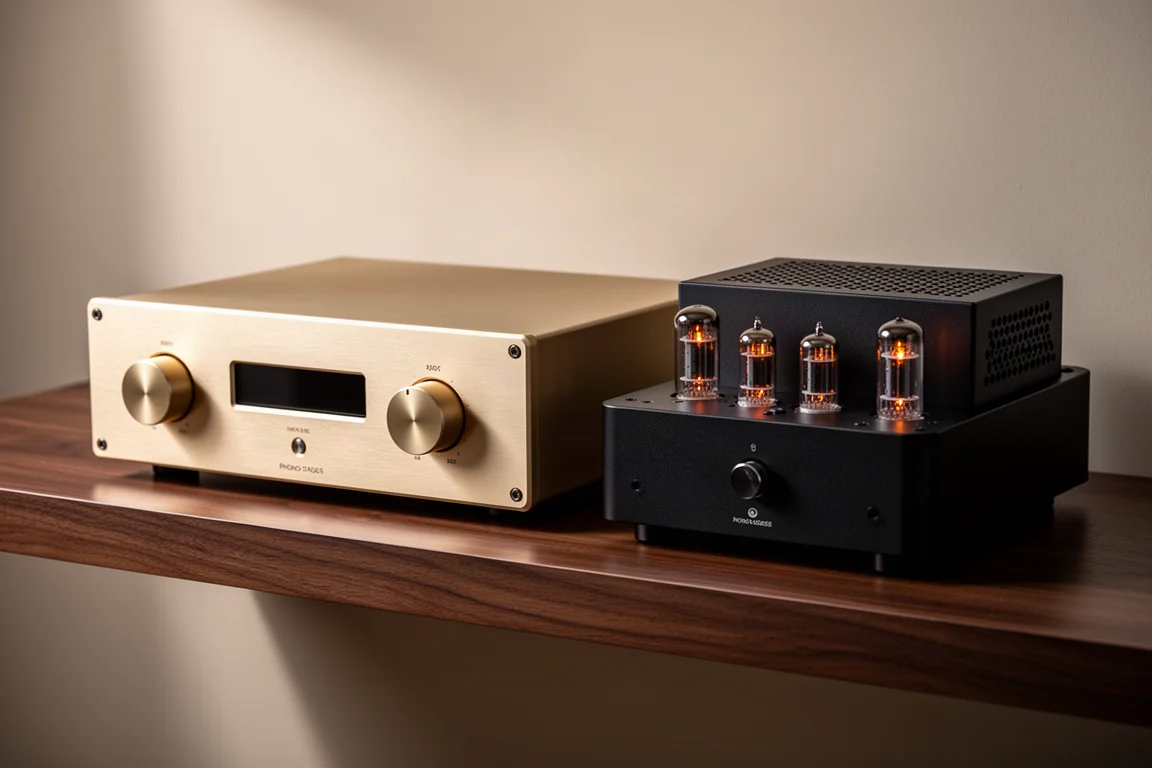
Accuphase C-57 vs Allnic H-7000V: Two High-End Phono Stages Compared
A fully balanced solid-state phono stage with a pitch-black noise floor meets a tube design built for well-loved records. Here is how to choose between them.
Hi-Fi Audio
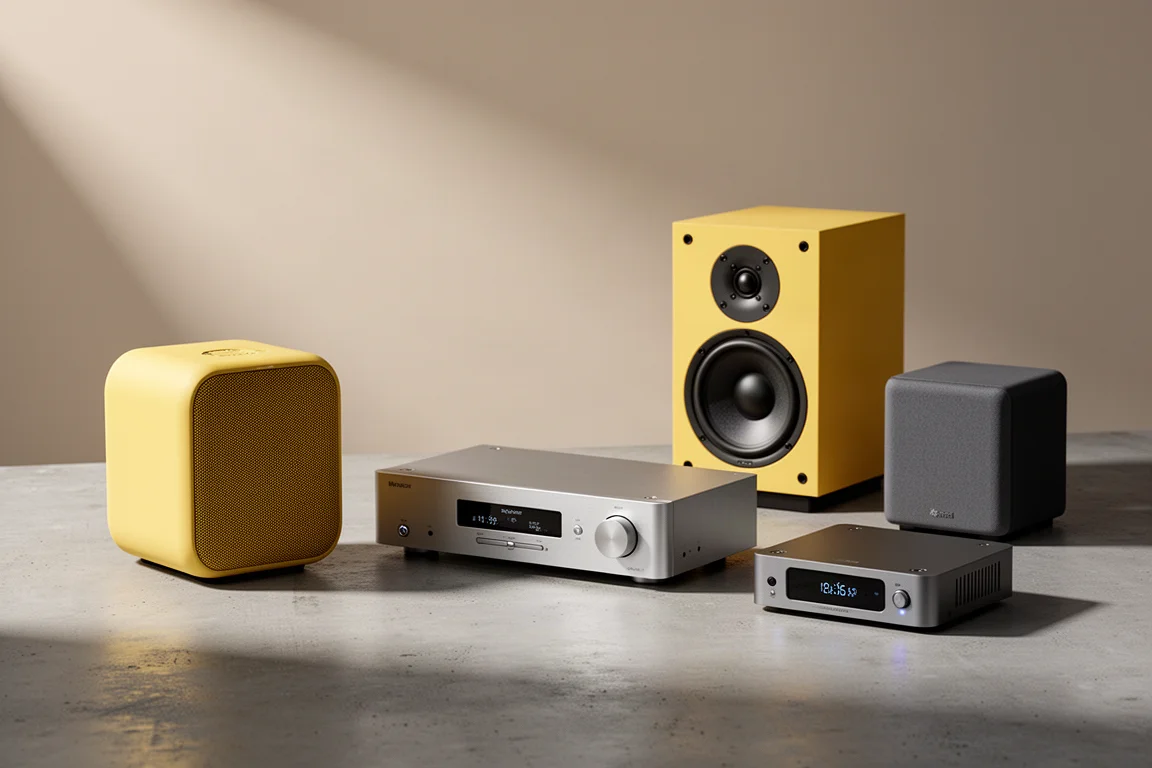
Active vs Passive Hi-Fi: Five Components for a Modern System
Five components that define modern active and passive hi-fi systems, with the strengths, trade-offs and setup details worth weighing before you buy.
Hi-Fi Audio
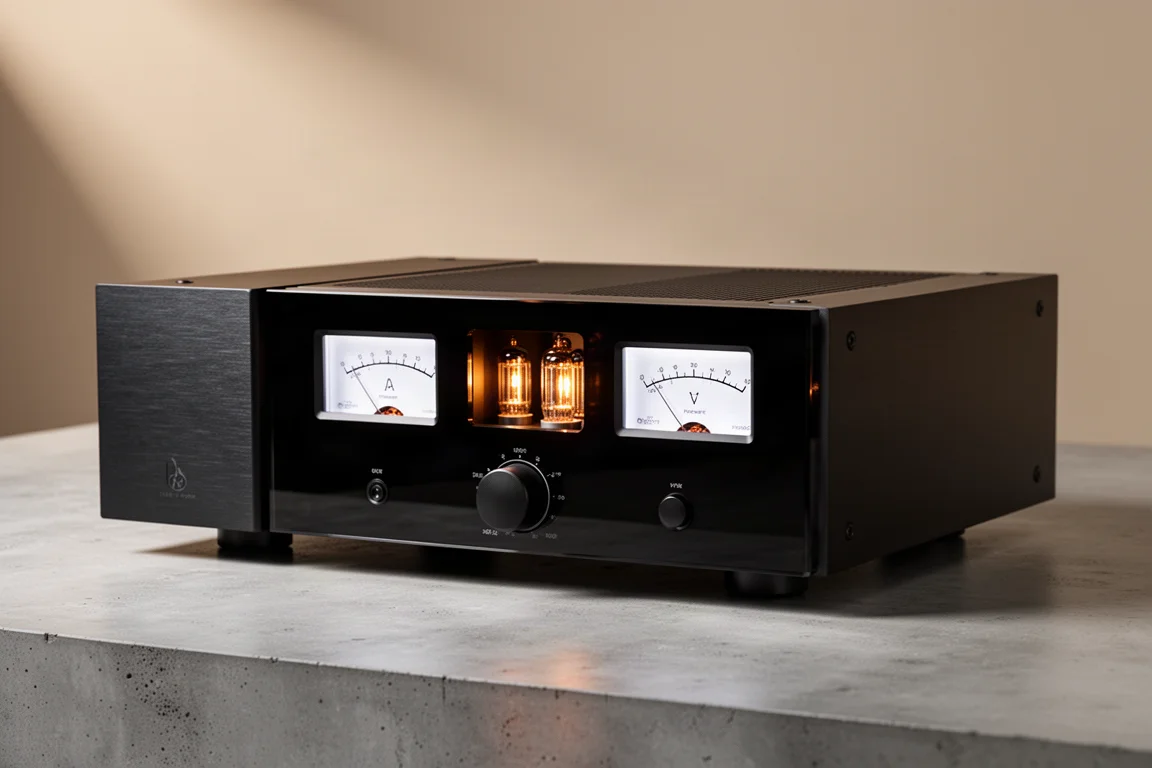
Advance Paris A10 Apex Review: A Hybrid Integrated Amplifier That Covers a Lot of Ground
A French hybrid integrated amplifier with a class A tube preamp stage, analogue power meters, and an internal DAC and phono stage good enough to make extra boxes unnecessary.