Hiking Jackets
Paramo Alta III Review: A Waterproof Jacket That Works Differently
A close look at the Paramo Alta III waterproof jacket, covering how its fabric system works, how it held up in prolonged rain and wind, and the fit and ventilation trade-offs to weigh before buying.
Introduction
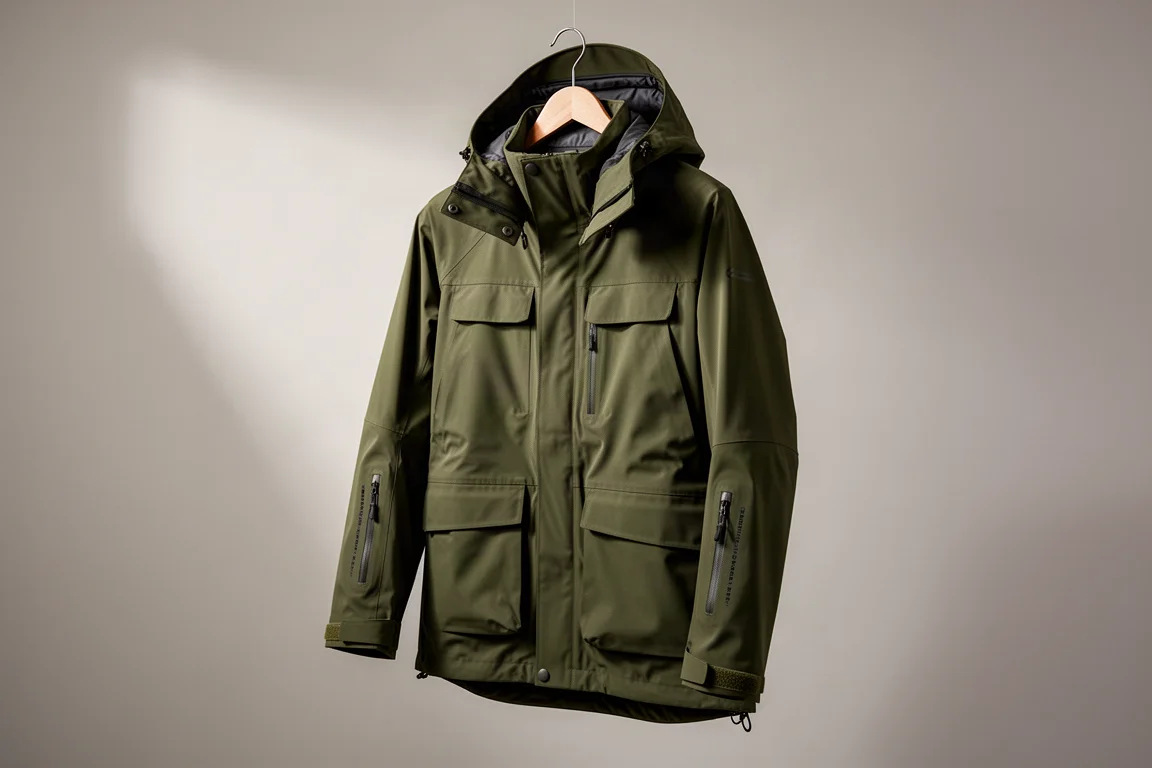
Most waterproof jackets rely on a membrane bonded between fabric layers, and when that membrane is overwhelmed the outer face wets out. The Paramo Alta III takes a different route. Its windproof, water-resistant outer fabric is treated with Nikwax, and an inner layer works to drive moisture from the body out through the outer shell, so the jacket keeps moving perspiration away instead of holding it close to the skin.
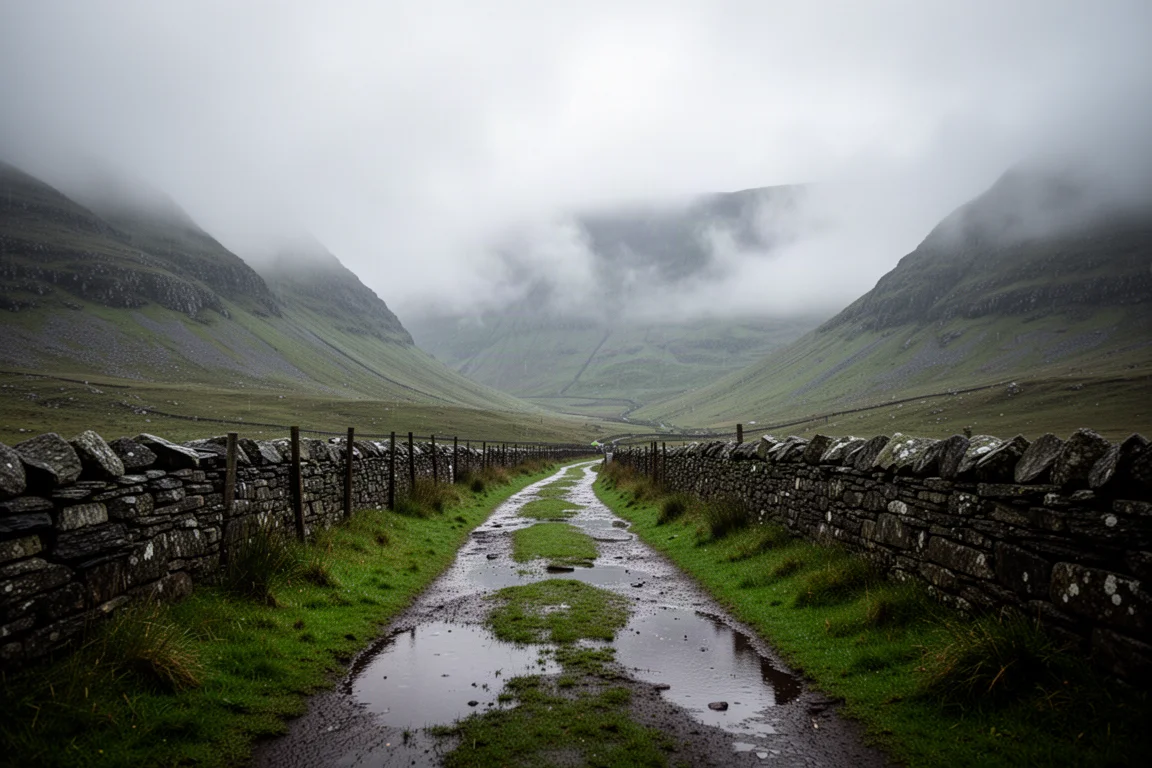
That approach is why the Alta III divides opinion, and it is also why this jacket sat in a wardrobe for roughly a year before it was worn in genuinely persistent rain. The real test came on a long Lake District ridge in torrential, prolonged rain and strengthening wind, with three summits to cross and nowhere to hide.
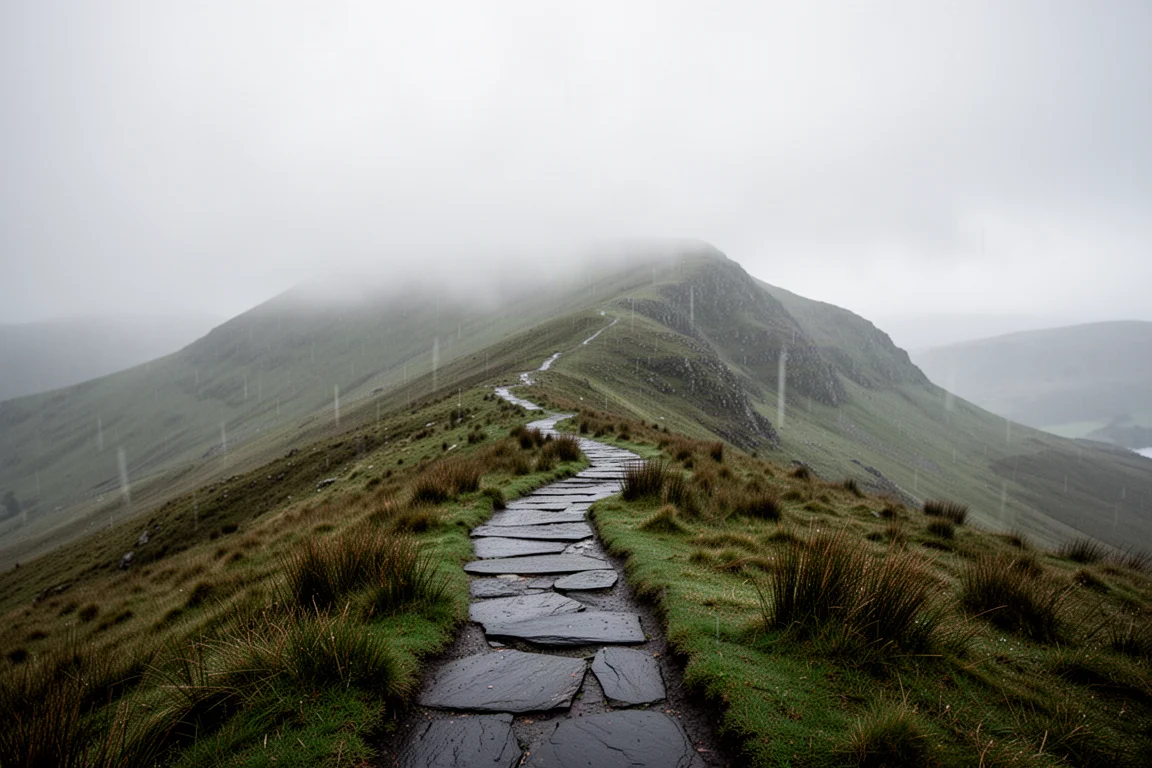
The jacket stayed dry on the inside through hours of rain, and it managed that with only a thin t-shirt underneath. Cool, breezy conditions helped considerably, and that detail matters when judging the jacket. A warm, still day will produce a very different result.
Who This Product Is For
The Alta III makes most sense for hill walkers who spend long days out in cool, wet, windy weather and want a jacket that keeps transferring moisture outward rather than relying on a membrane to hold water out. It suits walkers who value a long cut, generous coverage, and a hood that stands up to driving rain over anyone chasing the lowest possible pack weight.
It is a less natural fit for two groups. Walkers who want a lightweight shell that disappears into a rucksack when the sun comes out will find the Alta III bulky by comparison. Riders of steep, sustained ascents who run hot will also want to think carefully about layering, because this jacket can build heat quickly when there is little airflow to help it work.
Main Strengths
The headline strength is performance in sustained rain. Through prolonged downpours and strong wind on exposed ground, the jacket kept the wearer dry, and it did so without the clammy, wetted-out feeling that can develop in a traditional hard shell. The ventilation design contributes here. Instead of pit zips, the openings sit further forward on the arms, which means they still function when your arms are down by your sides and there is a breeze moving across them.
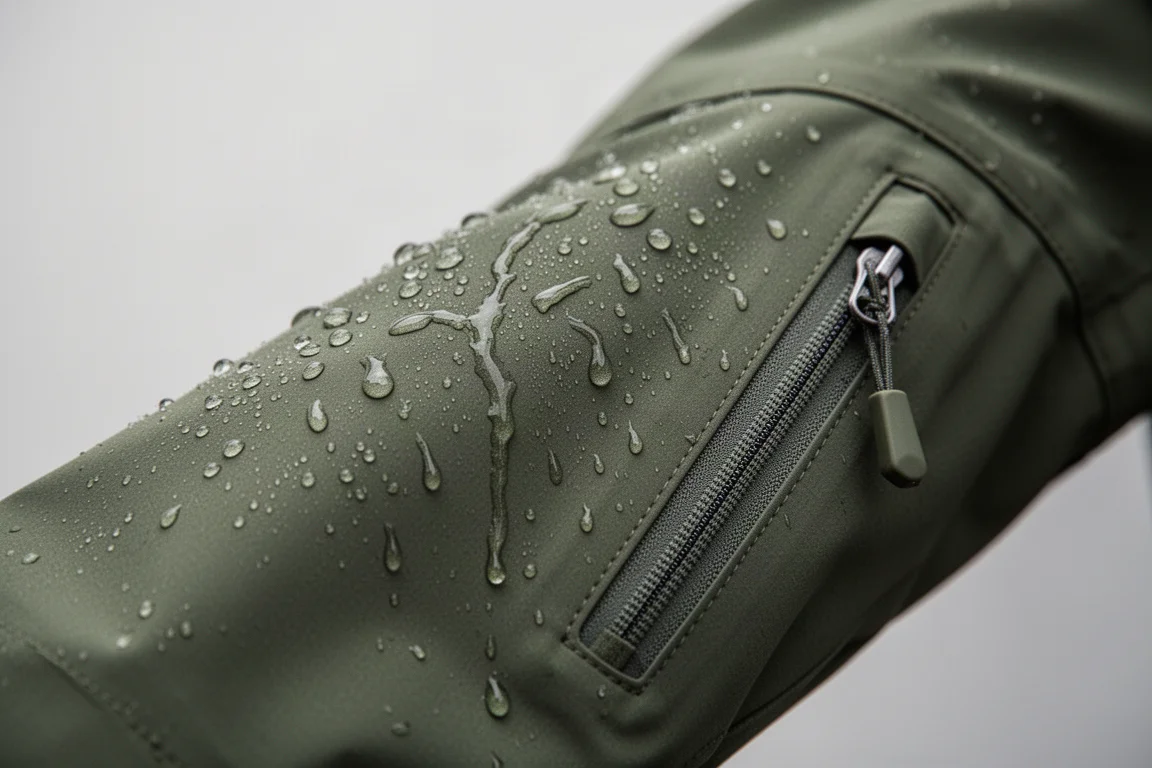
Drying speed is the second standout. Once the worst of the weather passed, the jacket dried remarkably quickly across the body and shoulders. The hood is the third. It has a wide peak and excellent coverage, and it behaves like a hood designed by someone who spends a lot of time walking in wet weather rather than one added as an afterthought.
The cut is deliberately generous. The body is long enough to sit below the seat, the front hem is long, and the sleeves are long as well, which adds useful coverage when you are leaning into wind or rain. Storage is well thought out too, with two usable chest pockets and two large hand-warmer pockets.
How the Paramo System Works
Understanding the fabric system explains both the strengths and the limitations. The outer layer is windproof and water-resistant rather than fully impermeable, treated to shed rain while allowing moisture to pass. The inner layer is the engine of the design: it actively moves perspiration away from your body and out through the outer fabric.
The practical consequence is that the jacket is never supposed to wet out in the way a membrane shell can, because moisture is being driven outward continuously rather than trapped. The trade-off is that the system depends on a steady flow of moisture and air moving through it. Anything that blocks that flow, whether it is too many layers, still humid air, or heavy exertion, changes how the jacket feels in use.
Things to Consider Before Buying
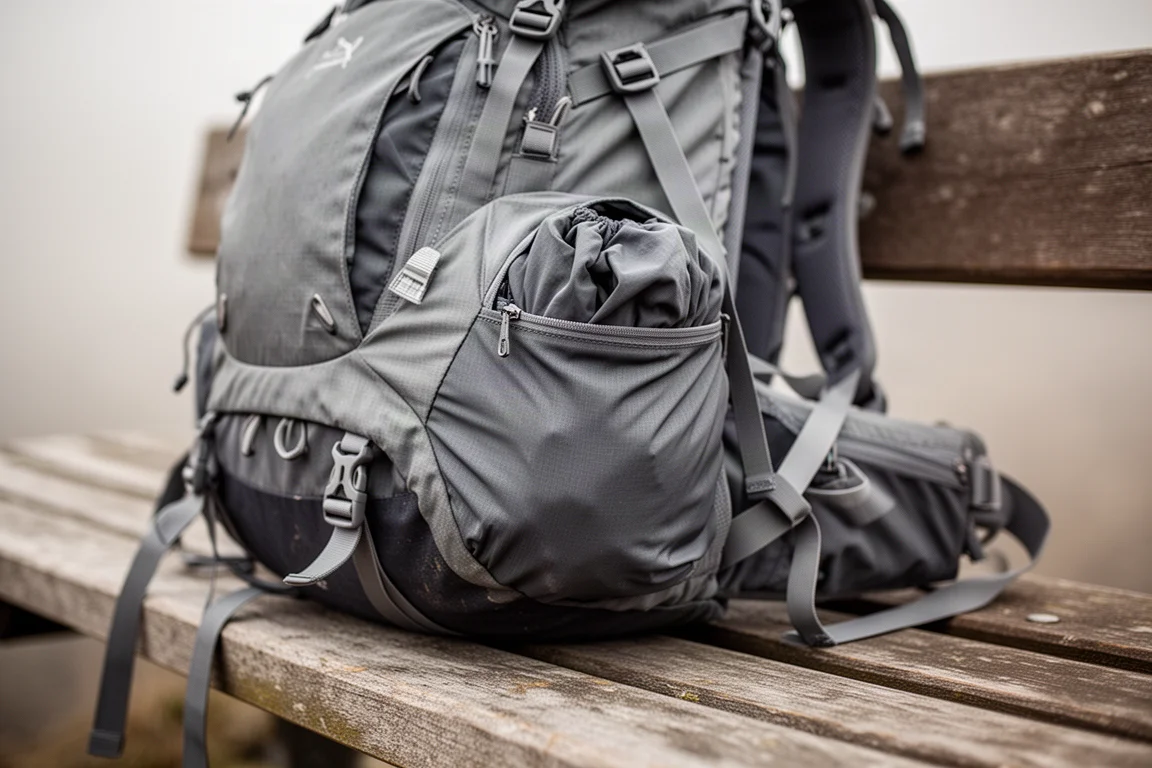
Weight and bulk are the first thing to accept. The Alta III is a heavy jacket for a waterproof shell, and it is not very packable. It takes up real space in a rucksack and it is not the piece you stuff into a hip belt pocket on a whim. In exchange, it feels substantial and warm on.
Overheating is the second consideration, and it is the one that shapes how the jacket should be used. It can get hot quickly, particularly on sustained climbs, and the conditions on the day matter enormously. Cool wind and light layers underneath helped the system work well on test, but still, humid weather and heavy exertion are a much harder combination. Layering is not an afterthought with this jacket, it is part of how it functions, so it needs to breathe and moisture needs a clear path out.
Smaller details are worth knowing before you commit. The cuffs and the lower section of the jacket do not dry out as quickly as the rest of the fabric, so they stay damp noticeably longer after a soaking. The jacket also divides opinion in wider use, and the variables are easy to identify: temperature, humidity, how much you perspire, and what you wear underneath all influence the outcome.
Sizing deserves attention as well. A wearer at 5 feet 8 inches, 172 cm and 70 kg took a small, and that same person would typically wear a medium in most other brands. The Alta III runs generously, so it is worth thinking about the layers you intend to wear under it rather than sizing up out of habit.
Layering and Ventilation
Because the jacket relies on moving moisture rather than blocking it, what you wear underneath genuinely changes the experience. A base layer, a fleece, or a lightweight insulated jacket all work under the Alta III, and the roomy cut accommodates them comfortably. On the day of the test, a single t-shirt underneath in cool, breezy conditions gave the best result, with plenty of airflow helping the fabric do its job.
The forearm ventilation zips support that. They can be opened while your arms are in a normal walking position, which is where pit zips often fail, and they let a noticeable amount of air move through the jacket when the wind picks up. If you tend to overheat, plan your layers around a thin, breathable base and use the vents early rather than waiting until you are already too warm.
Buying Advice
The Alta III is worth considering if your walking looks like the conditions it was built for: cool temperatures, wind, and rain that settles in for hours rather than passing showers. In that setting it does something genuinely useful, keeping you dry without the wetted-out feel that sends many walkers back indoors. The long cut, the excellent hood, and the pocket layout all support long days out on exposed ground.
Be honest about how you walk before deciding. If your routes are relatively shallow trails with plenty of stops, overheating is unlikely to be a problem and the jacket’s strengths will dominate. If you climb steadily for hours, you will need a layering plan and a tolerance for managing heat. If your priority is a shell you can fold small and forget about, this is not that jacket.
Think of it as a jacket to commit to rather than a casual addition to a kit list. Get the size right, keep the layers under it thin and breathable, and judge it on the kind of weather it was designed for. Buyers who match it to those conditions tend to get a lot out of it.
Conclusion
The Paramo Alta III earned its place in this kit after a long, wet day on the fells. It kept the rain out through prolonged downpours and strong wind, dried quickly once the worst passed, and paired a genuinely excellent hood with a long, well-equipped cut. The caveats are just as clear: it is heavy, it is bulky to pack, the cuffs and hem stay damp longer, and it demands sensible layering to avoid overheating. Match it to cool, wet, windy walking and it is a compelling choice.
Product link
View more details for Paramo Alta III
This product is mentioned in the review. Check the specifications, options, and compatibility before buying.
View more details for Paramo Alta IIIFurther reading
Related Reviews

Backpacking Gear
Building a 10 lb Base Weight: An Ultralight Backpacking Gear List
A practical walkthrough of the ultralight pieces behind a 10 lb base weight, from a 765 g pack and a roomy one-person tent to a full camp chair and a dependable water filter.

Road Bikes
10 New Road Bikes Worth Watching: Aero, Titanium, Steel and Endurance Standouts
A practical roundup of 10 new road bikes, from aero flagships chasing single-watt gains to titanium, steel and endurance platforms built for real roads.
Bikepacking Gear
11 Bikepacking Essentials for Long-Distance Cycling
Eleven bikepacking essentials for long-distance cycling, from a steel gravel frame and a two-person tent to helmet lights, packable gloves, and a frame bag that puts weight in the right place.