Ski Resorts
Paradiski Ski Resort Review: Is This French Alps Giant Worth the Trip?
A close look at the Paradiski ski domain, including La Plagne, Les Arcs, and Peisey-Vallandry, covering terrain, snow reliability, lifts, crowds, and overall value.
Introduction
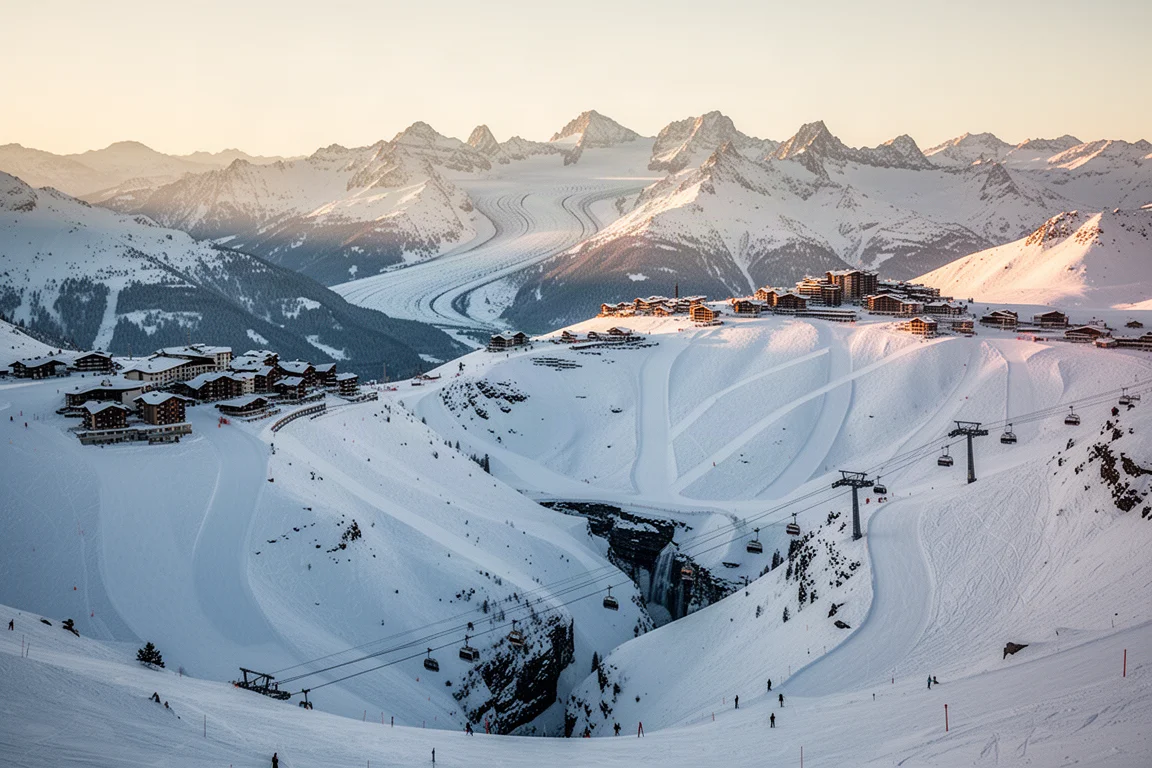
If you are planning a ski trip to the French Alps, Paradiski has long been one of the go-to choices. This interconnected ski domain spans a claimed 425 km of pistes across roughly 16,000 acres, linking the resorts of La Plagne, Les Arcs, and Peisey-Vallandry under a unified lift network. On paper it looks like a near-perfect destination, but terrain, snow quality, and the overall experience matter more than raw stats. Here is how Paradiski stacks up.
Size and Layout: A Massive, Split Domain
Paradiski is one of the largest ski domains in Europe, with a claimed 425 km of pistes across a massive 16,000-acre footprint. Technically it consists of three resorts: Les Arcs, Peisey-Vallandry, and La Plagne. In practice, Les Arcs and Peisey-Vallandry function as one connected resort, and most people treat Peisey-Vallandry as part of the broader Les Arcs side. La Plagne sits a full valley away, connected only by a single two-way cable car, the Vanoise Express.
That chokepoint, combined with Paradiski’s long, linear layout, makes skiing between La Plagne and the Les Arcs footprint far from straightforward. It is possible in a day, but it requires careful timing, efficient navigation, and plenty of lift hopping. The good news: both sides are so large that most guests can spend several days without ever needing to traverse between them.
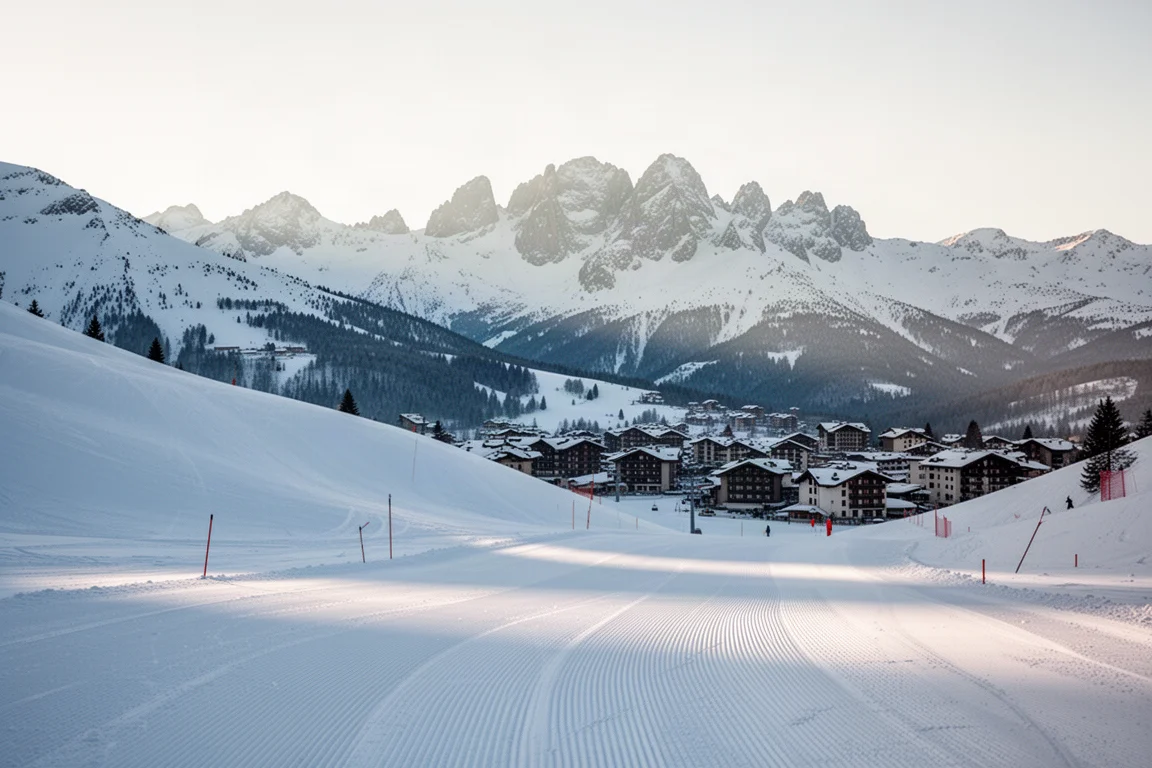
The scale is genuinely hard to grasp. La Plagne covers 225 km of pistes across over 8,800 acres, making it bigger than the Les Arcs and Peisey-Vallandry side combined, which measures a still-gigantic 7,230 acres. For context, the Les Arcs side is around the size of Park City, while La Plagne is bigger than every ski resort in North America, including Whistler, Blackcomb, and Vail.
Both sides boast vertical drops over 1,800 m that are continuously skiable top to bottom when conditions allow. The standout is Les Arcs, where you can ride from the top of Aiguille Rouge down to the Villards base for a 2,200 m (7,300 ft) descent, among the biggest vertical in Europe and taller than any North American ski resort. One caveat: while La Plagne claims a top elevation of 3,250 m, the highest lift appears to top out around 3,080 m, so its real vertical is slightly below the official stats.
Terrain Quality: Excellent for Beginners and Intermediates
Paradiski is one of the best resorts in the French Alps, if not the world, for easier terrain. Every area caters well to beginners, and with a few upper-mountain exceptions, almost every part of the domain offers a blue-rated way down. Peisey-Vallandry is especially ideal for first-timers, with gentle, uncrowded below-tree-line slopes. La Plagne specializes in some of the most beautiful mellow runs anywhere, with wide above-tree-line blue pistes, and Les Arcs has several beginner zones across various elevations.
One blue run worth seeking out is the tunnel piste in the upper part of La Plagne, which passes through a massive ridge via a lit tunnel that plays techno music. It is a little flat inside, so snowboarders may struggle.
Intermediates are well served too. Les Arcs is packed with fast rolling red-rated groomers, especially off the Arc Pet lift. La Plagne offers wide, lower-angle high alpine runs designed for progression, though occasional flat runouts exist. Peisey-Vallandry is majority intermediate terrain and perfect for long, cruisy laps.
Experts get their best skiing on the Les Arcs side, particularly the sustained steeps off the Varet Gondola and Aiguille Rouge, with fantastic views but wind-exposed snow. La Plagne’s black runs are mostly in upper elevations and hard to lap, and Peisey-Vallandry’s blacks are limited. Off-piste options above the tree line are readily accessible on both main sides, and because Paradiski draws more of a family crowd than Chamonix or Verbier, the off-piste stays less tracked. Go with a guide if you do not know the area, carry beacon, shovel, and probe, and check avalanche forecasts, as the off-piste is not patrolled.
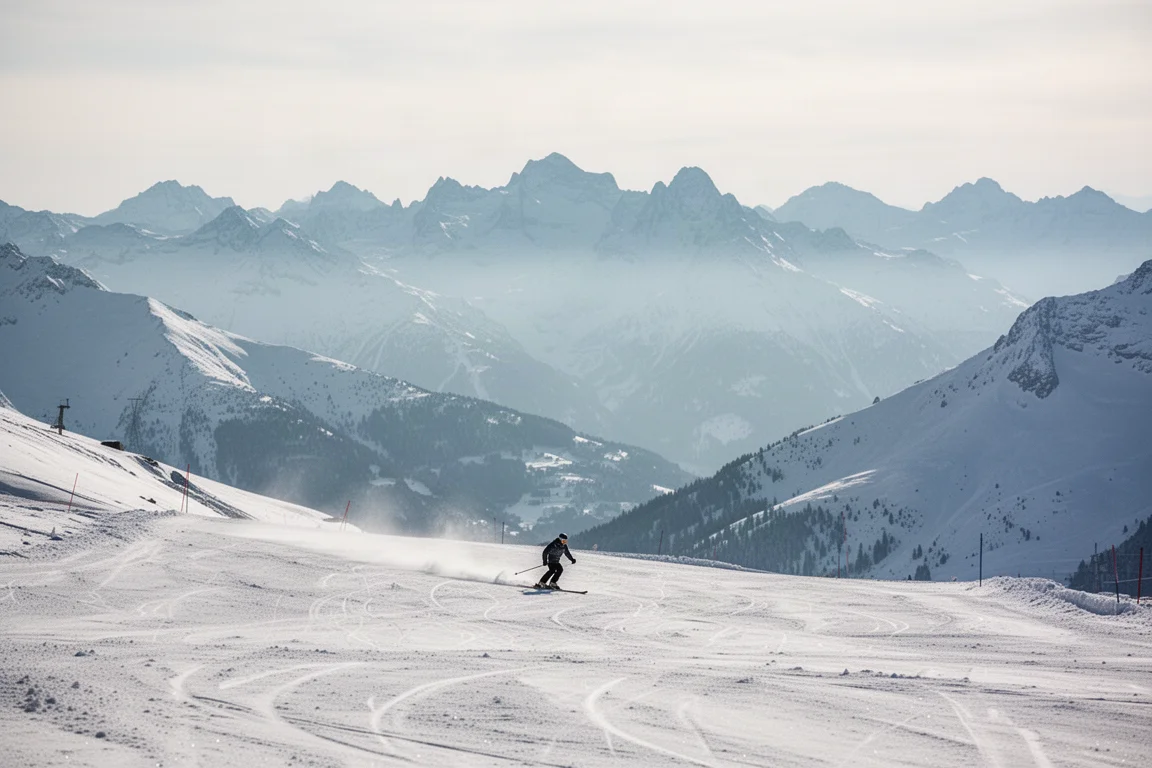
Snow reliability is generally strong. With terrain from 1,200 to 3,250 m and a good chunk of north-facing slopes, Les Arcs’ higher alpine zones hold snow well despite wind exposure, and La Plagne typically has more consistent coverage overall, though lower areas like Montchavin and Les Coches can suffer from variable valley-run openings. A strong snowmaking system keeps the domain operating reliably, and it clearly outperforms lower French resorts in poor snow years, sitting just a notch below the top French resorts for consistency.
Lifts and Infrastructure: Impressive Feats, Mixed Bag
Paradiski boasts some of the coolest lifts in Europe, but overall infrastructure is a mixed bag. Both sides have modern high-speed lifts in their central areas, including over a dozen gondolas, especially on the La Plagne side. Several upper-mountain areas are served exclusively by tram, which is fast if you time it right but can queue up when busy.
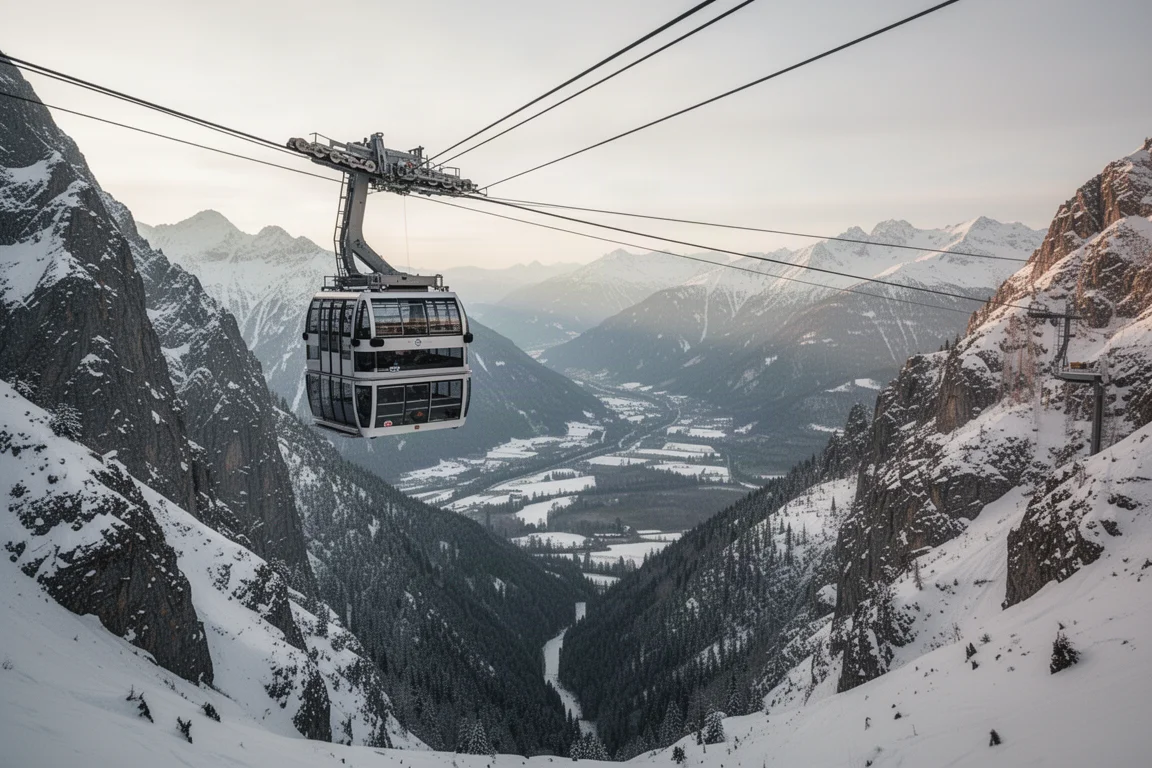
The Vanoise Express is the star. It connects the two resort sides and is one of the only aerial tramways in the world with double-decker cabins, carrying 200 people per tram, the largest ski lift cabins in the world at the time of publication. It spans a deep gorge between La Plagne and Peisey-Vallandry with phenomenal views, though anyone afraid of heights may want to avoid looking down. The Les Arcs Express funicular is another unique lift, a 250-passenger alpine train linking Bourg-Saint-Maurice to the Arc 1600 base, running every 15 to 20 minutes.
Despite these engineering feats, both sides still have dated lifts, many of them redundant but some providing the only access to significant terrain. In the Villardoger area of Les Arcs, riders coming from the base historically faced three fixed-grip chairlifts before reaching the rest of the mountain, though two of those were on track to be replaced with a gondola over summer 2025. La Plagne is generally a bit more modern, but still has a few dated lifts, including two of the only fixed-grip six-pack chairlifts of their kind. Note also that most high-speed chairlifts lack bubbles, which are often standard at higher-end European resorts. Compared to the ultramodern systems at the best Alps resorts, Paradiski is a half step behind.
Crowds, Navigation, and Nightlife
Crowds are generally well distributed, and lift lines are manageable across most of the domain. The Aiguille Rouge tram at Les Arcs is the one consistent pinch point thanks to its low capacity and iconic terrain, so allow extra time during peak periods. February is the busiest month, but lines rarely become unbearable outside that lift. Higher-elevation blue runs around La Plagne Bellecote and Belle Plagne can congest during busy periods, and popular family areas such as Arc 1950 can crowd up. Les Arcs offers an express lane pass, but it does not apply at La Plagne and is probably not worth it in most circumstances.
Navigation is the domain’s weak point. Paradiski’s horizontal layout and massive footprint make it tricky to get around, and the domain as a whole scores poorly here, though signage is clear and well maintained, and individual resorts are much easier. La Plagne’s layout is intuitive and centralized; Les Arcs can feel disjointed due to its spread-out villages. The Vanoise Express is easy enough to find, just not something you will want to cross more than once or twice a day.
Après-ski is fun-focused but not the party madness of St. Anton or Val d’Isère. Les Arcs has the more energetic scene, with the Fall Duo in Arc 1800 the highlight.
Dining, Access, and Lodging
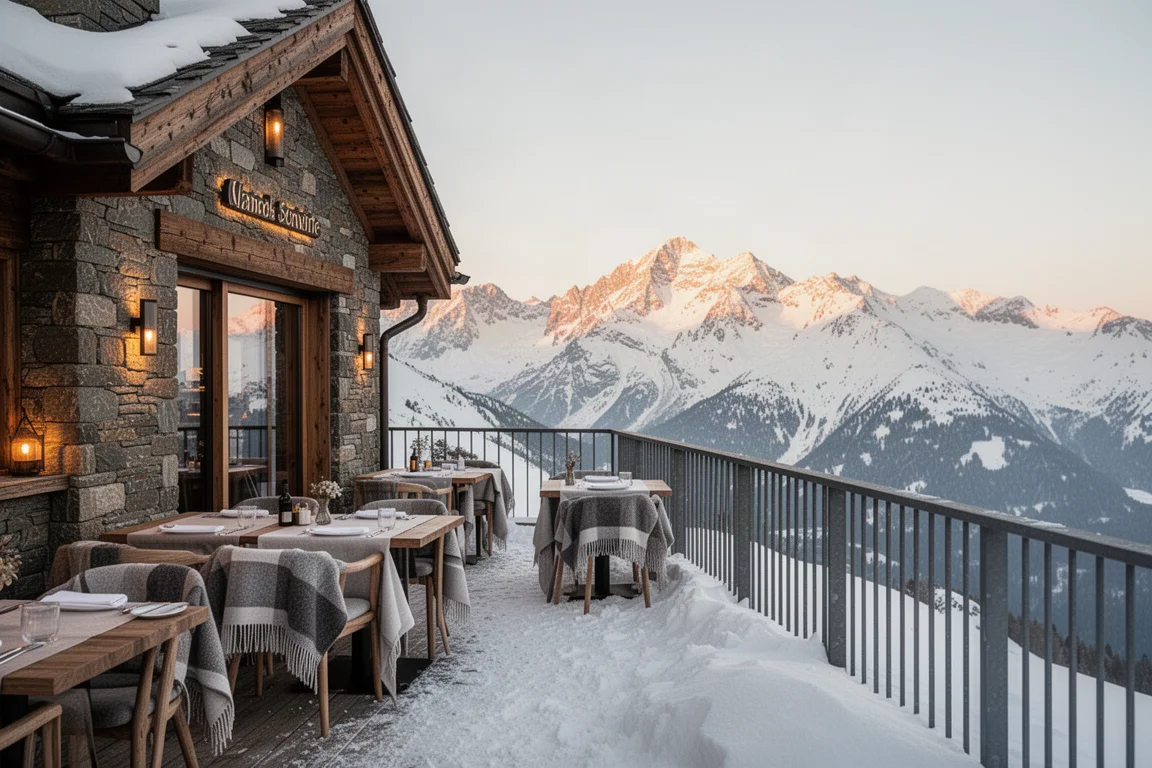
On-mountain dining ranges from classic independently run alpine huts to outdoor bar setups. Compared to the highest-end competitors, Paradiski is more affordable but slightly less gourmet. Notable stops include the bar near Arc Pet in Les Arcs with a live DJ and mulled wine, La Plagne’s glacier view terraces, and the memorable Igloo Bar at Les Arcs, a multi-room man-made ice cave with impressive wall carvings.
Access is easy by car and public transit. By train, the best gateway is Bourg-Saint-Maurice, which is well connected to Lyon, Chambéry, and Geneva via TGV and regional services; from Geneva the train takes around 4.5 hours with a transfer at Chambéry, and luggage areas are not always ski-friendly. Driving takes about 2 hours from Geneva, with well-maintained but winding mountain roads at higher elevations.
Lodging is plentiful. Les Arcs offers multiple hubs: Arc 1950 is upscale and family-friendly, Arc 1800 is lively with good slopeside access, and Arc 2000 is quiet and ski-focused. La Plagne’s mid-mountain villages offer true ski-in/ski-out but less nightlife. Peisey-Vallandry is the quietest and most family-oriented option. Budget travelers can try the base camp hostel in Bourg-Saint-Maurice with an integrated bar and restaurant, and La Plagne offers overnight parking lots for RVs and camper vans with easy lift access.
Pricing and Overall Value
Adult one-day lift tickets for the full skiable footprint top out well below anything comparable in the US, and undercut some major European resorts. Paradiski is not included on any major multi-resort passes, including Epic, Ikon, Indy, or Mountain Collective, but the affordable ticket prices make it a great option for skiers who miss megapass deadlines or want a European ski trip without breaking the bank.
Best For: La Plagne
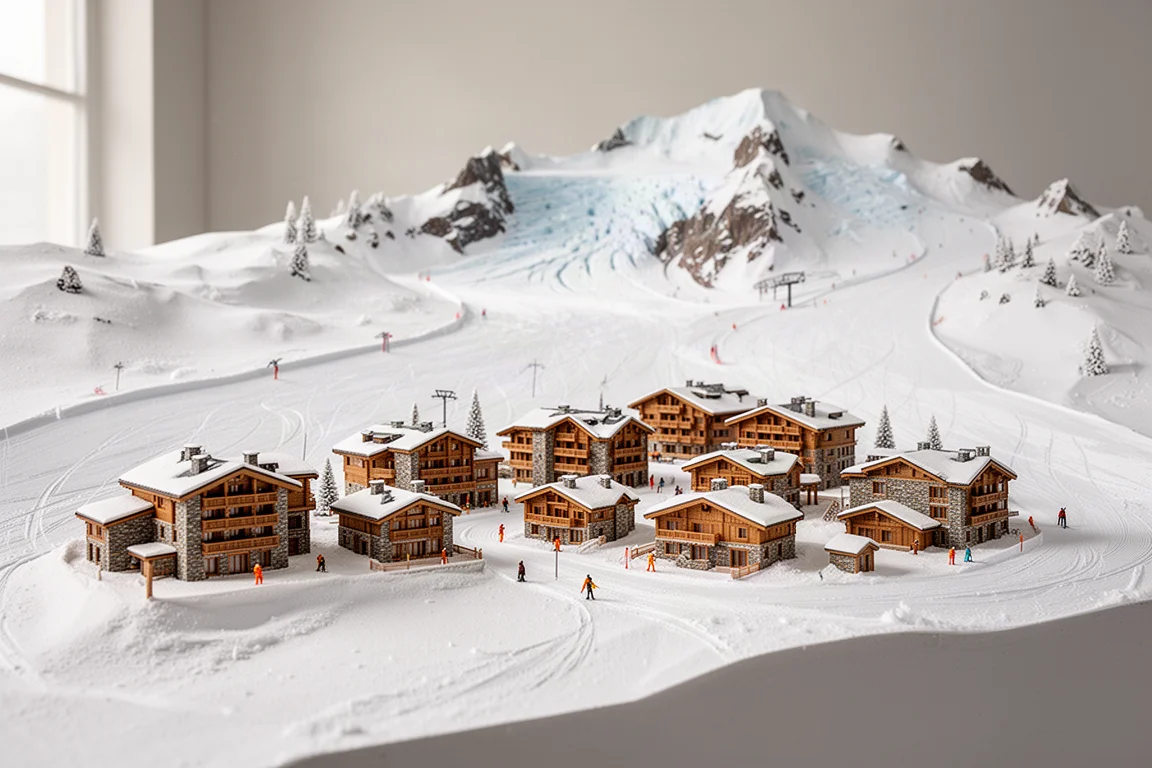
La Plagne covers 225 km of pistes across over 8,800 acres, with wide, mellow high alpine runs, strong snow reliability, and true ski-in/ski-out villages. It is the more intuitive and modern side of the domain, ideal for families and intermediates, though nightlife is limited and hard terrain is lacking.
Best For: Les Arcs
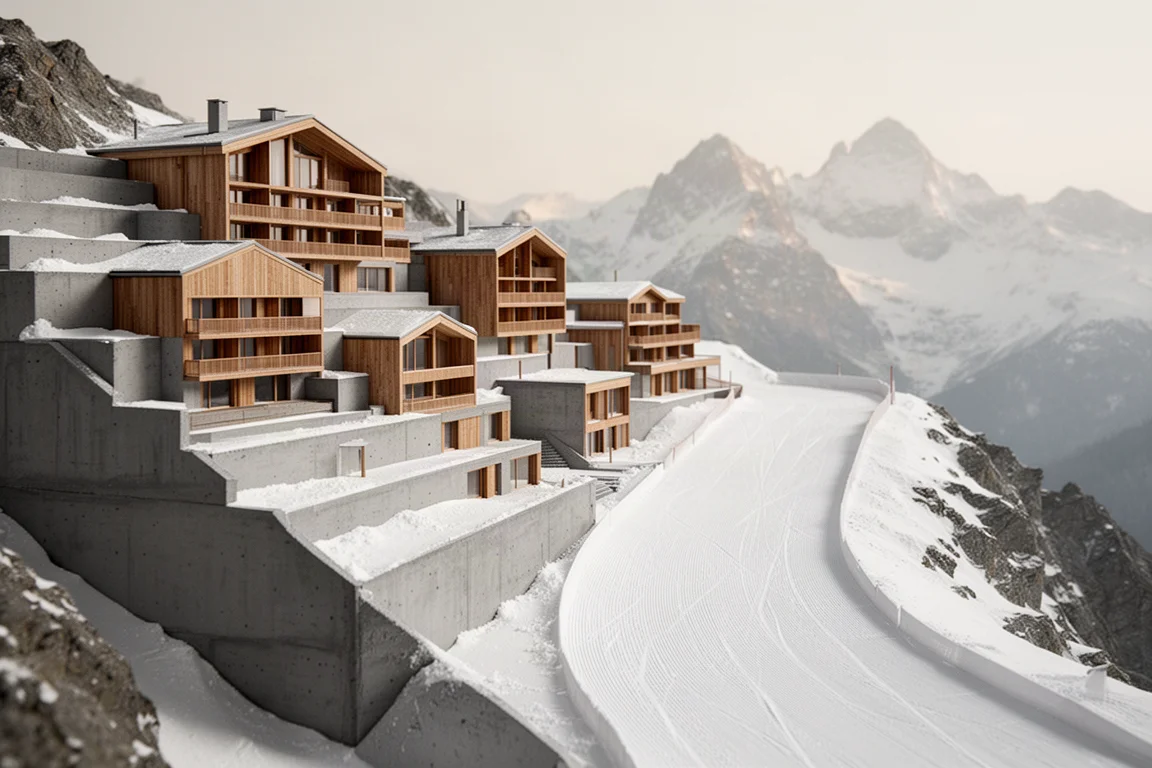
The Les Arcs side, including Peisey-Vallandry, delivers the domain’s best advanced skiing, with a 2,200 m vertical from Aiguille Rouge, fast red groomers, and lively après in Arc 1800. Arc 1950 is elegant and cohesive, and the funicular from Bourg-Saint-Maurice makes rail access genuinely convenient. Navigation across its spread-out villages is the main friction point.
Best For: Paradiski as a Whole
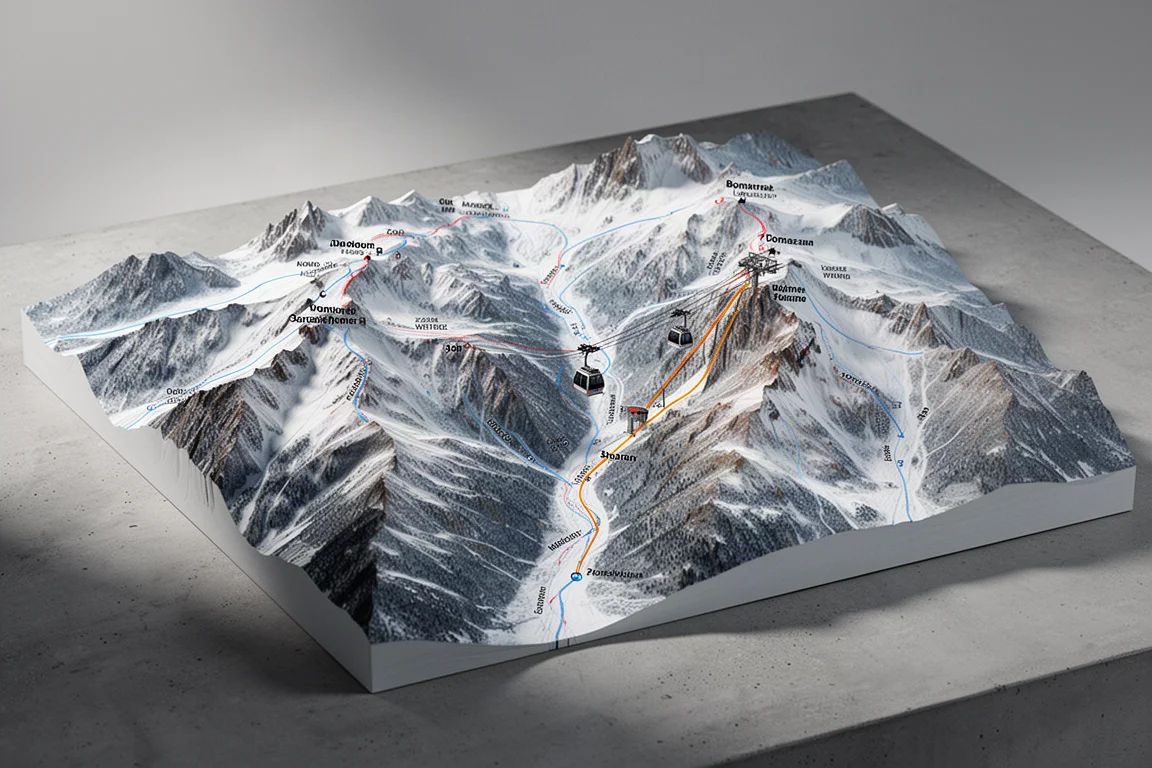
As a combined domain, Paradiski earns a score of 70 out of a possible 100 across ten categories, with both individual sides scoring 73. The domain scores 10 for sheer size, 9 for facilities and mountain aesthetic, and 7 for lifts and crowd flow, but just 2 for navigation as a whole. For most people, La Plagne and Les Arcs are better viewed as two separate resorts rather than one comprehensive footprint, perhaps with one or two novelty rides on the Vanoise Express.
Buying Advice
If you want family-friendly slopes, incredible views, and lift tickets that will not empty your wallet, both sides of Paradiski offer a fantastic experience. Other destinations do have more modern lift networks, better expert terrain, and more cohesive connections, but few match the sheer scale and variety here. For adventurous travelers, booking a guided ski trip or road-trip style tour of the Alps can take the logistics burden off, especially if you are combining multiple resorts in one January trip.
Conclusion
Paradiski is not perfect. The layout is not the most intuitive, and some areas still rely on aging infrastructure. But the domain delivers the size, variety, and scenery to earn its place among the heavy hitters of European skiing. Treat La Plagne and Les Arcs as two world-class resorts that happen to share a cable car, and you will get the most out of your trip.
Further reading
Related Reviews

Ski Resorts
Alyeska Resort Review: Alaska's Largest Ski Resort, Worth the Journey?
A deep look at Alyeska Resort: heavy snowfall, expert terrain, an Icon Pass connection, and the trade-offs of a near-sea-level mountain in the Last Frontier.

Ski Resorts
Bear Valley Ski Resort Review: Northern California's Quiet Sierra Alternative to Tahoe
A lesser-known Sierra resort with over 1,300 skiable acres, surprisingly strong expert terrain, and crowd levels Tahoe can only dream of. Here is what to know before you go.

Ski Resorts
Colorado Ski Resorts Ranked: The Best Destination Mountains for Overall Experience
A ranked guide to Colorado's destination ski resorts, covering terrain, snow, logistics, crowds, and cost so you can pick the right mountain for your trip.