Subwoofers
Paradigm XR13 Review: A Compact 13-Inch Subwoofer Built for Speed and Depth
The Paradigm XR13 combines a 13-inch driver, a 2,200 W Class D amplifier, and built-in Anthem ARC room correction in a small cabinet. Here is what to know before you buy.
Introduction
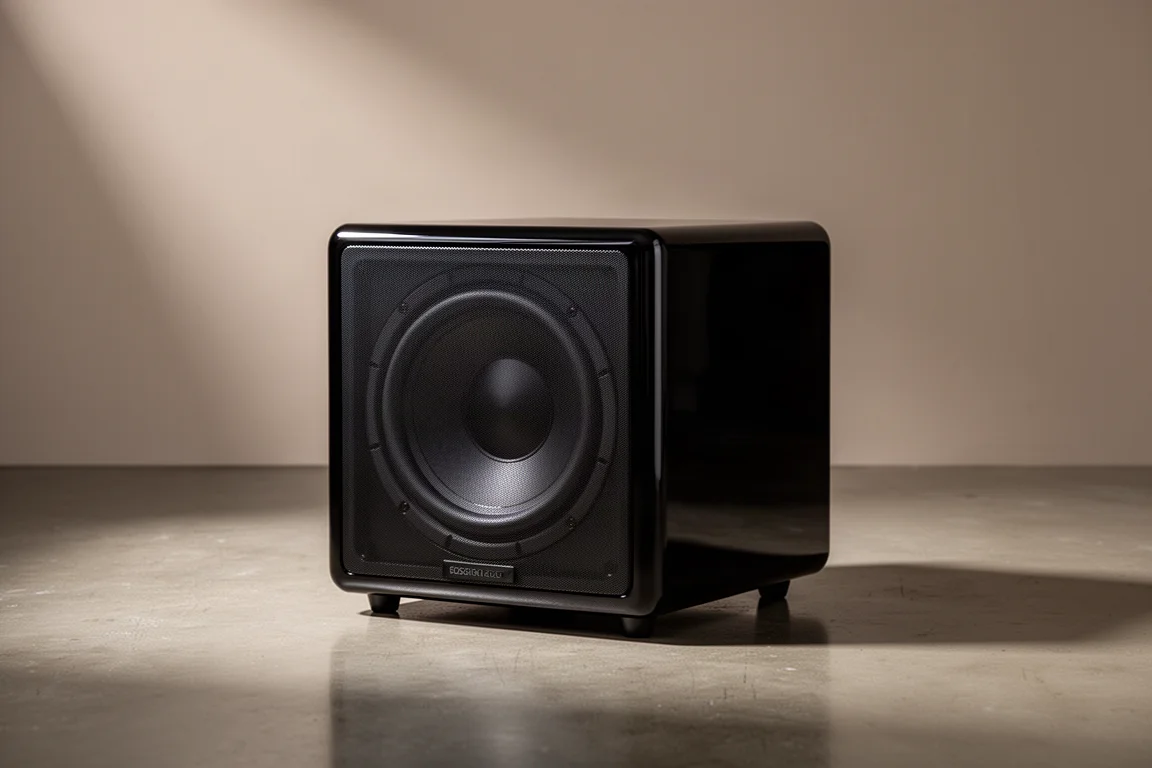
Compact subwoofers have become one of the more interesting corners of home audio, and the Paradigm XR13 shows why. It packs a 13-inch driver, a Class D amplifier rated at 2,200 W with peaks up to 4,400 W, and built-in Anthem ARC room correction into a cabinet that measures roughly 17 inches wide, 18.5 inches tall, and 19 inches deep.
That formula is aimed at listeners who want genuinely deep, articulate low end without surrendering a large slice of the room to the subwoofer. The XR13 is sold individually at around $5,000 each, and the design clearly prioritises control and speed over sheer cabinet volume.
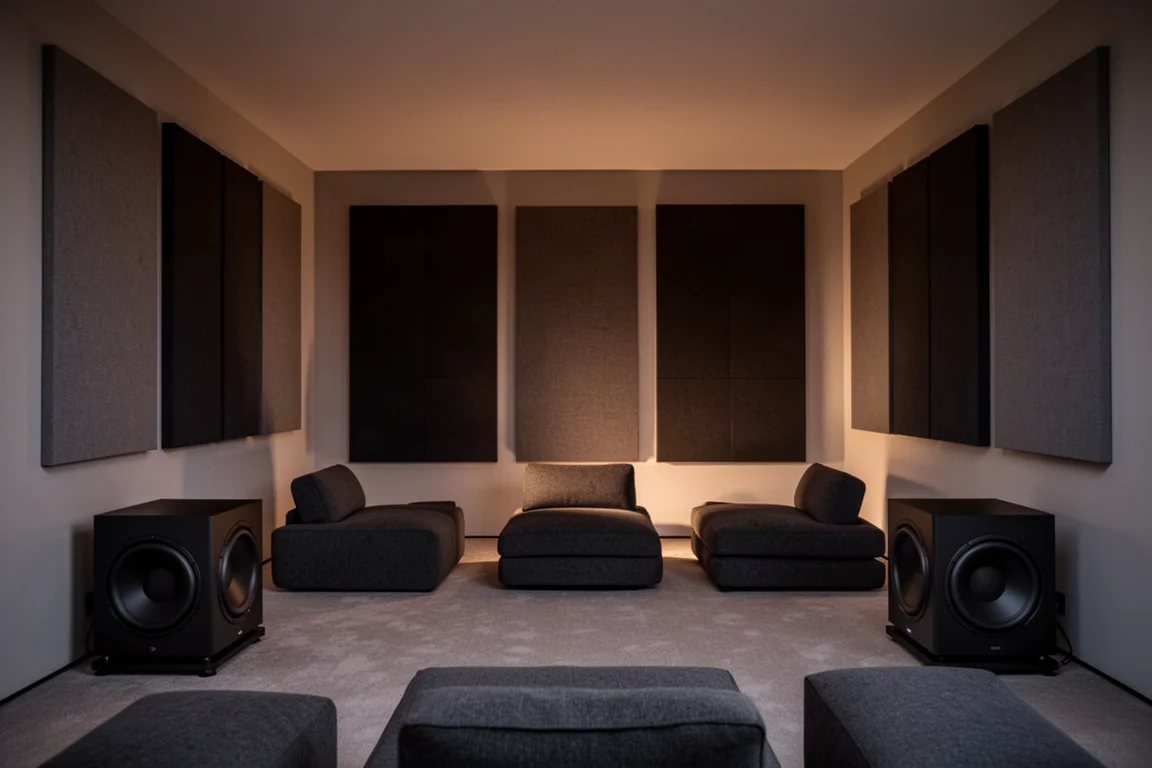
The appeal is straightforward: a small enclosure that can pressurise a room like something much larger, while staying clean when the signal gets dense. The trade-offs are equally clear, and they are worth understanding before committing to this price point.
Who this product is for
The XR13 suits two kinds of buyers. The first is the two-channel listener who wants bass that keeps time with the music, with enough texture and speed to follow plucked strings, kick drums, and upright bass without smearing them together. The second is the home theater owner working with a room that cannot accommodate a very large enclosure, but who still wants weight and impact from the low end.
It also suits anyone willing to spend a little time on setup. Room correction is built into the product rather than sold separately, and the results depend heavily on how carefully the measurements are taken and how the subwoofer is placed.
If your main goal is the highest possible output for the money, this is not the obvious answer. If your goal is the best balance of sound quality, footprint, and built-in correction, the XR13 becomes far more compelling.
Main strengths
The 13-inch driver uses a double stacked motor structure that is nearly as deep as the cabinet itself, which points to the excursion the design needs to reach low frequencies from a small box. Paradigm rates the frequency response at 17 Hz to 140 Hz, and in-room measurements reached down to roughly 10 Hz, which is remarkable for a subwoofer of this size.
In practice, the character of the bass is what stands out. Rapid, percussive material comes through with a hard, tactile snap rather than a soft boom, and the driver shows no hint of slop or overhang. Explosive low-frequency passages pressurise the room with a sense of weight that feels closer to a much larger subwoofer, yet the low end stays clean throughout. Even under punishing content, the driver never sounded like it was about to give out, which suggests the onboard processing is doing real protective work.
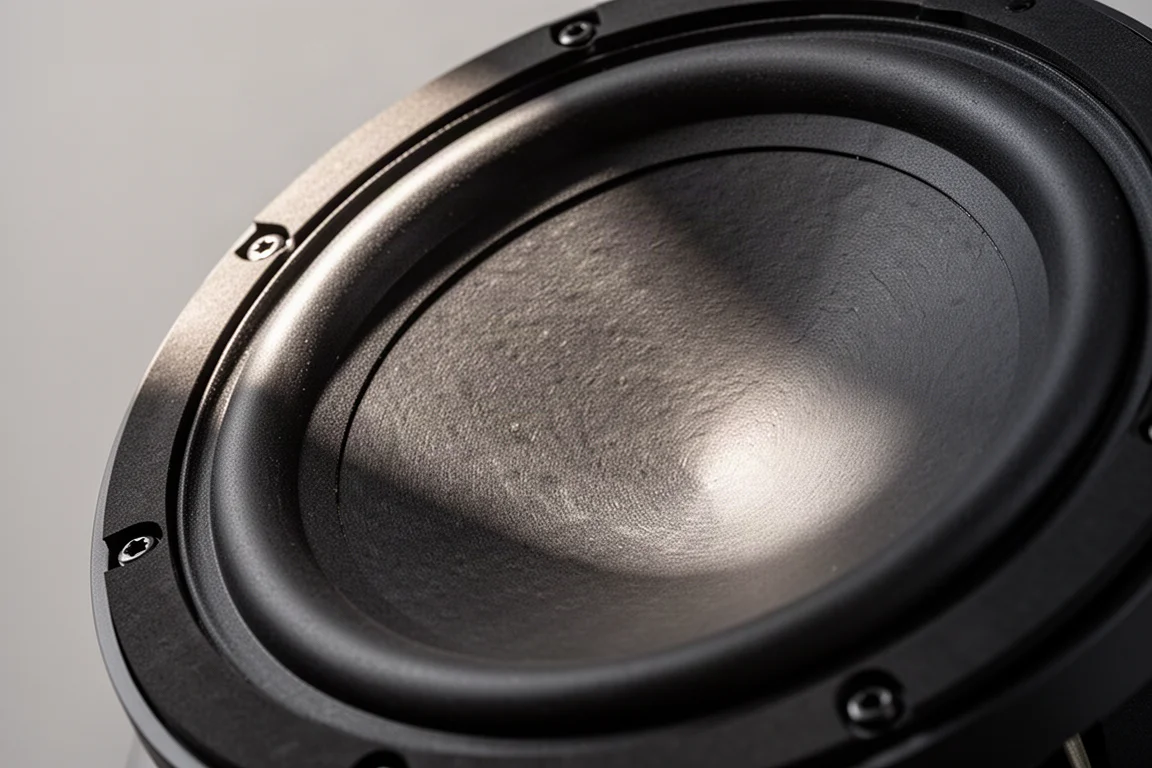
The cabinet is built around a 2-inch thick MDF front baffle for rigidity, with a brushed aluminium faceplate and a gloss black finish. The enclosure tapers toward the rear rather than staying a plain rectangle, and a magnetic grille is included for anyone who prefers to cover the driver.
Room correction and app
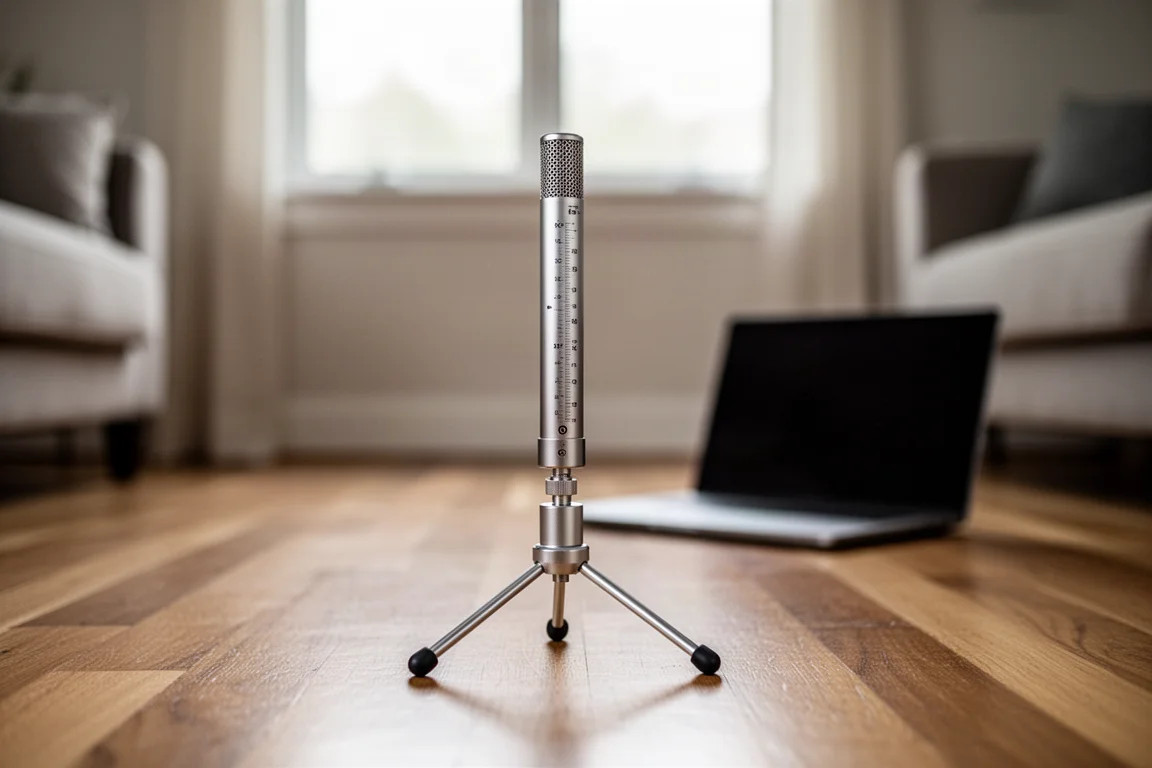
Anthem ARC room correction is part of the package, and the supplied kit is unusually complete: a calibrated aluminium microphone that accepts USB-C, the cables needed to connect the subwoofer to a computer, a tripod mount for the microphone, and a set of four spiked feet.
The software runs on Mac or PC, with mobile versions for iOS and Android, and it supports anywhere from five to ten measurement positions. After measuring, you can review individual and combined results, look at the target curve, and inspect the applied equalisation. The adjust targets panel goes well beyond the basics, covering room gain, deep bass boost, tilt level, high frequency extension from 120 Hz to 300 Hz, frequency extension slope, low frequency extension, and a minimum correction frequency from 15 Hz to 135 Hz. Uploading the finished correction to the subwoofer takes only a couple of seconds.
Day-to-day control is handled by the mobile app, which offers movie, music, and night presets. Volume runs from 0 to 100 percent, and a built-in sweep can be paused at any frequency between 20 Hz and 120 Hz, which is a practical way to hunt down room rattles or check a crossover point. Deeper settings include low pass bypass plus third and fourth order options, phase inversion adjustable from 0 to 180 degrees, deep bass level from -10 dB to +10 dB, ARC on and off, renaming, and a full reset. A capacitive touch panel on the rear of the cabinet handles volume directly.
Connections and amplification
The rear panel covers most system architectures: speaker level inputs, an XLR balanced input, a dedicated unbalanced LFE input, and left and right unbalanced RCA inputs, along with a power switch with auto mode and a trigger input.
Things to consider before buying
Price is the first consideration. At around $5,000 each, a stereo pair costs substantially more, and there are larger subwoofers with bigger drivers available for similar money. What you are paying for here is refinement, integration, and a small footprint rather than maximum output per dollar.
The second consideration is the deepest octave. The XR13 digs low and hits hard, but it does not reach single digits, and in the most extreme infrasonic passages a very large subwoofer will still move more air and shake the room in a way this cabinet cannot match. That limitation sits at the very edge of the content spectrum, and most listeners will rarely encounter it.
Room behaviour matters as much as the hardware. A single XR13 placed in one corner produced a large peak around 20 Hz with a dip near 60 Hz, and adding a second subwoofer in the opposite rear corner filled that dip while keeping the deep extension and the strong output around 20 Hz. Results will vary considerably from room to room, so plan for measurement rather than assuming a plug-and-play outcome.
One more point worth setting expectations around: measurement data in the lowest frequencies is not always perfectly accurate, and correction smoothed the response rather than transforming it. The sound quality improved, but the process rewards patience and careful microphone placement.
Buying advice
Buy the XR13 if you want a subwoofer that stays composed under pressure and fits into a room without dominating it. Its strengths are speed, articulation, and the sense of weight it brings to dense action sequences, plus the convenience of correction and app control built in.
Start with the music preset if you want the most balanced response, and treat the movie and night presets as tools for specific situations rather than default settings. If you have the space and budget for two units, the benefit is clear: a pair evened out the response in the measurements and added headroom without any loss of composure.

If your priority is the loudest possible output for the money, or if your room is very large, a bigger cabinet with larger drivers may serve you better. If your priority is quality, control, and a discreet presence in the room, the XR13 is one of the more convincing small subwoofers available.
Conclusion
The Paradigm XR13 is a compact subwoofer that behaves like a much larger one across most of the frequency range. It delivers deep extension, fast transients, and a tactile low end, backed by Anthem ARC correction, a well-equipped accessory kit, and a genuinely useful app.
The compromises are honest ones: a premium price, no true single-digit output, and results that depend on the room and on how carefully you set it up. Buyers who value sound quality over raw output, and who want that quality in a small enclosure, will find the XR13 easy to justify.
Product link
View more details for Paradigm XR13
This product is mentioned in the review. Check the specifications, options, and compatibility before buying.
View more details for Paradigm XR13Further reading
Related Reviews
Subwoofers
Arendal 1961 Subwoofer 1S Review: Beautiful Build, Modest Punch at $1,000
A sealed $1,000 subwoofer with a gorgeous cabinet, plus three lower-priced alternatives that deliver more impact for movie nights.
Subwoofers
Arendal Sound 1723 2V Subwoofer Review: Dual 13.8-Inch Drivers Under $3,000
A flagship ported subwoofer with dual opposing 13.8-inch drivers, a 1,200W RMS amplifier, app-based DSP, and a 10-year warranty.
Subwoofers
Ascendo 16 Sub Active Sealed Review: Sealed Bass Built on Real Engineering
A close look at the Ascendo 16 Sub Active Sealed, a 16-inch sealed home theater subwoofer with independently verified measurements, a purpose-built driver, and genuinely controlled output.