Home Audio
Paradigm Founder Series Speakers: A Complete Guide to All Six Models
A practical look at the six Paradigm Founder speakers, from the compact 40B stand-mount to the flagship 120H tower, and how to match one to your room.
Introduction
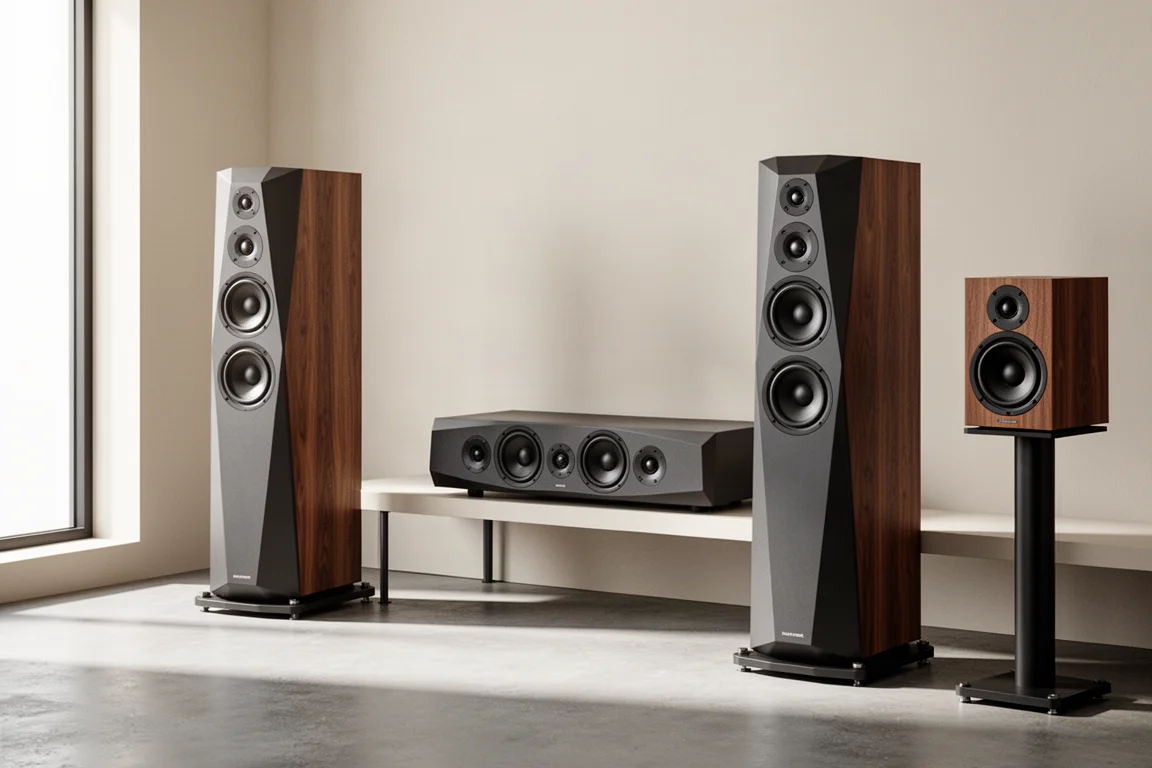
The Paradigm Founder series covers six models, from a compact stand-mount bookshelf speaker to a flagship tower with an actively powered bass section. What ties them together is a shared design philosophy built around precision, control, and dynamics, along with a common tweeter platform and consistent voicing across every model.
That consistency is the part that matters most in practice. When sound pans across the front of a room during a film, or when you upgrade one part of a system a year later, speakers that share the same tonal character integrate far more easily than a collection of unrelated models.
This guide walks through what every Founder speaker has in common, then looks at each of the six models in turn so you can judge which one fits your room, your amplifier, and the way you listen.
What Every Paradigm Founder Speaker Shares
The most obvious shared trait is the cabinet. Founder speakers use a faceted shape rather than a traditional rectangular box, and the reason is structural as much as visual. Moving away from flat parallel surfaces increases cabinet rigidity and reduces internal resonances, which helps deliver cleaner bass, better imaging, and more clarity as volume levels rise.
Inside, extensive bracing, including the Cascade Fusion bracing system on most models, makes the enclosure feel dense and inert rather than hollow. Floorstanding models add advanced shock-mount feet that decouple the speaker from the floor, which matters on hardwood or tile where bass energy can otherwise blur impact and definition. Those feet are adjustable from the top and include hardware for both carpet and hardwood floors, so setup is simpler than on many competing designs.
The tweeter platform is identical across the lineup: a 1-inch aluminum magnesium ceramic-coated dome paired with Paradigm’s Oblate spherical waveguide. The waveguide controls dispersion so sound stays balanced across a wider seating area instead of only in one exact spot, and the PPA lens above the dome helps phase alignment and smooths the frequency response. The result is a treble presentation that feels open and airy without turning sharp or fatiguing.
Midrange and bass duties are handled by aluminum magnesium drivers and Carbon X woofers, depending on the model. Carbon X cones are built for high stiffness and high excursion without excess weight, which lets the speakers move air cleanly and stay controlled at higher volumes. Drivers are also isolated from the cabinet with a shock-mount system, a mechanical decoupling that prevents vibration from feeding back into the enclosure and into the drivers themselves. Cleaner midrange clarity and tighter bass are the practical payoff.
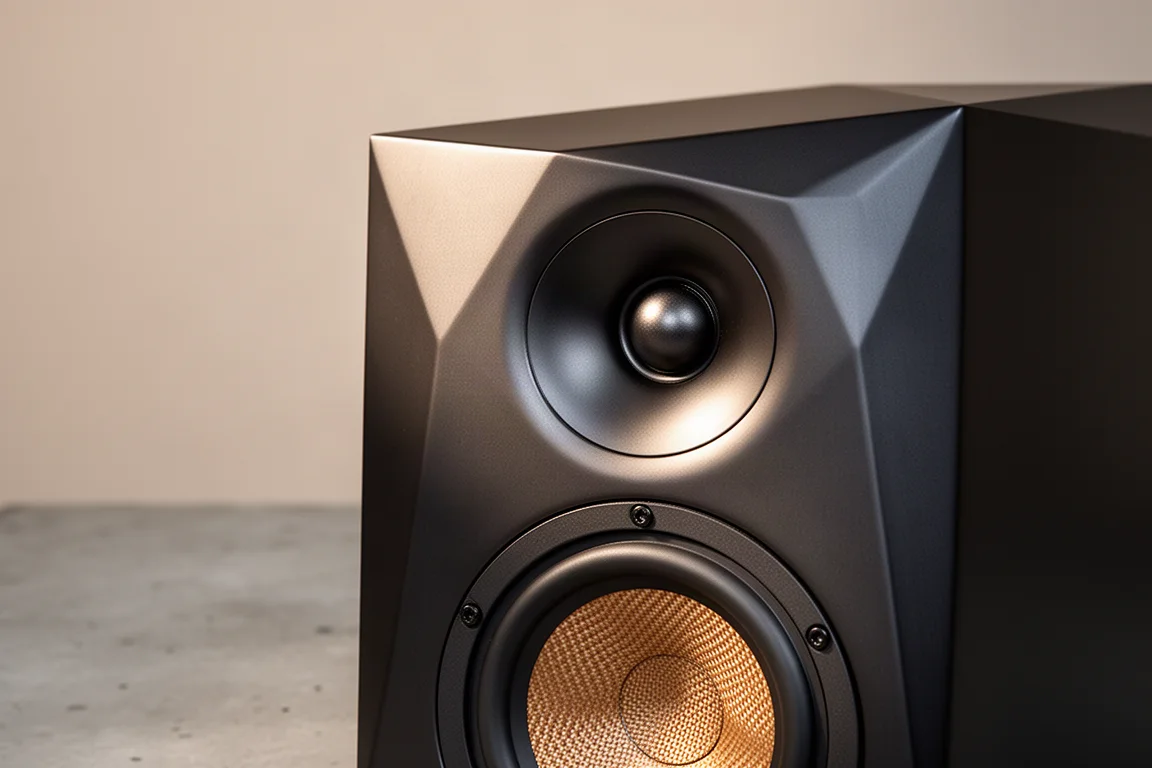
Finish options include piano black, walnut, black walnut, and midnight cherry, along with the bolder Founder 41 finishes in ruby frostbite, frozen charcoal, and azure ice.
Every Founder speaker is designed, engineered, and built in Canada at Paradigm’s facility outside Toronto, including driver manufacturing and cabinet construction. That level of vertical integration gives Paradigm tighter control over quality and more consistency than brands that rely heavily on outsourced components.
Paradigm Founder 40B
The 40B is the most compact model in the series, but it carries the same design DNA as the towers. It is a two-way stand-mount design with a rear port, the shared tweeter platform, and a 6-inch aluminum magnesium mid-bass driver. Sensitivity is rated at 89 dB, which makes it easy to drive with a wide range of amplifiers.
Bass extension is honest rather than exaggerated. That makes placement important, and pairing the 40B with a subwoofer is a smart move in most rooms. Where it really shines is imaging and clarity. It disappears beautifully, throws a wide soundstage, and delivers detail without sounding aggressive.
That combination makes it a strong choice for smaller rooms, nearfield listening, or as part of a Founder-based system that leans on subwoofers for low-end impact. It also works extremely well as a surround speaker in a full Founder home theater, thanks to its matching tweeter and voicing.
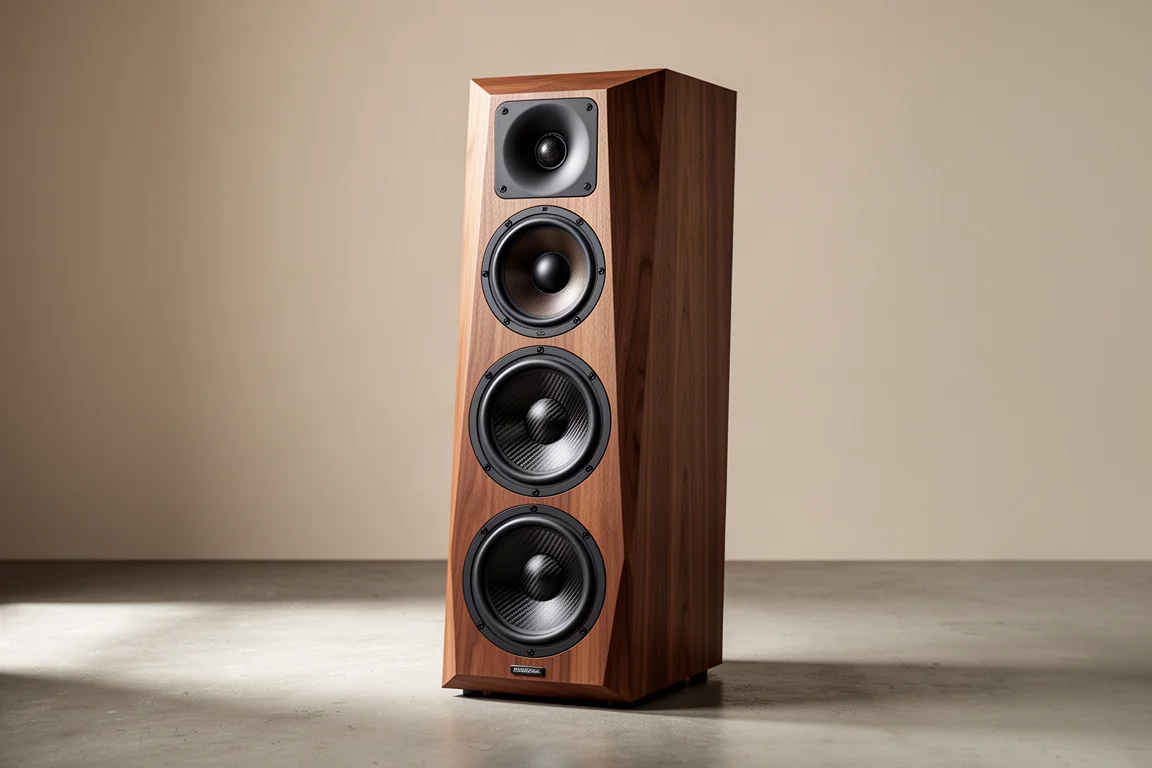
Paradigm Founder 80F
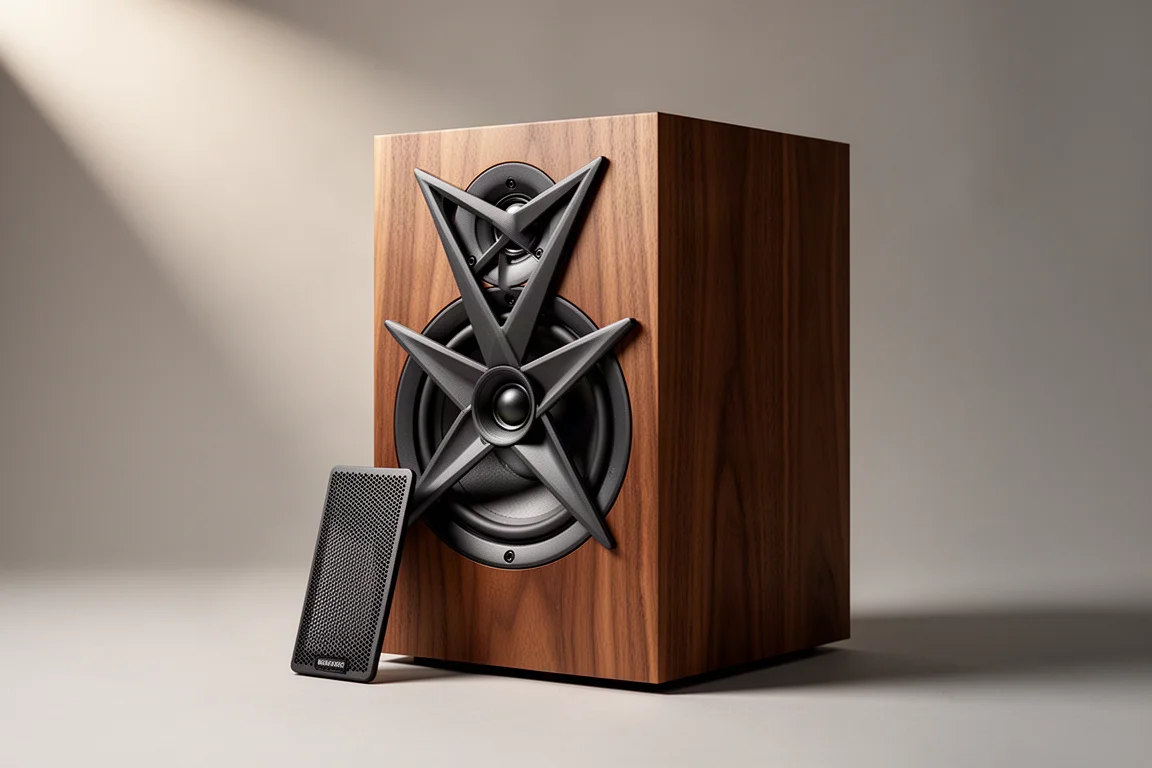
The 80F is a 2.5-way floorstanding speaker that hits a sweet spot for many listeners. It uses the same tweeter, a 6-inch aluminum magnesium mid-bass driver, and dual 6-inch Carbon X woofers in a ported enclosure. At 90 dB sensitivity it is slightly easier to drive than the 40B and pairs well with a wide range of amplifiers.
The presentation is lively and open, with strong dynamics and a surprisingly large soundstage for its size. The waveguide and tweeter combination creates a sense of air and width that makes music feel spacious without losing focus. Bass is tight and punchy, with enough weight to enjoy music on its own, though it does not try to replace a dedicated subwoofer.
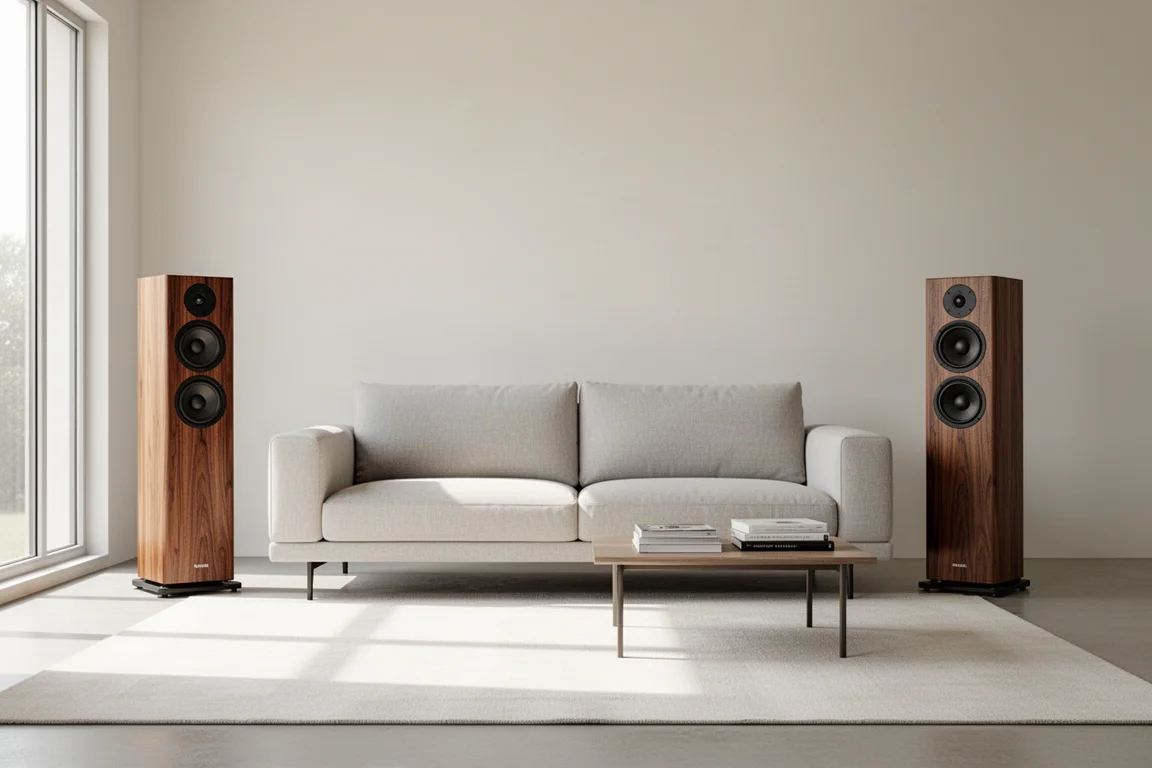
This is a great option for someone stepping into a serious floorstanding speaker for the first time, or for a two-channel system where you want energy, clarity, and scale without moving up to the larger models.
Paradigm Founder 100F
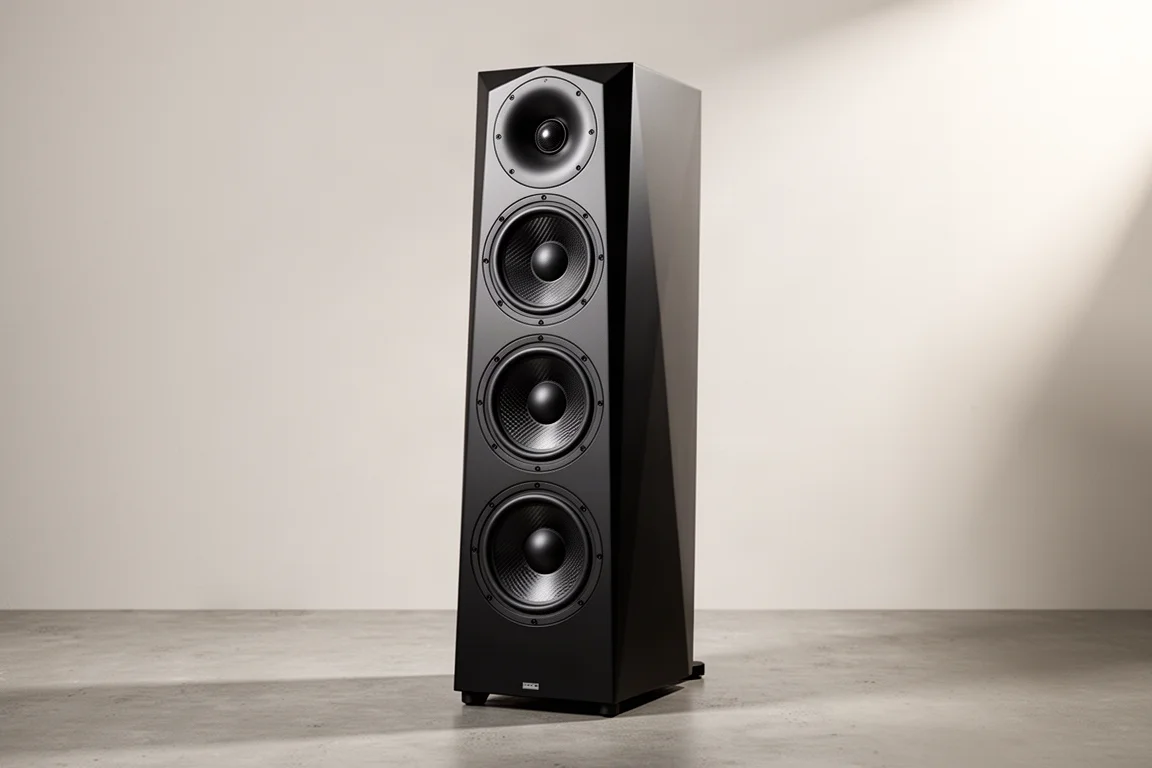
The 100F is where the lineup starts to feel genuinely full range. It is a three-way design with a dedicated 6-inch aluminum magnesium midrange driver and three 7-inch Carbon X woofers. Sensitivity is rated at 91 dB, so it is easy to drive, though it benefits from a high-current amplifier.
That dedicated midrange driver makes a noticeable difference. Vocals feel more present and textured, complex mixes stay composed, and the soundstage gains depth and separation. Bass digs deeper and carries more authority than the 80F, which makes the 100F a good fit for larger rooms or listeners who enjoy realistic volume levels.
If you want a single pair of speakers to anchor both serious music listening and a high-performance home theater front stage, the 100F is one of the most balanced options in the series.
Paradigm Founder 120H
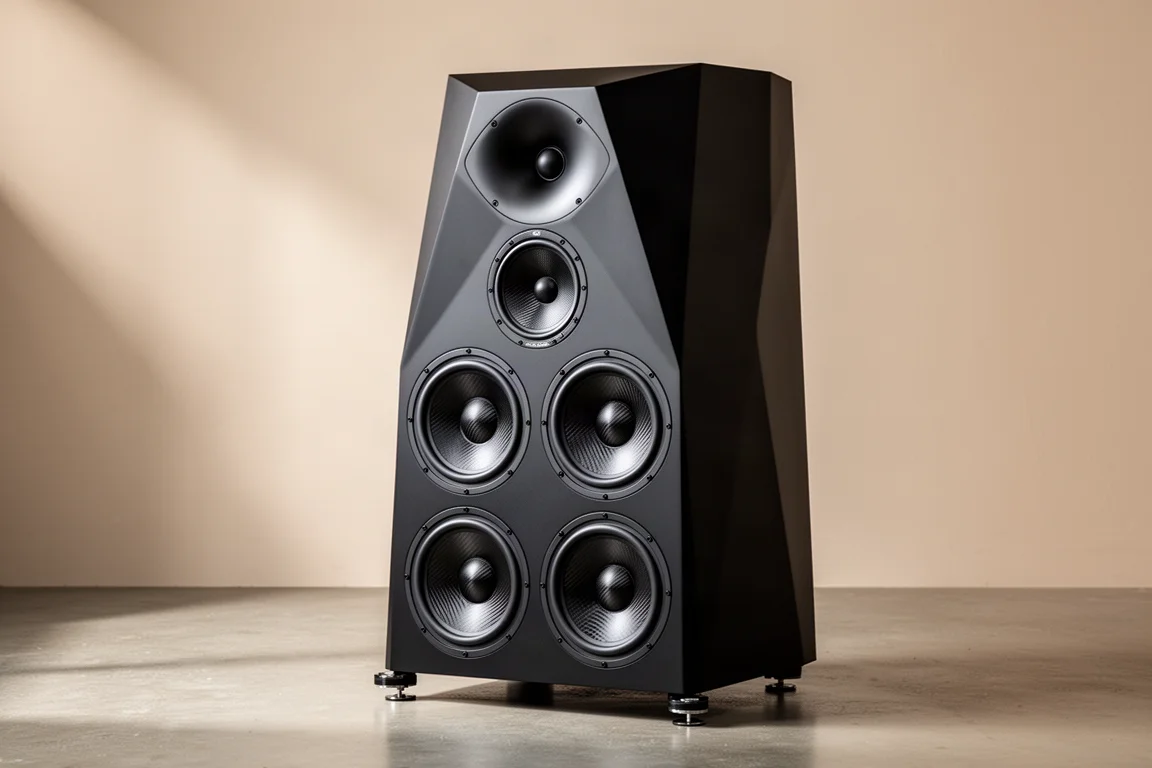
The 120H is the flagship and the most unusual design in the lineup. It is a hybrid, which means the midrange and treble are powered by your choice of amplifier while the bass section is actively powered inside the speaker. Up top you get the shared tweeter and a dedicated 6-inch aluminum magnesium midrange driver. Low frequencies are handled by three 8-inch Carbon X woofers driven by a built-in 1000-watt amplifier with plenty of headroom for demanding music and film soundtracks.
What really sets the 120H apart is bass control through ARC Genesis room correction, the same platform used in Anthem’s high-end processors and widely regarded as one of the most effective room correction systems available, particularly in the low frequencies where rooms cause the biggest problems. Inside the 120H, ARC Genesis is applied only to the bass section. It measures how the speaker interacts with your room, identifies peaks and dips caused by room boundaries, and corrects them in a way that still sounds natural. Because the midrange and treble are untouched, the character of your amplifier and source components remains intact.
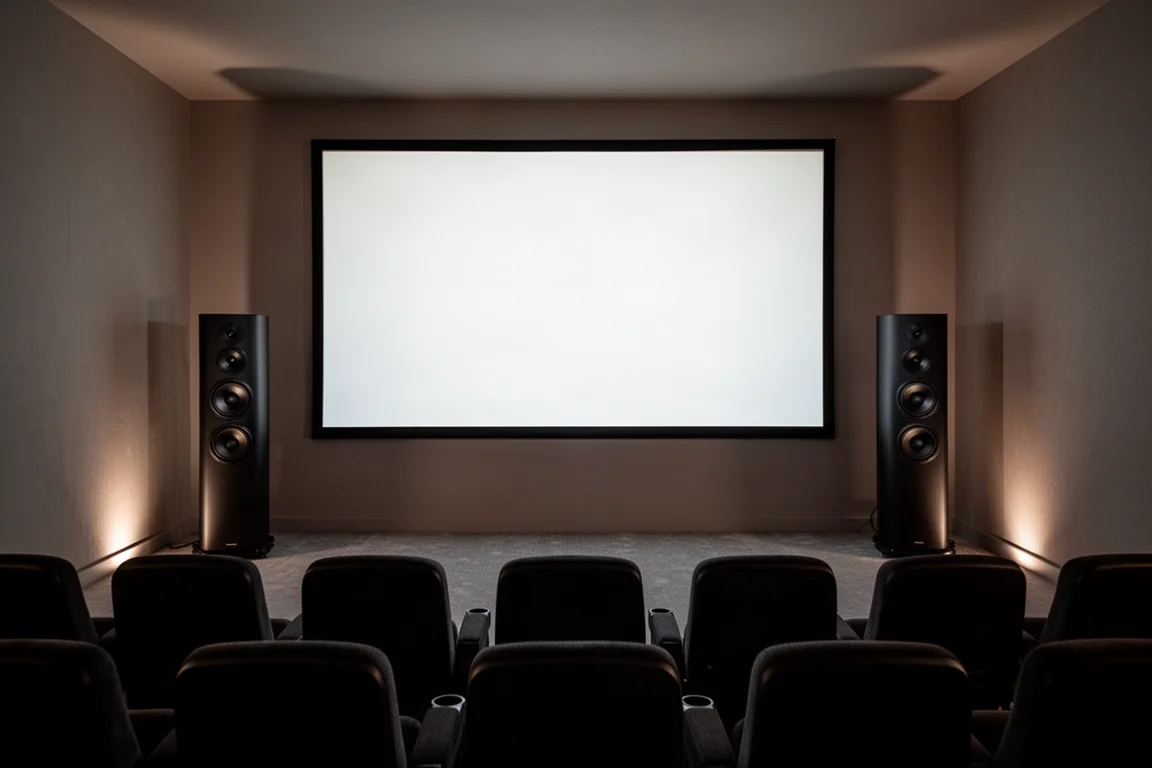
The result is bass that goes deep, hits hard, and stays controlled, without the trial and error that usually comes with integrating subwoofers. Imaging tightens up, midrange clarity improves, and the whole presentation feels more cohesive once the correction has been run.
The 120H suits larger rooms, open layouts, and listeners who want true full-range performance without adding separate subwoofers. It is also a good choice for anyone who enjoys shaping a system through amplification, since most of the difficult work of bass integration is handled internally.
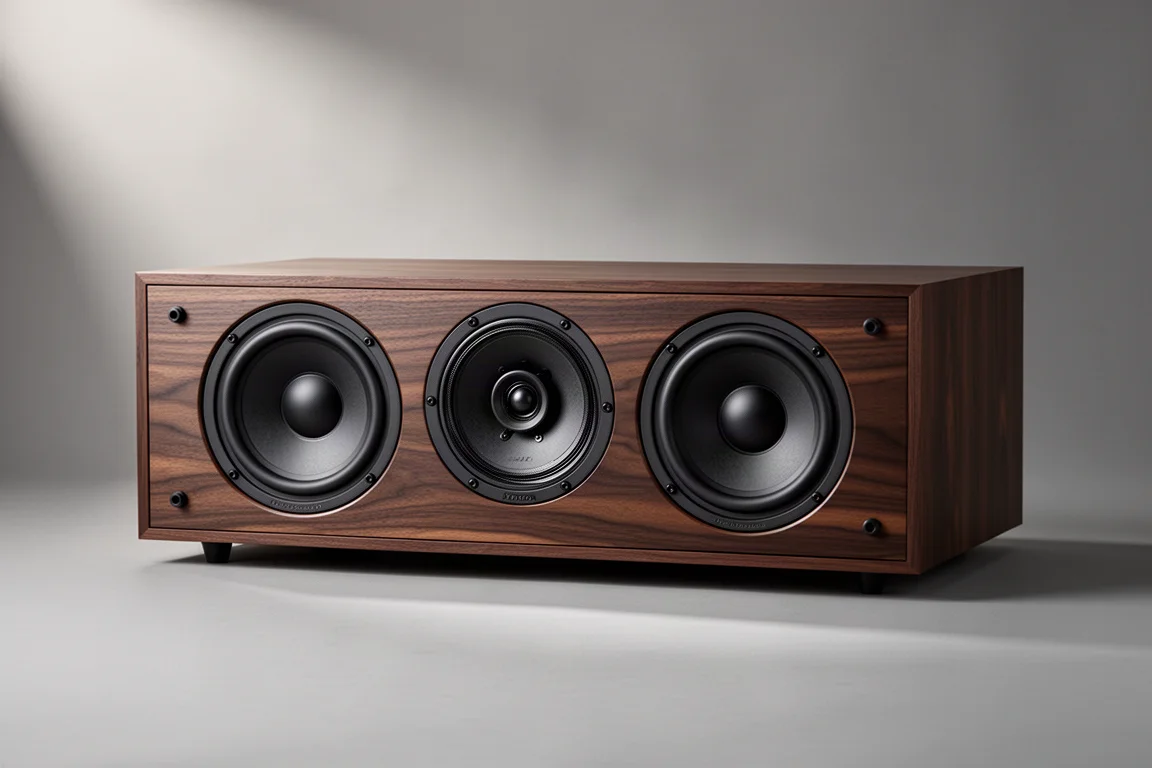
Paradigm Founder 90C
For home theater, the 90C is a serious center channel built to match the scale and clarity of the larger Founder towers. The center channel carries most of the dialogue and on-screen action, so if it cannot keep up with the left and right speakers, the entire front soundstage suffers.
The 90C is a sealed three-way design with a coaxial midrange and tweeter, two Carbon X woofers, and dual passive radiators. The coaxial layout keeps dialogue consistent across a wide seating area and lets sound move smoothly across the front of the room. Because the cabinet is sealed, it also works well when placed in a cabinet or on furniture without interacting with nearby surfaces.
Dialogue sounds clean, focused, and locked to the screen, even at high volumes.
Paradigm Founder 70 LCR
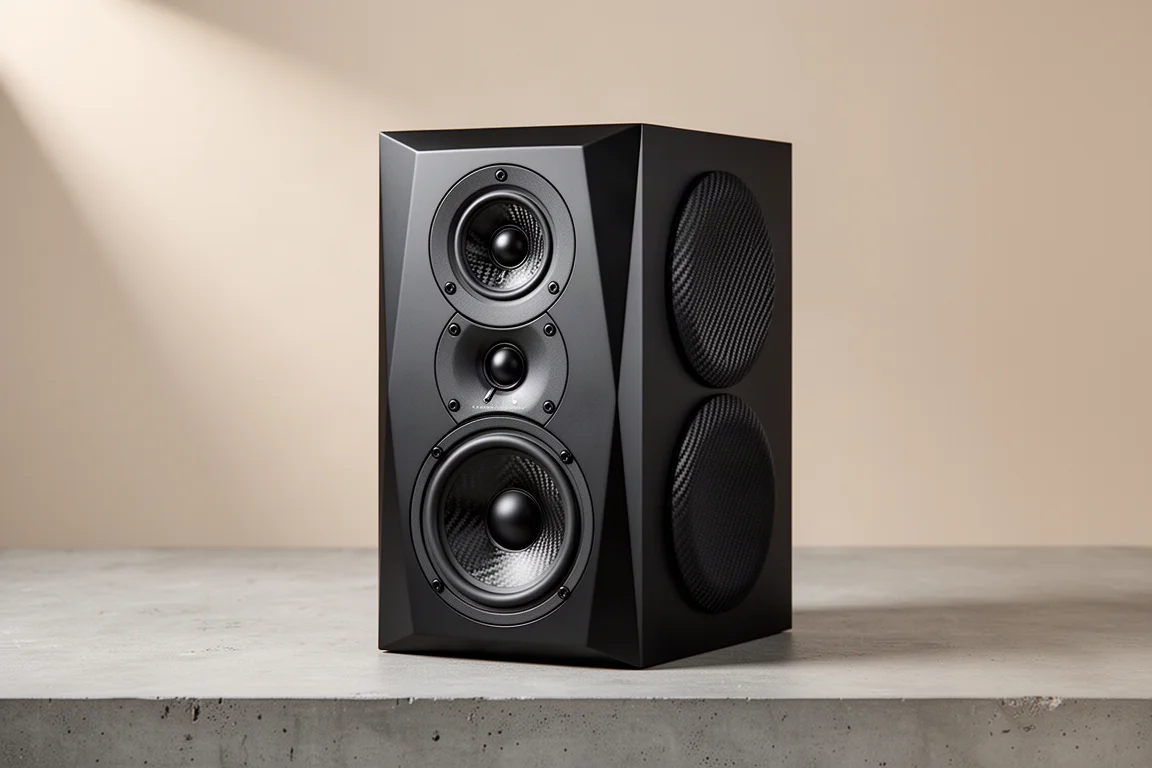
The 70 LCR is one of the most flexible speakers in the lineup. It is a sealed three-way LCR design that can be used vertically or horizontally without changing its tonal balance. At its core is a coaxial midrange and tweeter paired with dual Carbon X woofers, a layout that keeps voices and effects anchored to the screen and consistent across every seat.
Used as three identical speakers across the front of a system, the result is seamless pans, close tonal matching, and a front stage that feels unified and effortless. The 70 LCR is designed to be crossed with subwoofers and focuses on clarity, dynamics, and consistency rather than forcing deep bass. With good amplification it sounds bigger than its size suggests and scales well into dedicated home theater systems.
How to Choose the Right Founder Speaker for Your Room
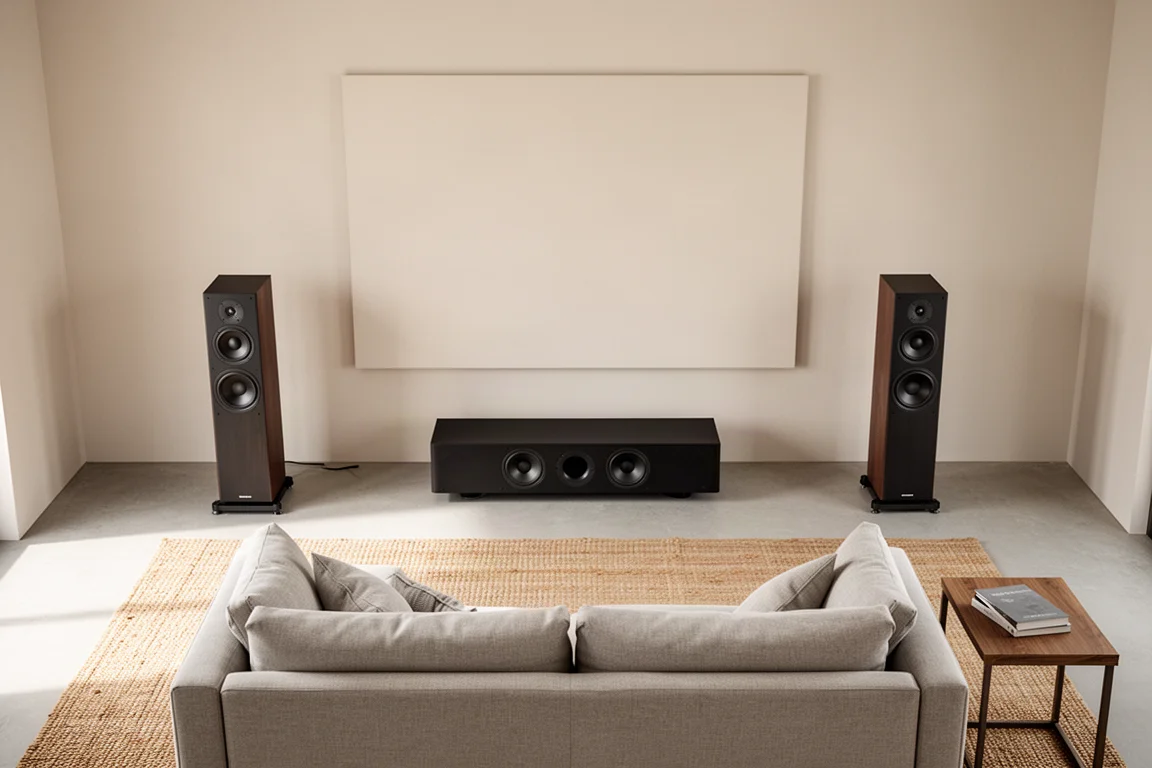
Start with the room and the role the speakers will play. A compact space or a desk-adjacent setup points toward the 40B, particularly if a subwoofer is part of the plan. A first serious two-channel system usually lands on the 80F. Larger rooms, higher listening levels, and systems that need to serve both music and film are where the 100F and 120H make the most sense, with the 120H adding internally powered bass and room correction for listeners who want full-range output without separate subwoofers.
For surround systems, the center channel decision matters as much as the left and right pair. The 90C is built to match the scale of the larger towers, while the 70 LCR offers flexibility in placement and can be run as three identical front speakers for the most seamless front stage.
Subwoofers are a natural addition to most Founder systems. Paradigm’s Defiance and XR series are the obvious match, with sealed models pairing especially well in mixed music and theater rooms and ported models providing more output and headroom for larger spaces. For dedicated theaters, or rooms where clean aesthetics and architectural constraints matter, Paradigm’s CI Pro and CI Elite in-wall and in-ceiling speakers are a practical option. They are commonly used behind acoustically transparent screens for surround and Atmos channels, or for whole-home audio, and because they are voiced with the same attention to balance and clarity, they integrate well alongside Founder speakers.
Conclusion
The Founder series works as a family rather than a collection of unrelated models. Shared tweeter hardware, consistent voicing, and the same design priorities mean you can start with a pair of 40B or 80F speakers, add a center channel later, and still end up with a system that sounds coherent.
The practical choice comes down to room size, how much low-frequency output you want the speakers themselves to deliver, and whether your system is built around music, film, or both. Match the model to the room and the rest of the lineup will do the hard part for you.
Further reading
Related Reviews
Home Audio
Aperion Novus Tower and Center Review: Punchy Home Theater Sound With Real Refinement
A close look at the Aperion Novus tower and center speakers, from their layered paint finish and punchy bass to the 4-ohm load and what the price actually buys.
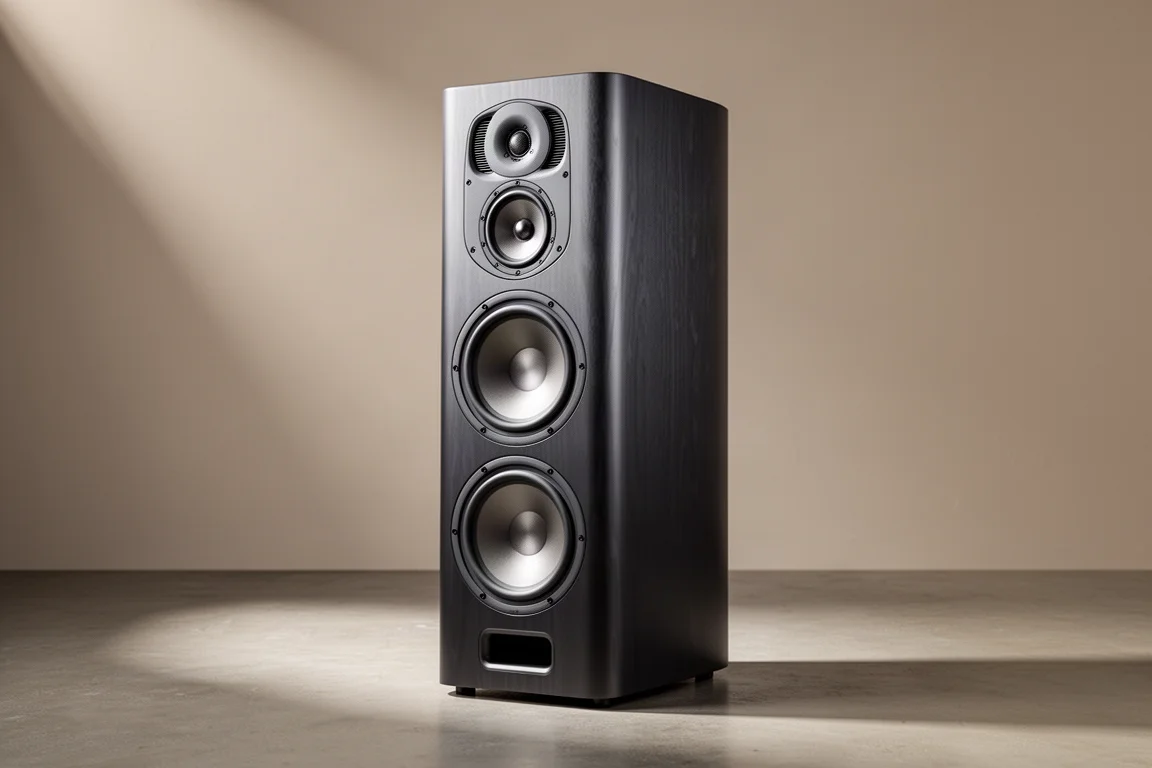
Home Audio
Arendal 1610 Tower Review: Flagship Dynamics in a Room-Friendly Tower
A compact floorstanding tower with three 8-inch aluminium woofers, a 5-inch carbon midrange, and the kind of bass heft usually reserved for much larger speakers.
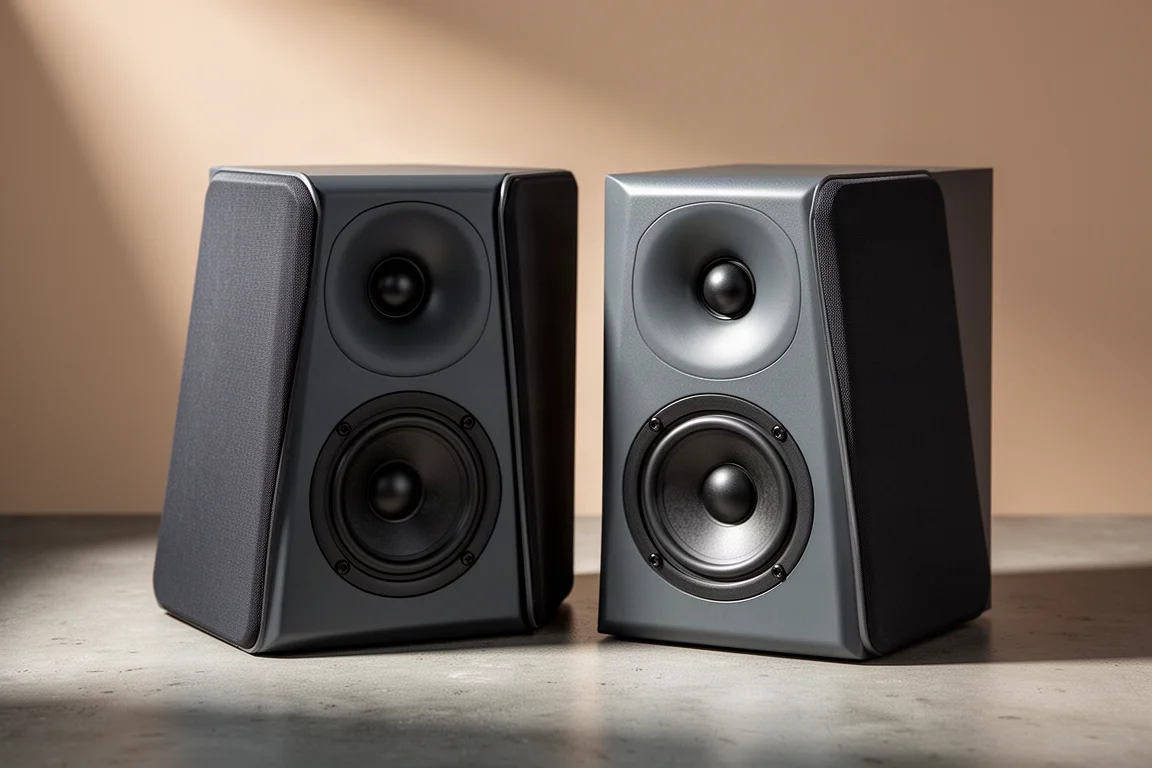
Home Audio
Arendal 1723 S THX Review: A Reference Speaker Built Like a Tank
A practical look at the Arendal 1723 S THX, a sealed, THX-certified speaker with exceptional build quality, a very flat top end, and a midrange that responds beautifully to EQ.