Home Theater Speakers
Paradigm Founder Series 70 LCR Review: A True LCR Compared With Magnat and Bowers & Wilkins
A close look at the Paradigm Founder Series 70 LCR and how it stacks up against the Magnat Cinema Ultra LCR 100 and Bowers & Wilkins CT7.3 for home theater.
Introduction
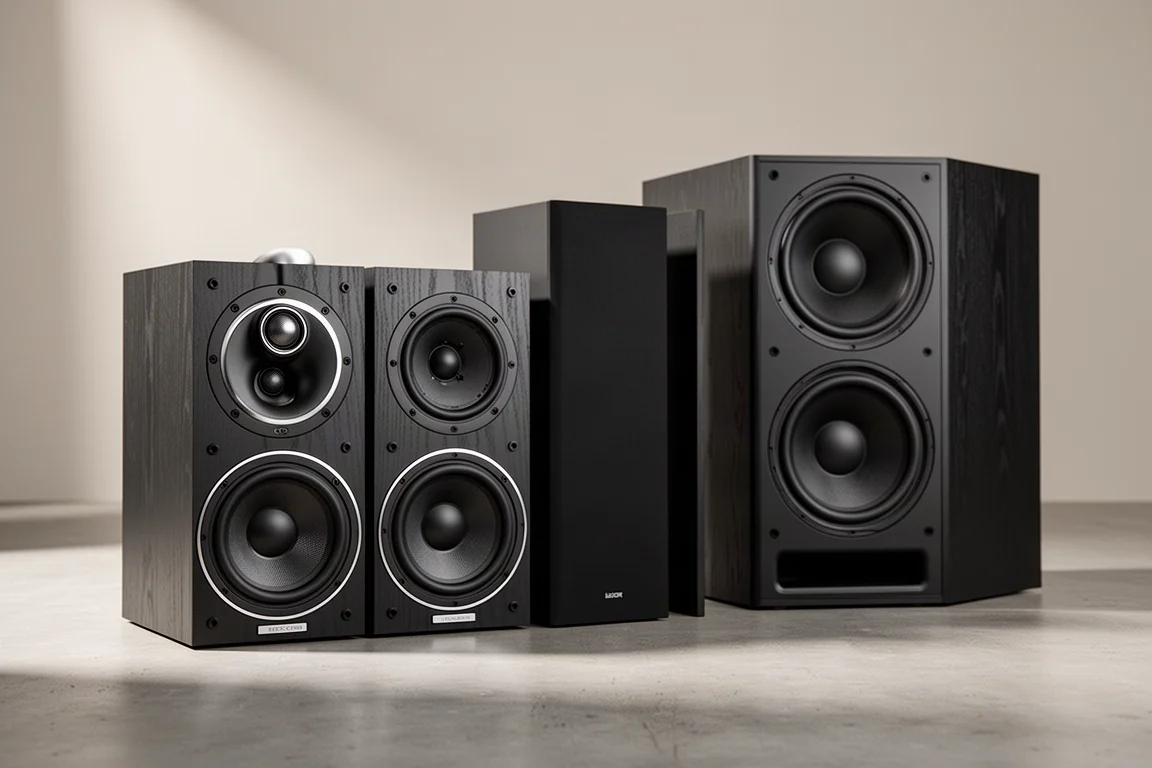
The Paradigm Founder Series 70 LCR is a three-way sealed loudspeaker built for left, center, and right duty. It sits within a six-model Founder Series that tops out below the brand’s flagship Persona line, and it may be the most versatile speaker in the family: compact enough that five or more can live in one room, and consistent enough to serve as every channel in a surround system.
This guide covers what the 70 LCR does well, where it needs support, and how it compares with two speakers that come up in the same conversation: the Magnat Cinema Ultra LCR 100 and the Bowers & Wilkins CT7.3.
Why True LCR Speakers Matter for Home Theater
An LCR speaker is designed so that the same cabinet can be used as the left, center, and right channel. That matters more than it first appears. When the front three speakers come from different lines, small differences in tone pull attention toward whichever speaker is behaving slightly differently. Identical speakers across three, five, or even seven channels keep voices and effects consistent as they move around the room, and they remove the need for a dedicated center that only approximates the sound of the mains.
The 70 LCR is small enough that a full set can live in a room without overwhelming it.
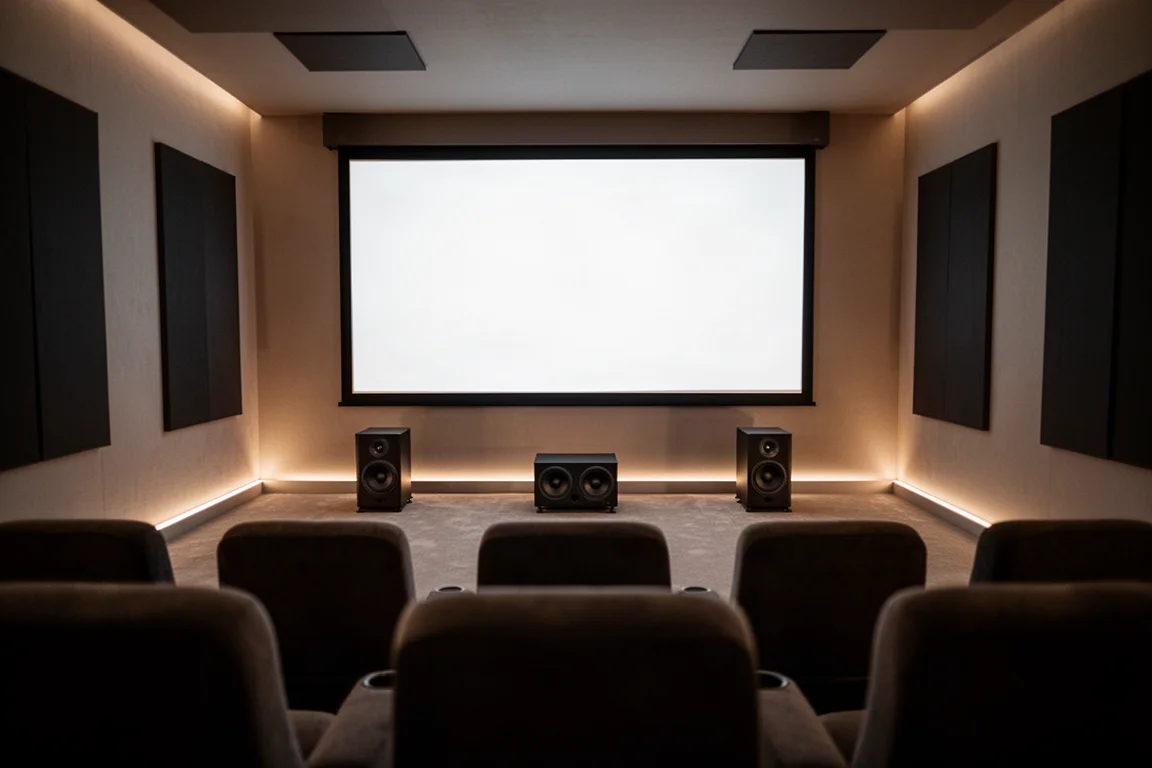
Placement flexibility is one of its strongest practical arguments. The speaker is reported to sound the same whether it sits vertically or horizontally, and it can be positioned closer to a wall without skewing its performance much, if at all. In-room measurements taken at 75 dB from the listening position showed very little variation between the vertical and horizontal orientations, which backs up that claim and makes the 70 LCR unusually easy to work into an existing room.
Paradigm Founder Series 70 LCR: Design, Drivers, and Placement
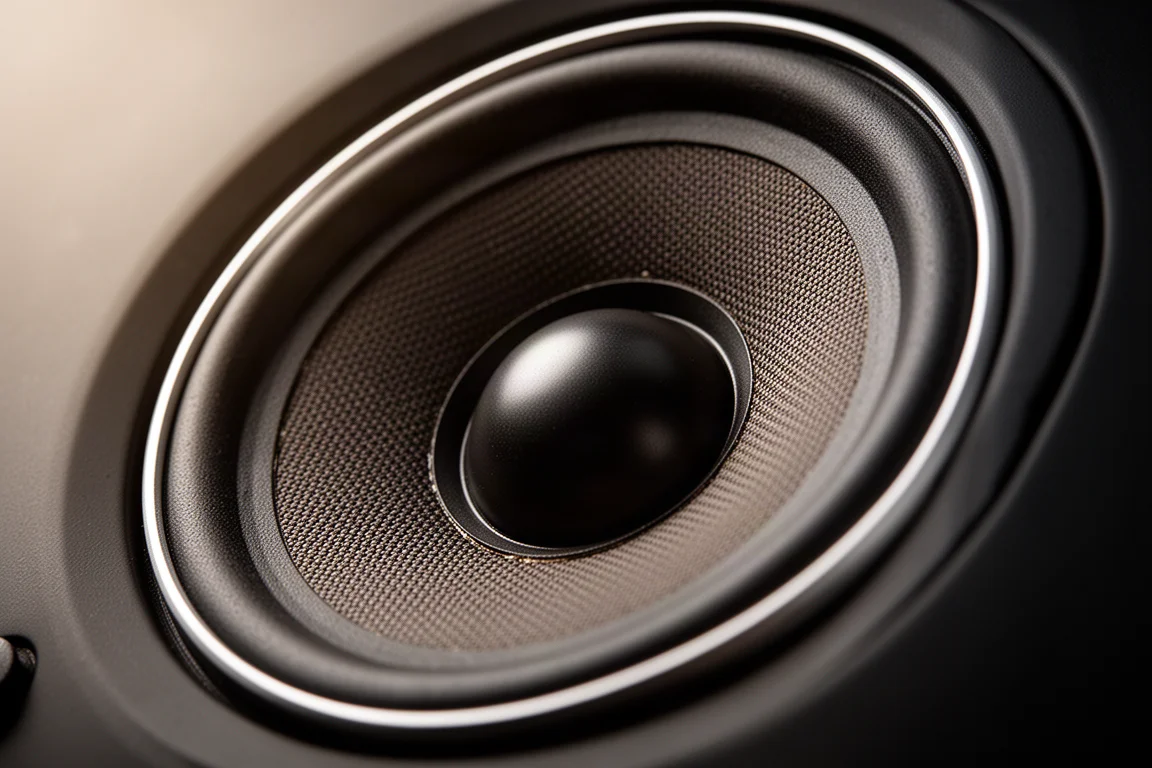
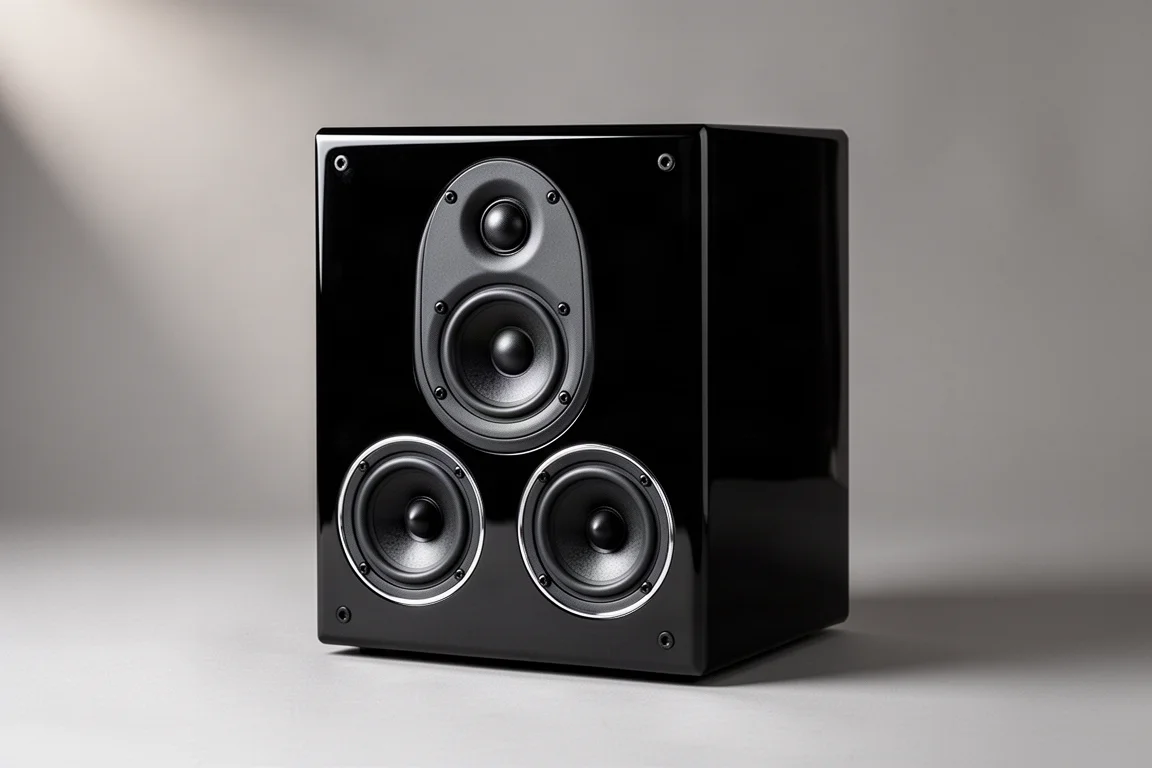
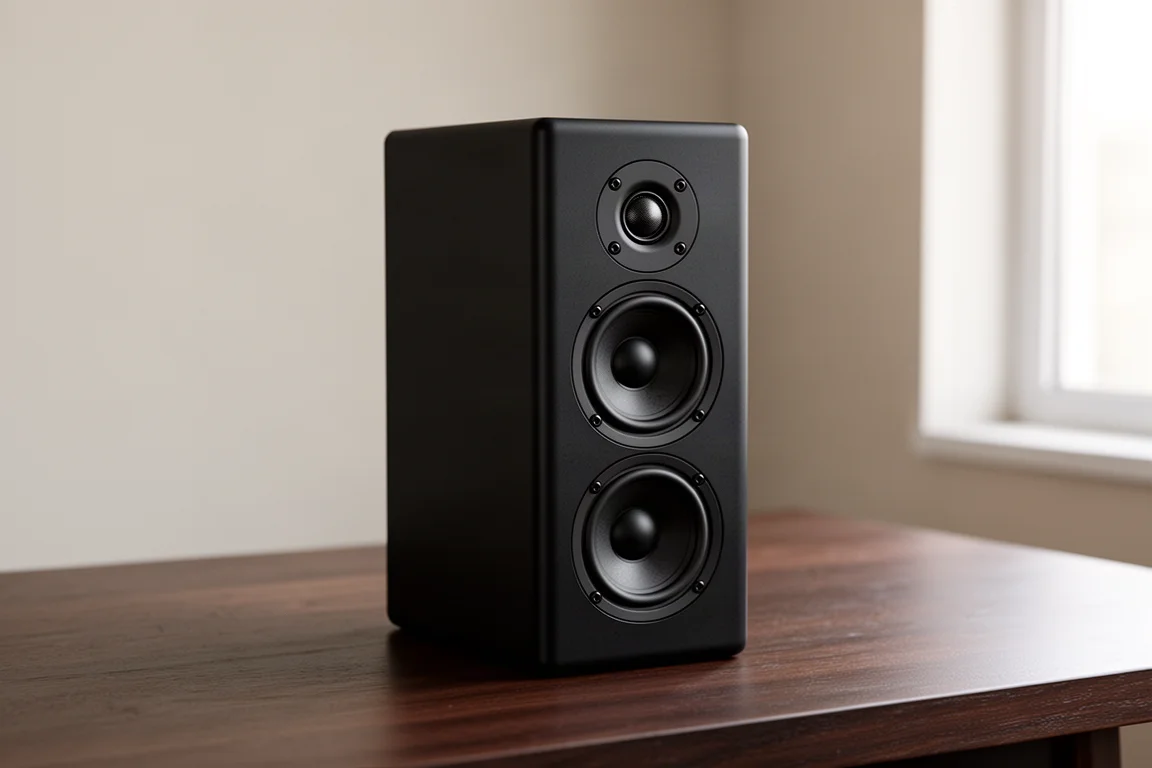
The 70 LCR uses four drivers in a sealed three-way cabinet. A one-inch ceramic dome tweeter sits inside a six-inch midrange driver, which is flanked by two five-and-a-half-inch woofers. It is a layout seen before from KEF and Technics, and it concentrates midrange and treble energy in a tight window around the tweeter axis.
Paradigm reports a frequency response of 79 Hz to 17 kHz, which is honest about the design’s limits: this is not a full-range speaker, and the lowest bass notes will need a subwoofer. Sensitivity is a healthy 92 dB with an impedance of 8 ohms, so modest home theater receivers and integrated amplifiers should have little trouble driving a set of them.
The cabinet comes in piano black, black walnut, midnight cherry, and walnut, and the chrome accent around the woofers gives the front baffle a clean, deliberate look. Build quality is high, and the speaker is manufactured in-house by the brand rather than assembled from outside suppliers.
Paradigm Founder Series 70 LCR: How It Sounds in Stereo and Surround
Two-channel listening is where the 70 LCR makes its case. The speaker is agile and transparent, and the sealed cabinet keeps box coloration out of the low midrange and up. It sounds coherent, presenting the range as a single piece rather than as separate drivers, with a hint of treble energy that adds presence and detail.
Imaging is the standout. The 70 LCR focuses sharply between the speakers, with solid definition extending beyond their physical edges, and it can create scale that seems out of proportion to its size when it is crossed over to a capable subwoofer. The trade-off is that it needs some volume before it fully opens up, and the roll-off starting around 80 Hz makes a subwoofer a requirement rather than an upgrade.
Moving to multichannel, a third 70 LCR placed horizontally as a center channel changed tonality very little. Dialogue clarity was very good, with the caveat that intelligibility drops at very low listening levels, where a receiver’s dialogue enhancement feature helps. At normal and louder volumes, this is among the better center channels available at the price.
The speaker blends cleanly with a subwoofer, so bass appears to come from the speakers themselves, and tonality stays consistent as effects pan across the front stage. It also works well with room correction systems such as Dirac and Audyssey, and should pair nicely with other speakers of similar specification. One character note: the 70 LCR is revealing enough that sibilance and plosives in a film mix are not smoothed over, which some listeners will appreciate and others will notice on dialogue-heavy scenes.
Magnat Cinema Ultra LCR 100: THX-Certified Value
The Magnat Cinema Ultra LCR 100 is the value alternative. It carries THX Ultra 2 certification for home theater use and costs roughly $1,000 less per speaker than the Paradigm, while its specifications come close to matching the 70 LCR.
The differences show up in finish and refinement. The Magnat is available in black only, and the Paradigm is the better-built and better-sounding speaker of the two. For a multi-speaker build where budget matters more than finish options, the Magnat remains a sensible choice.
Bowers & Wilkins CT7.3: More Bass in a Bigger Cabinet
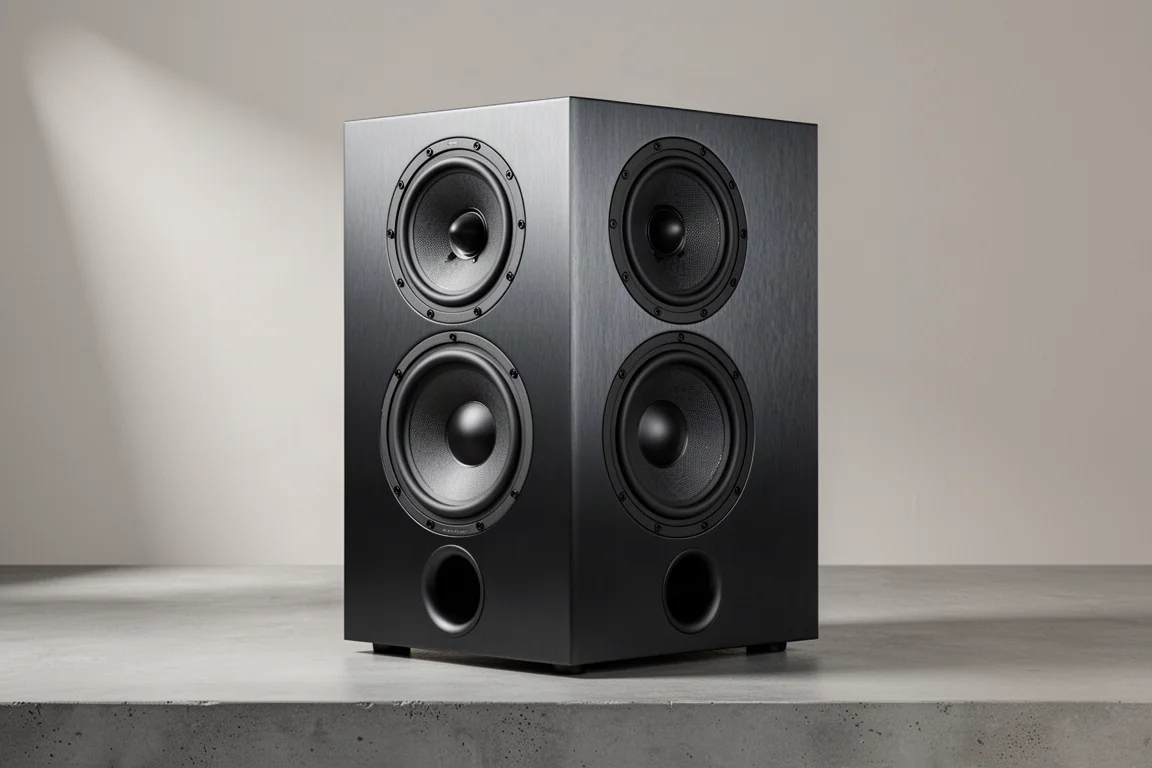
The Bowers & Wilkins CT7.3 is the larger option. It is a front-ported LCR with two eight-inch woofers and a reported response of 42 Hz to 22 kHz, which means that in small to medium rooms a subwoofer may not be required.
Pricing sits at $2,100 each, though new units have been seen online as low as $1,300, so shopping around pays off. Intelligibility is excellent, and the speaker integrates seamlessly into a multichannel system.
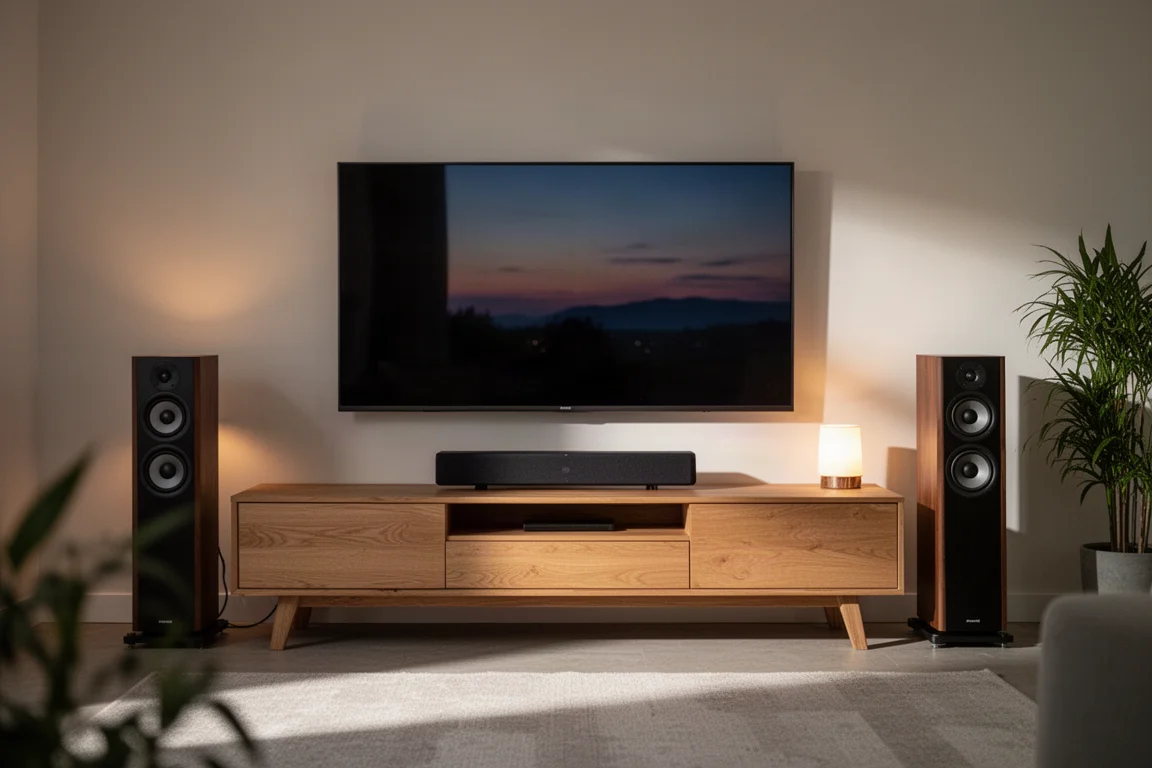
The practical difference is placement. The CT7.3 is built to be hidden away in a cabinet or behind an acoustically transparent screen, while the 70 LCR is a speaker you can leave on display. In sound terms, a Paradigm system paired with a good subwoofer holds its own against the Bowers & Wilkins.
Build Quality, Finishes, and Ownership
All three speakers are competent home theater tools, but they are not built the same way. The Paradigm is manufactured in-house by the brand, from cabinet to driver assembly, and it comes in four finishes. That combination is rarer than it should be at this price, and it is a real part of the ownership experience if the speakers will be visible in the room.
The Bowers & Wilkins is the more installation-oriented design, intended to disappear into a media wall, and the Magnat is a straightforward black cabinet with certification behind it. If aesthetics matter in your space, that is a legitimate factor to weigh alongside the measurements.
Buying Advice: Matching LCRs to Your Room and Budget
Budget planning is where LCR systems get interesting. A pair of Paradigm 70 LCRs runs around $3,000, which leaves room to add a subwoofer and a matching center channel for roughly what a single pair of far more expensive bookshelf speakers costs.
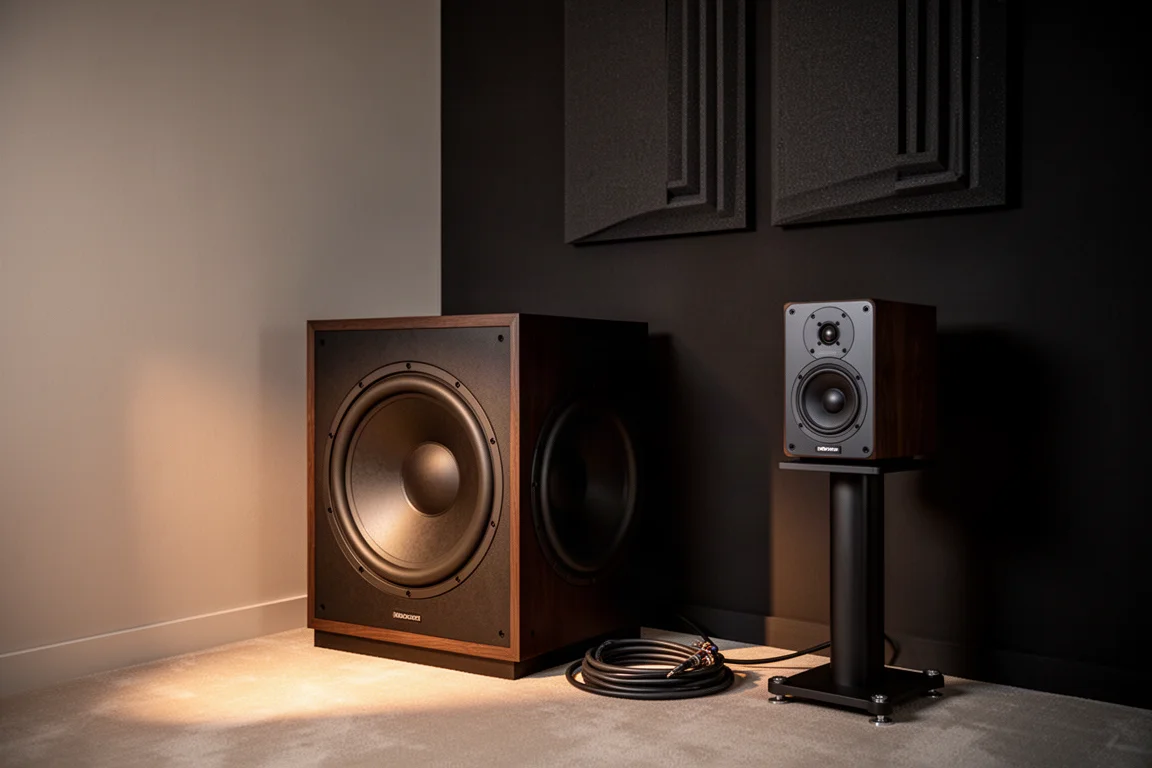
Three questions decide the choice. First, how many identical speakers do you need? An LCR design like the 70 LCR lets you run three, five, or seven of the same speaker, which is the simplest route to consistent sound across the front stage and surrounds. Second, can the room support a subwoofer? The Paradigm needs one; the Bowers & Wilkins may not in a smaller space. Third, will the speakers be seen? If they will, the Paradigm’s finishes and build quality justify the outlay. If they will be hidden behind a screen or inside a cabinet, the Magnat’s THX certification and lower price per speaker become far more attractive.
Conclusion
The Paradigm Founder Series 70 LCR is a versatile, well-built speaker that rewards a proper setup: a capable subwoofer, a little volume, and a receiver with decent room correction. Its imaging, coherence, and center-channel clarity make it a strong foundation for a multichannel system, and its placement flexibility makes it easy to live with.
Buyers who want the lowest cost per channel should look at the Magnat Cinema Ultra LCR 100, and buyers who need deeper bass without a subwoofer in a small or medium room should consider the Bowers & Wilkins CT7.3. For everything in between, the 70 LCR is the one that makes the strongest case for itself.
Further reading
Related Reviews
Home Theater Speakers
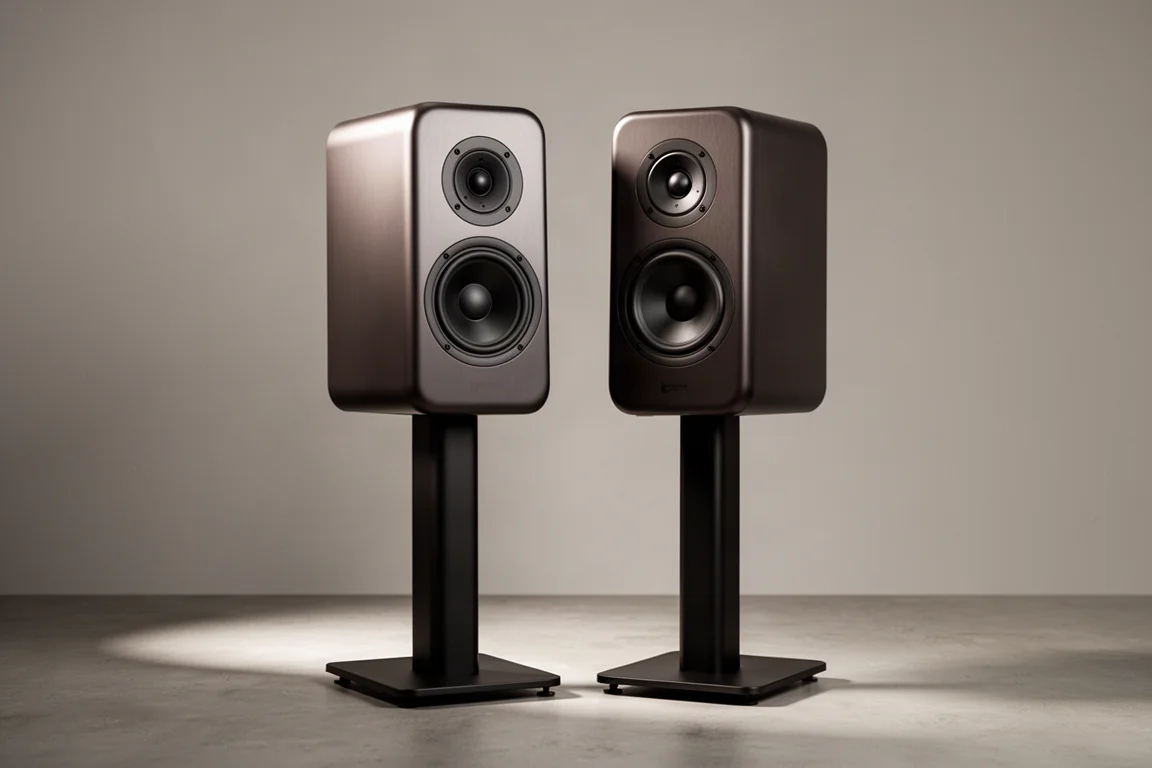
Arendal 1723 THX S Monitor vs 1723 THX Monitor: Which Two-Way Monitor Fits Your Room?
A practical comparison of the Arendal 1723 THX S Monitor and the larger 1723 THX Monitor, covering driver size, sensitivity, bass extension, and room fit.
Home Theater Speakers
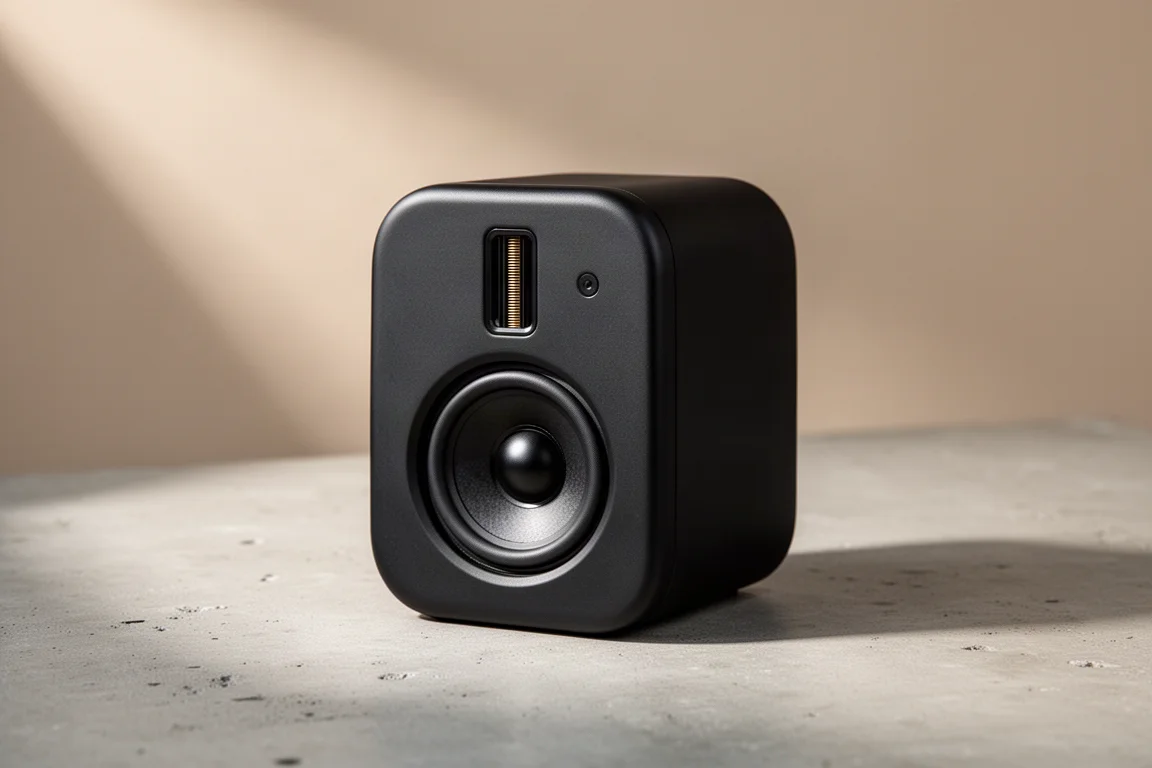
Emotiva A1 Review: A Small Speaker With Serious Surround Flexibility
A sealed two-way speaker built for Dolby Atmos, surround, and compact desktop duty at $179. Here is what it does well and what to check before buying.
Home Theater Speakers
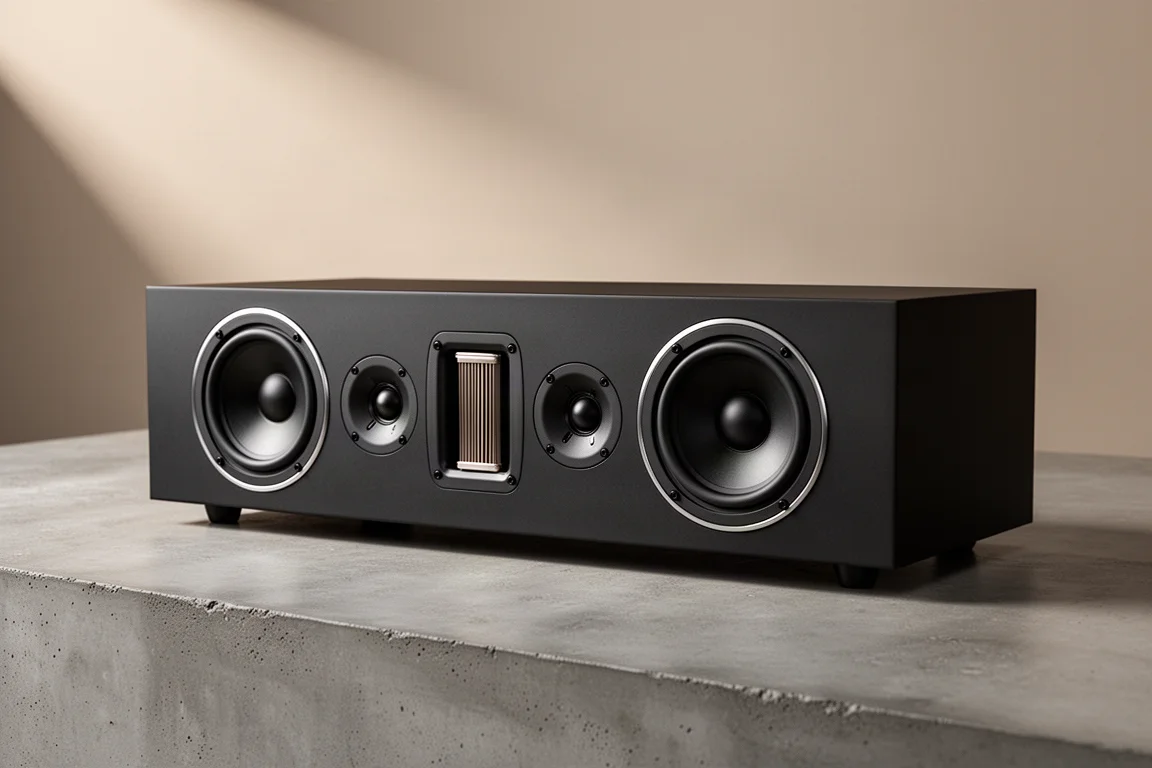
Emotiva C2+ Review: High Output Center Channel With a Narrow Sweet Spot
The Emotiva C2+ delivers serious output, deep bass for its size and high sensitivity, but its widely spaced midrange drivers create a horizontal sweet spot that rewards centered seating.