Wireless Speakers
Pantheon One vs Beosound Level: Two Premium Wireless Speakers Compared
A practical comparison of two premium wireless speakers: the omnidirectional Pantheon One and the highly customizable Bang & Olufsen Beosound Level.
Introduction
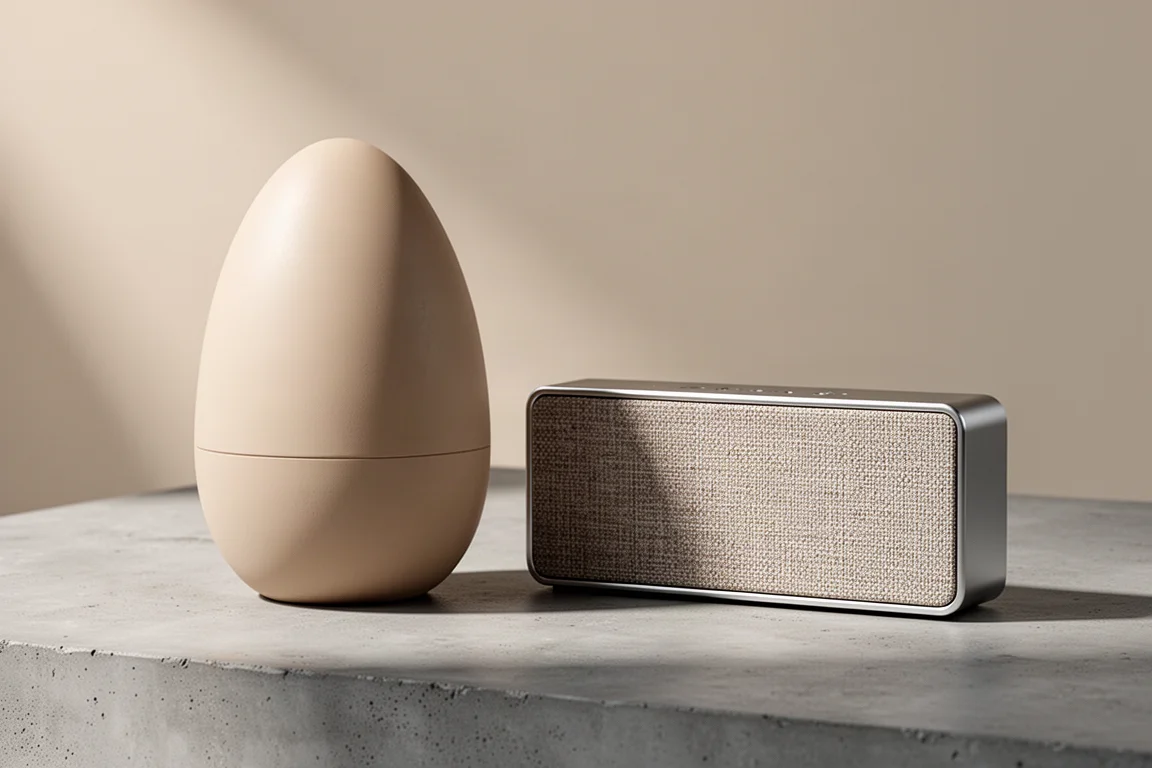
Most new speakers arrive in the same familiar shape: a rectangular box behind a grille. The Pantheon One does not. It is an omnidirectional powered loudspeaker built from molded resin, and it looks unlike almost anything else in its class.
It is also a serious piece of engineering. Inside are two 6.5-inch high-excursion subwoofer drivers, each with its own 130-watt amplifier, plus two 4-inch paper cone mid-range drivers and four 3/4-inch silk dome tweeters that share two 70-watt amplifiers. That combination, along with onboard DSP, produces a reported frequency response of 33 Hz to 22 kHz.
The Bang & Olufsen Beosound Level approaches the same buyer from a different direction. It leans on app-based tuning, automatic room EQ, and physical customization rather than raw output. This guide covers what each speaker does well, where they diverge, and which one makes more sense for a given room.
How These Two Speakers Compare
Both are premium wireless speakers aimed at listeners who want music anywhere in the home without a rack of separates. To compare them fairly, it helps to look at four things: how much sound each can put into a room, how much tuning and control each offers, how flexible they are about placement and appearance, and how easy they are to live with day to day.
The two designs land in different places on that list. The Pantheon One prioritizes output and simplicity. The Beosound Level prioritizes adjustability and flexibility.
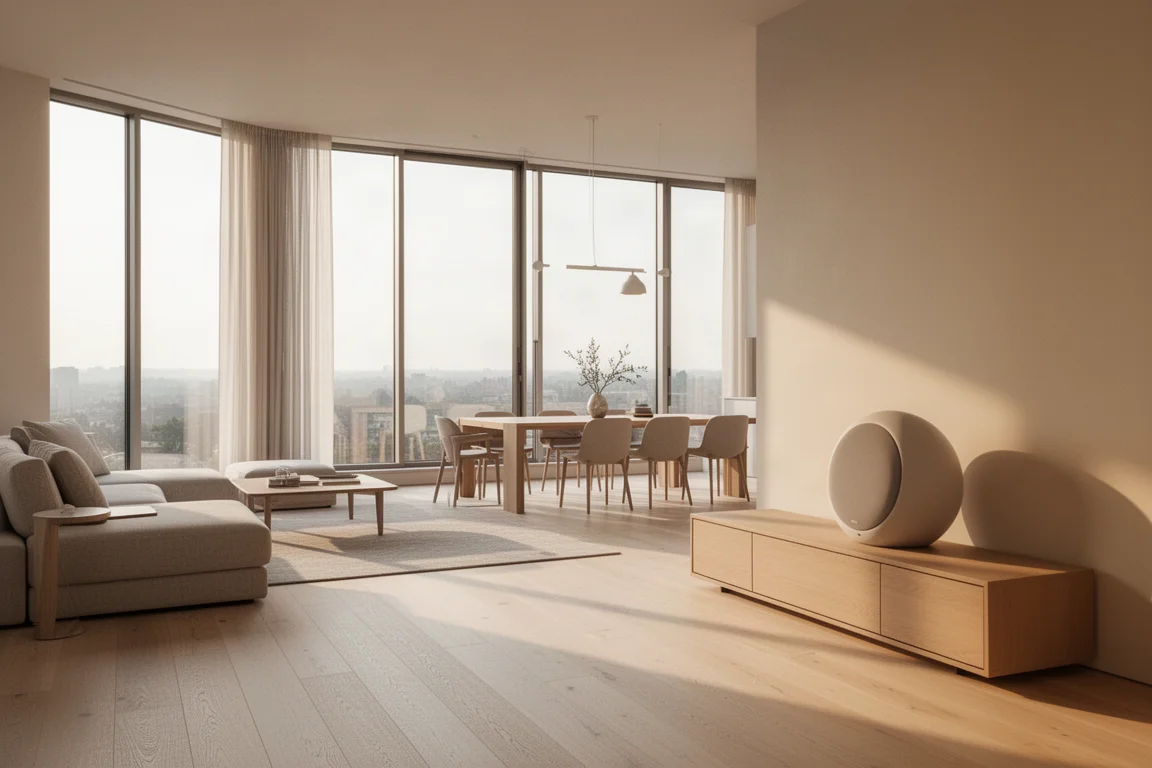
Neither approach is better in the abstract. What matters is whether you want a speaker that simply plays when you press play, or one that gives you more ways to shape the result.
Pantheon One: Omnidirectional Design and Driver Array
The Pantheon One is built around a molded resin cabinet that gives it a sculptural, almost egg-like presence. It is an omnidirectional design, which means it radiates sound in all directions rather than aiming it at one listening seat.
The driver array supports that approach. Two 6.5-inch high-excursion subwoofers handle the low end, each driven by its own 130-watt amplifier. Two 4-inch paper cone mid-range drivers and four 3/4-inch silk dome tweeters cover the rest of the range, sharing two 70-watt amplifiers. DSP shapes the final result, and the reported frequency response spans 33 Hz to 22 kHz.
Because the speaker is powered, there is no amplifier to choose and no equipment matching to worry about. Everything needed to play music is inside the cabinet.
The trade-off is physical. At 55 pounds, the Pantheon One is not portable, and its shape makes it awkward to carry from room to room. Placement is otherwise forgiving, though pushing it into a corner or hard against a wall can exaggerate the bass.
Pantheon One: Sound Quality, Streaming, and Control
The Pantheon One sounds like a premium powered speaker rather than a traditional hi-fi pair. It does not create a stereo image with a locked centre, and it is not trying to. What it does is fill a room with coherent, balanced sound that holds up wherever you happen to be standing. Nothing in its frequency response sticks out, and the midrange is clear and highly intelligible, with detailed instruments and vocals. DSP adds a little extra weight in the mid-bass, which makes the presentation sound fuller and slightly warmer.
Turn it up and the character changes at the edges. In a large open living space, levels above roughly 80 dB can start to sound a touch boomy, and the highs pick up some graininess and can distort if pushed further. Below that threshold it stays composed. At low volumes it is genuinely excellent, remaining engaging and enjoyable below 50 dB, which suits background listening while cooking or relaxing.

On connectivity, the Pantheon One offers Wi-Fi, an Ethernet port, Bluetooth 4.2, and an auxiliary stereo mini jack on the bottom of the cabinet. It supports major streaming services including Tidal, Spotify Connect, and Amazon Music, with some services such as Apple Music available only over Bluetooth or AirPlay. File support reaches 24-bit/192 kHz.
Control is available three ways: the companion app, touch-sensitive controls on top of the speaker, and Alexa voice commands. Alexa integration is well executed, though the speaker will occasionally prompt you to connect to Amazon’s service if it is not, and there is no obvious way to silence that reminder.
Streaming over Wi-Fi was stable with no dropouts, and the app makes it easy to sign into a Tidal, Spotify, or Amazon Music account. AirPlay from an M1 MacBook Pro occasionally dropped out, though that platform has known audio quirks, so it is hard to pin on the speaker. Bluetooth performance depends on proximity as usual. One useful detail: AirPlay range proved better than Bluetooth, and if you sync the speaker through the Apple control panel rather than inside the Apple Music app, your keyboard volume keys will control the speaker directly.

Beosound Level: Customization and Room EQ
The Bang & Olufsen Beosound Level approaches the same job from the opposite direction. Where the Pantheon One keeps things simple, the Beosound Level gives you more to adjust. Its app allows a substantial amount of customization, letting listeners tune the sound to taste, and it includes automatic room EQ, something the Pantheon One does not offer.
The Beosound Level can also be customized physically, so it can be adapted to fit a space visually as well as acoustically.
The trade-off runs the other way here. In sheer room-filling output, the Pantheon One is the more powerful of the two.
Beosound Level: Features, Voice Control, and Flexibility
On features, adjustability, and flexibility, the Beosound Level is ahead. It also includes Google Assistant, which matters to anyone already living in that ecosystem.
Its sound shares more than a little with the Pantheon One. Listeners who enjoy Bang & Olufsen’s tuning will likely enjoy the Pantheon One as well, and both speakers appeal to the same kind of buyer: someone who wants one well-made speaker to carry a room rather than a stack of components.
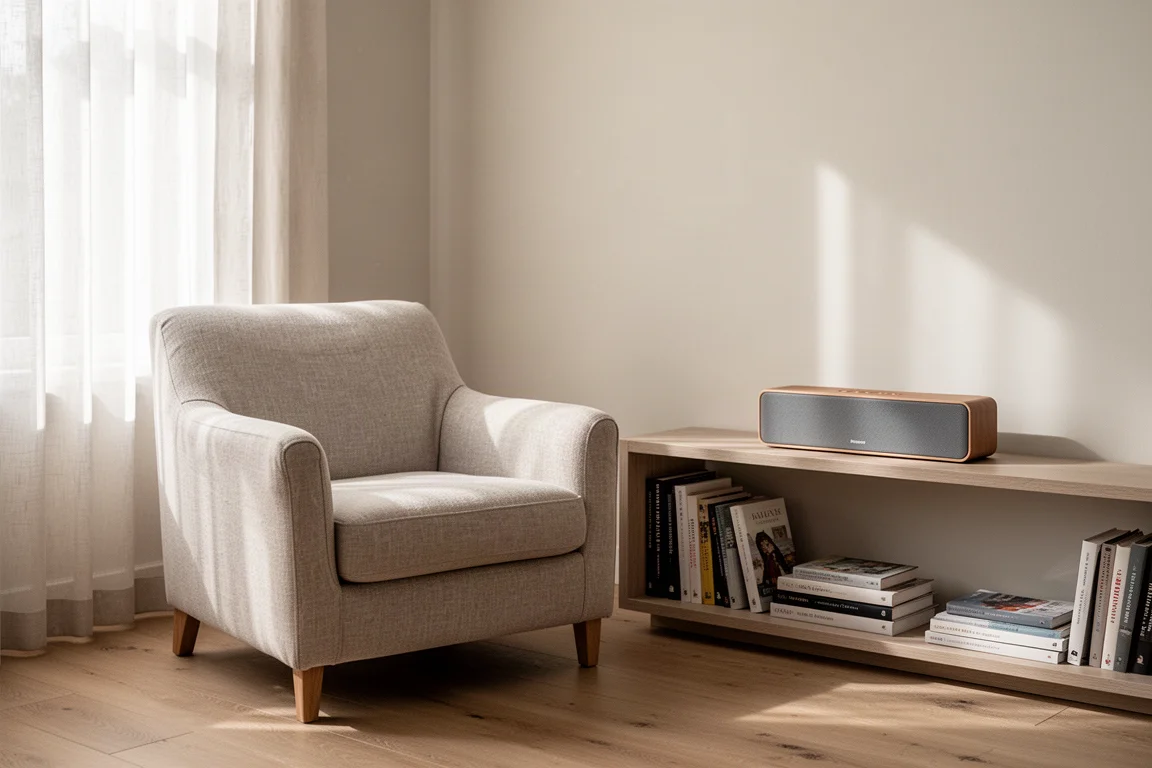
If you are weighing the Beosound Level against its stablemates, the more likely alternatives are the Bang & Olufsen Balance and A9. We have not spent time with either, so a direct comparison is not possible yet.
Placement, Setup, and Daily Use
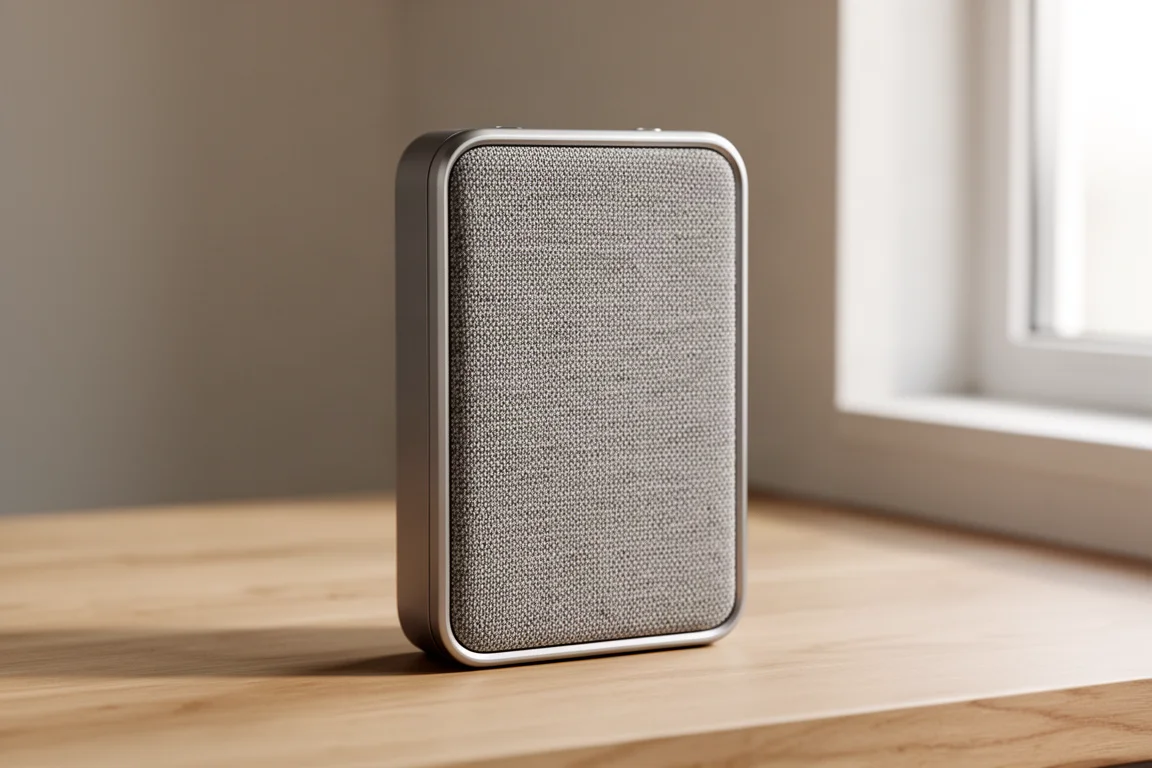
The Pantheon One is close to plug and play. Placement is flexible as long as there is a nearby outlet, and the only real caution is keeping it out of tight corners if you want to avoid exaggerated bass. Connecting it to Wi-Fi from an iPhone or MacBook Pro was trouble-free over both Bluetooth and AirPlay, and the companion app feels immediately familiar to anyone who has used the Four Stream interface, since it is the same design.
The Beosound Level asks a little more of you up front, but its app-based tuning and automatic room EQ reduce the need to fuss over placement.
For whole-home audio, the Pantheon One can be configured with Alexa to work within a distributed wireless setup through smart apps, so you are not locked into a single ecosystem.
Buying Advice: Matching the Speaker to Your Space
The decision comes down to what you value most.
Choose the Pantheon One if you want the greater room-filling output of the two, a setup that is essentially plug and play, and a design that will be a talking point. It suits large, open living spaces where the speaker sits in the middle of daily life. Be honest about the 55-pound weight before you plan to move it around.
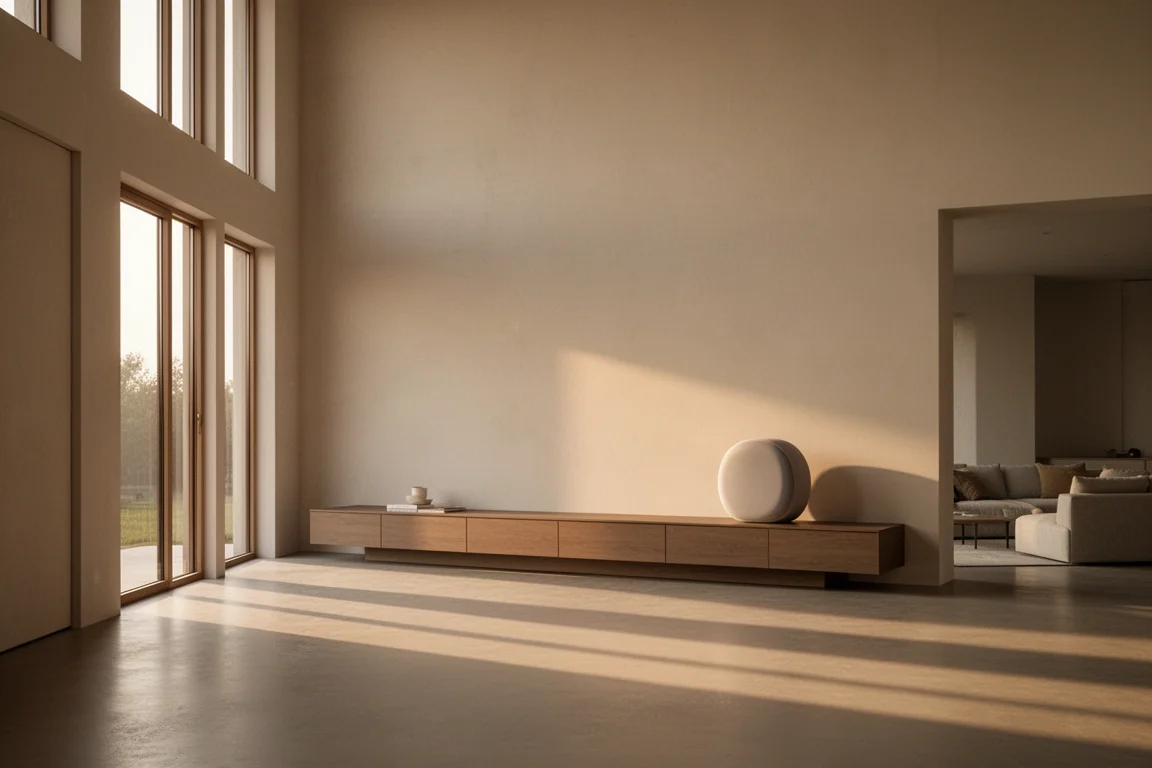
Choose the Beosound Level if you would rather have more control: extensive in-app tuning, automatic room EQ, physical customization, and Google Assistant built in. It gives up some maximum output to get there.
On price, the Pantheon One is described as more affordable than comparable Bang & Olufsen models, though it is not an inexpensive speaker. If your budget is tighter, there are cheaper options that offer similar features and whole-home room-filling sound, such as the Sonos Play 5, the LG RP4G XBoom, and the Bose Portable Smart Speaker, though how closely they compare has not been established.
Conclusion
Both of these speakers do something the average box speaker does not. The Pantheon One turns a room into a listening space with almost no setup effort and a design that refuses to blend in. The Beosound Level gives you more ways to shape the sound and fit the speaker into your home.
If you want the simplest path to big, room-filling sound, the Pantheon One is the more direct answer. If you would rather tune, adapt, and customize, the Beosound Level earns its place.
Further reading
Related Reviews
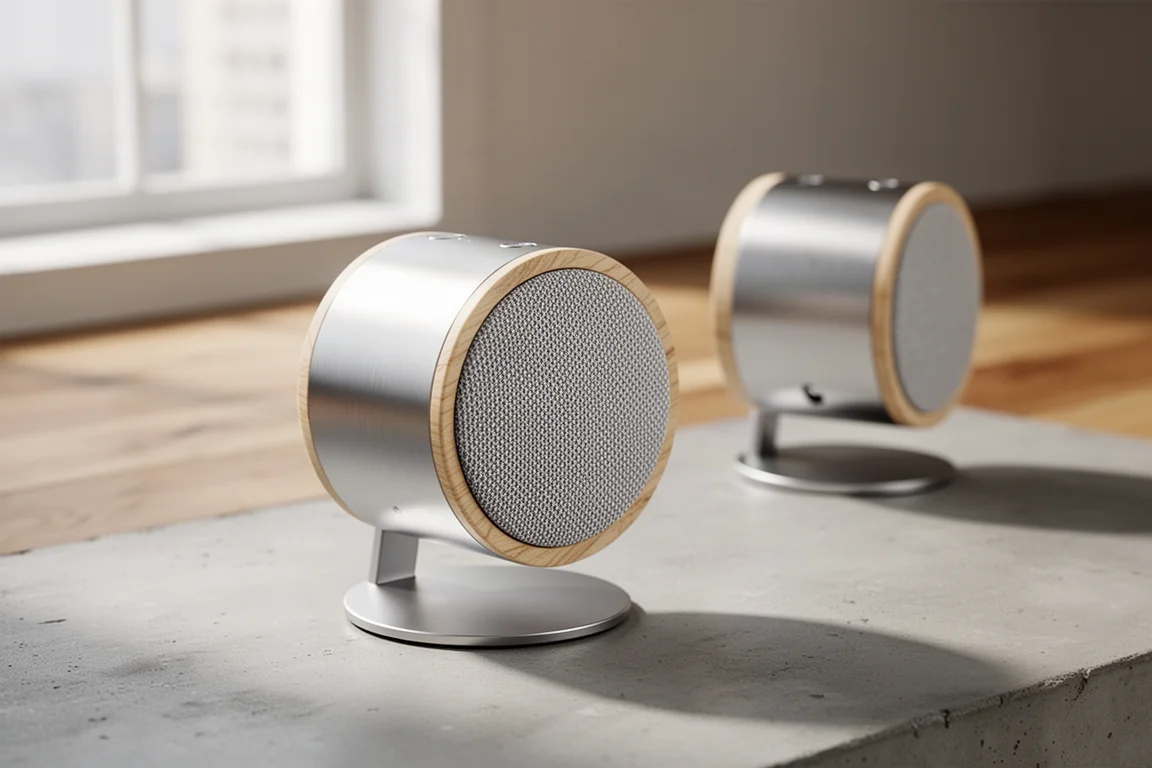
Wireless Speakers
Bang & Olufsen Beolab 8 Review: A Compact Three-Way Speaker Built for Flexibility
A close look at the Beolab 8, a compact three-way powered speaker with customizable finishes, two listening modes, and a bass limiter worth understanding before you buy.
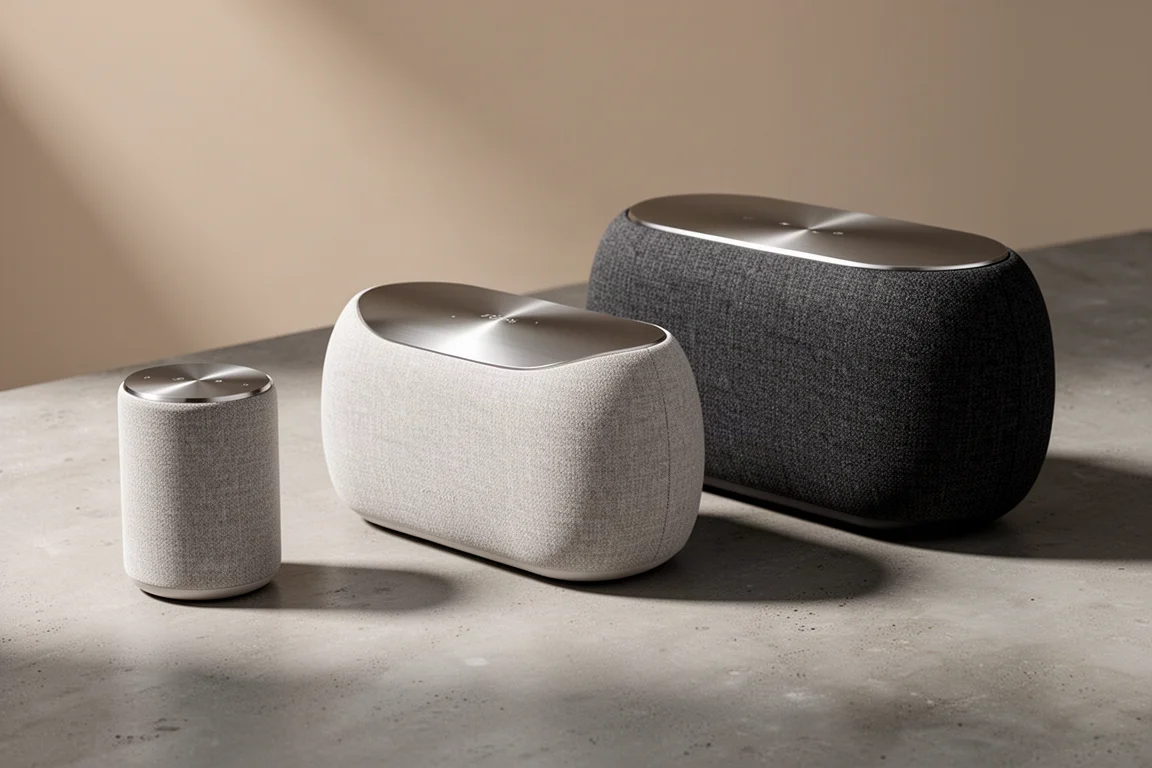
Wireless Speakers
Denon Home 200, 400, and 600: Which New Denon Home Speaker Fits Your Room?
A practical look at the new Denon Home lineup, covering shared features, driver differences, Dolby Atmos delivery, and which of the three models suits which room.
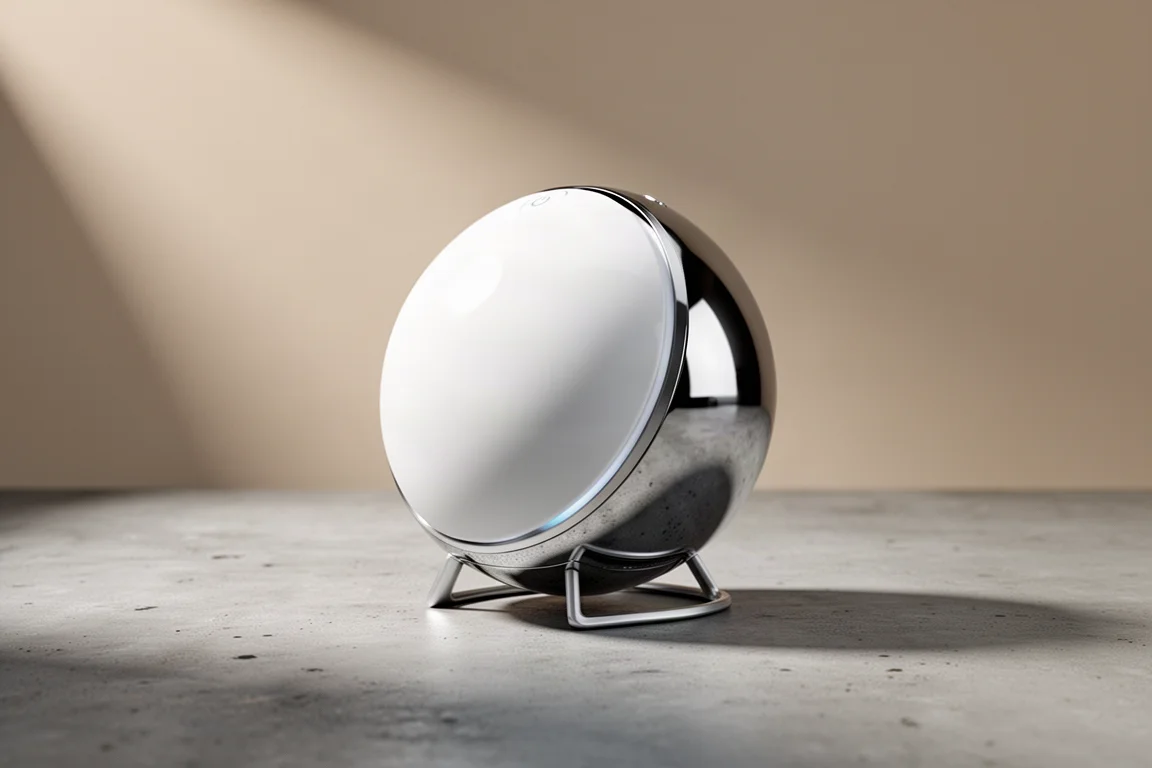
Wireless Speakers
Devialet Phantom II Review: Big Bass From a Very Small Wireless Speaker
A compact wireless speaker with genuinely remarkable bass output, sharp imaging, and a few trade-offs worth understanding before you buy.