Wireless Speakers
Devialet Phantom II Review: Big Bass From a Very Small Wireless Speaker
A compact wireless speaker with genuinely remarkable bass output, sharp imaging, and a few trade-offs worth understanding before you buy.
Introduction
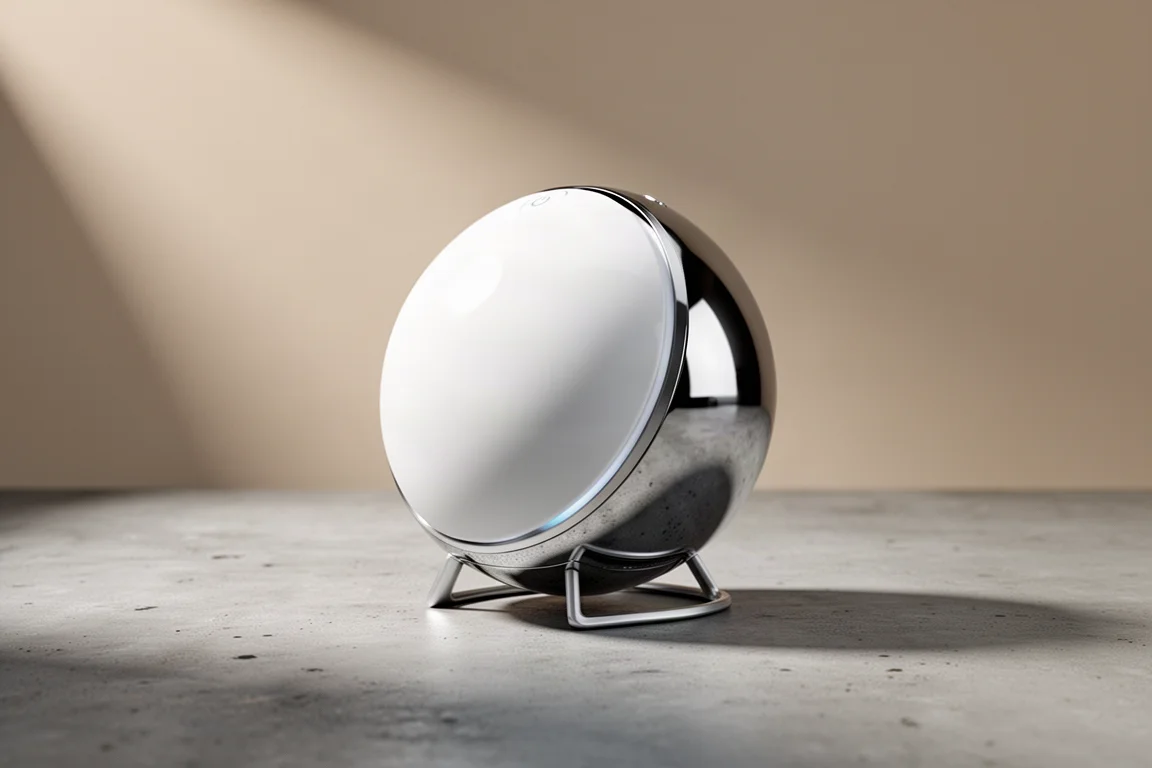
The Devialet Phantom II is a small wireless speaker that does not behave like one. It is compact enough to rest in the palm of a hand, yet almost every part of its design points in the opposite direction: a sealed enclosure packed with opposing bass drivers, onboard amplification and digital signal processing, and a claimed internal pressure of 174 dB inside the chamber. Devialet states that roughly 981 individual parts go into building one unit, and that level of over-engineering is unusual well beyond the audio category.
The result is a speaker that skips the traditional separates approach entirely. There is no external amplifier, no separate DAC, and no rack of equipment. Everything needed to play music sits inside the enclosure, and the speaker can be driven over Bluetooth, AirPlay, or Roon, with a companion app handling setup and tuning. A single unit arrives configured for mono playback, and a true stereo pair requires buying two.
That compact form factor is the whole point, but it also sets expectations. This is a very small speaker, and its strengths and compromises both flow from that single fact. Understanding which of those matter for your room is the difference between a purchase that delights and one that frustrates.
Who this product is for
The Phantom II makes the most sense for listeners who want immediate, impressive sound without building a system. If your priority is a clean, minimal setup that can fill a kitchen, a living room, or a desktop with punchy low end and plenty of output, this speaker is aimed squarely at you.
It also suits multi-room use. Several units can be placed around a home and managed through the same app, in a similar spirit to mainstream multi-room platforms, though positioned at a noticeably higher end of the market.
Where it fits less well is as a direct replacement for a carefully assembled audiophile system. Listeners who care most about the scale of a soundstage, the smoothness of delicate vocal recordings, and the sense of a performance unfolding in a real acoustic space are likely to find the trade-offs harder to accept. It is a speaker for people who value impact, convenience, and design as much as nuance.
Main strengths: bass and dynamics
The headline here is low-frequency performance, and it is genuinely difficult to overstate in the context of the speaker’s size. The Phantom II reaches down into the lowest octaves, territory normally reserved for large tower speakers, and it does so with real weight rather than a thin impression of depth.
Two opposing bass drivers work against each other inside the sealed enclosure, and the resulting internal pressure is what allows such a small cabinet to move that much air. The bass is punchy, dynamic, and tight through the upper mid-bass, and it stays composed on demanding electronic and rock material with dense low-end content. The overall scale of that low end can sound like it is coming from an enclosure many times larger, and many floorstanding speakers simply cannot match the physical punch on offer here.
Two output variants exist. The version tested is the 98 dB model, and Devialet also offers a 95 dB model at a lower price for listeners who do not need the extra headroom. In a larger room, the higher-output option is the more comfortable choice, while a single unit already plays far louder than its dimensions suggest.
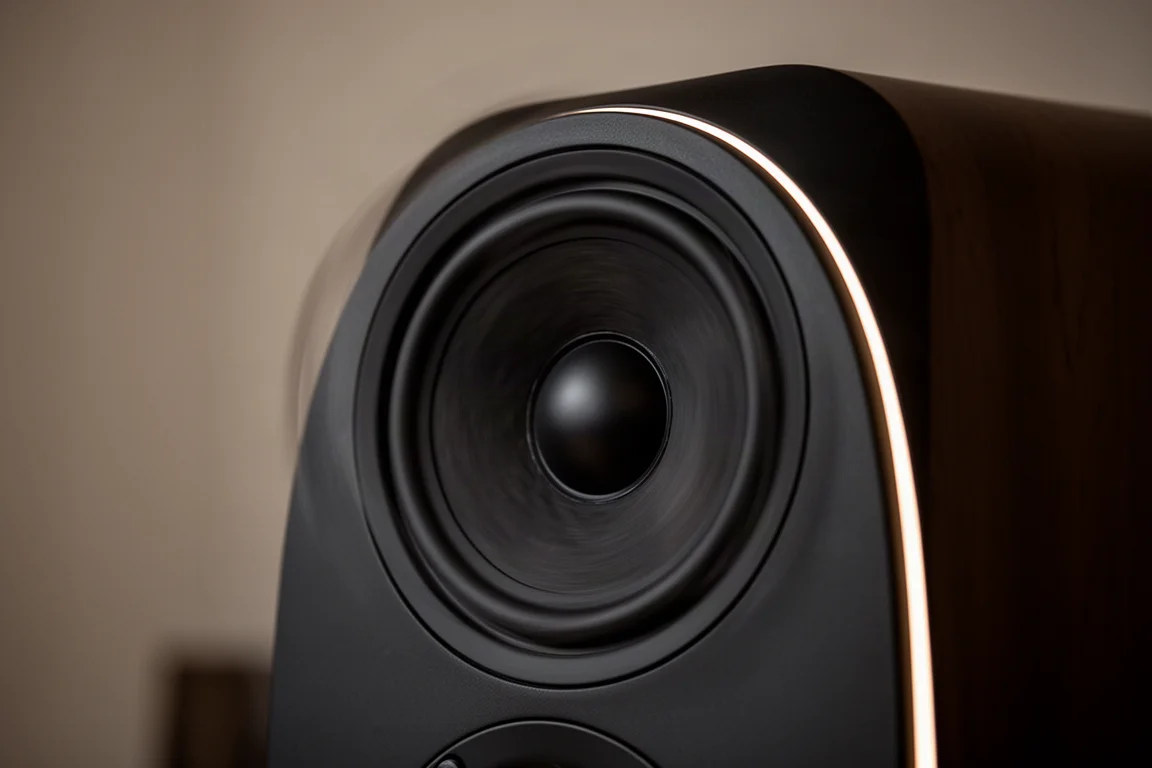
Imaging is the second standout. Because the enclosure is essentially a rounded, near-circular form with almost no flat baffle surface, there is very little diffraction to smear the sound. Instruments lock into place within the stage, and the phantom centre image stays rock solid down the middle rather than drifting with the material.
Treble, midrange, and soundstage
Where the Phantom II gives ground is in the upper frequencies and in the size of the stage it can paint. The treble carries a slight lift that keeps detail forward and edges well defined, which flatters busy electronic tracks but becomes tiring on delicate material. Quiet vocal recordings and acoustic pieces that depend on smoothness and air tend to sound sharper and more carved out than a refined high-frequency presentation would allow.
The soundstage is the more fundamental limitation, and it cannot be tuned away. With a single pair in a small to medium room, the image stays largely confined to the plane between the speakers. Everything is well separated and nothing crowds together, even on dense classical recordings, but there is little sense of depth extending beyond the cabinets.
That has a knock-on effect on scale. Singers and instruments are rendered smaller than their real proportions, and the presentation can feel like a neatly arranged miniature of the performance rather than a full-size one. Part of that impression comes from the stands, which are sold separately and position the speaker quite low and tilted back toward the listener. Raising the speakers with improvised support opened up the image a little, but the sense of a compact stage remained.
Setup, app, and software experience
Getting the speaker running is quick. Bluetooth pairing, AirPlay, and Roon all work, and a basic connection can be established in a couple of minutes. The companion app is where the useful control lives: a parametric EQ, channel balance, and multi-room grouping are all handled there, which matters because the tonal balance can be adjusted if the treble feels forward in your room.
Software reliability is the caveat worth flagging clearly. In normal single-speaker use everything behaved flawlessly. Pairing two units into a stereo configuration was a different story after a recent app update, with one speaker repeatedly refusing to play. Resetting the pair, unpairing and reconnecting, reinstalling the app, and re-running the update all failed to produce a consistent result, and reverting to the previous version was not possible. The same sequence sometimes worked and sometimes did not, which points to a software fault rather than a configuration mistake.
This is not an isolated report. Owners have raised similar frustrations in retail listings and user forums, with some going as far as selling their units to avoid the hassle. Devialet provides customer support and a warranty, so anyone who runs into the same behaviour should contact the company directly rather than assume the problem is permanent. It is also possible that the stereo pairing issue is limited to a specific software version, since earlier generations of the platform were consistently stable.
Things to consider before buying
The bass performance is exceptional for the size, but the rest of the presentation reflects the physical reality of a very small cabinet. Midrange and treble scale, along with the size of the soundstage, are the areas where a larger speaker retains an advantage, and no amount of processing changes that.
Tone is adjustable, staging is not. If the treble sounds forward, the in-app equaliser can bring it down. If you want a wide, deep soundstage that extends beyond the speakers, that is a design characteristic rather than a setting.
Budget for the full picture. Two units are required for genuine stereo, the dedicated stands are a separate purchase, and the stands sit low enough that a sofa or a normal chair may put your ears well above the ideal axis. Buyers who intend to run a stereo pair should also be prepared for the possibility of software quirks during setup.
Buying advice
For parties, desktop setups, kitchens, and casual listening, this is an extremely compelling speaker. The combination of real low-end authority, crisp imaging, and a striking physical design is hard to find anywhere else at this size, and it consistently draws attention from everyone who hears it, including people who have no interest in audio gear at all.
For a dedicated two-channel listening room, the calculus changes. If your reference points are delicate vocal recordings, wide orchestral staging, and the illusion of a concert hall, this is not the product to build around. A larger model in the same family may suit that role better, though the compact version tested here is not intended to replace a full system.
If output requirements are modest, the 95 dB variant offers the same character for less money. Whichever version you choose, plan the room around it rather than the other way round: give it a stable surface, keep it near ear height, and treat the app as part of the product rather than an optional extra.
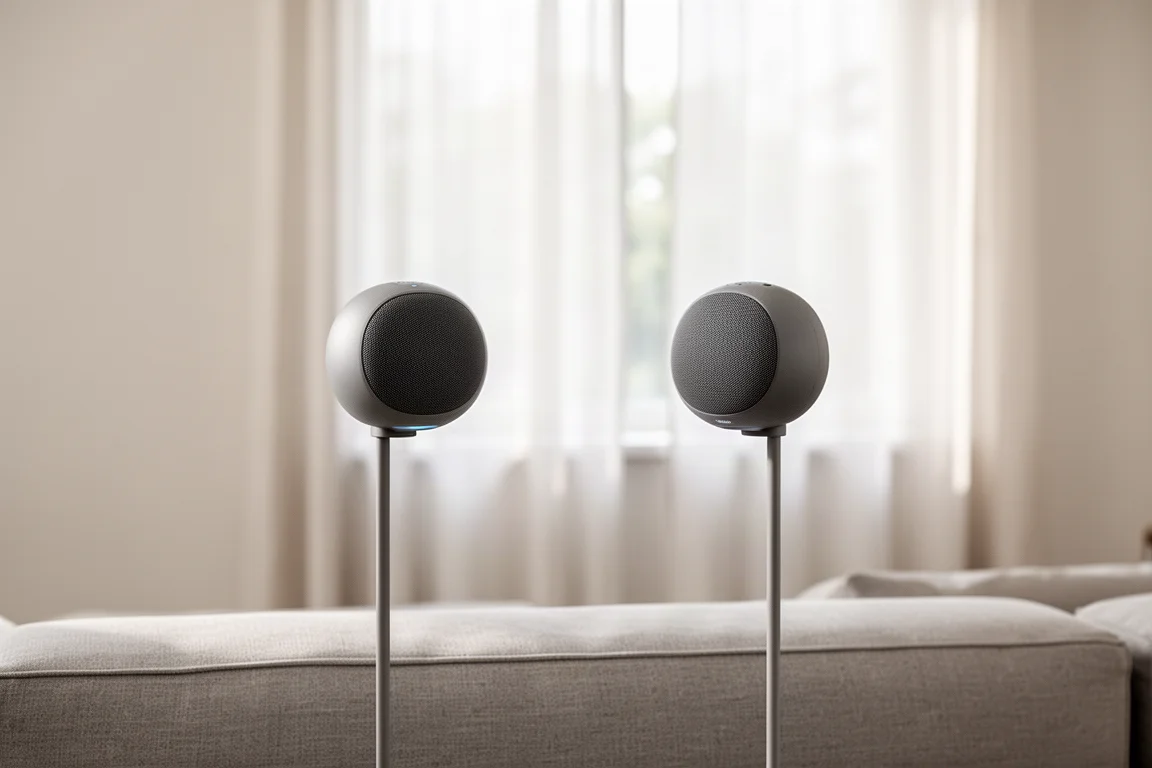
One practical tip for anyone buying a stereo pair: set the system up and confirm both speakers are playing before you finalise placement. If a pairing problem appears, reach out to Devialet support early while the warranty is active rather than repeatedly resetting the hardware on your own.
Conclusion
The Devialet Phantom II is a remarkable piece of engineering. Packing that much bass, output, and imaging into an enclosure this small is genuinely impressive, and for the right listener it is a joy to own. The trade-offs are equally clear: treble that leans bright, a soundstage confined to the speakers themselves, and a software experience that occasionally gets in the way. Buy it for impact, convenience, and design, and it delivers. Buy it expecting it to replace a full-size audiophile system, and you are likely to be disappointed.
Product link
View more details for Devialet Phantom II
This product is mentioned in the review. Check the specifications, options, and compatibility before buying.
View more details for Devialet Phantom IIFurther reading
Related Reviews
Wireless Speakers
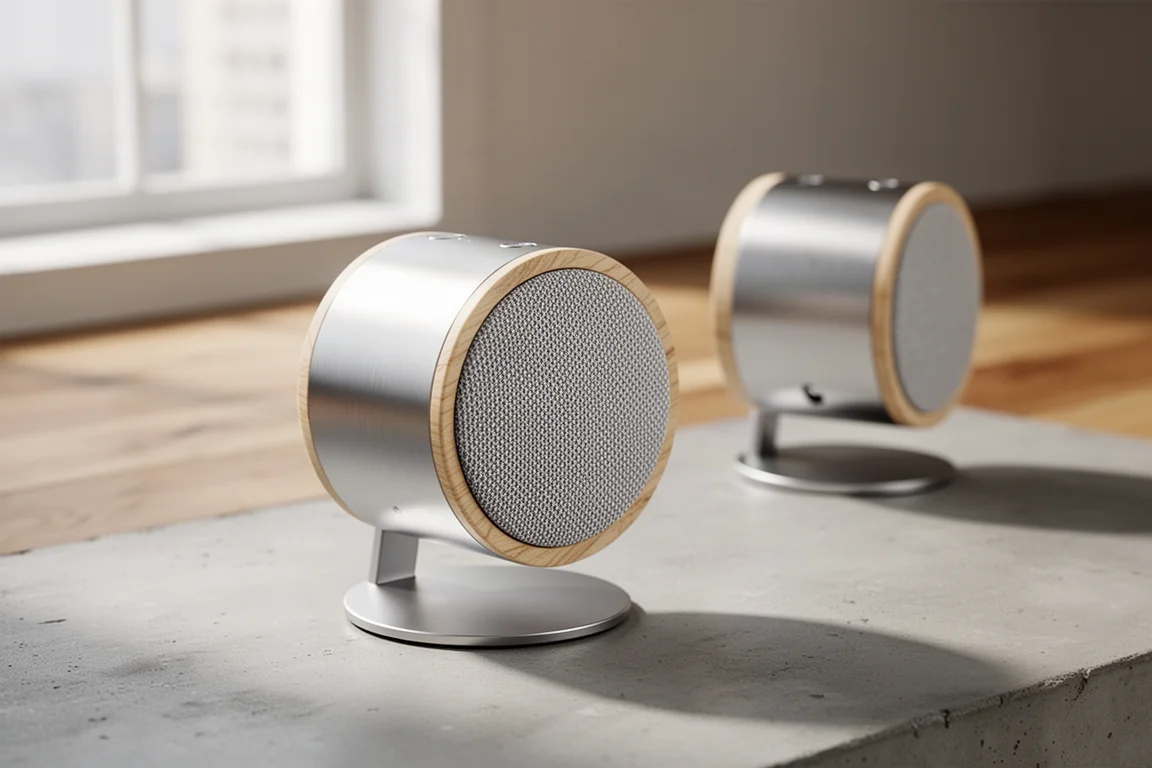
Bang & Olufsen Beolab 8 Review: A Compact Three-Way Speaker Built for Flexibility
A close look at the Beolab 8, a compact three-way powered speaker with customizable finishes, two listening modes, and a bass limiter worth understanding before you buy.
Wireless Speakers
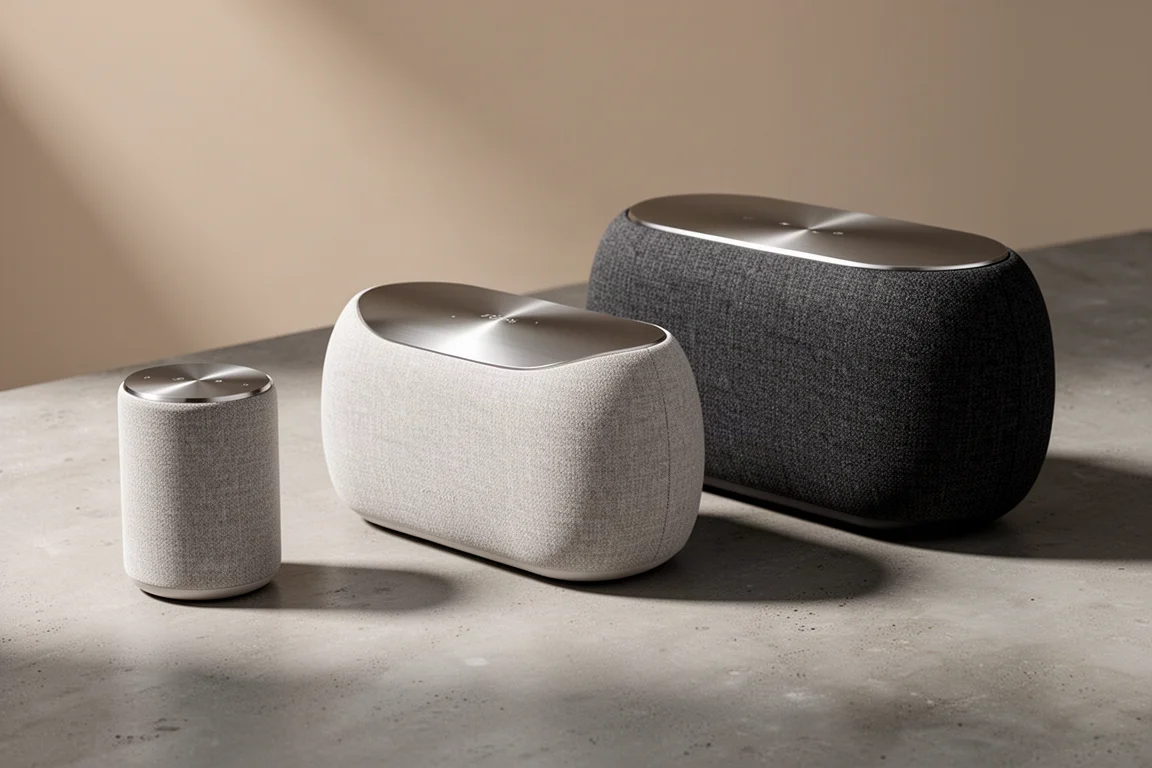
Denon Home 200, 400, and 600: Which New Denon Home Speaker Fits Your Room?
A practical look at the new Denon Home lineup, covering shared features, driver differences, Dolby Atmos delivery, and which of the three models suits which room.
Wireless Speakers
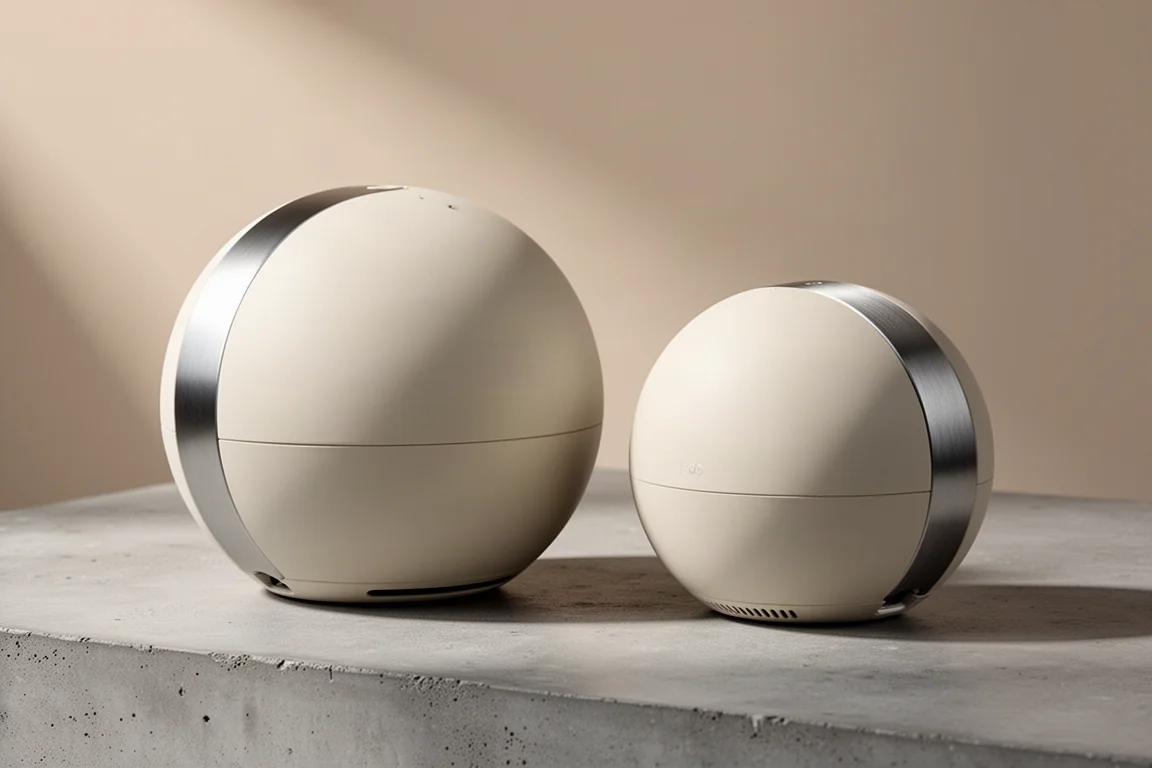
Devialet Phantom Ultimate Review: 108 dB and 98 dB Compared
A practical look at the Devialet Phantom Ultimate 108 dB and 98 dB, covering shared ADH, SAM, and HBI technology, app features, and which older Phantom owners should consider upgrading.