Wireless Speakers
Bang & Olufsen Beolab 8 Review: A Compact Three-Way Speaker Built for Flexibility
A close look at the Beolab 8, a compact three-way powered speaker with customizable finishes, two listening modes, and a bass limiter worth understanding before you buy.
Introduction
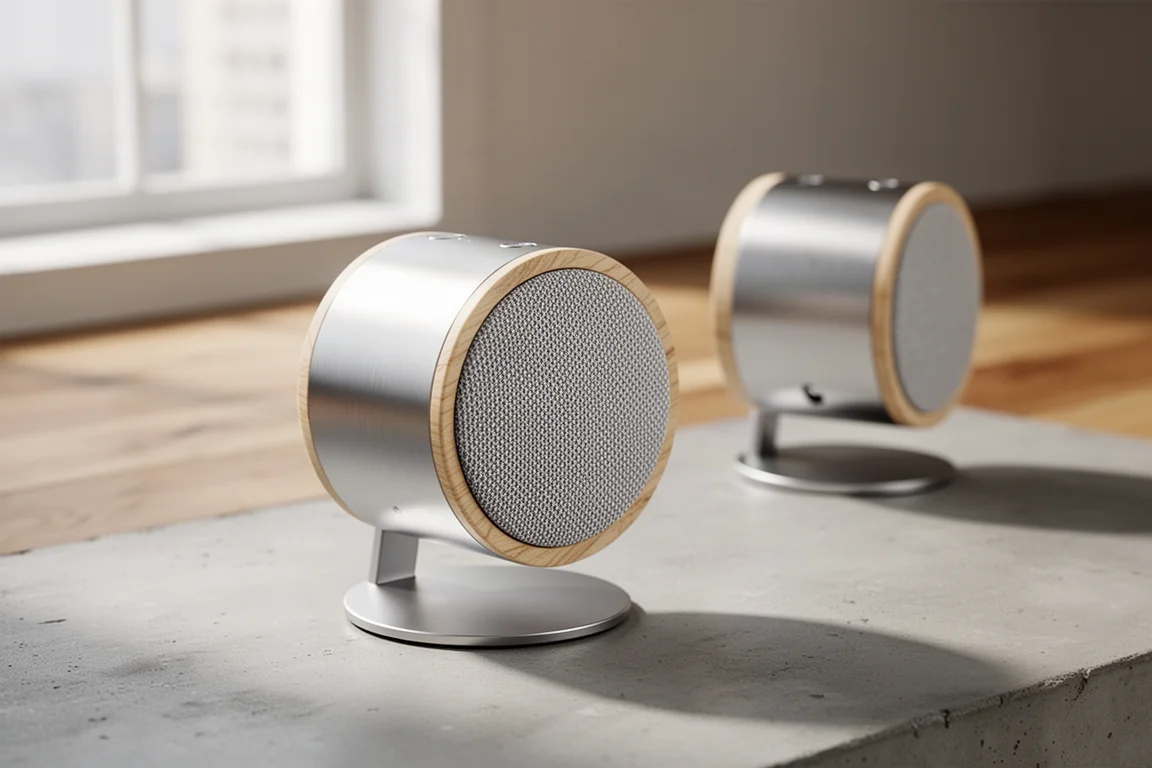
Bang & Olufsen’s Beolab 8 marks the brand’s return to a compact, stand-mounted speaker that can sit on a shelf, a side table, or a floor stand without taking over the room. It is a three-way powered speaker, and it is designed as a building block rather than a one-off purchase: a single unit can stand alone, two can be paired in stereo, and three or more can be spread across a home theater setup.
In person the speaker is larger than product photos suggest, though it remains far more compact than a pair of floorstanding towers. Buyers choose from a range of finishes and grille options and can mix and match them during ordering. Every visible part of the speaker can also be changed later, so the look is not locked in at the point of sale, which is a rare level of long-term flexibility at this price.
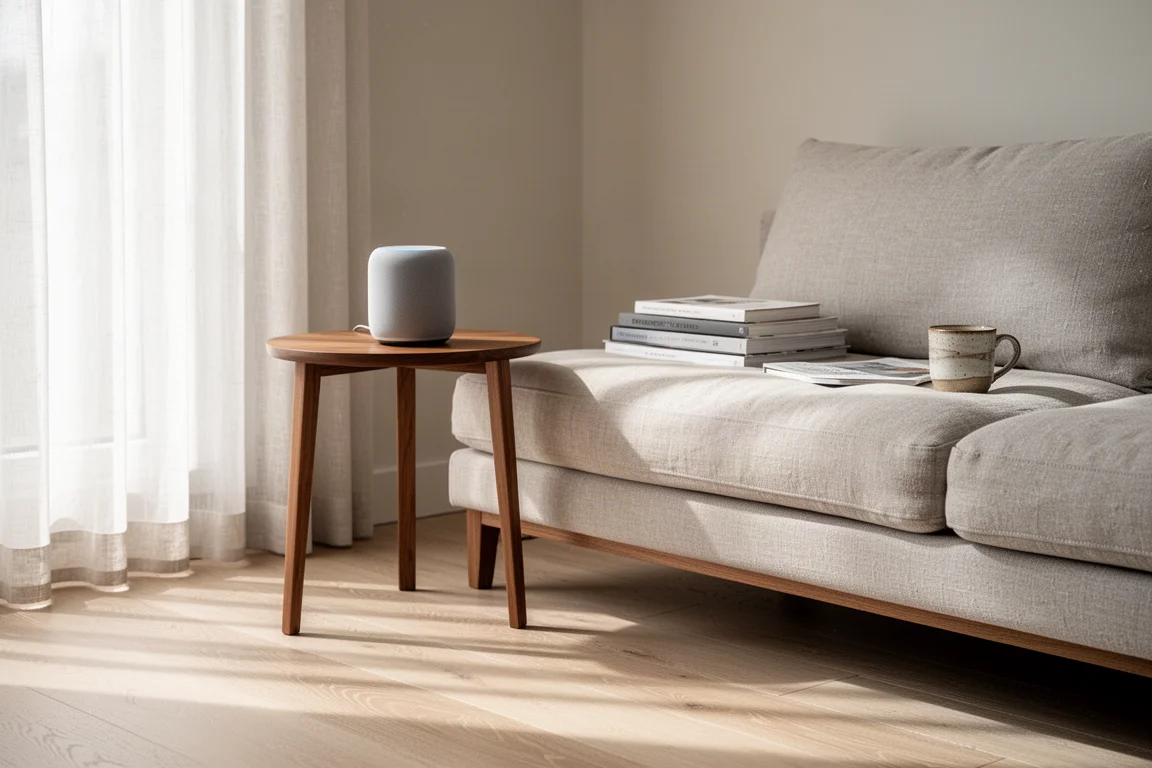
Pricing varies widely with finish. A pair starts at roughly $6,000, while a single unit in the aluminum and oak finish with the included table stand is about $3,500. Adding matching floor stands to a pair brings the total to around $7,500.
Who the Beolab 8 Is For
The Beolab 8 suits listeners who want a genuinely compact premium speaker that handles both music and television duty. A pair placed either side of a TV forms a convincing stereo setup for casual viewing, and the wide listening mode adds an immersive quality to films and series.
It is also a natural fit for existing Bang & Olufsen owners who want surrounds or height channels to complete a home theater system built around a soundbar. Three, five, or more units can be combined, and the speakers stay visually unobtrusive in the process.
It is less suited to anyone chasing maximum output or the deepest bass from a single box. Listeners who want a large, room-filling floorstander, or who plan to listen at high levels for long stretches, will find other options more appropriate, including models further up the same catalog.
One practical note: the Beolab 8 is sold through local Bang & Olufsen dealers rather than online, and installation and setup are included with the purchase. Setup is simple enough to handle alone, but the included service is a reasonable part of the premium price.
Main Strengths
The Beolab 8 earns its place through a combination of sound quality, adjustability, and everyday usability.
Sound Quality and Bass Performance
The speaker is a three-way design with a dedicated tweeter, a 3-inch mid-range driver, and a 5.25-inch woofer, each powered by its own Class D amplifier. The tweeter and mid-range receive 50 watts each, the woofer 200 watts, for a combined 300 watts per speaker and a reported frequency response of 28 Hz to 23 kHz.
At conversational listening levels, roughly 50 to 70 dB, the sound is punchy and articulate, with a surprising amount of bass for the cabinet size and a convincing sense of full-range reproduction across most genres. Drum work in particular carries real texture and weight, and the speaker ranks among the better low-volume performers for bass, delivering impact without disturbing neighbours.
Push the level past roughly 70 to 75 dB in a room and the bass character changes noticeably, rolling off and eventually tapering almost entirely. That behaviour reflects a stated maximum SPL of 90 dB for the bass region, and it points to a limiter protecting the drivers rather than any fault. Rather than distorting, the presentation simply softens and pulls back, which takes a little adjustment but keeps the sound clean. The speaker also does not play much below about 35 Hz, so anyone wanting deeper foundation should plan on adding a subwoofer such as the Beolab 19. A rise in energy between 40 and 50 Hz, combined with a dip between 100 and 200 Hz, is what gives the speaker its punchy, dynamic character at lower volumes.
Mid-Range and Treble Character
The mid-range is not strictly neutral in the textbook sense, but it is not coloured either unless the equaliser in the app is used to push it warmer or cooler. Instead, certain mid frequencies are brought forward, which makes vocals exceptionally clear and articulate and gives the speaker a distinct personality. Detail and in-room presence hold up even at low to moderate volumes, where many speakers start to sound interchangeable.
The treble is clean, crisp, and precise rather than airy. Extension is somewhat limited, and the tweeter rolls off earlier than many rivals, a deliberate choice that keeps the sound from turning sibilant or fatiguing over long sessions. The result is a plucky, staccato quality in the highs that adds emphasis when the material calls for it.
Narrow and Wide Listening Modes
Two listening modes shape the soundstage, and the difference between them is immediate when toggling back and forth. Narrow mode delivers classic stereo imaging and will feel familiar to anyone who has spent time with two-way bookshelf speakers. Wide mode opens up the presentation for a more spacious feel, though the placement of individual instruments can blur slightly as a result; vocals stay clear and stand out from the mix in either mode.
Wide mode is the more entertaining option for television and film, where it adds an immersive, almost surround-like quality. It is a fun way to listen, and it works well for casual viewing.
The App and Daily Usability
Physical connections include Ethernet, Power Link, and USB-C, which doubles as a line-in. From there, the Bang & Olufsen app handles the rest. It identifies the speaker once it is plugged in, joins it to the home network automatically, and then offers naming, automatic room calibration, and a custom sound profile that is shaped by dragging a finger around a virtual dial between cool and warm or bright and mellow.
Music services such as Spotify and Tidal Connect are accessible inside the app, and a favourite service, playlist, artist, or internet radio station can be assigned to a button on top of the speaker. Approach the unit and four icons illuminate; a tap starts playback. Volume is adjusted by running a finger along the top edge, which quickly becomes second nature. Stereo pairing is handled in the app by adding the second speaker and selecting the stereo pair option, and in a multiroom setup playback can be sent to any speaker by selecting it in the app.
Things to Consider Before Buying
The bass limiter is the single biggest consideration. It keeps the speaker composed and protected, but anyone who regularly listens loudly will notice the low end stepping back. A subwoofer solves the problem, and so does moving up to a model such as the Beolab 28, which does not share the same bass constraints.
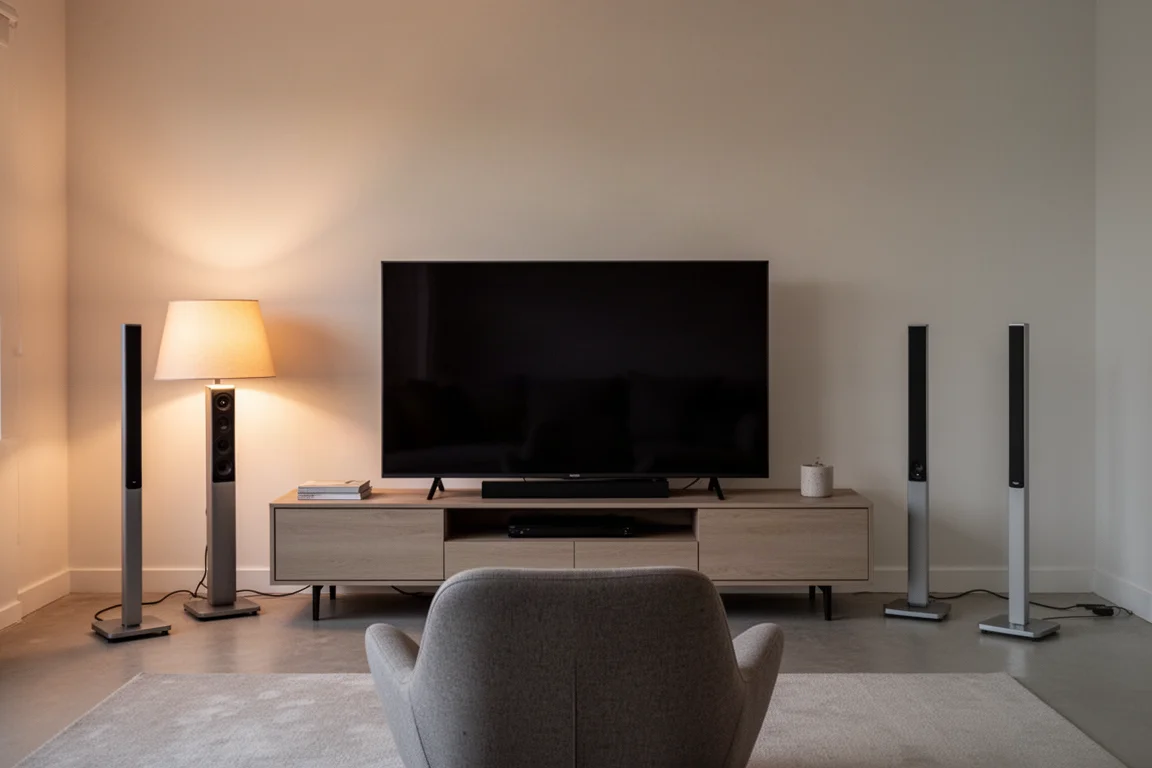
Finish and mounting choices affect both the price and the long-term look. The aluminum and oak combination is the signature option and the most expensive, while an aluminum or black anthracite finish with a grey fabric grille is a more timeless and less costly route. The table stand is included, while the floor stand costs more and the wall mount is a third option. The floor stands divide opinion: the older generation used a solid, heavy silver base that screwed directly into the pole for a seamless result, whereas the current stands use a detachable silver plate that conceals a plainer black base beneath a more squared-off pole. It is a small detail, but one worth seeing in person.
Placement flexibility is good but not unlimited. The speaker is compact, yet it still needs some space to breathe, and its bass behaviour is tied to the room. Buyers who want the largest possible sound from a single cabinet should also audition the larger models in the range before deciding.
How It Compares With Other Premium Speakers
Alternatives outside the brand are worth a look. A pair of Sonos Era 300 speakers costs around $900 without stands, roughly a sixth of the price of a basic pair of Beolab 8s, and they are more room-filling and spacious, with a more neutral voicing and an ecosystem that grows easily. The Beolab 8 is the more refined and distinctive performer of the two. The Sonus Faber Duetto, at about $4,000 a pair, is stylish and likely to play louder and deeper with fewer bass limitations, but it offers nothing close to the same level of adjustability or flexibility, and it saves around $2,000.
The toughest competition comes from within. A pair of Beolab 8s on floor stands costs about $7,500, close to the price of two Beosound A9 units, which play louder and deeper but are larger and harder to place. A pair of Beosound Balance speakers in a comparable finish is about $6,500, roughly $1,000 less, and in a single-unit comparison the Balance showed greater physical presence in the low bass and played louder with less limiter intervention, while offering the same narrow and wide modes. Older models such as the Beolab 4000 and 6000 have a warmer, more relaxed character that suits casual listening, but they lack the precision, contrast, and equalisation options of the newer speaker.
Buying Advice
The Beolab 8 makes the most sense for buyers who value design, adjustability, and a sound that stays articulate at everyday volumes. It is a strong choice for a compact stereo pair in a living room, and an even stronger one for anyone assembling a multi-channel Bang & Olufsen system around a soundbar.
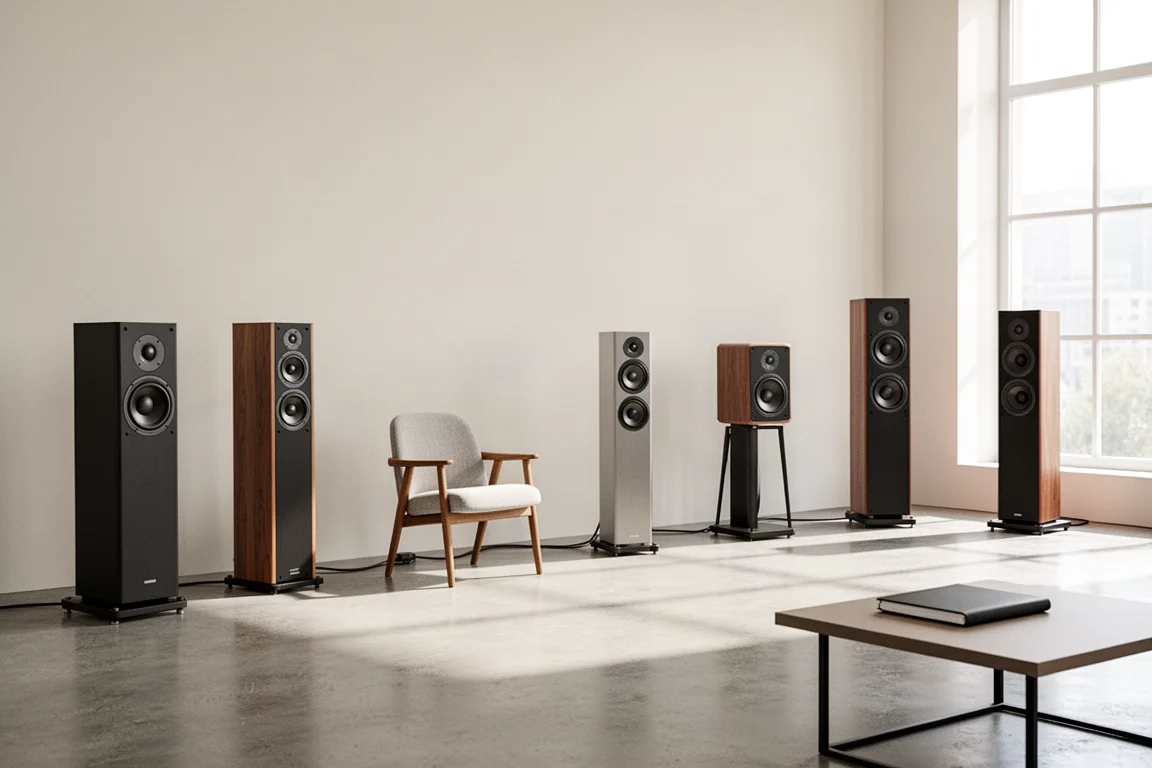
Before committing, decide on two things: how loud you realistically listen, and whether you want the deepest bass the brand offers. If loud listening is the norm, budget for a subwoofer or audition the Beolab 28. If it is not, the Beolab 8 delivers a great deal of the brand’s character in a small footprint.
Finish and stand choices deserve the same care as the electronics, since they determine both the final price and how well the speaker settles into a room. Anyone spending this much should hear the Beolab 8 alongside the Beosound A9 and Beosound Balance at a dealer, ideally in a room close in size to the one it will live in, before making a final decision.
Conclusion
The Beolab 8 fills a gap that had been open for several generations: a compact, end-table-style speaker that can serve as a stereo pair, a surround channel, or a height channel for home theater customers. It is not the most capable speaker Bang & Olufsen has ever built, and the bass limiter is a real constraint for loud listening, but it is exceptionally well judged for everyday use.
Its strengths are the ones that matter day to day: clear and articulate mids, a controlled treble, two genuinely useful listening modes, and an app that makes setup and control effortless. Combined with a finish that can be changed at any point, it is a speaker that fits a room and a routine rather than demanding attention. For listeners who want premium sound without a premium footprint, it is an easy recommendation to audition.
Product link
View more details for Bang & Olufsen Beolab 8
This product is mentioned in the review. Check the specifications, options, and compatibility before buying.
View more details for Bang & Olufsen Beolab 8Further reading
Related Reviews
Wireless Speakers
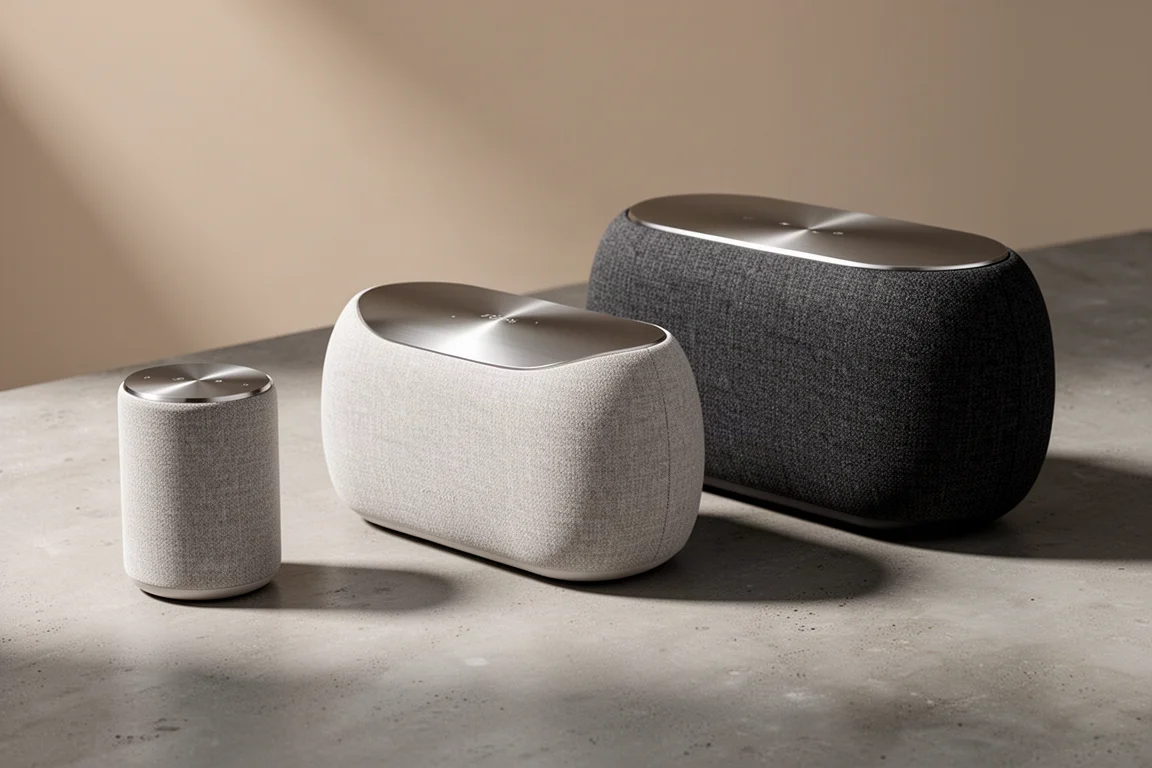
Denon Home 200, 400, and 600: Which New Denon Home Speaker Fits Your Room?
A practical look at the new Denon Home lineup, covering shared features, driver differences, Dolby Atmos delivery, and which of the three models suits which room.
Wireless Speakers
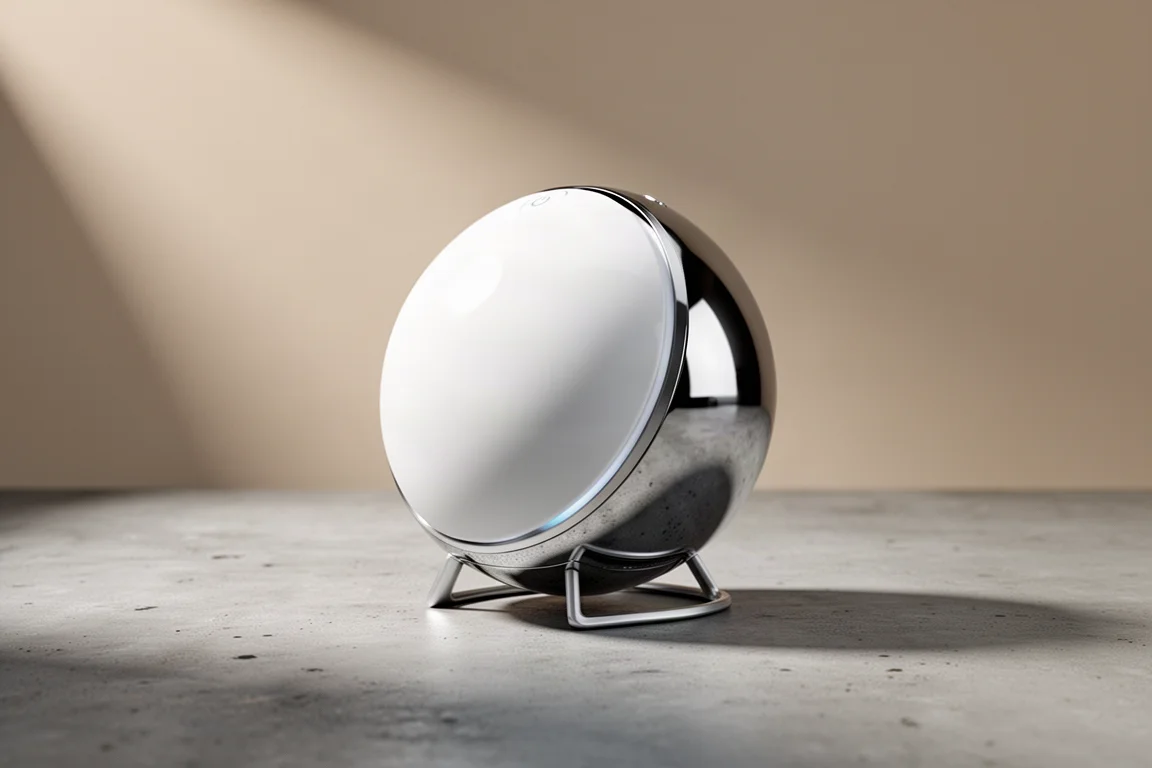
Devialet Phantom II Review: Big Bass From a Very Small Wireless Speaker
A compact wireless speaker with genuinely remarkable bass output, sharp imaging, and a few trade-offs worth understanding before you buy.
Wireless Speakers
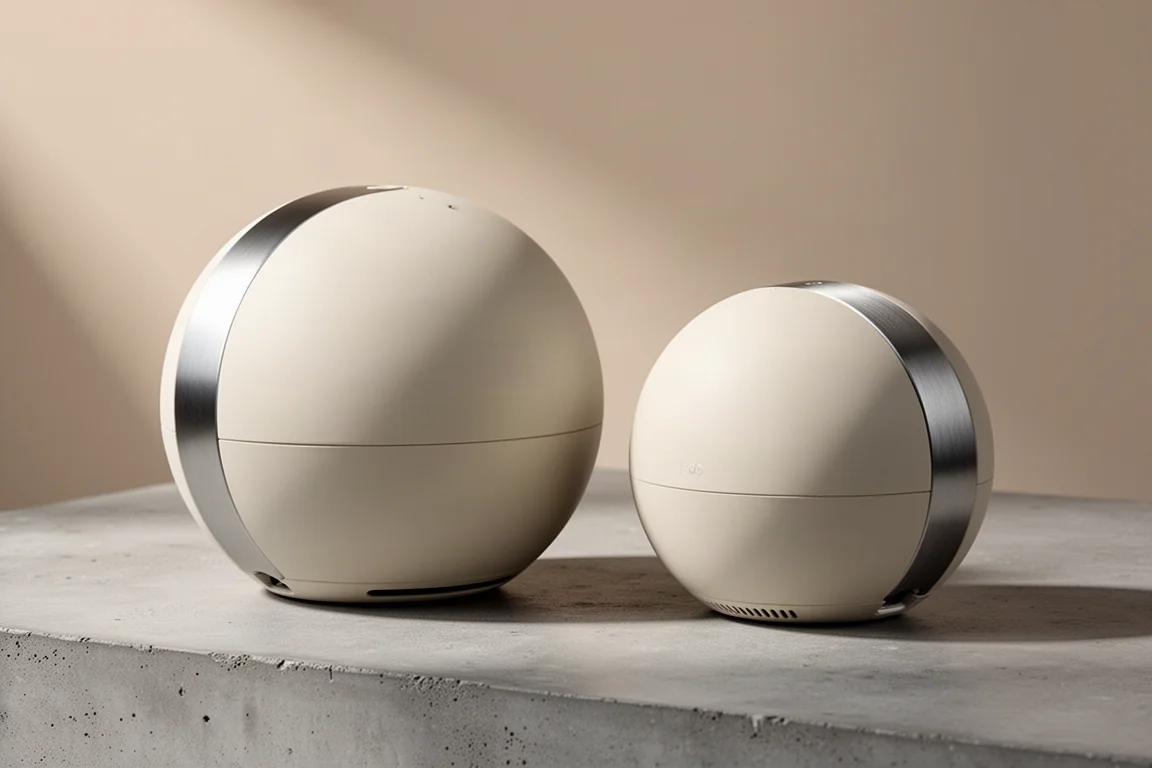
Devialet Phantom Ultimate Review: 108 dB and 98 dB Compared
A practical look at the Devialet Phantom Ultimate 108 dB and 98 dB, covering shared ADH, SAM, and HBI technology, app features, and which older Phantom owners should consider upgrading.