Camping Tents
Palmoli Stove Hut 70 Version 2.0 Review: Did the Leaking Problem Get Fixed?
A revised camping shelter tested through hours of rain, including a thunderstorm, with its vent left open. Here is what held up and what remains open.
Introduction
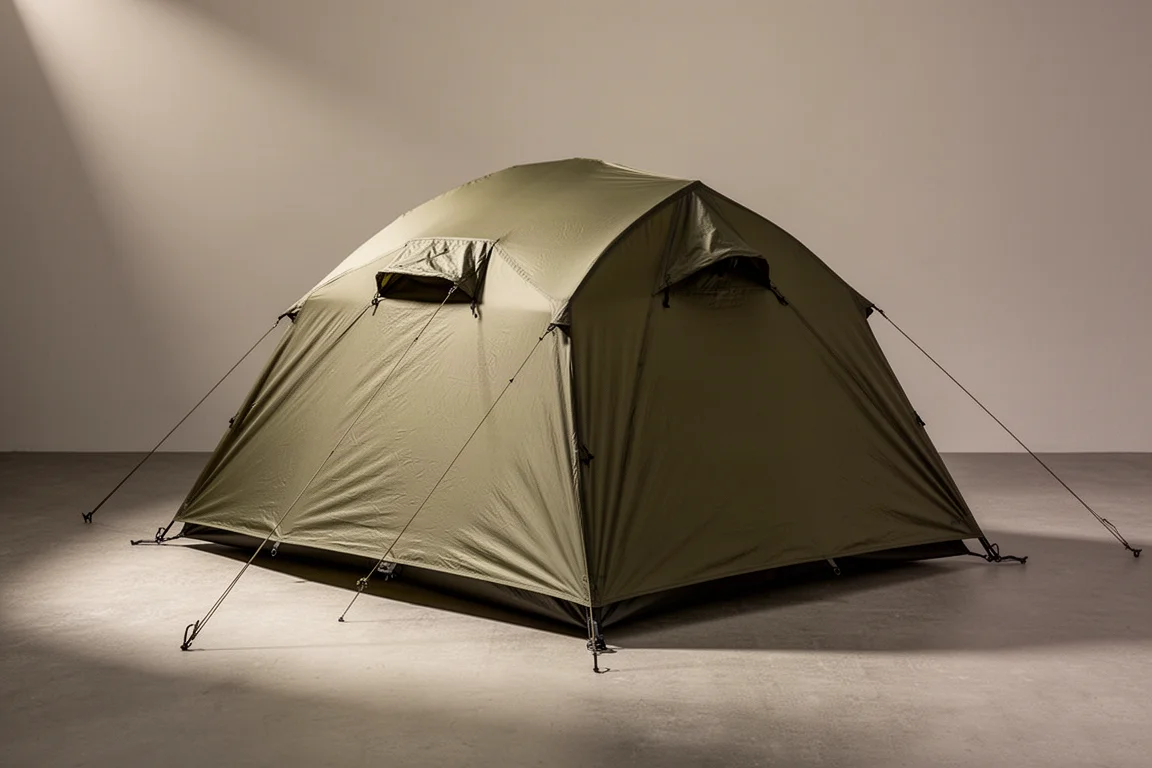
The Palmoli Stove Hut 70 Version 2.0 is a shelter with a difficult backstory. Earlier versions of this tent were widely reported to leak, and the company initially pushed back on those accounts before acknowledging a problem and going back to the drawing board. Version 2.0 is what came out of that process.
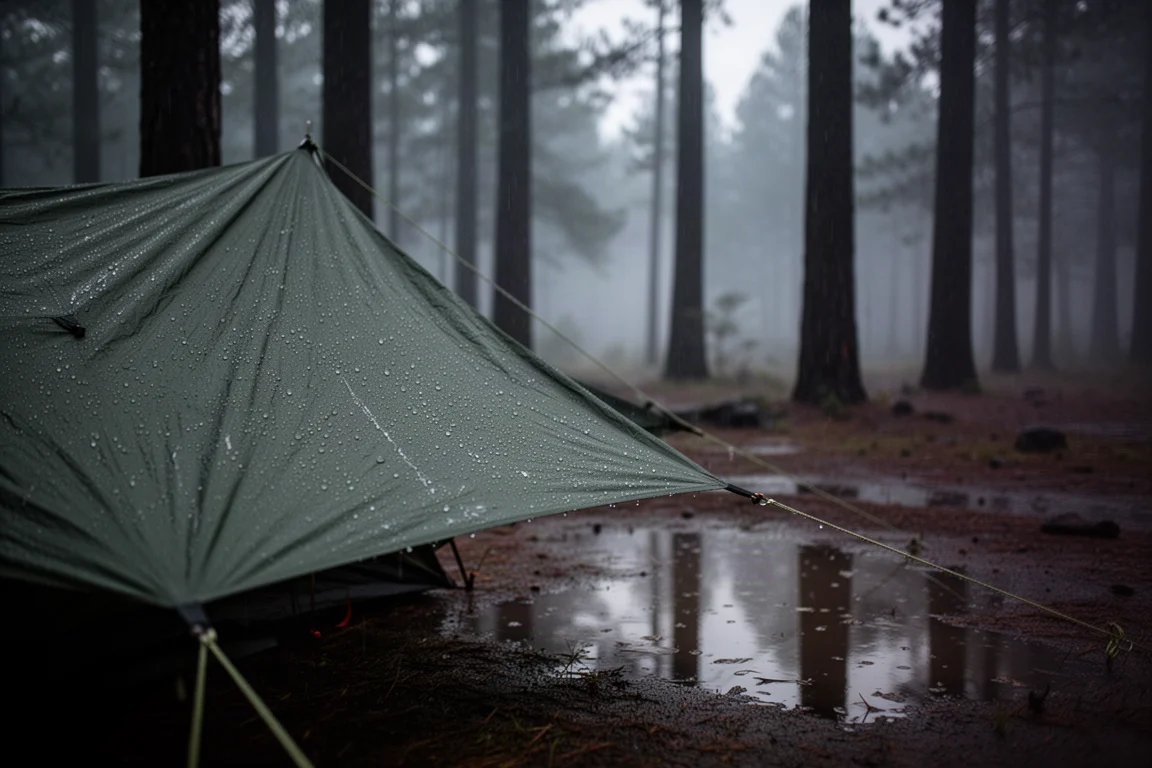
That history shapes the only question this test set out to answer: does the shelter keep rain out? Condensation control, interior ventilation comfort, and multi-season durability are separate topics. Water ingress is the one that mattered here, so the shelter was left out in moderate rain, then heavier rain, then wind-driven rain during a thunderstorm, for several hours in total.
Everything below reflects what that exposure showed.
Who This Shelter Is For
This is a tent for campers who need a shelter that stays dry when the weather turns, and who are willing to weigh a product’s past against its current performance. It suits anyone who camps in wet climates, plans trips where a downpour is likely, or simply wants a shelter whose fly and seams hold up when rain arrives at an angle.
It is less suited to buyers who want a spotless track record and no caveats. The Version 2.0 result is a genuine improvement, but the earlier versions remain part of the product’s story.
If your priority is staying dry in sustained rain rather than buying the newest design on the market, this shelter belongs on your shortlist. If you need certainty about how a tent will behave across several seasons, that is a question no single rain test can settle.
Waterproof Performance in Real Rain
The first rain event lasted about 15 minutes at moderate intensity. Inspection afterwards found no leaking along the seams and no dampness at the top of the shelter. It was a useful opening round rather than a decisive one, and more rain followed.
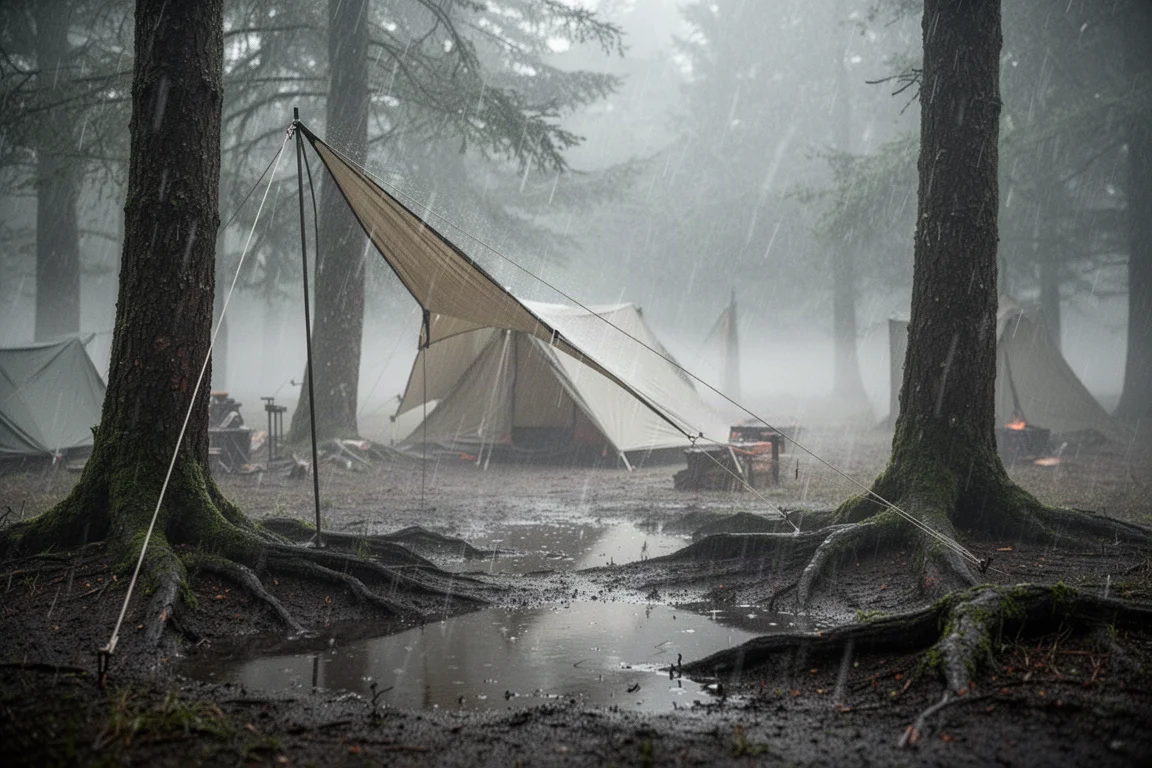
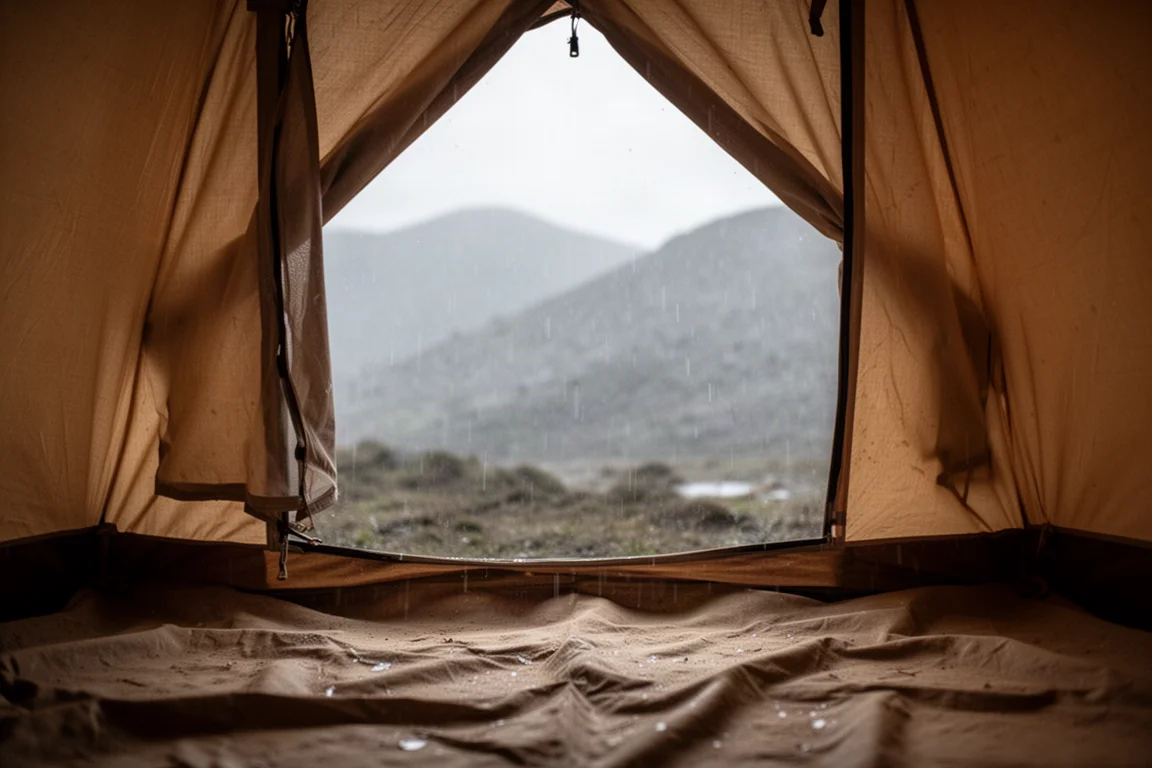
The second event was heavier. By the end of the session the shelter had been in the rain for several hours, including wind-blown rain during a thunderstorm, and no water entered the tent. Notably, the bottom vent was left open for the whole test, relying on the flap that covers it to keep water out. That flap did its job.
Main Strengths
The headline result is straightforward: the shelter stayed dry through hours of rain, including heavy and wind-driven conditions, with the vent open. For a tent whose earlier versions were defined by leaking, that is a meaningful turnaround.
There is also a design argument in its favour. Palmoli builds shelters that do not look like everything else on the shelf, and that willingness to try unusual layouts is worth something in a market full of near-identical designs.
The fix here appears to be structural rather than cosmetic. The seam and vent path that let water in on earlier versions has been addressed, and the shelter held up when exposed to exactly the conditions that used to reveal the flaw.
Things to Consider Before Buying
The product’s history is the first thing to weigh. Earlier versions leaked, the company disputed that at first, and Version 2.0 exists because the problem eventually had to be fixed. That sequence is a fair part of the buying decision, even if the current version performs well.
This test also covered one specific question. It did not evaluate condensation control, interior comfort in humid conditions, packed size, or how the materials will age over multiple seasons. Campers heading into cold, damp environments should treat those as open questions.
Long-term waterproofing is likewise unknown. A shelter can pass an extended rain test and still see seam tape and coatings degrade over years of use.
Design Details Worth Knowing
The vent sits beneath a protective flap. On earlier versions, rainwater could travel down the fly, through the seam, and into the tent at that point. On Version 2.0, leaving the vent open in heavy rain did not let water inside, which suggests the flap and seam geometry now work as intended.
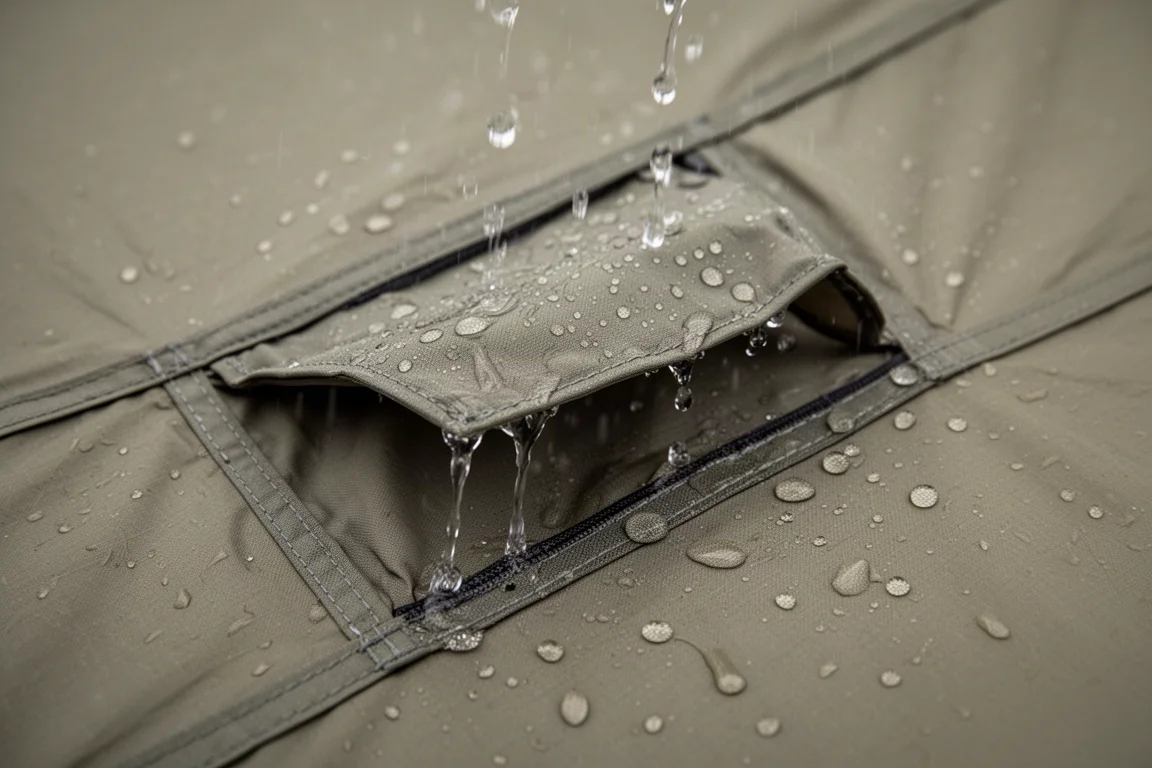
That detail matters more than it might sound. A vent that has to be closed in rain loses much of its purpose, so a design that can stay open during a storm is genuinely useful for anyone camping in changeable weather.
Fabric Stretch and Tensioning
During the rain, the body of the shelter began to sag. That is normal behaviour: textiles such as polyester and nylon, along with the cords tensioning them, stretch once they get wet. A sagging fly is not the same thing as a leaking fly, and this tent did not leak.
It is still something to plan for. Expect to re-tension guy lines and adjust the pitch after a wet night, and do not read a slightly slack fly as a defect. The same thing happens on shelters at every price point.
Buying Advice
If waterproofing is your main concern, this version passed a demanding test. It was exposed to hours of rain, including a thunderstorm with wind-driven precipitation, and stayed dry with the vent left open.
Buy on the current version and on the performance described here, not on the reputation of the earlier ones. If you want a shelter with an unusual design that keeps rain out in sustained weather, this one has earned its place on a shortlist. If you need certainty about multi-season durability or condensation behaviour, accept that those questions remain open for now.
Conclusion
The Palmoli Stove Hut 70 Version 2.0 answers the question it needed to answer. After hours of rain, including heavy and wind-blown conditions, it did not leak, and it managed that with the vent left open. Given where this product started, that is a real result. What remains is the difficult history behind the name and the questions that a single rain test cannot settle.
Product link
View more details for Palmoli Stove Hut 70 Version 2.0
This product is mentioned in the review. Check the specifications, options, and compatibility before buying.
View more details for Palmoli Stove Hut 70 Version 2.0Further reading
Related Reviews
Camping Tents
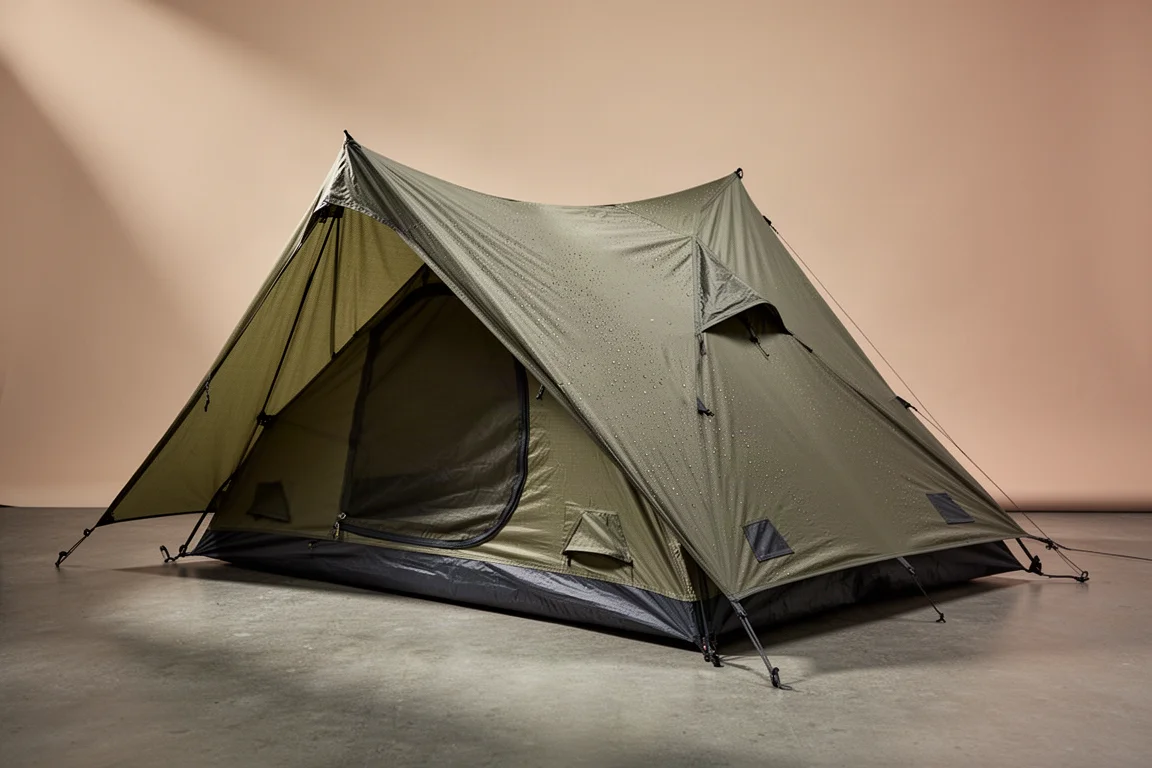
3F UL Gear Taiji Two-Person Tent Review: Field Waterproofing Results and Buying Advice
The Taiji pairs an attached fly with a removable inner, but sustained rain exposed untaped vent seams that need sealing before this shelter can be trusted.
Camping Tents
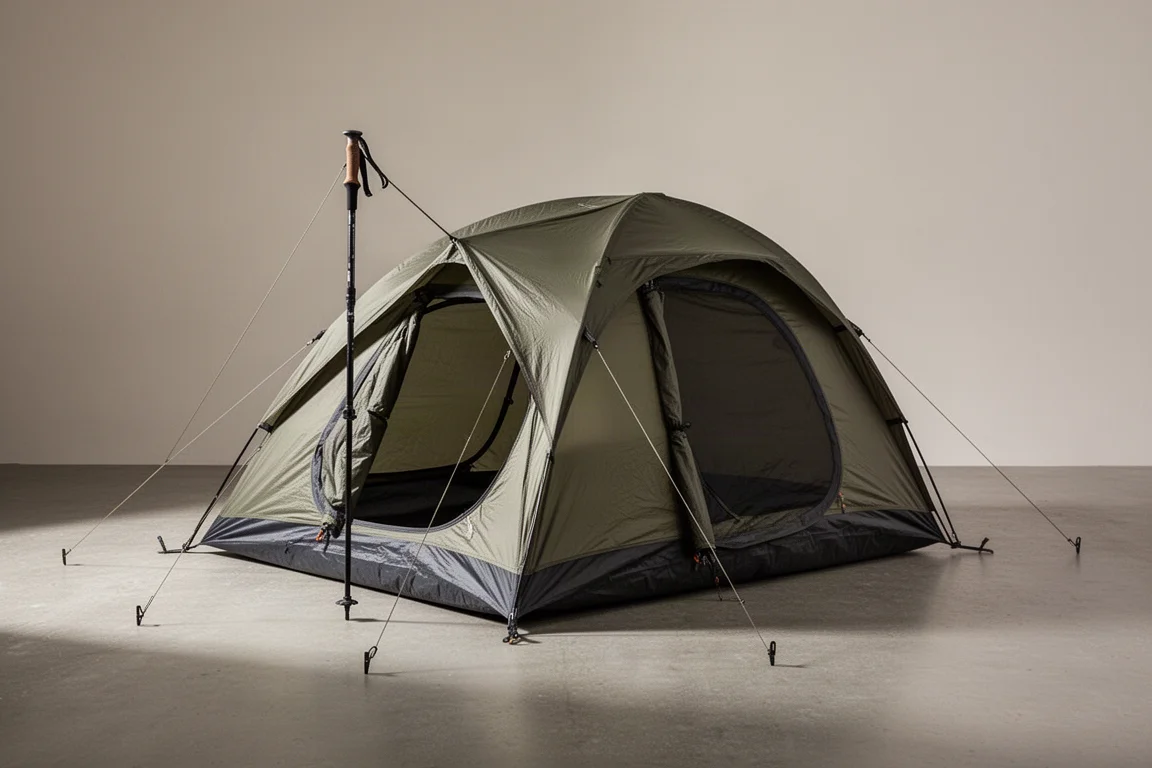
3FUL Gear Lanshan 2 Pro 4-Season Review: A Sub-$200 Single-Wall Trekking Pole Tent
An early look at the 3FUL Gear Lanshan 2 Pro 4-Season, covering its straightforward pitch, generous interior space, and the condensation and seam-sealing questions that come with any single-wall shelter.
Camping Tents
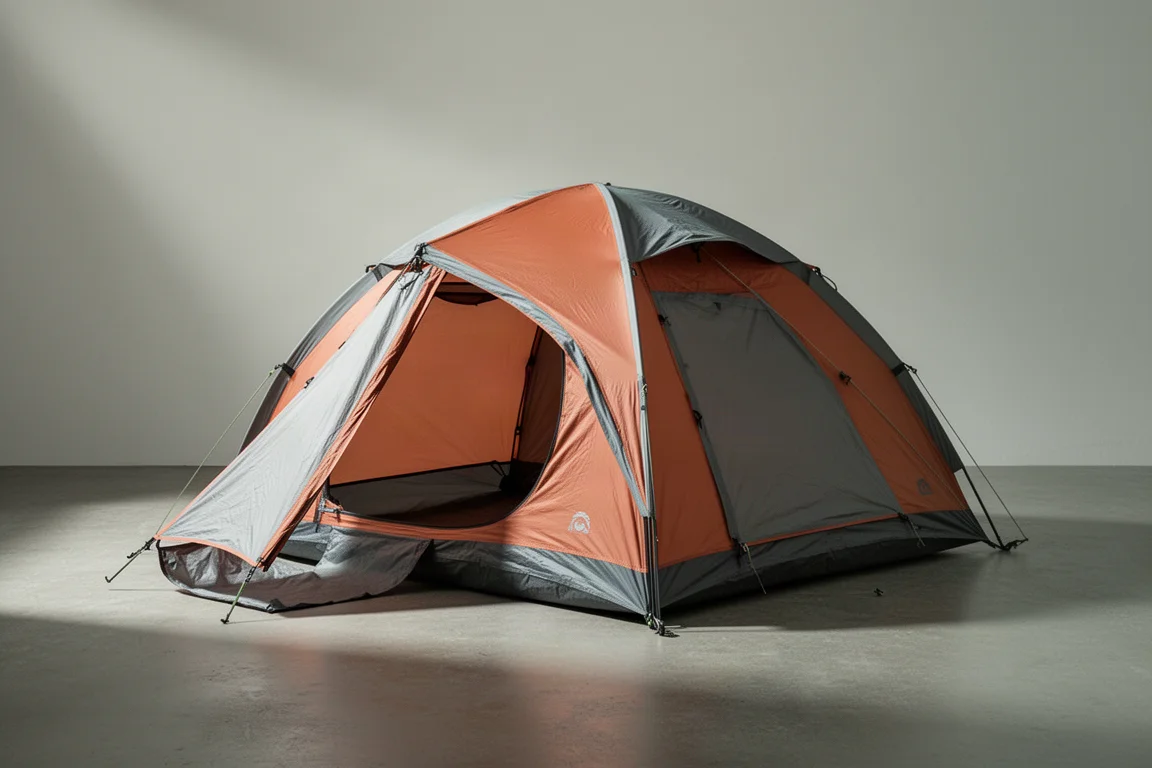
Alps Mountaineering Lynx 1-Person Tent Review: Big Value in a Small Budget Tent
A close look at the Alps Mountaineering Lynx 1-Person Tent, covering real interior dimensions, materials, setup time, ventilation limits, and who should buy it.