Pack Rafting Gear
Pack Rafting Gear List: 10 Pieces That Earned Their Place on an Overnight River Kit
A complete pack rafting gear list for an overnight river trip, covering safety, paddling, camping, and sleeping gear, with notes on what carried well and what to trim.
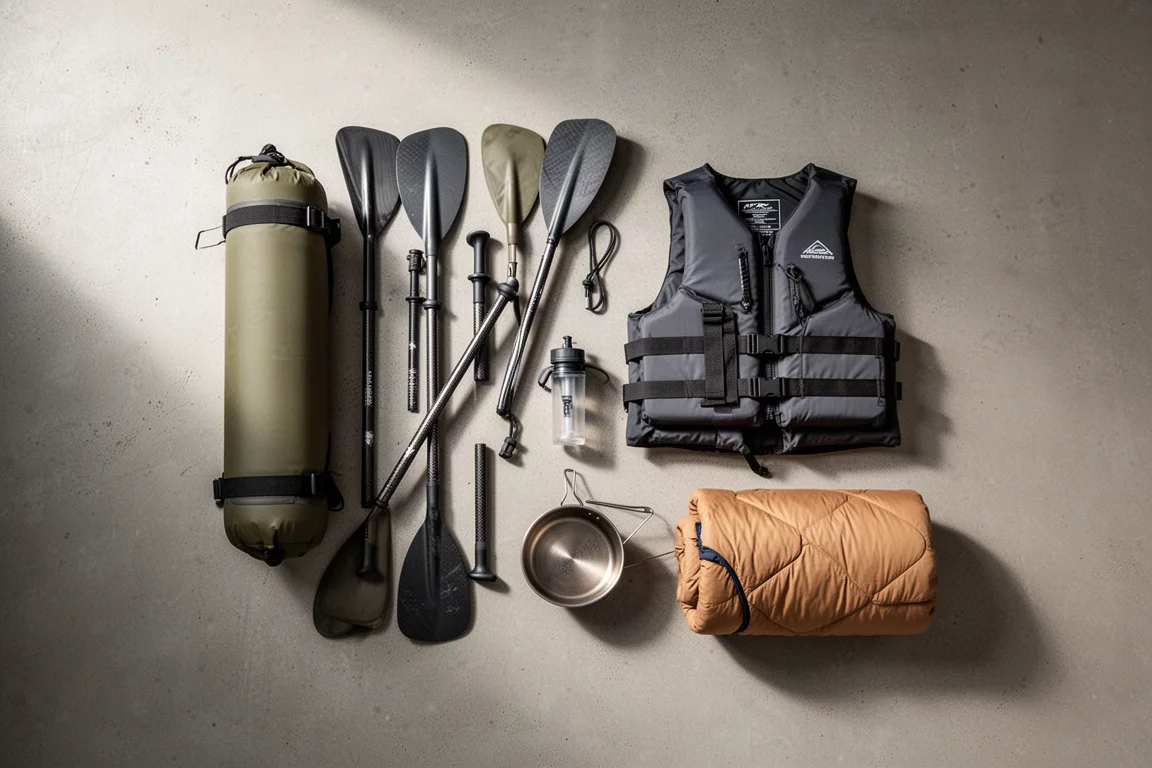
Introduction
A first pack rafting overnight trip is a useful stress test for a gear list, because the load has to do two jobs at once. Everything has to camp comfortably, and everything has to survive a river that could contain whitewater. This particular loadout came in at 40 lb in total, counting the pack rafting equipment, the camping kit, food, and water.
Most of the rafting gear rode on the outside of the pack, simply because it is too bulky to fit inside. The paddles were the one item that might have squeezed in. The boat itself traveled on the inside, protected from the logs and deadfall that a river trip tends to involve.
What follows is the full list, grouped by what each item does on the water and in camp, along with the trade-offs worth understanding before you buy.
What This Pack Rafting Kit Had to Handle
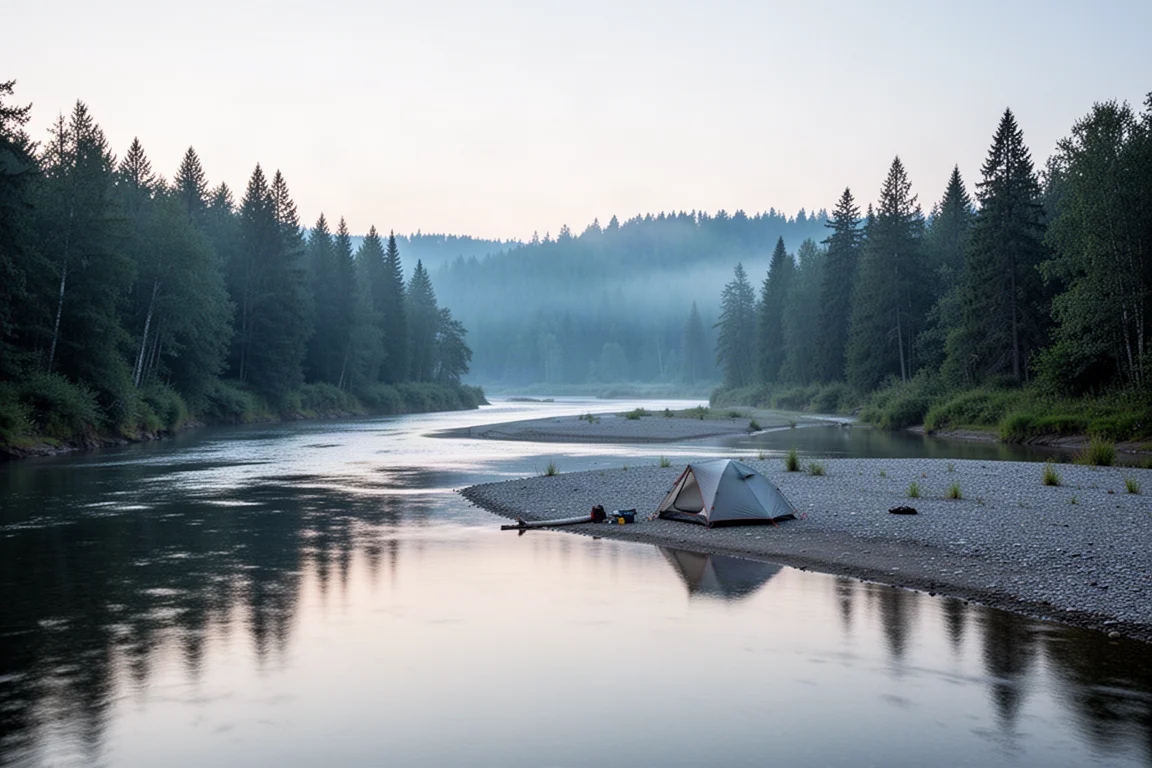
Three constraints shaped this loadout. The river could contain whitewater, so the safety gear had to be genuinely capable rather than nominal. Everything had to travel on a single pack that would be carried to the water and then loaded into the boat. And the overnight camp had to stay comfortable in temperatures that dropped to -5°C.
That combination pushes weight up quickly. A 40 lb total is manageable over short distances but becomes heavy over any real mileage, which is the main reason a few items on this list are flagged as candidates for trimming.
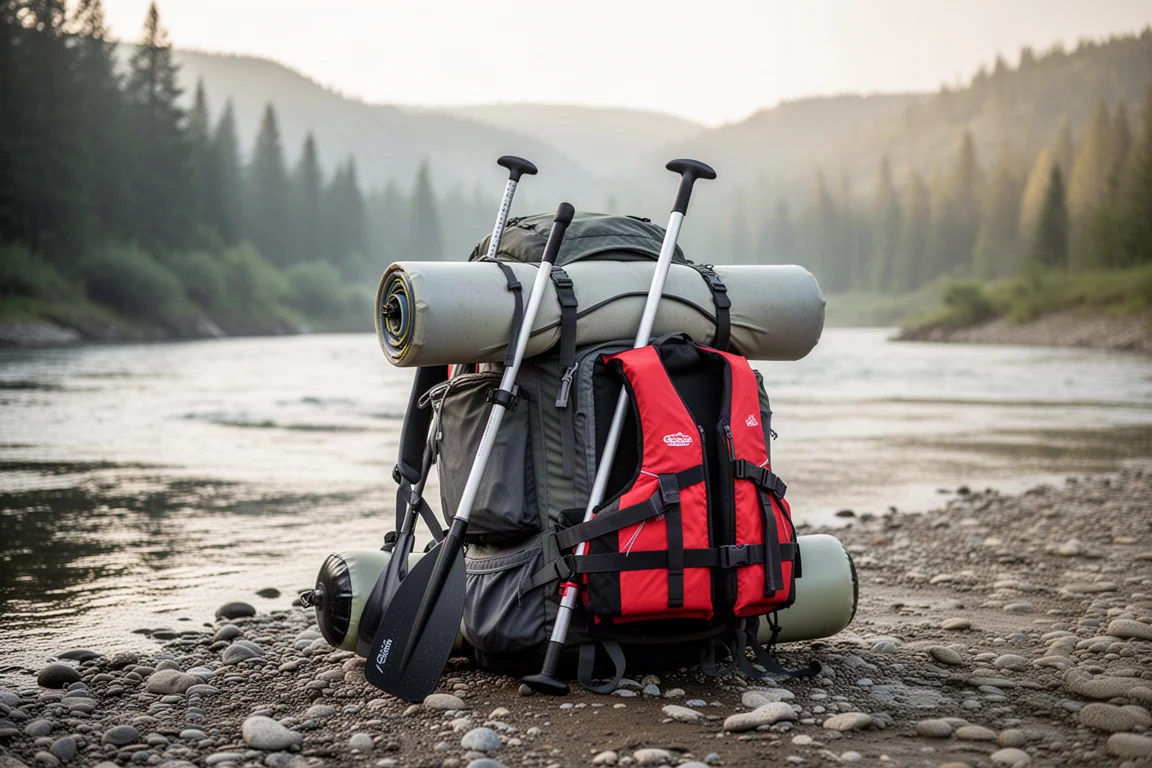
Keeping bulky items outside the pack served a second purpose: staying streamlined. Gear that sticks out above or around a pack can catch on overhanging branches and deadfall, and an inflatable boat carried on the outside is exposed to punctures. That is why the raft went inside and the paddle was chosen for a breakdown that leaves nothing protruding.
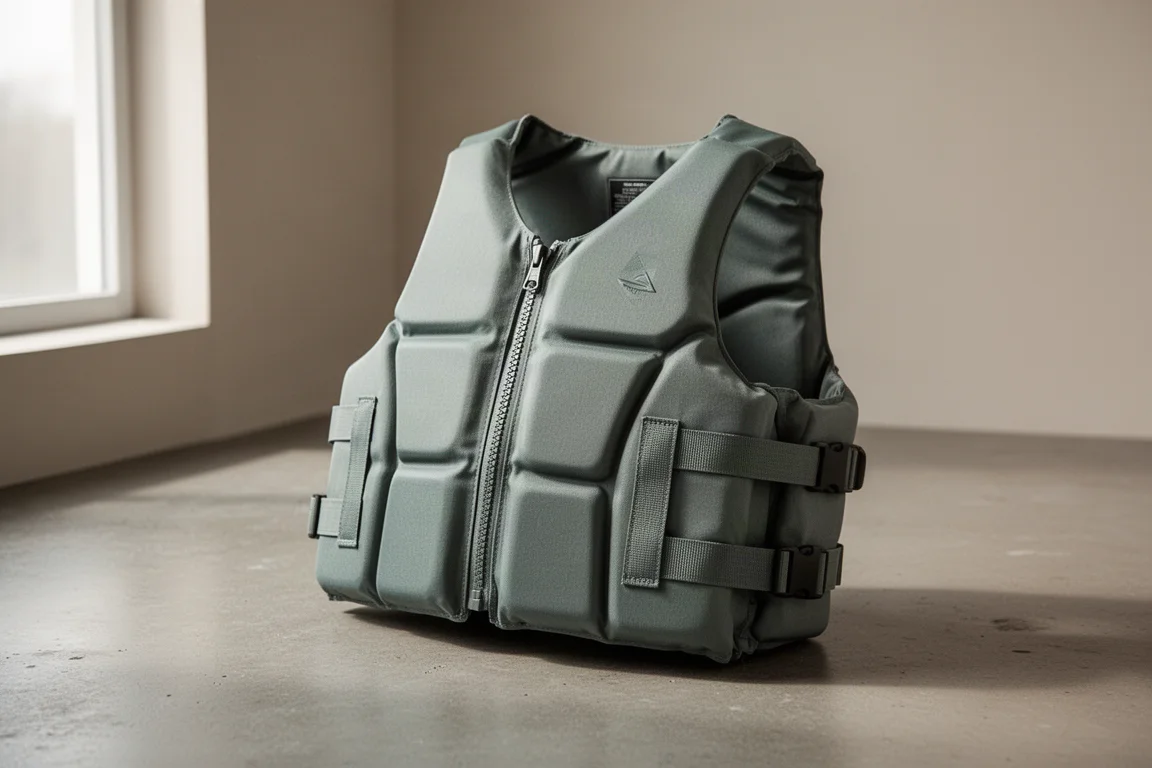
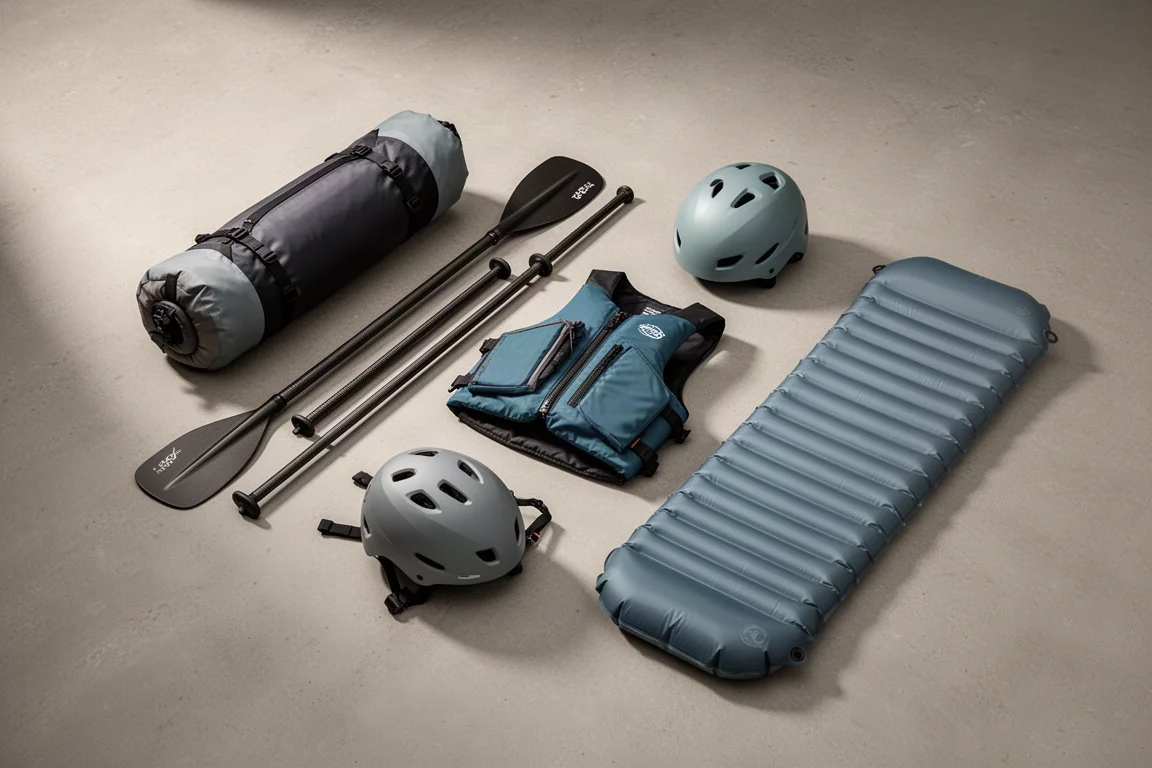
Astral YTV: A Lightweight PFD With Range of Motion
The Astral YTV was the life jacket for this trip. It is very lightweight while still being effective, and the cut leaves a wide range of motion for paddling, which matters over a full day on the water.
A whitewater-certified helmet weighing 170 g came along as well. It is best understood as a just-in-case item rather than something built to absorb repeated impacts, but at that weight it is easy to justify on a trip where a helmet is not strictly required.
PFD choice depends on the water you expect. On mellower trips an inflatable PFD and no helmet can be enough. For a river with unknown whitewater, a certified foam PFD and a helmet are the more conservative call.
AquaBound Whiskey: A Four-Piece Carbon Paddle
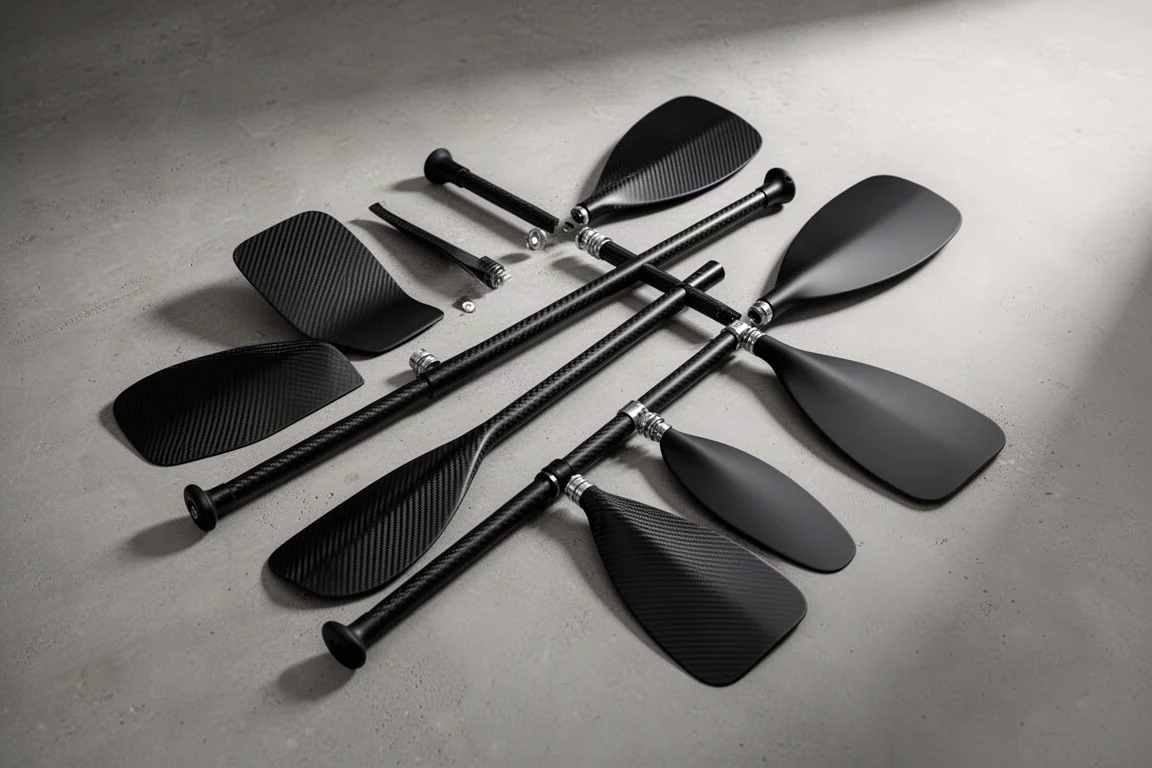
The paddle was a four-piece AquaBound Whiskey in carbon fiber. It is very lightweight, still very stiff, and has a blade shape that works well in the water.
The four-piece breakdown is the practical headline. The entire paddle fits along the side of a pack with nothing sticking out above or around it, which is exactly what you want when you are ducking under logs and threading tight bends. Stiffness matters too, because a flexing shaft steals power from every stroke and makes long days more tiring than they need to be.
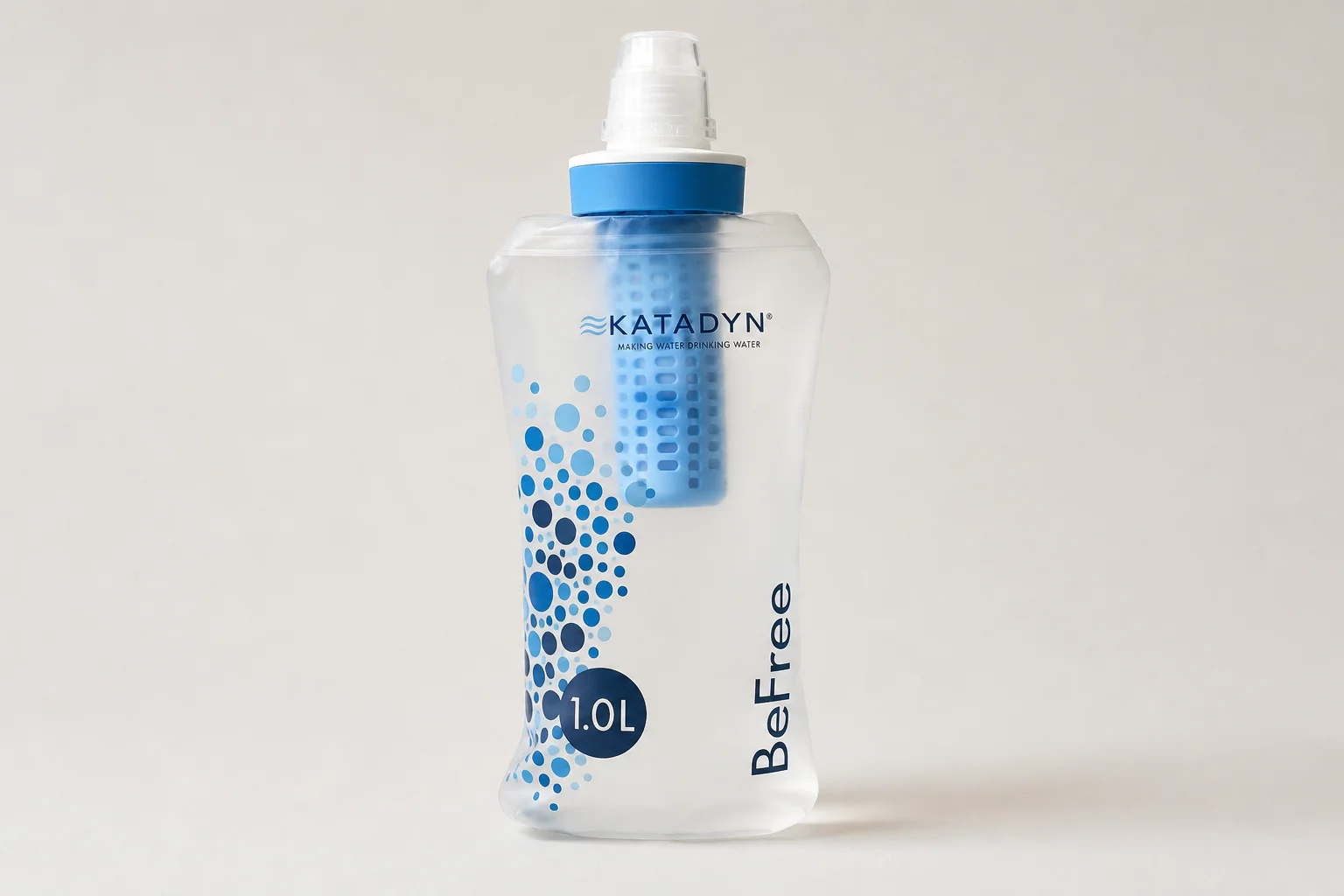
Katadyn BeFree: Fast Filtering On the Water
The Katadyn BeFree handled water treatment. It filters water very quickly and is genuinely convenient while you are on the water: scoop water into it and filter.
Water was carried in one-liter plastic bottles with flip-cap lids, and bear spray rode on the same side of the pack. A rain jacket stayed on the outside as well, which turned out to be the right call when the forecast rain arrived. Worn while paddling, it kept splashes off and added warmth on the water.
Seek Outside Divide 4800 v2: Volume Without the Weight
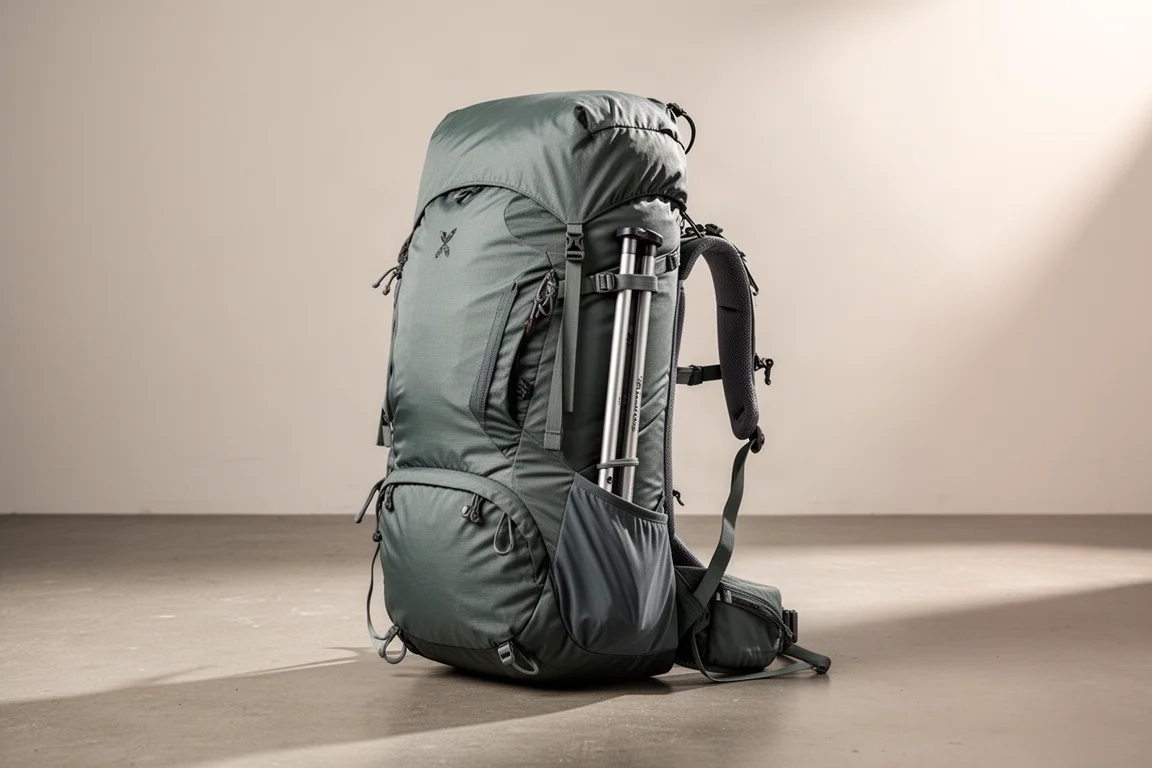
The pack was the Seek Outside Divide 4800 version 2. The appeal is straightforward: this brand has a strong reputation for packs that carry weight well and offer a lot of volume without weighing a lot themselves. On a scale, this one came in at just over 1.3 kg with a couple of accessories, including the brain, removed.
The feature set is built around load management. There is a very large hip belt, a solid aluminum frame that can be split into two pieces so it fits inside the dry bags that go inside the boat, an adjustable torso for dialing in fit, and load lifters. A modular brain was fitted for this trip to hold small items, though it is normally left at home except for winter camping.
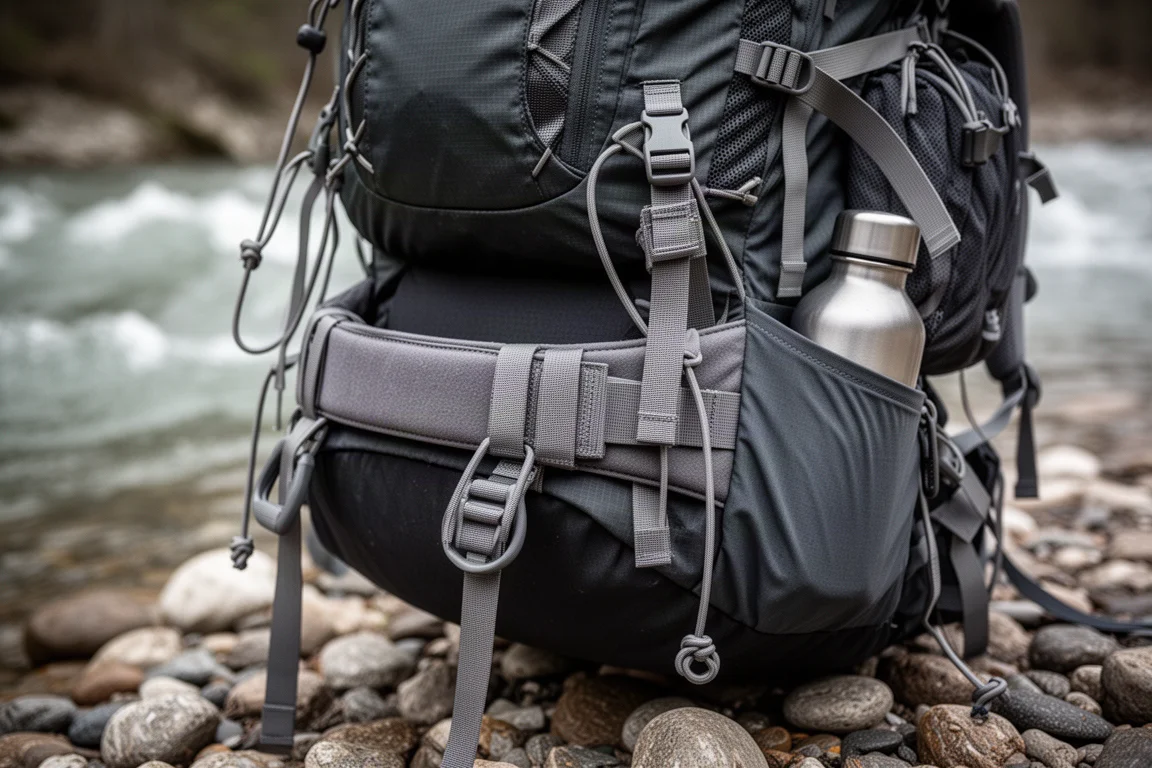
On the trip it carried 40 lb without trouble. The side pockets made water bottles easy to reach, and the array of attachment points made it simple to lash bulky rafting gear to the outside. It is a credible go-to pack for pack rafting, and it also suits backpacking trips where you are carrying extra weight or winter camping loads.
Alpacka Refuge: A Pack Raft That Stores Gear Inside the Boat
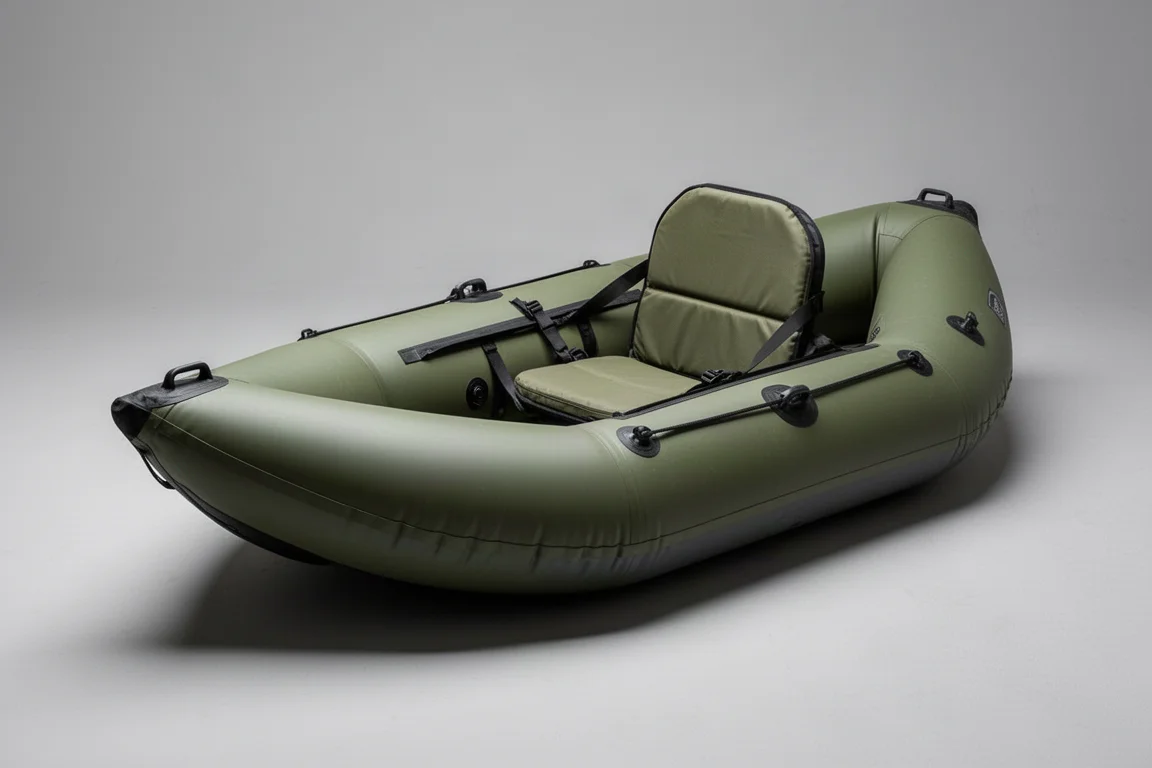
The boat was the Alpacka Refuge. It weighs just over 6 lb, rolls up small enough to fit inside a backpack, and remains fully featured despite the low weight. It handles class 2 rapids without trouble, and with a more experienced paddler it could take on class 3 water.
What makes that possible is the outfitting. There is a skirt system with tubing that runs around the cockpit to keep water out, plus a back band, a seat, a footrest, and thigh straps. The thigh straps let a paddler shift weight and control the boat through rapids rather than just sitting in it.
The standout feature is a waterproof zipper at the back of the boat. Gear is loaded into two dry bags, the bags go inside the hull, and the zipper closes over them. Storing gear inside keeps the center of gravity low so the boat handles better, and it removes the heavy load from the bow that would otherwise hurt maneuverability and safety in more advanced whitewater. A bow bag strapped to the front covers the opposite need: it holds items you want during the day, has a mesh bottom so water drains out, and can take a dry bag for a phone or snacks. On a short trip with mild water it is optional, but on long paddling days it earns its place.
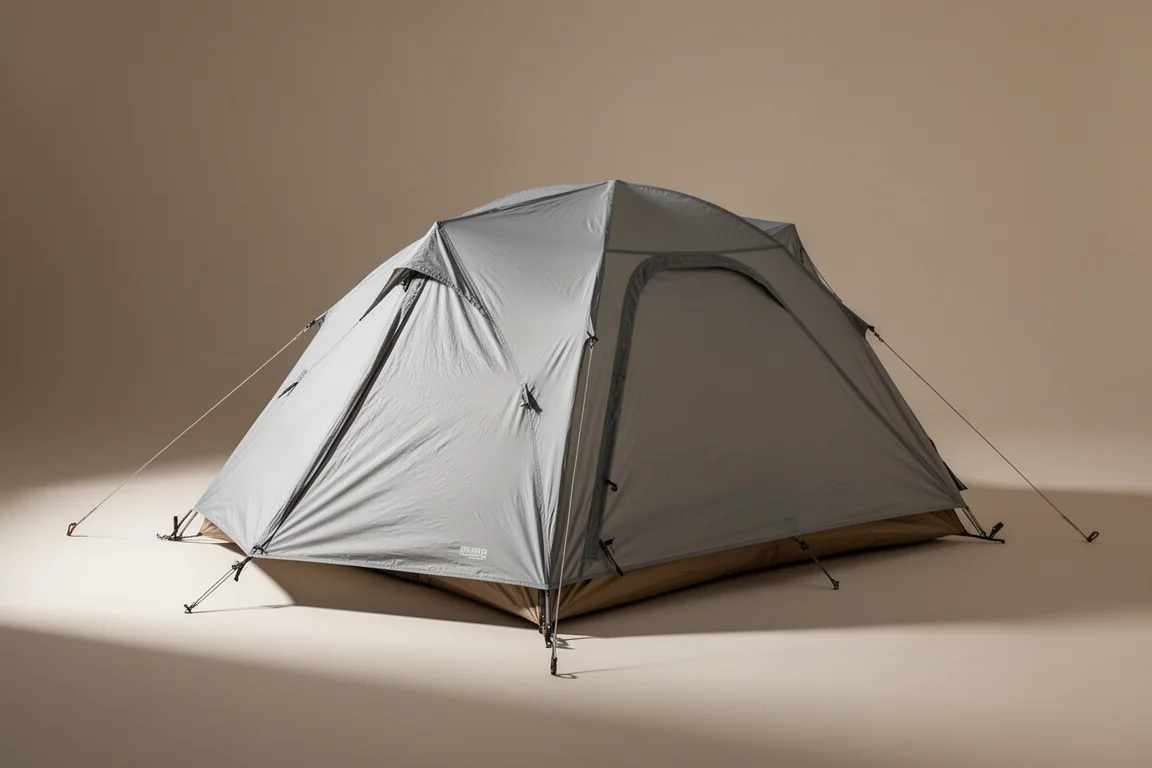
X-Mid 3: A Tent That Shrugs Off Rain
The tent was a newer X-Mid 3, built with a silicone-coated polyester fabric. It handled rain on the trip well: no sagging, no stretching, and no meaningful water absorbed into the fabric. It keeps the roominess and the feature set of the earlier version.
For a wet-weather overnight, those are the qualities that matter most. A taut shelter that stays taut is warmer, drier, and quieter in wind, and a fabric that does not take on water stays lighter through the night.
Nortent Torv 7: Warmth Down to Cold Ground
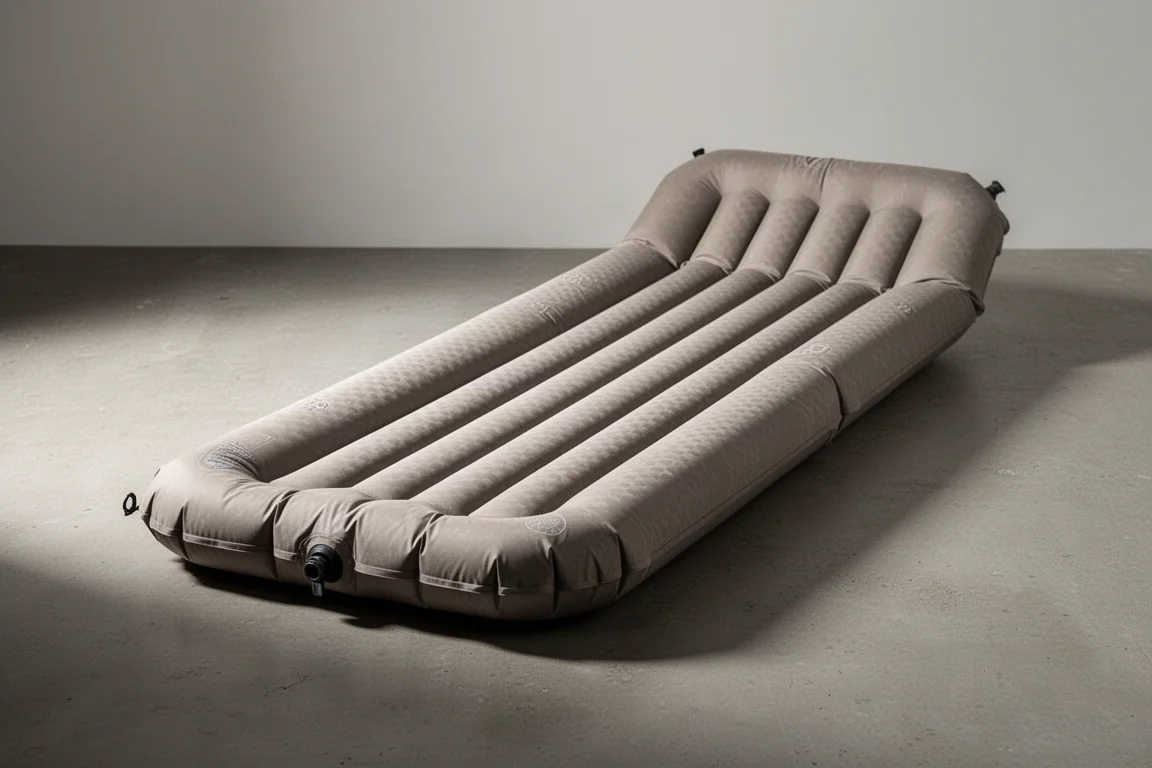
The sleeping pad was the Nortent Torv 7, with an advertised R value of 7. It handled the -5°C air temperature and the cold ground well, which makes colder conditions the next thing worth testing.
The construction is a 3D build that is quite thick, with a dimpled vertical baffle system. Comfort was good. It is not the most comfortable pad in absolute terms, but if it stays warm down to -20°C or -25°C, it would be among the most comfortable pads available at those temperatures.
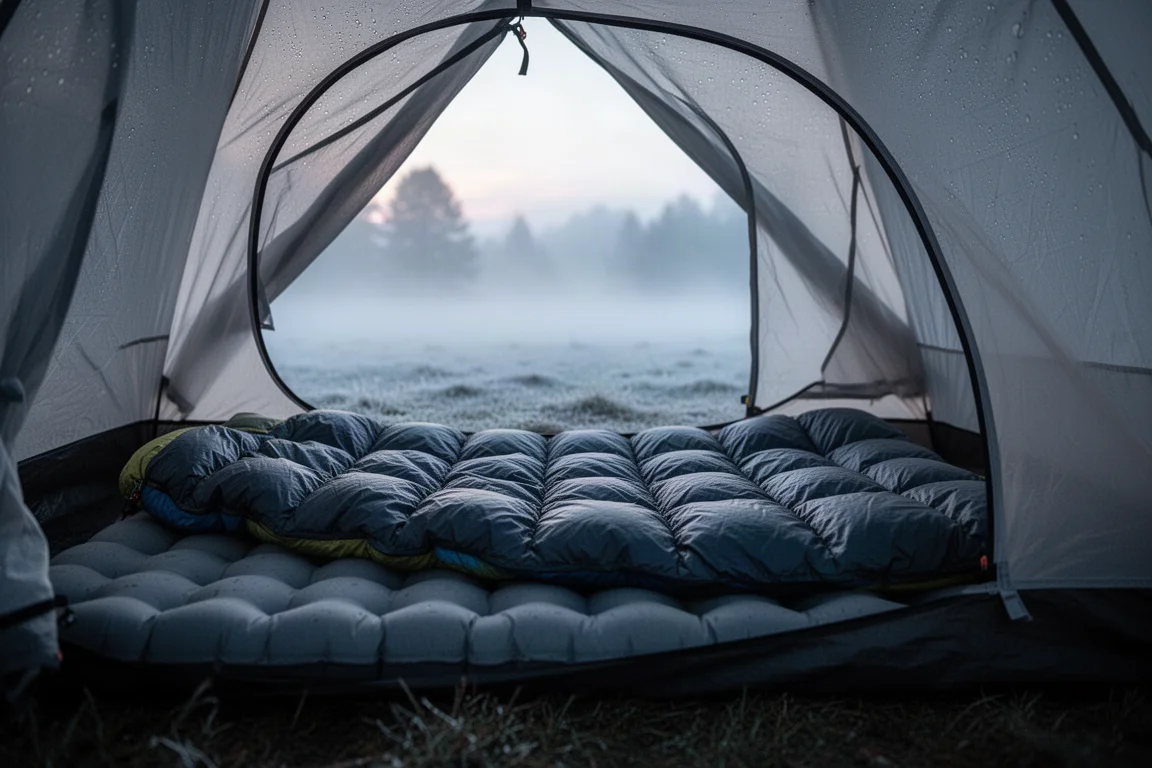
Sleeping on cold ground is where a pad like this proves itself, and the combination of thickness and a high advertised R value is what makes it a plausible option for shoulder-season and winter nights rather than summer only.
Exped Mega Pillow: Comfort With a Bulk Penalty
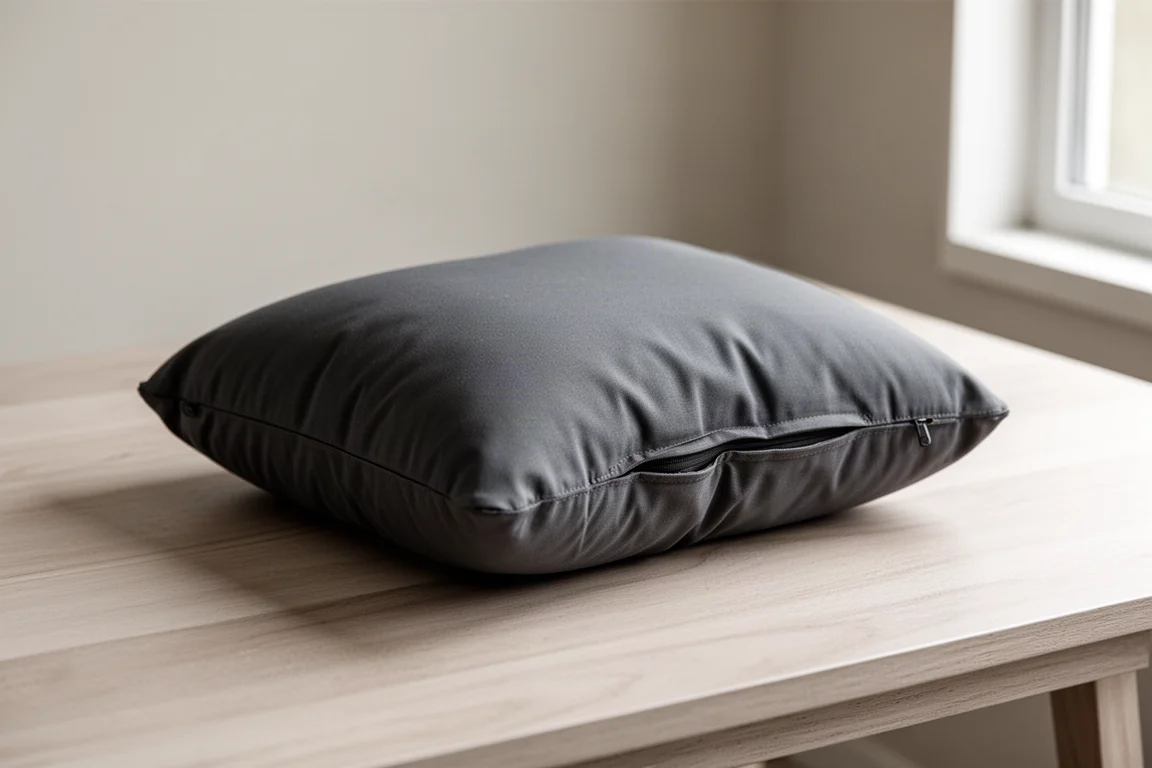
The Exped Mega Pillow is very comfortable, and it is also overkill for this kind of trip. It is bulky and heavier than the rest of the sleep system needs, and on future pack rafting trips a smaller pillow would be the obvious swap.
That trade-off is worth being honest about. A pillow is a genuine comfort upgrade at the end of a long day on the water, but it is also one of the easiest places to save space inside a pack that is already full.
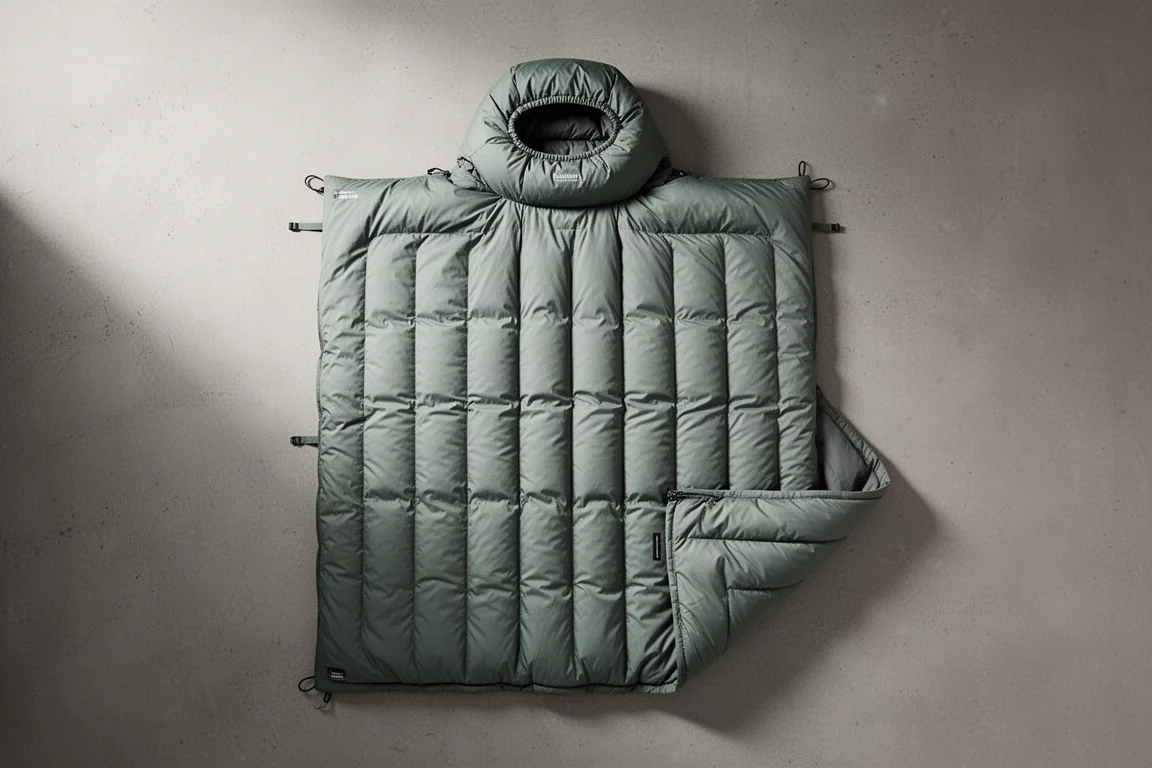
Nev Wear Talk Quilt: Sealing Out Drafts
The top insulation was the Nev Wear Talk quilt, which carries a comfort rating of -2°C and a limit rating of -7°C. It kept things warm down to -5°C.
Its draft management is the interesting part. Baffles extend below the point where the clips attach to the pad straps, which lets the quilt seal against the sleeping pad, and there is a full draft tube plus a cinch around the neck. The result is a quilt that does not leak warmth at the edges where most heat is lost.
Clothing is the other half of the sleep system, and this kit carried more than it needed: full Alpha Direct base layers, a fleece top and bottom, and a down jacket. The down jacket and the Alpha Direct layers would likely have been enough on their own, though at -5°C the extra buffer was welcome.
Garmin inReach: Keep It On Your Body
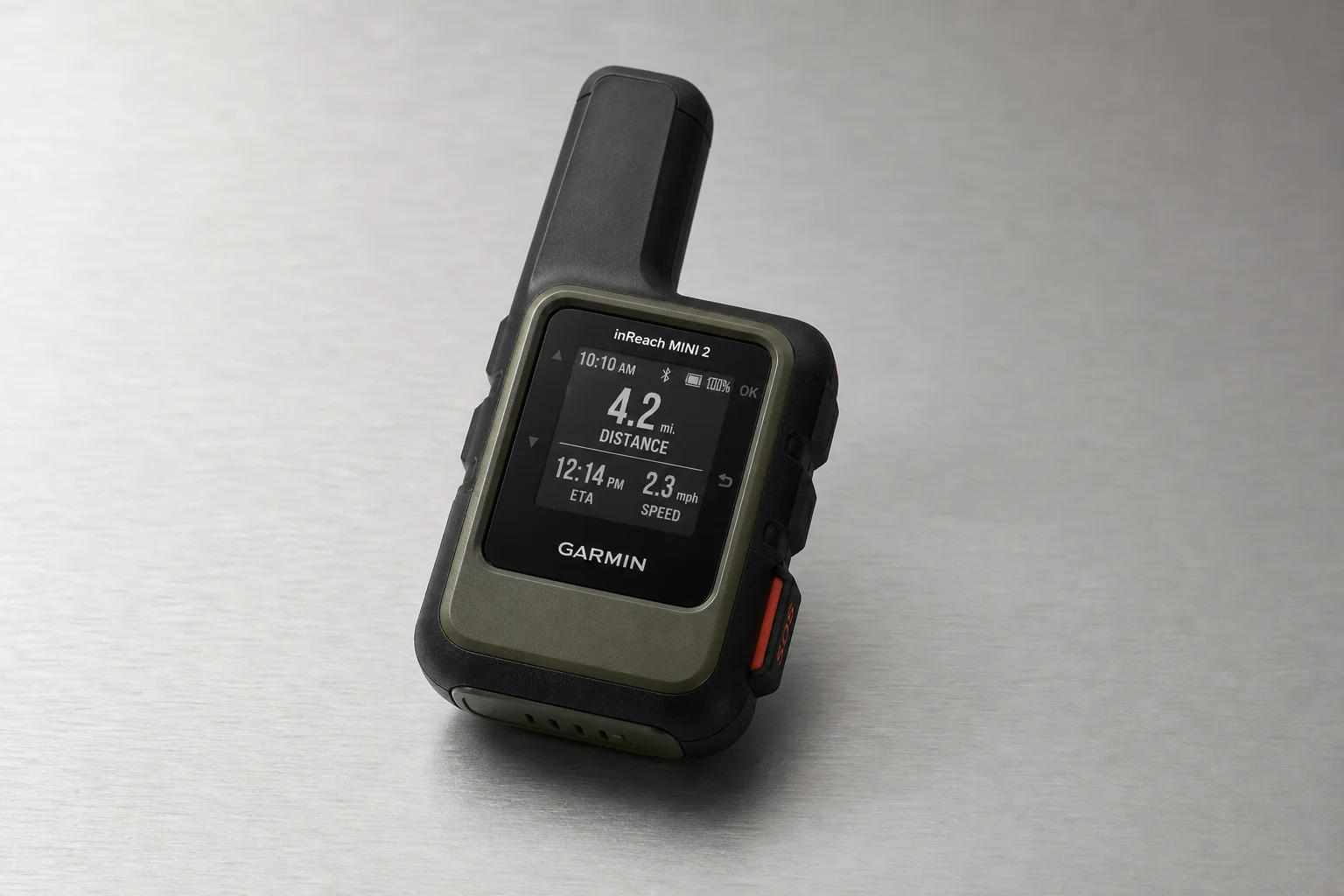
The Garmin inReach traveled in the pack’s brain while hiking and moved into the PFD once on the water. That habit is worth copying. If you swim out of a boat and lose the boat, a satellite communicator stored inside the pack leaves with it.
Small electronics and sundries rode in the brain alongside it: a power bank, toothbrush, sunglasses, a poop kit, sunscreen, and snacks. Sunglasses are a practical item to keep within reach on the water, where glare is a constant companion.
Overall Buying Advice
The rafting side of this kit worked. The camping side is where weight crept in. Carrying 40 lb over any real distance is a lot, and trimming there frees space inside the pack for gear that would otherwise ride on the outside where it can snag or puncture the boat.
The clearest candidates for trimming were the bulky comfort items: camp booties described as unnecessary and overkill, an oversized pillow, and extra clothing layers. A camp chair earned its keep at a lakeside camp where there was time to sit on the shoreline and relax, but it is the kind of item to leave behind on trips with more paddling and less lounging.
For anyone assembling a similar kit, the priorities are straightforward: a certified PFD, a helmet when the water is unknown, a compact breakdown paddle, fast water treatment, a pack that carries weight well, and a boat that can store gear inside the hull. That combination is what makes a 40 lb load workable on the water, and trimming the camp side is what makes it workable on the approach.
Conclusion
This loadout shows what a well-chosen pack rafting kit looks like: safety gear light enough that you actually wear it, a paddle that packs flat against the pack, a filter that works fast on the move, and a boat that keeps heavy gear low and inside the hull. The camping gear is where the savings are, and cutting the bulky extras is the simplest way to make the same trip easier to carry next time.
Further reading
Related Reviews
Pack Rafting Gear
Pack Rafting Gear List: Ten Pieces of Kit That Carried 40 lb on an Overnight River Trip
A ten-piece pack rafting kit that handled 40 lb, an overnight camp, and a river that could contain white water, with clear notes on what worked and what to cut.

Backpacking Gear
Building a 10 lb Base Weight: An Ultralight Backpacking Gear List
A practical walkthrough of the ultralight pieces behind a 10 lb base weight, from a 765 g pack and a roomy one-person tent to a full camp chair and a dependable water filter.
Backpacking Gear
A 15-Pound Lightweight Backpacking Gear List for Solo Trips
A beginner-friendly 15-pound backpacking setup built from easy-to-find gear, with notes on what each piece does, how it packs, and where to spend your attention.