Pack Rafting Gear
Pack Rafting Gear List: Ten Pieces of Kit That Carried 40 lb on an Overnight River Trip
A ten-piece pack rafting kit that handled 40 lb, an overnight camp, and a river that could contain white water, with clear notes on what worked and what to cut.
Introduction
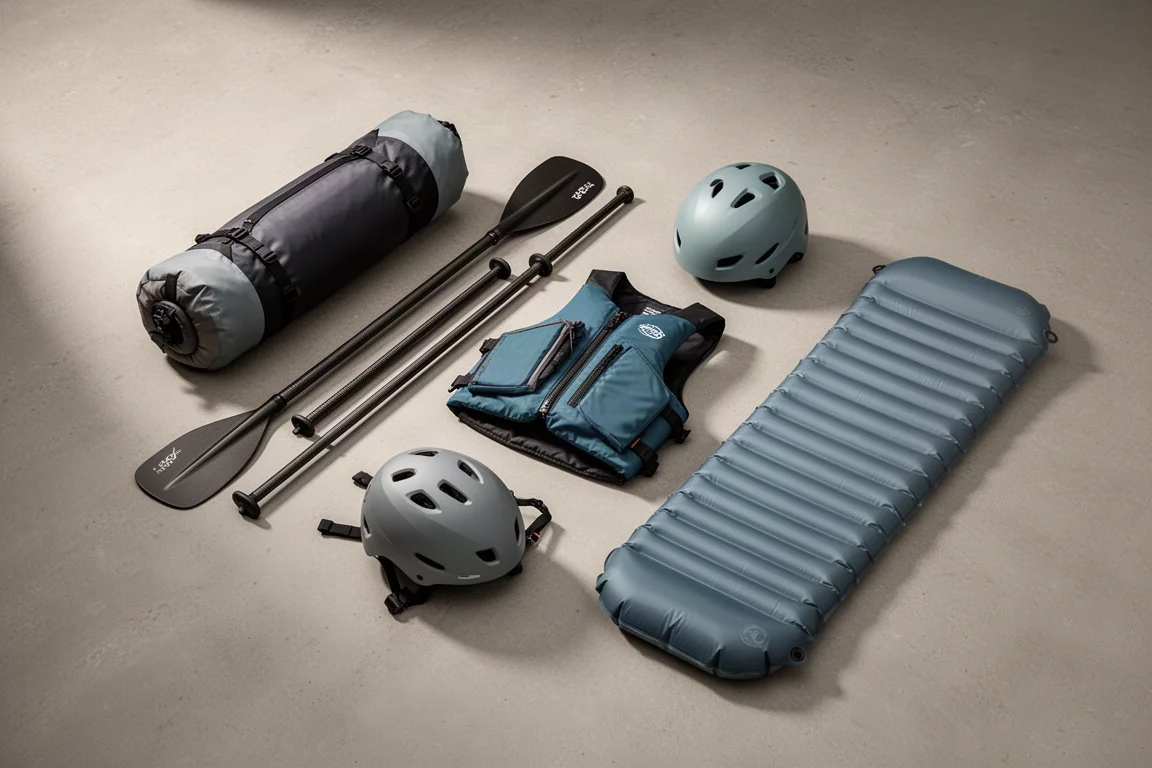
A first pack rafting overnight trip is a useful stress test for a gear list. The goal was straightforward: carry everything needed to camp overnight, then be ready to paddle a river that could contain white water. Total weight, including the raft, the paddles, the camping gear, the food, and the water, came to 40 lb.
That number shapes every decision that follows. Pack rafting gear is bulky, so most of it rode on the outside of the pack, while the heavier camping items went inside. The trip also produced a clear verdict on which items earned their place and which were pure comfort.
This guide covers the ten pieces of kit that did the real work on that trip, with notes on how each one performed and what is worth weighing up before buying.
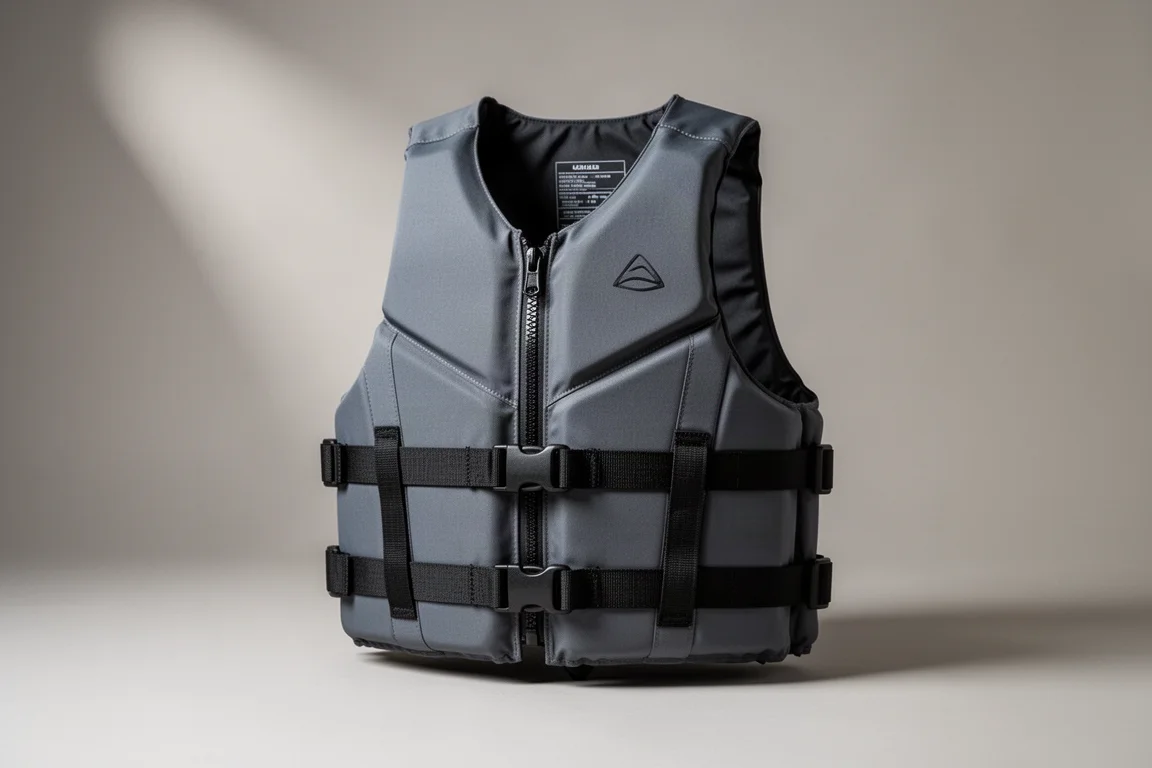
Astral YTV PFD
The Astral YTV is a lightweight life jacket that still does the job properly. It leaves plenty of range of motion for paddling, which matters when you are rotating through strokes for hours at a time.
It was chosen because the river conditions were unknown, and a proper life jacket plus a helmet was the more prepared option. For mellower trips, an inflatable PFD and no helmet may be enough, but on water that could turn technical, a full jacket and a helmet are the sensible baseline.
One habit worth copying: the satellite communicator stayed in the life jacket while on the water rather than in the pack. If you swim and lose the boat, you do not want your emergency communication going downstream with it.
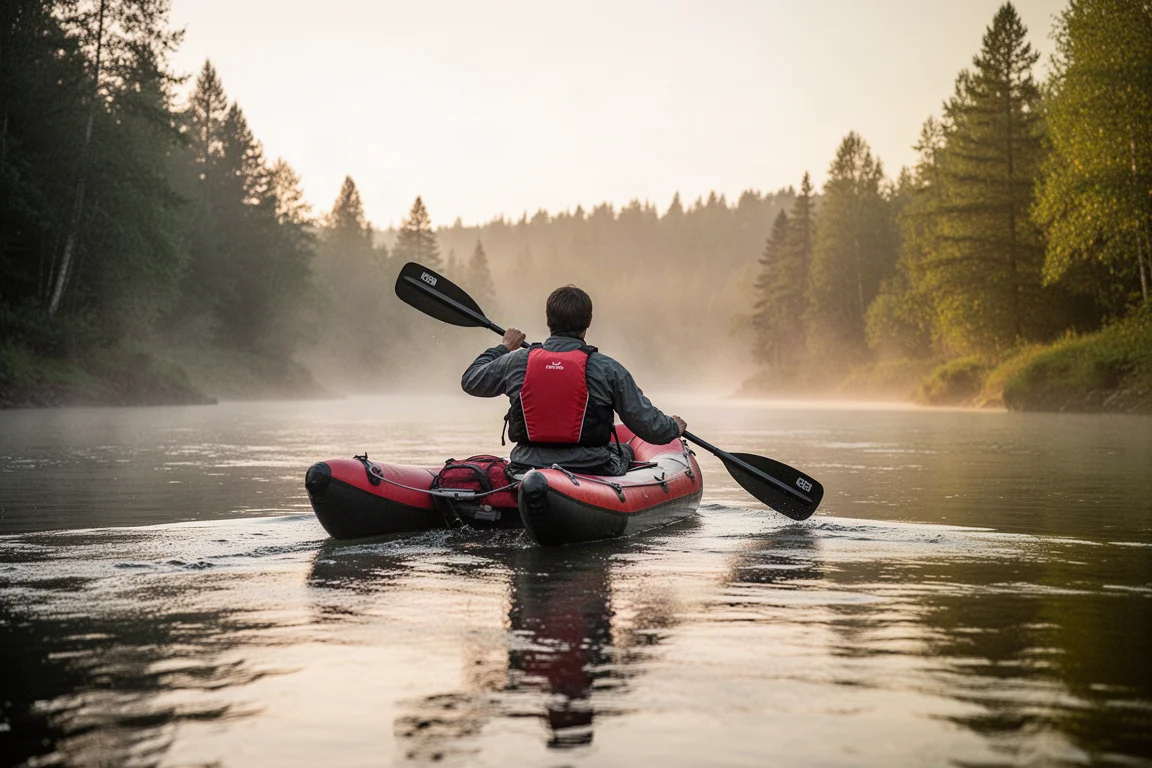
Weight is the main argument for the YTV, and it did not feel like a compromise once on the water.
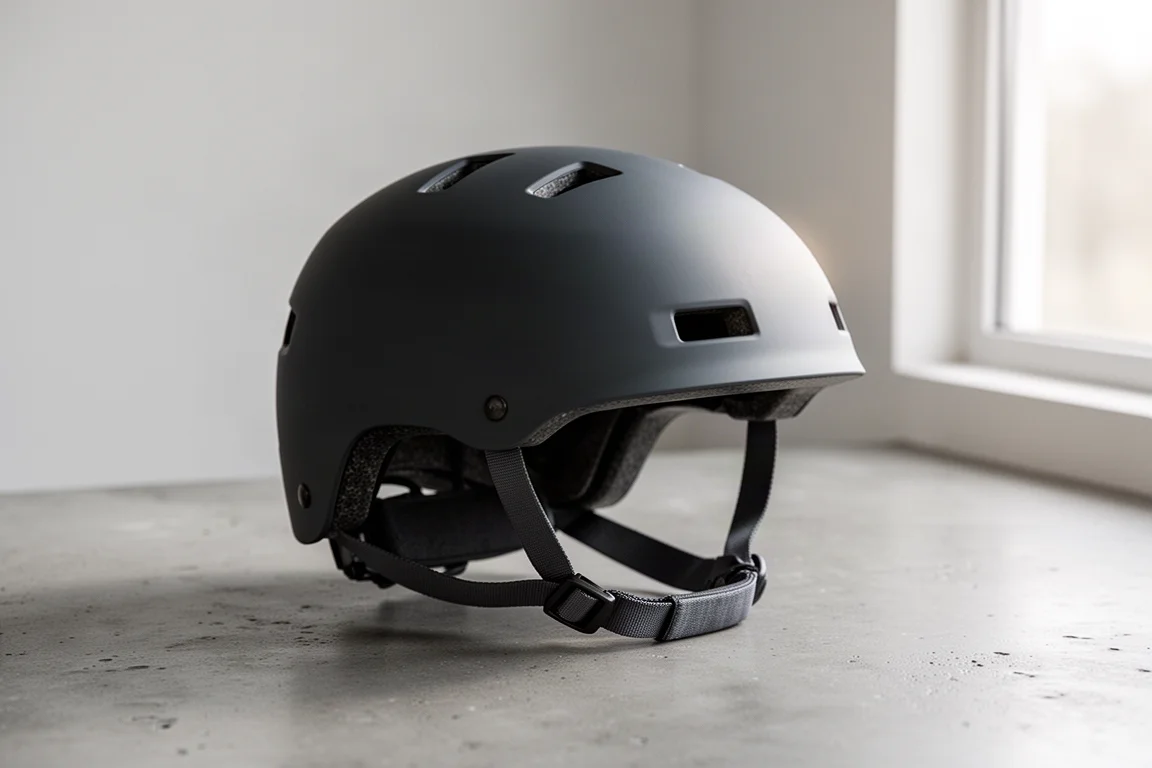
Shred Ready Whip Helmet
The Whip is a whitewater certified helmet that weighs only 170 g. That combination is unusual, because certification normally comes with bulk, and the whole point of this helmet is that it barely registers in the pack or on your head.
It is best understood as a just-in-case helmet. It is not built to be bounced off rocks over and over again, but on a trip where a helmet probably is not needed, having one that weighs almost nothing removes the excuse to leave it behind.
For pack rafting, where the outcome of a rapid is uncertain, that trade-off is easy to accept.
AquaBound Whiskey Carbon Fiber Paddle
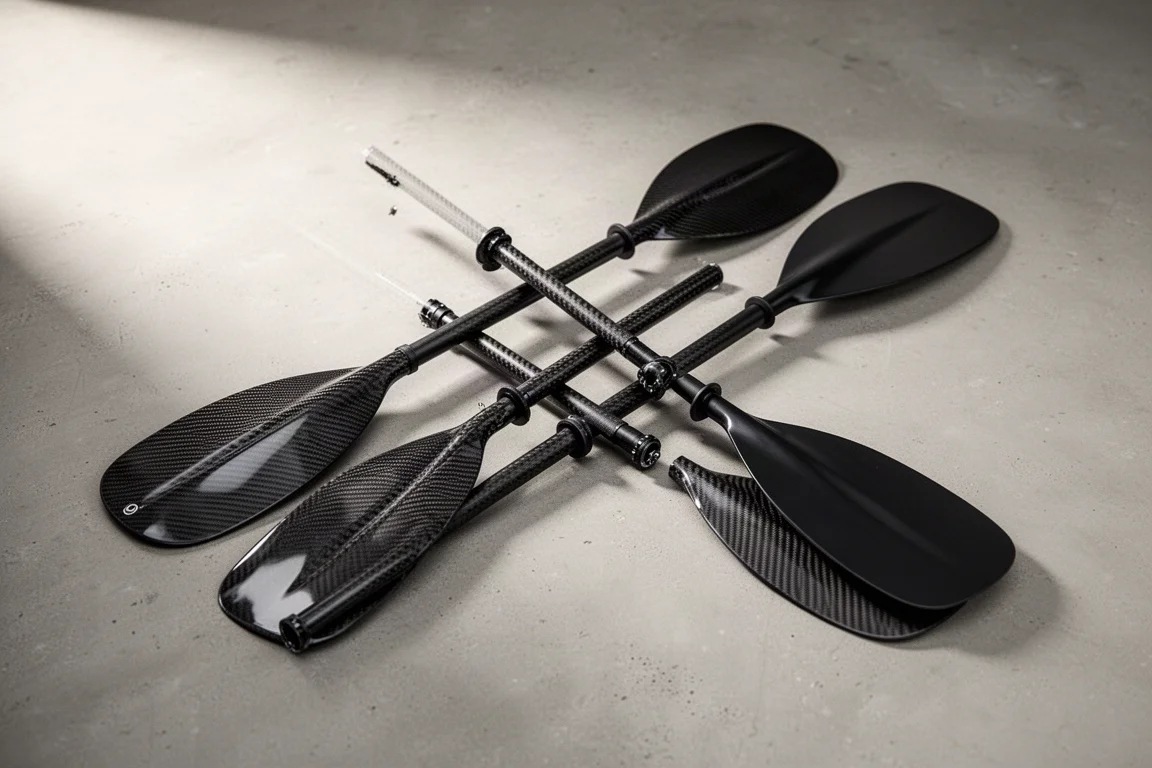
Paddle choice came down to weight, stiffness, and packed size. The AquaBound Whiskey carbon fiber paddle is very light, still stiff in the shaft, and has a blade shape that works well for paddling.
The four-piece version is the reason it made the list. It breaks down small enough to sit entirely along the side of the pack, with nothing sticking out above or around it. On a river full of logs and deadfall, anything protruding is something to catch on.
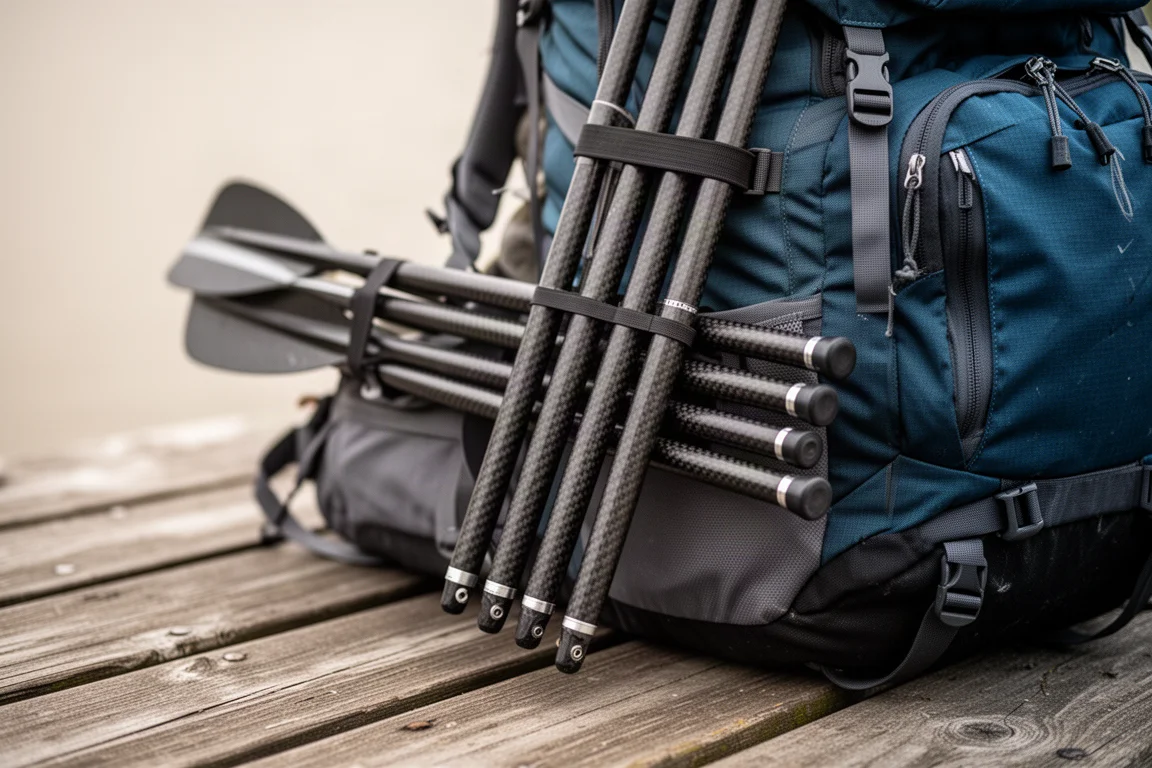
That compactness also shaped how the rest of the kit was packed, with the raft itself kept inside the pack rather than strapped outside where it could be punctured.
Katadyn BeFree Water Filter
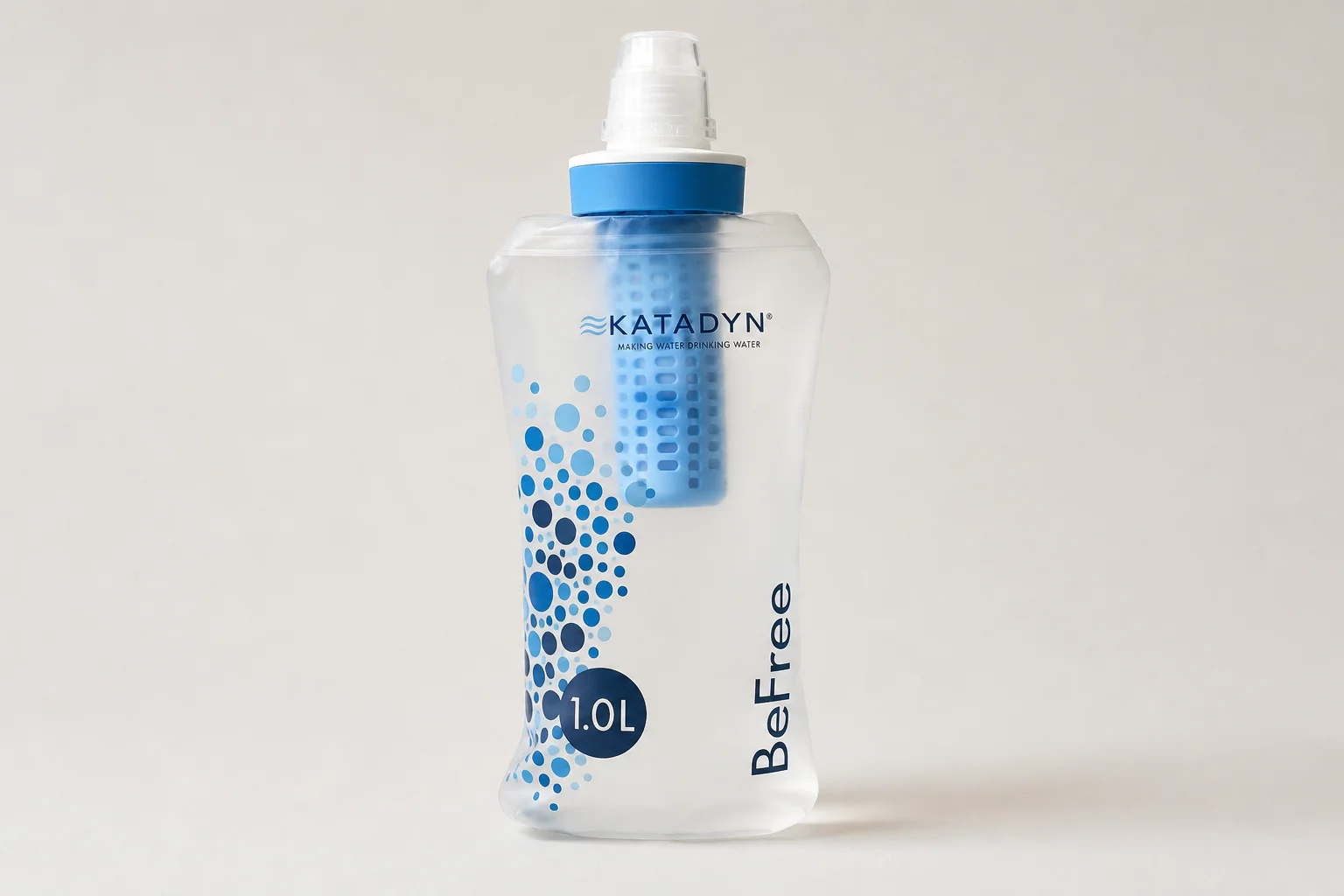
Water treatment on a river trip needs to be fast, because you are filtering while you float. The Katadyn BeFree filters water very quickly, and the process is about as simple as it gets: scoop water into the bottle and filter it.
One-liter plastic bottles with flip-cap lids served as the containers, which kept the whole system light and easy to drink from on the water.
Seek Outside Divide 4800 Version 2
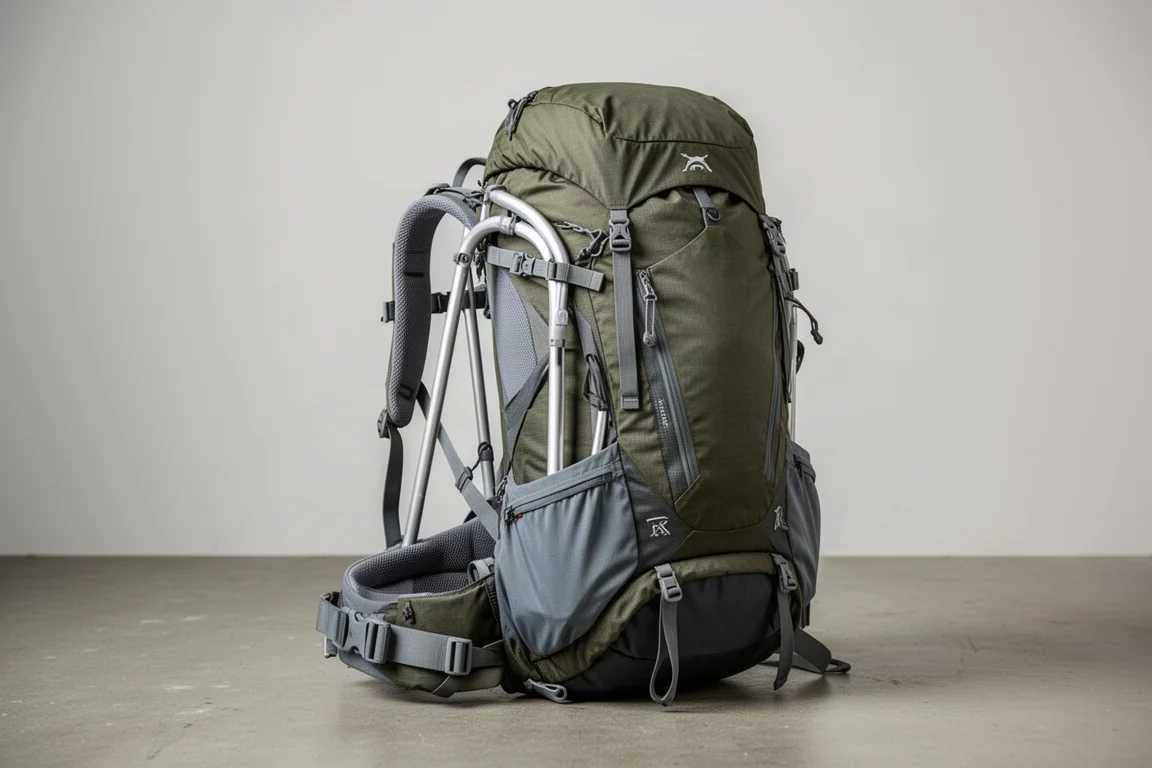
The Divide 4800 Version 2 was picked for two reasons: a reputation for carrying weight well, and the ability to offer serious volume without serious weight. On the scale it came in at just over 1.3 kg with a couple of accessories removed, including the lid.
The hip belt is genuinely large and the aluminum frame is solid, and both showed up in how the pack behaved under load. It carried 40 lb without complaint. Water bottles were easy to reach in the side pockets, and the number of attachment points made it straightforward to lash bulky rafting gear to the outside.
The frame is also a neat piece of design for pack rafting, because it splits into two so it can be packed inside the dry bags that travel inside the boat.
Alpacka Raft Refuge
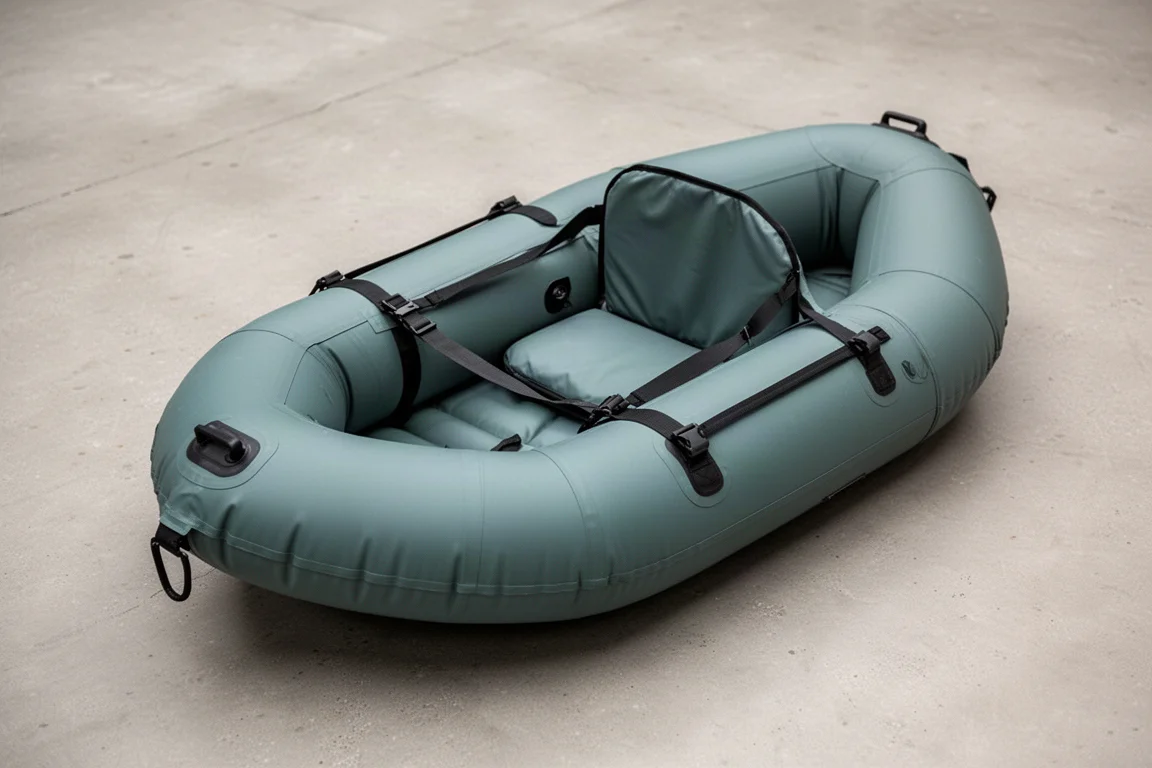
The Refuge weighs just over six pounds and rolls up small enough to fit inside the pack. That alone would make it interesting, but the outfitting is what sets it apart.
Inside the boat there is a skirt system that uses plastic tubing around the cockpit so a spray skirt can be fitted, plus a back band, a seat, a footrest, and thigh straps. The thigh straps are the key control element: they let you shift your weight and maneuver the boat through rapids.
Capability is real rather than theoretical. It handles class 2 rapids without trouble, and it could likely take on class 3 in the hands of a more experienced paddler. The most interesting feature is a waterproof zipper at the back of the boat. Gear goes into two dry bags, the bags go inside the hull, and the zipper closes over them.
That layout lowers the center of gravity, so the boat handles better, and it removes the heavy pack from the bow, which helps maneuverability and safety in more advanced white water. A bow bag straps to the front for items needed during the day, with a mesh bottom that drains and room for a dry bag to keep a phone or snacks dry.
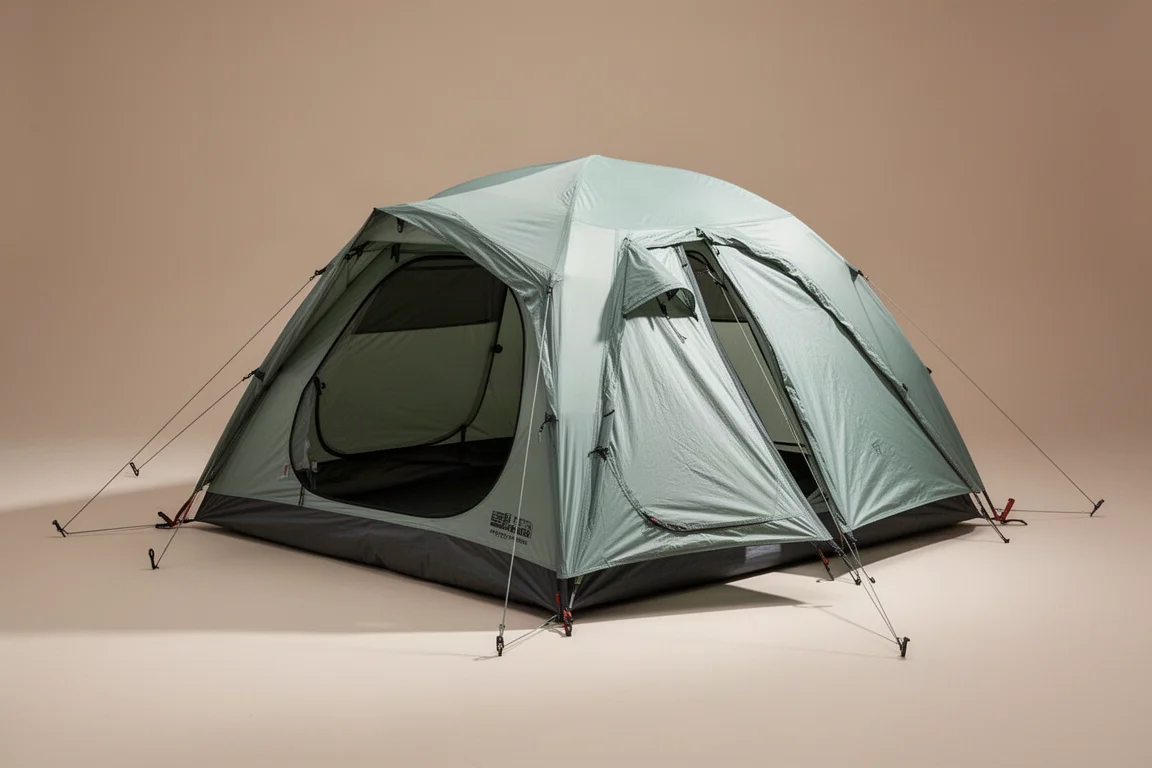
X-Mid 3 Tent
The X-Mid 3 was new to this kit and handled the rain well. The silicone-coated polyester fabric did not sag or stretch, and water did not absorb into it. Roominess and features match the earlier version of the tent.
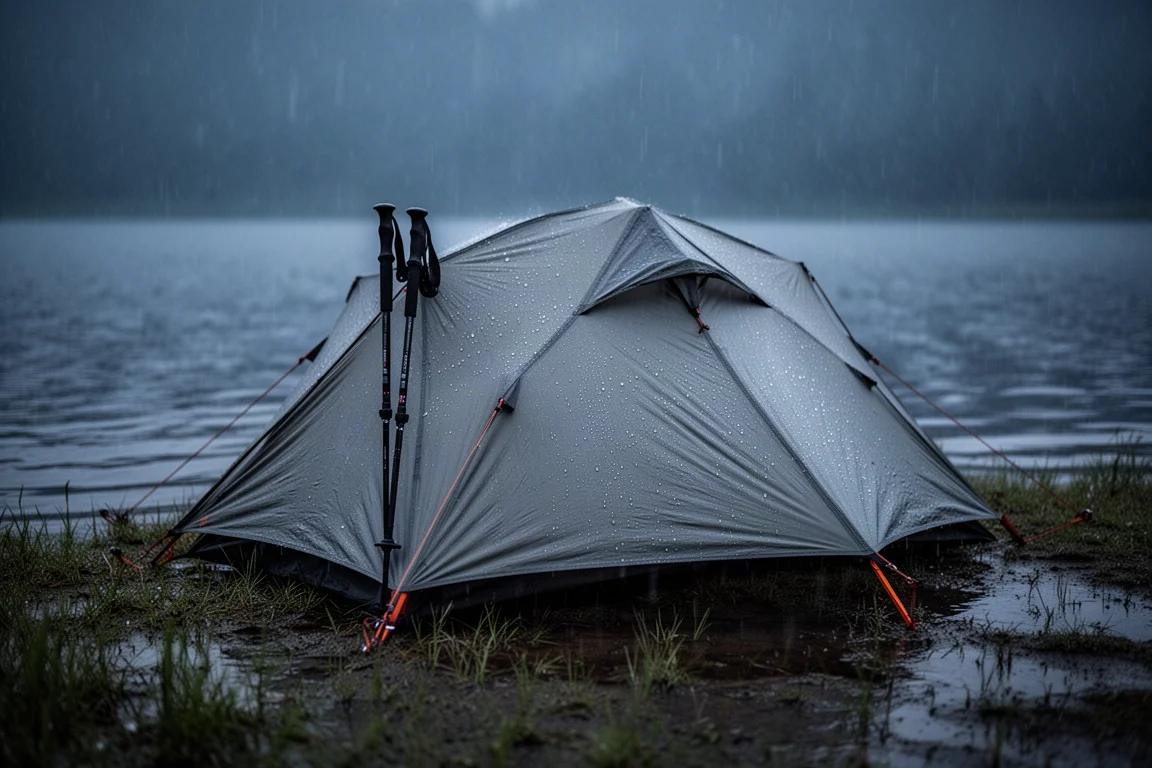
That is a meaningful result on a trip where the forecast called for rain and delivered it. A tent that stays taut and sheds water keeps the inside dry and the next morning easier.
Nortent Torv 7 Sleeping Pad
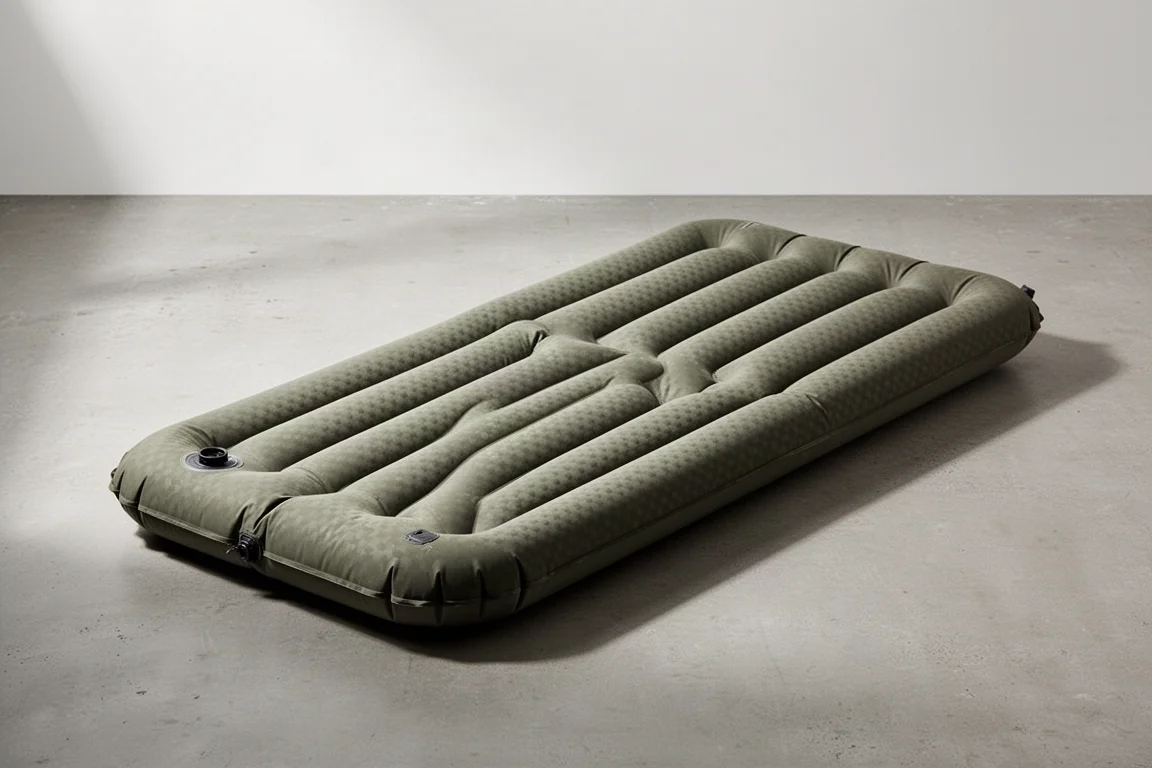
The Torv 7 has an advertised R-value of 7, and this trip was a genuine test of it. The temperature dropped to -5 degrees Celsius and the ground was cold, and the pad handled both well.
Construction is a 3D build that is quite thick, with a dimpled vertical baffle system. It proved quite comfortable, though not the most comfortable pad used to date. The open question is how it behaves in colder conditions, down to -10, -15, or lower, where a warm pad becomes the difference between a good night and a long one.
Exped Mega Pillow
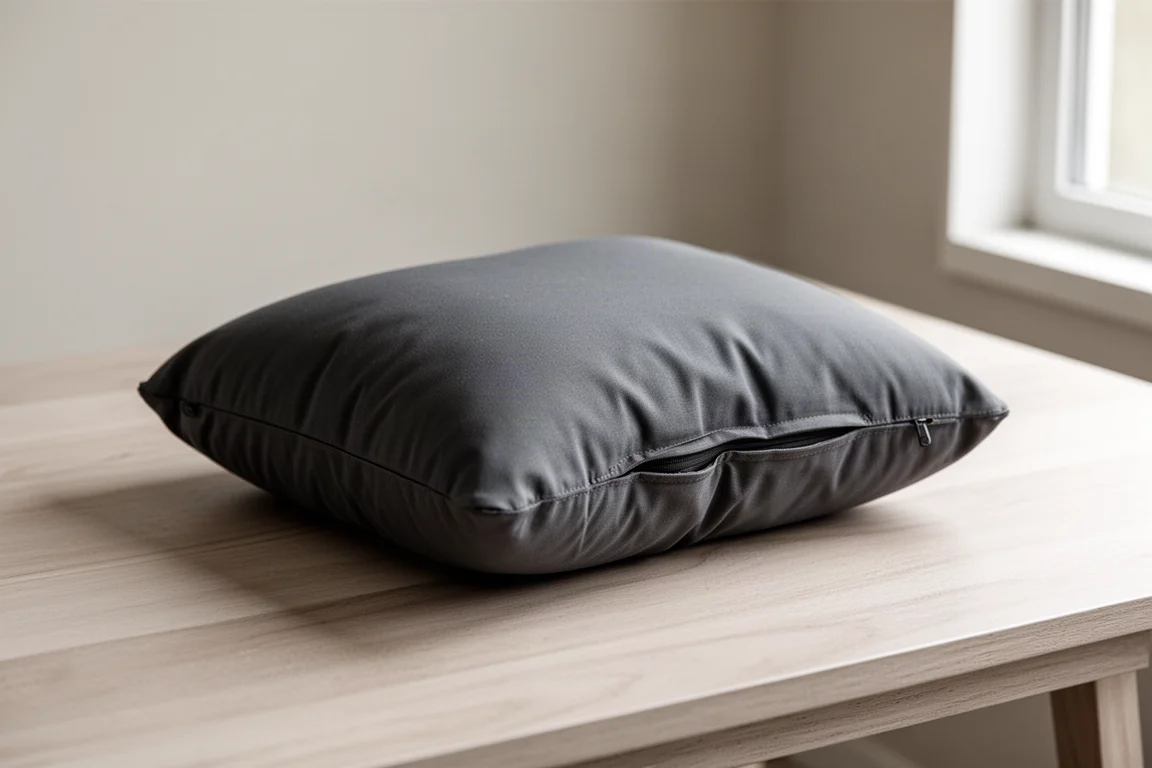
The Mega Pillow is exactly what the name suggests: a large, comfortable camp pillow. It made for a genuinely good night of sleep.
It is also the clearest example of overkill in this kit. It is bulky and heavy for what it does, and on future pack rafting trips a smaller, lighter pillow makes more sense.
Neve Gear Waratah Quilt
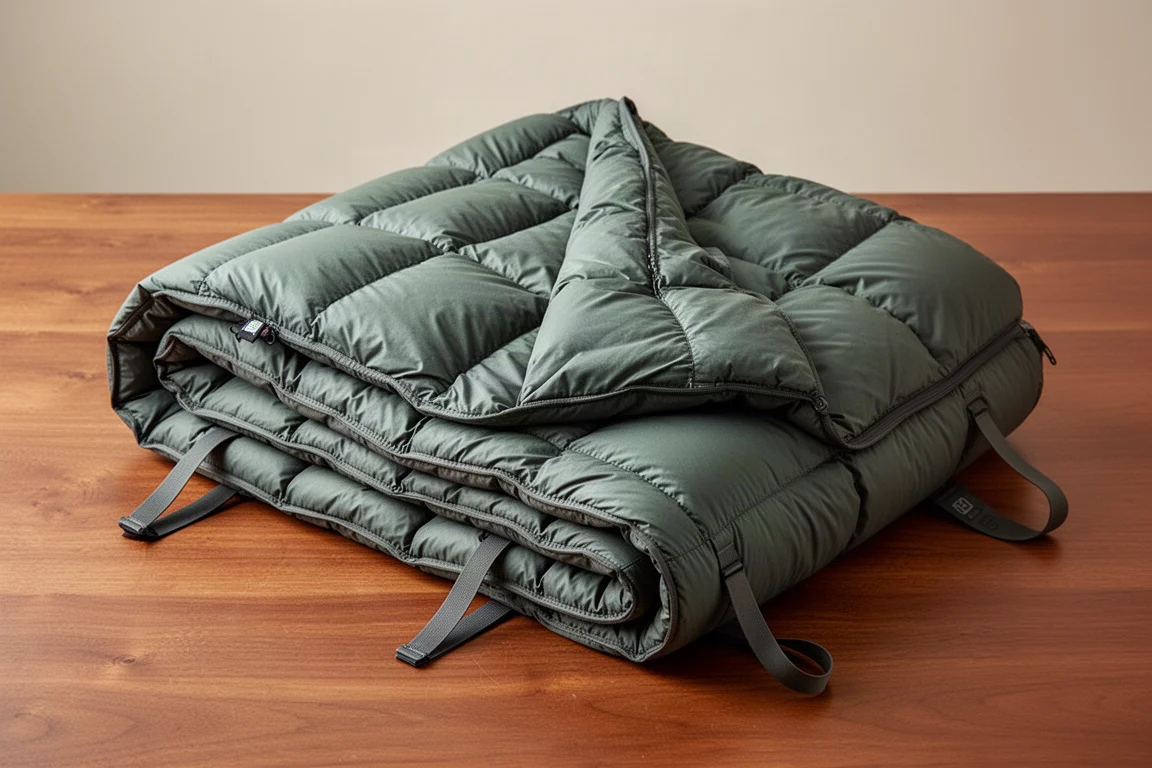
The Waratah quilt is rated at -2 degrees Celsius comfort and -7 degrees Celsius limit, and it kept the sleeper warm down to -5 degrees Celsius on this trip.
The details are what make it work. Baffles extend below the points where the clips attach to the pad straps, so the quilt seals against the sleeping pad instead of leaving a gap. A full draft tube around the neck, plus a neck cinch, closes off the remaining places where cold air could creep in.
For anyone building a cold-weather sleep system, that combination of a warm pad and a well-sealed quilt is the part worth prioritizing.
Overall Buying Advice
Start with the rafting side of the kit, because that is where the safety and capability decisions live. A life jacket and a helmet you will actually carry, a paddle that packs down small, and a boat with real outfitting will do more for a trip than any camping upgrade.
The backpack is the piece that ties everything together. A frame that carries weight well and can be split for packing inside a boat is a specific combination, and it is worth confirming before you buy anything else.
Camping gear is where the weight creeps in. The sleep system on this trip, the Torv 7 pad and the Waratah quilt, performed well below freezing and is the part to keep. The bulkier comfort items are the part to cut. Camp booties were unnecessary and very bulky, a camp chair was pleasant at a lakeside camp but heavy, and the clothing carried was more than needed, with full base layers plus fleece top and bottom plus a down jacket when the base layers and the down jacket would likely have been enough. On a 40 lb load, every one of those choices is felt.
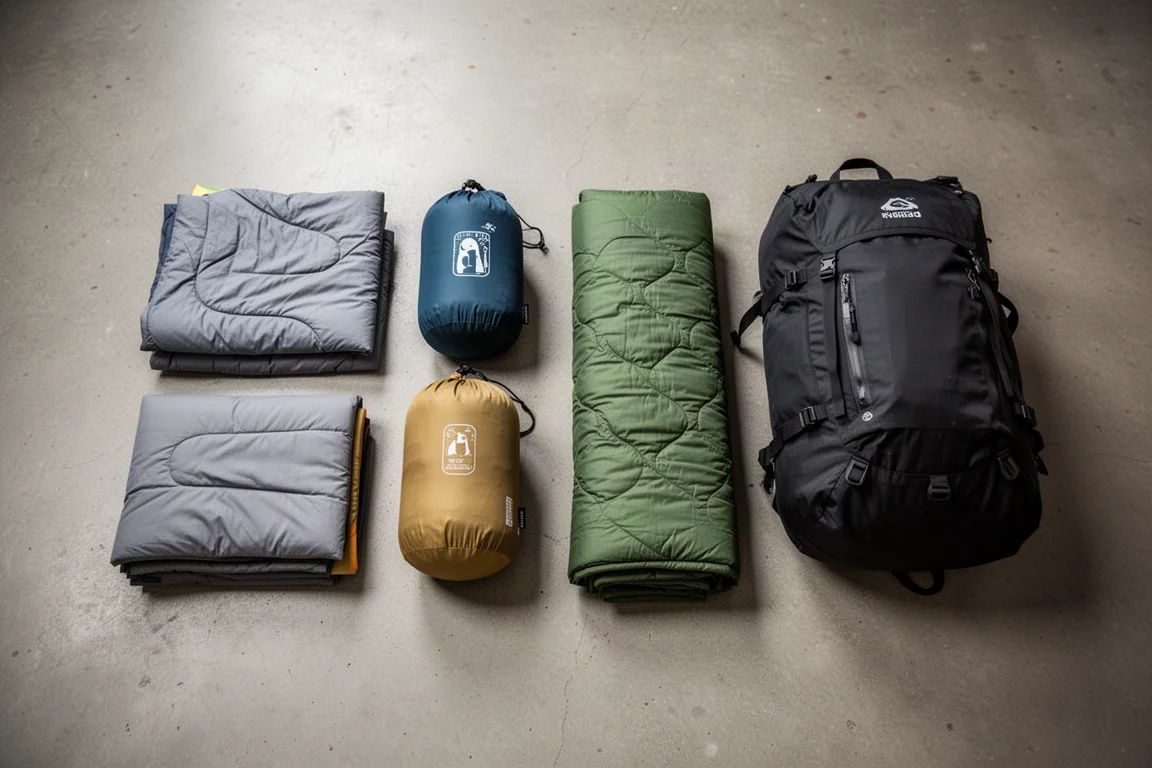
The lesson from the trip was not that the gear was wrong. It was that pack rafting rewards a lighter, more deliberate kit, and the space freed up inside the pack is worth more than the comfort of a few extra items. The rafting gear all earned its place. The camping gear is where the pruning happens next.
Conclusion
Everything on the rafting side did its job: the lightweight life jacket, the 170 g helmet, the four-piece carbon paddle, the fast water filter, the high-volume backpack, and the Refuge boat. The Refuge stood out in particular, both for its outfitting and for the way it stores gear inside the hull.
The camping side needs editing. A warm, well-sealed sleep system is worth keeping, and the bulky extras are not. With a lighter load, more gear fits inside the boat, and the whole trip gets easier.
Further reading
Related Reviews

Backpacking Gear
Building a 10 lb Base Weight: An Ultralight Backpacking Gear List
A practical walkthrough of the ultralight pieces behind a 10 lb base weight, from a 765 g pack and a roomy one-person tent to a full camp chair and a dependable water filter.

Road Bikes
10 New Road Bikes Worth Watching: Aero, Titanium, Steel and Endurance Standouts
A practical roundup of 10 new road bikes, from aero flagships chasing single-watt gains to titanium, steel and endurance platforms built for real roads.
Bikepacking Gear
11 Bikepacking Essentials for Long-Distance Cycling
Eleven bikepacking essentials for long-distance cycling, from a steel gravel frame and a two-person tent to helmet lights, packable gloves, and a frame bag that puts weight in the right place.