Ultralight Gear
Pack Back Designs Kit Bags Review: Three Ultralight DCF Organizer Pouches
A practical look at three Pack Back Designs kit bags, covering how they are built, what fits in each size, and which one suits the way you pack.
Introduction
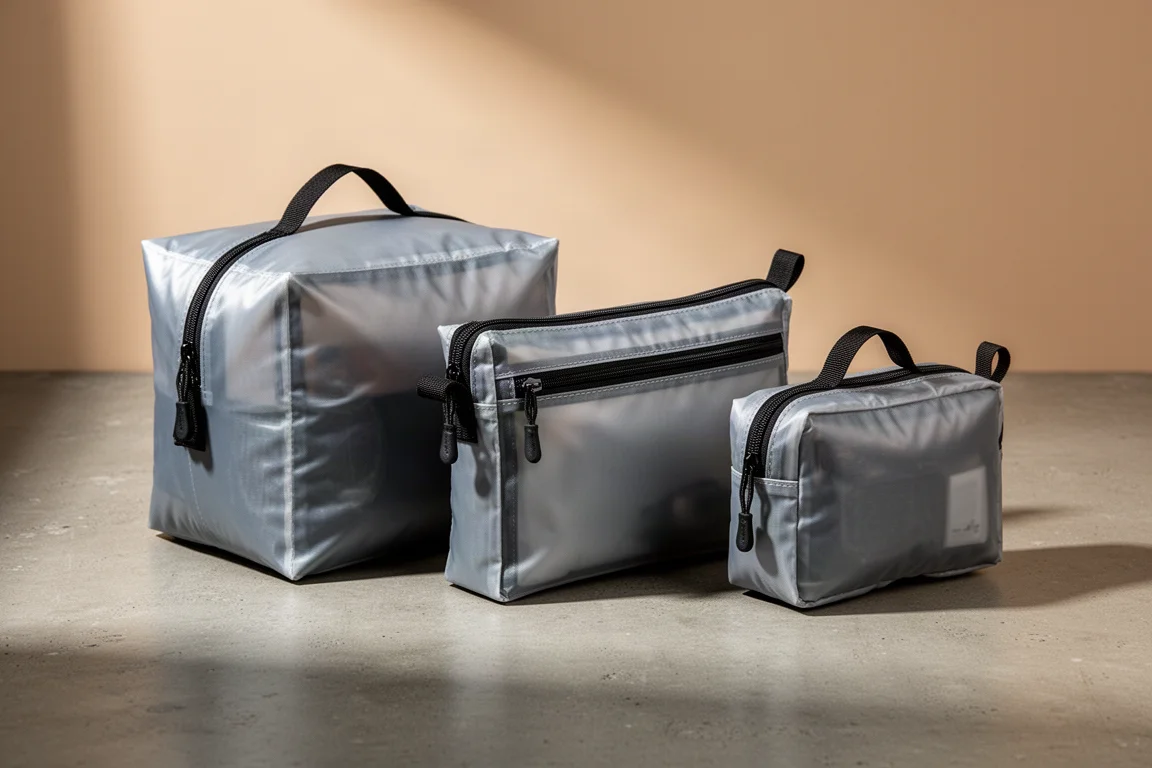
Sooner or later every backpacker runs into the same problem: a pack full of loose items that drift to the bottom and vanish. Kit bags solve it by grouping related gear into dedicated pouches, so a cook setup, a food supply, or a power kit each has one permanent home. Pack Back Designs builds exactly this kind of organizer, handmade in the USA, and three of their bags cover most of what a typical trip requires.
The lineup here is a Large Food Bag, a Small Food Bag, and a 3-Inch Deep Pack Pouch. All three share the same materials and hardware philosophy, and they differ mainly in shape, capacity, and the way they open.
What Sets These Kit Bags Apart
All three bags are handmade in the USA from DCF fabric, a composite laminate that has become a benchmark material in high-end ultralight gear. The fabric’s headline claim is that it is roughly 15 times stronger than steel by weight, and in practice it resists abrasion and punctures far better than the ripstop nylon and polyester used in ordinary stuff sacks.
The hardware is consistent across the range. Each bag uses a water-resistant two-way zipper with pulls at both ends, a small loop at either end for hanging or clipping a carabiner, and a grab handle for pulling the pouch straight out of a packed bag. The fabric is semi-transparent, so you can identify contents at a glance without opening anything.
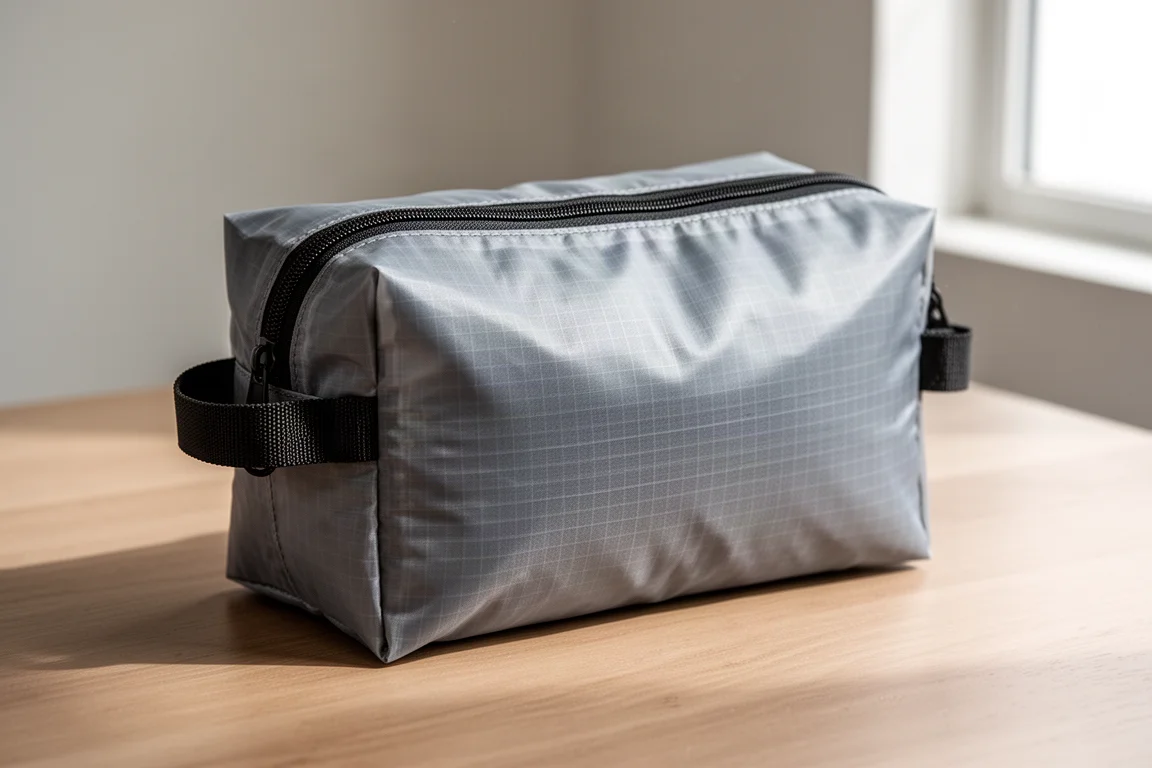
Shape matters as much as material. Each bag is close to a soft cube with a flat bottom, a flat top, and flat sides, which means they stack and pack predictably inside a backpack. The soft construction also lets them compress slightly around whatever is inside, and the fabric gives enough that the bags never feel rigid or awkward to squeeze into a tight space.
Pack Back Designs Large Food Bag: A Full Cook and Fire Kit
Measuring 11.5 by 7.5 inches and roughly 6 inches deep, the Large Food Bag is the biggest of the three, yet it weighs only 36 grams. The two-way water-resistant zipper runs across the top, and there are loops at both ends plus a grab handle on the front.
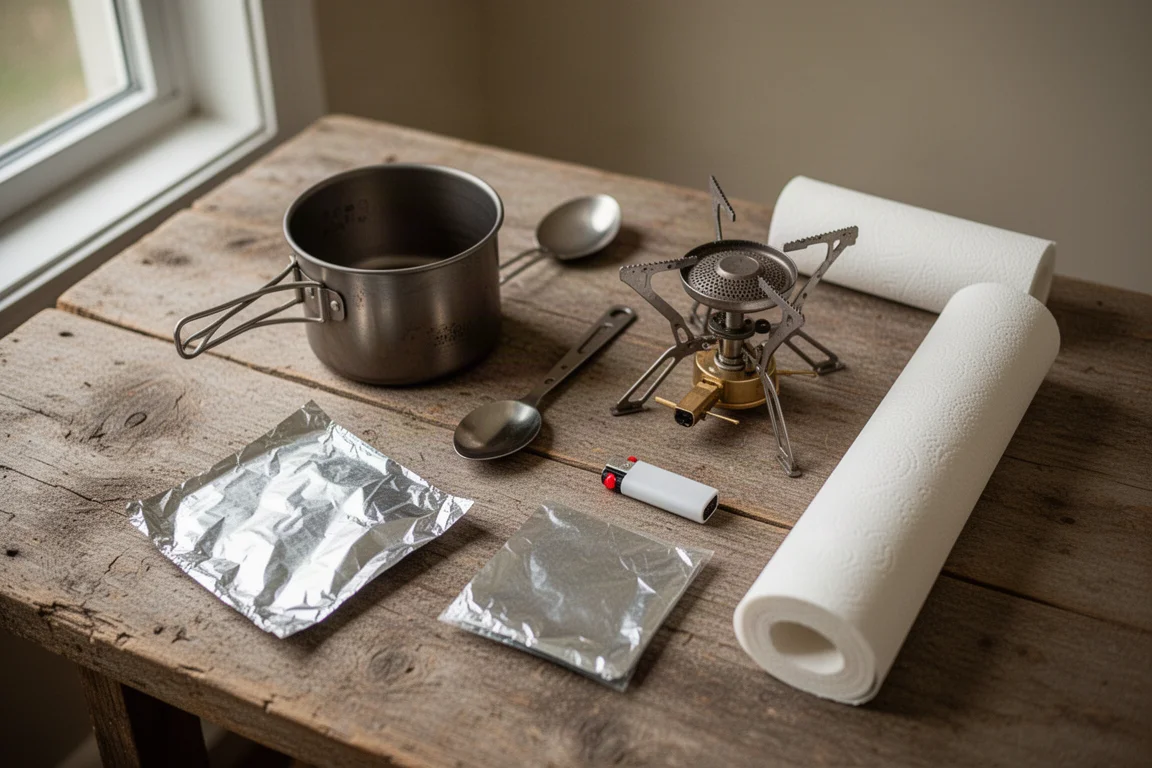
That capacity makes it a natural home for a cook kit. A canteen cup, a pot, a folding spoon, a small stove, a lighter, tin foil, and paper towels all fit inside with room to spare. Because the contents can be swapped out, the same bag can carry a wood stove on one trip and a canister or butane stove on the next, depending on what the plan calls for. For anyone who has dug through a pack looking for a spoon, that kind of single-purpose packing is a quiet luxury.
Pack Back Designs 3-Inch Deep Pack Pouch: The Book-Style Food Kit
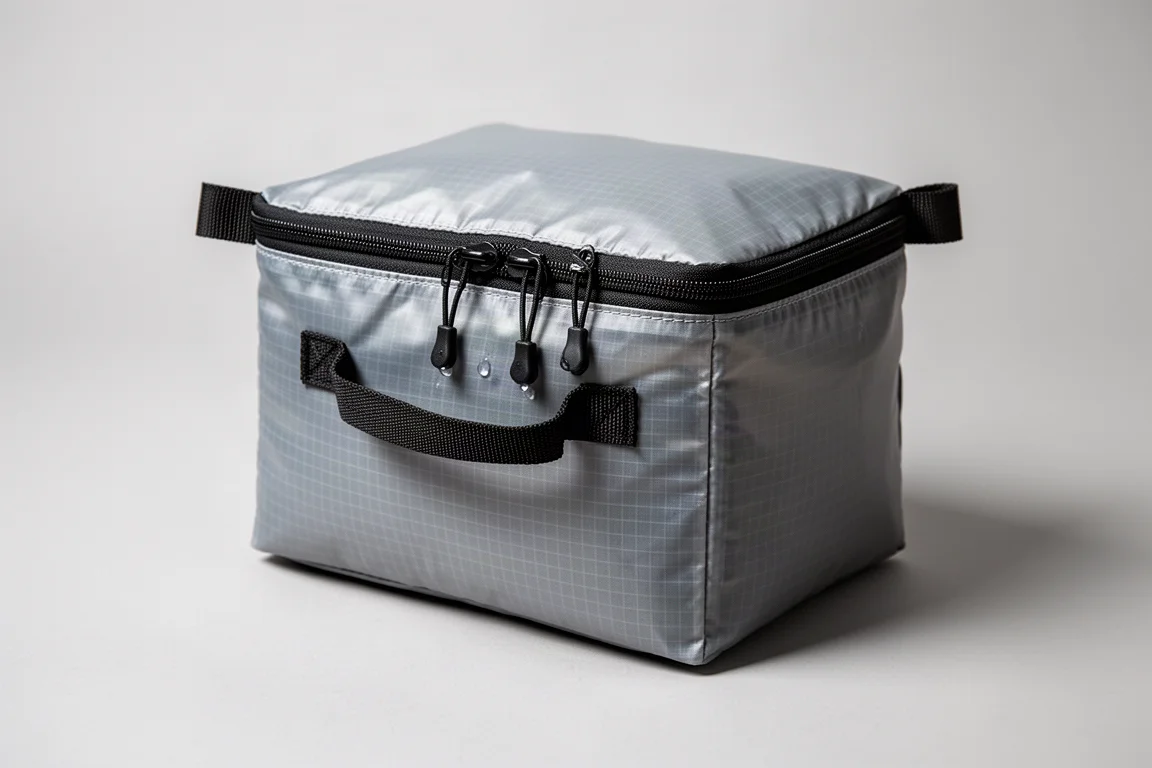
The 3-Inch Deep Pack Pouch measures 12 by 8 inches with a depth of roughly 3 inches, and it weighs 38 grams. It uses the same water-resistant two-way zipper, side loops, and grab handle as the food bags, but it opens very differently: instead of a wide top opening, it hinges open like a book, laying the contents out flat and visible.
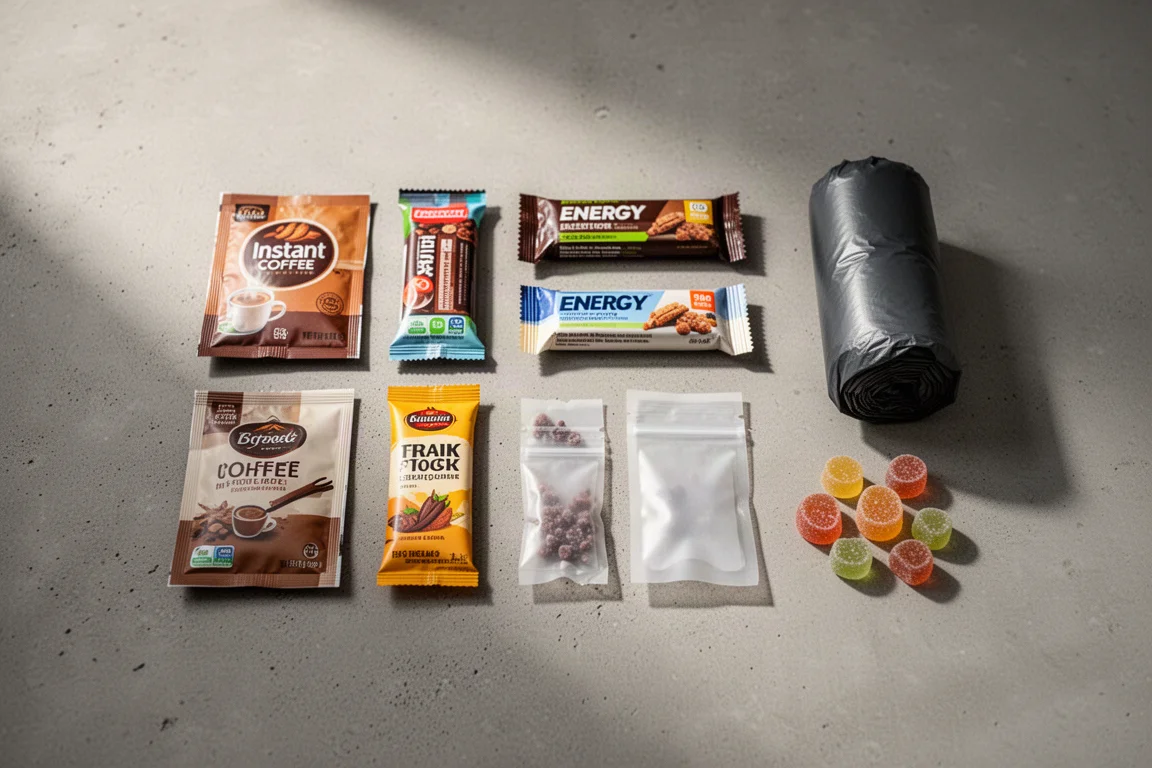
That makes it the strongest of the three for food. Instant coffee, energy bars, snacks, small resealable bags, a trash bag, and a few small extras all sit in a single layer, so nothing ends up buried at the bottom of a deep sack. The flat footprint also lets it pack against the back panel of a backpack, and it holds enough for multiple days of meals and snacks in the field.
The 3-inch depth keeps the pouch slim when it is closed, so it slides in alongside a sleeping bag or a folded tarp without creating a bulge in the pack. It is a shape that rewards a little planning: load it in layers, and everything stays reachable when you open it at camp.
Pack Back Designs Small Food Bag: A Compact Power Kit
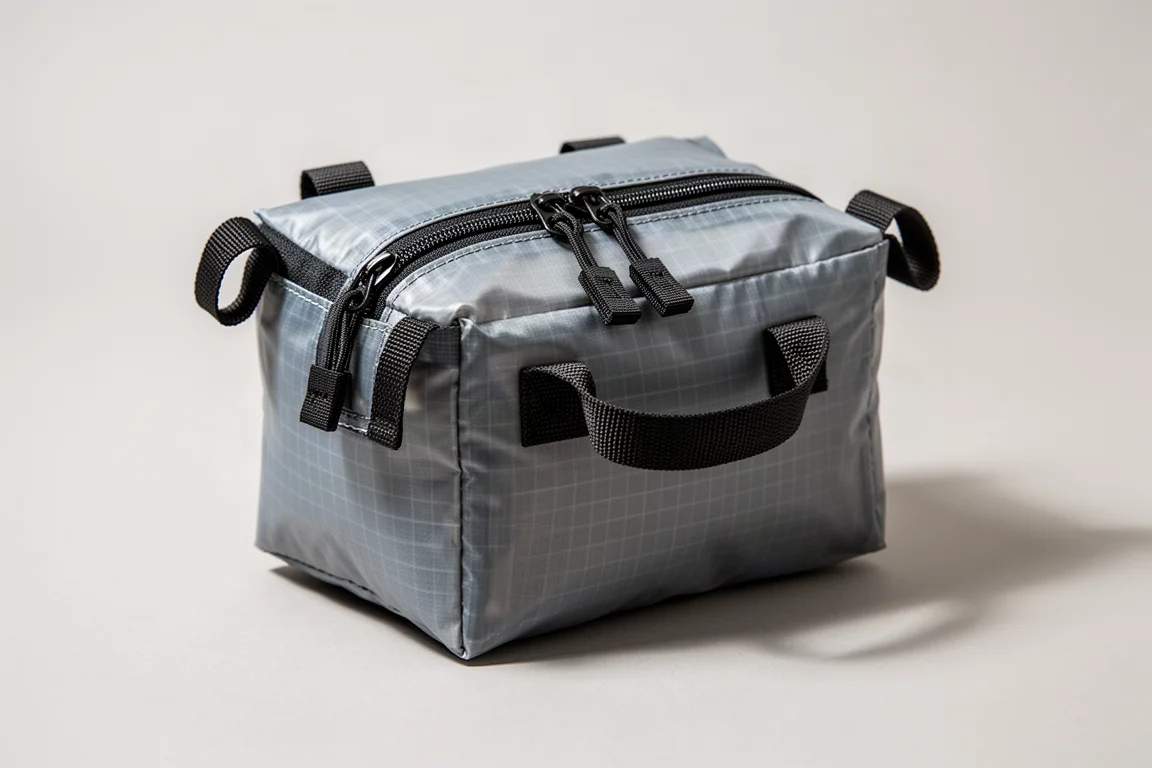
The Small Food Bag is the smallest of the three at 7 by 6 inches with a depth of about 3.5 inches, and it weighs just 16 grams. It follows the same design language as the Large Food Bag, scaled down: water-resistant two-way zipper with pulls, loops at both ends, and a grab handle at the top.
Its size suits a power kit. A headlamp, a battery bank, a charging cable, a small fan, and an LED light strip fit comfortably, and the semi-transparent fabric makes it obvious which pouch holds the electronics. The same bag works just as well for smaller first aid supplies, repair items, or toiletries, and the contents can be adjusted for each trip rather than locked to one loadout.
Sizing, Fabric, and Color Options
Choosing between the three comes down to volume and access. The Large Food Bag suits bulky cookware and fuel accessories. The 3-Inch Deep Pack Pouch suits flat, layered contents such as food and snacks. The Small Food Bag suits compact kits like electronics or small personal items. Because all three share the same cube-like logic, they stack together neatly in a pack.
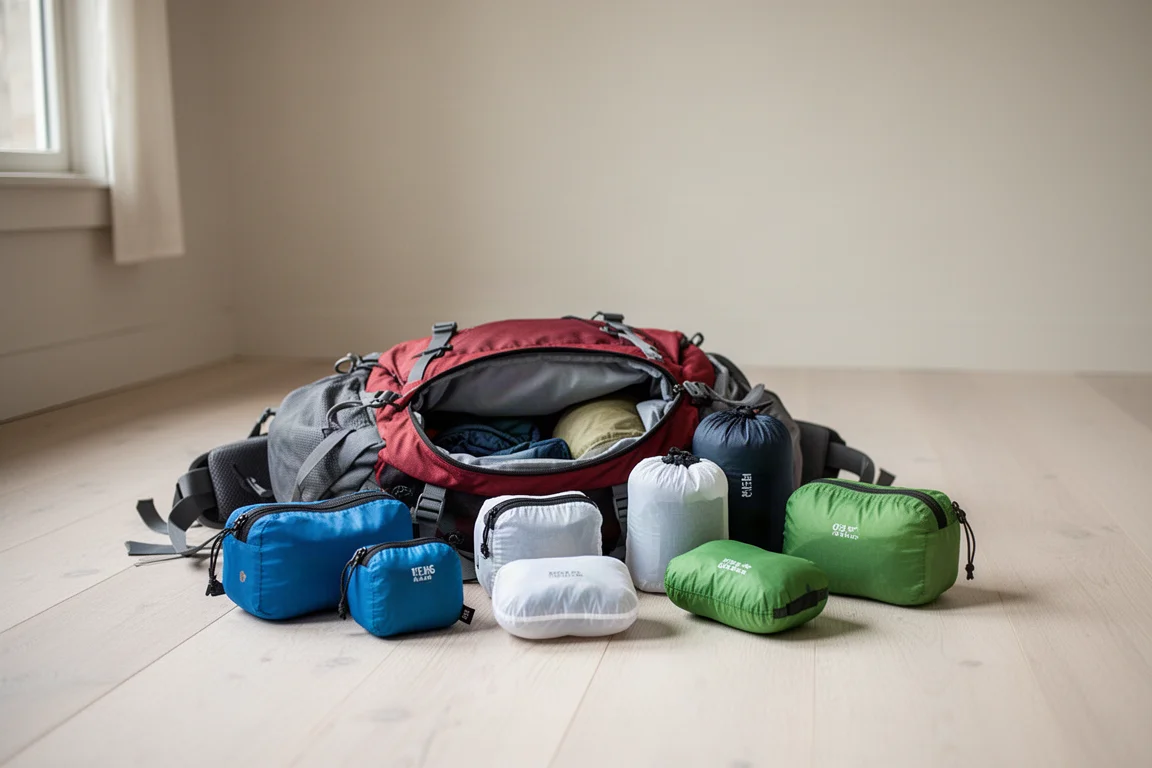
The bags are available in a range of DCF fabric specifications, from lighter weights to heavier and stronger versions, so buyers can trade a few grams for extra durability if they prefer. Color options include blue, white, and green, which makes it easy to color-code kits at a glance.
Durability and Long-Term Use
After close to a year of regular use, all three bags remain in excellent condition. There are no punctures, no holes, and no visible wear, and they still look essentially new. That is a meaningful difference from ordinary ripstop nylon or polyester stuff sacks, which tend to abrade and thin out over the same period.
The zippers hold up well in damp conditions too, which is where the water-resistant construction earns its keep. These are organizers rather than dry bags, so they are best understood as protection against moisture inside a pack or under a tarp, not as a way to submerge gear.
Buying Advice
At $43 for the Large Food Bag, $38 for the 3-Inch Deep Pack Pouch, and $32 for the Small Food Bag, the pricing sits in the middle of the market for composite-fabric storage bags. Considering the materials, the zipper hardware, and the construction quality, that positioning is fair.
The most useful approach is to buy the size that matches a kit you already carry, then customize the contents for each trip rather than assigning a bag to a single permanent job. A cook kit bag on a weekend camping trip can become a coffee and snack bag on a day hike, and a power kit can shrink or grow depending on how long you will be out.
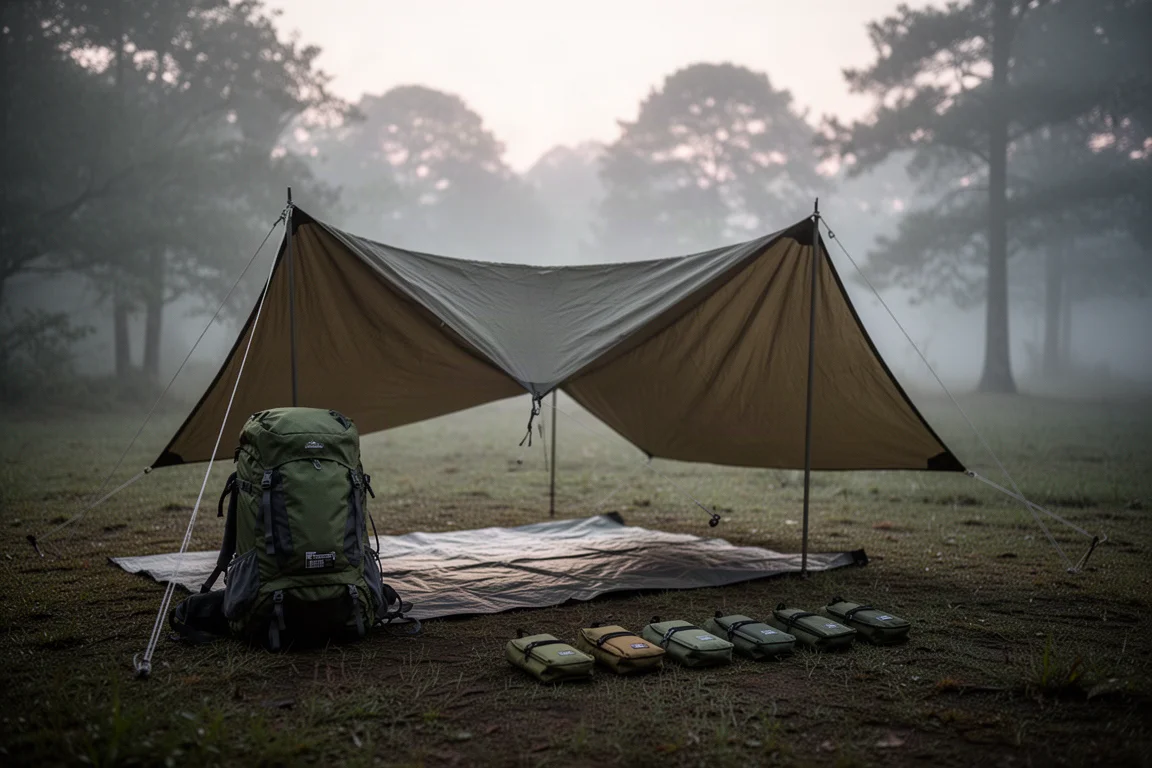
For travelers, the same logic applies to packing a suitcase, where a semi-transparent pouch makes it easy to find a charger or a cable without emptying a compartment. The bags are also at home in a truck, a bike pannier, or a duffel, which is part of what makes them a sensible first purchase rather than a niche one.
Conclusion
Pack Back Designs has put together a coherent, well-considered system here. Three bags, one material philosophy, and hardware that is clearly chosen by people who use this gear themselves. Light weight, high strength, adaptability, and a fair price add up to a set of organizers that are easy to recommend for backpacking, camping, travel, and everyday gear management.
If you only need one, start with the size that matches the kit that currently causes you the most frustration. If you want the full system, the three sizes cover cookware, food, and electronics between them, and they will keep doing it for a long time.
Further reading
Related Reviews

Backpacking Gear
Building a 10 lb Base Weight: An Ultralight Backpacking Gear List
A practical walkthrough of the ultralight pieces behind a 10 lb base weight, from a 765 g pack and a roomy one-person tent to a full camp chair and a dependable water filter.

Backpacking Gear
A 15-Pound Lightweight Backpacking Gear List for Solo Trips
A beginner-friendly 15-pound backpacking setup built from easy-to-find gear, with notes on what each piece does, how it packs, and where to spend your attention.
Trail Running Gear
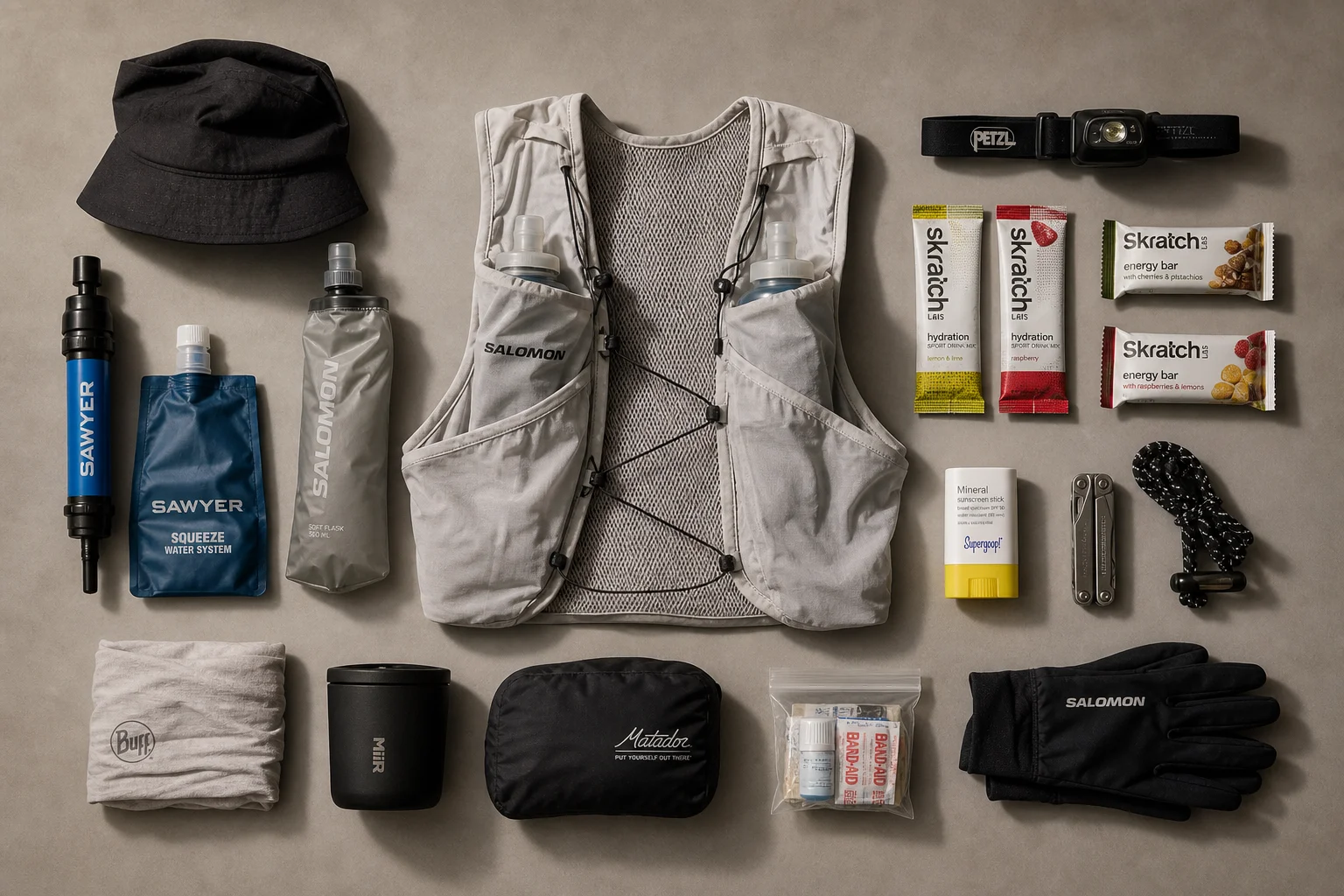
28-Mile Trail Run Pack Loadout: Ultralight Gear for High Alpine Self-Supported Running
A complete breakdown of gear, clothing, hydration, nutrition, and safety equipment for a 28-mile high alpine trail run with 7,800 feet of elevation gain.