Ultralight Gear
10 Cottage Gear Makers Worth Knowing: Ultralight Quilts, Packs, and Accessories
Ten small-scale makers building quilts, packs, and ultralight accessories by hand, and what each one does particularly well.
Introduction
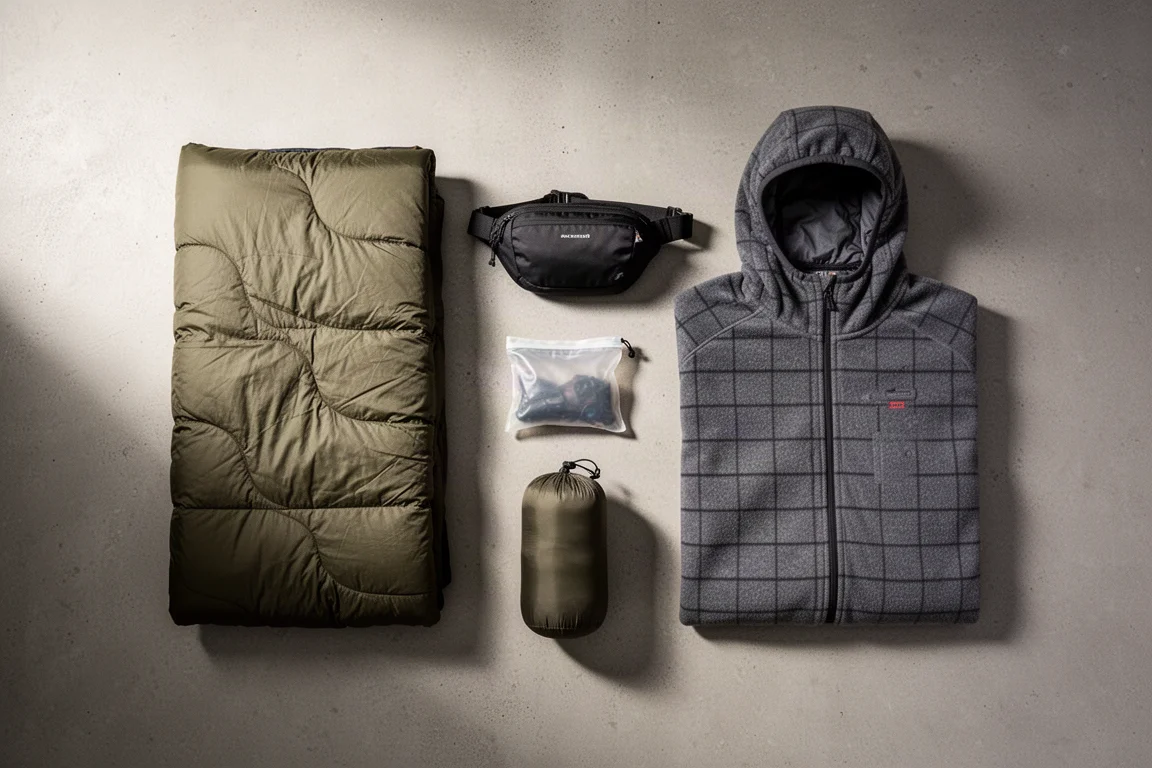
Small-scale gear makers are one of the more interesting corners of the outdoor market. The best of them design and sew their own products, answer their own emails, and often run the entire operation out of a spare room, a basement, or a converted garage.
That setup produces distinctive gear, but it also means limited output, narrow product lines, and designs that shift as fabrics and ideas evolve. The ten makers below cover quilts, packs, and the small accessories that make a pack easier to live with on a long day.
What Makes a Cottage Gear Maker
A cottage maker is typically the person designing the gear, building it, handling customer service, and marketing it. A spouse, a family member, or a very small team may help out, but the owner stays central to nearly every part of the business. Many of these companies begin as part-time ventures, and plenty of them start when a hiker comes off a long trail with an idea worth chasing.
Accessories dominate this corner of the market, and there is a practical reason for it. Pouches, stuff sacks, and small bags are far cheaper and simpler to produce than packs, shelters, or sleeping bags, so they are often how a new maker builds a brand and gets products into the world.
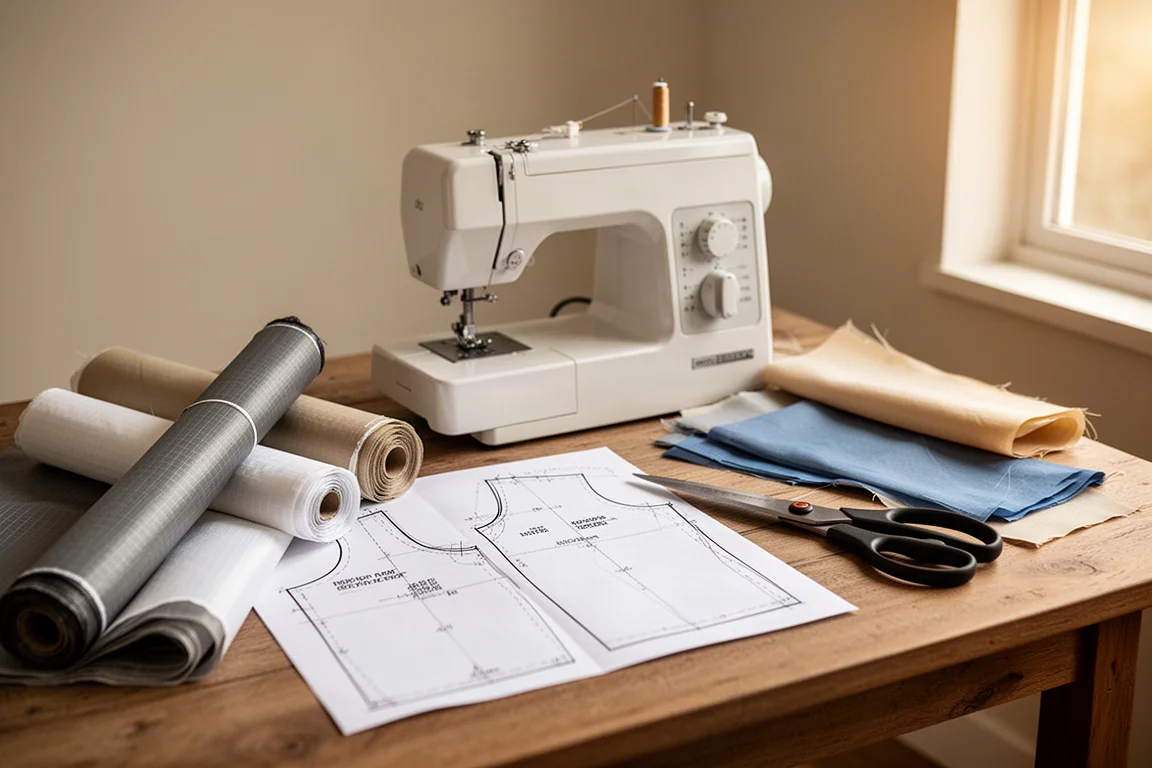
Sewing quality is one of the most useful things to check on any handmade item. Dense, consistent stitching holds up better over time, while widely spaced stitching pulls apart more easily and catches on other gear. Fabric choice matters just as much, and small makers are frequently the first to work with a new material because they can buy it in small batches rather than committing to a long production run.
El Coyote Quilts
El Coyote Quilts is based in Arizona and run by Brian Nokes, a former helicopter pilot who began designing his own gear. Quilts are the entire focus here, and the range includes both stock builds and custom orders, with a spread of colors, fabric options, and fill choices.
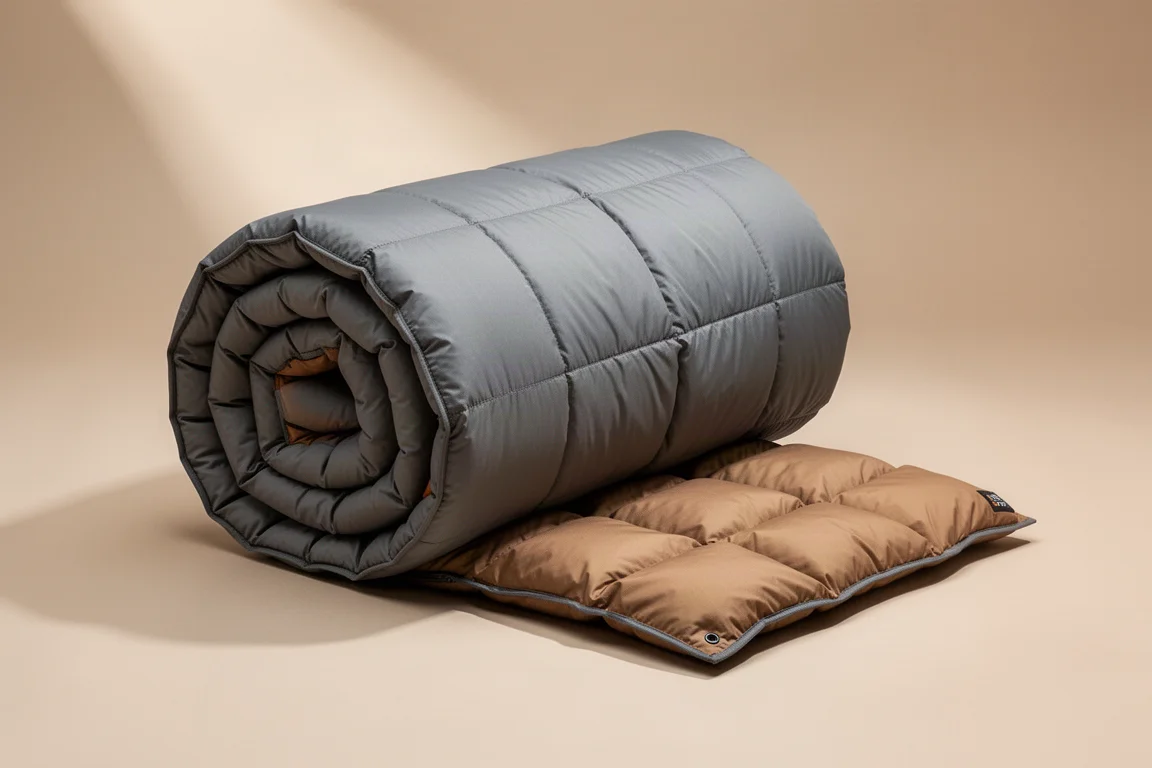
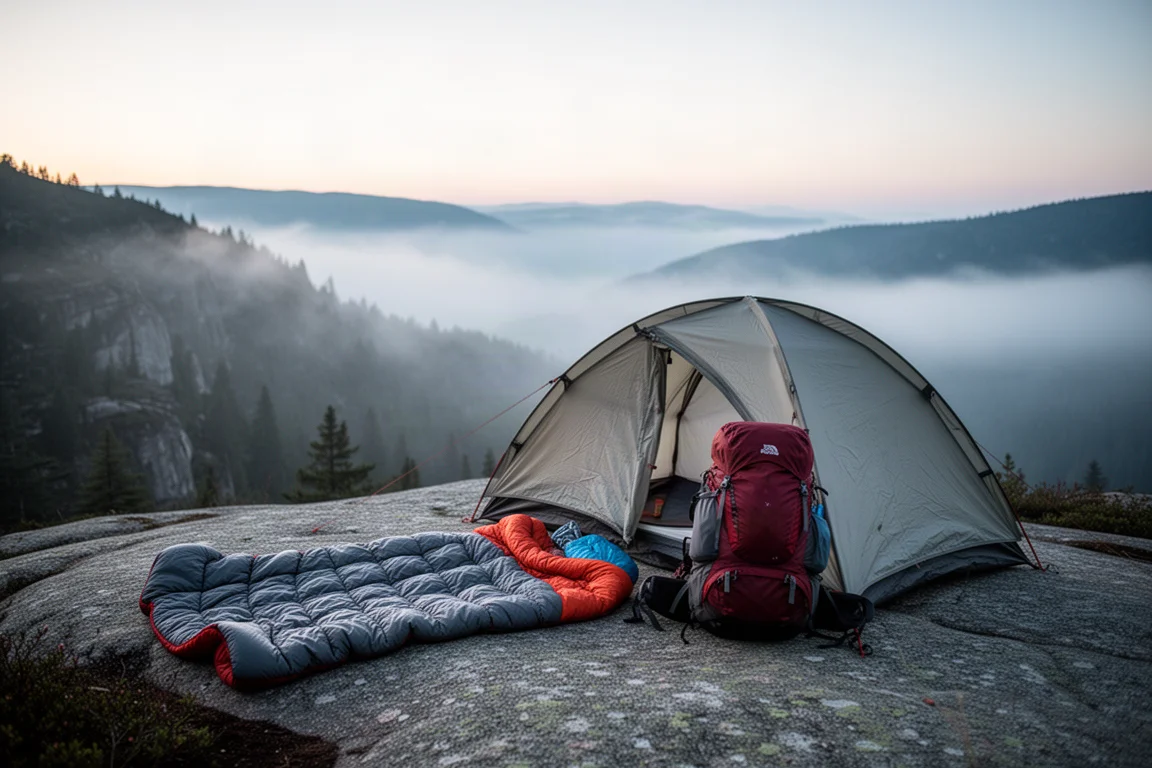
The quilt shown uses a zippered foot box, which means it can be opened out flat like a blanket or cinched closed when temperatures drop. That kind of versatility is the main argument for quilt-style sleep systems, and it makes the same piece useful across a wider range of conditions.
Sewing quality is a genuine standout. The stitching is dense and even rather than widely spaced, which matters because loose stitching pulls apart more easily and snags on other gear. Everything is made in the United States, and the operation is small: Brian builds the gear, with his wife helping on the business side.
The design philosophy is deliberate rather than accidental. El Coyote is not chasing the lightest quilt that can be made. The goal is a lightweight product that holds up over years of use, and that is what the range delivers.
ThruPack Summit Bum
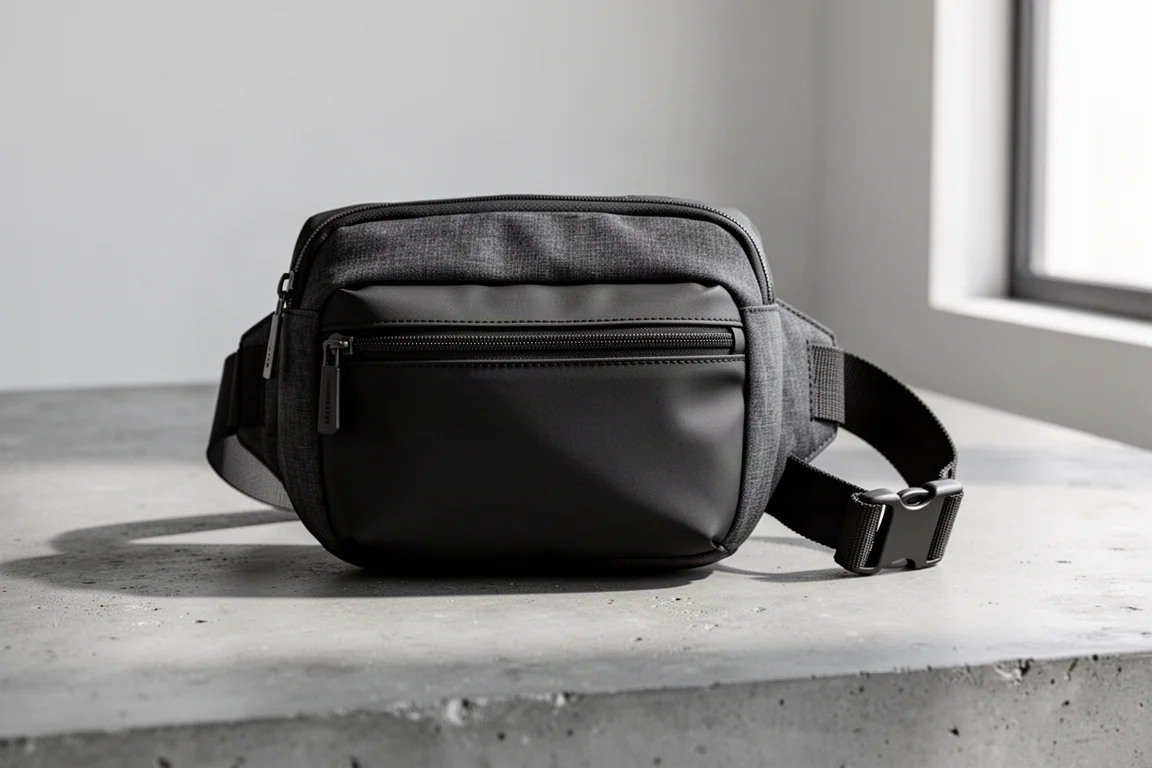
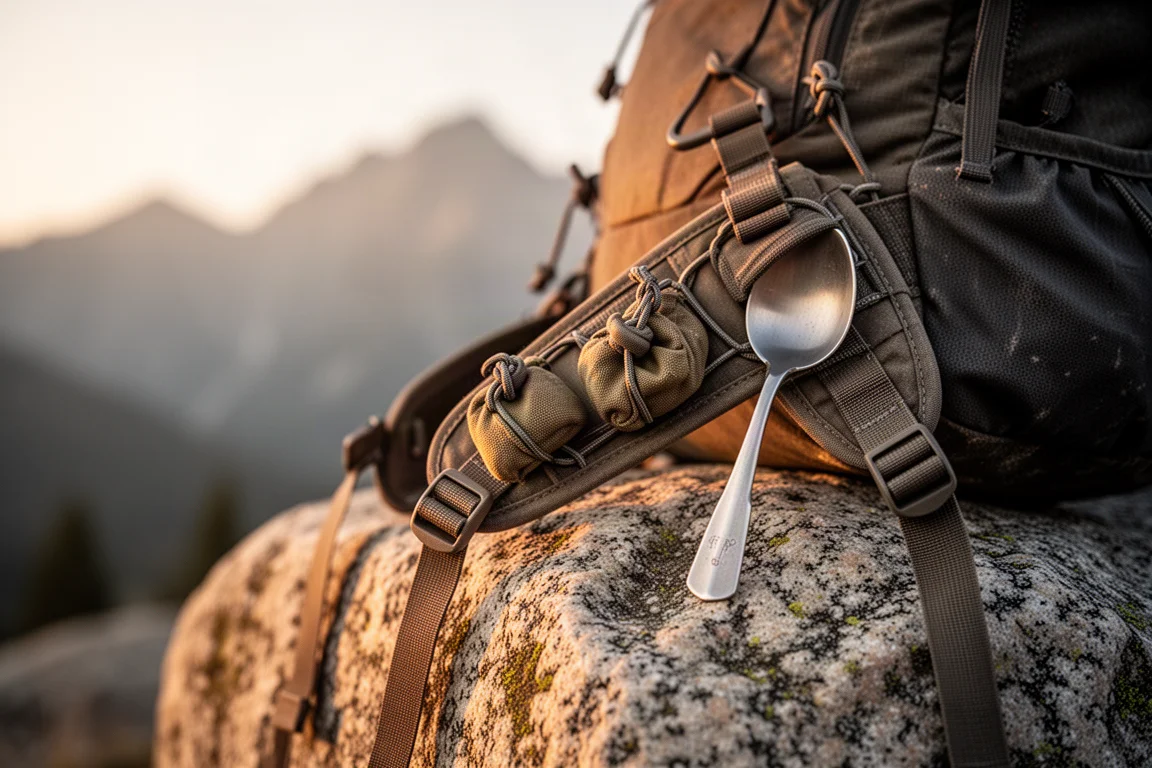
ThruPack is run by Paul Thomas, known on trail as SkunkApe, and the Summit Bum is one of the packs that helped establish hip packs as thru-hiking gear rather than a casual accessory. Paul has been making them himself for years, with a wide range of customization options available.
Capacity is a little larger than the smallest hip packs on the market, which makes it more useful for a full day of snacks and a phone rather than a single granola bar. A firm back panel gives the bag some structure, so contents stay where you put them instead of sagging into a lump.
Comfort straps are available as an optional add-on, a sensible upgrade if you plan to wear it all day rather than for an hour at a time. Build quality is solid throughout, with clean stitching and tidy finishing.
Art Wolf
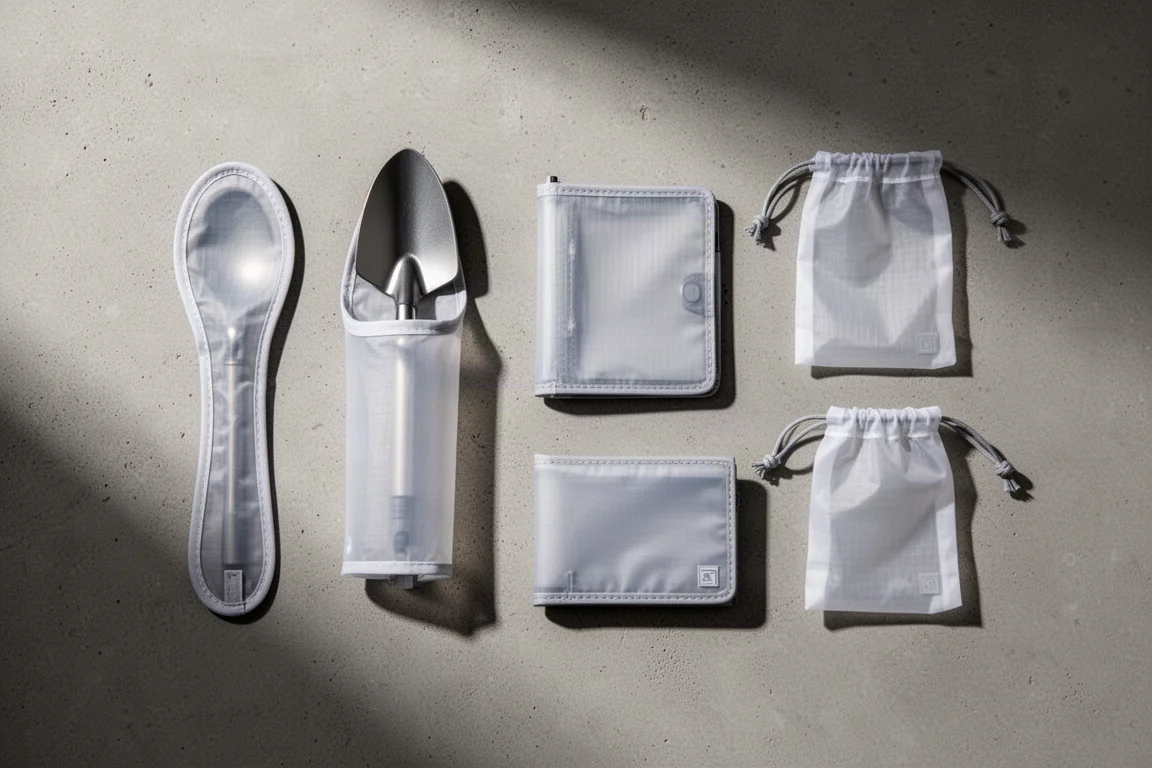
Art Wolf is a very small maker focused on very small things. Founded by Nate, the brand began producing gear in the past year and specializes in lightweight fabric accessories: spoon covers, trowel holders sized for different trowels, ditty bags, toothbrush covers, and ultralight wallets.
The spoon cover is the item that has drawn the most attention, and it is a good illustration of the thinking behind the brand. It is the kind of specific, slightly odd problem that larger manufacturers tend to skip over entirely. The trowel holders come in several sizes, so you can match one to the trowel you actually carry.
The brand got started while its founder was hiking the Northern New Mexico Loop, which is a fitting origin for a lineup built around solving small annoyances on trail. Nothing here is essential, but the items are inexpensive, weigh very little, and remove a few recurring irritations from a long hike.
LEAVE
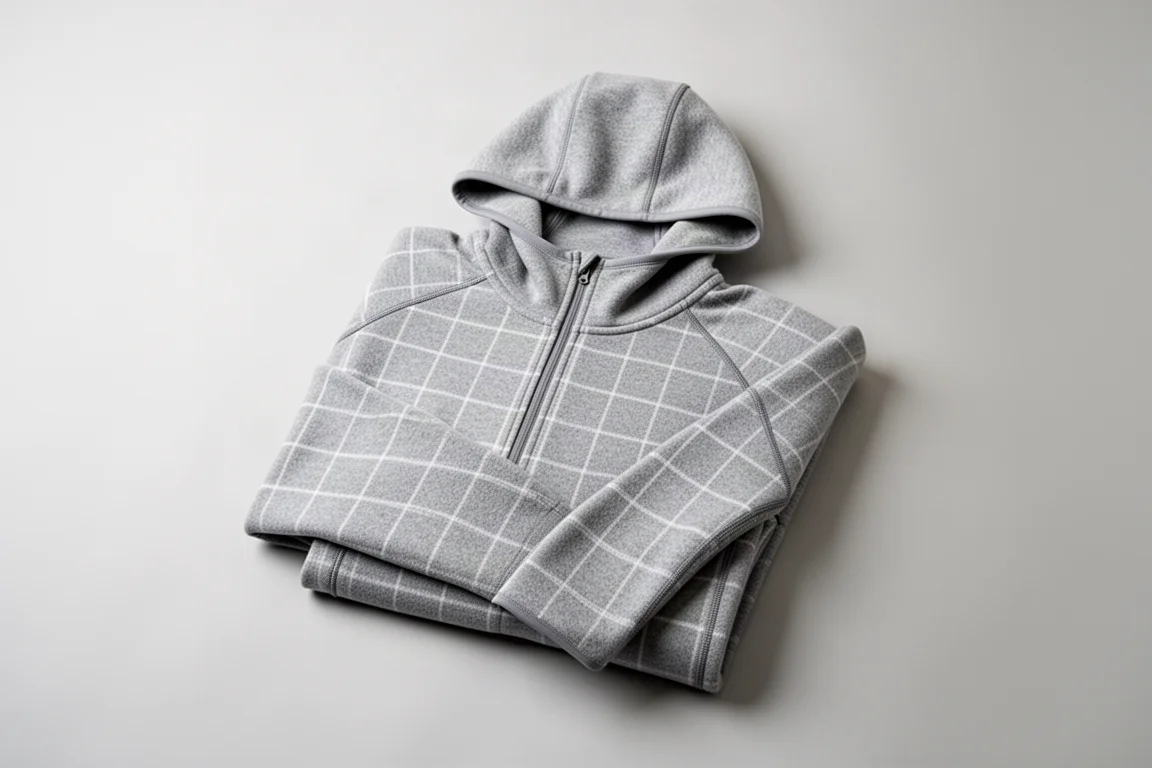
LEAVE is run by Cam, who started the company a year or two ago. The range centers on Alpha fabric garments, including hoodies, along with some genuinely ultralight rain jackets. Alpha has become a familiar material in the ultralight world, but the production setup here is what makes the brand memorable.
Cam’s grandmother Denise handles all of the sewing. He buys the fabric, ships it to her, she sews the garments and ships them back, and he sends them out to customers. Her house has effectively become a small workshop. It is not the most conventional supply chain, but it is a clear example of a cottage brand finding a way to make production work.
The backstory is just as good. Cam and his wife had planned to hike the Pacific Crest Trail and had prepared for it, then found out they were expecting a child. The hike did not happen. The company did.
Yar Gear
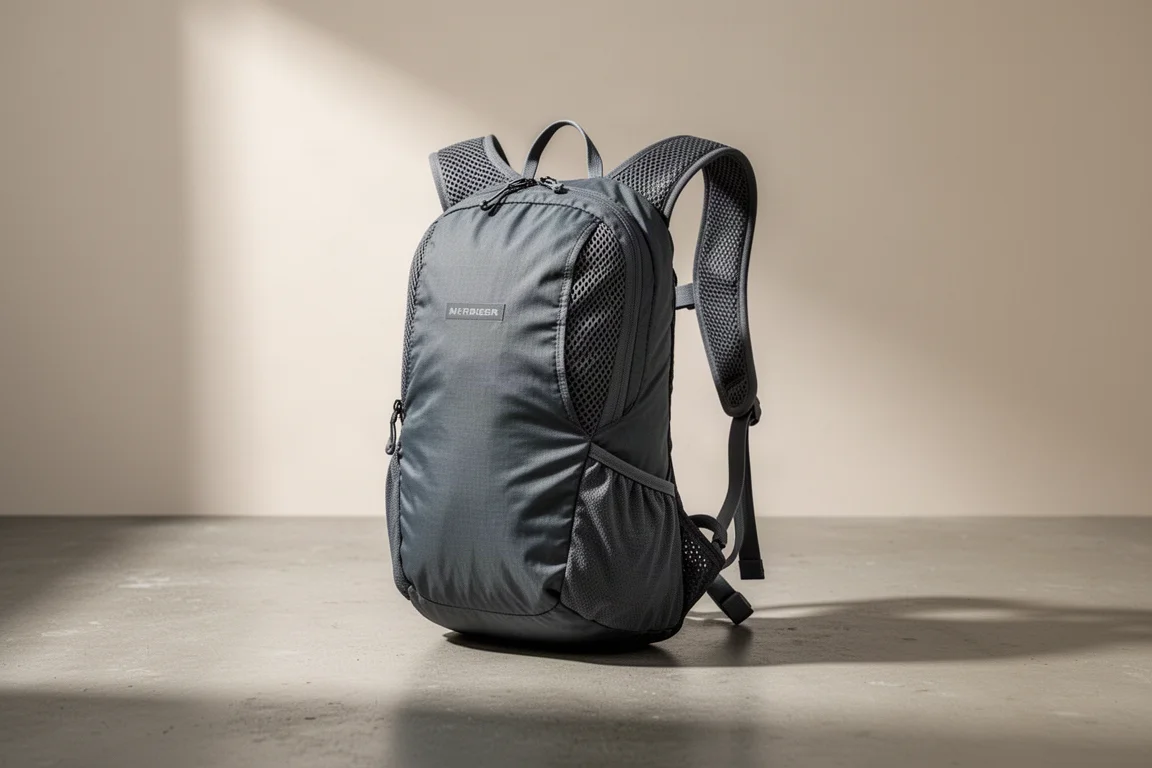
Yar Gear is the work of Adam Bruce, based in Kingston Springs, Tennessee. He hiked the Appalachian Trail, spent a long stretch iterating on pack designs, and now builds a small line of lower-capacity packs alongside custom work and one-off builds.
The vest-style harness is the defining feature. Rather than sitting on the shoulders like a conventional pack, it wraps the torso and hugs the back, which keeps the load close and stable. The mesh back panel is chosen so it does not catch on brush and rock, and it is a durable choice for the long run.
The name has a simple origin: a child at his kid’s preschool thought he looked like a pirate and greeted him accordingly.
Backcountry Exposure
Backcountry Exposure is the label of Devin, a Utah-based maker who previously served as general manager at Waymark Packs. He produces pouches and ditty bags with a strong eye for fabric choice, finish, and overall aesthetics, and he is well known in the ultralight community for supporting other small makers.
He started out selling a small number of items through an online storefront and now runs his own shop. The products sell on their own merits rather than on reputation: clean construction, functional shapes, and fabric selections that look considered rather than arbitrary.
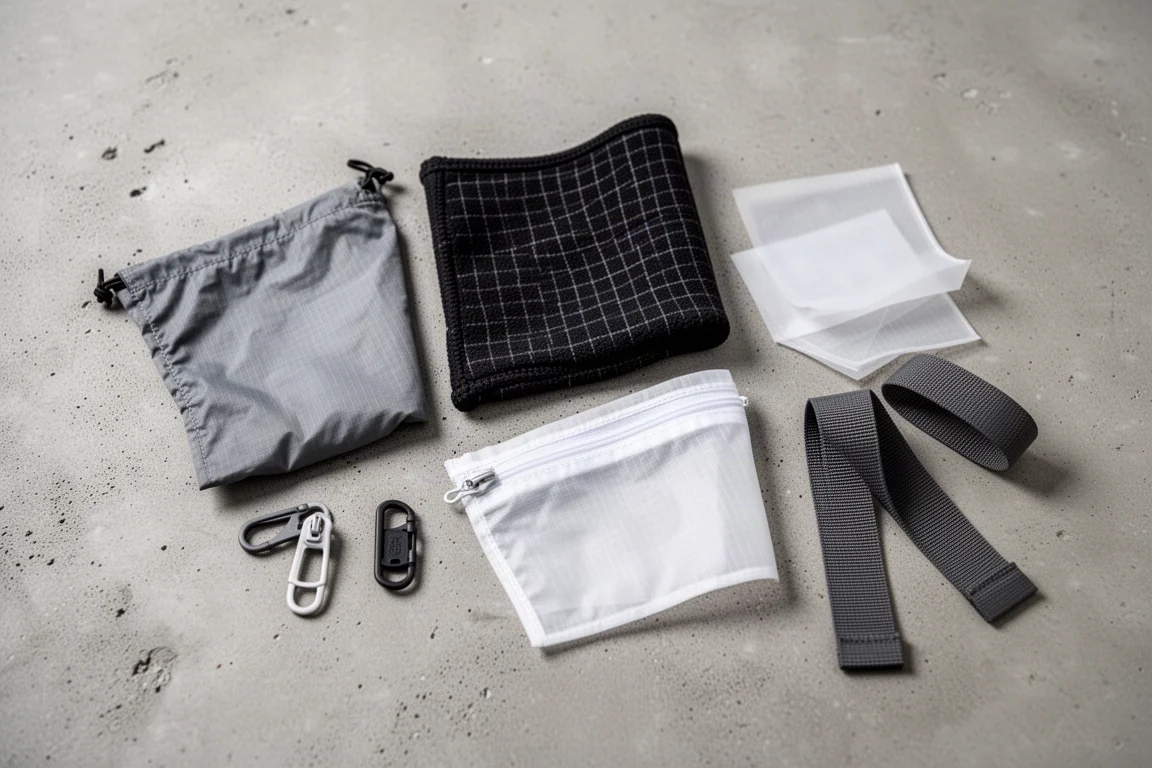
That combination of design sense and practical construction is harder to find than it sounds. Pouches and ditty bags are simple objects, but the difference between a good one and a frustrating one comes down to seam placement, zipper choice, and how the bag sits when it is full.
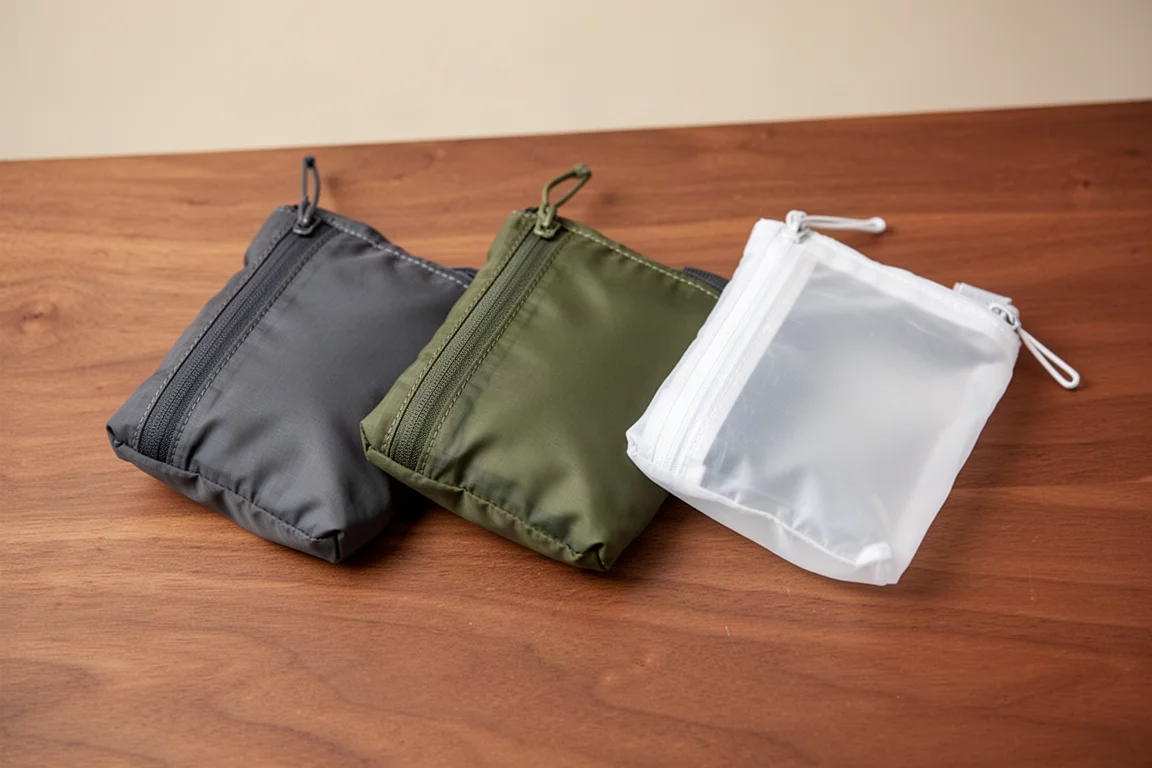
Hartford Gear Co.
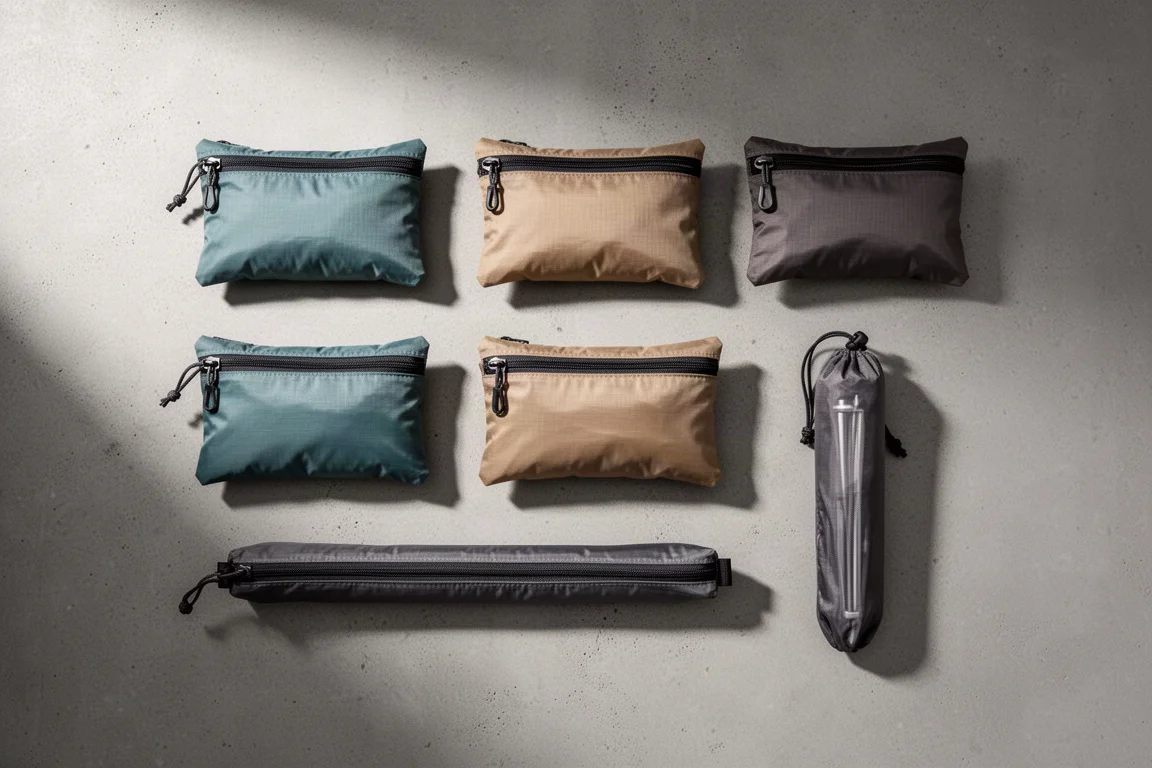
Hartford Gear Co. is based in Hartford, Connecticut, and run by Georgia, who makes every product herself. She has been at it for a long time, and the range covers pouches, stake bags, totes, and cases.
Color combinations and finishes are a particular strength. The long pencil cases work just as well as a first aid kit or a toothbrush kit as they do for stationery. Tent stake bags are sized to fit six-inch stakes with almost no wasted space, which keeps packed volume down in a way that a loose drawstring sack does not.
Female makers are still relatively uncommon in the ultralight and cottage scene, and Georgia’s output is a good example of what that end of the market can produce when someone sticks with it for years.
Red Paw Packs
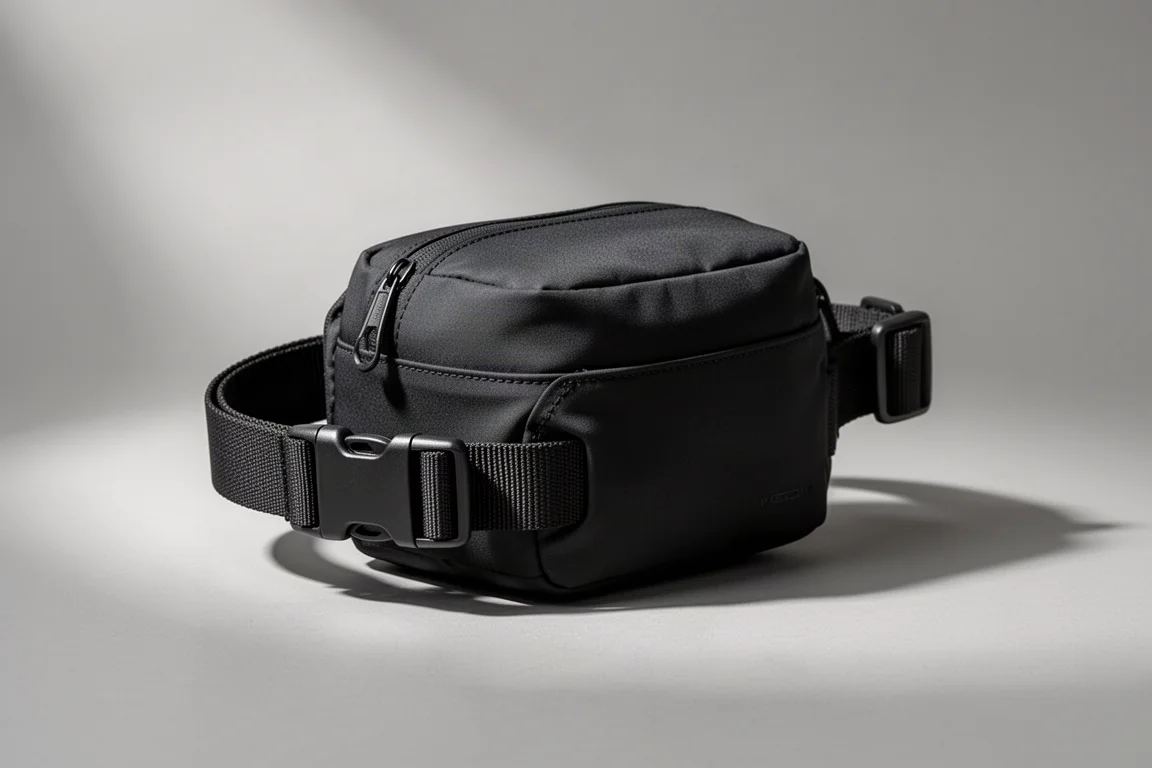
Red Paw Packs is run by Matt Evans, a maker with deep roots in the make-your-own-gear community and a long record of pushing ultralight design forward. The brand takes its name from his dog, Lucy.
The range includes packs, hip packs, and handmade dog packs. The dog packs are the unusual part: they are built to size for individual dogs and made by hand rather than mass produced, and only a small number of brands in the space do anything comparable.
The hip packs are thoughtfully designed, with a small pouch on top sized for a small water flask or a pair of sunglasses. It is a detail that shows the design work behind the product rather than a generic pattern with a logo on it.
Tumble On Outfitters
Tumble On Outfitters is based in Chama, New Mexico, right along the Continental Divide Trail. Founder Mitch Collins hiked the CDT and wanted to give thru-hikers a place to buy gear along a route that does not have many shops, so he set up a store in a storage container that ran freezing cold in winter and brutally hot in summer.
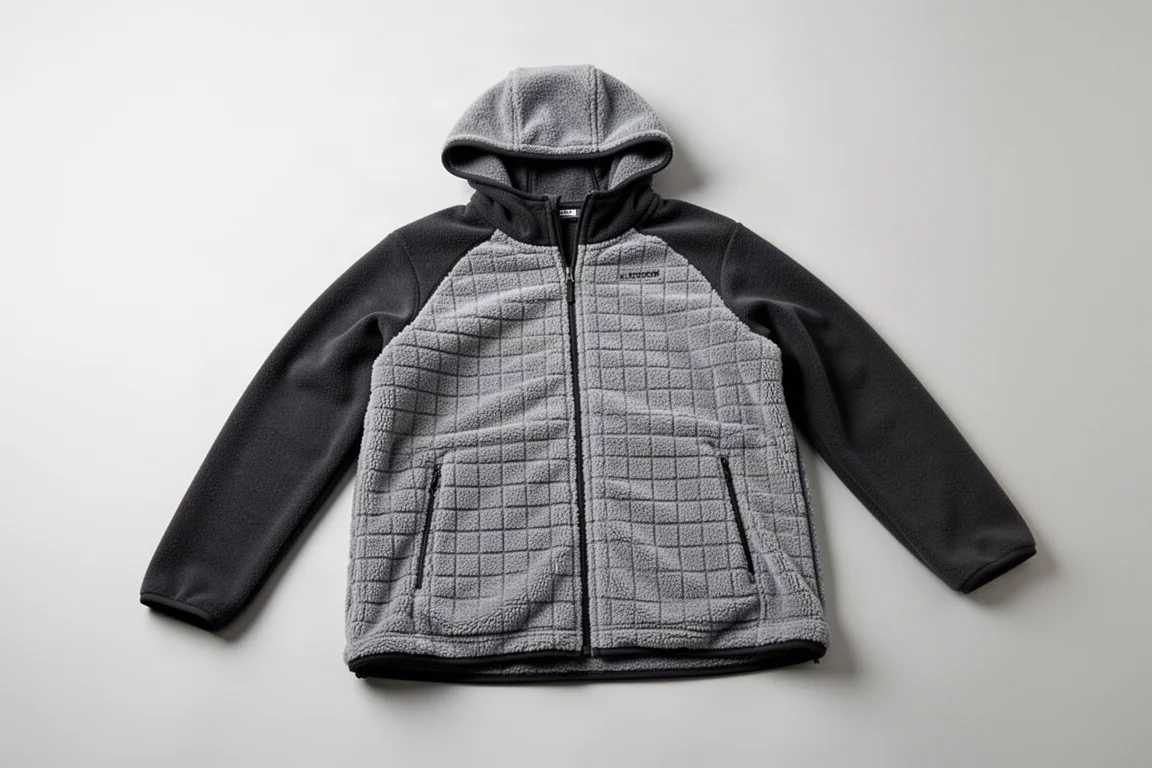
That shop led to his own product line, which includes an Alpha sleeping bag liner and a hooded piece that combines grid fleece with Alpha fabric. Fleece sits over the core for warmth, while Alpha covers the arms and neck for breathability, so the garment handles changing effort levels better than a single-fabric layer.
Small mushroom motifs give the pieces more character than a plain Alpha garment, and the detailing is a reminder that functional gear does not have to look anonymous.
Ultralight Sacks
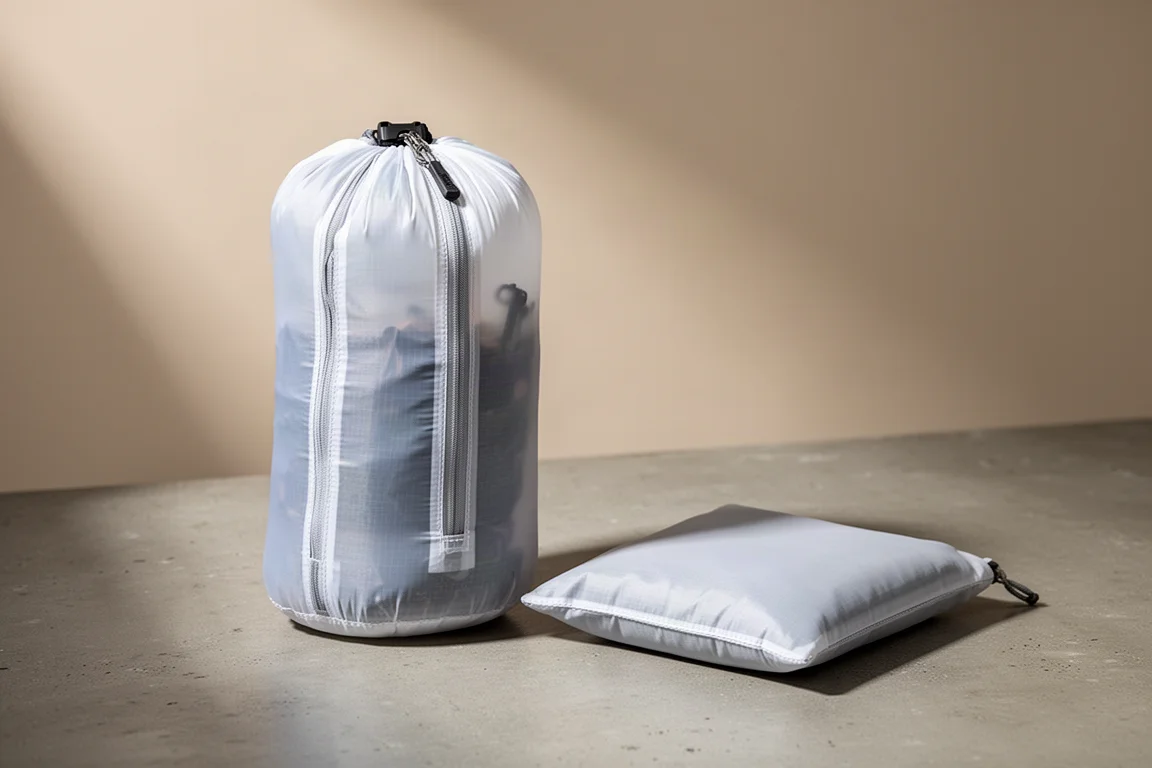
Ultralight Sacks was one of the first accessory-focused makers to build a following, starting out on a small marketplace storefront and later expanding to its own site. The core range is pouches, bear bags, and boxy bags, with packs also in the lineup.
The zippered bear bag is the best-known product and one of the few zippered options of its kind on the market. The tapered shapes across the range are a practical touch as well, since they pack down more efficiently than a straight-sided sack.
What sets the brand apart over time is fabric experimentation. New materials tend to reach small makers long before larger brands can retool around them, and Ultralight Sacks has consistently been early to try them. The product line has stayed fairly consistent even as the fabrics underneath it have changed.
Buying Advice
Start with the problem you are actually trying to solve. If your sleep system is bulky or heavy, a quilt from a small maker can change how your pack carries. If you keep losing small items to the bottom of your bag, a few well-made pouches will do more for you than a new pack will.
Check the specifics before ordering. Quilts vary in fill, fabric, and foot box design. Packs vary in harness style and volume. Accessories vary in dimensions, and a stake bag sized for six-inch stakes will not fit longer ones.
Custom work is one of the real advantages of buying from a small maker, but it also means longer lead times, and in some cases one-off products that are never restocked. If you need something for a specific trip, order early and confirm the details before you commit.
Conclusion
These ten makers all solve something specific, whether that is a quilt that lasts, a hip pack that sits comfortably all day, or a spoon cover that keeps the rest of your kit clean. None of them are trying to be everything to everyone, and that focus is exactly why their gear is worth a look.
Buy from the maker whose product matches a problem you already have, check the dimensions and materials before you order, and treat the small accessory makers as what they are: the fastest way to make the rest of your kit work better.
Further reading
Related Reviews
Ultralight Gear
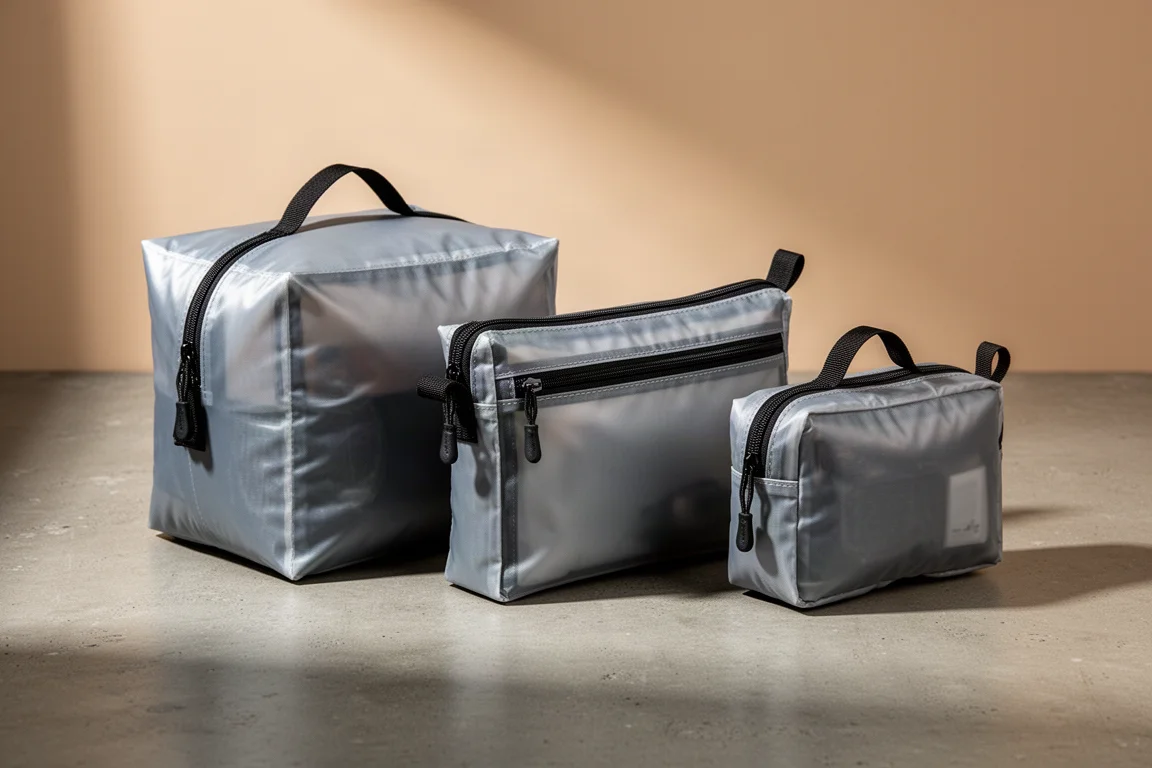
Pack Back Designs Kit Bags Review: Three Ultralight DCF Organizer Pouches
A practical look at three Pack Back Designs kit bags, covering how they are built, what fits in each size, and which one suits the way you pack.

Backpacking Gear
Building a 10 lb Base Weight: An Ultralight Backpacking Gear List
A practical walkthrough of the ultralight pieces behind a 10 lb base weight, from a 765 g pack and a roomy one-person tent to a full camp chair and a dependable water filter.
Camping Tents
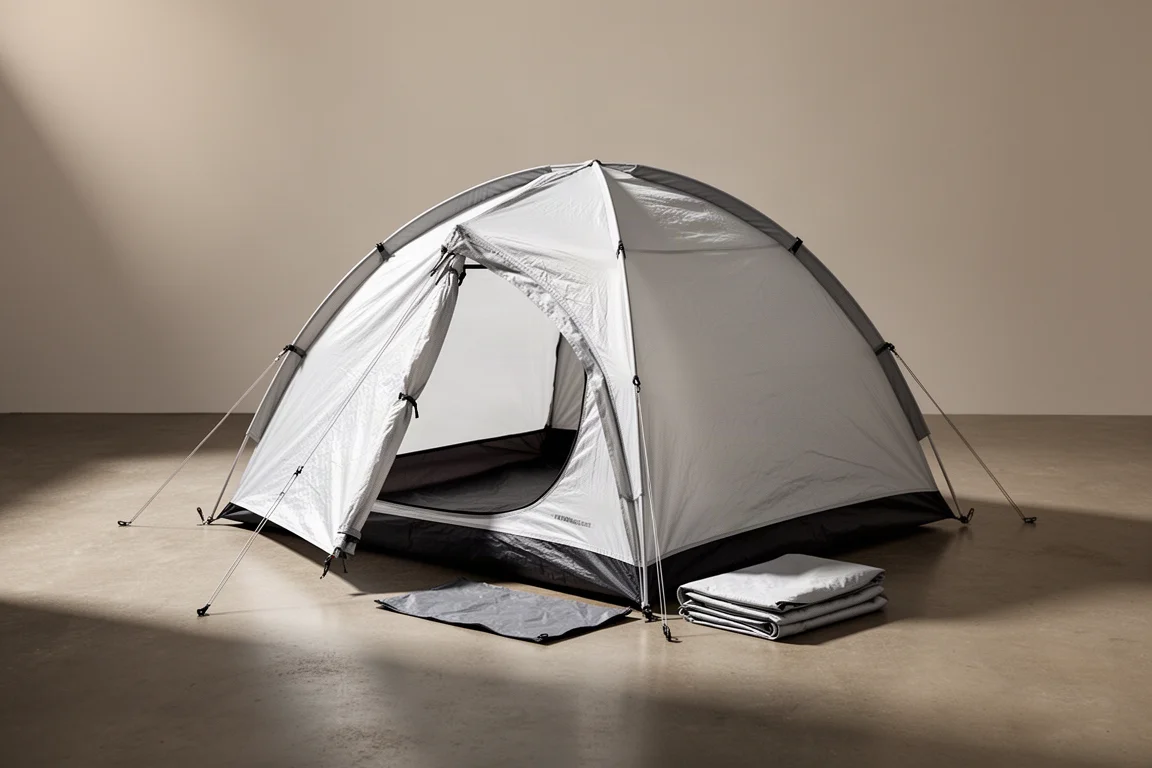
Asta Gear Elite One-Person Tent Review: A Sub-3 lb Half-Dome Worth Watching
A compact half-dome solo shelter with a 15 denier silicone-treated ripstop shell, an included ground sheet, and a 2.9 lb packed weight.