Backpacking Gear
Ozark Trail Backpacking Gear: 10 Budget Picks for a First Trip
Ten Ozark Trail items for a first backpacking trip, judged on listed weight, packed size and price, with clear guidance on what to buy first and what to skip.
Introduction
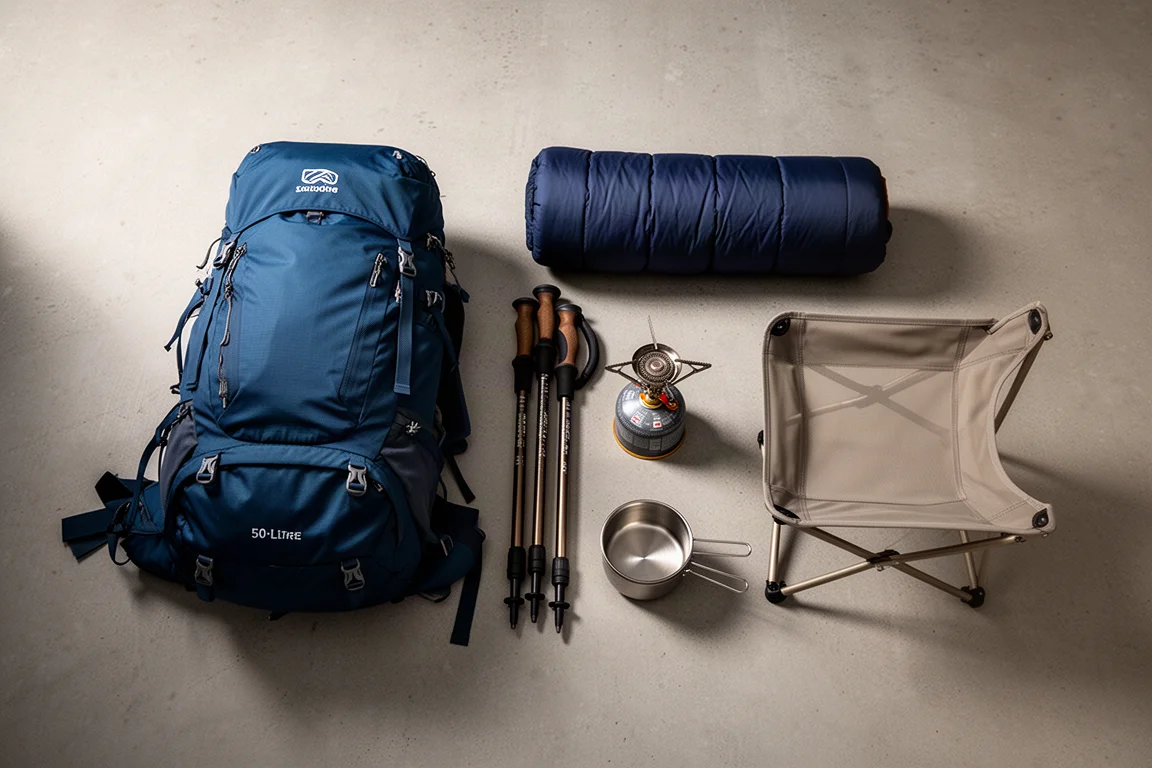
Budget gear is the easiest way into backpacking and the hardest category to get right. Ozark Trail, the in-house outdoor label at Walmart, covers nearly every category a first-timer needs: packs, sleeping bags, pads, tents, trekking poles, cookware, stoves and camp furniture. The appeal is obvious. A ten-piece kit can come in at around $350, which is less than some single premium shelters.
The real question is where that money is well spent. This guide walks through ten Ozark Trail items chosen for a first backpacking trip, with the listed weights, the listed prices, and a clear view of which pieces earn a place in the pack and which ones are better left at home or exchanged.
How These Picks Were Chosen
The starting point was simple: cover the essentials for one overnight trip in mild conditions using a single brand’s lineup. That means shelter, a sleep system, a pack to carry it all, something to walk with, something to cook with, and a few small extras.
Weight and packed volume matter more than feature lists at this price point. A pad or bag that is comfortable but bulky forces a bigger pack, and a bigger pack adds weight before a single item goes inside. The picks below are judged on those two numbers first, then on price.
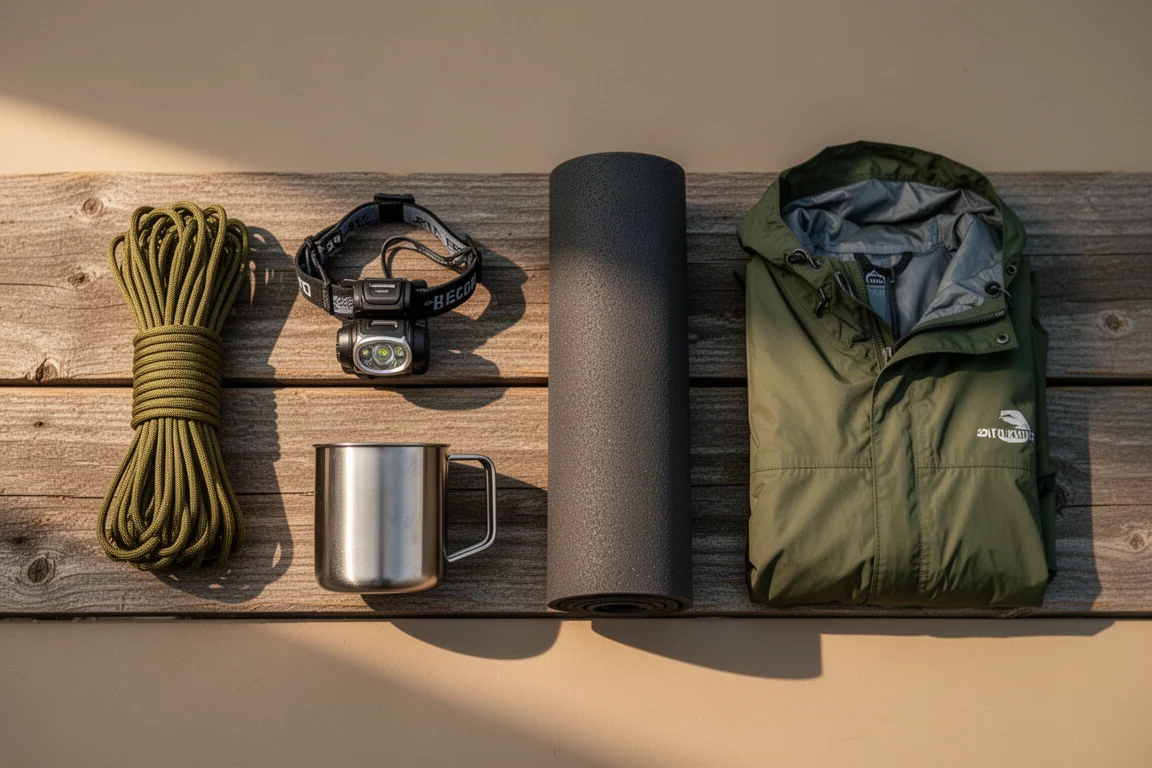
Prices are the listed Walmart figures, and weights are the listed figures in pounds and ounces. Where an item is really only suitable for car camping or base camp use, that is called out directly rather than softened.
Ozark Trail 50L Backpack
The 50-litre pack is the anchor of the kit: a top-loading design with a frame, a padded harness, and a listed weight of 3.53 lb (about 56.5 oz) for $59.97. The frame is the important part at this price, because it transfers load to the hips instead of pulling straight down on the shoulders.
The build feels more substantial than older budget packs, and the shape sits close to far more expensive hiking packs. The catch is capacity. Once a 5.7 lb sleeping bag and a 7.6 lb tent are part of the kit, 50 litres stops being generous, and bulky items end up strapped to the outside where they swing and snag on brush.
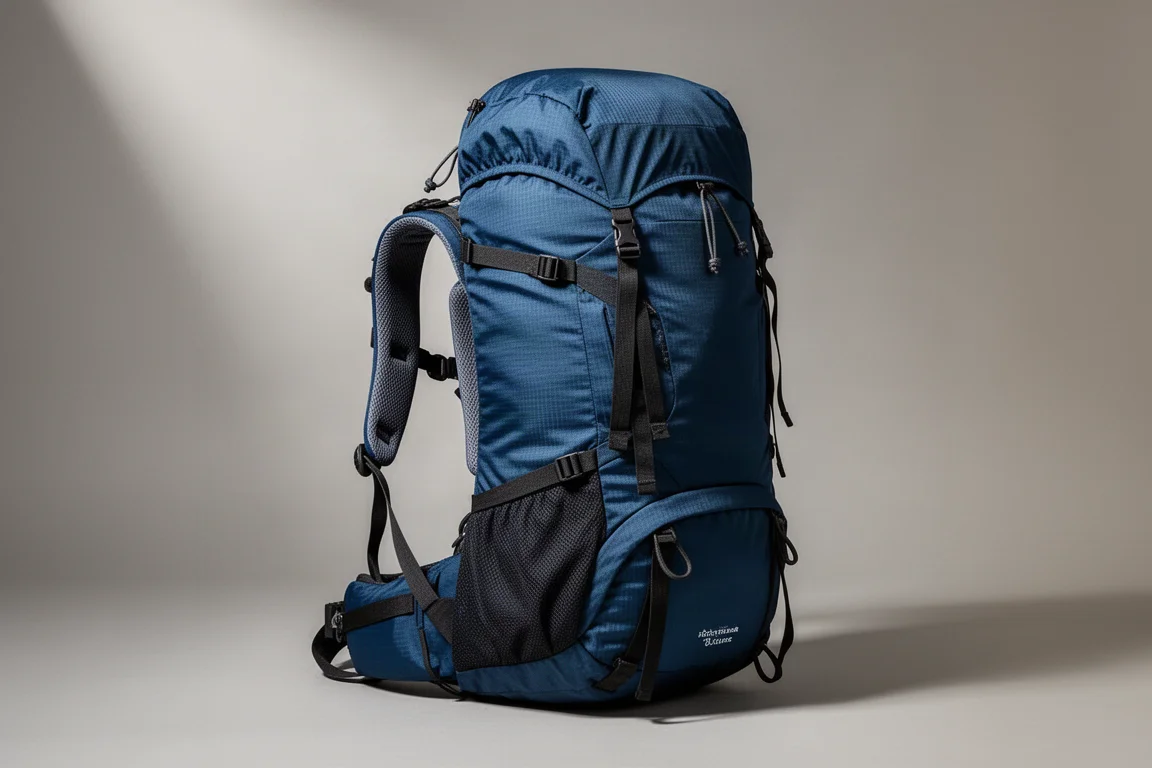
The lesson here applies to any budget build: choose the pack last, after the rest of the kit is settled. Pack volume is decided by the bulkiest items, not by the number printed on the product page.
Ozark Trail 10-Degree Mummy Sleeping Bag
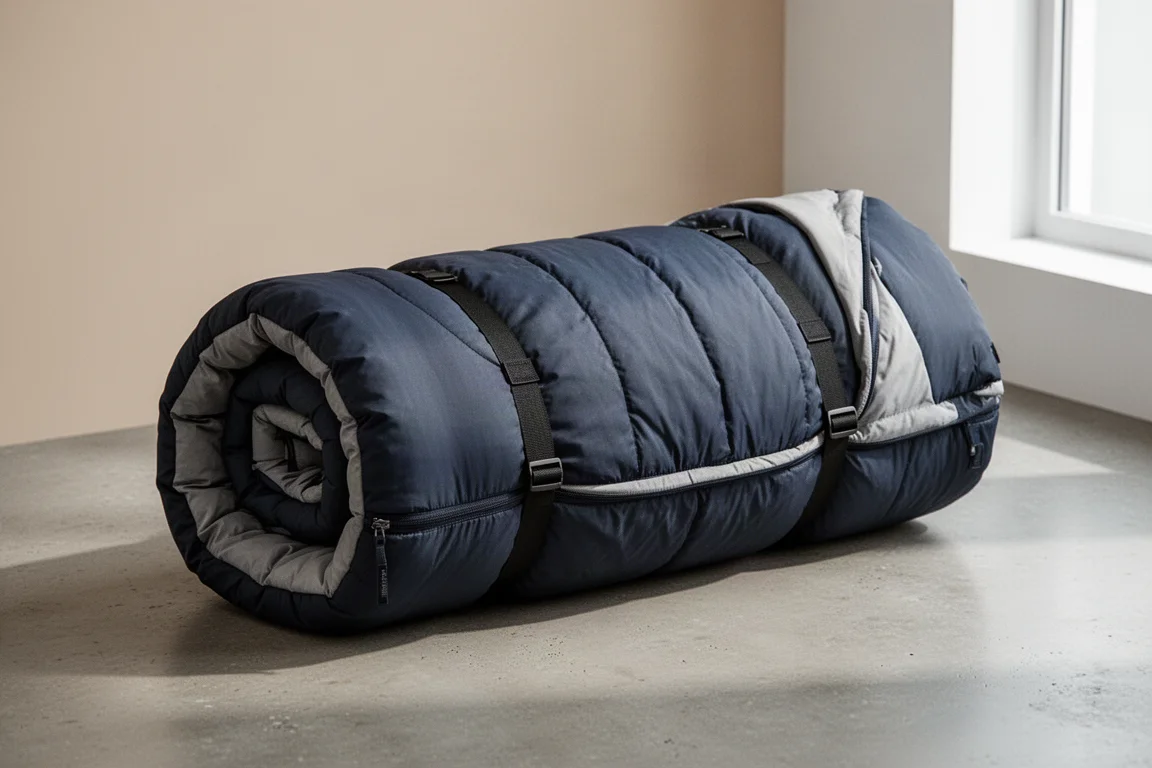
This mummy bag carries a 10°F comfort rating and a listed weight of 5.7 lb for $48.44. The mummy cut is the right instinct, since a hood keeps the head warm, and a 10°F rating sounds reassuring on a cold night.
The problem is packed size and season fit. At 5.7 lb it claims a large share of a 50-litre pack, and a bag rated for near-freezing temperatures is overkill for the spring, summer and early autumn trips most first-timers actually take. A 30°F or 40°F synthetic bag at similar money can pack to roughly half the size, which frees up space for everything else.
For car camping, where bulk and weight do not matter, this bag is fine. For backpacking, it is the clearest candidate for an exchange.
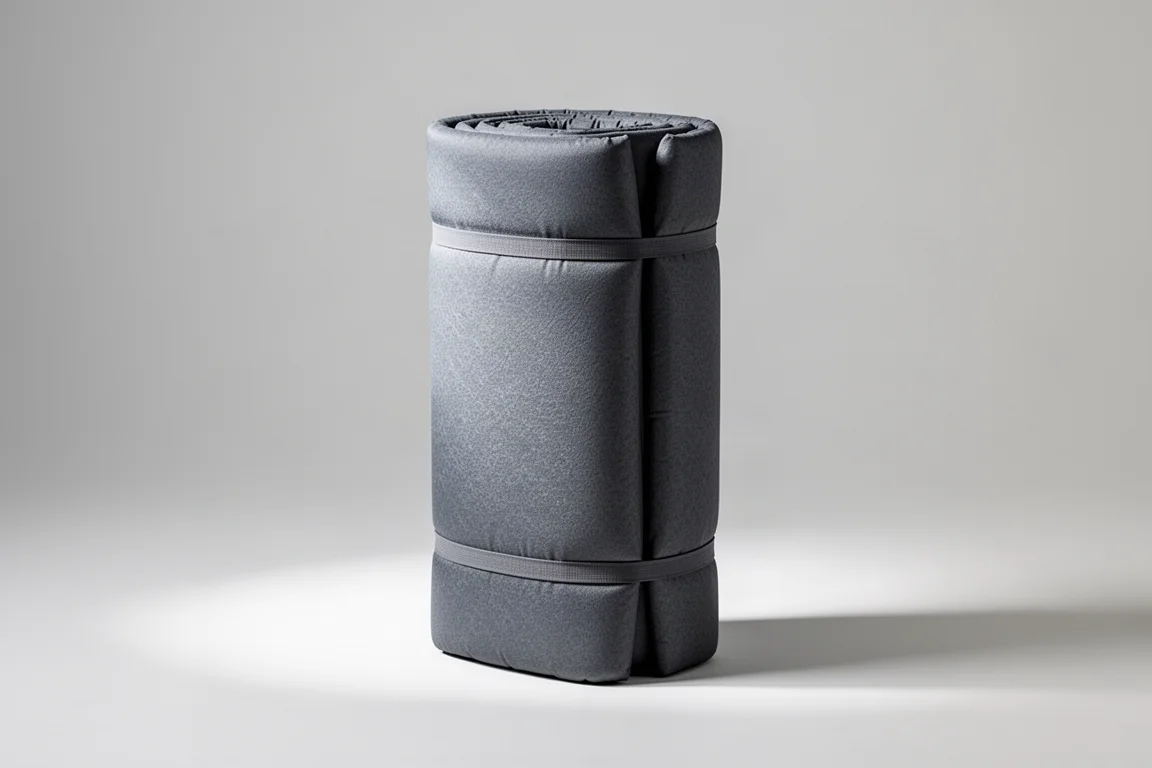
Ozark Trail 1.5 R-Value Sleeping Pad
The pad lists a 3.34 lb weight, an R-value of 1.5, and a price of $30.88. That R-value is ASTM-rated, which matters: a standardised figure can be compared honestly across brands, while an unrated number cannot.
An R-value of 1.5 is a warm-weather rating. It will keep a summer sleeper off the ground, but it will not hold much warmth back from cold soil on a late-autumn night. The other consideration is weight. At 3.34 lb this is a heavy pad, and lighter options around the 2 lb mark are available at similar money.
For a first trip in mild conditions, though, it works, and the price is low enough that it is worth keeping while you learn what you actually want from a sleep system.
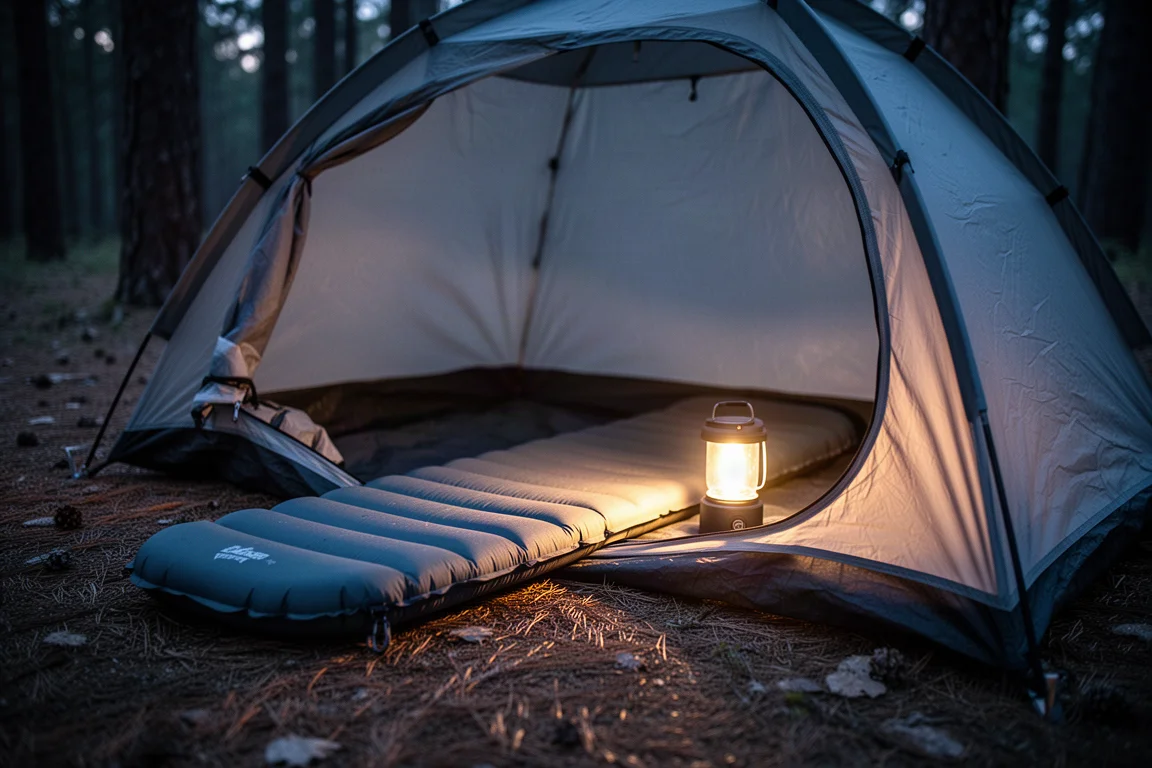
If cold-weather camping is on the horizon, plan to upgrade rather than layering extra clothing on top of the pad. R-value is the number that decides how comfortable you are underneath.
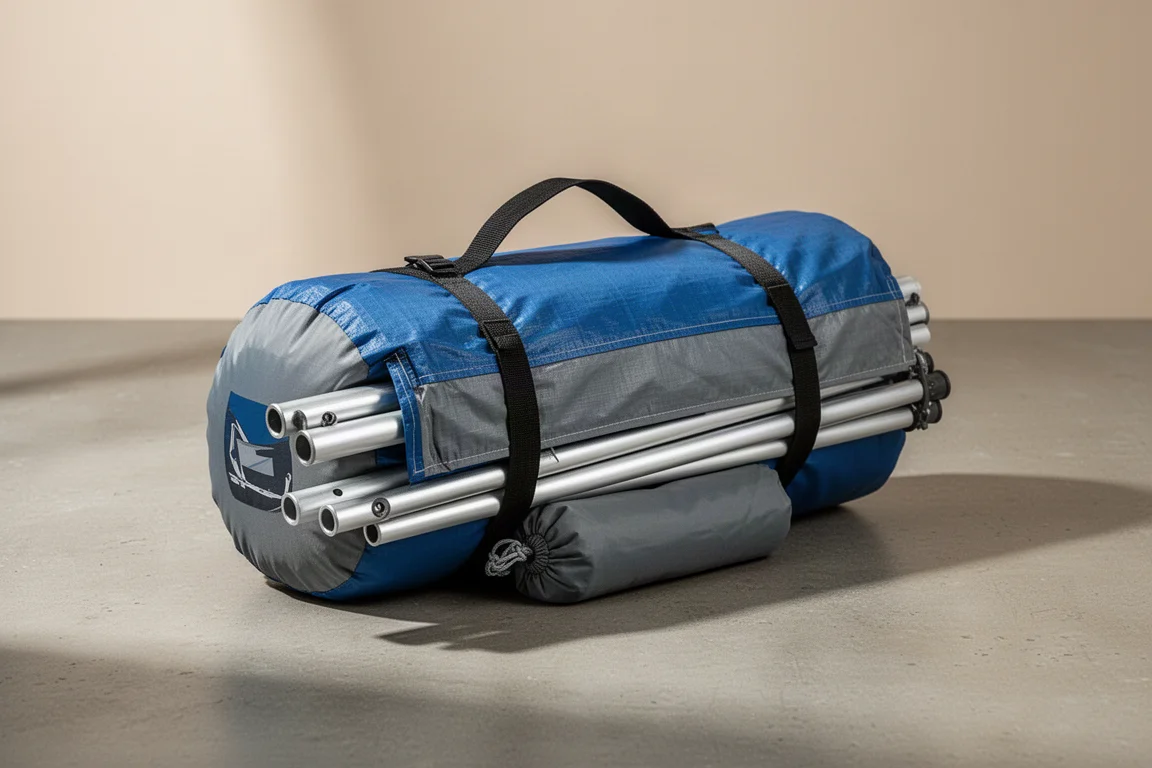
Ozark Trail Two-Person Tent
A two-person dome tent for $55.87 with a listed packed weight of 7.6 lb (about 121.6 oz) is a lot of shelter for the money, and the blue fabric matches the rest of the line.
Weight is the trade-off. Seven and a half pounds is a serious load to carry, and it grows heavier in practice once food and water join the pack. The tarp-like fabric also means the tent has to be rolled rather than stuffed, so it will not compress into odd corners of a pack the way a nylon shelter does.
This is where budget gear shows its limits most clearly. If the budget only stretches to one tent, a heavy one is better than none, but a lighter shelter is the single upgrade that will change how a trip feels.
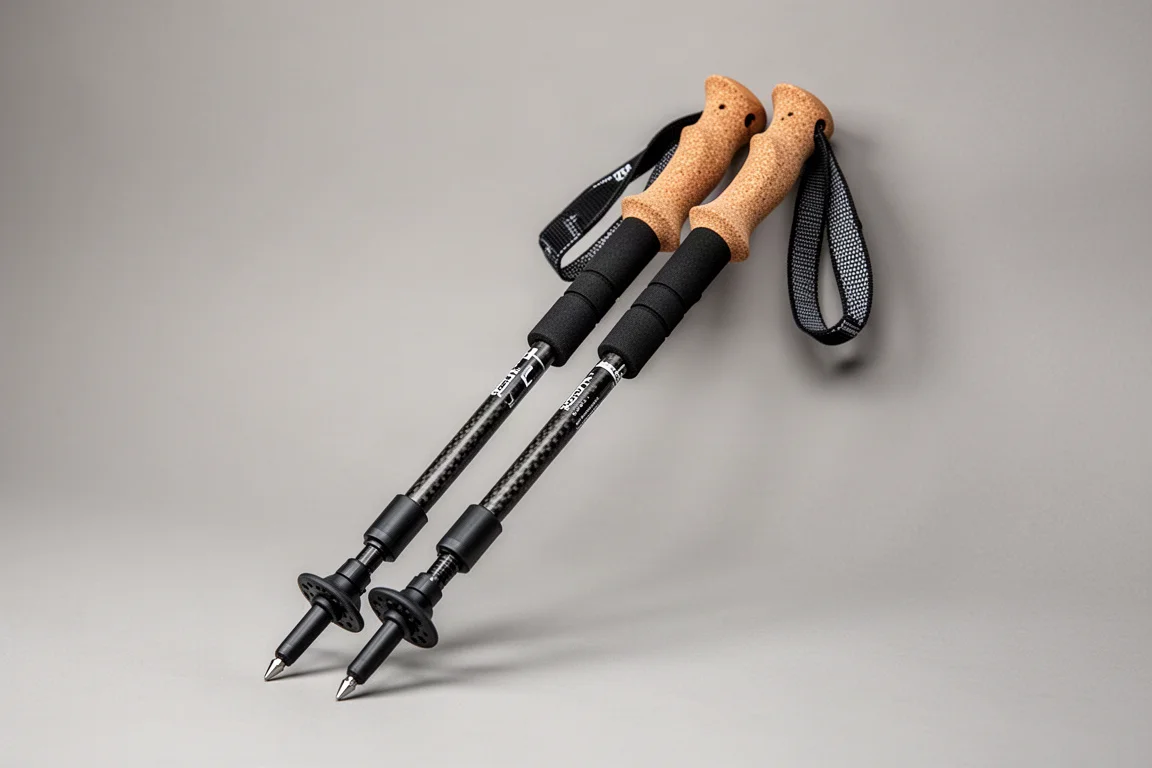
Ozark Trail Trekking Poles
The trekking poles are the standout value in the lineup. They list at roughly half a pound (7.84 oz) for $33.33, with carbon fibre shafts, cork upper grips, EVA foam lower grips, and rubber tips over carbide points.
That combination is unusual at this price. Cork handles stay comfortable through long days, and carbide tips bite into dirt and rock where rubber tips slip. The rubber caps are best removed for trail use and kept for pavement or travel.
If you are new to poles, they pay off most on descents, where they take load off the knees, and on uneven ground where a third and fourth contact point helps with balance.
Ozark Trail Camping Explorer Kit
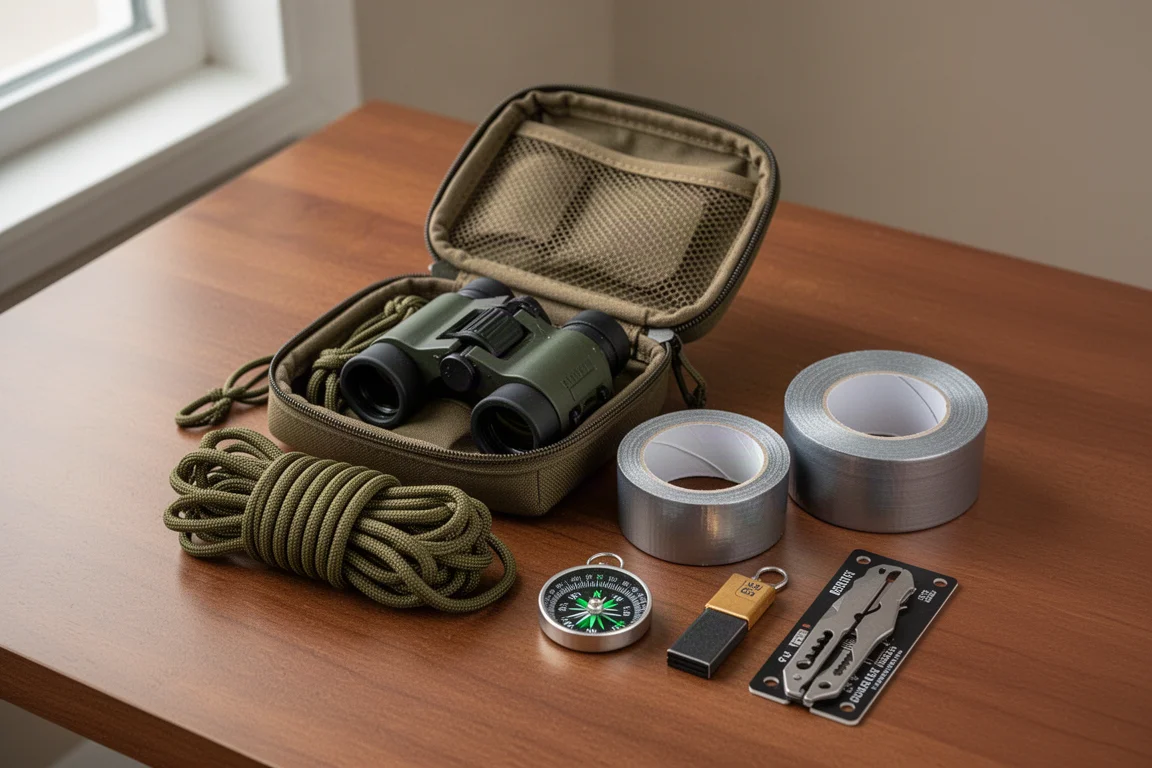
The Explorer Kit bundles 20 feet of 550 paracord, a roll of duct tape, compact binoculars, a fire starter, a compass, a whistle and a tool card in a small carry pouch, all for $24.98 and a listed weight of about 2 lb (32 oz).
The contents are a mixed bag for backpacking. Duct tape and a whistle are genuinely useful, paracord is heavier than most trips require, and the compass is basic. The binoculars are the pleasant surprise: they feel far better than the price suggests and are worth carrying if you enjoy watching wildlife from camp.
One caveat is worth flagging. The listed contents include a 500-lumen rechargeable headlamp, and the kit as delivered did not include one. That headlamp would have been the item that justified the price. Without it, most of the contents are optional extras, and a separate headlamp plus a lighter cover the same ground for less weight.
Ozark Trail Camping Tool Set
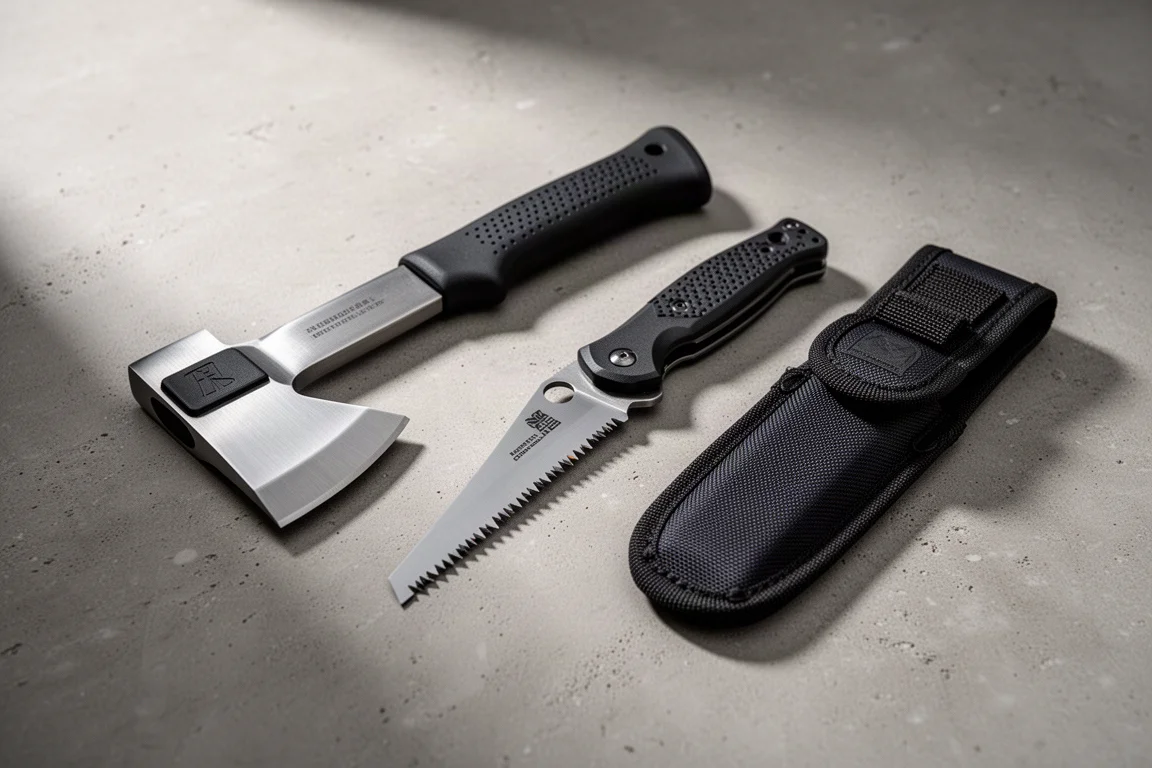
The tool set lists at $24.96 and 2.8 lb (about 45.7 oz), and it includes a hatchet, a folding saw, a sheath knife, a small flashlight with batteries, and a blade sharpener.
That is a lot of weight for tools a backpacker rarely uses. A hatchet and saw make sense at a base camp where firewood is part of the plan, but carrying them on a multi-mile hike alongside a heavy tent is hard to justify. The sharpener is unnecessary on a short trip, and a knife should be sharp before leaving home.
If you take one item from the set, take the knife, and only if you do not already carry a smaller one. Everything else is better left in the car.
Cold-weather trips are the one case where a saw earns its place, since breaking downed wood into kindling is far easier than coaxing a fire from full-size logs.
Ozark Trail Cookware Mess Kit
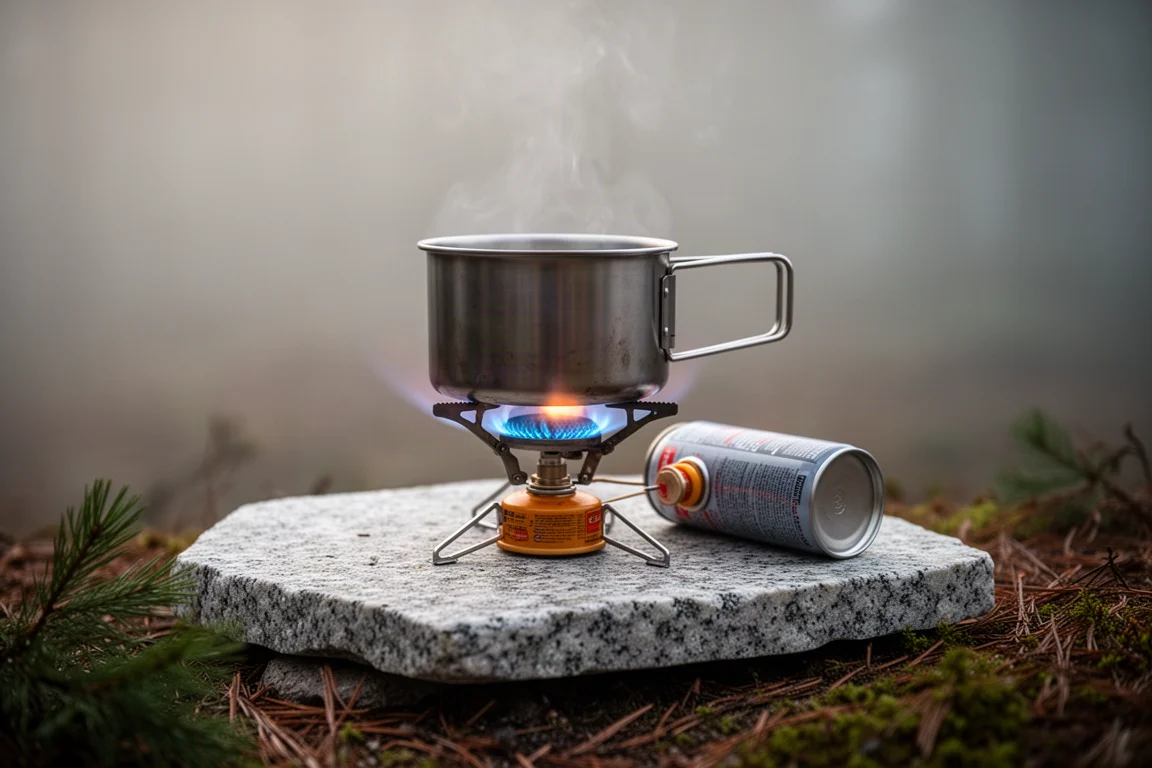
The mess kit is one of the better buys here: an all-metal nesting set with a pot and pan for $12.46 and a listed weight of 1.01 lb (16.16 oz). Metal cleans easily, handles open flame, and will not melt against a hot stove.
It packs into itself, which keeps the load tidy, and it is large enough for more than rehydrating a single meal. The gap is a cup. There is no dedicated mug in the set, so add a steel or titanium cup if coffee matters to you, along with a long-handled spoon, which keeps your hand clean when eating straight from a freeze-dried pouch.
For simple one-pot cooking, the kit covers everything without adding much weight.

Ozark Trail Backpacking Stove
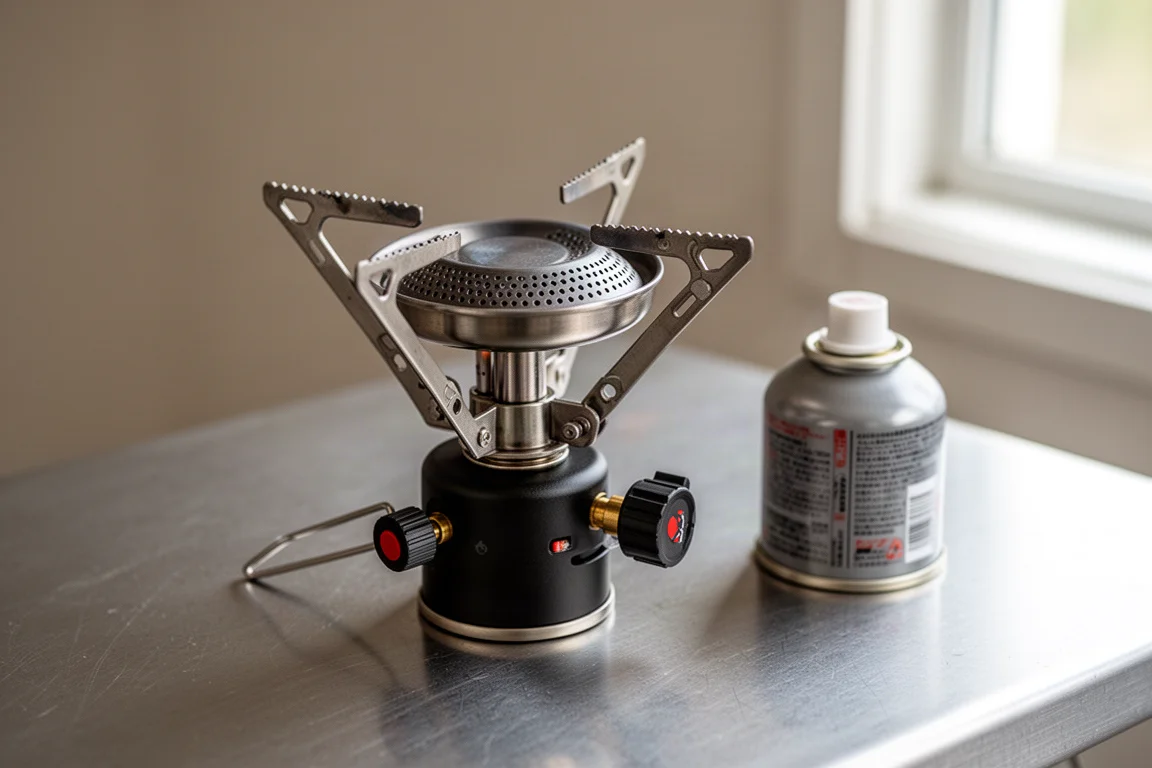
The stove is a compact canister burner with a self-igniter, priced at $18.87. It is a proven format: screw it onto a fuel canister, open the valve, and boil water.
Two details are worth knowing. The pot supports are small, so a wide or heavy pot will feel unstable on top, and a modest pot keeps things safe. The self-igniter is convenient, but comparable budget stoves weigh less, pack smaller and offer larger supports, at the cost of carrying a lighter.
Most backpacking meals come down to boiling water and pouring it into a pouch, so a single stove and a single pot cover nearly every dinner on a short trip. Cooking over a fire is appealing in theory, but after a long day on trail a stove is faster and more dependable.
Ozark Trail Backpacking Chair
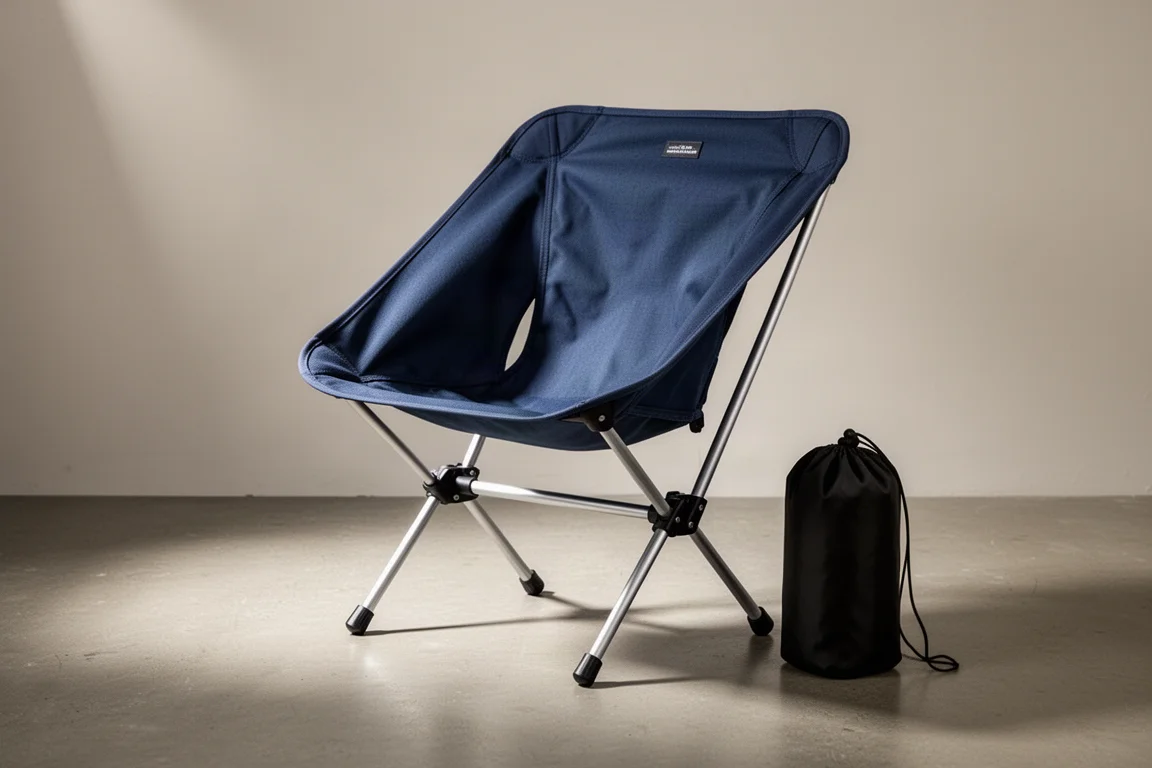
The chair is the best-value item in the whole group. It lists at $34.97 with an aluminium frame, a 250 lb capacity and a 2.1 lb (33.6 oz) weight, and it feels far sturdier than the price suggests.
A chair is not strictly essential, but it changes an evening at camp. Sitting upright with back support makes dinner and route planning far more comfortable than perching on a log, and at just over two pounds it is a reasonable luxury for shorter trips.
One easy weight saving: leave the included stuff sack at home and tuck the chair into an outer pocket or strap it to the pack.
Overall Buying Advice
Budget gear works best when the money follows the weight. Shelter and sleep system decide how heavy and how bulky the pack becomes, so those are the two places to spend a little more, even if it means spending less elsewhere.
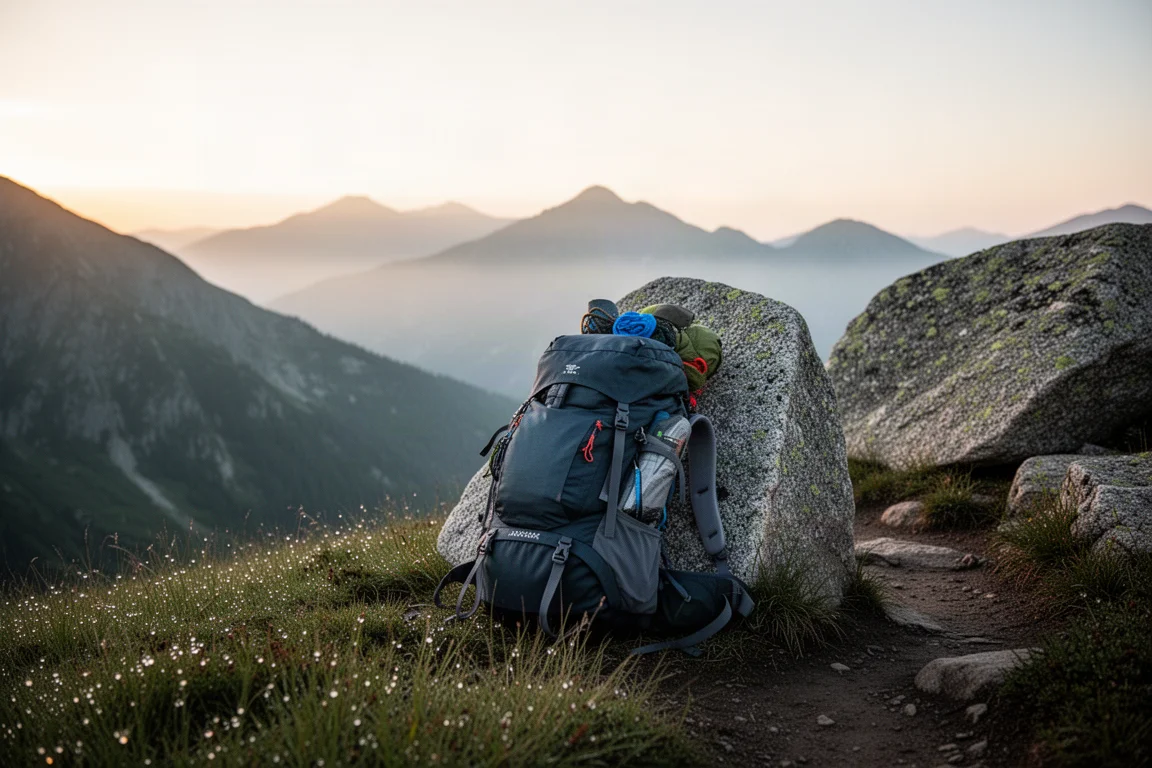
The most useful habit is to buy the backpack last. Once the tent, bag, pad and cook kit are on the floor, the required volume becomes obvious, and a 50-litre pack may look very different next to a lighter shelter and a smaller bag. It is far easier to match a pack to the gear than to force the gear into a pack.
The rest of the list is easier to judge. Trekking poles, a nesting cook kit and a lightweight chair deliver a lot for the money, while a 10°F sleeping bag, an 8 lb tent and a multi-tool set with a hatchet and saw are the items most likely to be exchanged or left behind. The quality across this line genuinely varies from item to item, which is why picking individually beats buying a bundle.
Conclusion
Can budget gear carry a first backpacking trip? Yes, with caveats. The pads, poles, cookware, stove and chair are all sensible purchases at their listed prices, and they will get a beginner onto the trail without a large outlay.
The shelter and sleep system are where compromise hurts most. A 7.6 lb tent and a 5.7 lb sleeping bag will fill a 50-litre pack quickly, and that weight is felt on every mile. Buying the pack last, and spending the extra money on a lighter tent and a smaller, season-appropriate bag, is the fastest way to make a budget kit feel genuinely capable.
Further reading
Related Reviews

Backpacking Gear
Building a 10 lb Base Weight: An Ultralight Backpacking Gear List
A practical walkthrough of the ultralight pieces behind a 10 lb base weight, from a 765 g pack and a roomy one-person tent to a full camp chair and a dependable water filter.

Backpacking Gear
A 15-Pound Lightweight Backpacking Gear List for Solo Trips
A beginner-friendly 15-pound backpacking setup built from easy-to-find gear, with notes on what each piece does, how it packs, and where to spend your attention.
Backpacking Gear
8 Ultralight Backpacking Gear Upgrades Worth Carrying
Eight small, affordable backpacking upgrades that solve real trail annoyances, from a pillow that stays put to a fuel valve that rescues leftover canister gas.