Camping Tents
Ozark Trail A-Frame 3-Person Tent Review: Big Space, Low Price, One Catch
A hands-on look at the Ozark Trail A-Frame 3-Person Tent: strong ventilation and clean construction at a budget price, with setup quirks and warm-weather limits to weigh first.
Introduction
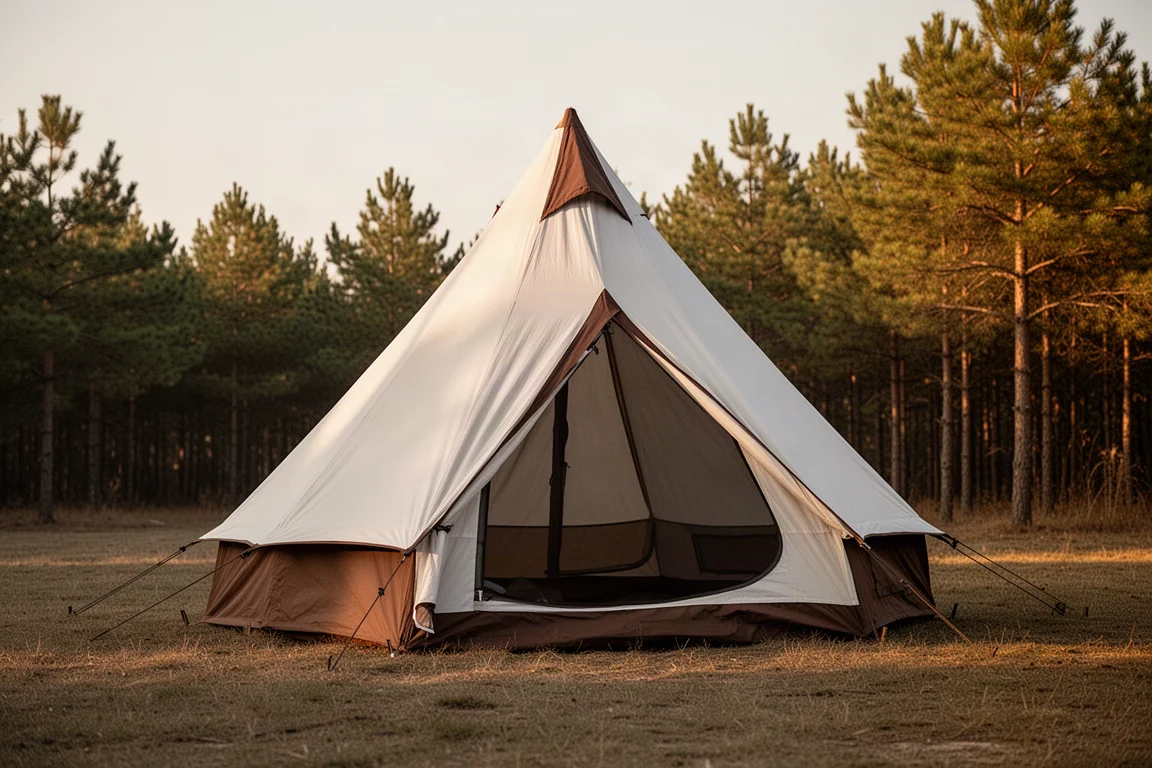
The A-frame tent is a design most campers have not seen on a store shelf in years, and there are practical reasons for that. The Ozark Trail A-Frame 3-Person Tent brings the shape back at a striking price point of around $60, with a steel frame, generous mesh panels, and a footprint far larger than its stated sleeping capacity suggests.
First impressions are stronger than the price implies. Seams look tidy, the fly material carries a 1,200 mm waterproof rating, and the mesh coverage is unusual for a shelter in this bracket.
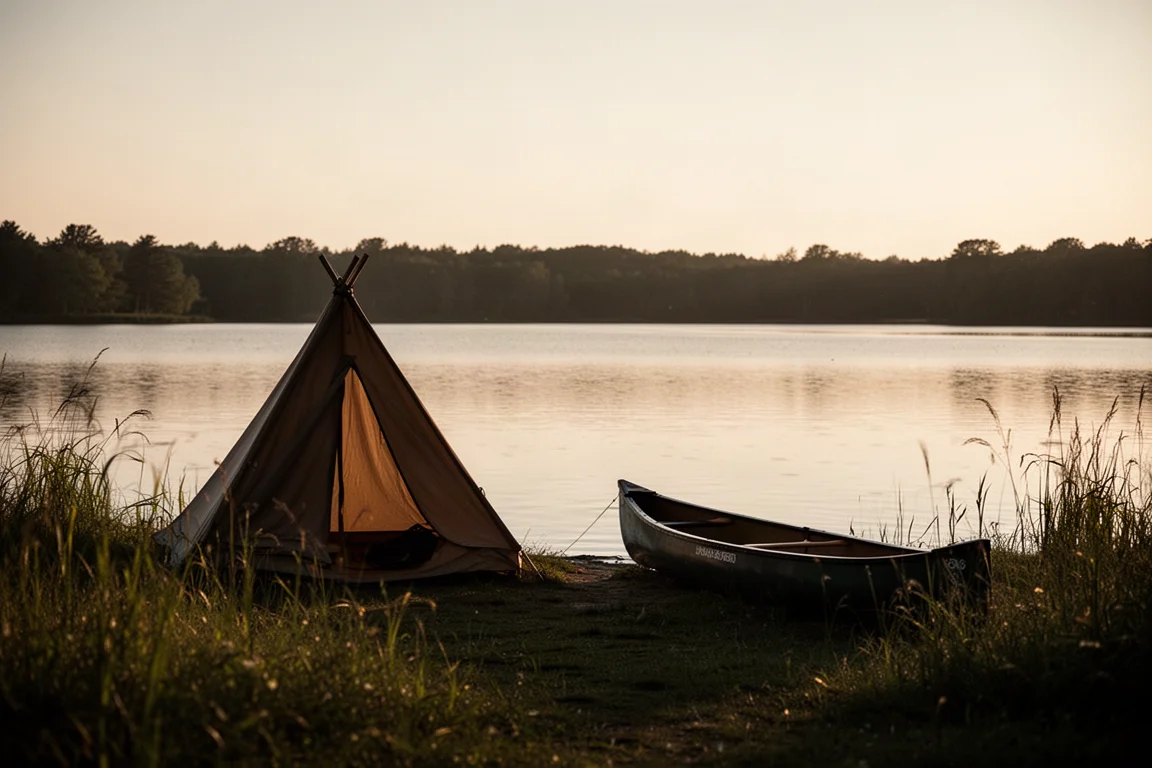
What this is, in practice, is a warm-weather shelter for dry trips and simple campground weekends. Testing so far covers a single outing, and rain performance has not yet been verified, so the following is an early hands-on assessment rather than a final verdict.
Who This Tent Is For
This is not a backpacking tent, regardless of how it may be marketed. At 14 lb packed into a stuff sack measuring 7 in by 48 in, it is a car camping, truck camping, or overlanding shelter. Anyone carrying gear on their back should look elsewhere.
Inside, it is realistically a one-person tent with room for gear, or one person plus a dog. Two adults fit in a pinch if both accept the sloping walls. Three adults would be an uncomfortable squeeze, because only the camper in the center gets usable headroom and shoulder space. Taller campers benefit most here: the interior runs about 6 ft 7 in long, so anyone up to roughly 6 ft 6 in can stretch out with room to spare.
Main Strengths
Ventilation and Airflow
Mesh is where this tent earns its place. The sides, the door, and the rear panel are all mesh, which translates into strong airflow in warm conditions and very little condensation risk. On a cold night with a butane heater running, no condensation formed at all. A zip-up fabric panel behind the door mesh can be closed to hold in some warmth, and the fly adds coverage when needed.
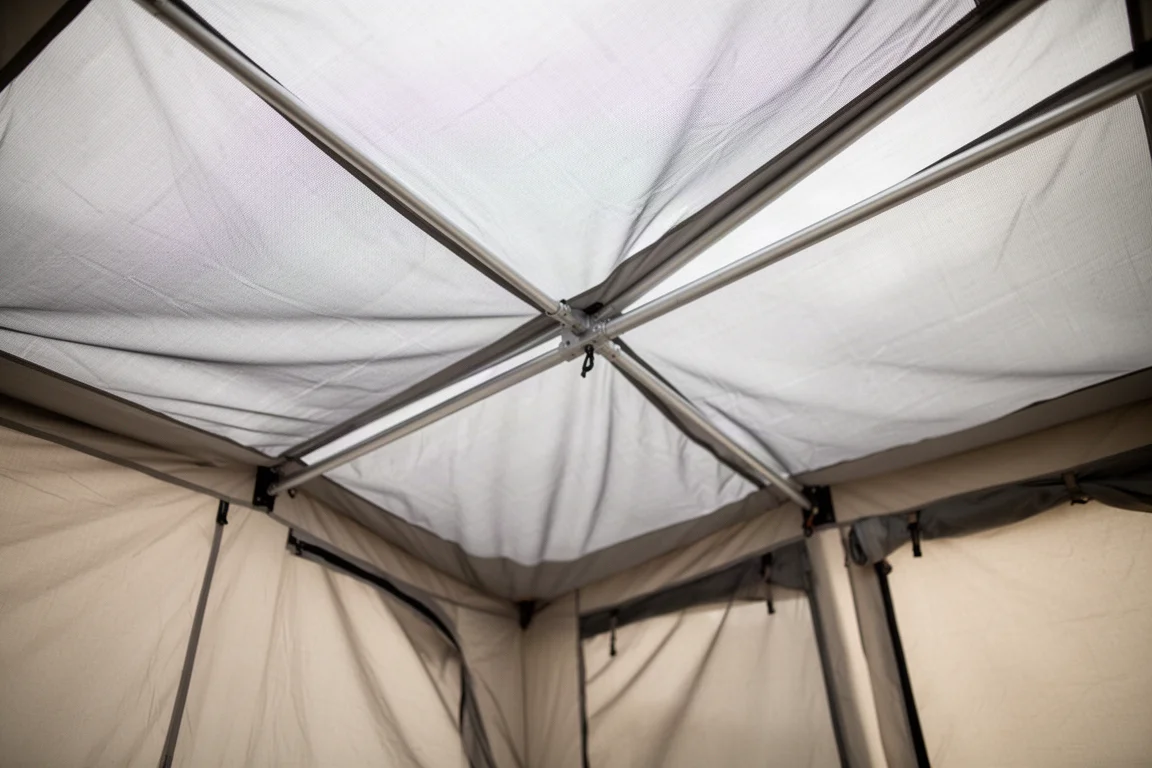
Ventilation is effectively the tent’s defining feature. It also means the shelter cannot be sealed up tightly, which matters in cold or windy weather.
Build Quality and Materials
The materials are 75D polyester with steel poles and steel stakes. The frame uses five shock-corded poles: four of identical size forming the vertical legs, plus one slimmer pole that serves as the horizontal support bar. The fly attaches in only one orientation, which makes that step simple.
Workmanship looks clean. There are no loose threads, no seam problems, and the seam tape is applied properly. That marks a meaningful step up from older budget tents in the same family, and it compares well with typical three-person tents in this price range. The single door is large and easy to move through, and both zippers run smoothly behind their storm flaps.
Things to Consider Before Buying
Setup Requires Attention
Setup is the weakest part of the experience. The top hub has different sized sockets, two of which are labeled for leg poles while the center socket takes the support bar. The single shorter pole is not color coded, so it is easy to assemble the frame almost completely before discovering that the last pole does not fit, then start over.
Marking that shorter pole before the first trip, with tape or a dab of paint, solves most of the frustration. Once the sequence is understood, one person can pitch the tent in about 10 minutes. Staking it out is worth the effort as well, since the frame is only partly self-supporting and a staked pitch is noticeably more rigid.
Size, Weight, and Weather Limits
The footprint is the size of a three to four person tent even though the sleeping space is closer to one. That means a large, flat campsite area is required. Interior measurements come in around 6 ft 9 in corner to corner at the widest point, about 5 ft 4 in of genuinely usable width, and roughly 3 ft 10 in at peak height, with walls that slope steeply on both sides.
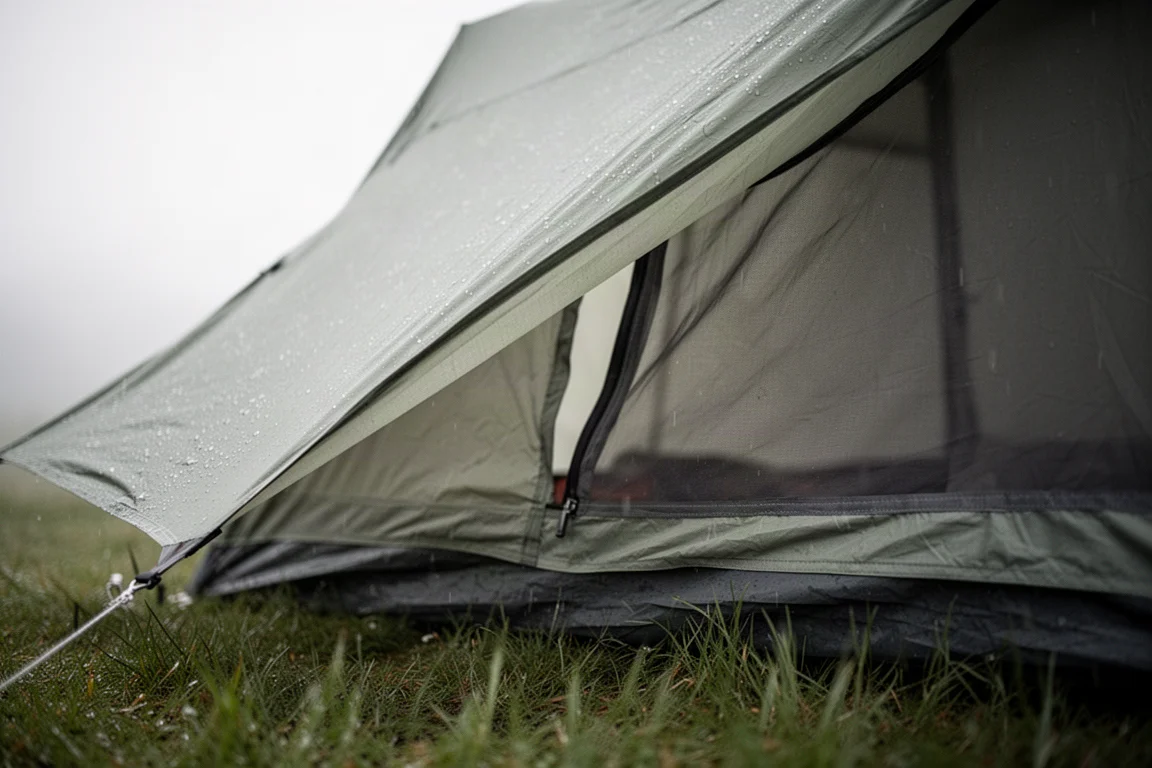
Weather protection has limits. The side panels cannot be anchored shut, so a strong gust can push air inside, and this will never be a shelter for the cold season. It is a three-season design built for warm conditions and dry trips. The fly carries a 1,200 mm rating, and rain performance is still to be confirmed through further testing. It is also worth noting that customer reviews for products like this on large marketplaces vary widely in reliability, and setup complaints are the most common theme among them, which lines up with the hands-on experience here.
Buying Advice
At around $60, this tent is easy to justify for the right camper. It suits dry-weather campground trips, warm summer nights, and anyone who wants a simple shelter with excellent airflow and a roomy interior for a single occupant and their gear. The build quality is a genuine surprise at this price.
Availability is limited: the tent is sold online and in stores through Walmart, and it is not typically stocked by other major retailers. For backpackers, cold-weather campers, or anyone who needs to sleep three people, this is not the right purchase. For car campers who want a budget shelter for fair-weather weekends, it is a sensible option, provided they are willing to learn the pole sequence and stake it out properly.
Conclusion
The Ozark Trail A-Frame 3-Person Tent is a budget shelter with a clear identity: exceptional ventilation, tidy construction, a very low price, and an awkward setup that rewards a little preparation. It is not a three-person backpacking tent, and it is not built for cold or stormy weather. Treated as a warm-weather car camping tent for one person plus gear, it makes a strong case at $60. Rain testing is the remaining question, and that will decide how far the recommendation extends.
Product link
View more details for Ozark Trail A-Frame 3-Person Tent
This product is mentioned in the review. Check the specifications, options, and compatibility before buying.
View more details for Ozark Trail A-Frame 3-Person TentFurther reading
Related Reviews
Camping Tents
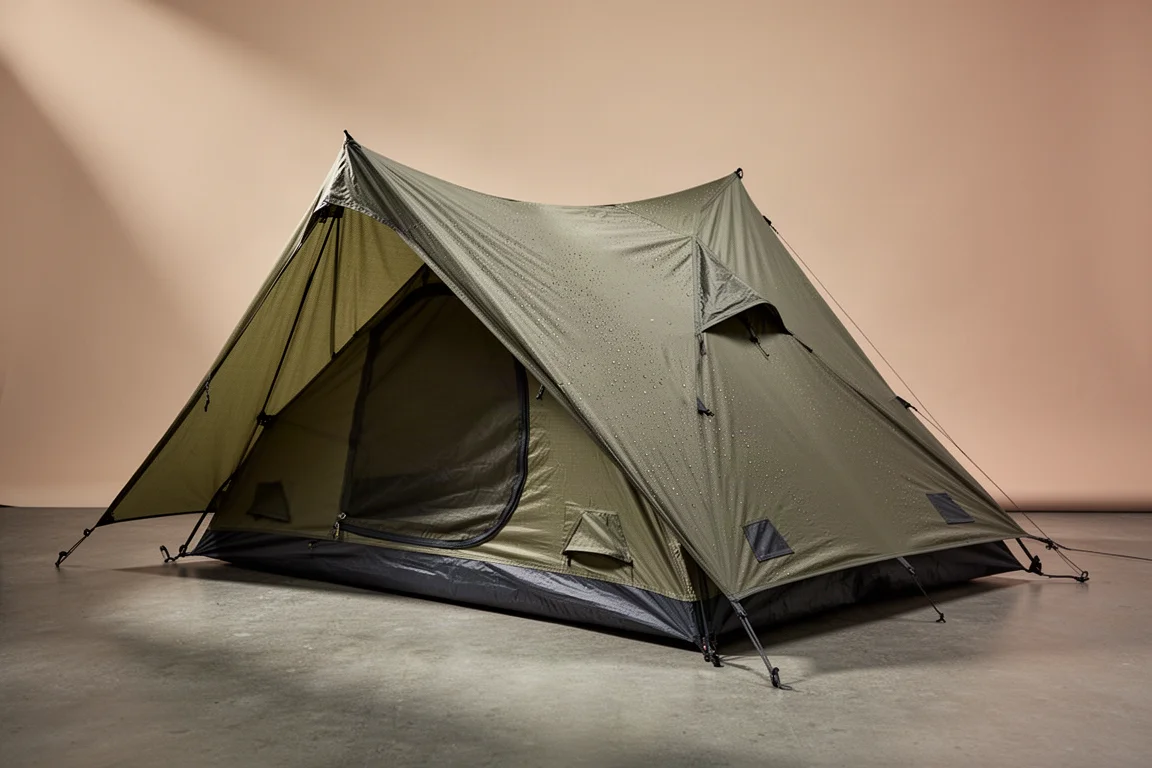
3F UL Gear Taiji Two-Person Tent Review: Field Waterproofing Results and Buying Advice
The Taiji pairs an attached fly with a removable inner, but sustained rain exposed untaped vent seams that need sealing before this shelter can be trusted.
Camping Tents
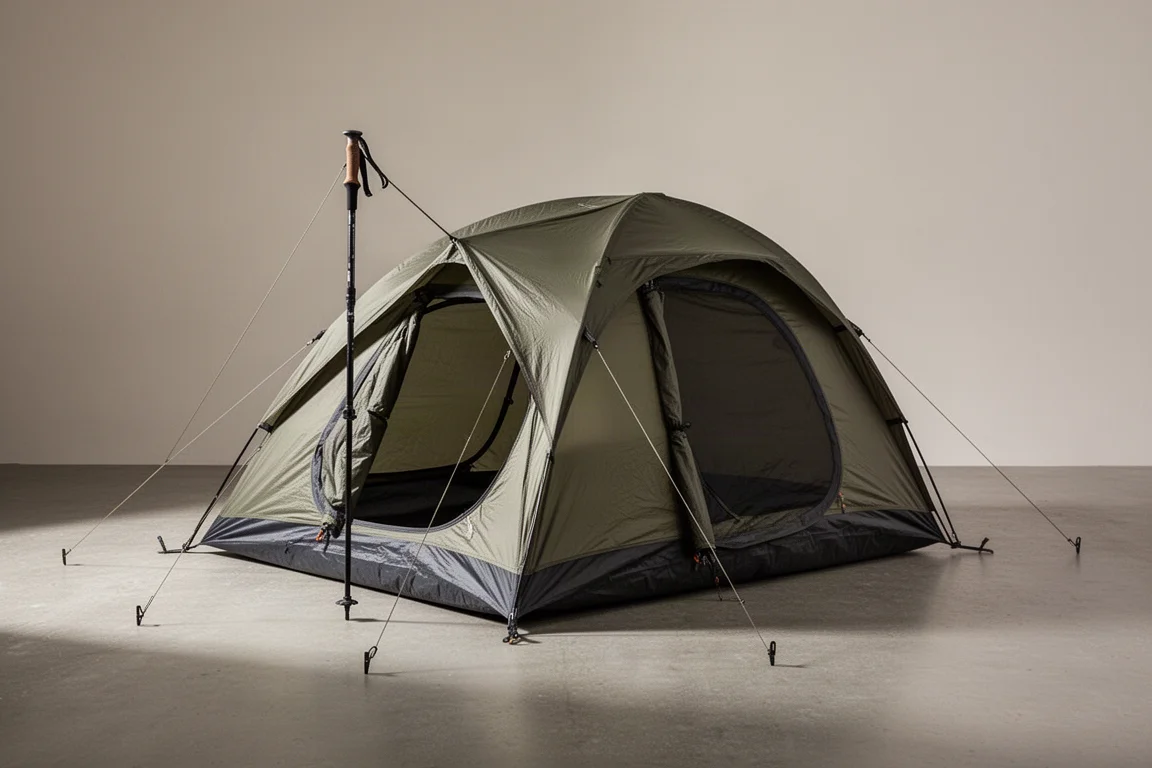
3FUL Gear Lanshan 2 Pro 4-Season Review: A Sub-$200 Single-Wall Trekking Pole Tent
An early look at the 3FUL Gear Lanshan 2 Pro 4-Season, covering its straightforward pitch, generous interior space, and the condensation and seam-sealing questions that come with any single-wall shelter.
Camping Tents
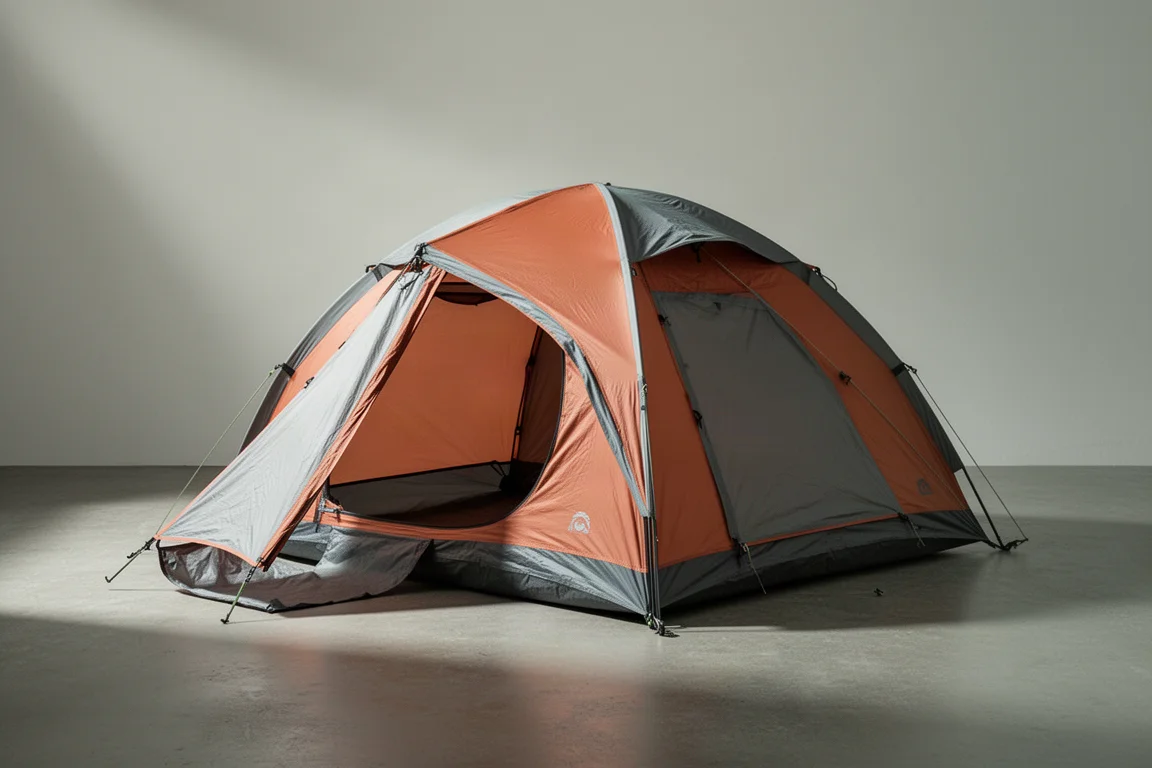
Alps Mountaineering Lynx 1-Person Tent Review: Big Value in a Small Budget Tent
A close look at the Alps Mountaineering Lynx 1-Person Tent, covering real interior dimensions, materials, setup time, ventilation limits, and who should buy it.