Camping Tents
Ozark Trail 6-Person Instant Tent Review: Fast Setup, Dark Rest, and Weather Limits
A practical look at the Ozark Trail 6-Person Instant Tent, covering its six-minute solo setup, dark rest fabric, interior space, rain behaviour, and long-term durability.
Introduction
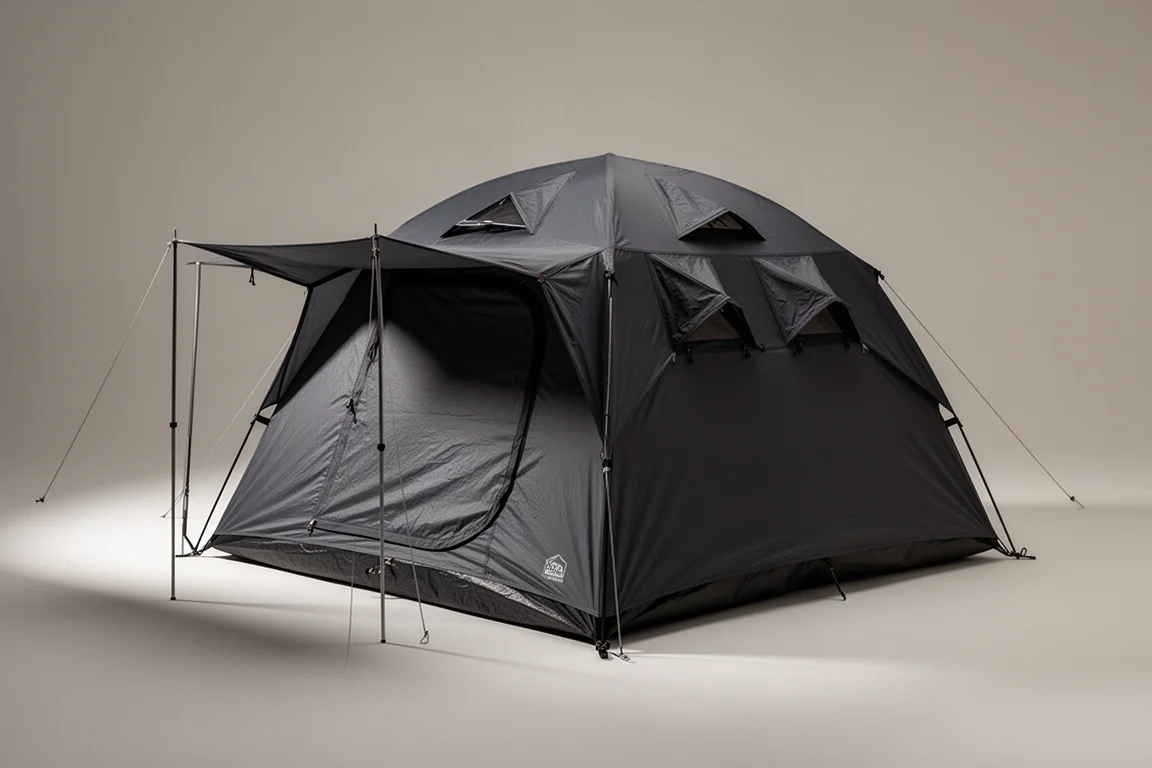
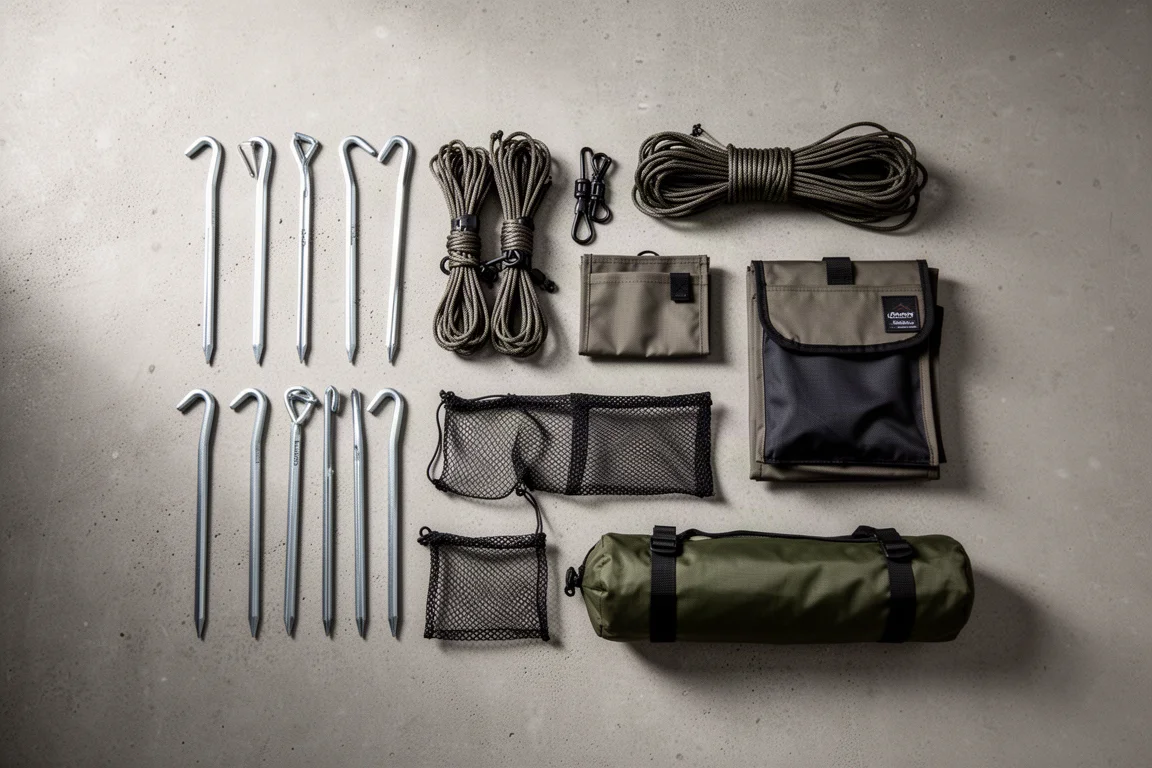
The Ozark Trail 6-Person Instant Tent is built around two headline ideas: a frame that goes up in minutes without any assembly, and a dark rest fabric that limits how much light passes in or out. Out of the box you get the tent body with its poles already attached, a rainfly, a removable pocket organizer, a gear loft, a small bag holding nine stakes, and a larger carry bag that everything packs into. It is an affordable option aimed at campers who want a large shelter standing quickly, and it delivers on that specific promise. The trade-offs appear almost everywhere else, from headroom inside to how the tent behaves when the weather turns.
Who This Tent Is For
This tent makes the most sense for first-time and casual campers who camp in fair weather and care about two things: getting a six-person shelter standing fast, and cutting out light for daytime naps or early nights. At a typical selling price between $100 and $150, it sits below most instant and blackout tents, and the roughly six-and-a-half-minute solo setup is genuinely useful for short weekend trips.
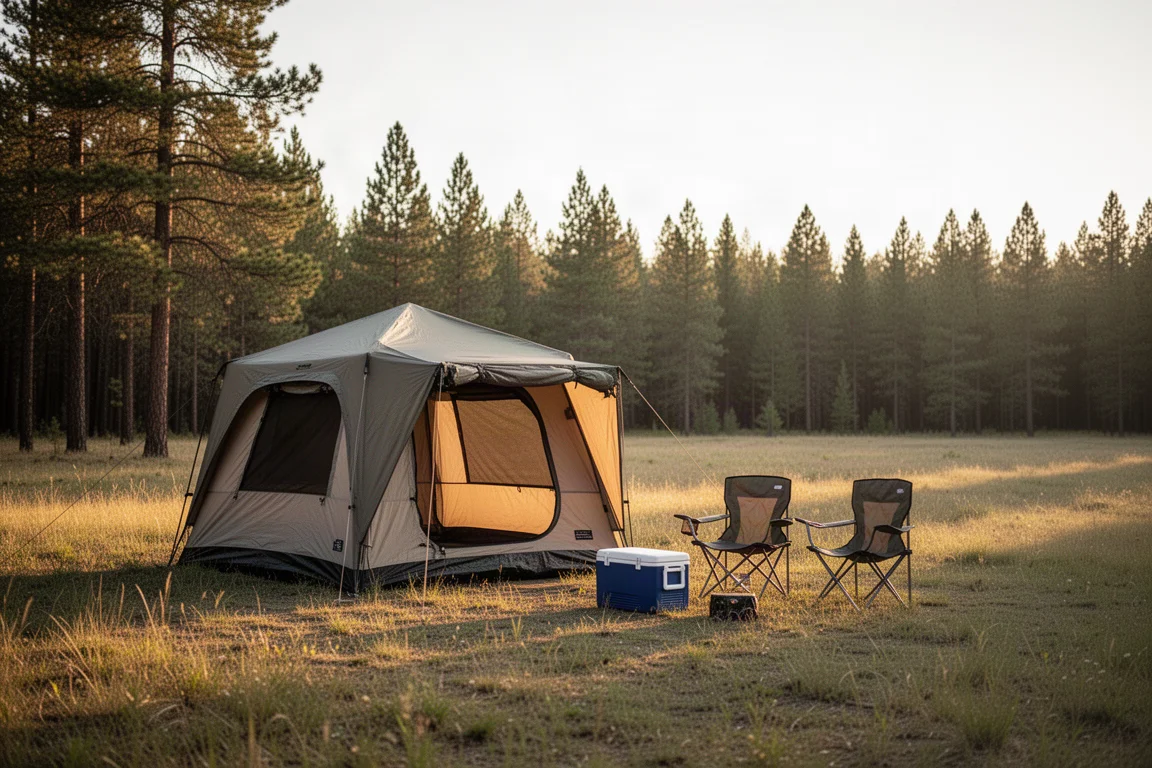
It is a much weaker match for anyone who camps in wind and rain, expects several seasons of use, or needs real standing room. Those priorities point toward a different tent, and the sections below explain exactly where this one gives ground.
Main Strengths
Two features carry this tent: the instant frame and the dark rest fabric. Both are executed well enough to justify the price on their own, provided the rest of the tent matches how you actually camp.
Setup Speed and Solo Pitching
The entire tent goes up alone in about six and a half minutes, including staking and guying out. Without staking and guying, it takes roughly five minutes. Almost everything arrives pre-attached: the poles, the pole clips, and all four guylines. That pre-attachment is the reason setup is so quick, and it means no threading poles through sleeves in the wind.
Compared with a regular six-person cabin tent, this represents roughly 40 to 70 percent less setup time. The instant mechanism uses a single hub at the top of the tent, with four poles connected to it, pole clips holding the body in place, and an elbow joint partway down each pole. The center hub itself feels reasonably solid, and the tent can be folded flat on the ground for cleaning, which is not something every instant tent allows.
Dark Rest Fabric That Blocks Light
The dark rest fabric performs best at blocking light rather than heat. With the door and windows closed, the difference in daylight entering the tent is noticeable, and the fabric is dark enough that a lantern inside produces very little glow through the walls. Shadows do not show through the way they do on a standard tent, and only the skylight panels at the top let light escape.
On temperature, the effect is real but small. In a side-by-side comparison on a hot afternoon, outside air measured about 30.8 degrees Celsius (87.4 degrees Fahrenheit) with the tent interior at about 37.9 degrees Celsius (100.2 degrees Fahrenheit). A comparable tent without blackout fabric measured about 30.2 degrees Celsius (86.4 degrees Fahrenheit) outside and the same 37.9 degrees Celsius (100.2 degrees Fahrenheit) inside. The dark rest fabric keeps the interior very slightly cooler, with the emphasis on very slightly.
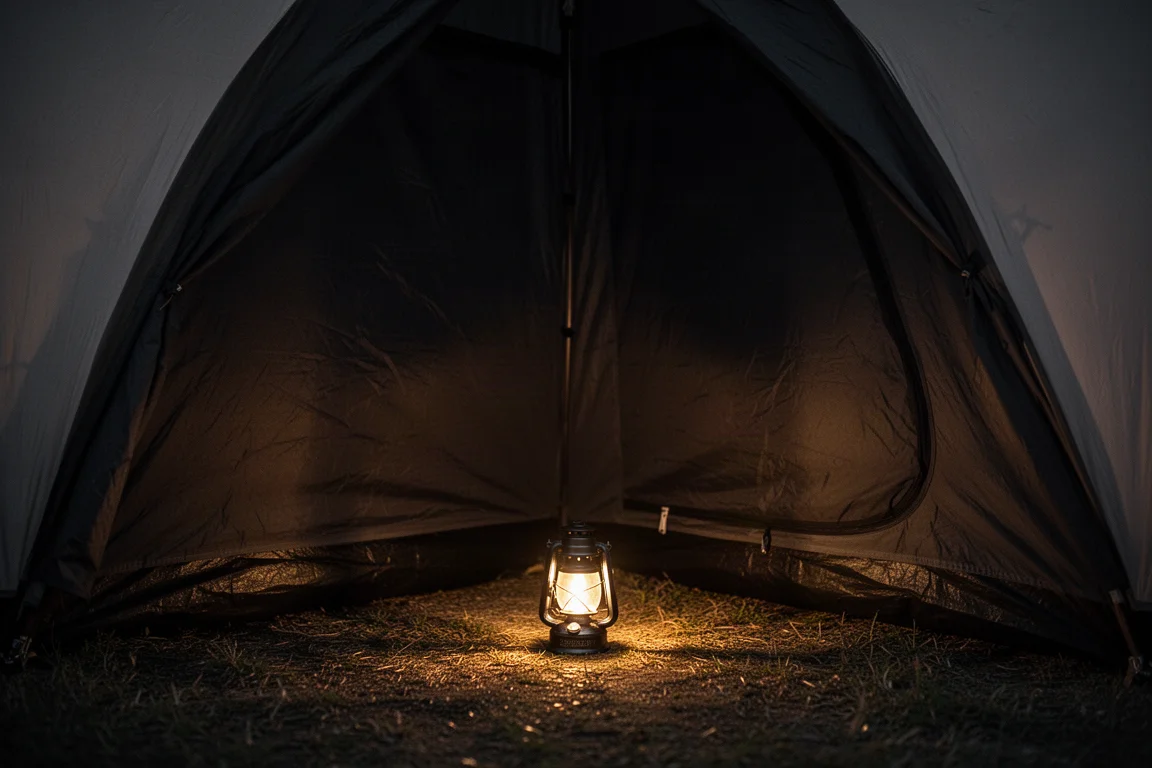
There is a durability catch. The blackout coating on the test unit had been stored for roughly eighteen months, and the fabric had already faded to the point where streaks of light passed through it, with the back wall the worst affected. It still blocks more light than an ordinary tent, but the degradation also leaves a sticky residue on your hands every time you touch the wall.
Skylight Windows and Ceiling Mesh
Two plastic skylight panels sit on the rainfly, and when the matching top windows are opened you can look up at the sky or stargaze without removing the rainfly. Each skylight window is triangular, with a longest length of about 39 inches and a longest width of about 19 inches. They use the same zippers as the side windows, and each has a toggle at the bottom to hold the fabric rolled up neatly.
The ceiling also has mesh panels that provide useful ventilation on hot days and a clear view upward once the rainfly comes off. The two remaining top panels are full mesh and cannot be zipped shut. With the windows and door open, overall airflow through the tent is reasonable.
Things to Consider Before Buying
The weaker points are concentrated in weather protection, usable interior space, and long-term materials. None of them are hidden costs, but they do shape who should buy this tent.
Rain and Weather Resistance
Rain protection is the biggest limitation. After fifteen minutes of very light rain, water had already seeped into the fabric from the outside, and the untaped flooring seam became damp along its entire length, enough that fingers came away wet after touching it. That seam is the only externally exposed seam that is not taped, which is an odd choice. A second Ozark Trail tent tested through fifteen minutes of slightly heavier rain leaked through the same untaped seam and began soaking through the fabric.
The rainfly is very small and barely covers the windows. After that same light rain, the mesh at the bottom of the front door window and one side window was already damp, so window ventilation effectively disappears in wet conditions. A ground vent at the back of the tent measures almost a foot wide from the outside and roughly 7 by 29 inches on the inside, where it is covered by mesh and cannot be accessed. It is small, but it is better than nothing.
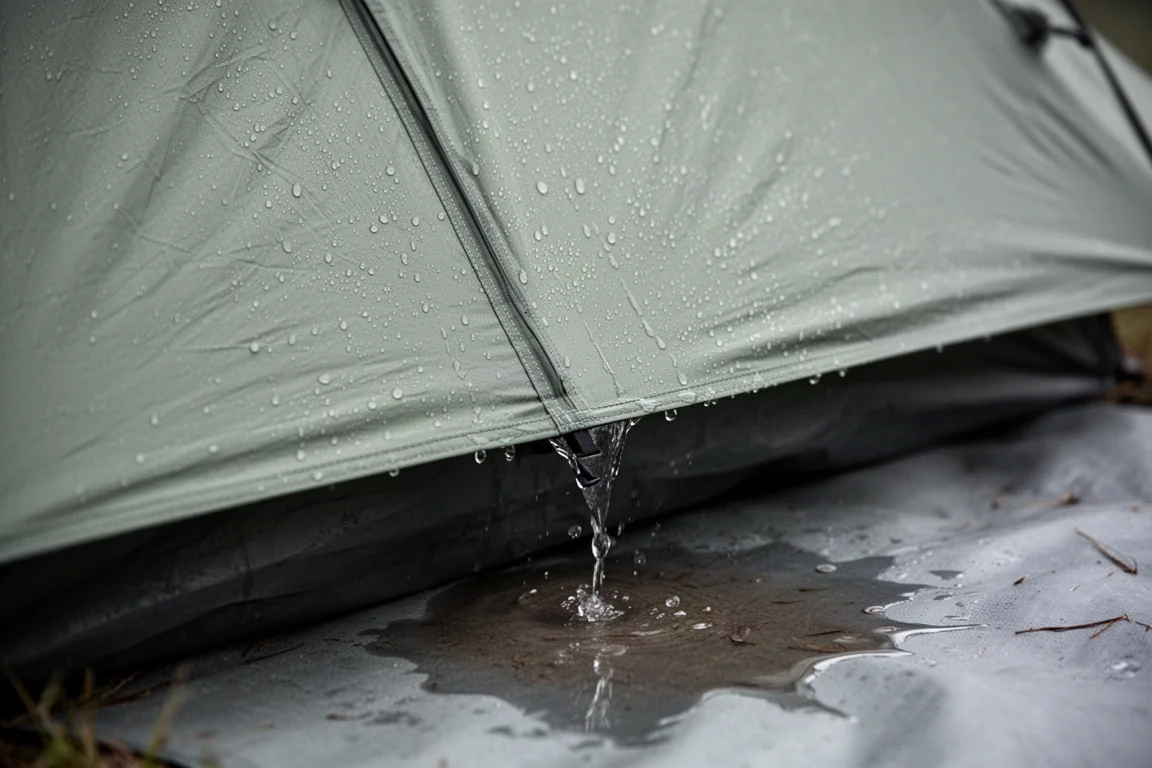
The tent is also loose rather than taut. Even when fully staked and guyed out, the walls move with minimal effort, and the pole joints tend to buckle in strong wind. Treat this as a fair weather tent: no rain, no wind.
Interior Space and Ceiling Height
Measured base dimensions came in at about 117.5 inches long and 104 inches wide, giving slightly less than 85 square feet. That is a few inches short of the advertised 10 by 9 foot footprint. Peak height at the center is about 65.5 inches, close to the stated 66 inches, and the lowest height is about 53 inches.
The practical effect is limited standing room. At the center of the tent, head clearance is nearly gone even for a shorter camper, and one step away from the peak means touching the ceiling. The side walls are noticeably sloped rather than near vertical, so sleeping at the edges feels tight: an arm raised or a body sitting up contacts the fabric. Six single sleeping pads fit, but with very little room between them, and two near-queen mattresses about five inches shy of true queen size left only a small gap. Two genuine 80 by 60 inch queen beds will not fit, because the tent is too short.
Materials, Durability, and Warranty
The floor is polyethylene, the body fabric is polyester, and the poles are alloy steel. The poles on the test unit were already showing signs of rust, and the stitching includes several patchwork areas around the tent. The zippers are small and feel light, though they are marked as SBS and did complete their runs without snagging. The guylines are not reflective, which matters if you need to find them after dark.
Warranty coverage is six months, which is among the shortest available on a camping tent. Combined with the fading and sticky residue on the blackout fabric and the skylight panels beginning to yellow and lose clarity, the realistic service life here is a couple of years at most.
Portability and Packing
Packed size measures about 44 by 11 by 9.5 inches and total weight is about 17.8 pounds. Because of the instant frame, the package is considerably longer than a regular six-person tent. The carry bag has a hand strap that is too small to use as a shoulder strap. Taking the tent down and packing it away took about six and a half minutes, and it would have been faster with proper compression straps, since the supplied straps are ordinary tie-downs that are awkward to use. A slightly larger carry bag would help as well.
Door and Window Practicalities
There is a single door at the front, measuring 46 by 36 inches and just 46 inches from the ground to the top of the opening, so entering and exiting means ducking low. The door uses two separate zipper tracks, and from inside the floppy wall makes one-handed zipping difficult. On the outside, the rain flap frequently catches in the zipper track. Two toggles hold the door open. There are three windows, one on each of three walls, with no window on the back wall because the removable pocket organizer hangs there. The regular windows measure about 25 by 21 inches and the front door window about 33 by 28 inches. Windows do not unzip all the way, and each has a pocket at the bottom to tuck the fabric into, which works well in practice.
Storage is modest: six pockets in the organizer, roughly 14 inches long and 6 inches wide each, plus a lantern loop at the top center and four surrounding loops for the small 11 by 11 inch gear loft. Electrical cord access sits in the middle of the tent and seals tightly with Velcro.
Buying Advice
Buy this tent if you are a first-time or casual camper, you camp strictly in fair weather, and you value the combination of dark rest fabric and instant setup at this price. It sets up quickly on your own, blocks light well, and offers a distinctive skylight for stargazing. Those are real strengths, and for occasional summer weekends they may be all you need.
Skip it if you camp in rain or wind, want to stand up comfortably, or expect the tent to last more than a couple of seasons. The untaped flooring seam, the small rainfly, the shallow headroom, the sloped side walls, the rust-prone poles, and the six-month warranty all point in the same direction. If a longer service life matters more than setup speed, a standard cabin or blackout tent is the better long-term investment.
Conclusion
The Ozark Trail 6-Person Instant Tent is a focused product: it gets a large shelter up fast, it darkens the interior effectively, and it costs less than most alternatives with those features. It is equally clear about its limits. Rain protection, headroom, wall geometry, and material longevity all fall short of what a committed camper would want. Buy it for quick fair weather trips and treat it as a light-duty tent, and the value proposition holds together.
Product link
View more details for Ozark Trail 6 Person Instant Tent
This product is mentioned in the review. Check the specifications, options, and compatibility before buying.
View more details for Ozark Trail 6 Person Instant TentFurther reading
Related Reviews
Camping Tents
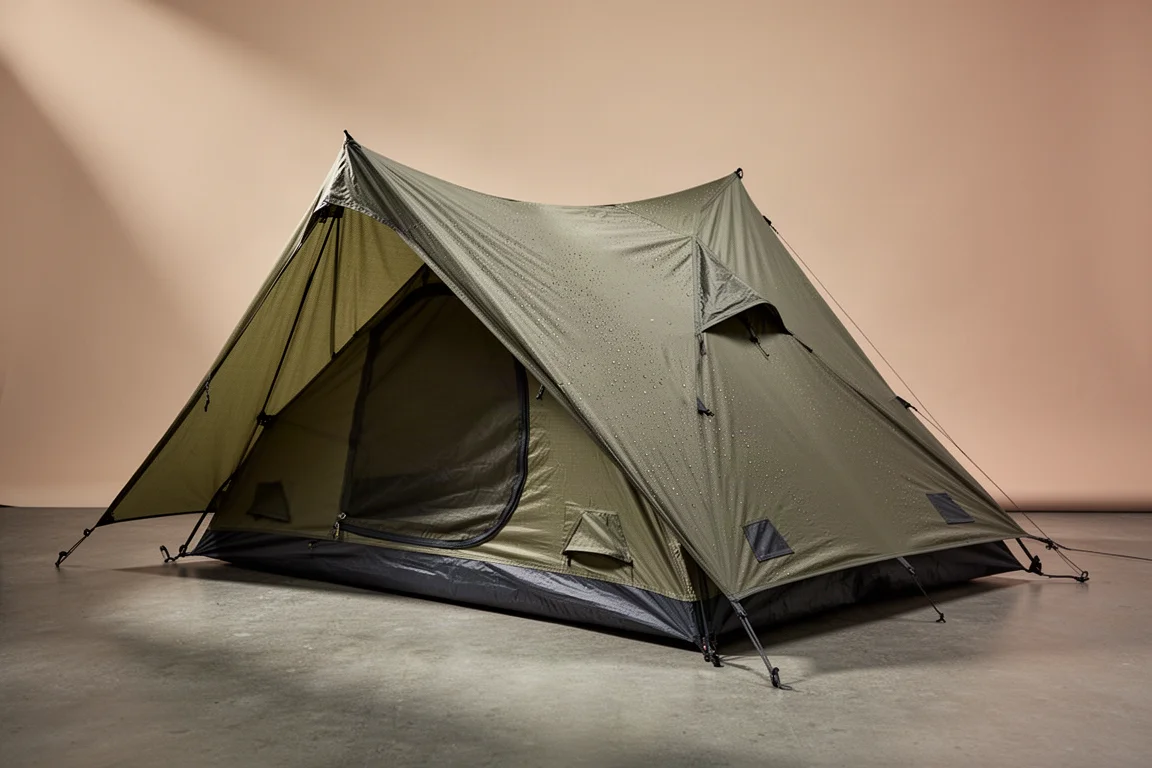
3F UL Gear Taiji Two-Person Tent Review: Field Waterproofing Results and Buying Advice
The Taiji pairs an attached fly with a removable inner, but sustained rain exposed untaped vent seams that need sealing before this shelter can be trusted.
Camping Tents
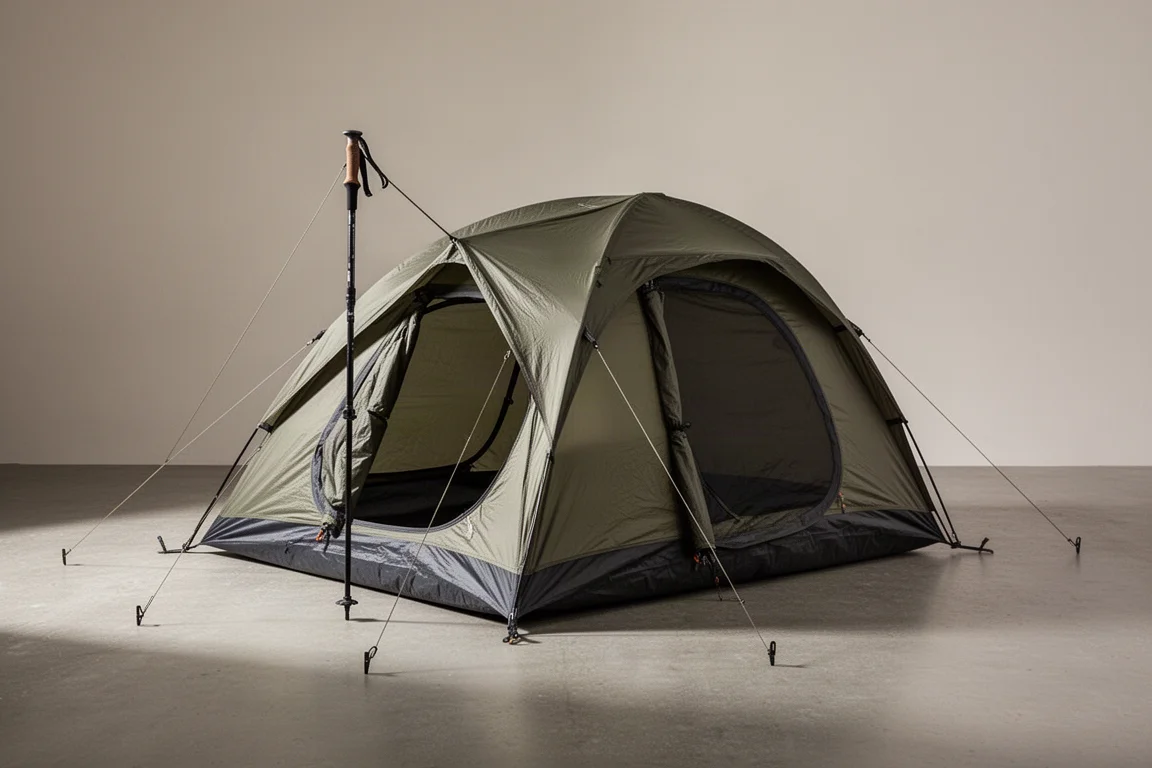
3FUL Gear Lanshan 2 Pro 4-Season Review: A Sub-$200 Single-Wall Trekking Pole Tent
An early look at the 3FUL Gear Lanshan 2 Pro 4-Season, covering its straightforward pitch, generous interior space, and the condensation and seam-sealing questions that come with any single-wall shelter.
Camping Tents
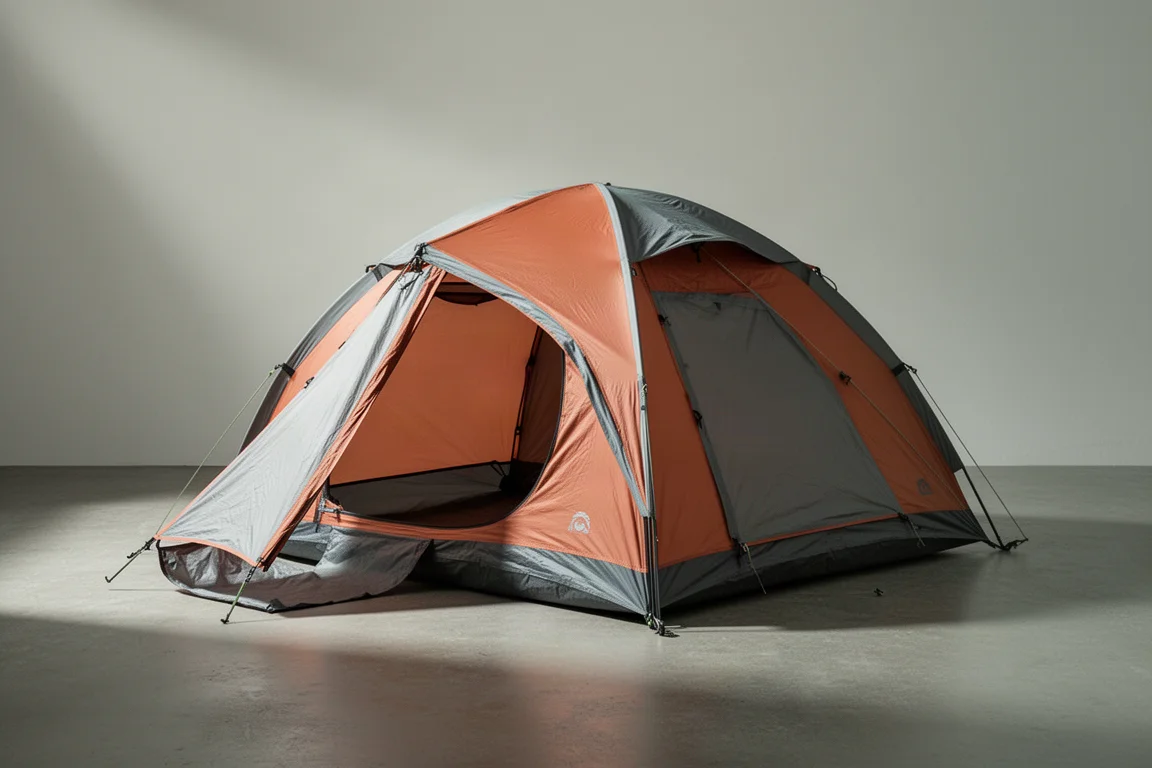
Alps Mountaineering Lynx 1-Person Tent Review: Big Value in a Small Budget Tent
A close look at the Alps Mountaineering Lynx 1-Person Tent, covering real interior dimensions, materials, setup time, ventilation limits, and who should buy it.