Backpacking Gear
Overlooked Backpacking Gear: What Most Hikers Leave Behind
The small items that quietly prevent bad trips, plus three bear-resistant food storage options and how to choose between them.
Introduction
Most packing advice focuses on carrying less, and that instinct is usually right. The items that get left behind, though, are often the ones that decide how comfortable and how safe a trip turns out to be. Clean drinking water sits at the top of that list, but it is far from the only thing worth making room for.
What follows is a look at the overlooked items that earn their place in a pack, followed by a closer look at food storage in bear country and three options for keeping food out of reach.
Backup Water Treatment Tablets: The Lightest Insurance in Your Pack
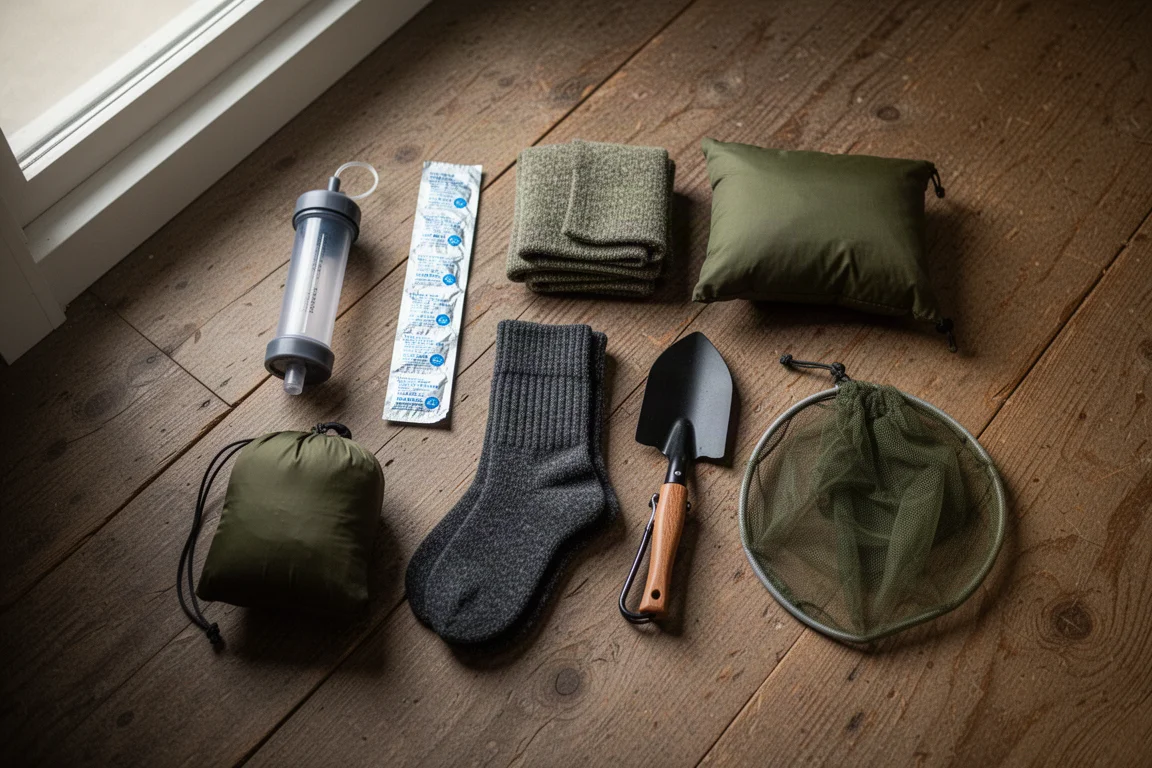
Water treatment is the single most important task on any backcountry trip. Filters do an excellent job, but they are not foolproof: they can clog, break, or freeze, and any one of those failures leaves you without a reliable way to make water safe. Boiling works, and it kills most of the bacteria and parasites found in wild mountain streams, but it burns fuel you may have budgeted for cooking and it takes a long time before the water is cool enough to drink.
A strip of treatment tablets weighs practically nothing and takes up almost no space. Keep them in the pack as a backup, and a broken filter becomes an inconvenience rather than a trip-ending problem.
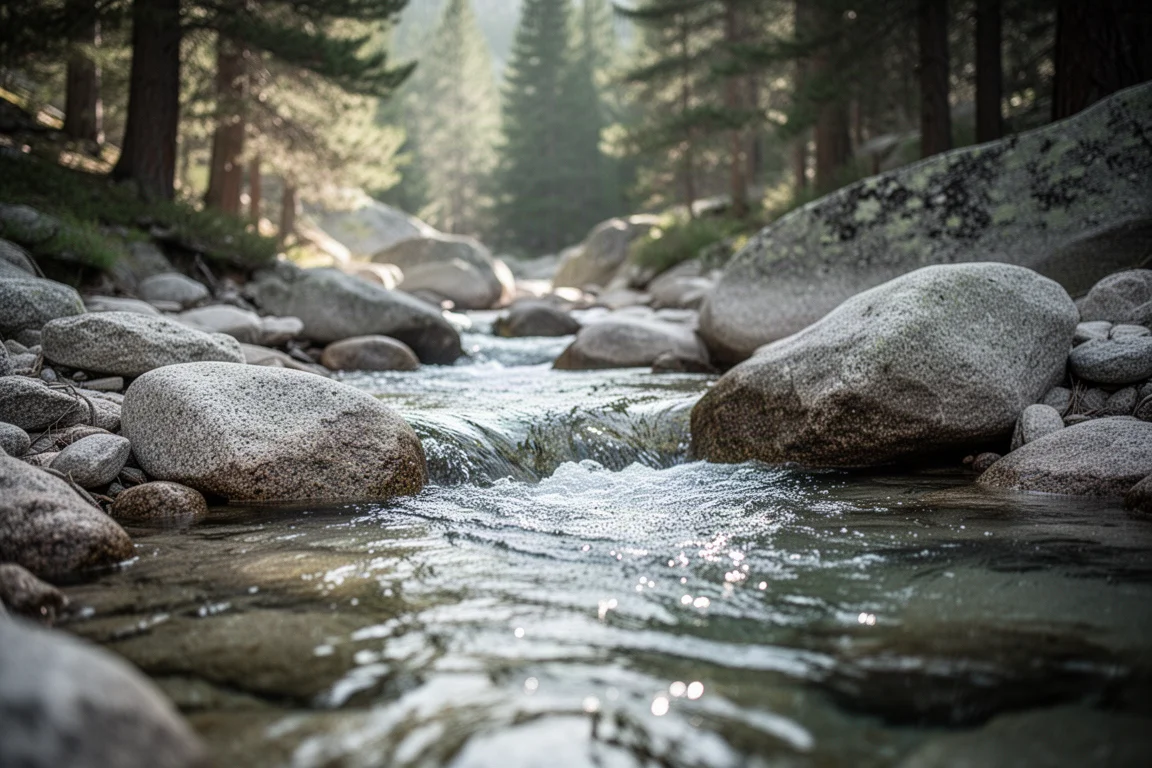
Tablets are not meant to replace a filter on a normal day. They are the fallback that keeps a trip moving when the primary system stops working.
Extra Socks: Small Weight, Big Comfort
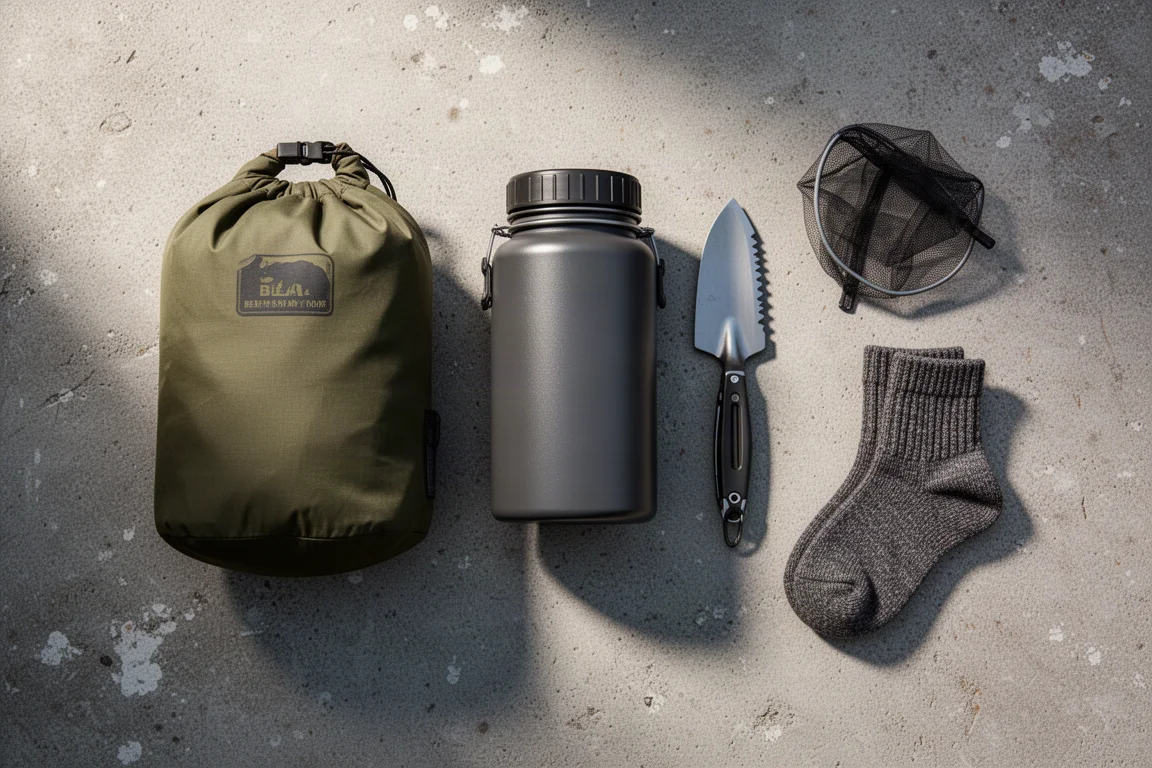
Nobody wants to carry two of everything, but a second pair of socks is a different proposition. Socks work harder than any other piece of clothing in a pack, and they get wet from stream crossings, rain, and even snow. A dry pair at the end of the day is one of the simplest pleasures on the trail, and a spare also means a wet pair can dry out without being worn.
A Real Pillow Makes Backcountry Sleep Better
Stuffing spare clothing into a stuff sack works, but it rarely sleeps well. Inflatable pillows have the opposite problem, since they can feel like sleeping on a balloon. Down pillows tend to be too soft, letting your head sink straight through. A hybrid design with a thin foam layer on top of an inflatable base solves both issues, holding its shape while still cushioning the head. Sleep quality shapes everything else on a trip, which makes this one of the few places where a little extra weight is easy to justify.
A Camp Chair Is Worth the Extra Weight
A chair is not essential, and plenty of hikers leave it at home. It is also one of the items people are happiest to have once camp is set and the day’s walking is done. Sitting up properly instead of leaning against a log changes an evening, especially on longer trips.
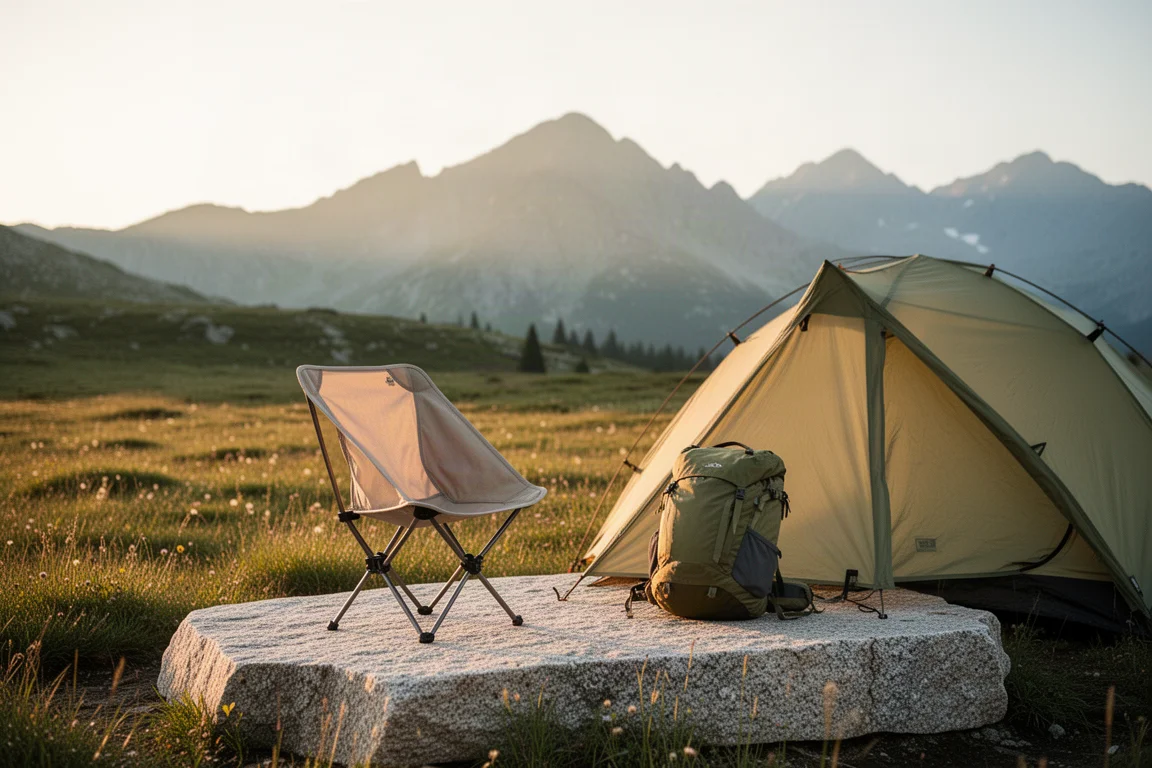
If the weight budget is genuinely tight, this is the first item on the list to cut. If it is not, most people find the chair comes along on every trip after the first one.
A Poop Trowel Is Non-Negotiable
Cat holes of four to six inches are essential to the health of the streams that supply drinking water. Digging one without a trowel is harder than it looks: sticks snap, roots block the way, and loose soil often has to be scooped out by hand. A trowel with a serrated edge cuts through roots and gets the job done quickly.
Waste that is not buried properly can wash into the rivers and streams people drink from, and finding someone else’s is unpleasant for everyone who comes after. This is one item where the weight is trivial and the consequences of leaving it behind are not.
Food Storage in Bear Country
Food storage is the foundation of good bear etiquette. In some areas, including Yosemite National Park, a bear canister is required. The reasoning is straightforward: black bears that have not become accustomed to people stay wary of them and can be scared away, and keeping food inaccessible is what prevents that habituation. Outside those areas, hanging food is common practice, though it comes with its own drawbacks.
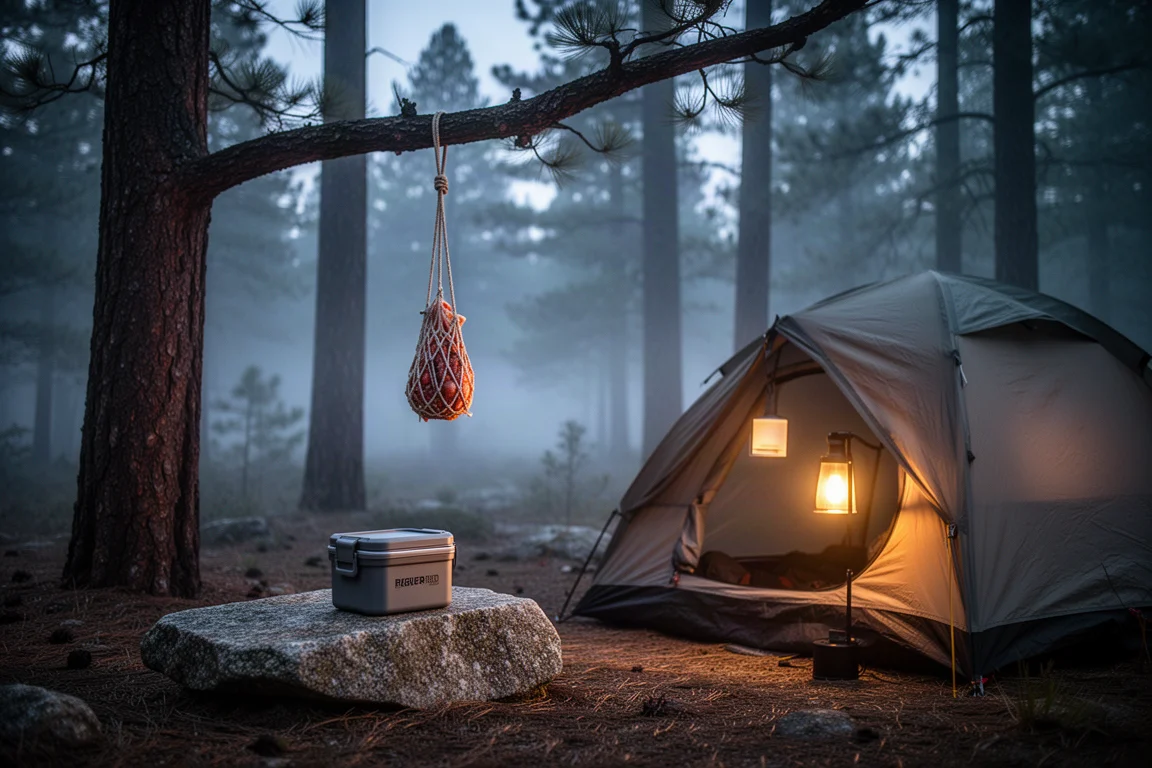
Whichever approach you take, the goal is the same: food that bears cannot reach, and food that bears never learn to associate with people.
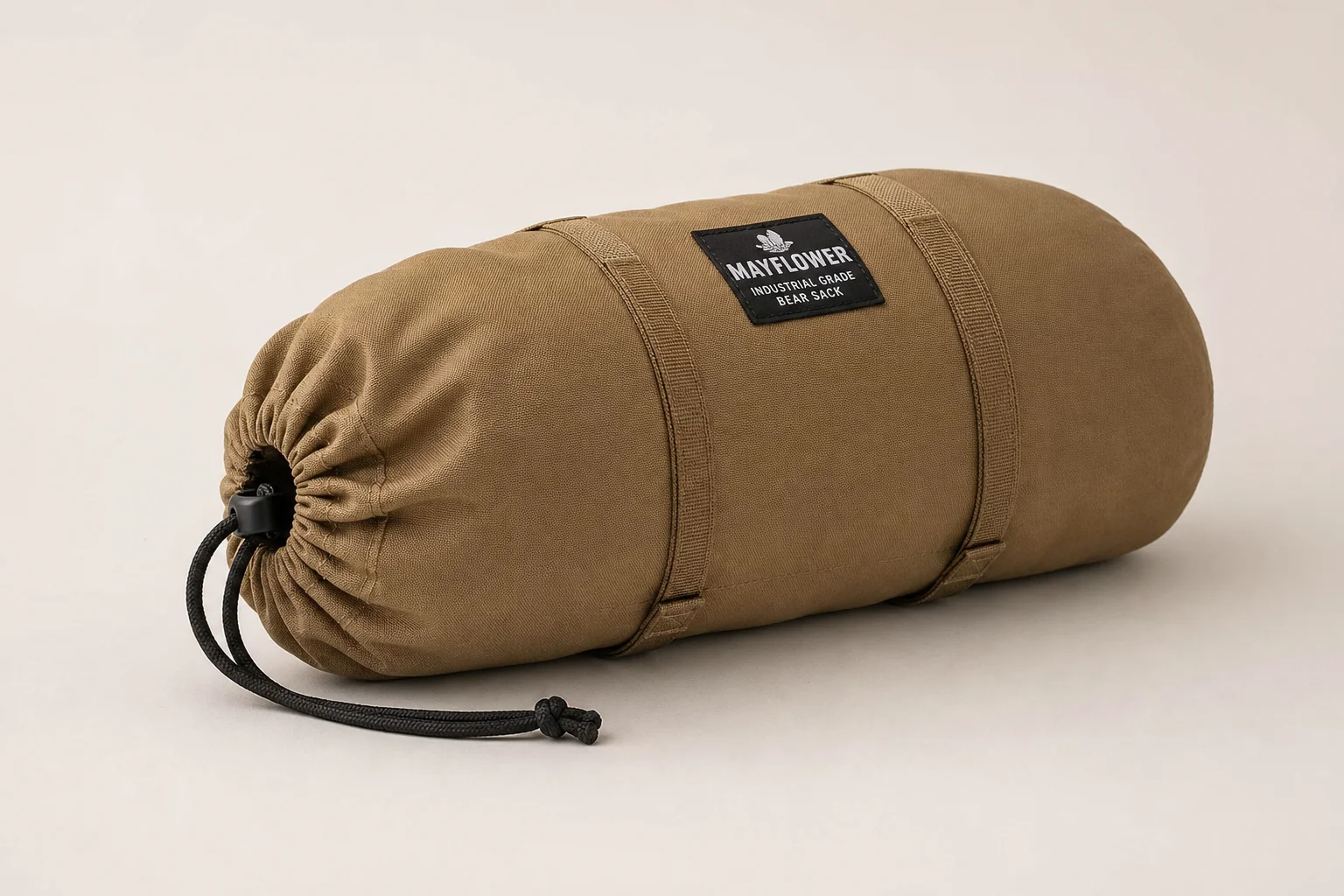
Ursack: A Bear-Resistant Soft Bag
The Ursack is a soft-sided bag made from a Kevlar-style fabric that has been shown to be adequately bear resistant. It packs down like any other stuff sack, which makes it a practical alternative to a food hang in places where a canister is not mandatory. Because it is not a rigid container, it is not a substitute in areas that require a hard-sided canister.
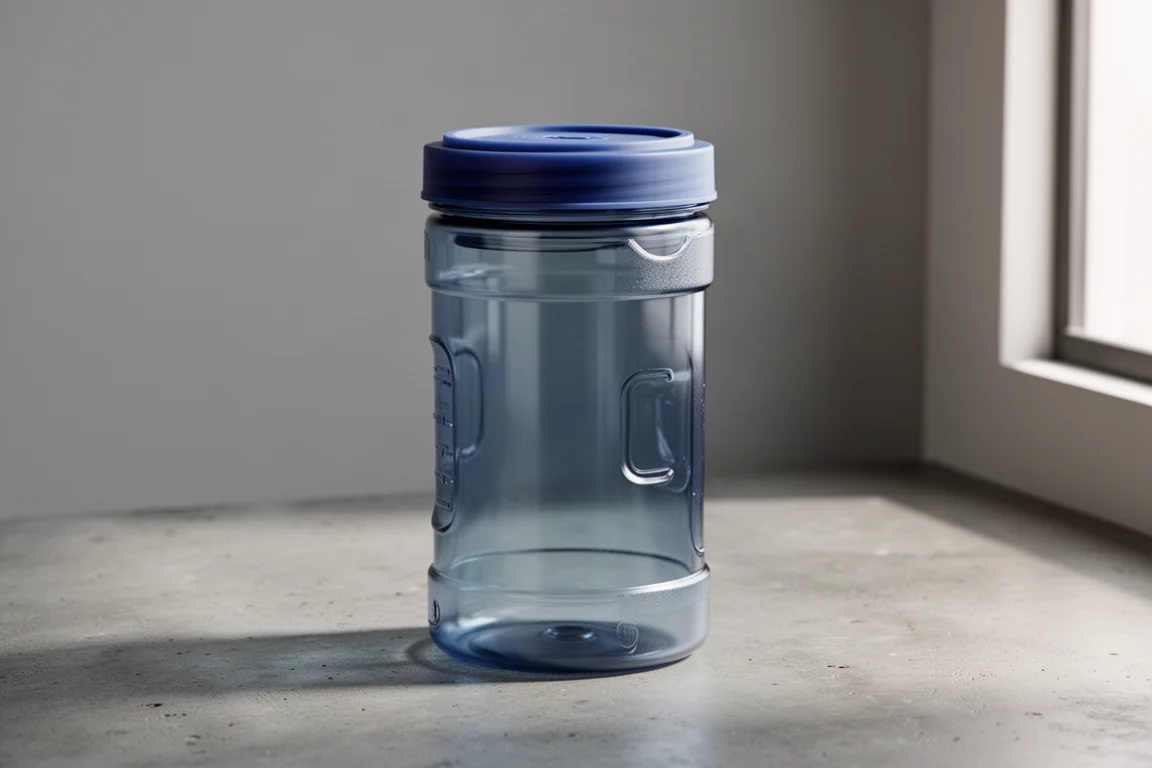
BearVault 450: A Canister for Areas That Require One
The BearVault 450 is a rigid canister, the type of food storage that parks such as Yosemite require. It keeps food enclosed rather than suspended, so there is no need to find a suitable branch or perfect your throw. The trade-off is bulk, since a rigid container takes up pack space that a soft bag would not.
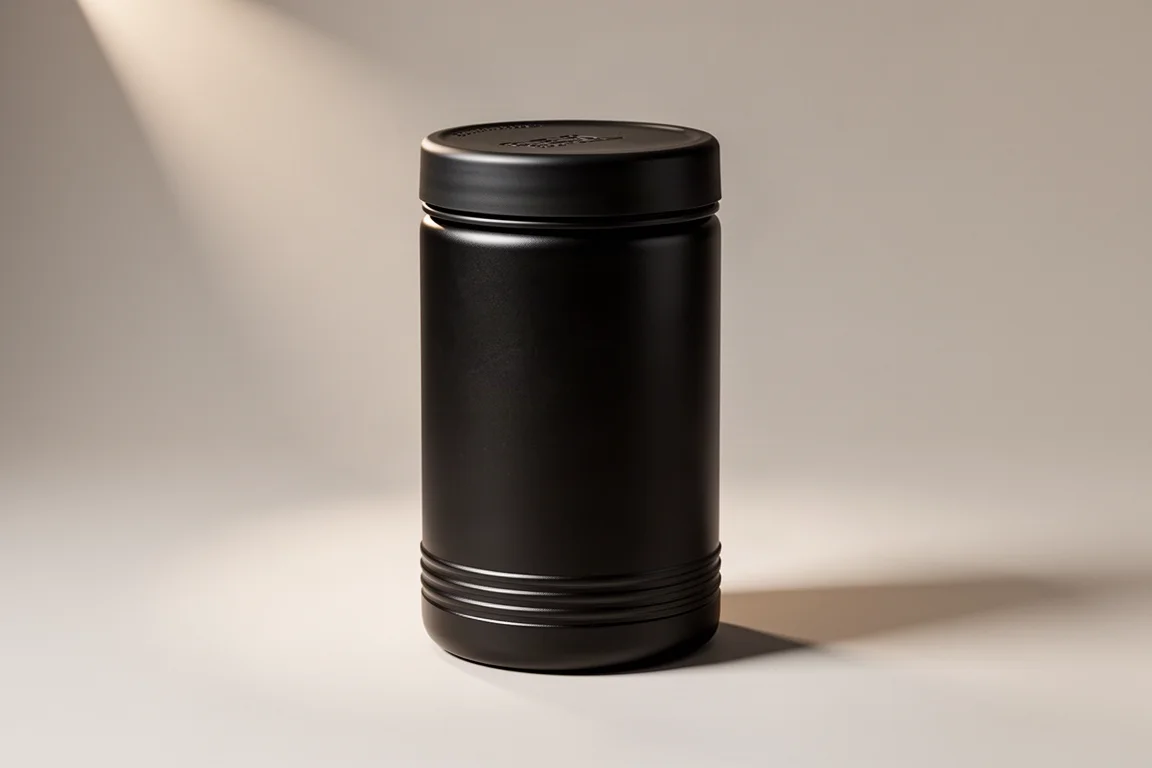
Backpacker’s Cache: Another Canister Option
The Backpacker’s Cache is a second canister option for trips in areas that mandate hard-sided food storage. Like the BearVault 450, it keeps food enclosed and inaccessible rather than hung from a branch. Choosing between canisters is mostly a matter of how each one fits your pack.
A Mosquito Head Net for Bad Bug Season
When mosquitoes are at their worst, bug spray alone does not cut it. A head net adds a layer of protection that makes it possible to eat, filter water, and enjoy the scenery instead of swatting constantly. It is one of those items that stays at the bottom of the pack on most trips, and on the trips where it is needed, it changes the entire experience.
How to Decide What to Add to Your Pack
The useful question is not whether an item is essential, but what happens if it fails or is missing. A backup for water treatment is worth carrying because the consequences of a failed filter are serious. A dry pair of socks and a real pillow are worth carrying because they protect sleep and foot care, which carry the rest of the trip. A trowel is worth carrying because it protects the water sources everyone depends on. Food storage is worth carrying because it protects both your food and the bears.
Check the rules for the area you are visiting before you go, since canister requirements vary by location. Where a canister is required, choose one and pack around it. Where it is not, a bear-resistant soft bag or a properly executed food hang can do the job.
Conclusion
None of these items are heavy, and none of them are glamorous. They are the gear that quietly prevents the problems that ruin trips: unsafe water, cold and wet feet, poor sleep, improperly buried waste, and food that ends up in the wrong paws. Pack the small insurance, follow the food storage rules for wherever you are going, and the trip gets to be about the walking.
Further reading
Related Reviews

Backpacking Gear
Building a 10 lb Base Weight: An Ultralight Backpacking Gear List
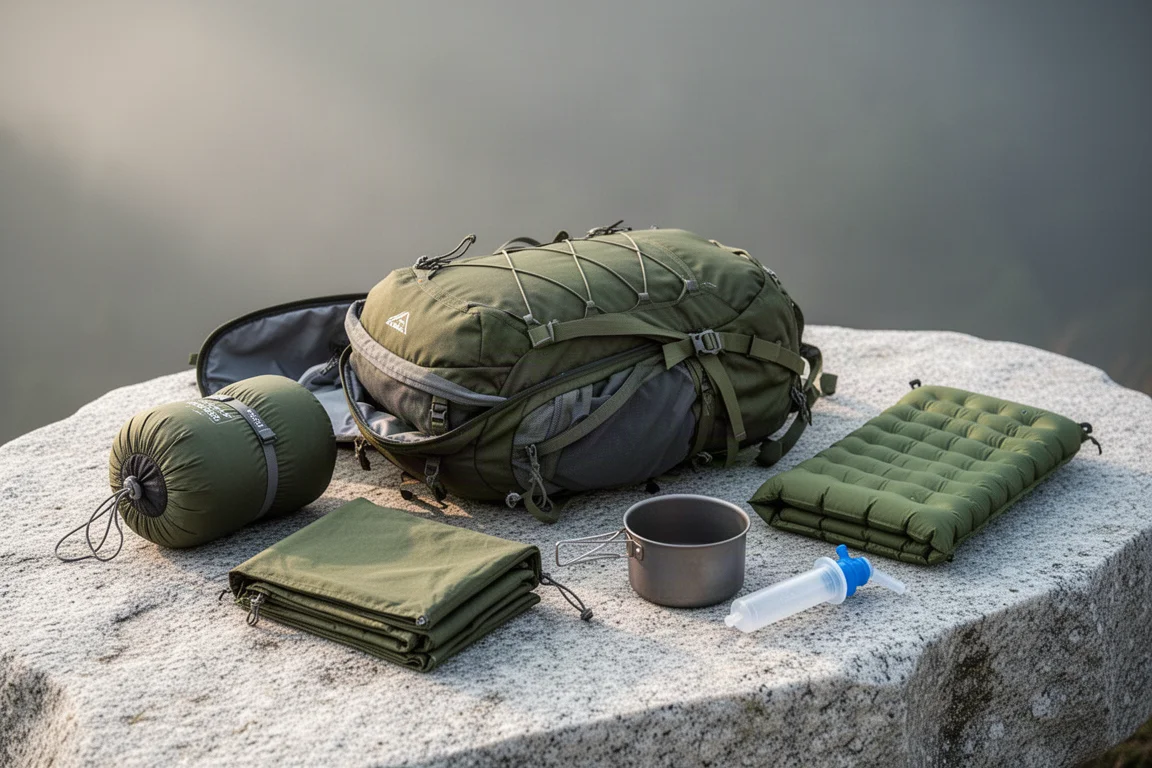
A practical walkthrough of the ultralight pieces behind a 10 lb base weight, from a 765 g pack and a roomy one-person tent to a full camp chair and a dependable water filter.
Backpacking Gear
A 15-Pound Lightweight Backpacking Gear List for Solo Trips
A beginner-friendly 15-pound backpacking setup built from easy-to-find gear, with notes on what each piece does, how it packs, and where to spend your attention.
Backpacking Gear
8 Ultralight Backpacking Gear Upgrades Worth Carrying
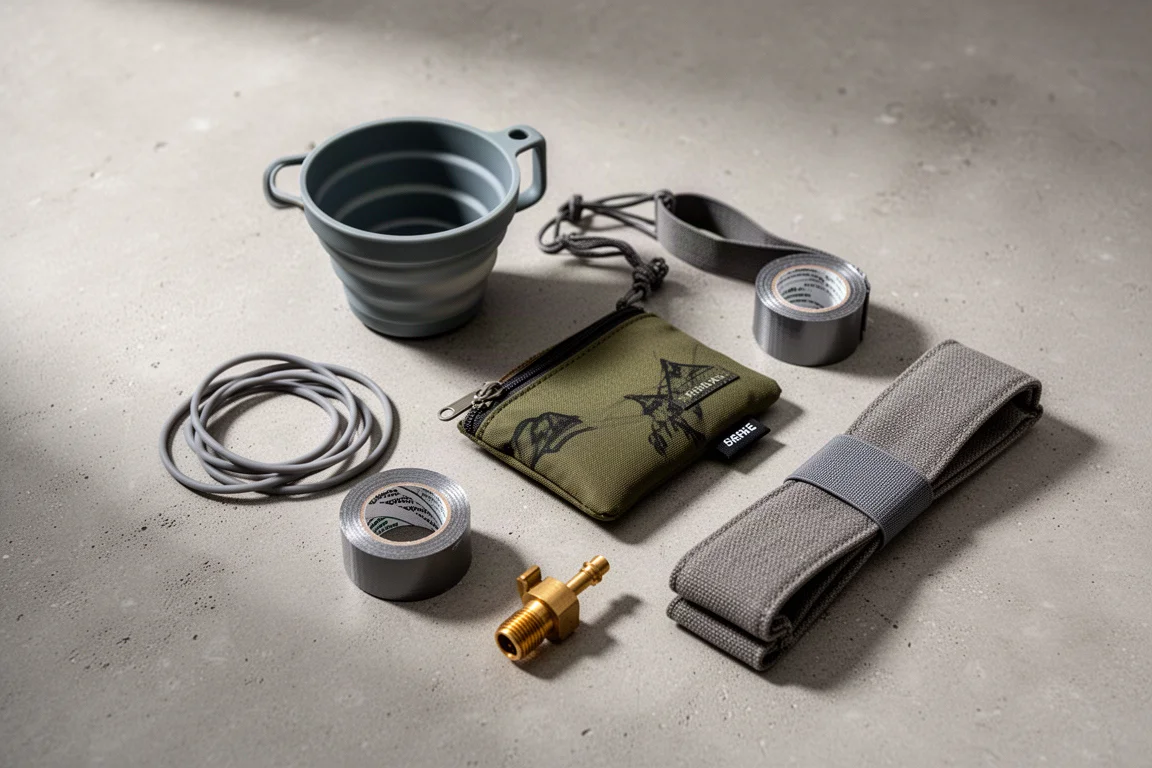
Eight small, affordable backpacking upgrades that solve real trail annoyances, from a pillow that stays put to a fuel valve that rescues leftover canister gas.