Backpacking Gear
Overlooked Backpacking Essentials: Bear-Resistant Food Storage and Other Gear Worth Packing
A practical guide to the backpacking items people leave behind, from bear-resistant food storage to backup water treatment, spare socks, a trowel, and small camp comforts.
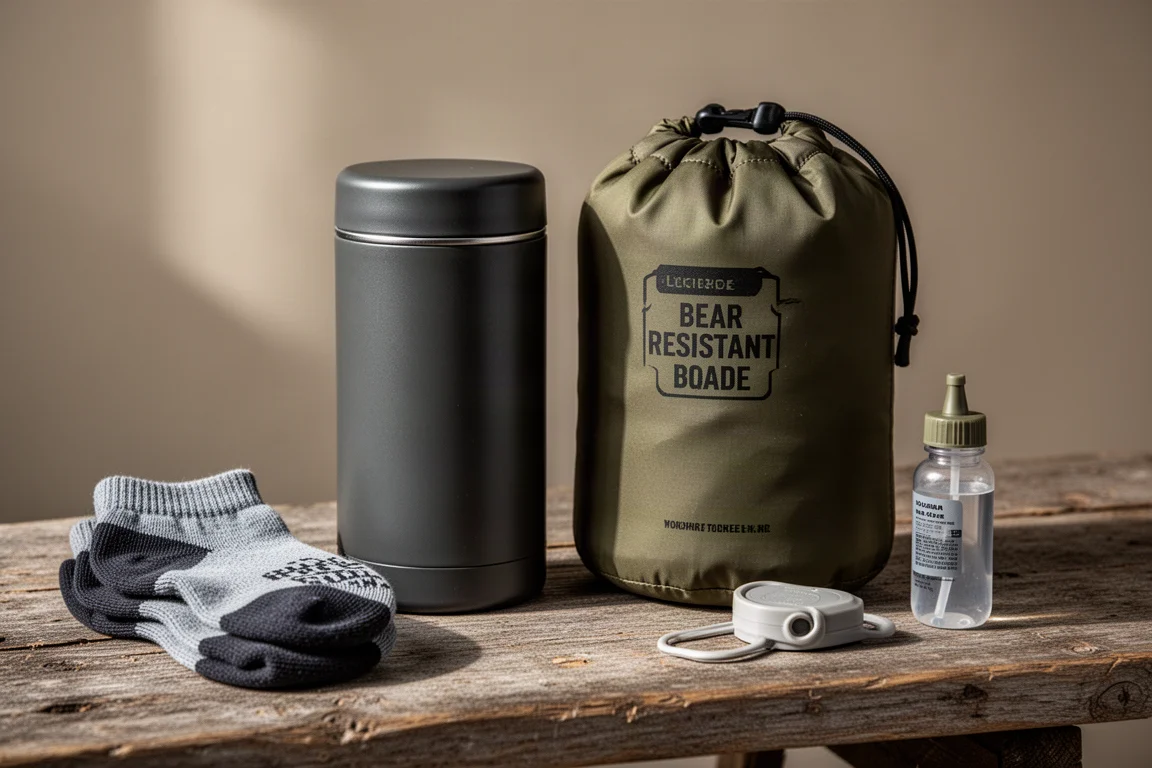
Introduction
Most backpacking advice is about carrying less, and that instinct is usually right. There is a small category of gear, though, that people leave behind because it feels optional right up until the moment it is not. These items are light, they cost relatively little, and they solve problems that can otherwise cut a trip short or make a campsite genuinely unpleasant.
This guide covers the overlooked essentials worth carrying, with a closer look at bear-resistant food storage, the one category where the choice you make has consequences for the water and the wildlife around you.
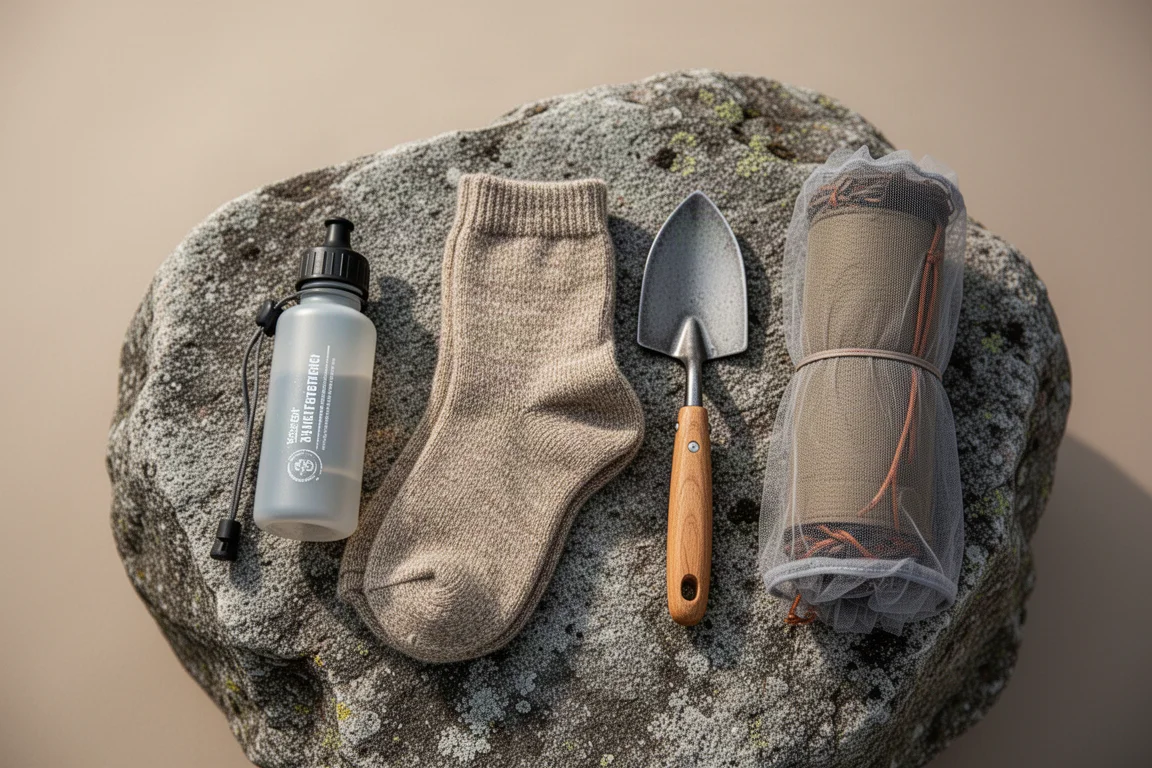
None of it demands a bigger pack. A few treatment tablets, a second pair of socks, a trowel, a head net, and a sensible way to store food add up to very little weight, and each one earns its place the first time conditions turn against you.
What Bear-Resistant Food Storage Solves
Bear etiquette starts with food storage, and in some places it is not optional at all. Yosemite National Park requires visitors to carry an approved bear canister, and it has taken the unusual step of banning bear spray despite having a resident bear population. The reasoning is straightforward: black bears that have not become accustomed to humans remain afraid of people and can be scared away. The failure point is almost always food, not aggression.
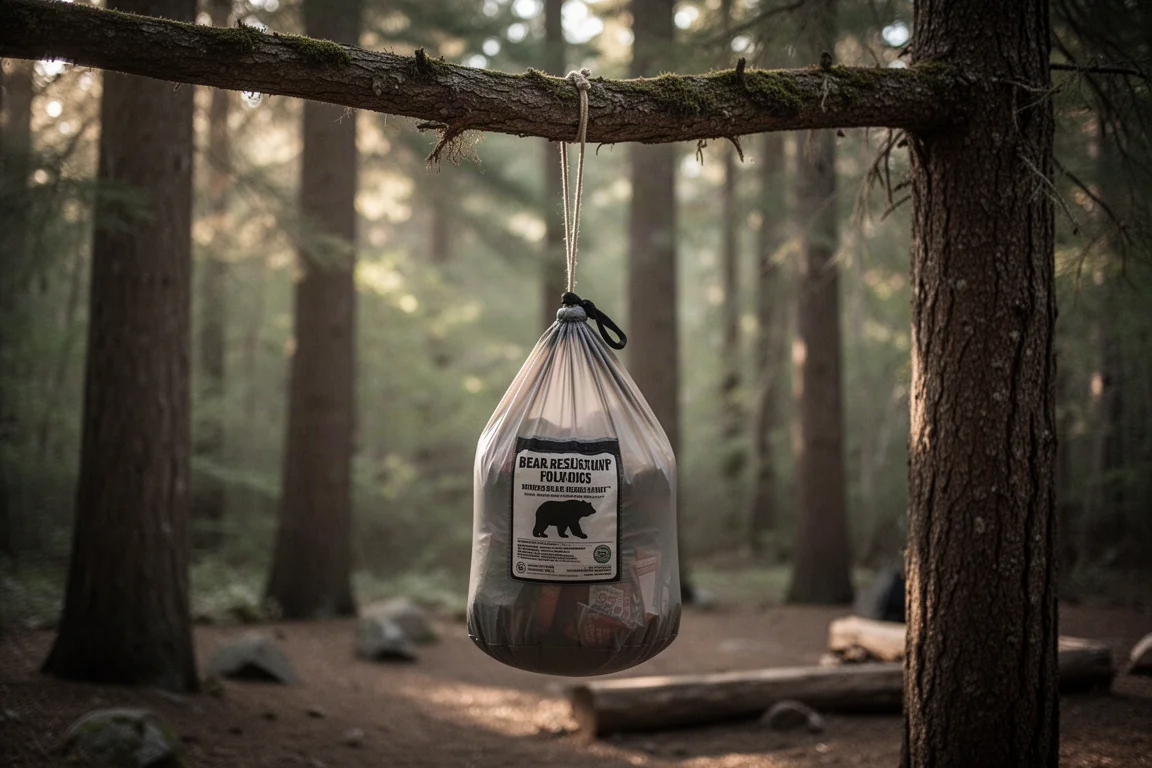
Where canisters are not required, hanging food is common practice, and it can work well. It also depends on trees shaped the right way, a throw that lands on the first attempt, and weather that cooperates. Soft bear-resistant storage has become a popular alternative for exactly that reason.
Whatever system you choose, a food hang, a hard-sided canister, or a soft bear-resistant bag, the goal is the same: keep your food out of reach and keep wildlife from associating campsites with an easy meal.
Bear Vault 450: A Hard-Sided Canister for Regulated Areas
The Bear Vault 450 is one of the canisters named as an example of what is required in places like Yosemite. If your route passes through a park with a canister requirement, this is the category of product you need, and choosing a recognized model removes any doubt at the trailhead.
A rigid canister is the most straightforward way to comply with those regulations, and it is the format rangers in regulated areas expect to see. For trips where a canister is mandatory, the question is less about whether to carry one and more about which one fits your food volume and your pack.
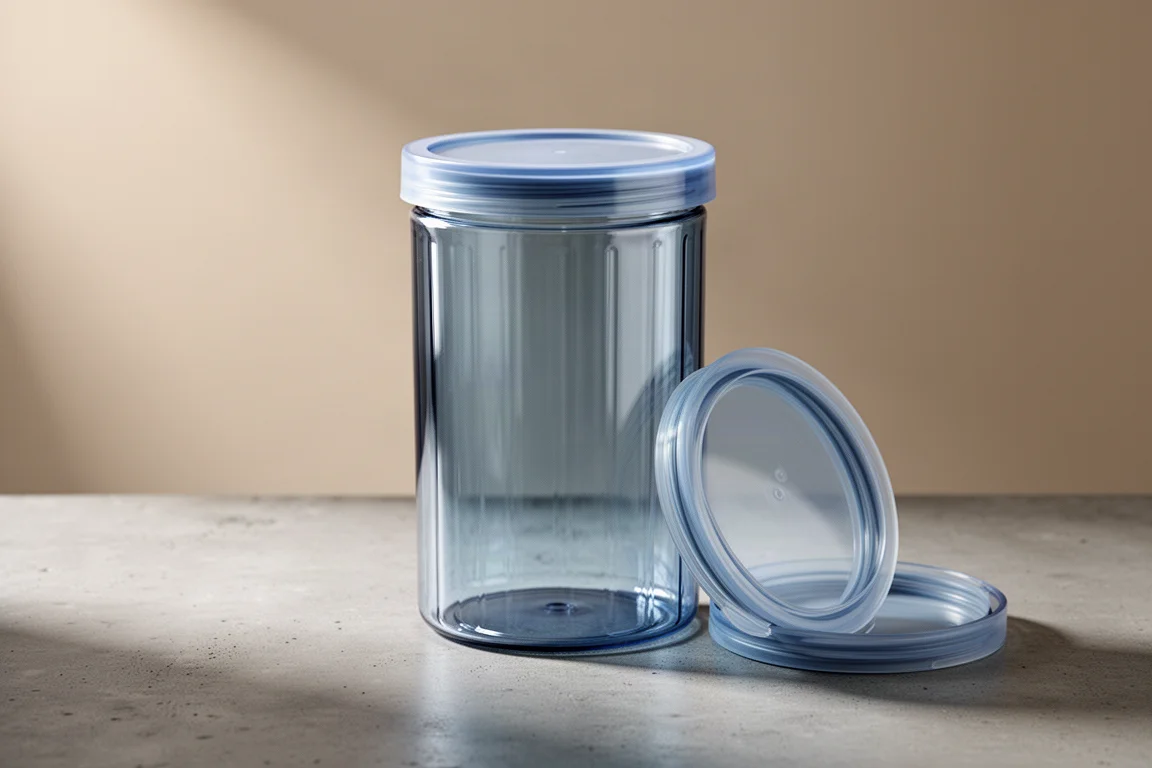
Backpacker’s Cache: Another Canister Option for Regulated Areas
The Backpacker’s Cache is named alongside the Bear Vault 450 as an example of the canisters required in places like Yosemite. Both are hard-sided canisters that satisfy the same regulatory need, so the practical difference for most hikers comes down to fit, packing preference, and what is available before the trip.
If you already know you will be hiking somewhere with a canister requirement, either of these two is a sensible starting point. What matters most is that you carry one rather than assuming a hang will be accepted.
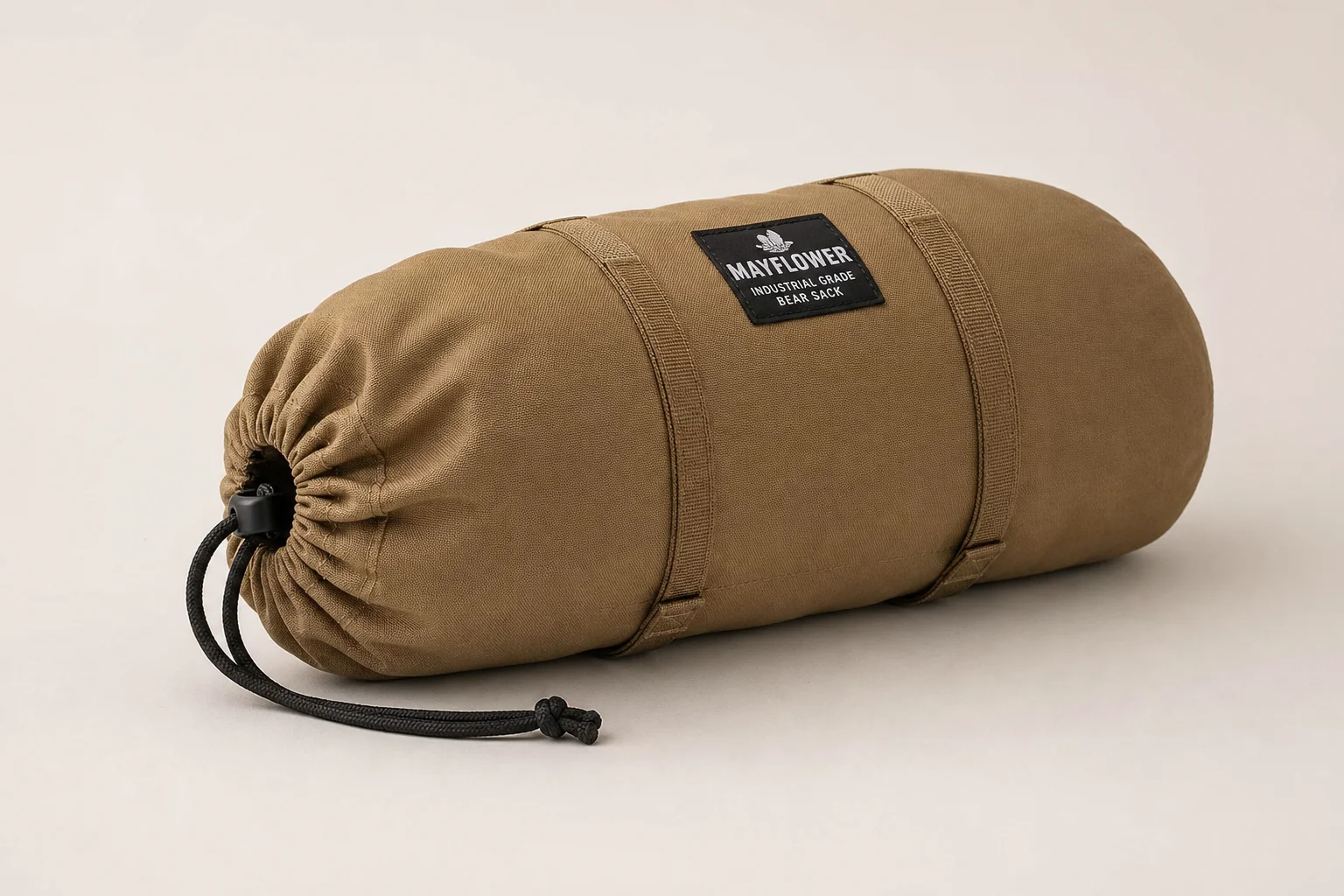
Ursack: Bear-Resistant Soft Storage
The Ursack is a soft bag made from Kevlar that has been shown to be adequately bear resistant. It suits the many areas where hanging food is the norm but a hang is impractical, whether because suitable branches are scarce or because you would rather not depend on a perfect throw at the end of a long day.
Because it is a soft bag rather than a rigid shell, it folds down when it is not in use, which makes it easier to pack around. It is not a substitute for a canister in places where canisters are required, so check the rules for your specific destination before you commit.
Backup Water Treatment and Spare Socks
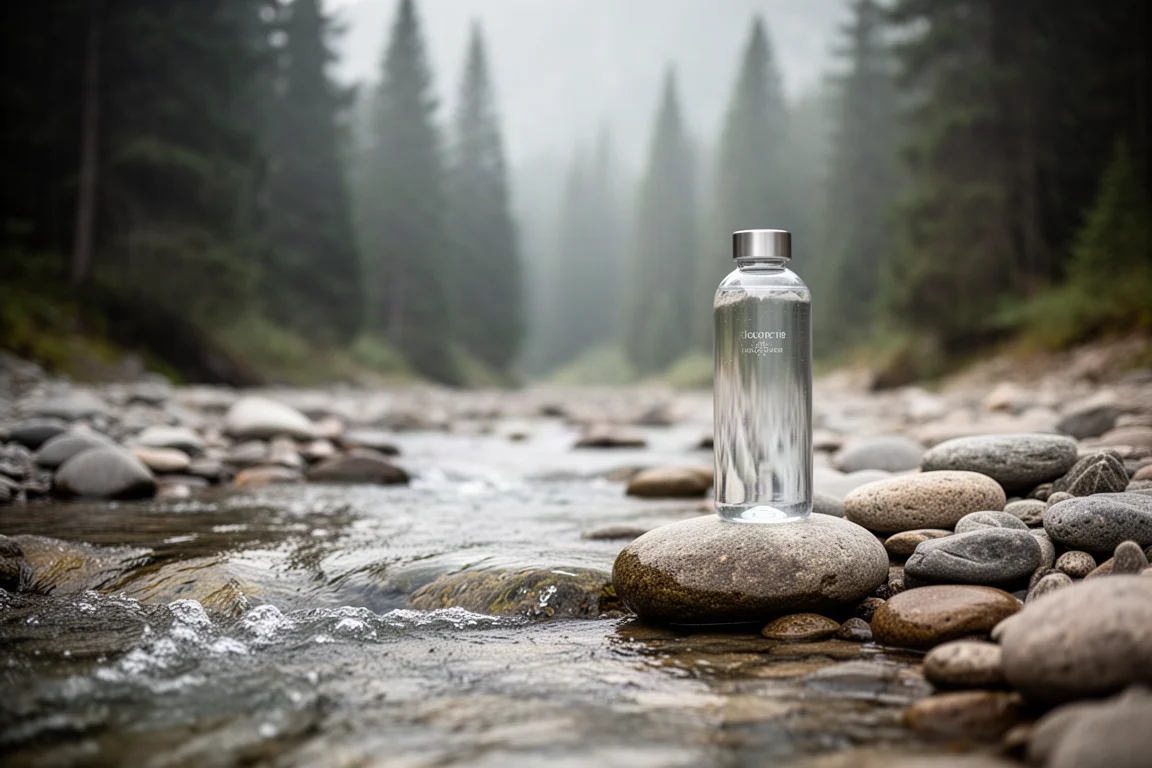
Clean water is the single most important thing you need on a hike, and filters are excellent until they are not. They can clog, break, or freeze, and any of those failures leaves you without a reliable way to drink. Most hikers already carry a backup without thinking of it as one: boiling water kills most of the bacteria and parasites found in wild mountain streams. Boiling, however, burns fuel you may have budgeted for cooking, and boiled water takes a long time to cool enough to drink.
Water treatment tablets solve both problems. They weigh practically nothing, take up very little space, and give you a way to make water safe if your filter quits. A few tablets in the bottom of a pack are cheap insurance.
Socks deserve the same treatment. Nothing in your kit works harder, and nothing gets wetter, crustier, or smellier. Water crossings, rain, and snow all find their way into your shoes, and a clean dry pair at camp is one of the small luxuries that makes a long day worth it.
The pattern with all of these items is the same: they are almost weightless, and they matter only on the day something goes wrong.
Leave No Trace: Waste Disposal on the Trail
A trowel is the least glamorous item on this list and one of the most important. Cat holes four to six inches deep are essential to the health of the streams and rivers that hikers drink from. When human waste is not buried properly, it can wash into the same water sources everyone downstream depends on, and finding someone else’s is a genuinely unpleasant surprise.
Improvised tools do not work well. Sticks snap, and roots stop them well before they reach depth. A trowel with a serrated edge cuts through roots and gets a proper hole dug, which is the entire point. Sandy soil may be forgiving, but plenty of camping areas are not, and a broken stick in your hand is a poor substitute.
Sleep Comfort and Camp Furniture
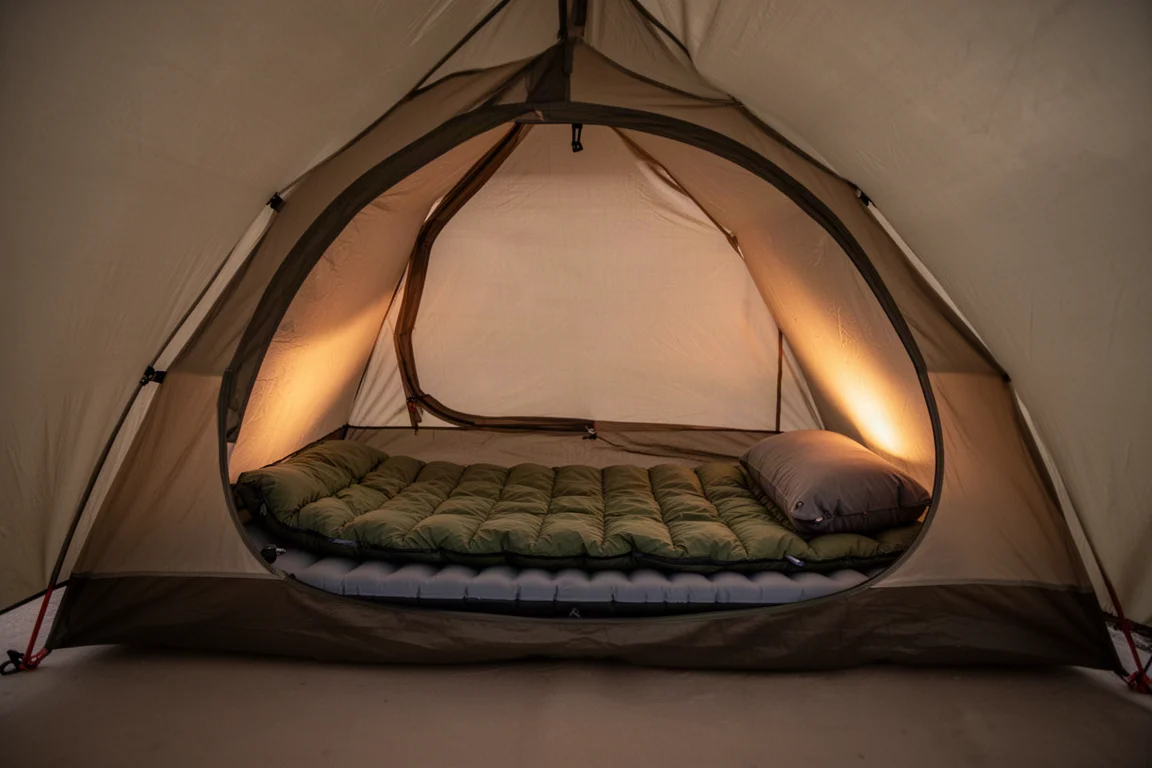
Sleep is where a small upgrade pays off disproportionately. A real pillow has more effect on backcountry rest than almost anything else you can add to your pack. Stuffing spare clothing into a stuff sack is the traditional approach, and it is a poor one: the result shifts, flattens, and rarely ends up under your head by morning.
Inflatable pillows are not much better on their own, since many of them feel like sleeping on a balloon. Down pillows have the opposite problem, soft enough that your head sinks straight through. A hybrid design that pairs an inflatable base with a thin foam top gets the best of both, holding its shape while staying comfortable.
A camp chair is optional in the strictest sense, but it is one of those items that changes how an evening at camp feels. If you have room for a single luxury, this is a reasonable candidate.
None of this is essential in the way water and food storage are, but rest and recovery are what let you hike well the next day, and the weight penalty is modest.
Mosquito Protection When Conditions Turn Bad
Anyone who has camped during a serious mosquito hatch knows that repellent has limits. In the worst conditions, mosquitoes swarm around camp, find their way into tents, and bite through shirts. They make cooking, filtering water, and even standing still difficult, and they turn a scenic stop into a race back to the tent.
A mosquito head net is the answer, and it weighs almost nothing. It is the kind of item you might carry for an entire season without using, then be extremely glad to have on the one trip where the bugs are unbearable. Pack it before you need it.
Buying Advice: Matching Storage to Your Trip
Start with the regulations for your destination, because they decide everything else. If a park requires a bear canister, as Yosemite does, choose a hard-sided model such as the Bear Vault 450 or the Backpacker’s Cache and plan your food volume around it. No soft alternative satisfies a canister requirement.
If canisters are not required, the Ursack is a strong option for the many places where hanging food is the norm. It offers bear-resistant protection without a rigid shell to pack around, and it folds away when empty. A traditional food hang remains a valid choice where the trees cooperate.
Whichever you pick, the goal is the same: protect your food, protect the animals that might otherwise become dependent on campsite meals, and protect the water sources downstream. Add backup water treatment, spare socks, a trowel, a pillow, and a head net, and you have a kit that covers the failures that actually end trips.
Conclusion
The gear that gets left behind is usually the gear that seems unnecessary until the day it is not. A handful of treatment tablets, a second pair of socks, a trowel that can cut through roots, and a real pillow all cost little and weigh less. Food storage is the one decision with a regulatory dimension, so check the rules first, then choose between a hard-sided canister and a bear-resistant soft bag.
Further reading
Related Reviews

Backpacking Gear
Building a 10 lb Base Weight: An Ultralight Backpacking Gear List
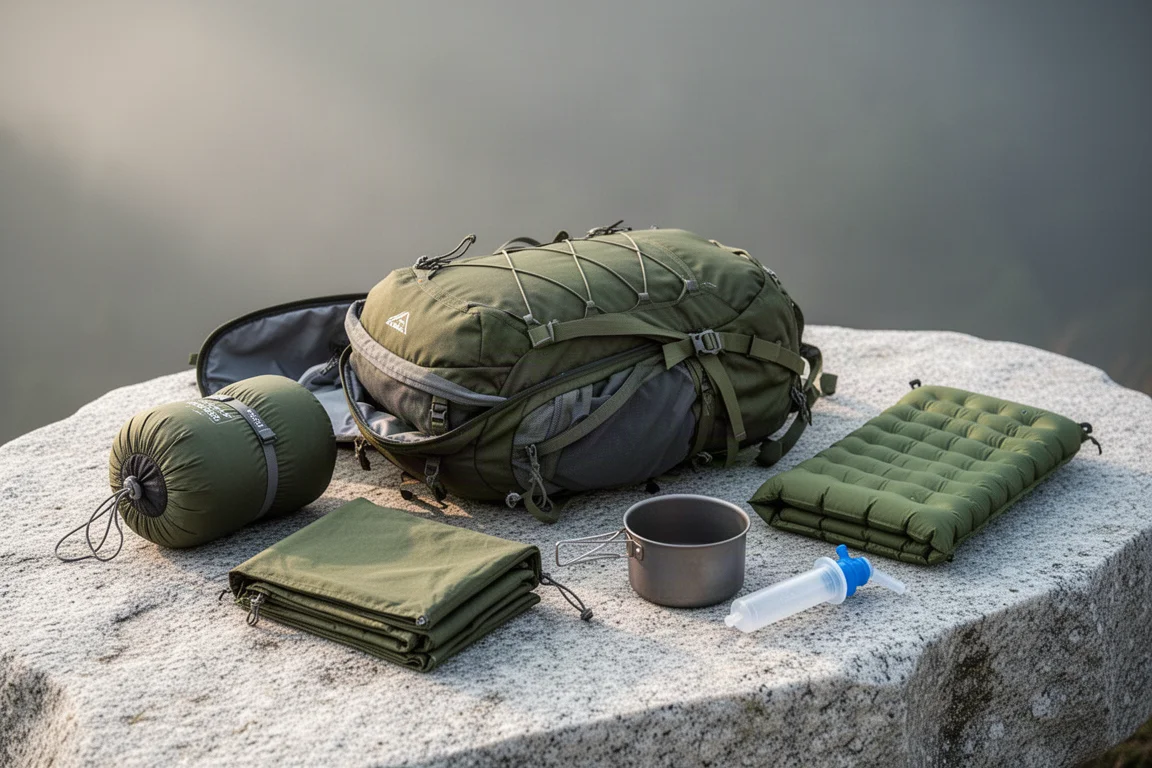
A practical walkthrough of the ultralight pieces behind a 10 lb base weight, from a 765 g pack and a roomy one-person tent to a full camp chair and a dependable water filter.
Backpacking Gear
A 15-Pound Lightweight Backpacking Gear List for Solo Trips
A beginner-friendly 15-pound backpacking setup built from easy-to-find gear, with notes on what each piece does, how it packs, and where to spend your attention.
Backpacking Gear
8 Ultralight Backpacking Gear Upgrades Worth Carrying
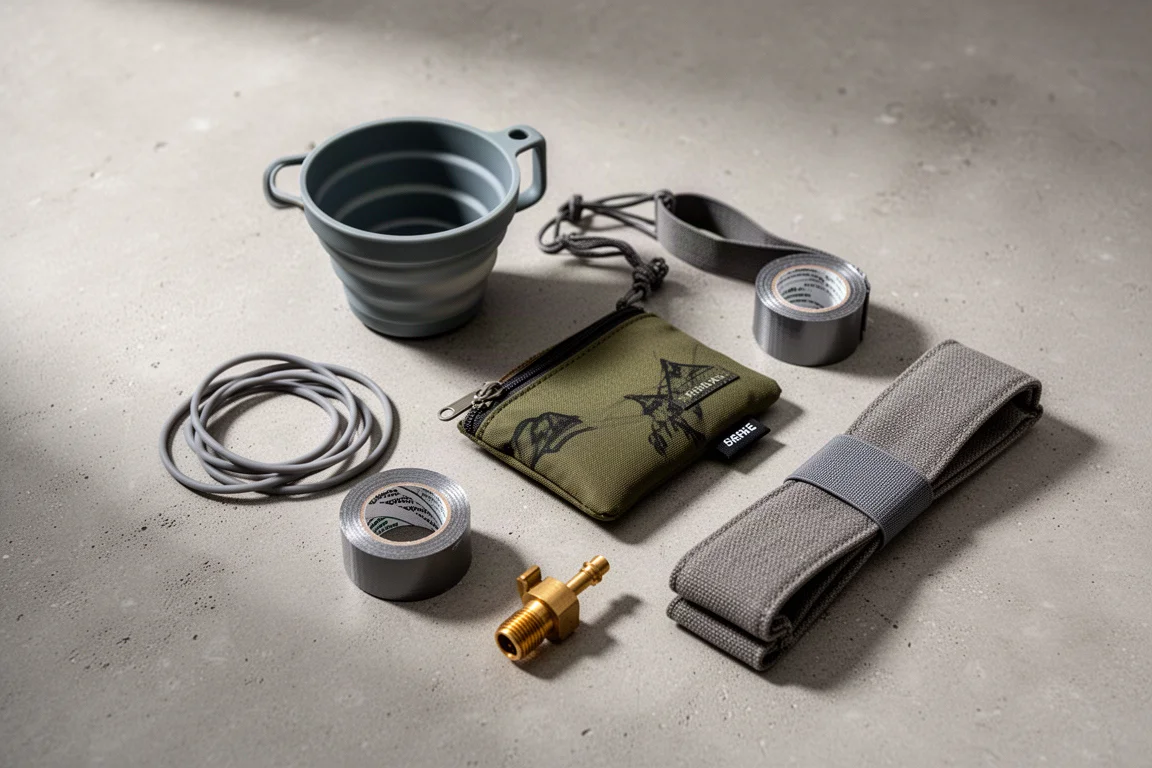
Eight small, affordable backpacking upgrades that solve real trail annoyances, from a pillow that stays put to a fuel valve that rescues leftover canister gas.