Overland Camping Gear
Overland Camp Gear That Works Off-Grid: 7 Upgrades for a Comfortable Base Camp
Seven overland camp upgrades that keep a remote base camp organized, powered, shaded, and stocked with cold food and running water.
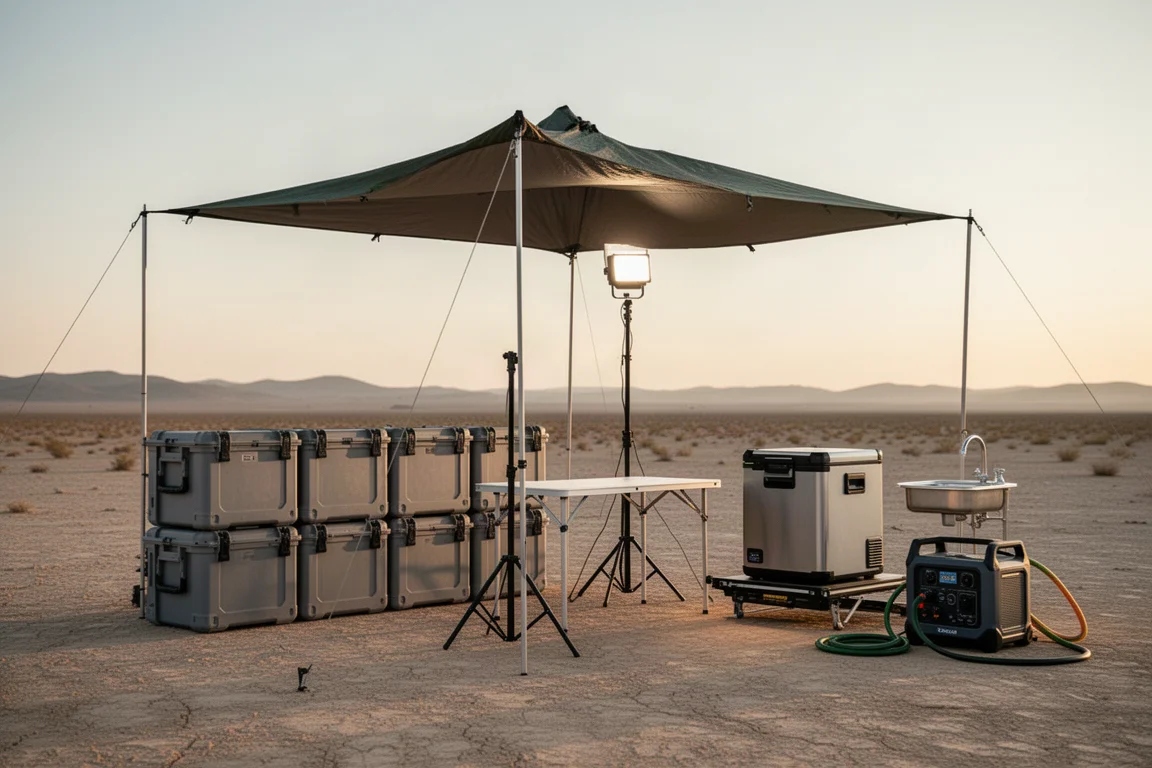
Introduction
Remote camping asks different questions than a weekend at a developed site. There is no store to drive back to, no ice to buy, and no outlet at the end of the day, so every item loaded into the vehicle has to justify the space it takes up. The seven products below are the ones that consistently made the biggest difference on a multi-day back country trip, from keeping gear organized to keeping food frozen and water running.
They are not all the same kind of purchase. Some solve a logistical problem, others add comfort after dark, and one or two are best suited to trips that stretch past a few days. Taken together, they turn a rough site into a base camp that works.
What Separates Good Camp Gear From Clutter
Long trips expose weak gear quickly. Anything that needs constant attention, depends on supplies that cannot be replaced, or only works under perfect conditions becomes a liability by the third day. The gear that earns its place in the vehicle tends to do three things well: it keeps camp organized, it reduces reliance on outside supplies, and it fits the space and power that are actually available.
Organization comes first because everything else depends on it. When gear has a fixed place, packing becomes faster, setting up camp becomes faster, and nothing goes missing in the dark. Stackable cases are the simplest way to get there, and they double as furniture once they are unloaded.
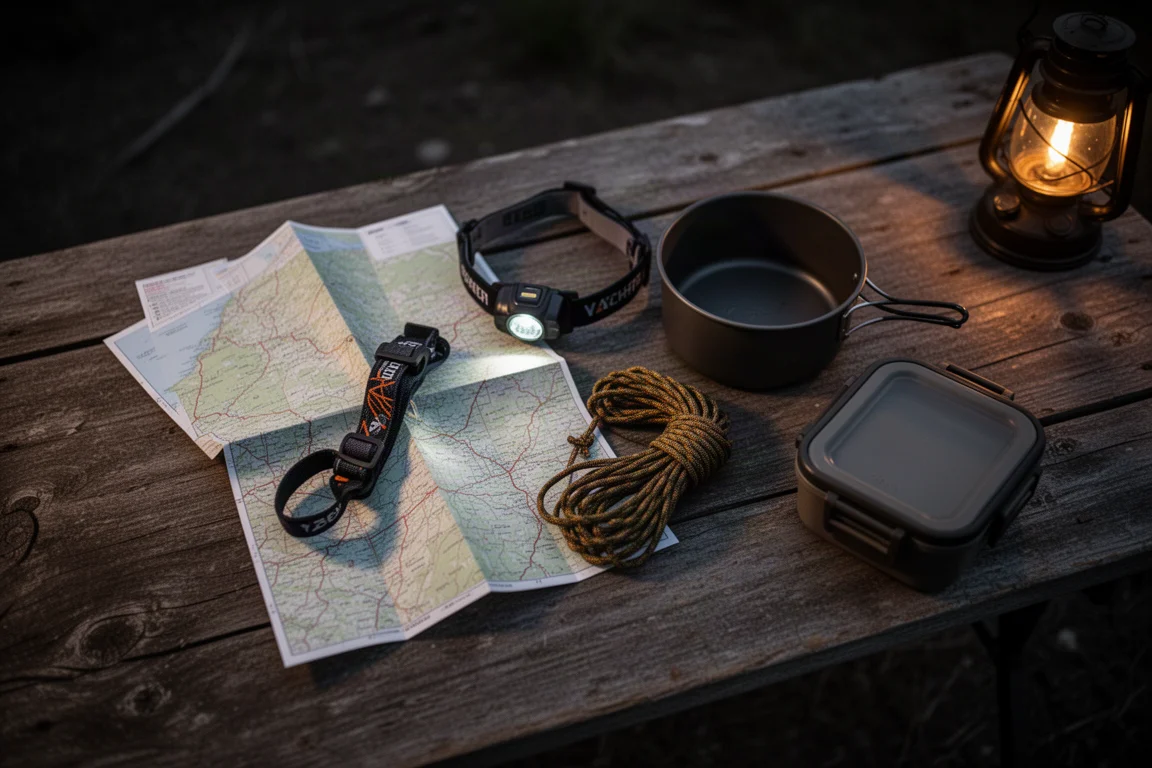
Power planning comes next, and it is usually where a comfortable camp diverges from a basic one. A fridge, a large area light, phones, and a water pump all draw from the same limited pool, so deciding what runs on what, and how everything gets recharged, is worth thinking through before the trip rather than at the campsite.
The sections below cover each item in turn, including the trade-offs that matter.
Front Runner Wolf Pack Cases: A Storage System That Stays Organized
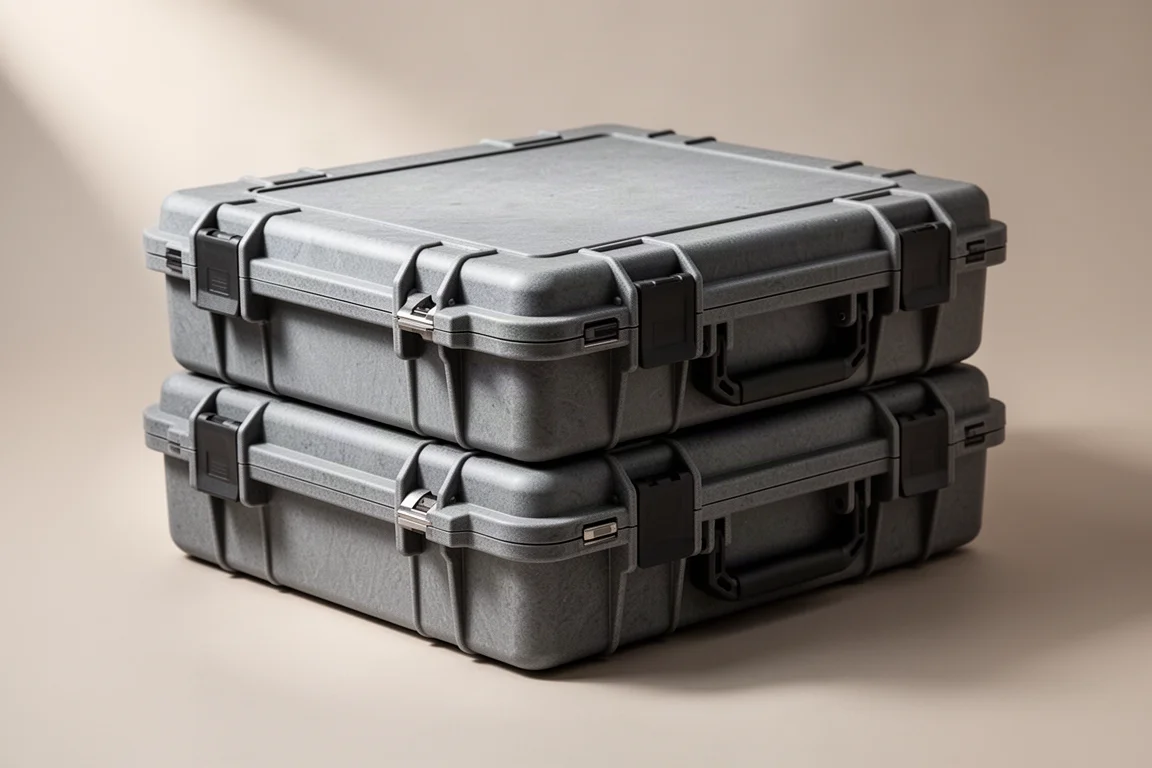
Piling gear into a cargo area works on the way out and falls apart by the second day, when nothing goes back where it started. Modular cases fix that, and the Wolf Pack cases from Front Runner Outfitters are built around the idea directly.
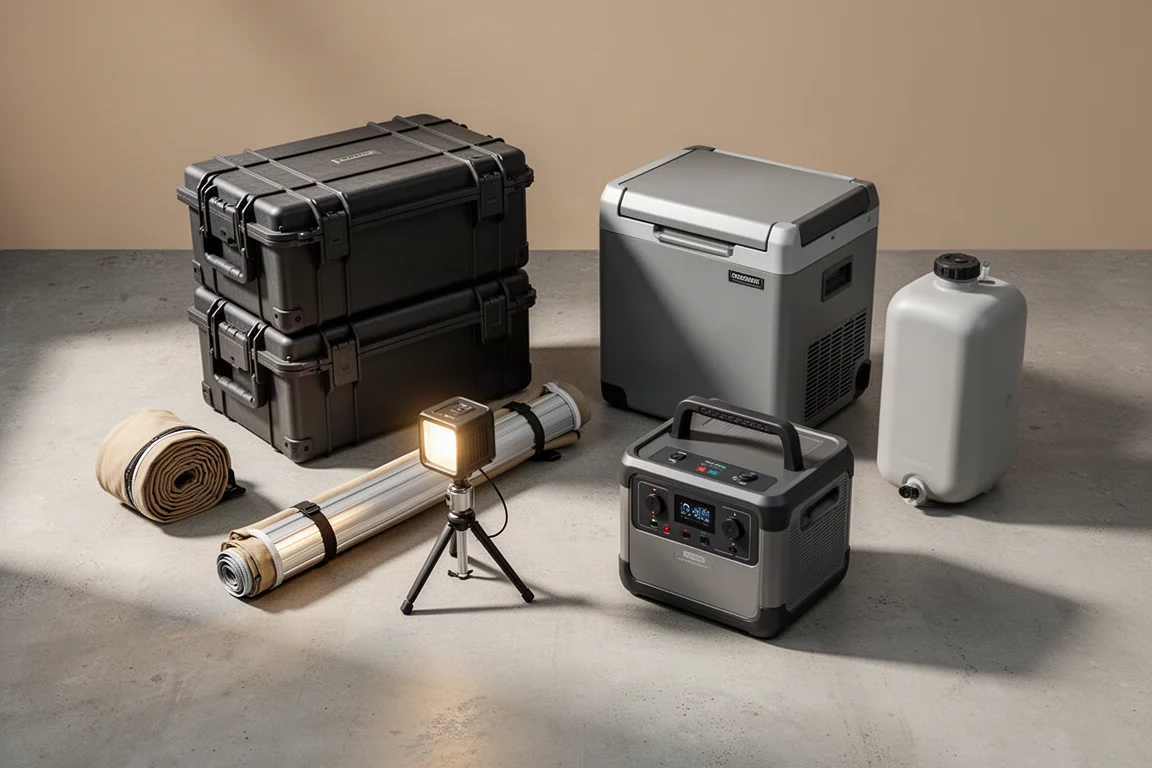
Three cases stacked tall and two deep fill the cargo area of a 4Runner neatly. Once stacked, they stay put well enough to handle serious bumps and the side-to-side rocking of back country roads. At camp they take on a second role: stacked, they reach roughly cabinet height, which keeps gear accessible without emptying everything onto the ground.
The older version uses plastic clips. That version may have been discontinued in favor of beefier metal clips at a slightly higher price. Even at the higher price, the change the system makes to packing is significant enough to justify it.
Yakima Major Shady 270: Shade in Seconds
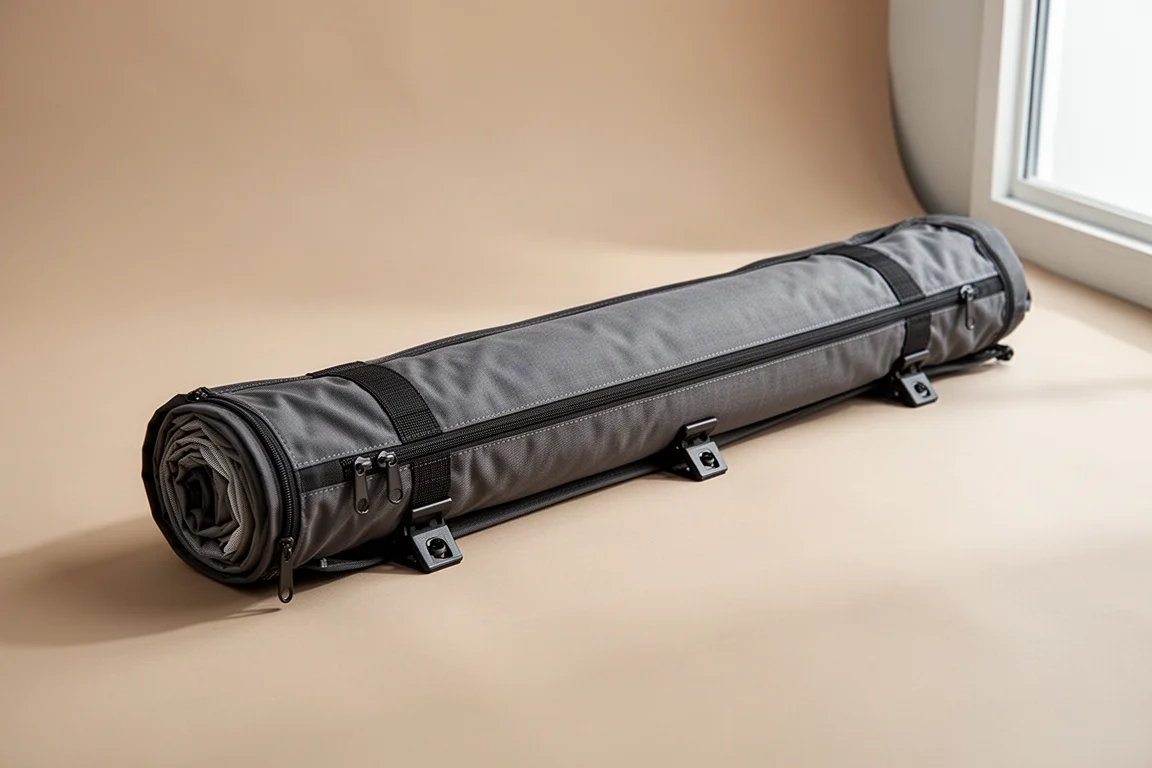
Vehicle-mounted awnings have a reputation for being more trouble than they are worth, particularly for anyone who prefers gear that works independently of the car. The Major Shady 270 from Yakima is the exception worth noting, mainly because of how quickly it opens and closes.
On a hot day with relentless sun, the payoff is immediate. Unzip the awning and there is usable shade within seconds, which is often the difference between sitting outside at camp and hiding in the vehicle through the middle of the day. Setup and pack-away are simple enough that the awning gets used rather than avoided.
The trade-offs are real, though. A 270-degree awning takes up a lot of roof rack space, it needs a vehicle with a T-track roof system, and it stays with the vehicle. If camp is set up even a few dozen feet from the car, it will not help at all.
Goal Zero Skylight: Turning a Campsite Into Daylight
Camp lighting is usually an afterthought until the first long winter evening, when a headlamp stops being enough. The Skylight from Goal Zero changes the character of a site after dark, spreading light across a wide area from a 12-foot tripod instead of pooling it in one spot.
Coverage is rated at up to 300 feet by the manufacturer. That number was not measured directly, but the light is more than enough to illuminate an entire campsite brightly enough to cook, work, and move around without carrying a torch.
Runtime depends on how it is powered. On its small internal battery, it runs up to 8 hours on the lowest setting and about 1 hour at the highest. Plugged into a power station, the same light runs up to 125 hours on low and 8 hours on high. It is designed to be connected to a power station, so that is the intended way to use it through long evenings.
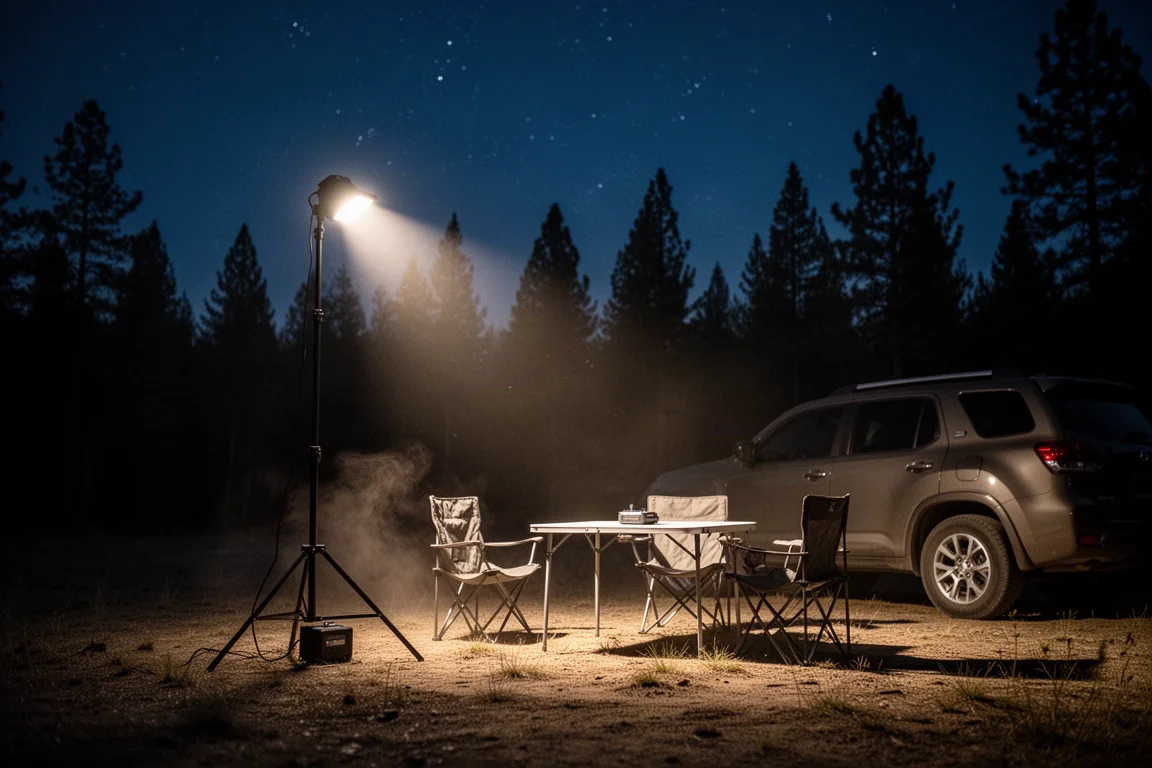
Because the tripod stands on its own, the light is not tied to the vehicle. It can be placed where the light is actually needed, which matters when the table, the cooking area, and the tents are spread out across a site.
Iceco APL 55: An End to the Ice Runs
Ice is the quiet limit on how long a trip can last. Most coolers hold ice for three to four days before they need to be restocked, which is a serious problem when the nearest town is hours away.
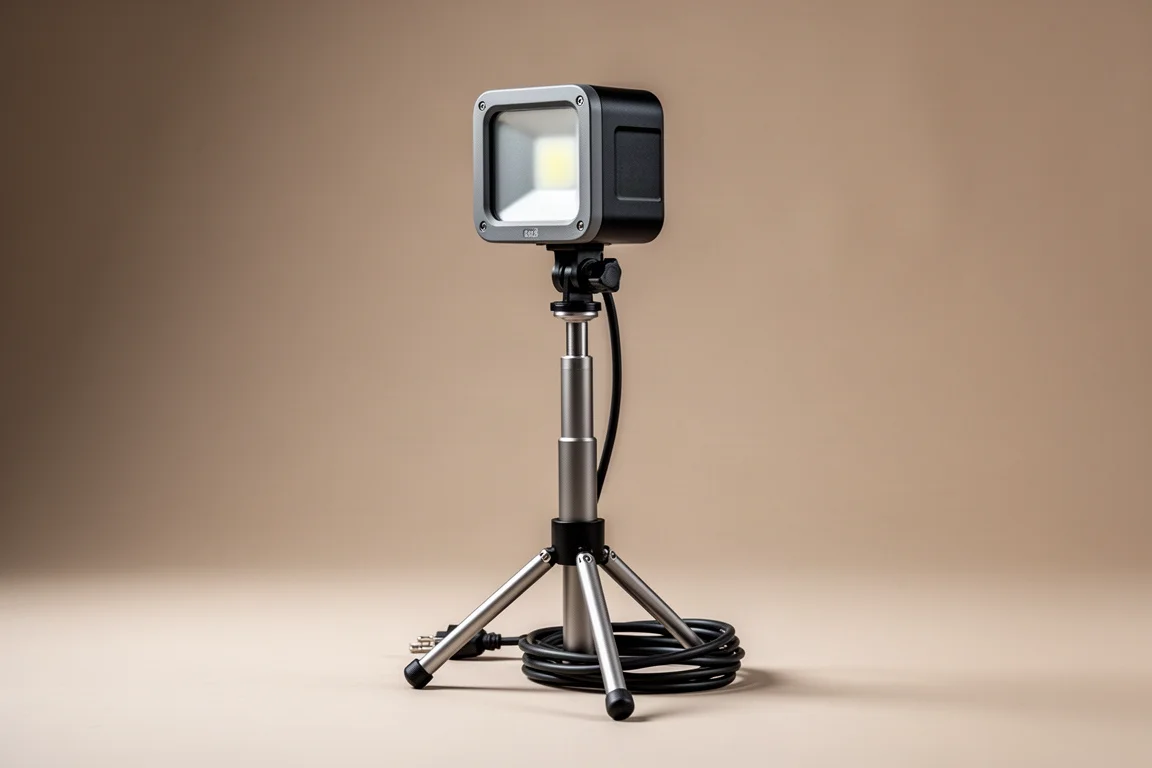
The Iceco APL 55 is a dual-zone fridge and freezer that removes the constraint entirely. Paired with a power station, it holds temperature for days on end, which means cold drinks and, better still, frozen food that a cooler cannot manage at all.
Two details make it practical in the field. Thick insulated walls keep power consumption low: on a multi-day trip, the unit ran mostly on battery power and never drew the paired power station below 95 percent, topping up from the vehicle during a couple of hours of driving between camps. The dual-zone layout is also flexible. Pull out the divider and the unit can run as all fridge or all freezer. If power is ever lost, the insulated body can still work as a cooler for a period of time.
EBL 1,000 W Power Station: Dedicated Power for the Fridge
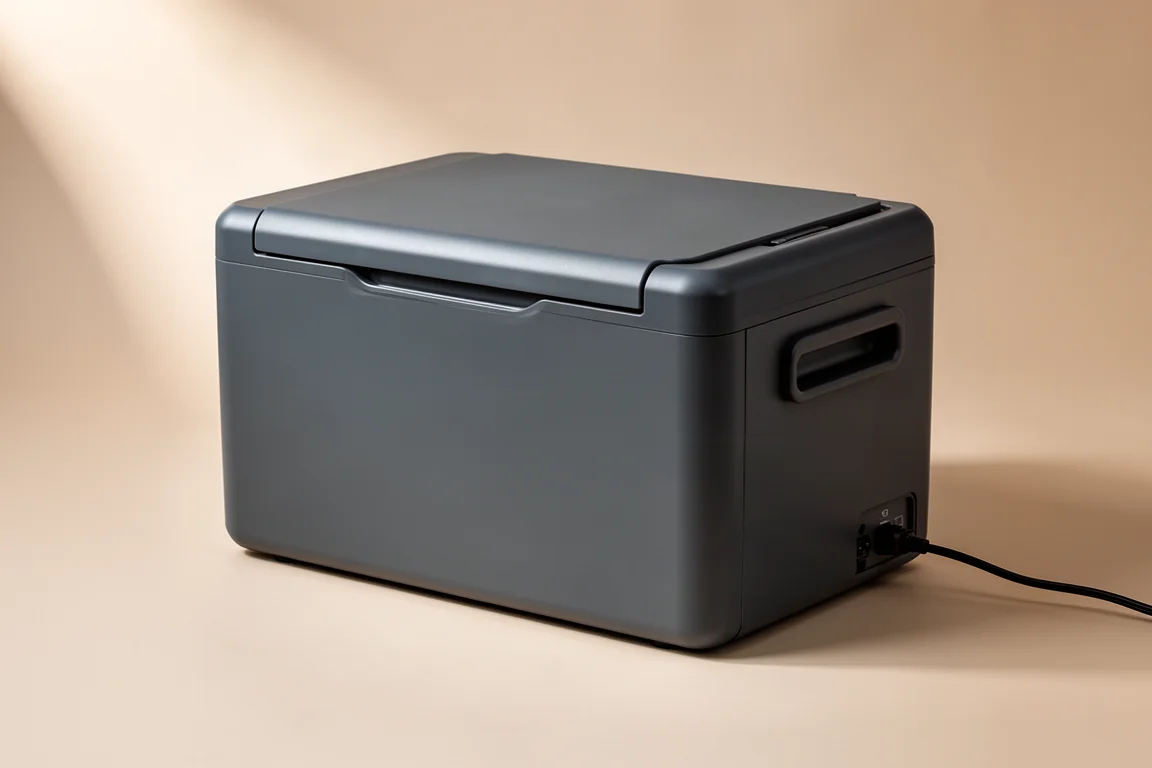
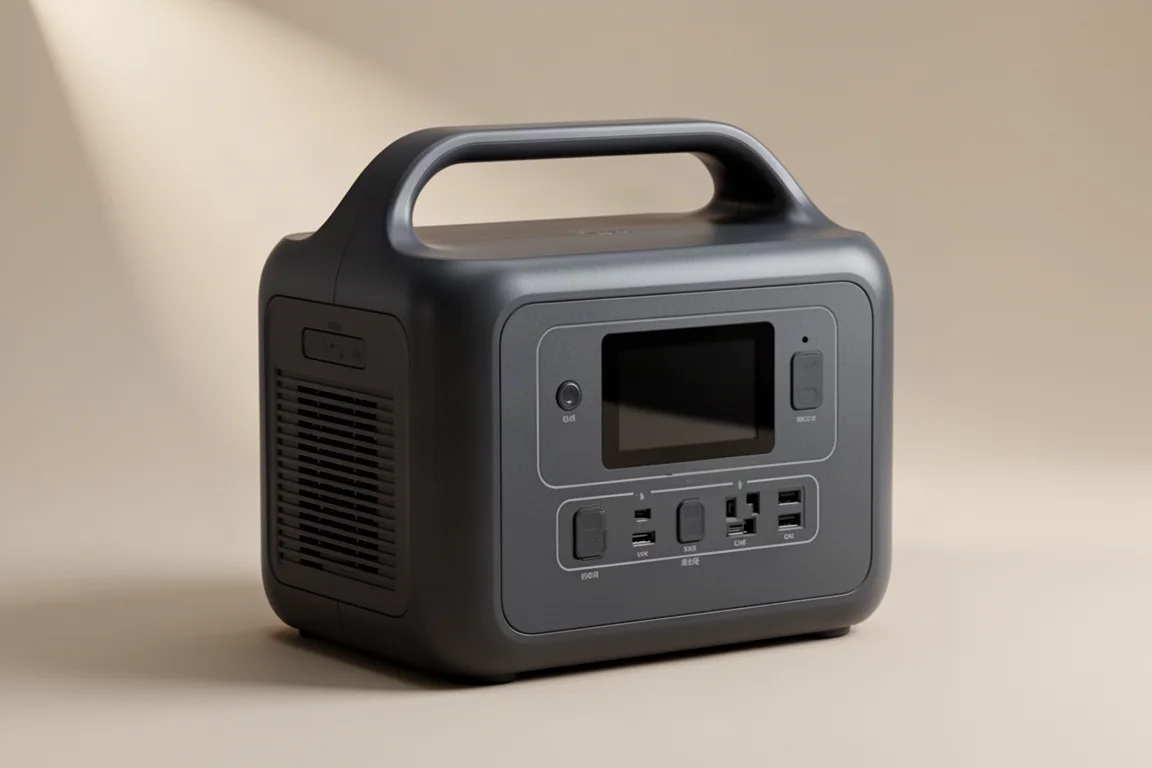
The power supply is the foundation of the whole setup, and splitting the load across two stations keeps it simple. The EBL 1,000 W station was dedicated to the fridge for the duration of the trip, so refrigeration never competed with lighting or device charging for the same battery.
Wiring is straightforward. The fridge plugs into the station, and the station recharges from the vehicle whenever camp moves. On a trip with only a couple of hours of driving between sites, that was enough to keep the fridge running without draining the battery.
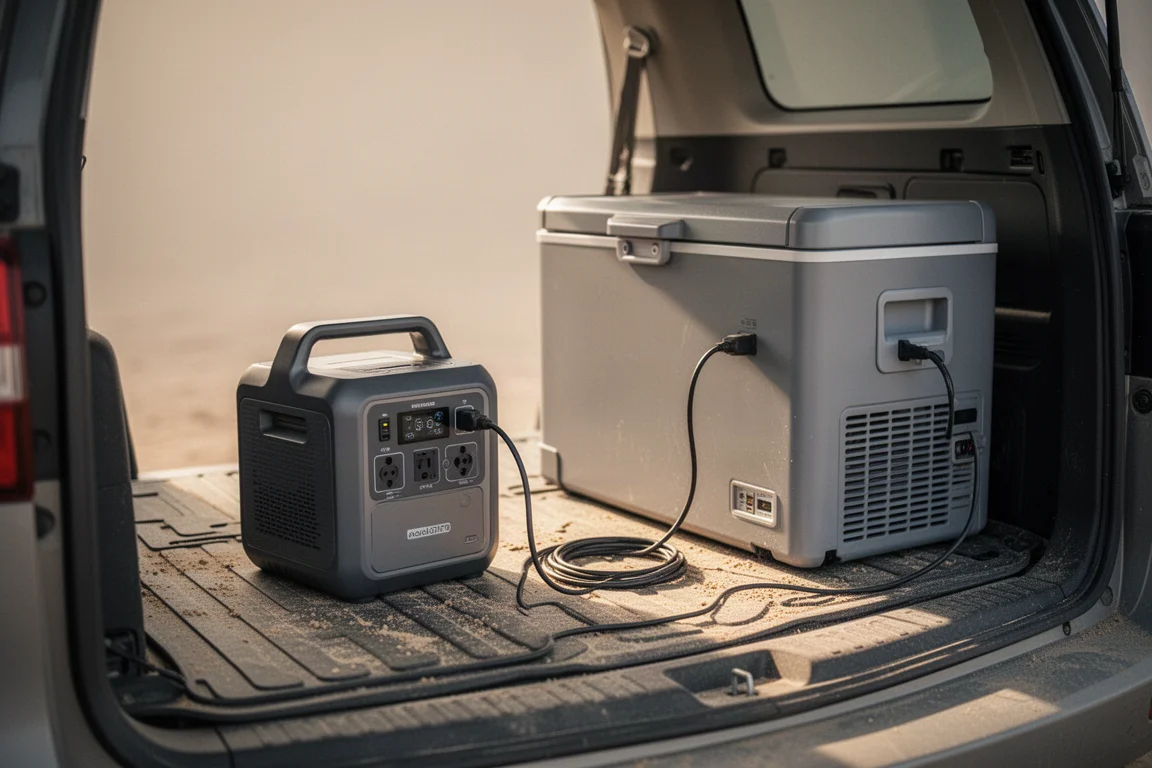
The 1,000 W class rating is the detail that matters when planning loads. It is enough to run a fridge continuously, which is why keeping one station on refrigeration duty rather than sharing a single unit across the whole camp makes sense.
Goal Zero Yeti Power Station: The Camp’s Power Hub
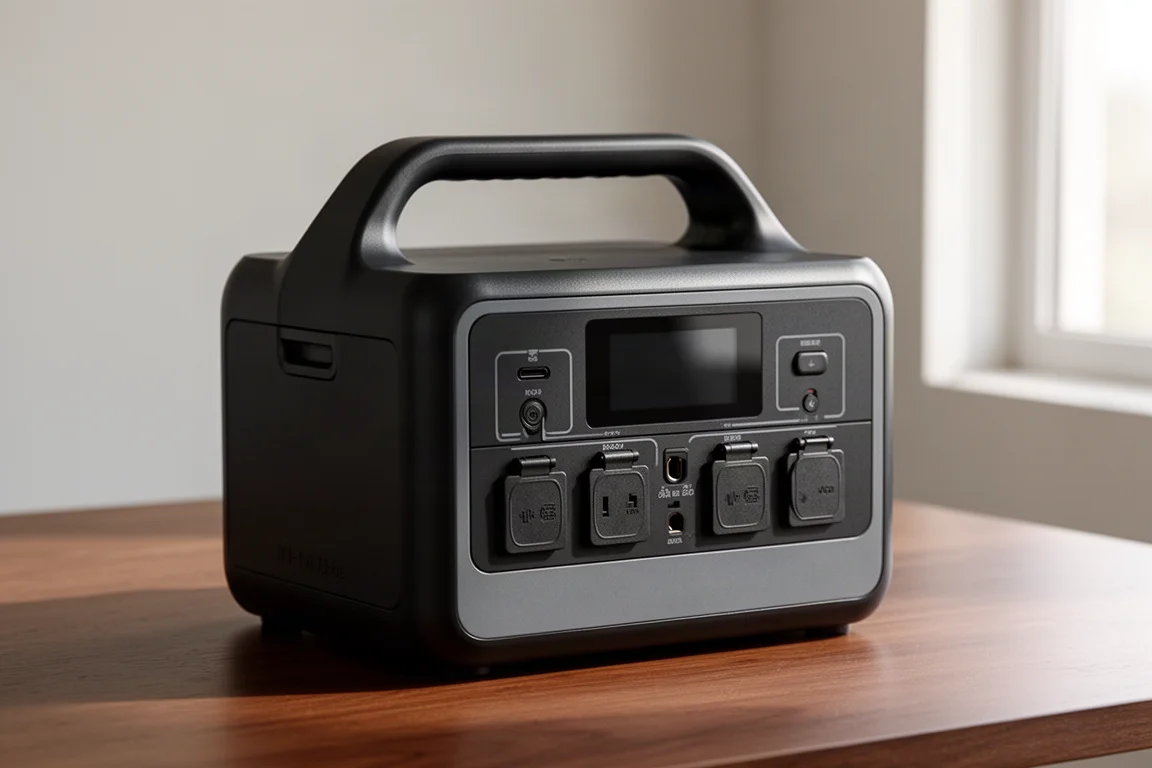
The second station handles everything that is not refrigeration. The Goal Zero Yeti powered the tripod light, kept phones charged, and supported an evening projector setup that ultimately did not work out as planned.
Like the EBL unit, this is a 1,000 W class station. Running the light, charging devices, and covering smaller loads from one station keeps the fridge supply isolated and predictable, which is the main reason to carry two rather than one large unit.
It also powers the camp water system described below, which makes it the piece of the setup that touches almost everything else.
Front Runner 10-Gallon Footwell Water Tank: Running Water at Camp
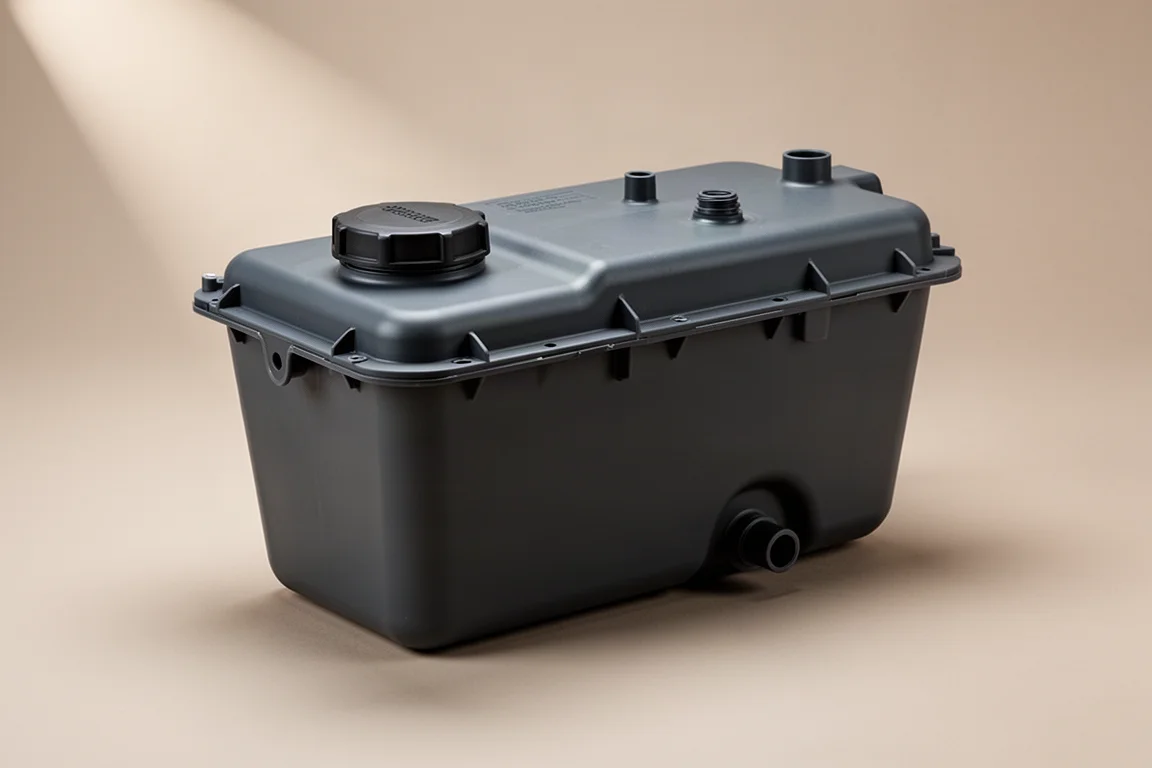
Running water at a remote site is the kind of upgrade that is easy to underestimate until it is there. The 10-gallon footwell water tank from Front Runner Outfitters, the same company behind the Wolf Pack cases, fits into a vehicle footwell and holds enough water for handwashing, dishes, and general camp use.
In this setup the tank feeds a small pump mounted in an inexpensive toolbox, wired to run from the Yeti power station and connected to a sink by a hose. The pump is on demand: turn on the tap and it starts, supplying water immediately. The sink itself is a build around a Front Runner case, an RV sink, and a cutting board, and it works well enough to feel like a permanent fixture rather than a project.
One practical note: use biodegradable soap, since the waste water ends up on the ground.
Buying Advice: Where to Spend First
Building a setup like this does not have to happen all at once, and the order below reflects how much each item changes a trip.
Storage comes first, because it makes every other item easier to use. Cases that stack and stay put remove the daily search for gear and give camp a place to put things down. From there, power is the next decision, since a fridge, a large light, and a water pump all depend on it.
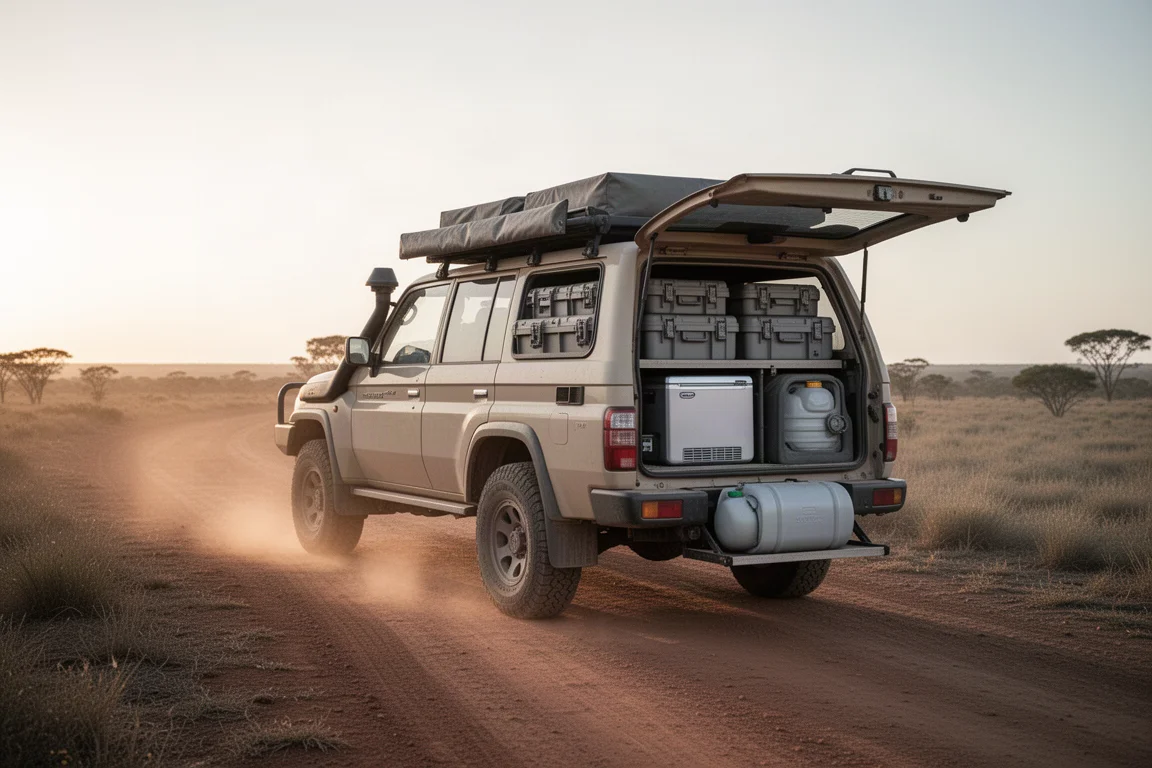
Comfort items come after the fundamentals. An awning earns its place on hot, exposed trips where the vehicle stays close, and a tripod light earns its place on long evenings and winter trips when darkness arrives early. Refrigeration and running water matter most on trips that stretch past a few days, when resupply stops being an option.
If the budget only stretches to one or two purchases, start with storage and a power station. Those two choices unlock the rest of the list over time.
Conclusion
A comfortable remote camp is less about any single product and more about how the pieces fit together. Storage keeps the vehicle and the site organized, power stations keep the fridge and the lighting running, and the awning, light, fridge, and water tank add the comfort that makes long trips worth repeating.
Match the list to the trips actually being taken. Short trips close to the vehicle reward shade and organization. Longer trips into the back country reward refrigeration, dependable power, and running water. Get those fundamentals right, and a site days away from anything starts to feel like a base camp.
Further reading
Related Reviews
Overland Camping Gear
Next-Level Overland Camp Gear: 6 Essentials for a Comfortable Remote Camp
Six pieces of overland camp gear that cover storage, shade, light, refrigeration, power, and running water, with the trade-offs worth knowing before you buy.

Backpacking Gear
Building a 10 lb Base Weight: An Ultralight Backpacking Gear List
A practical walkthrough of the ultralight pieces behind a 10 lb base weight, from a 765 g pack and a roomy one-person tent to a full camp chair and a dependable water filter.

Road Bikes
10 New Road Bikes Worth Watching: Aero, Titanium, Steel and Endurance Standouts
A practical roundup of 10 new road bikes, from aero flagships chasing single-watt gains to titanium, steel and endurance platforms built for real roads.