Overland Camping Gear
Next-Level Overland Camp Gear: 6 Essentials for a Comfortable Remote Camp
Six pieces of overland camp gear that cover storage, shade, light, refrigeration, power, and running water, with the trade-offs worth knowing before you buy.
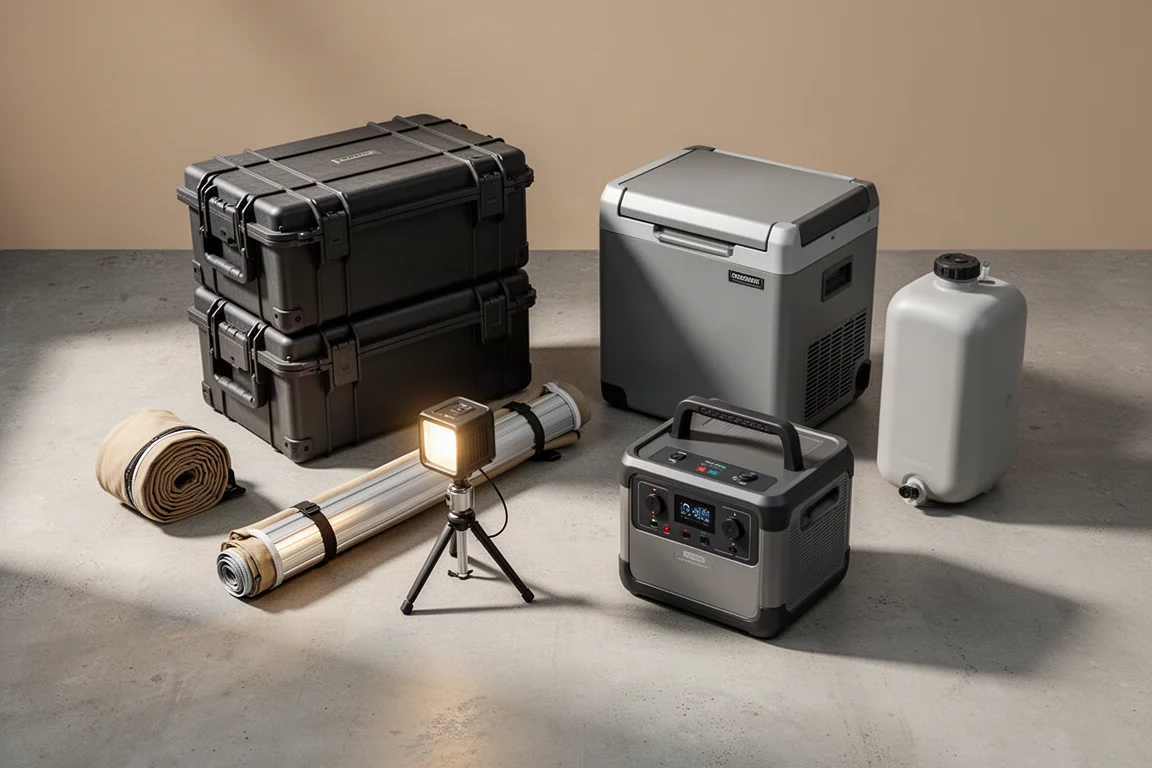
Introduction
Some of the best campsites sit days away from the nearest town, well beyond where an RV or a camper trailer can go. Reaching them takes a vehicle that can handle rough backcountry roads and a gear list that keeps everyone comfortable once the driving stops. The six items below cover storage, shade, light, refrigeration, power, and running water, and together they turn a remote campsite into a genuinely comfortable place to spend a week.
What Makes Camp Gear Worth Packing
A good vehicle-camping setup solves a small number of problems well. It keeps gear organized so that packing and unpacking never turn into a daily search. It holds up when the road turns rough. It reduces the number of things you have to think about after you park. And it works with the rest of the gear you already carry instead of competing with it for the same space and the same power.
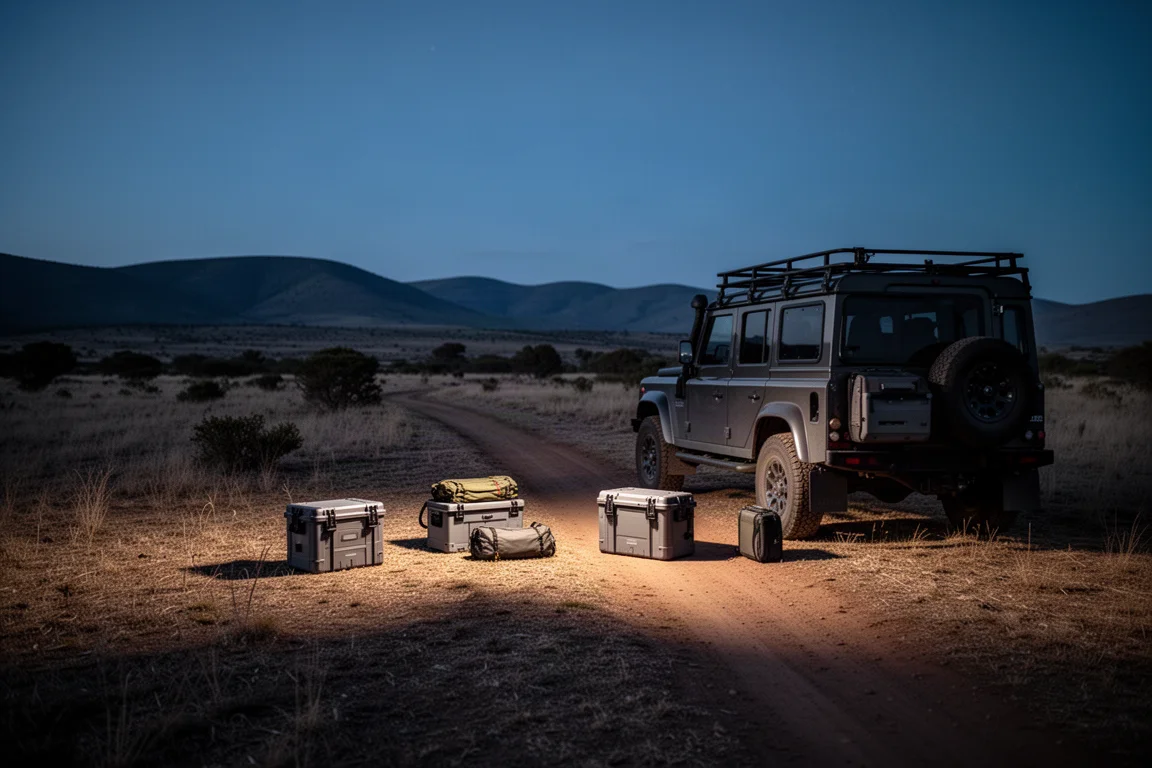
The order below follows how the gear fits into a camp rather than how much it costs. Storage comes first because everything else depends on it, followed by shade and light for the hours spent outside, and then refrigeration and power for the food and devices that make a long stay comfortable. Water closes the list, because running water is the detail that separates a decent camp from a genuinely easy one. Where a product carries a real trade-off, that trade-off is called out directly rather than buried.
Front Runner Outfitters Wolf Pack Cases: Modular Storage That Stacks Like Cabinets
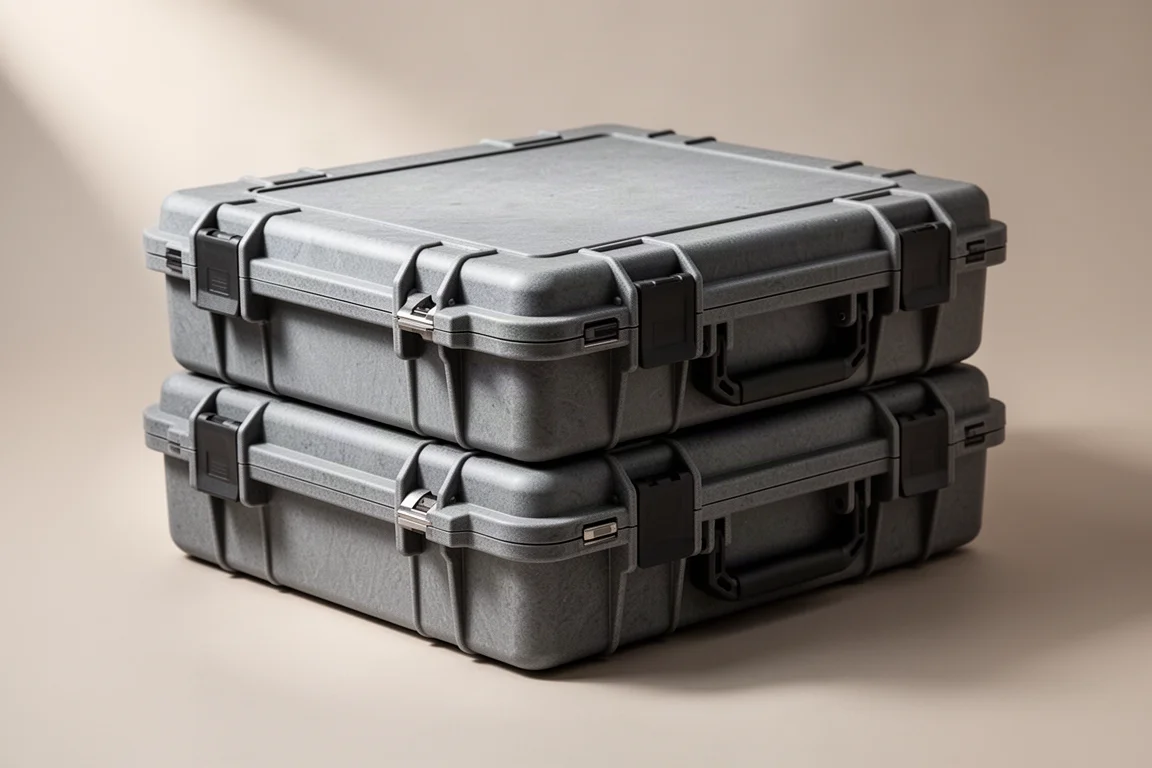
The Wolf Pack cases are modular, stackable storage cases, and they solve the messiest part of vehicle camping. In a 4Runner they stack three tall and two deep, filling the cargo area with a repeatable layout instead of a pile of loose items. Once stacked, they stay stable through serious bumps and the rocking that comes with backcountry roads.
At camp the same cases take on a second job. Stacked on the ground or on a tailgate, they reach roughly cabinet height, so gear stays accessible without unpacking everything to find one item. That combination of a stable road load and organized camp storage is what makes them worth the space they occupy.
Yakima Major Shady: 270 Degrees of Shade in Seconds
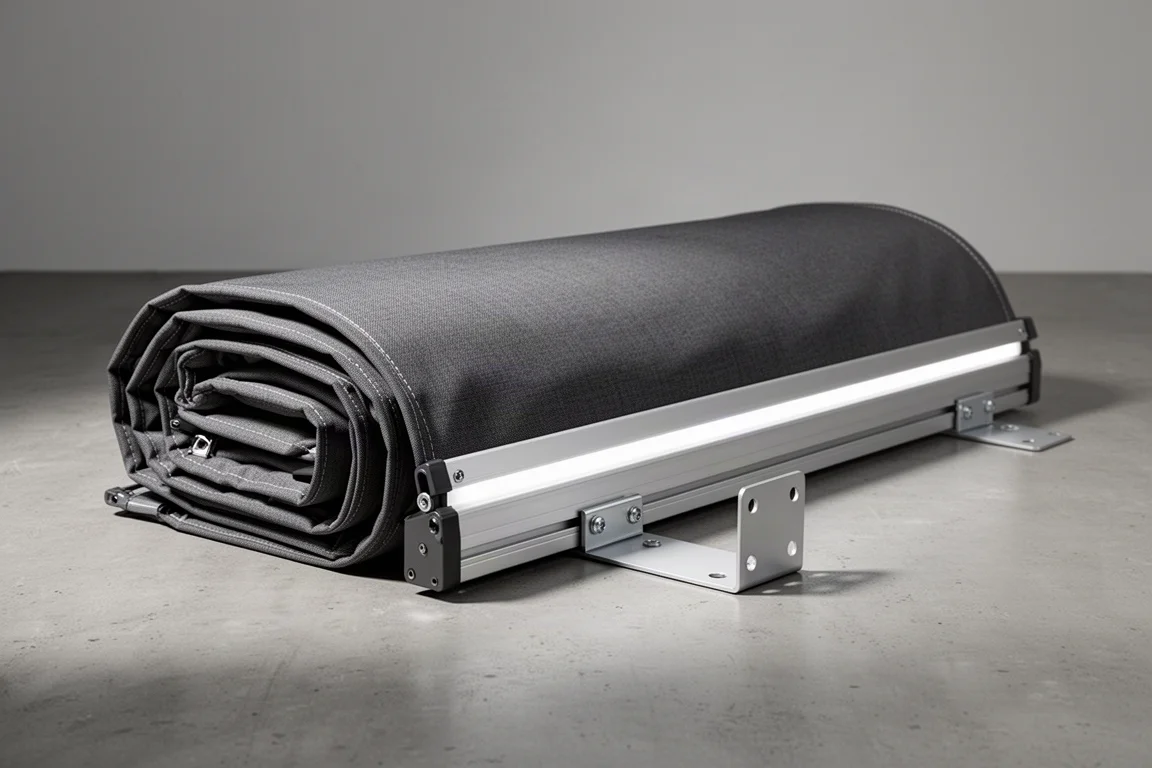
The Major Shady is a 270-degree vehicle awning, and its strongest argument is speed. Pull up to camp, unzip the awning, and there is usable shade within seconds. On a day that reached about 85°F with relentless sun, that shade was the difference between sitting outside comfortably and retreating into the vehicle.
It is not a perfect fit for every trip. The awning takes up a lot of space on the roof rack, it will not work on vehicles without a T-track roof system, and it stays attached to the vehicle, which means it offers little benefit if you camp any real distance from where you parked. Those are structural limits rather than minor annoyances.
Goal Zero Skylight: Campsite Lighting on a 12-Foot Tripod
The Skylight is the kind of product that sounds unremarkable until it is switched on. Mounted on a 12-foot tripod, it casts light across a very large area, and Goal Zero rates coverage at up to 300 feet. In practice it lit an entire campsite brightly enough to handle anything that needed doing after dark.
Power is where the design gets practical. The light is built to plug into a power station, but it also carries a small internal battery rated for up to 8 hours on the lowest setting and 1 hour on the highest. Connected to a power bank, those figures stretch to 125 hours on low and 8 hours on high.
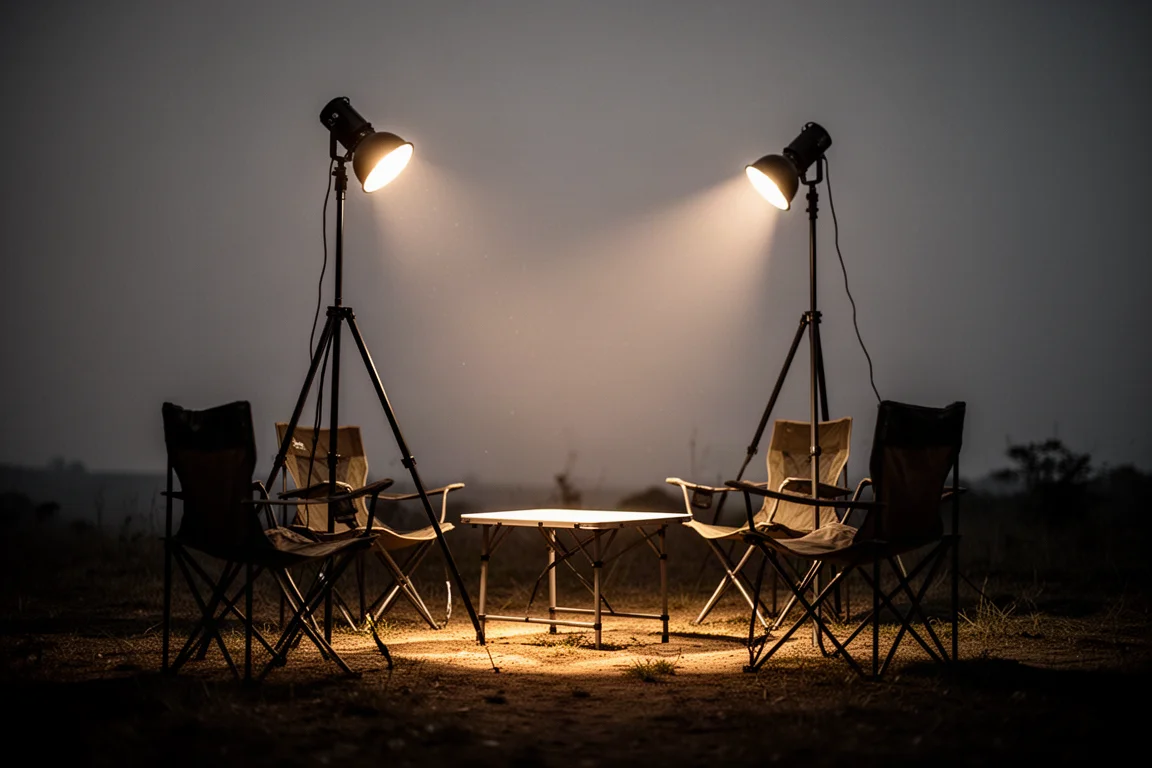
Because it is designed to run from a power station, the Skylight fits naturally into a larger camp power setup rather than demanding its own separate charging routine.
Iceco APL 55: A Fridge and Freezer That Ends the Ice Runs
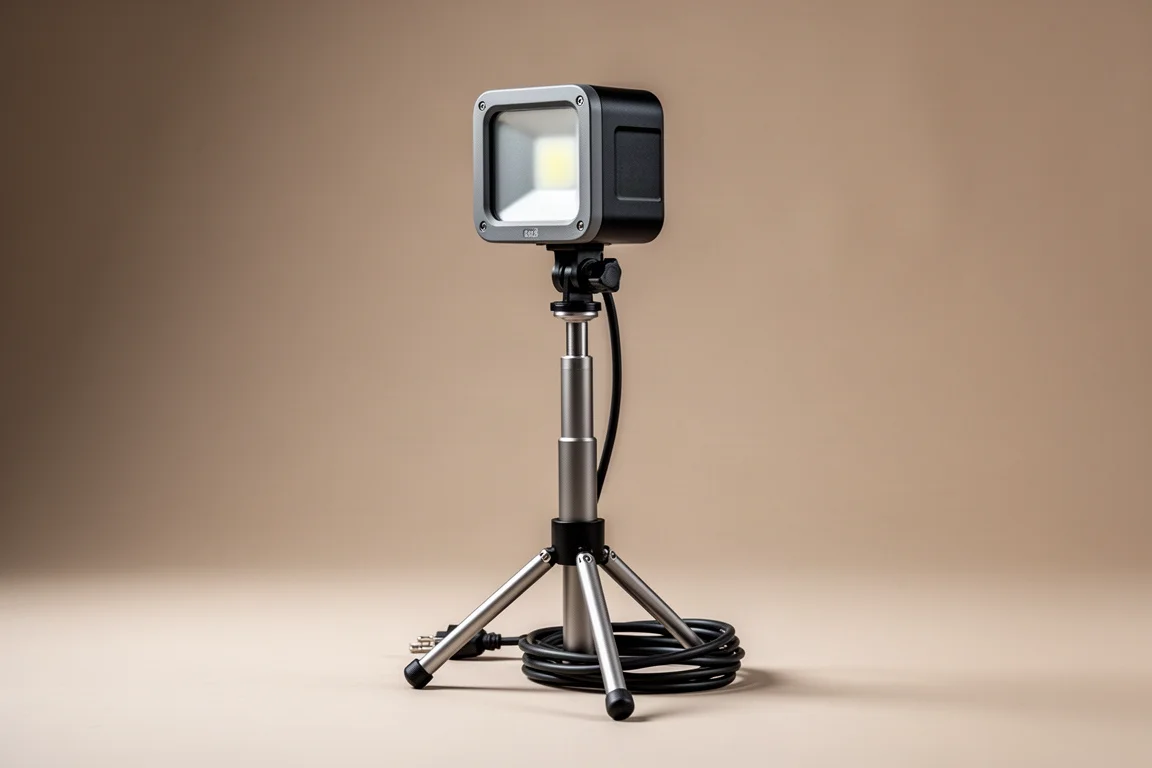
The APL 55 is a dual-zone fridge and freezer, and it removes the single most tedious chore of long trips. Most coolers hold ice for only three to four days before needing a resupply, which is a serious problem when there is no store anywhere nearby. Running from a power station, the APL 55 stays cold for days on end.
Its power behavior is what makes that realistic. On a trip where the vehicle moved only a couple of hours each day, the fridge ran mostly on battery power and never pulled the paired power station below 95 percent. Thick insulated walls keep consumption low, and if power were ever lost, the unit could still serve as a cooler for a while.
The APL 55 is also flexible about how it is used. Pull out the divider and the unit runs as all fridge or all freezer, or the two zones can be set to whatever temperatures you want. An integrated drawer slide is available to make access easier.
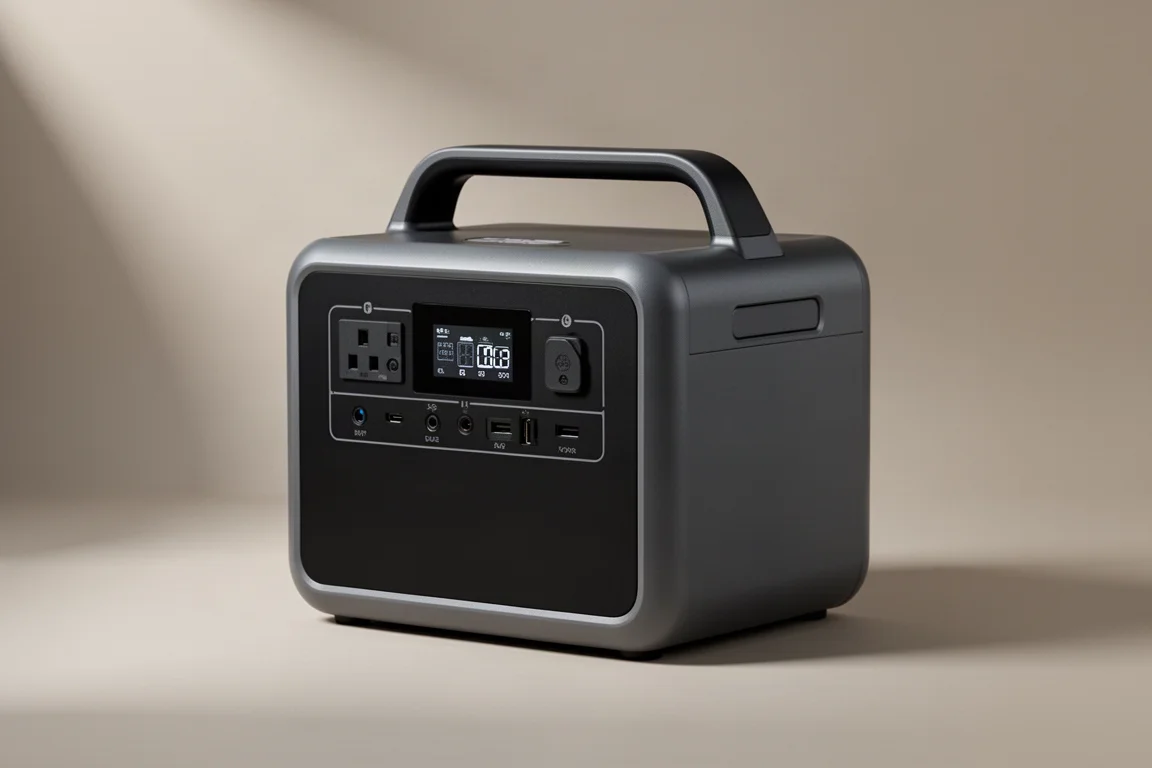
Goal Zero Yeti: The Power Station at the Center of Camp
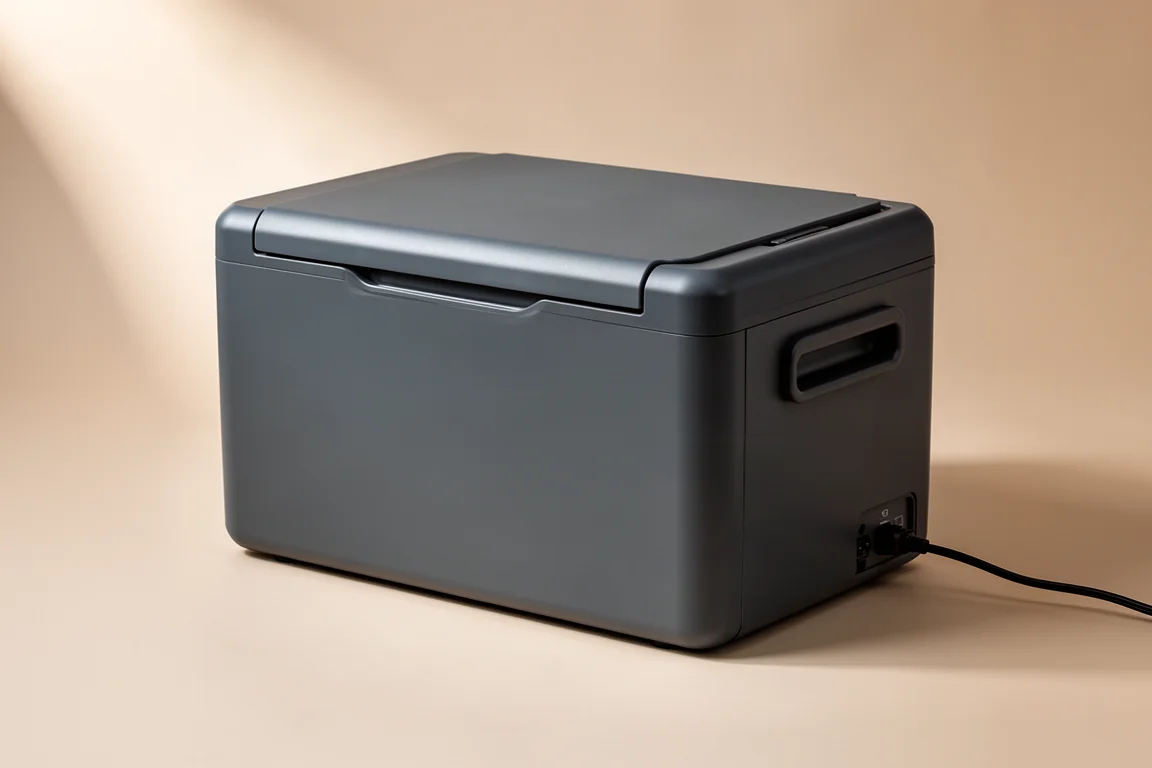
The Yeti is a 1,000 W power station, and on a long stay it becomes the hub that everything else plugs into. It ran the Skylight, kept phones charged, and powered a projector for evening entertainment. A second power station stayed dedicated to the fridge so that the two jobs never competed for the same battery.
The projector turned out to be the weak link rather than the power supply. A budget projector without HDR playback would not play the movie, so the plan ended up on a laptop instead. That is a useful reminder that camp appliances vary, and it is worth testing devices at home before relying on them in the backcountry.
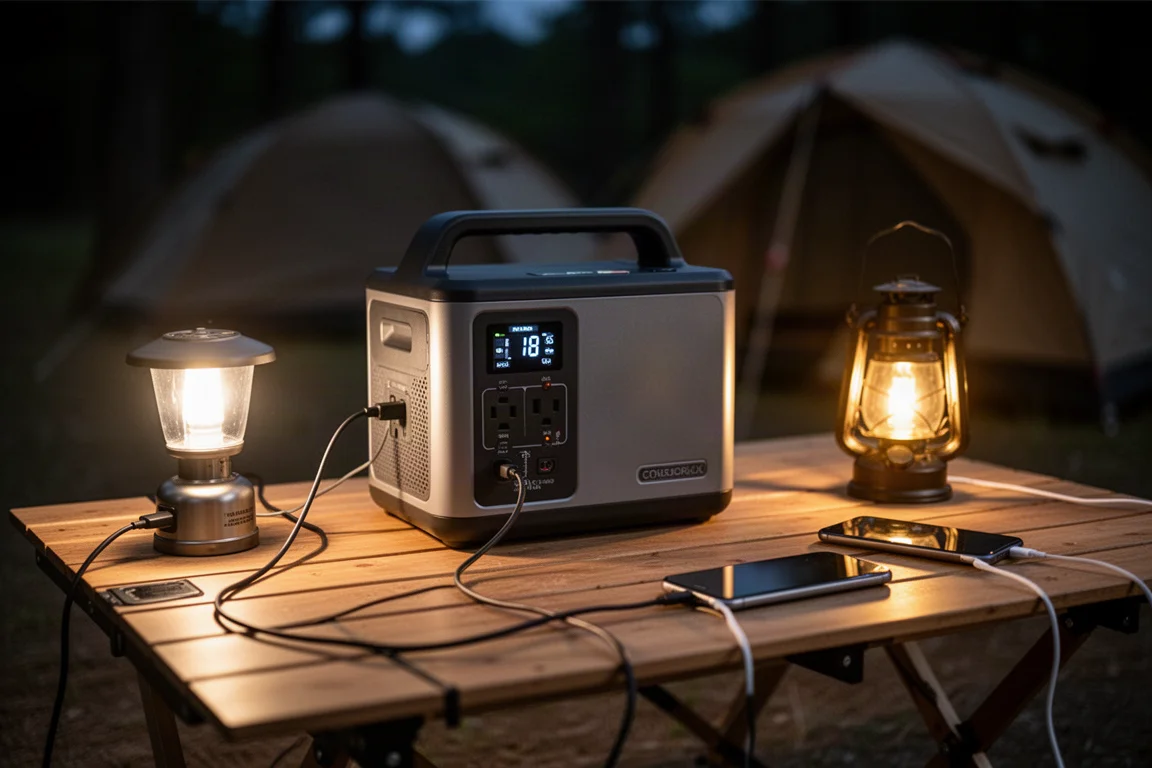
What makes the Yeti worth carrying is how many jobs a single unit takes on. Lighting, charging, and small appliances all run from the same box, and it recharges from the vehicle whenever you move to a new location.
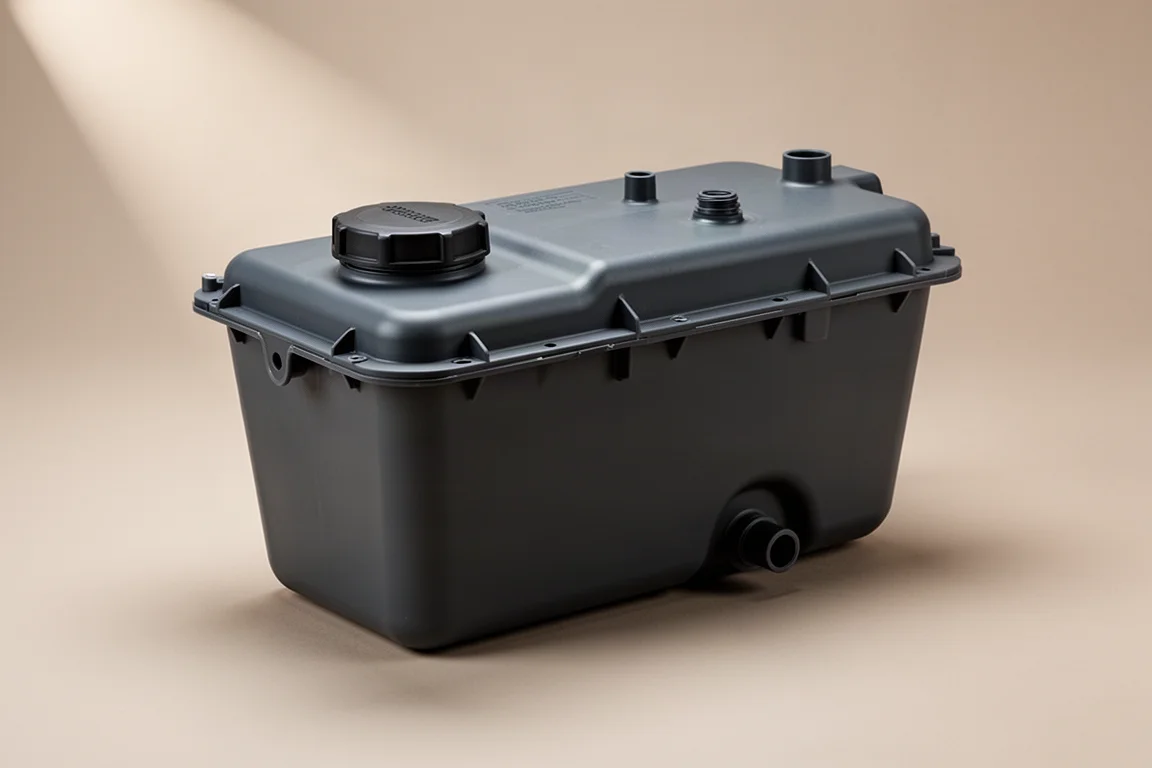
Front Runner Outfitters 10-Gallon Footwell Water Tank: Running Water at Camp
The 10-gallon footwell water tank comes from the same company as the Wolf Pack cases, and it puts otherwise wasted space to work. The tank fits into a vehicle footwell, which keeps the weight low and leaves the cargo area free for everything else.
Paired with a small water pump installed in a toolbox and wired to plug into the power station, the tank delivers on-demand running water. A hose runs to a sink, and every time the sink is switched on, the pump starts and supplies water for washing hands, dishes, or whatever else needs it. Biodegradable soap is the right choice for washing outdoors.
The sink in this setup was built from a Front Runner case, an RV sink, and a cutting board, which shows how far a modular storage system can be pushed with a little planning.
Buying Advice: Matching Gear to How You Camp
Start with storage, because it determines how well everything else works. A modular case system that fits your cargo area properly makes the rest of the gear easier to use, and it keeps paying off at camp when the same cases become shelving. If a case system stacks stably and doubles as furniture, the higher price of the newer clip design is easier to justify.
Vehicle-mounted shade is worth considering if you tend to park and stay put, but it is a poor fit for trips where camp is set up well away from the car. The awning needs roof rack space and a T-track mounting system, and those are real constraints rather than minor details.
Power and refrigeration should be planned together. A fridge with good insulation draws little enough that a power station can run it for days while recharging from the vehicle between stops, and the same station can carry lighting and charging duties. Water is the last piece, and a footwell tank with a small pump is a compact way to get running water without carrying separate jugs.
Conclusion
None of these six items is exotic on its own, but together they cover the problems that decide whether a remote camp is comfortable or merely survivable. Organized storage, reliable shade, strong light, food that stays cold, power that keeps everything running, and water on demand are what make a week far from anywhere feel effortless.
Further reading
Related Reviews
Overland Camping Gear
Overland Camp Gear That Works Off-Grid: 7 Upgrades for a Comfortable Base Camp
Seven overland camp upgrades that keep a remote base camp organized, powered, shaded, and stocked with cold food and running water.

Backpacking Gear
Building a 10 lb Base Weight: An Ultralight Backpacking Gear List
A practical walkthrough of the ultralight pieces behind a 10 lb base weight, from a 765 g pack and a roomy one-person tent to a full camp chair and a dependable water filter.

Road Bikes
10 New Road Bikes Worth Watching: Aero, Titanium, Steel and Endurance Standouts
A practical roundup of 10 new road bikes, from aero flagships chasing single-watt gains to titanium, steel and endurance platforms built for real roads.