Backpacking Gear
Outdoor Vitals Winter Layering System: Six Pieces That Work Together
A practical look at a six-piece winter layering system, from merino-blend base layers to a lofted down camp jacket, and how each piece earns its place.
Introduction
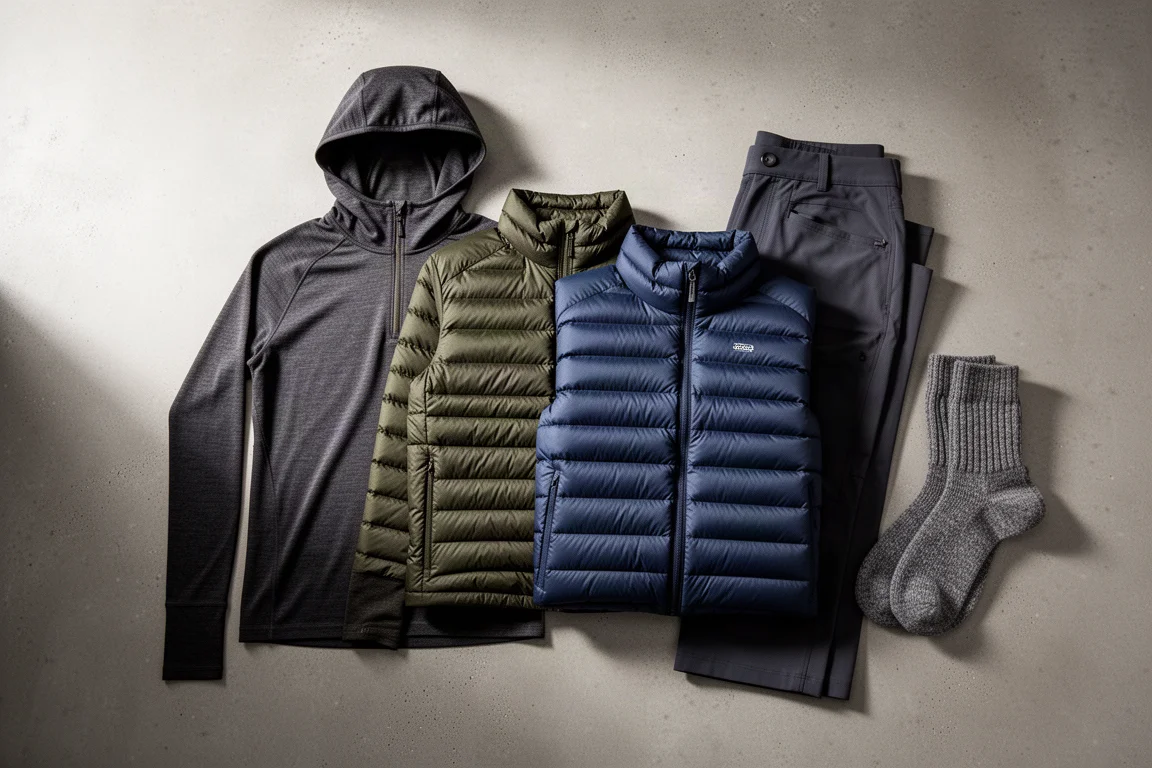
A winter layering system works best when every piece has a specific job and the pieces are chosen to work together. The Outdoor Vitals range is built around that idea, and six pieces form the core of it: merino-blend base layers that move moisture away from the skin, a synthetic mid layer for the hours you spend moving, a lofted down jacket for camp, and fast-drying trail pants that cope with wet snow.
The order in which those pieces go on matters as much as the pieces themselves. Work through the sections below and the logic becomes clear: move sweat off the skin first, hold warmth while you hike, then add serious loft only once you stop.
How the Layering System Fits Together
The system runs in four stages. A base layer sits directly against the skin and pulls moisture away from the body. A mid layer traps heat while you are moving and tolerates a certain amount of accidental sweat. A high-loft insulation piece goes on when you stop moving and your body stops producing heat. A shell sits on the outside and blocks wind and snow.
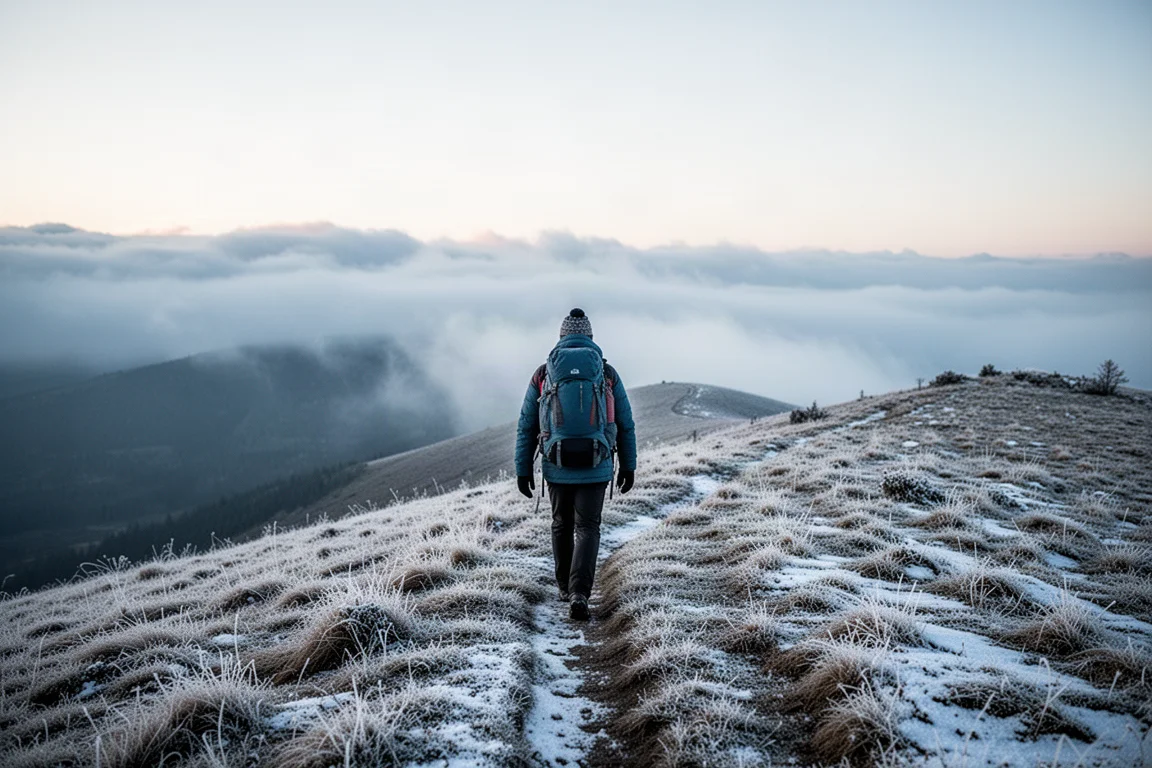
Moisture has to travel outward through every one of those layers, which is why the shell stays in the pack unless conditions demand it. If sweat reaches the outer layer and cannot escape, the work the base layer did is wasted.
Base Layer: Dragon Wool Hoodie
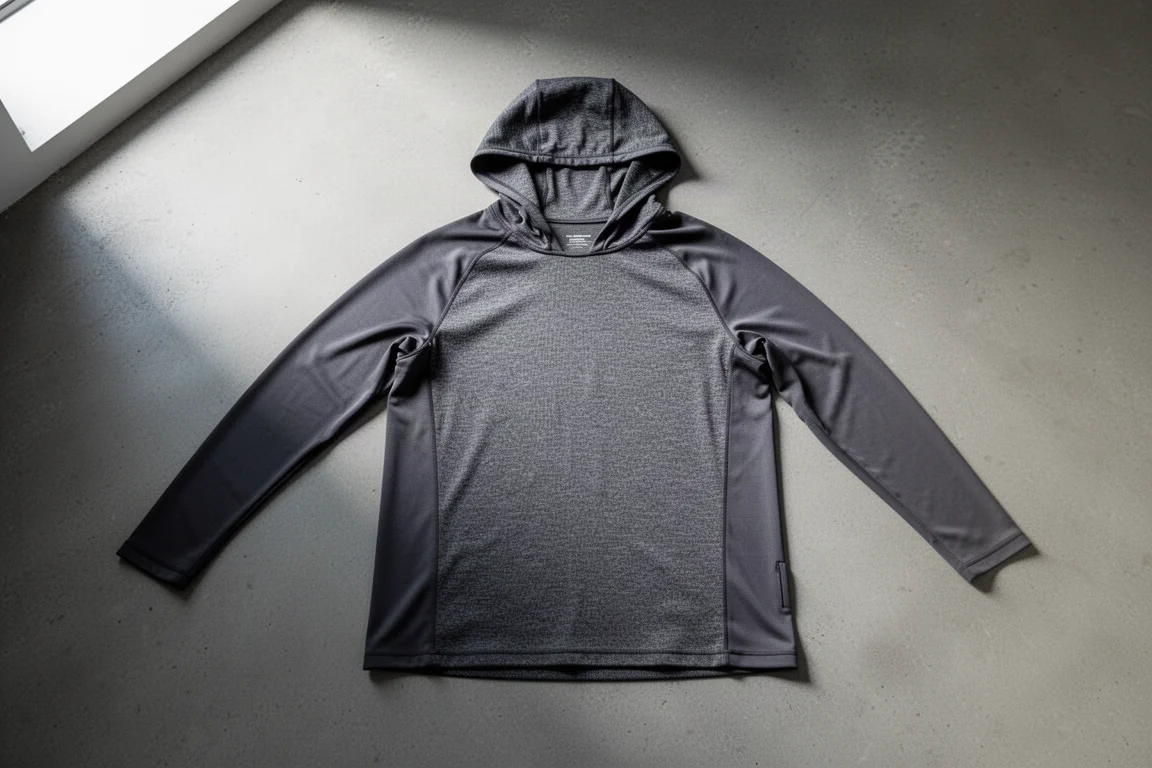
Dragon Wool is the foundation of the system. The fabric pairs a merino wool interior with a polyester jersey face on the outside. Wool is hydrophilic, so it draws moisture into itself, while the synthetic face spreads that moisture outward and dries faster than wool alone.
That combination is why the hoodie can be worn directly against the skin with nothing underneath it. Pure wool manages moisture but holds onto it, and a purely synthetic layer dries quickly but does not behave the same way against the skin. Blending the two aims to take the best of both approaches, which is what makes this the highest-value piece in the stack.
Base Layer: Dragon Wool Boxers
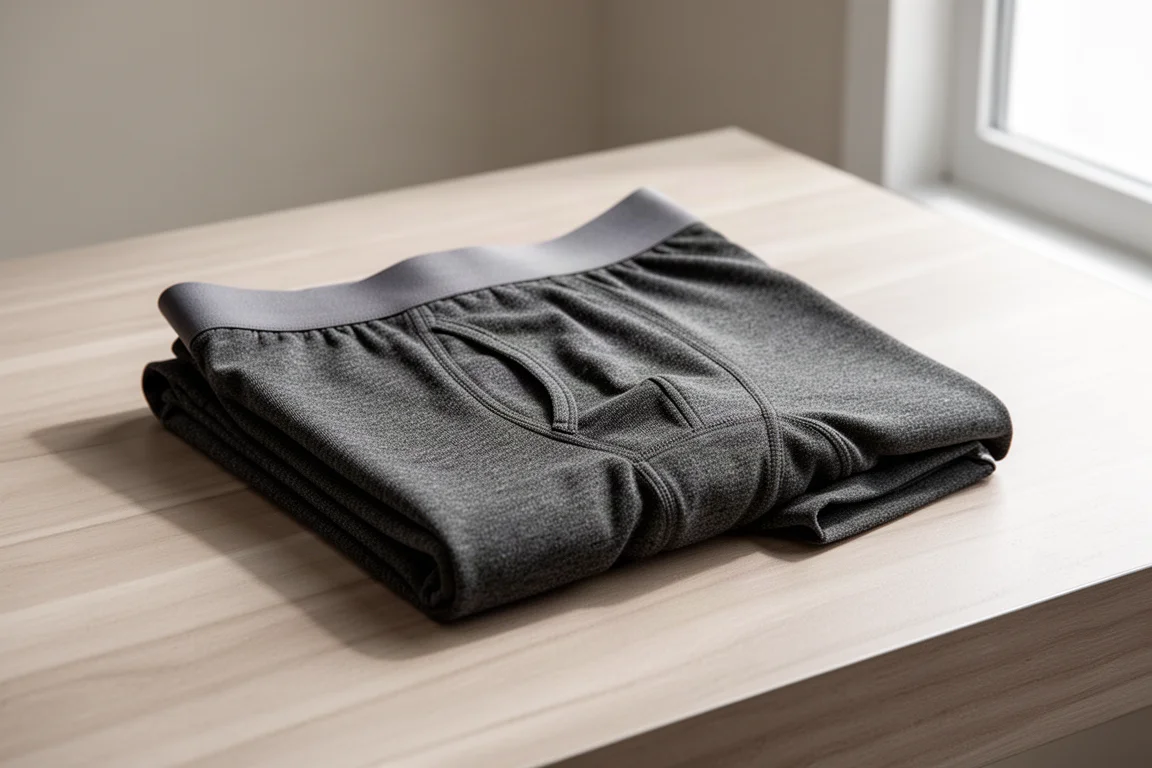
The lower body gets the same treatment. Dragon Wool boxers sit closest to the skin and use the same merino and synthetic construction as the hoodie, so the moisture management works the same way underneath a pair of trail pants.
Base Layer: Dragon Wool Zip-Off Pants
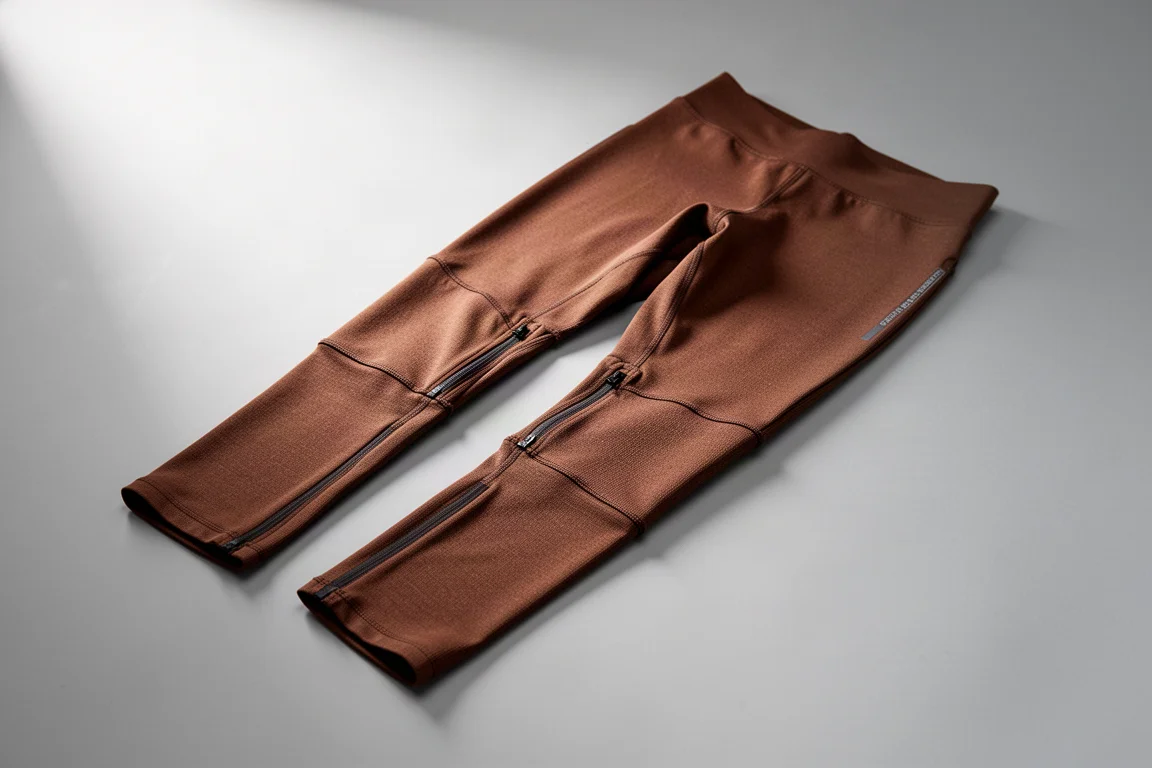
Dragon Wool zip-off pants add a second lower-body layer over the boxers. The zip-off design is the practical part: when the sun comes out and the climb gets steep, they can be removed quickly without a long stop, then put back on when the temperature drops again.
Mid Layer: LoftTek Jacket
The LoftTek jacket goes over the Dragon Wool and, for most of a hike, it is the only layer you need on your upper body. It retains a lot of heat and handles accidental sweating in cold conditions better than a down piece would.
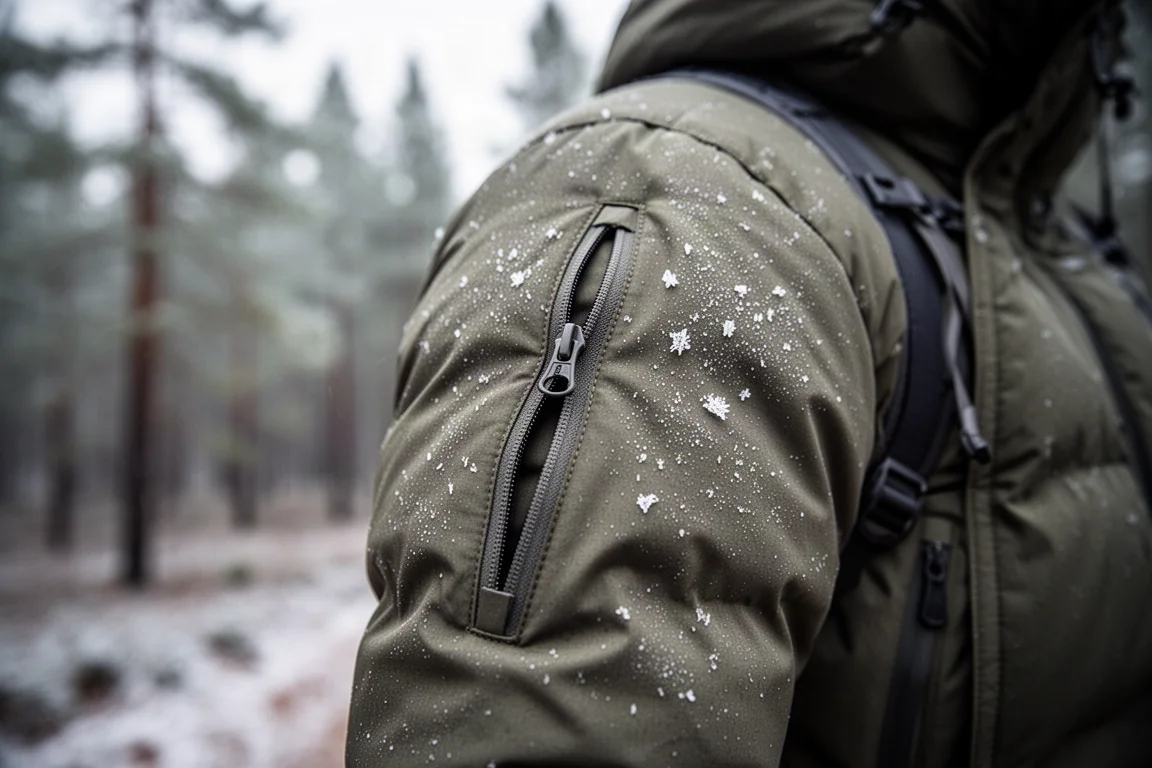
Pit zips give you a way to dump heat on a climb without stripping the jacket off entirely. This is the layer that does the most work between the trailhead and camp, and it is the one most hikers will end up wearing the longest.
High-Loft Insulation: Regulator Down Jacket
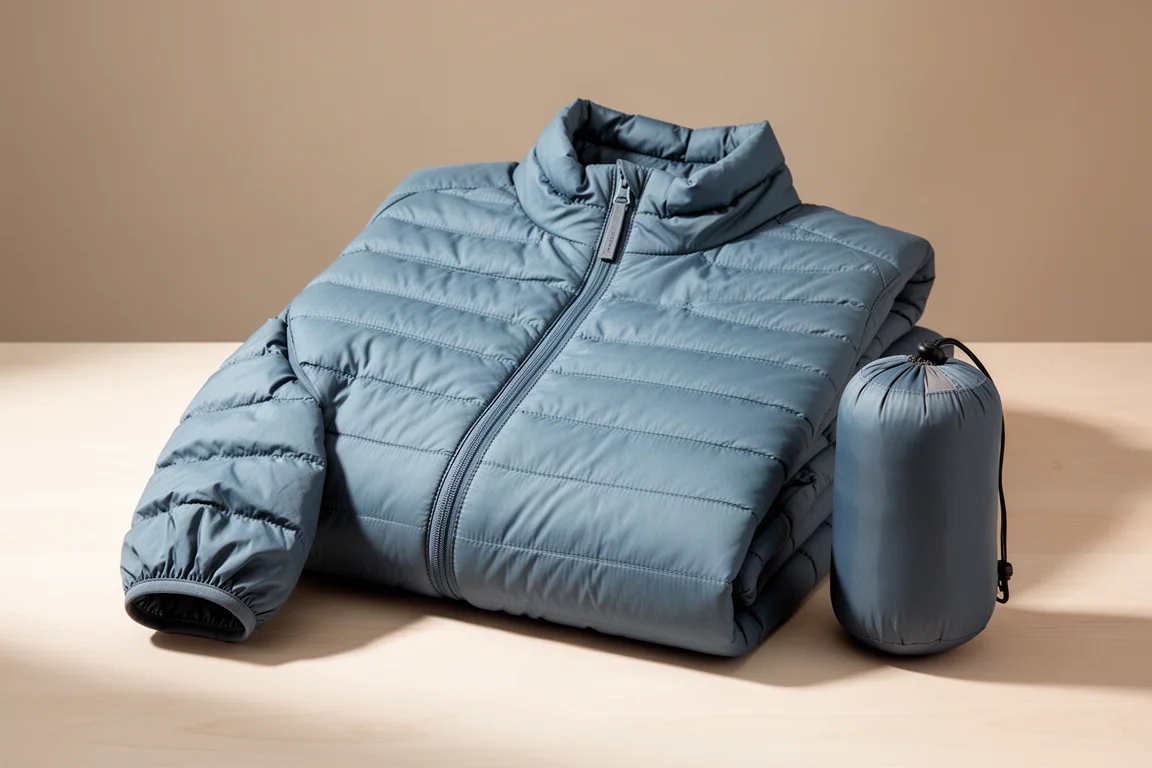
Once you stop moving, the Regulator down jacket takes over. It is the warmer of the two insulation pieces, lofts up more, and uses larger baffles with HyperDrive down that stays highly water resistant. It also keeps pit zips for venting when you are working around camp.
The difference between the two insulation layers is about how much heat your body is producing. The mid layer is for movement, the down jacket is for standing still, and having both means you are covered at either end of the day.
Trail Pants: Sawtooth Pants
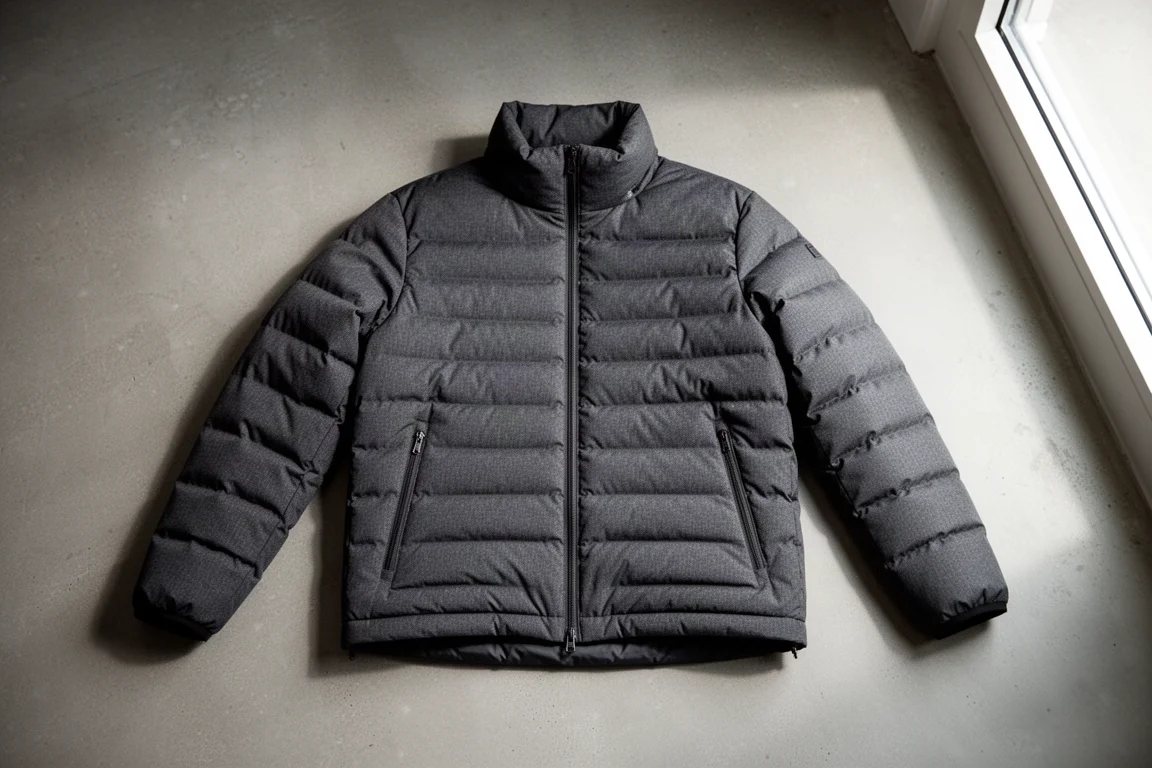
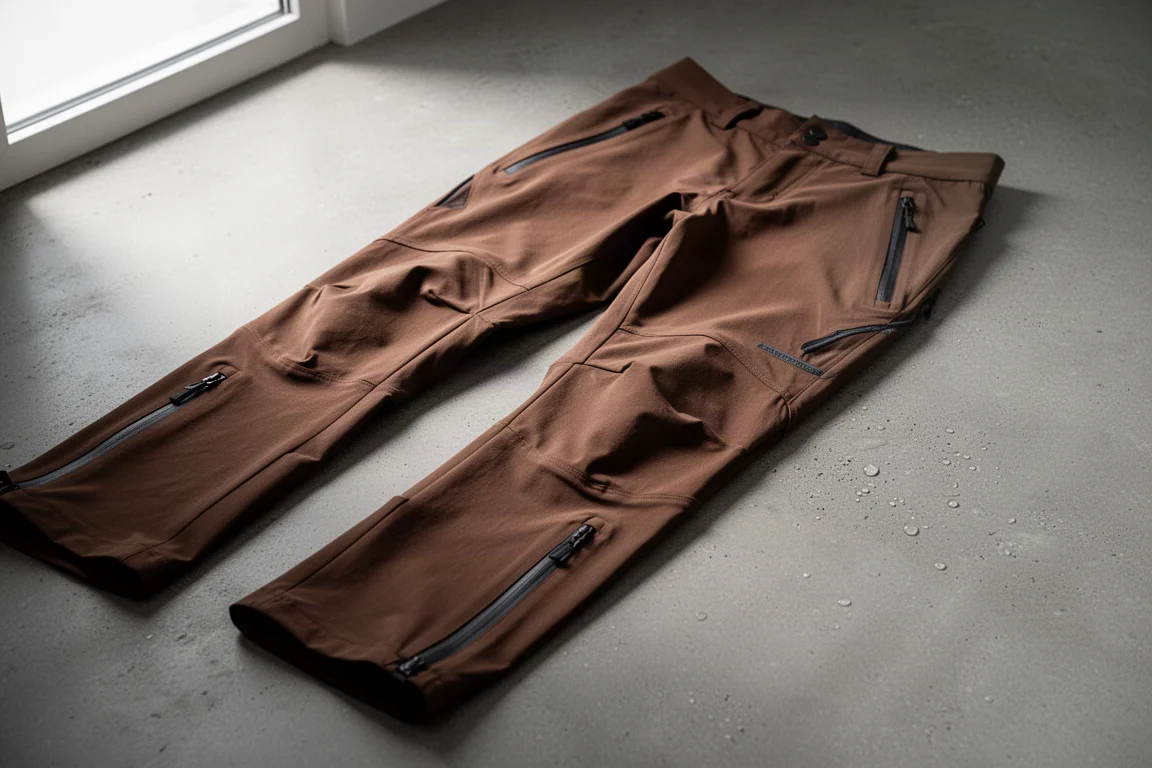
Sawtooth pants are the trail layer for your legs. They have a DWR coating that repels water and they dry very quickly, which matters when you are kneeling in snow or pushing through wet brush. They have taken repeated soakings in a single day and dried out again the same day.
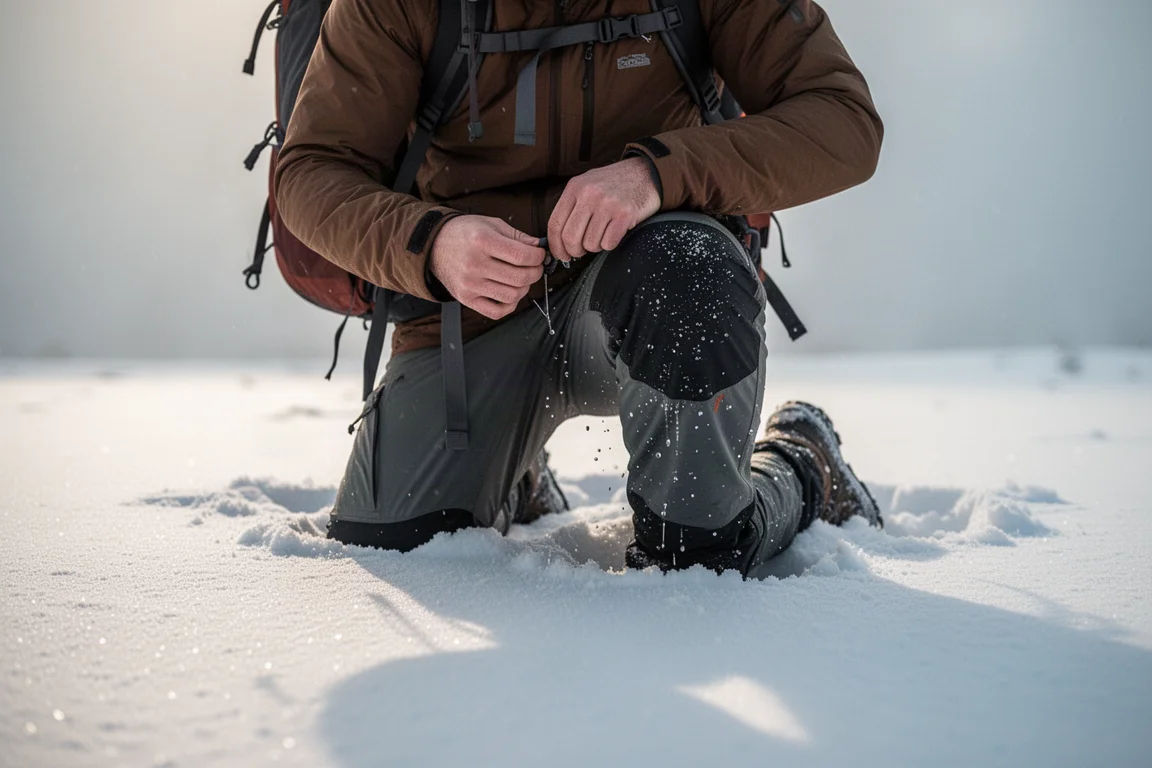
Side zipper vents let you open them up when you are hiking in the sun and close them again when the temperature falls. That flexibility is what makes them a good match for the Dragon Wool layers underneath.
Shell, Gloves, and Footwear
The shell is the piece you carry but rarely wear. A lightweight rain jacket breaks the wind and keeps snow off, but it is also the layer that traps moisture if you sweat inside it, so it stays off until the weather forces the issue. At camp, a pair of puffy down pants fills a similar role at the other end of the spectrum: a luxury rather than a necessity, far too warm to hike in, and useful only once you have stopped for the day. Zip-off rain pants can double as a windbreaker and a dry layer around camp.
Hands follow the same logic. A mitten, or a glove with a mitten effect, is warmer than a five-finger glove, and a thin liner glove underneath keeps your fingers usable when you pull the outer layer off. A waterproof outer glove keeps your hands dry when you are handling snow.
Feet are where the system has the highest stakes. A wool sock and an insulated boot make the difference between comfort and a genuine cold-weather problem. Some of the pants in the range also include a roll-back flap that can be cinched down and clipped to a boot, which works as a light gaiter when there is not much snow on the ground.
Buying Advice
Start with the base layer, because it does the most work and everything above it depends on it. If you add only one piece to your winter kit, make it Dragon Wool. It is the layer that keeps moisture off your skin, and it determines whether the rest of the system functions the way it should.
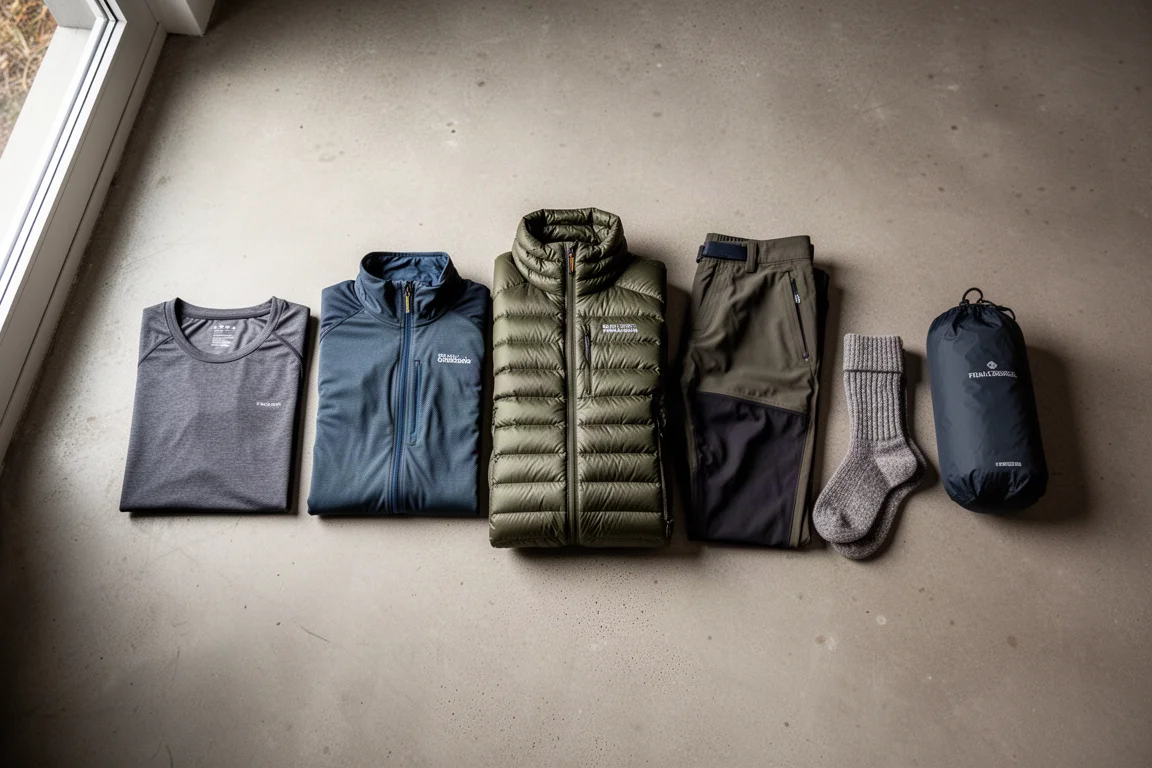
From there, add the mid layer for the hours you spend moving and the down jacket for the hours you spend standing still. Treat the shell as a weather tool rather than a default layer, and choose something lightweight enough that you will actually carry it. Waterproof fabrics rarely breathe well, so the less time you spend wearing one, the more comfortable the whole system will be.
Weight and packability matter most for the pieces you carry but seldom use. Rain pants and a shell can sit in a pack for a whole trip, so keeping them light is worth more than adding features you will not use.
Conclusion
Six pieces cover a full winter layering system: Dragon Wool base layers top and bottom, the LoftTek mid layer, the Regulator down jacket, and the Sawtooth pants, with a light shell, gloves, and insulated footwear rounding things out. Each piece has a defined job, and the sequence keeps moisture moving outward instead of trapping it against your skin. Build the stack in order, and the coldest days on the trail become a great deal more manageable.
Further reading
Related Reviews

Backpacking Gear
Building a 10 lb Base Weight: An Ultralight Backpacking Gear List
A practical walkthrough of the ultralight pieces behind a 10 lb base weight, from a 765 g pack and a roomy one-person tent to a full camp chair and a dependable water filter.

Backpacking Gear
A 15-Pound Lightweight Backpacking Gear List for Solo Trips
A beginner-friendly 15-pound backpacking setup built from easy-to-find gear, with notes on what each piece does, how it packs, and where to spend your attention.

Backpacking Gear
8 Ultralight Backpacking Gear Upgrades Worth Carrying
Eight small, affordable backpacking upgrades that solve real trail annoyances, from a pillow that stays put to a fuel valve that rescues leftover canister gas.