Fastpacking Packs
Outdoor Vitals Skyline 30 Fastpack Review: One Light Kit for Fastpacking
A practical look at the Outdoor Vitals Skyline 30 Fastpack, from harness pocketing and clothing carry to sleep system and real packed weight.
Introduction
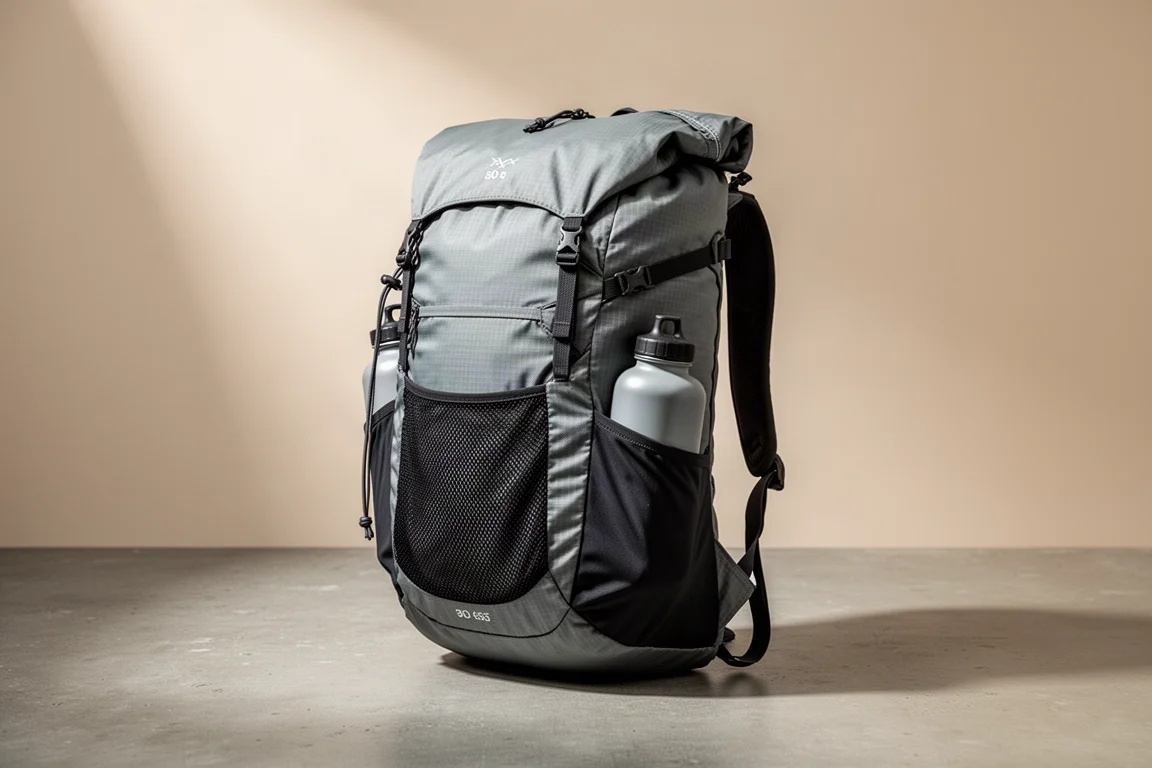
The Outdoor Vitals Skyline 30 Fastpack is built for the kind of trip where every item has to justify its place. A fastpacking kit lives or dies on how quickly you can reach what you need and how little the whole setup weighs, and this pack is shaped around both ideas: a harness that keeps flasks, snacks and a phone within reach, and a 30 litre body that swallows a full overnight kit without turning into a haul bag.
The kit described here covers a fastpacking trip of a day or two and weighs 11.9 lb with the bottles attached, no water or fluid in them, and a little leftover food still in the pack. Set that food and water aside and the dry weight sits around 11 and change.
Who This Pack Is For
This is a pack for fastpackers, and for ultralight backpackers who would rather own one kit than two. The load inside it is not radically different from a well-tuned ultralight backpacking setup. A few clothing choices lean lighter, but most of the gear is the same as what you would carry on a slower trip. That overlap is the appeal: one dialed kit covers fastpacking, ultralight overnights and everything in between, which builds familiarity with the gear and confidence in how it behaves.
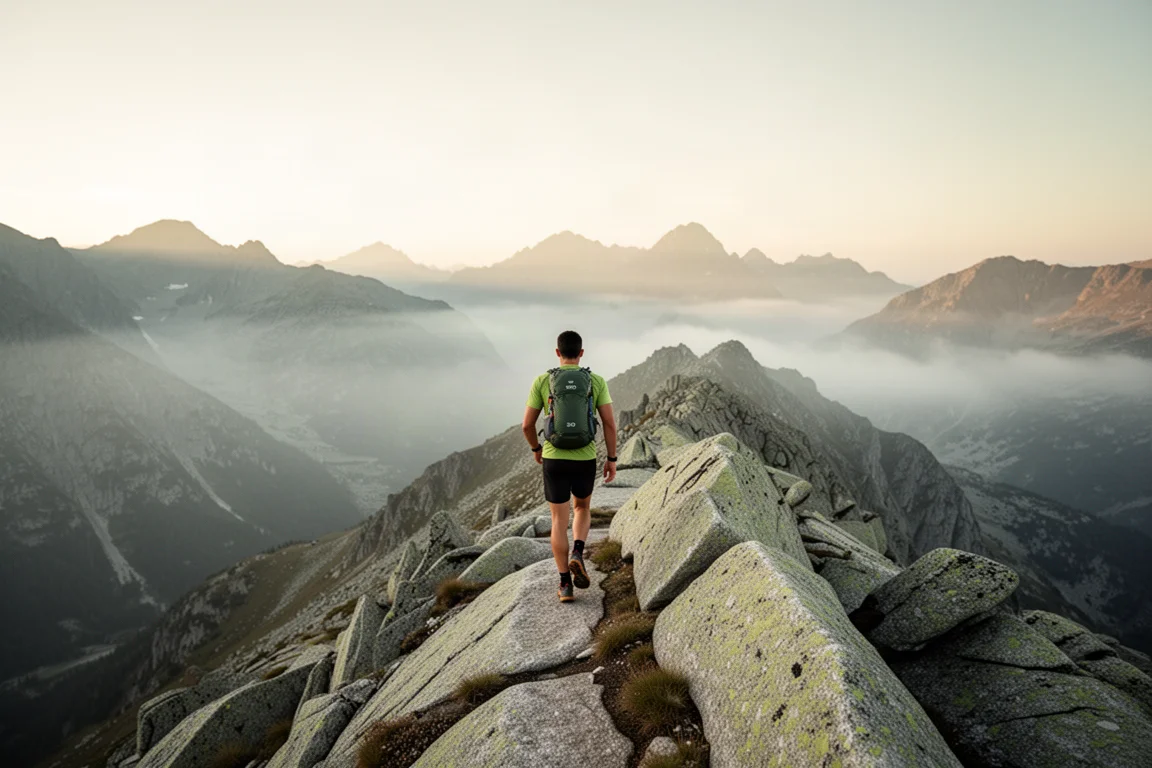
Runners who want to keep moving on climbs and ridgelines will get the most out of the harness layout, while hikers who simply want a lighter overnight setup will appreciate the same pocketing for different reasons.
Exterior Storage and Quick-Access Pocketing
Everything on the outside of the pack is there because it needs to be reachable without stopping. The large mesh pocket carries a rain jacket and a rain skirt, plus a food bag for larger items. A satellite communicator clips to the top of that mesh pocket, where it holds a clear line for messages and stays put without bouncing on the move. The same pocket takes a water filter, trekking pole tip covers for snow or mud, rain mitts, toilet paper, a spoon and sunscreen.
The top of the pack carries an 8 inch foam sit pad, which doubles as insulation under an inflatable pad inside the tent.
On the harness, two soft flasks come with the pack and sit in the front pockets. One side pocket holds drink mixes or a gel for quick energy. The other side zips down about an inch and serves as a trash pocket. The lower harness pockets are where the calories live: gummies and other quick snacks. A pass-through pocket sits alongside a separate zippered mesh pocket, and that zippered pocket is where the phone rides.
A 1 litre flask on the side of the pack adds capacity and doubles as the vessel for filtering dirty water.
The Clothing Kit
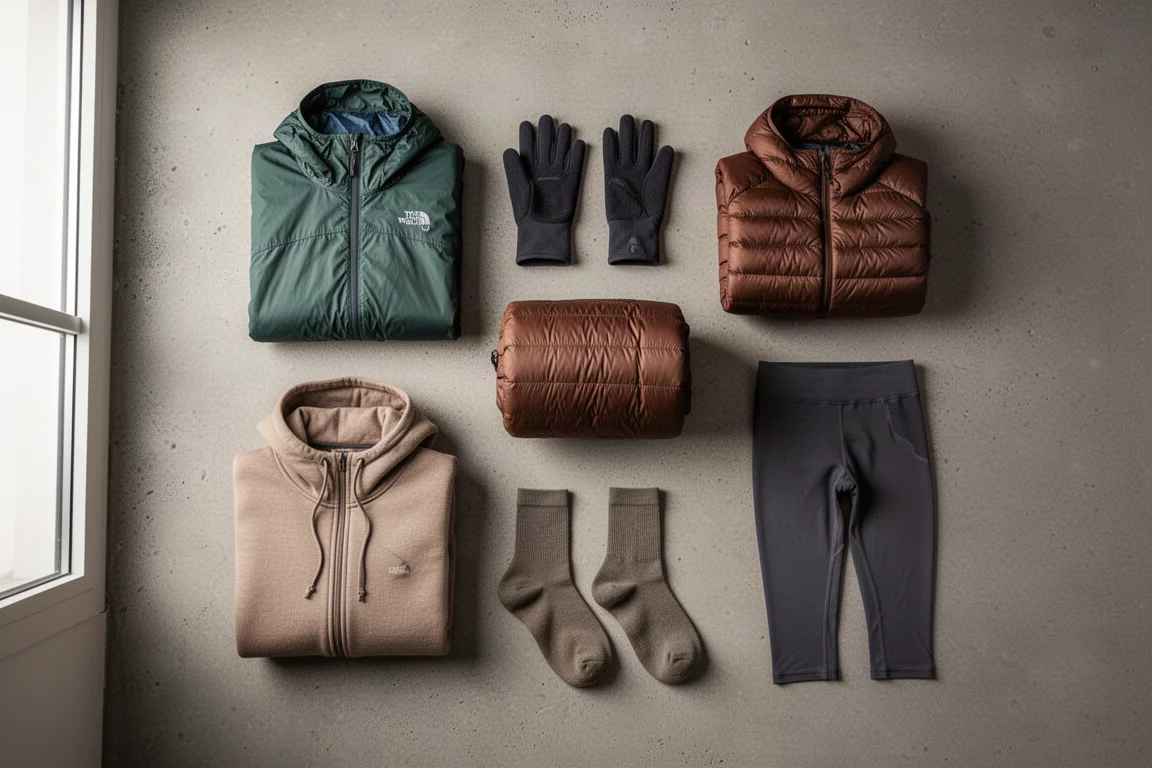
Clothing travels in a dry bag at the top of the pack, and the setup is deliberately not skimped. A rain jacket is there, and so is a Neo windbreaker, which earns its place because it lets you keep running on a cold, windy peak without overheating and sweating through a heavier shell. Lightweight fleece gloves stay paired with the windbreaker, since needing one usually means needing the other.
Warmer layers cover camp and sleep: a Vario jacket as the puffy mid layer, rolled into its own hood, a Tern hoodie for sleeping, a spare pair of socks, and the Highline thermal leggings. The leggings are a new release, weigh under 4 oz and have a vented gusset. They weigh roughly what a spare pair of boxers would, so the sensible move is to leave the extra boxers at home and sleep in these instead. A pillow rounds out the dry bag.
Sleep System and Packed Weight
The rest of the pack is the sleep system. An Oblivion pad, a one person four season tent and a 15 degree top quilt make up the overnight kit.
At the top of the main compartment sit the items most likely to be needed first: an alcohol cook system, and an emergency bag holding a first aid kit and a sewing kit. An upper zipper pocket keeps a Nitecore NU25 headlamp and car keys in a fixed place, so nothing has to be hunted for after dark.
Weighed with the bottles attached but no water or fluid and a bit of residual food, the full setup comes in at 11.9 lb. That is the number to keep in mind: it is a dry weight before food and water, so on-trail weight will be higher.
Comfort and Carrying Notes
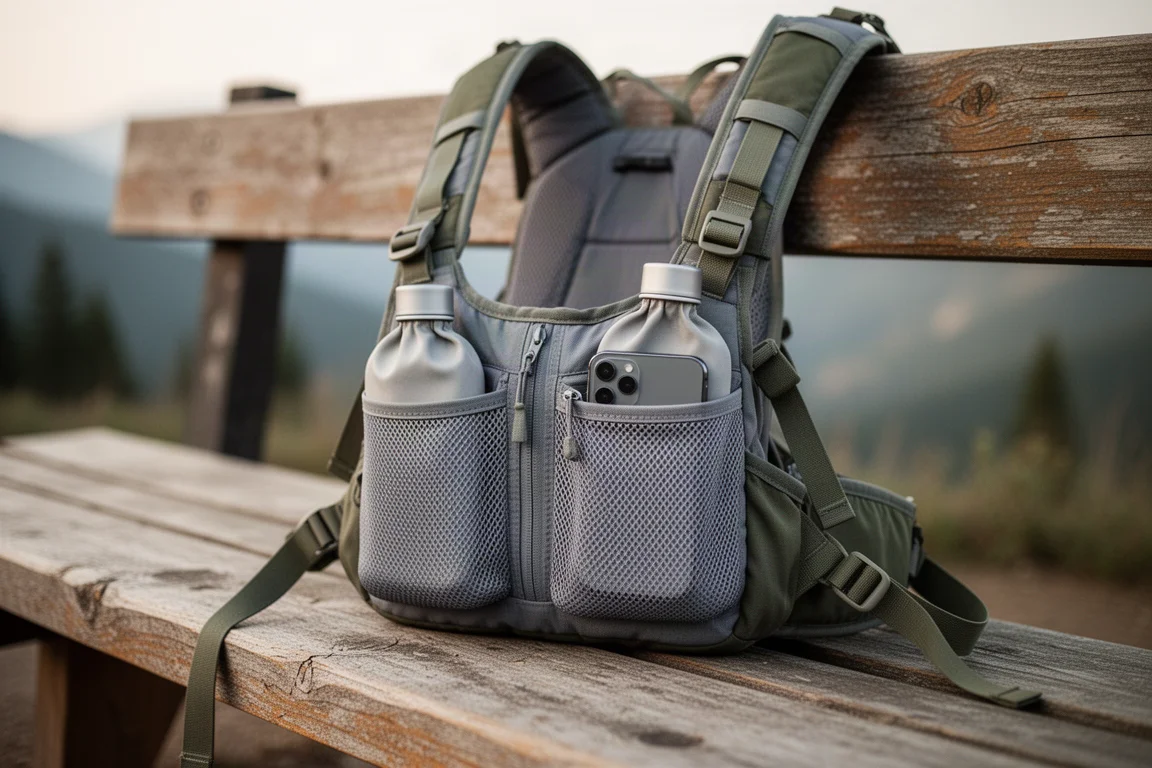
Two details stand out in use. The first is how the harness keeps the essentials within reach: flasks, snacks, a gel, a trash pocket and the phone all sit where a hand can find them without breaking stride. The second is the packing order. Because the pack loads from the top, the most likely needed items go in first, meaning the cook system, emergency kit, headlamp and sit pad, and the clothing dry bag sits right at the top for quick access when the weather turns.
Clipping the satellite communicator high on the mesh pocket rather than burying it inside also matters. It stays clear of the body, does not bounce on the move, and keeps a clean line for messages.
Things to Consider Before Buying
- 30 litres is a working capacity, not a generous one. The kit here fits because every item is pared down. Bulky spares or a heavier sleeping bag will not leave much margin.
- The 11.9 lb figure is a dry weight. Water and food are not included, so the number on your back at the start of a long day will be higher.
- The clothing list is personal. Bringing a windbreaker in addition to a rain jacket adds a layer to the bag, and the payoff is specific to running in cold, windy conditions.
- If you already own a dialed ultralight backpacking kit, expect an incremental change rather than a complete reset. This pack is designed to work with that kit, not replace the thinking behind it.
Buying Advice
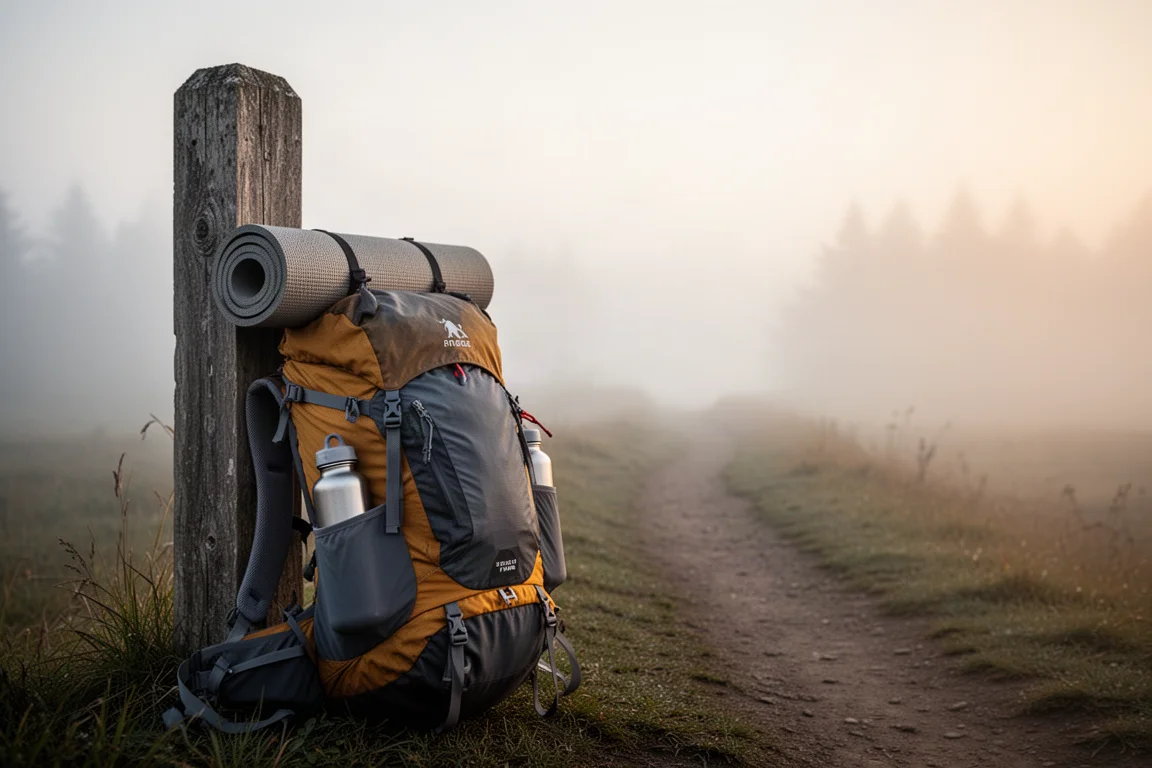
Buy the Skyline 30 Fastpack if you want one pack that handles fastpacking and ultralight overnights with the same kit, and if you value reachable storage over raw volume. It suits anyone who has already trimmed their gear list and now wants the carry system to match.
If your trips run to multi-day food carries or winter loads, look at the numbers honestly first. The kit described here is light because the gear inside it is light, and the pack rewards that discipline rather than compensating for its absence. The pack is available directly from Outdoor Vitals.
Conclusion
The Skyline 30 Fastpack makes sense as the carry half of a fastpacking system. Its harness pocketing keeps food, water and navigation within reach, its top-loading layout puts the most needed items where you can get to them, and the full kit weighs 11.9 lb dry with the bottles attached. For fastpackers and ultralight backpackers who want a single kit that covers several trip styles, that combination is the reason to look closely.
Product link
View more details for Outdoor Vitals Skyline 30 Fastpack
This product is mentioned in the review. Check the specifications, options, and compatibility before buying.
View more details for Outdoor Vitals Skyline 30 FastpackFurther reading
Related Reviews

Backpacking Gear
Building a 10 lb Base Weight: An Ultralight Backpacking Gear List
A practical walkthrough of the ultralight pieces behind a 10 lb base weight, from a 765 g pack and a roomy one-person tent to a full camp chair and a dependable water filter.
Backpacking Gear
8 Ultralight Backpacking Gear Upgrades Worth Carrying
Eight small, affordable backpacking upgrades that solve real trail annoyances, from a pillow that stays put to a fuel valve that rescues leftover canister gas.
Backpacking Gear
Affordable Alternatives to Premium Backpacking Gear: Five Budget Picks Compared
Five premium backpacking items paired with five lower-cost alternatives, compared on weight, materials, weather performance, and price.