Camping Sleep Accessories
Outdoor Vitals LoftTek Hybrid Balaclava Review: A Cold-Weather Hood for Top Quilt Sleepers
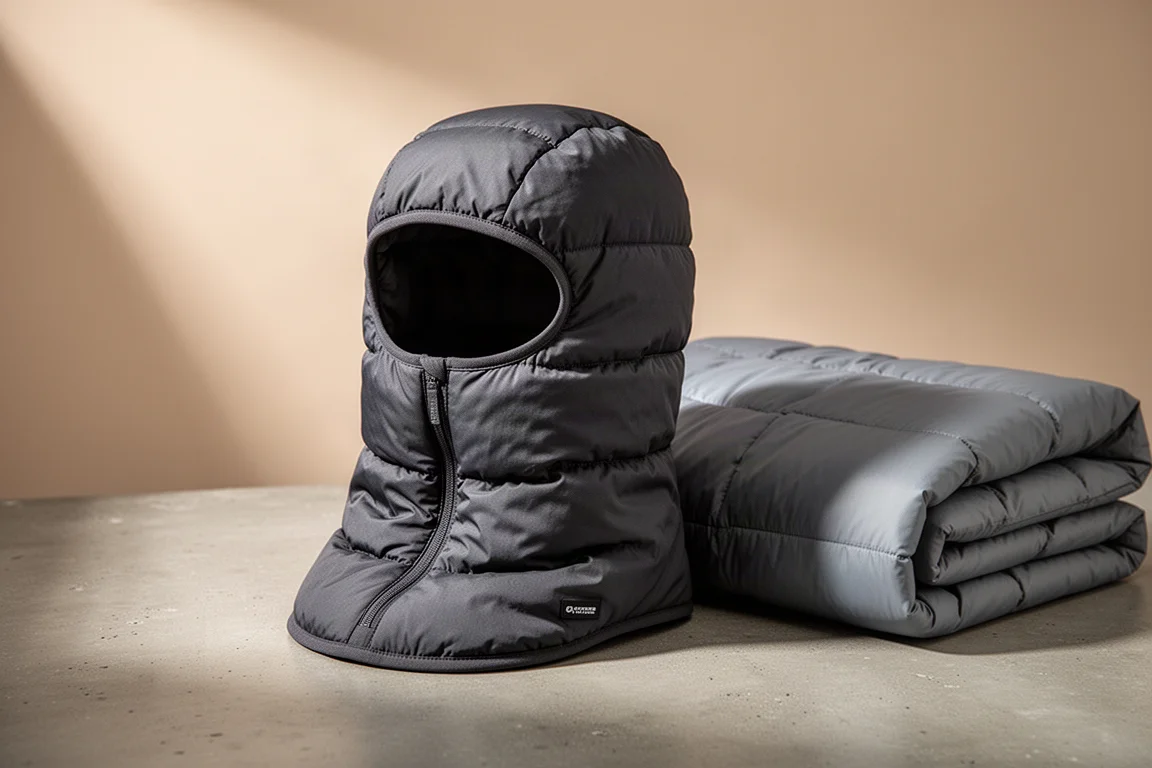
A lightweight insulated hood built for top quilt sleepers who need head warmth in the 20s and 30s, with a fit system designed to stay put overnight and insulation that keeps its loft when it gets damp.
Introduction
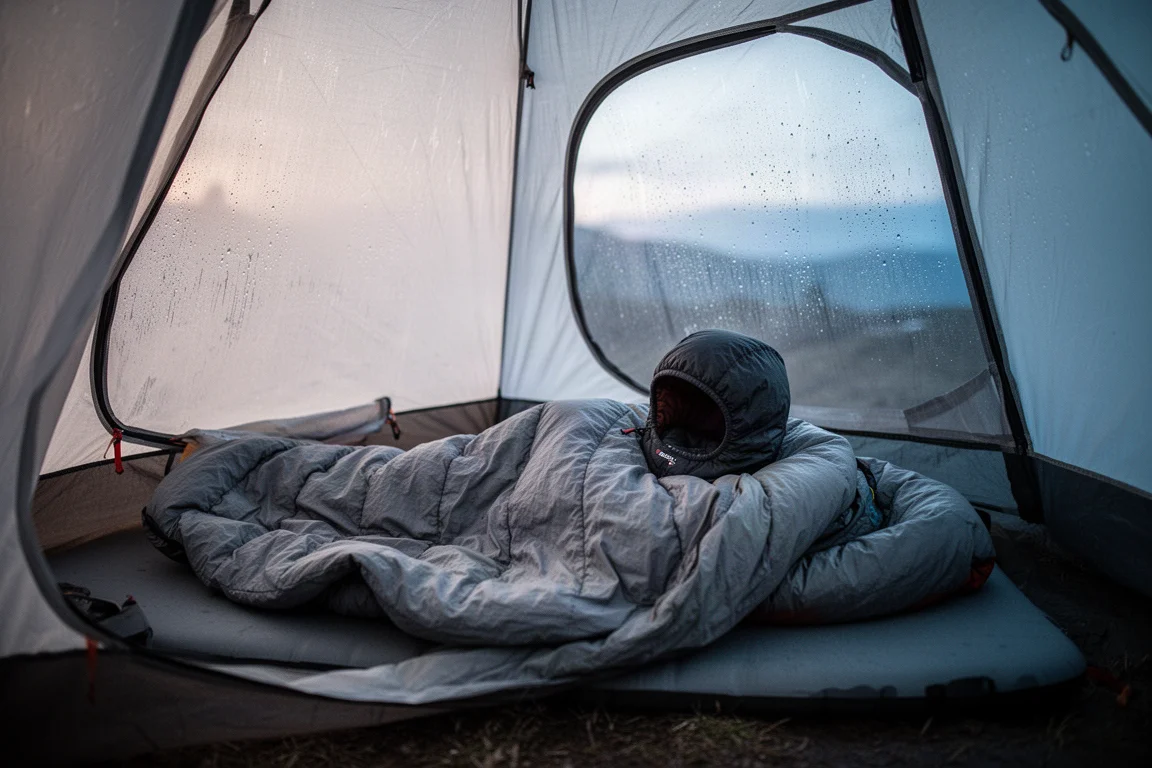
A top quilt shaves weight and packs down small, but it leaves one gap that a sleeping bag hood would normally fill: your head. In mild weather a hooded fleece or a beanie can carry you through the night. Once overnight temperatures slide into the 30s and then the 20s, head insulation stops being optional, and a dedicated insulated hood becomes one of the more valuable pieces in a cold-weather sleep system.
The Outdoor Vitals LoftTek Hybrid Balaclava is designed for that role. It pairs a 10 denier shell with LoftTek Hybrid insulation, a mostly synthetic high-loft fill blended with 800 fill power down, and it is built to hold its loft when overnight breathing adds moisture.
This review looks at who the piece suits, how the insulation behaves once it gets damp, and the fit details worth understanding before you buy.
Who This Balaclava Is For
If you sleep under a top quilt rather than a hooded bag, you are the core audience. Top quilts have no hood wrapping your head, so the warmth they provide stops at your neck. Around 40 degrees Fahrenheit and above, many sleepers get away with a hooded midlayer. Below that, and especially through the 30s and 20s, a purpose-built hood does a noticeably better job.
It also suits campers who want one piece that works in two places. It can be worn while sitting around a fire in the evening and then cinched down for sleep, which makes it more versatile than a single-purpose sleeping accessory.
Cold sleepers who tend to wake up with a damp face covering are another good match, because the insulation choice is aimed squarely at that problem.
Main Strengths
Weight and packability. The 10 denier fabric keeps the piece at roughly 2.5 ounces, and it compresses small enough to disappear into a pack. In a quilt-based sleep system where every item is judged on grams, that matters.
Insulation blend. LoftTek Hybrid is mainly a high-loft synthetic, with roughly 20 percent of the fill being 800 fill power down. The combination works out to a fill-power equivalent in the 650+ range, which places it in a useful warmth band without the moisture sensitivity of an all-down hood.
Coverage. The cut is deliberately long so it covers the neck and the sides of the head properly. Shorter hoods paired with a beanie often leave gaps at the neck on cold nights.
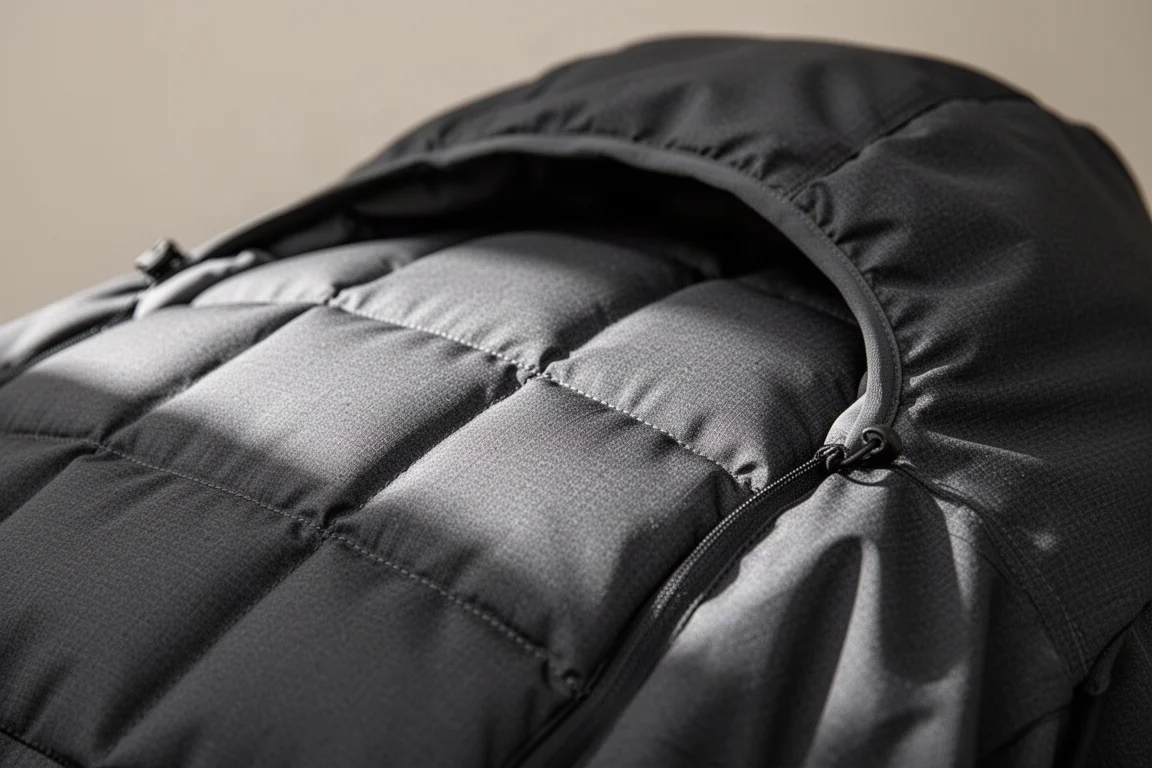
A fit system that stays put. There is no toggle at the back of the head. Instead, a band keeps the hood snug around your skull so it does not rotate when you turn during the night, and a cinch lets you tighten it down further. Anyone who has woken up with a twisted hood or a toggle pressing into their head will recognise why that layout matters.
How the LoftTek Hybrid Insulation Handles Moisture
Overnight breathing is the real enemy of a down hood. Over a night, a sleeper exhales roughly a pint of water, and much of it ends up inside the hood. Untreated down absorbs that moisture, loses loft and stops insulating, which is why so many quilt sleepers wake up cold in the early hours.
The LoftTek Hybrid construction is intended to sidestep that failure mode. In humidity testing that simulated heavy breathing, the hood stayed lofted and showed no obvious degradation of the insulation. In a submersion test, where the piece was held underwater and then compressed to force water into the fabric, it lost some loft but kept a clear majority of it, and it continued to rebound as it aired out. Untreated down in the same situation would typically collapse almost flat.
It is worth keeping expectations balanced: well-treated down can also perform strongly in wet conditions. The advantage here is that the performance does not depend on a treatment holding up over the life of the piece.
Camp and Sleep Versatility
Because the hood is comfortable enough to wear while you are awake, it earns its place in the pack beyond sleep. Sitting around a fire on a cold evening is one obvious use, and at night you can either wear it cinched up or pull the face opening down and breathe through the fabric if that feels more comfortable.
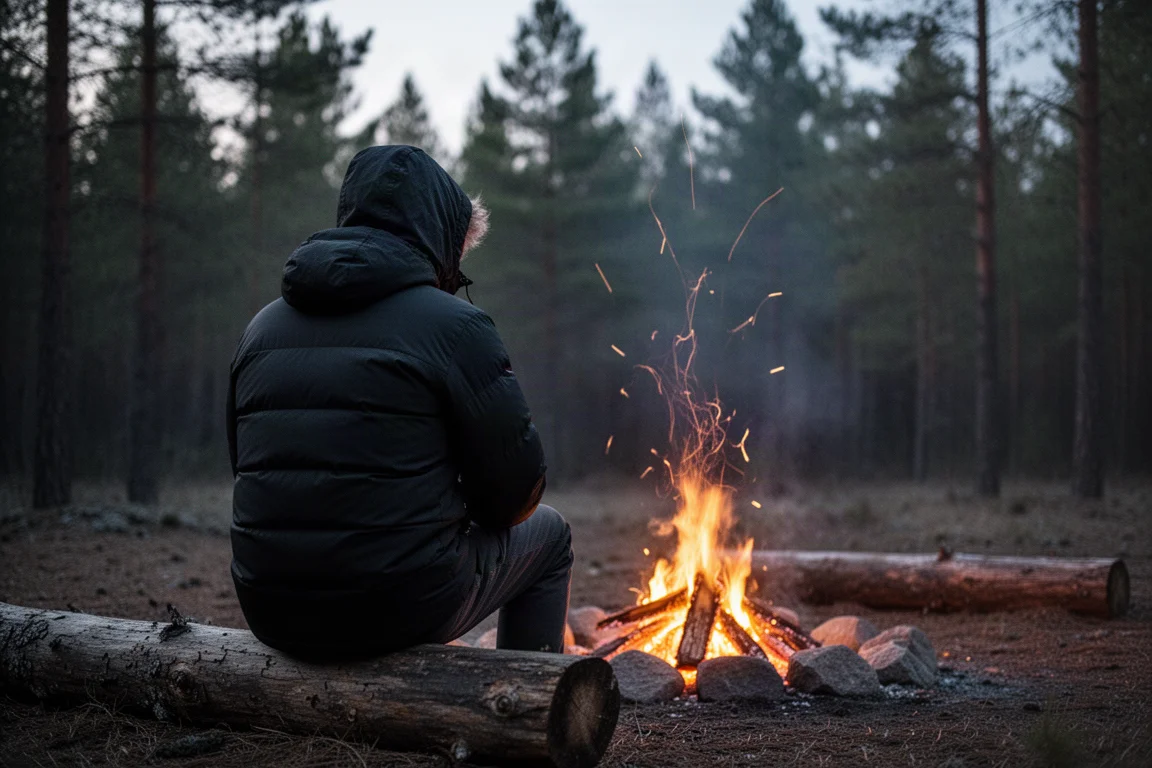
That flexibility is the difference between a piece you carry and a piece you actually use. A hood that only works while you sleep is easy to leave at home, while one you reach for at camp tends to stay in the kit for good.
Things to Consider Before Buying
No rear adjustment. Because the fit relies on a band and a cinch rather than a toggle at the back, side sleepers and restless sleepers should check the fit carefully. The design removes the pressure point of a rear toggle, but it does mean the band does the main work of holding the hood in place.
Test results come from manufacturer testing. The moisture performance described above comes from brand-run testing rather than an independent lab, so treat it as a strong indication of how the insulation behaves rather than a certified guarantee.
Mild-weather nights do not need it. Above roughly 40 degrees Fahrenheit, a hooded midlayer or a fleece balaclava is often enough. This piece is aimed at the colder end of three-season use and below.
Buying Advice
If you sleep under a top quilt and regularly wake up with a cold head or a damp hood, this is a straightforward addition to the kit. At around 2.5 ounces it is light enough to justify on weight-conscious trips, and the insulation design targets the specific failure that ruins cold nights.
The piece is sold through the brand’s own website, and launch-week promotions have been mentioned, so it is worth checking current offers before ordering. Compare it against what you already carry: if your current hood is fleece, the step up in warmth is the main gain, while if it is untreated down, the gain shows up once moisture starts to build.
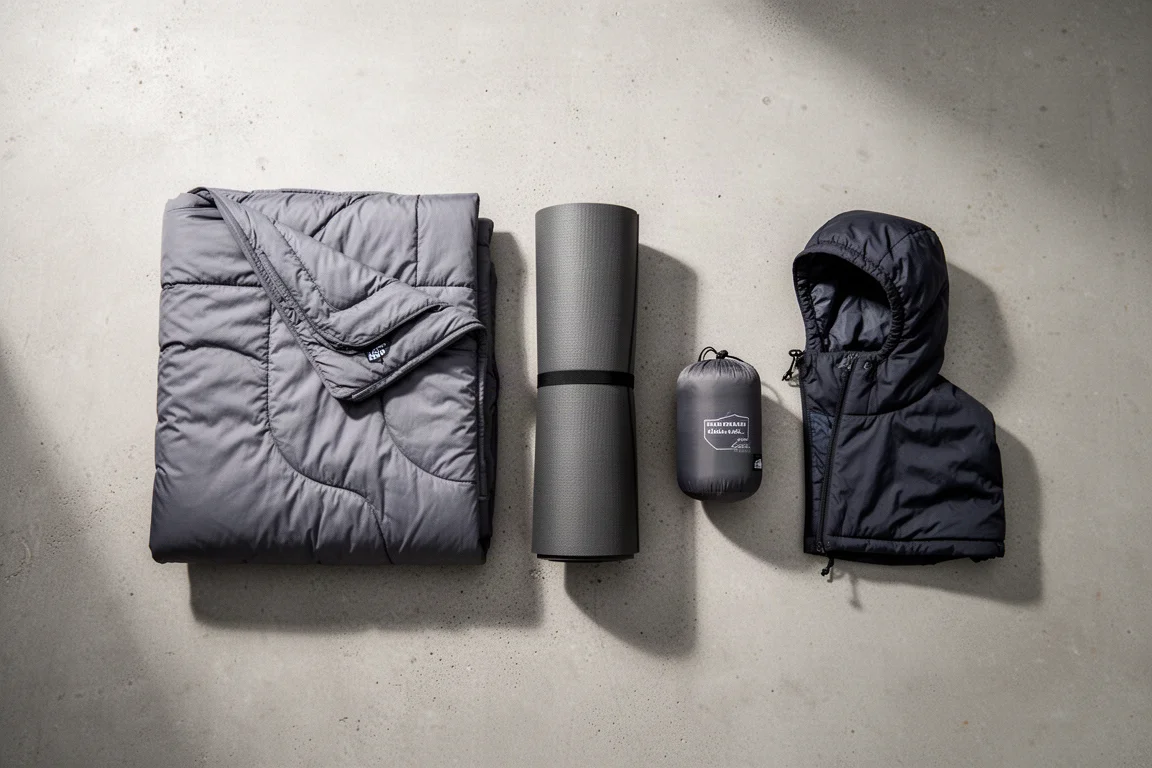
For quilt users in the 20s and 30s, the practical takeaway is simple. Head warmth is not a place to save weight by going without, and this hood covers that need without adding much to the pack.
Conclusion
The Outdoor Vitals LoftTek Hybrid Balaclava solves a specific problem well. It is light enough to carry without thinking about it, long enough to cover the neck properly, and built around an insulation blend that is meant to stay warm and stay lofted when your own breath puts moisture into it. The band-and-cinch fit keeps it from twisting overnight without leaving a toggle under your head.
The trade-offs are modest and easy to plan around. The moisture results come from manufacturer testing, and mild nights above roughly 40 degrees Fahrenheit still belong to a hooded midlayer. For anyone sleeping under a top quilt in genuinely cold conditions, though, this is a piece that quietly makes those nights warmer and more predictable.
Product link
View more details for Outdoor Vitals LoftTek Hybrid Balaclava
This product is mentioned in the review. Check the specifications, options, and compatibility before buying.
View more details for Outdoor Vitals LoftTek Hybrid BalaclavaFurther reading
Related Reviews

Backpacking Gear
Building a 10 lb Base Weight: An Ultralight Backpacking Gear List
A practical walkthrough of the ultralight pieces behind a 10 lb base weight, from a 765 g pack and a roomy one-person tent to a full camp chair and a dependable water filter.

Road Bikes
10 New Road Bikes Worth Watching: Aero, Titanium, Steel and Endurance Standouts
A practical roundup of 10 new road bikes, from aero flagships chasing single-watt gains to titanium, steel and endurance platforms built for real roads.
Bikepacking Gear
11 Bikepacking Essentials for Long-Distance Cycling
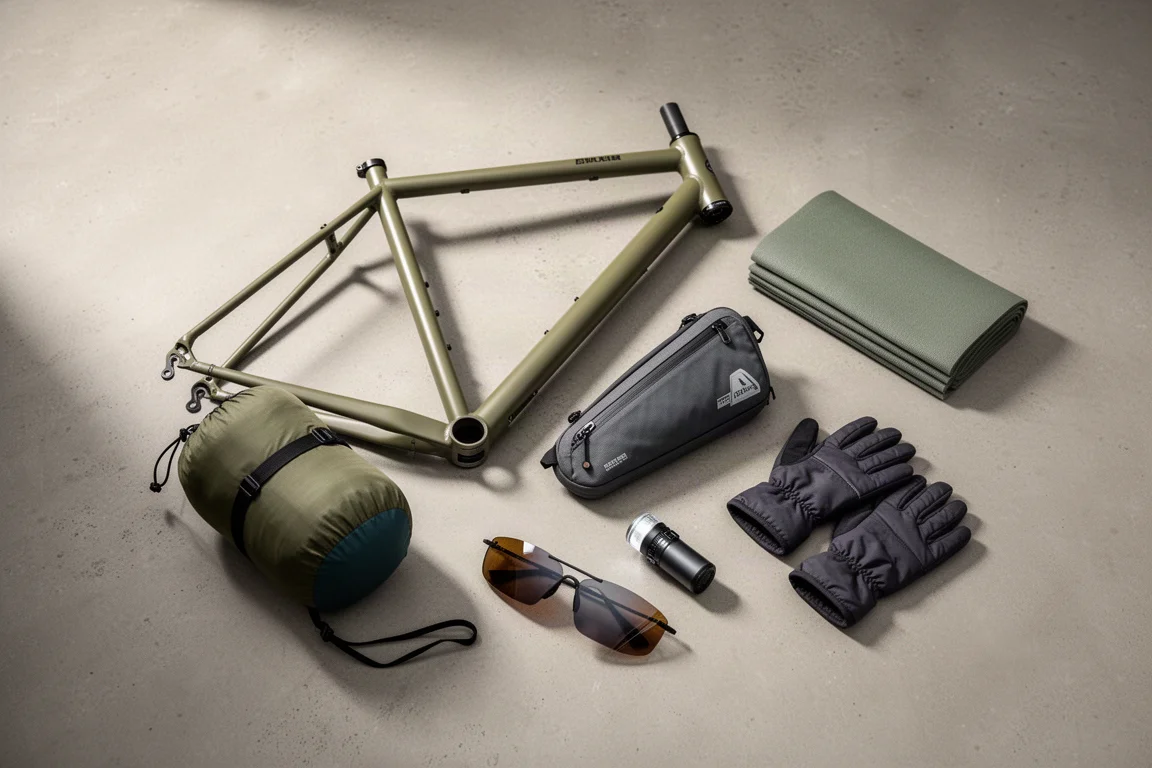
Eleven bikepacking essentials for long-distance cycling, from a steel gravel frame and a two-person tent to helmet lights, packable gloves, and a frame bag that puts weight in the right place.