Insulated Jackets
Outdoor Vitals Loft vs Zulu vs Varo: Which Insulated Jacket Fits You Best?
A practical comparison of three Outdoor Vitals insulated jackets, covering weight, insulation, breathability, and the conditions each one handles best.
Introduction
Outdoor Vitals no longer makes the Loft jacket, even though it was one of the most popular products in the company’s history. It picked up the nickname “the million-dollar jacket” because it pre-sold a million dollars worth of product before the first unit ever shipped. A reputation like that does not fade quietly, and the question the brand still hears most often is why the Loft was retired.
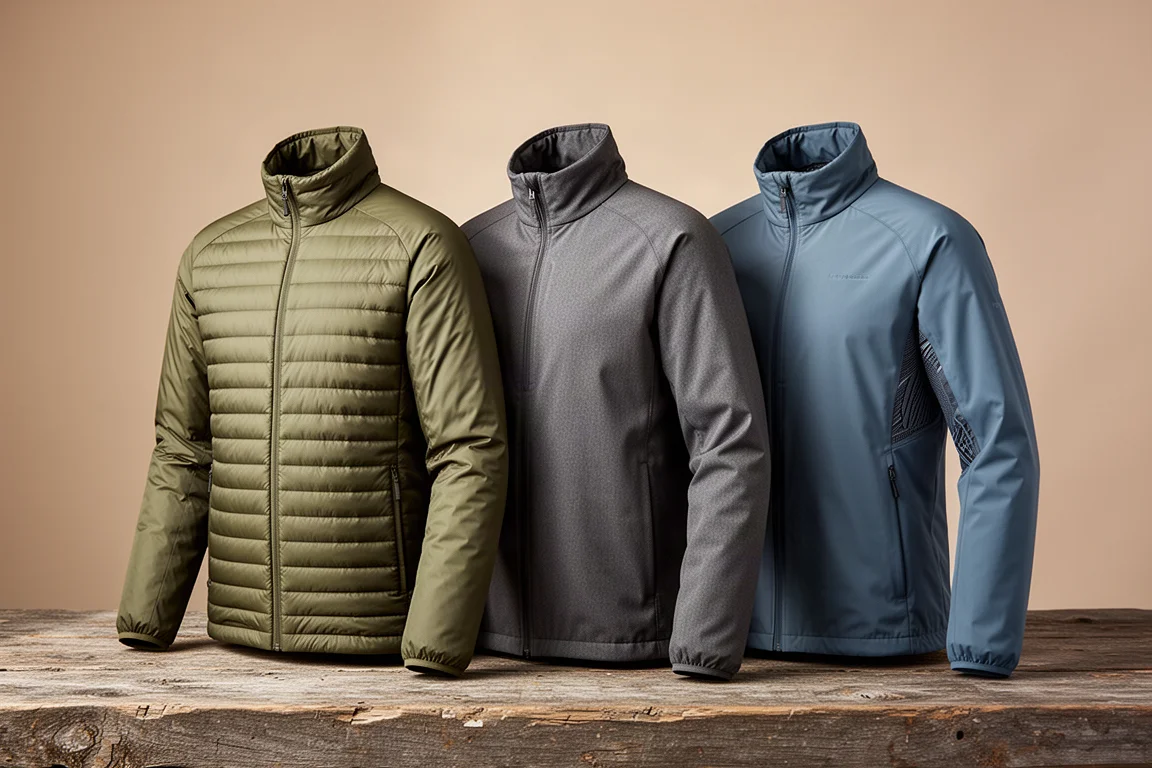
The short answer is that the line split into two more specialised designs. The Zulu carries the warmth-to-weight brief forward with a premium down fill, while the Varo targets high-output use with breathable fabrics and underarm vents. This comparison breaks down what each jacket actually does well so you can match one to the way you move in cold weather.
How the Loft, Zulu, and Varo Differ at a Glance
Start with weight, because all three sit close enough together that it will not be your deciding factor. The Loft comes in at 11.5 oz and the Zulu at 11 oz, a gap you would struggle to notice once the jacket is in a pack.
The real differences live in the shell and the fill. The Loft uses a 20 denier nylon face fabric with traditional stitched baffles. The Zulu uses a 15 denier nylon with a zero-stitch construction, which removes the baffle stitching entirely and, by the brand’s own count, about 10,000 needle holes from the jacket. The Varo takes a third route, built around highly breathable fabrics with vents under the arms rather than a stitched pattern.
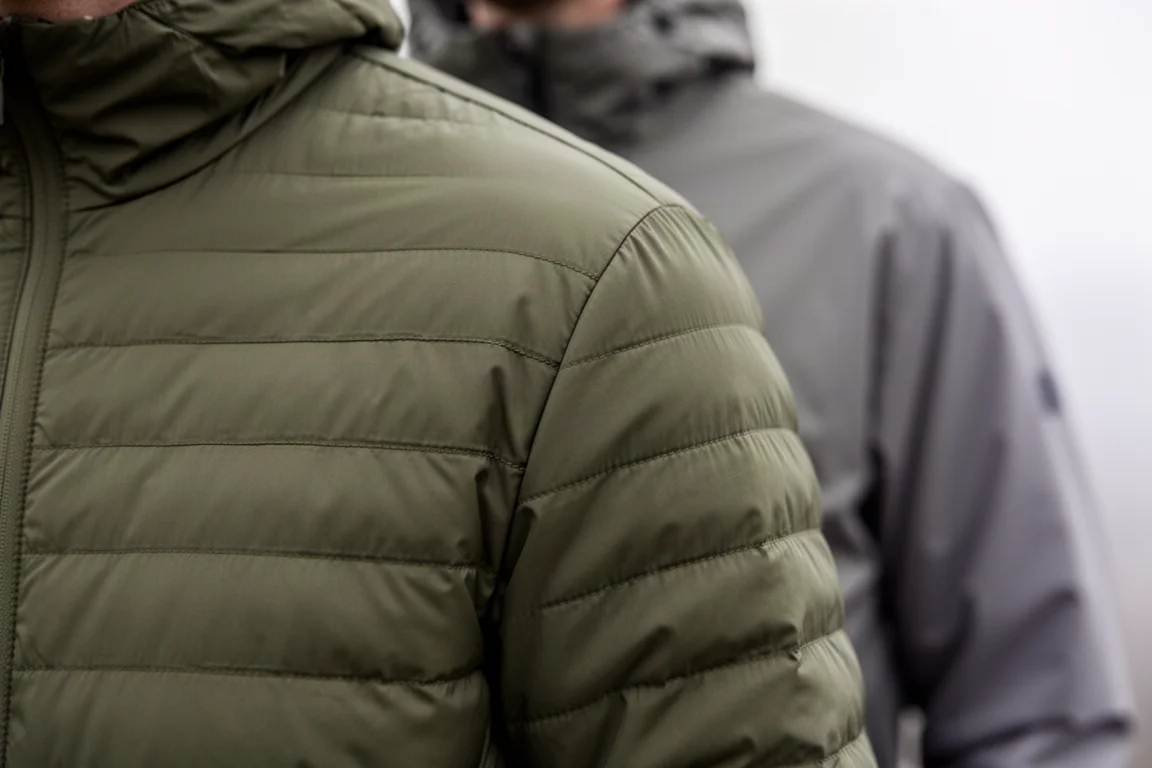
Those construction choices explain the ventilation story. The Loft breathed largely because of its stitch lines and its pit zips, while the Zulu leans on a smoother shell and a much warmer fill instead of mechanical venting. None of the three is simply a newer version of another; each one prioritises a different part of the cold-weather brief.
Outdoor Vitals Loft: The Original All-Rounder
The Loft is the jacket that started this whole family. It pairs an 11.5 oz build with a 20 denier nylon face fabric and loose-fill synthetic insulation that tested at roughly a 625 fill power equivalent. That is budget territory by down standards, which is why the Loft needed around 182 g of fill to reach its warmth level, compared with a little over 100 g in the Zulu.
Synthetic fill is the reason so many owners trusted it. When the Loft got wet, it did not collapse the way down insulation can, so the jacket held on to its thermal value in conditions that would sideline a down piece. The stitched baffles also made it feel more breathable than its construction would suggest, and the pit zips gave active users a way to dump heat on the move.
It is worth knowing that the Loft was never designed as a high-activity jacket. The materials carry a non-breathable coating so the insulation stays inside the fabric rather than migrating out, which means its breathability came as a side effect of the stitching and the vents rather than as a deliberate design goal. It also does not loft up as much as the Zulu and lets more wind through at the stitched areas, so it is a milder jacket on an exposed ridge.
Outdoor Vitals Zulu: Lighter and Warmer
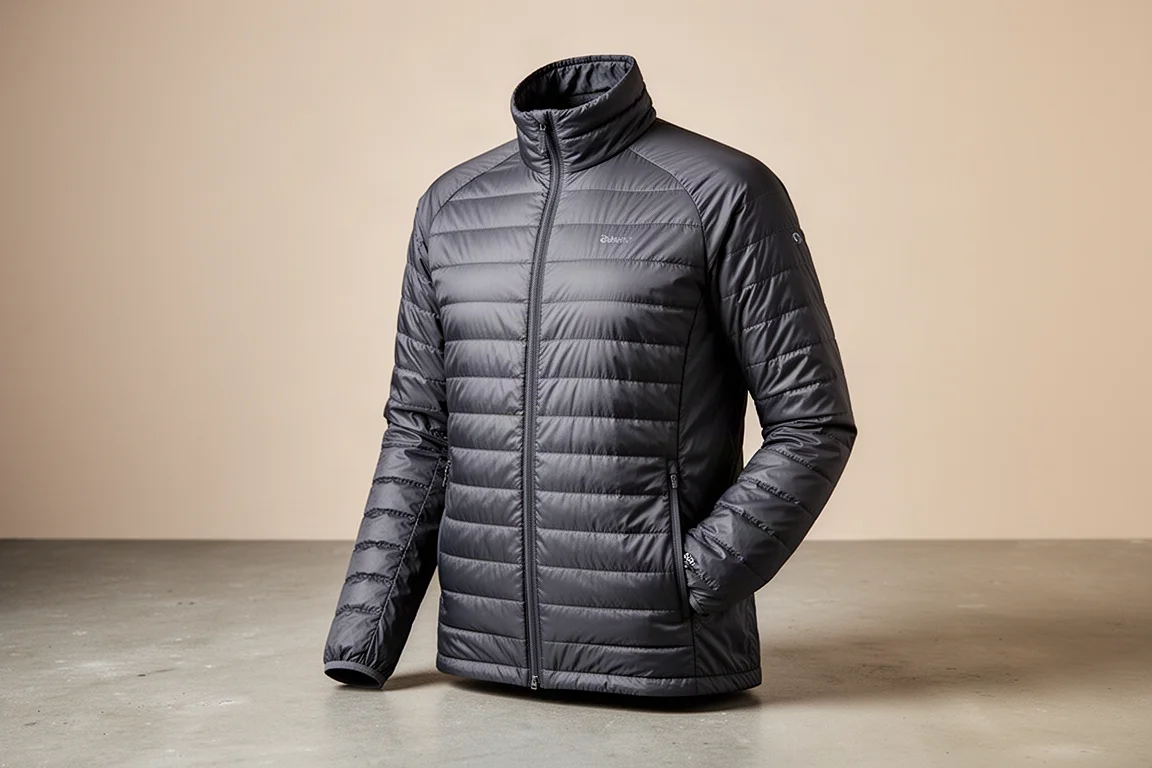
The Zulu is the closest direct comparison to the Loft, and it wins clearly on warmth. It uses 900 fill power down, which sits firmly in premium territory and delivers far more loft for the same weight. The result is a jacket that is flat out warmer than the Loft, and not by a small margin. On an exposed, windy ridge the gap is obvious, partly from the extra loft and partly from how much more effectively the shell blocks wind.

The zero-stitch face fabric is the other half of the story. With no baffle stitching there are no needle holes for weather to work through, and the design makes it far harder for moisture to reach the down in the first place. Down still asks for care in sustained wet conditions, but the shell gives it a meaningful head start. The trade-off is ventilation: there are no pit zips here, so the Zulu is a warmth-first jacket rather than an active one.
Outdoor Vitals Varo: Built for High-Output Use
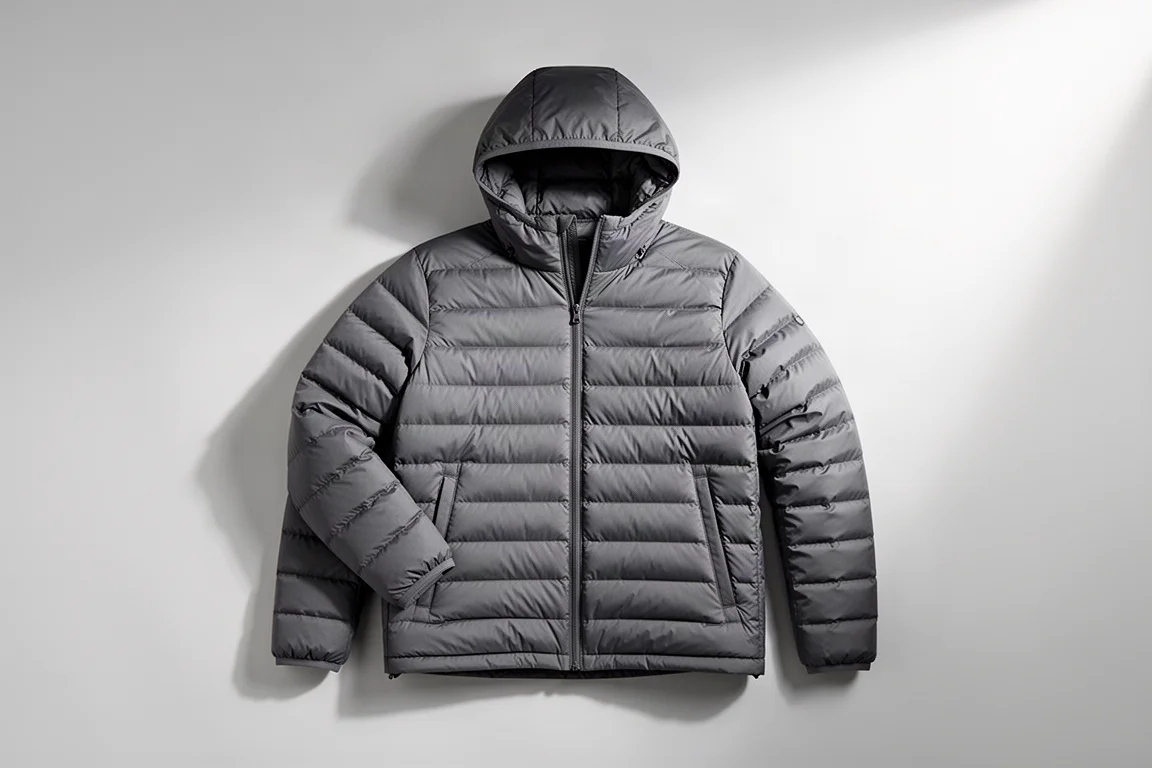
The Varo exists because the Loft was being used for something it was never designed to do. Its fabrics are meant to be highly breathable, and it adds vents under the arms for extra airflow. Because the construction does not require the same stitching, it lands at a warmth level similar to the Loft while handling sweat and hard effort considerably better.
If you are moving uphill under a pack or working hard in cold weather, the Varo is the piece that matches that use case. If you want the most warmth for the weight while standing still or moving slowly, the Zulu is the stronger choice.
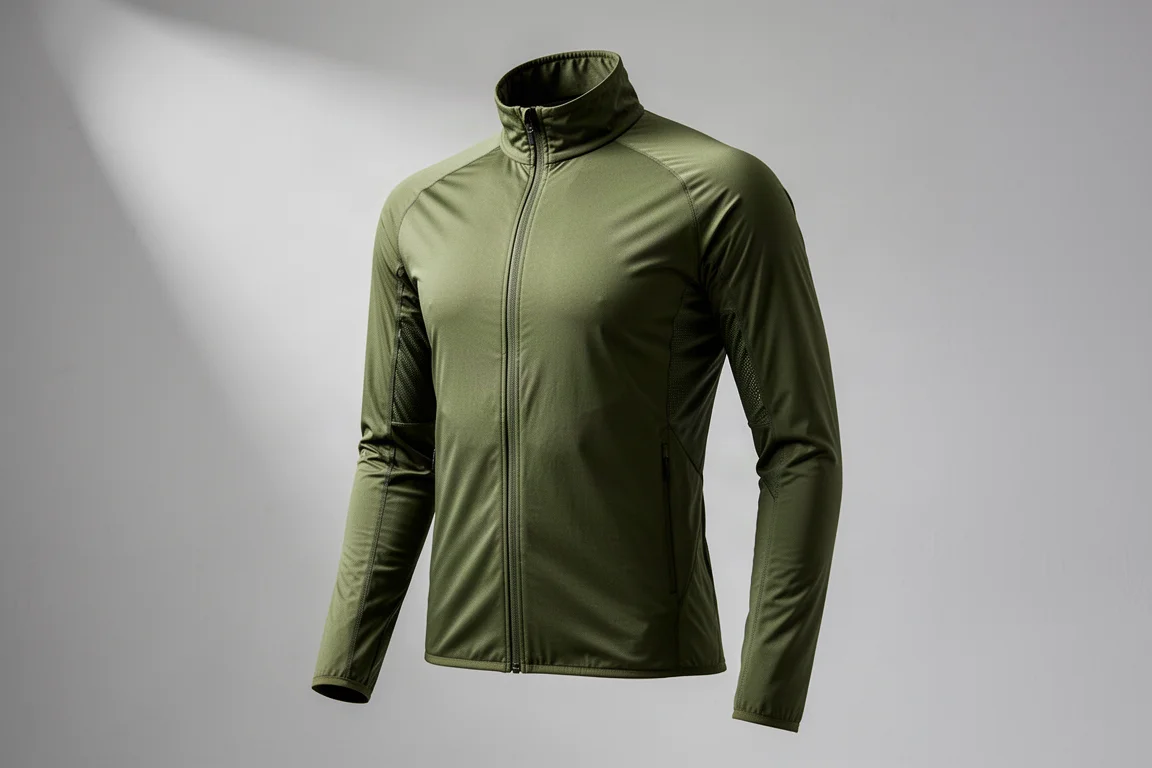
Warmth, Breathability, and Weather Protection
Fill power is the clearest dividing line between these jackets. The Loft’s synthetic fill is roughly equivalent to 625 fill power down, while the Zulu uses 900 fill power down. Higher fill power means more loft from less material, which is exactly why the Zulu needs only a little over 100 g of fill to out-warm a jacket carrying around 182 g.
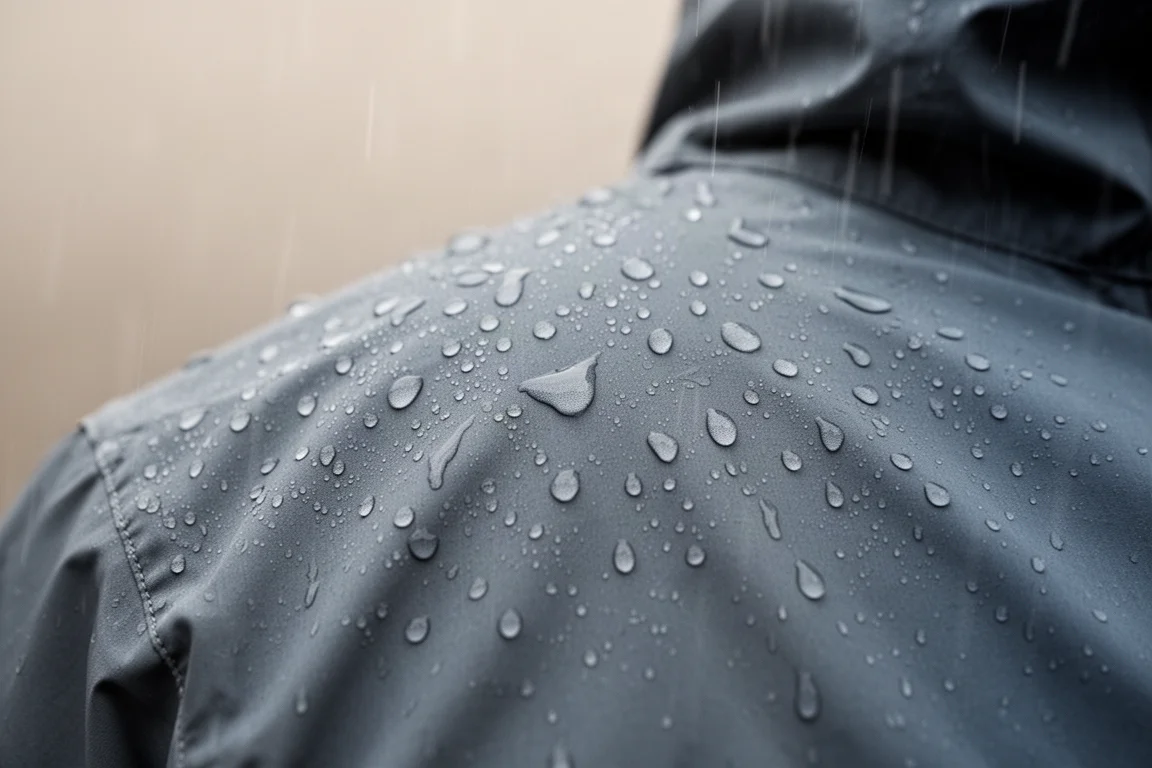
Wet weather behaviour differs too. Synthetic insulation keeps working when it gets soaked, which is why the Loft earned its reputation for reliability in bad conditions. Down delivers more warmth per gram but depends on the shell to stay dry, and the zero-stitch fabric on the Zulu is built to keep moisture away from the fill.
Breathability is the third variable. Coatings on insulated shells exist to stop fill from migrating out through the fabric, which limits how much a jacket can breathe on its own. The Loft worked around that with stitching and pit zips, the Varo works around it with breathable fabrics and underarm vents, and the Zulu trades ventilation for warmth and wind resistance.
How to Choose Between the Three
The Loft is no longer in production, so that decision is mostly about remaining stock. If you already know you want pit zips, a synthetic fill that shrugs off moisture, and a jacket you can be moderately active in, it is worth picking up while it is still available.

The Zulu is the one to choose when warmth-to-weight is the priority. It is significantly warmer than the Loft, blocks wind far better, and uses a premium down fill with a shell that keeps moisture off the insulation. Just go in knowing that it has no pit zips and is not built for high-output effort.
The Varo is the answer for high-output days. It sits at a warmth level similar to the Loft but is designed around breathability, with underarm vents and fabrics meant to move moisture. If your cold-weather use looks more like climbing than standing around, this is the piece that matches it.
Conclusion
Retiring the Loft did not leave a gap so much as split one jacket into two clearer tools. The Zulu is lighter and significantly warmer, with a zero-stitch shell and premium down fill that suits cold, windy, lower-output days. The Varo keeps the Loft’s warmth level but rebuilds it around breathability and underarm ventilation for people who generate heat as they move.
If you loved the Loft for its pit zips and forgiving synthetic fill, remaining stock is the only way to get that exact combination. If you are buying for warmth and wind protection, the Zulu is the more capable jacket. If you are buying for active days, the Varo is the one that was designed for them.
Further reading
Related Reviews
Insulated Jackets
Aerogel vs Down Insulation: Two Aerogel Jackets Compared
Aerogel is the lightest solid on record, but two aerogel jackets measured against a comparable down jacket tell a more complicated story about warmth.
Insulated Jackets
Arc'teryx Atom LT vs Decathlon Trek 50: Does the Premium Synthetic Jacket Earn Its Price?
A side-by-side look at two synthetic insulated jackets at very different prices, covering fit, weight, insulation, features, and warranty.
Insulated Jackets
Big Agnes Shovelhead Jacket Review: Does Treated Down Stay Warm When Wet?
A close look at the Big Agnes Shovelhead jacket and its bluesign approved, PFAS-free DownTek insulation, including what happened when it was soaked twice in near-freezing conditions.