Backpacking Gear
Outdoor Vitals Gear Roundup: Five Pieces for Cold-Weather Backpacking
A field-tested look at five Outdoor Vitals pieces, covering a lightweight pack, a storm-ready trekking pole tent, a budget-friendly sleeping pad, a down quilt, and a premium rain shell.
Introduction
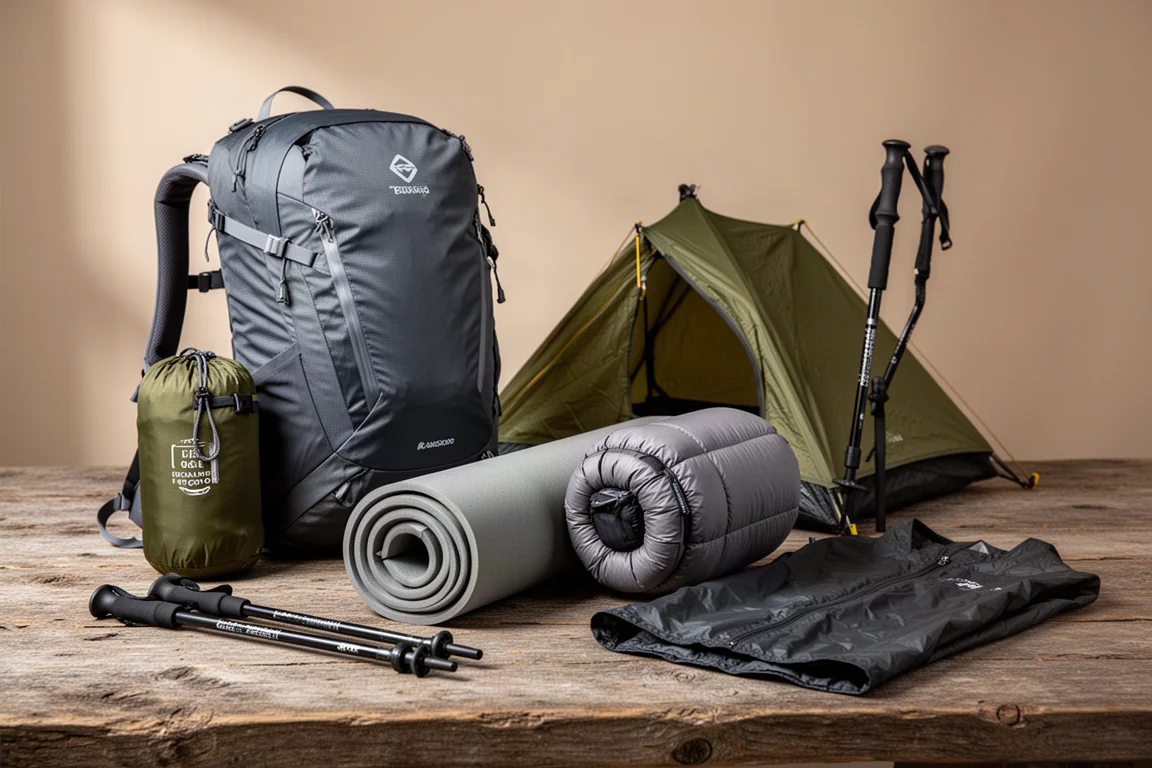
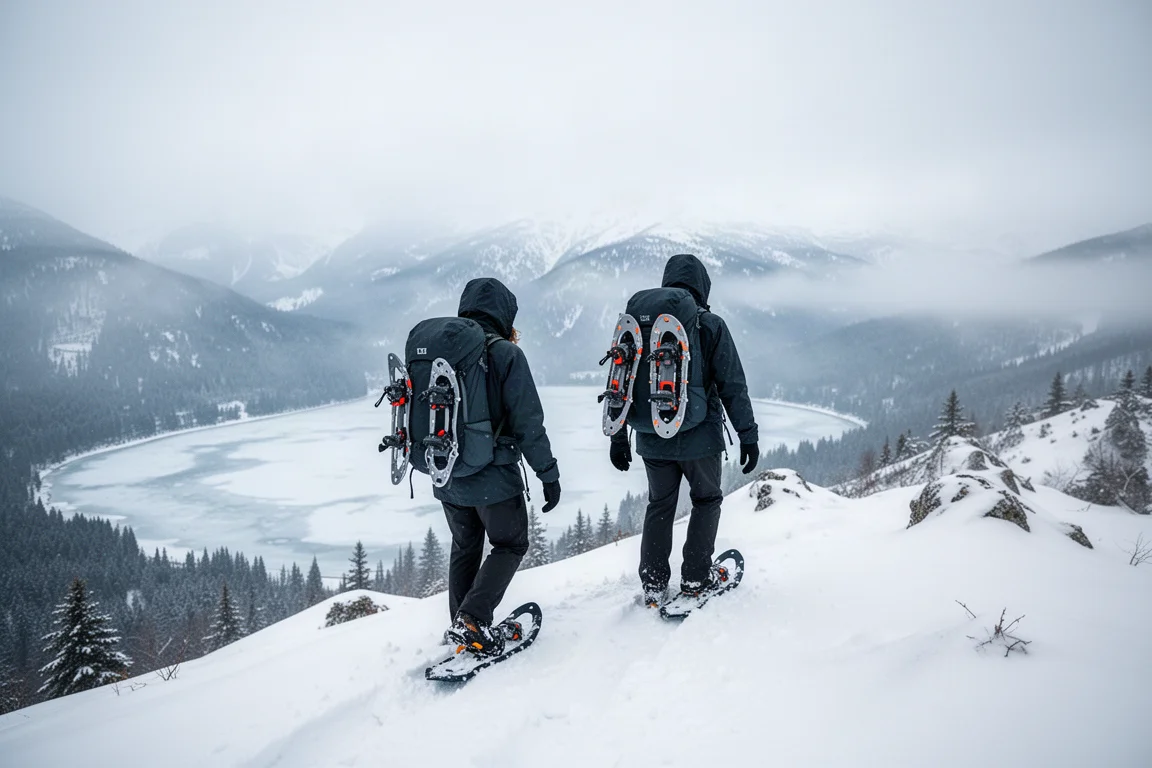
Outdoor Vitals is a smaller gear maker with a fairly focused catalog, and this roundup covers five pieces from it: the CS40 pack, the 4S 2P tent, the Oblivion sleeping pad, the StormLoft 30-degree down quilt, and the Tushar rain jacket. All five went out on a multi-day winter trip in the mountains of Utah, where the route climbed through softening snow, crossed to a frozen lake for camp, and finished on ground that was frozen and saturated.
The conditions did most of the testing for us. Overnight temperatures dropped just below freezing, a thunderstorm built over the ridgeline, and rain fell off and on through the second morning. That is a useful range for judging insulation, weather protection, and how gear behaves when it is cold, wet, and awkward to pitch.
Below is what stood out piece by piece, including the trade-offs worth understanding before you buy.
Outdoor Vitals CS40 Pack: Light Load Carrying With Real Structure
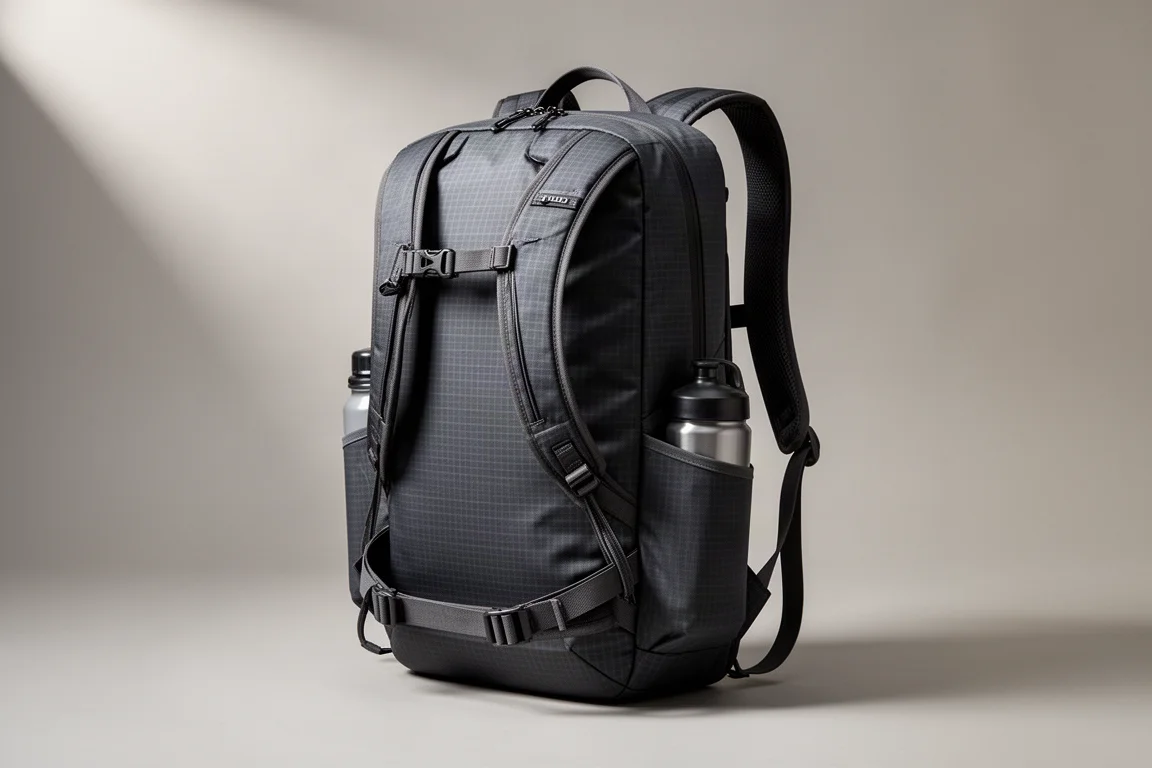
The CS40 is a streamlined pack that weighs just over 700 grams but is engineered to move weight rather than simply sit on your shoulders. Two carbon fiber internal frame stays run above shoulder height, and load lifter straps work with that structure to lift pressure off the shoulders and transfer it down to the hip belt. In use it carried winter loads comfortably, with a realistic working range of roughly 35 to 40 pounds before things start to feel heavy.
The body fabric is a 200-denier Ultra woven material laminated on the inside. It was chosen for abrasion resistance, tear strength, and tensile strength at a weight class that usually belongs to much thinner fabrics, which is the main reason the pack stays light without feeling fragile.
The detail that matters most day to day is the side water bottle pockets. They are positioned so you can reach back, pull a bottle out, drink, and slot it back without stopping or removing the pack. That sounds minor until you spend a day on trail with a pack that does not allow it, and it is genuinely uncommon on packs at this weight.
Outdoor Vitals 4S 2P Tent: A Trekking Pole Shelter Built for Weather
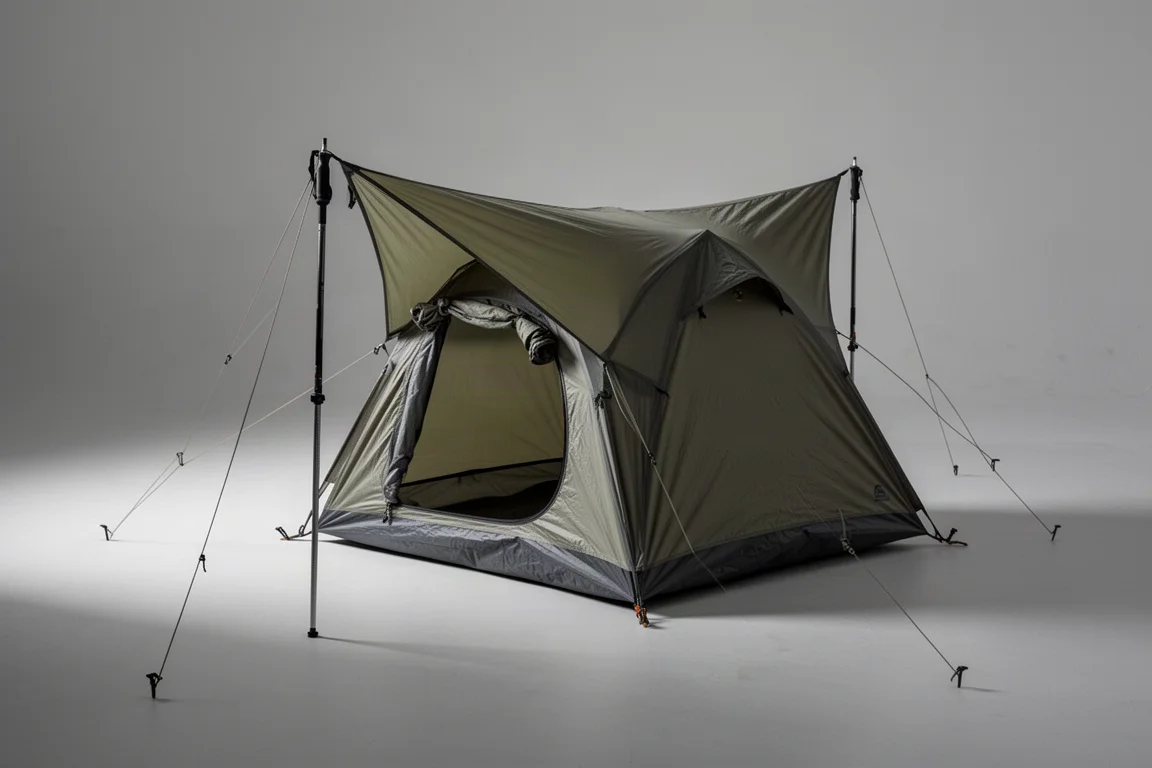
The 4S 2P is the two-person version of a trekking pole tent, and it pitches all in one go, with the fly and inner going up together. That matters when rain is already falling, because you are not exposing the inner to the weather while you fit a separate fly. The complete shelter comes in under a kilogram, and the brand states it can fit two 25-inch wide pads.
What sets it apart is how much anchoring hardware it brings to bad conditions. There are numerous guy-out points and several ways to lock the shelter down, so wind and driving rain have fewer ways in. During a wet morning the interior stayed dry even though the tent was barely staked out, which points to well-sorted geometry rather than brute force.
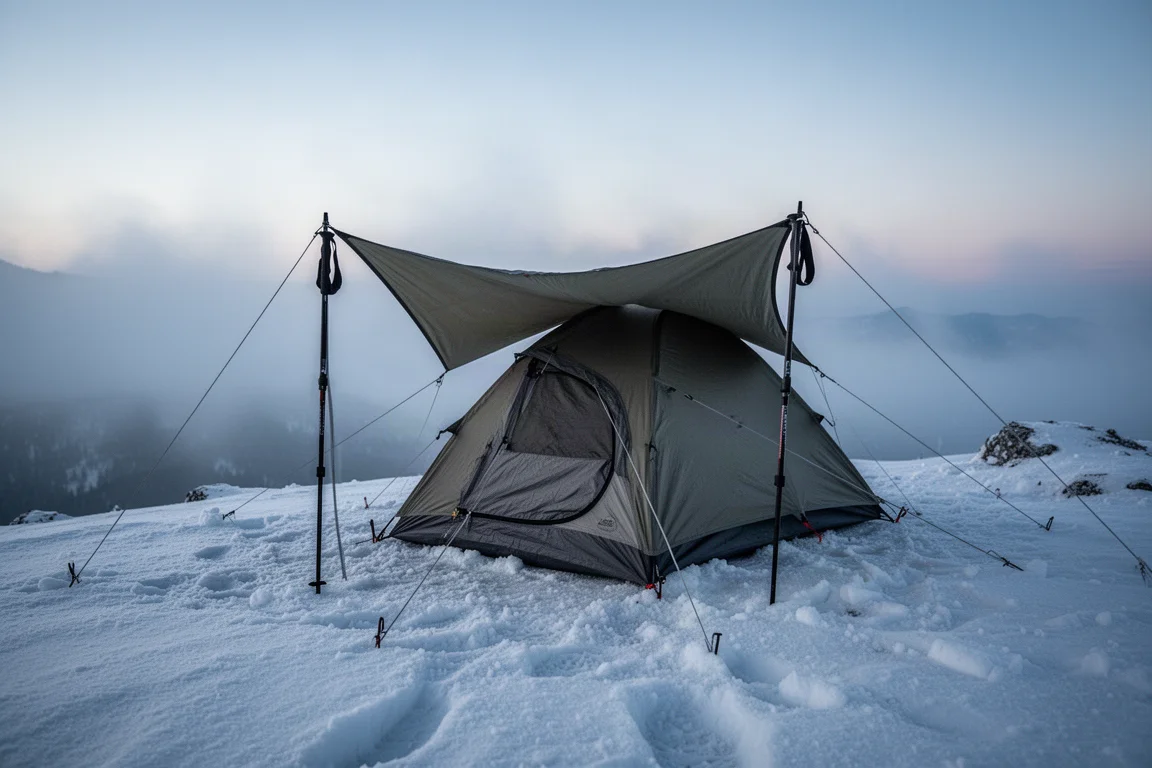
Condensation is the trade-off to plan for. On frozen, saturated ground, moisture built up inside and a few drips came off the ceiling onto sleeping bags and quilts. It never ran down the walls the way it can in a poorly ventilated shelter, and it responds to ventilation habits and campsite choice. For mild, sheltered trips there are lighter options; for exposed, windy, wet routes, this is the kind of shelter that earns its place in a pack.
Outdoor Vitals Oblivion Sleeping Pad: More Warmth Than 3.5 R-Value Suggests
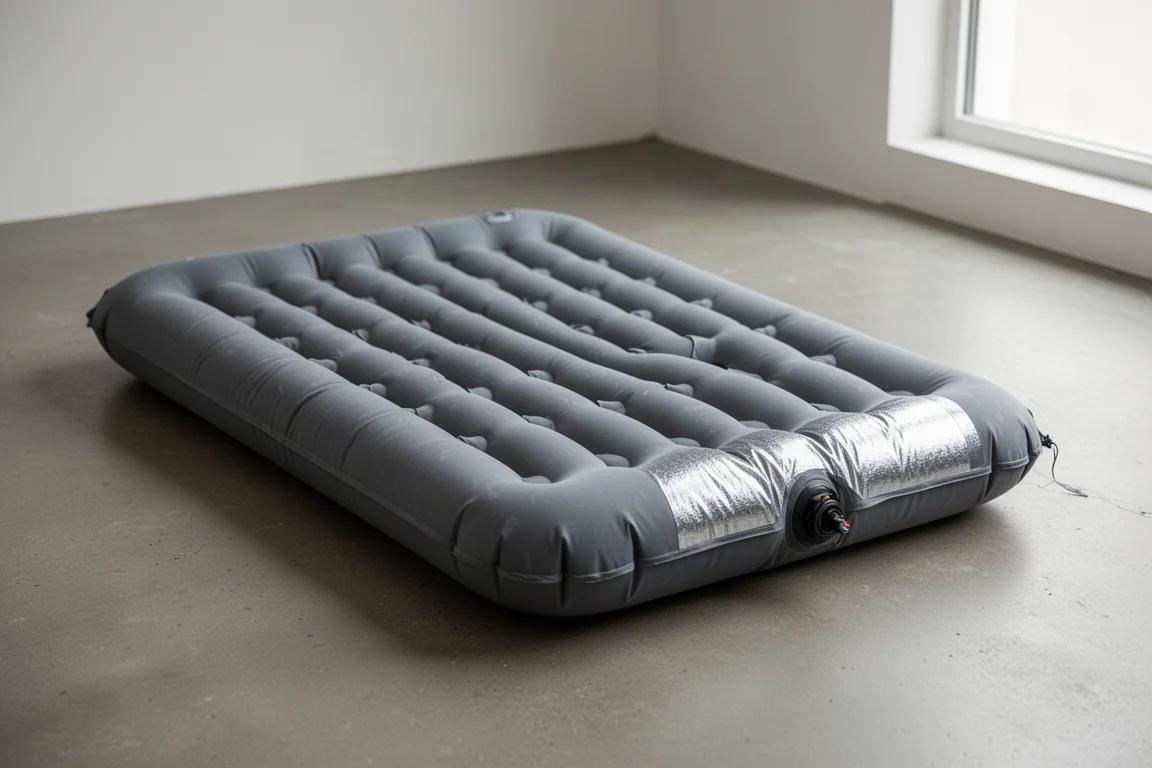
The Oblivion comes in a 25-inch wide version and a narrower 21.5-inch regular. The version used here was the wide model: 26 ounces, three inches thick, and rated at 3.5 R-value. That is not the lightest pad on the market, but it sits in a practical middle ground where comfort and packed size both stay reasonable.
Warmth comes from synthetic insulation inside the pad, a reflective foil layer running through the middle, and a reflective coating on the top surface. The baffle layout uses vertical channels broken into smaller pressure-relief points, a pattern that helps keep arms from going numb, which is a common complaint with simple straight-baffle pads.
The valve is a two-way design with an inflation flap and a quick-dump deflate. It sits on the side rather than the top, which makes fine-tuning firmness while you are already lying on the pad less convenient than a top-mounted valve would be.
On frozen, wet ground with temperatures just below freezing, this pad slept noticeably warmer than a 3.5 rating would suggest. The likely explanation is the combination of the internal insulation and the reflective top layer creating a slightly warmer microclimate, particularly under a quilt rather than a fully enclosed bag.
At just over $100, it is one of the more approachable insulated pads in this category. For three-season backpackers who want comfort without paying a premium, that price-to-warmth balance is the real argument in its favor.
Outdoor Vitals StormLoft 30-Degree Down Quilt: Honest Ratings, Low Weight
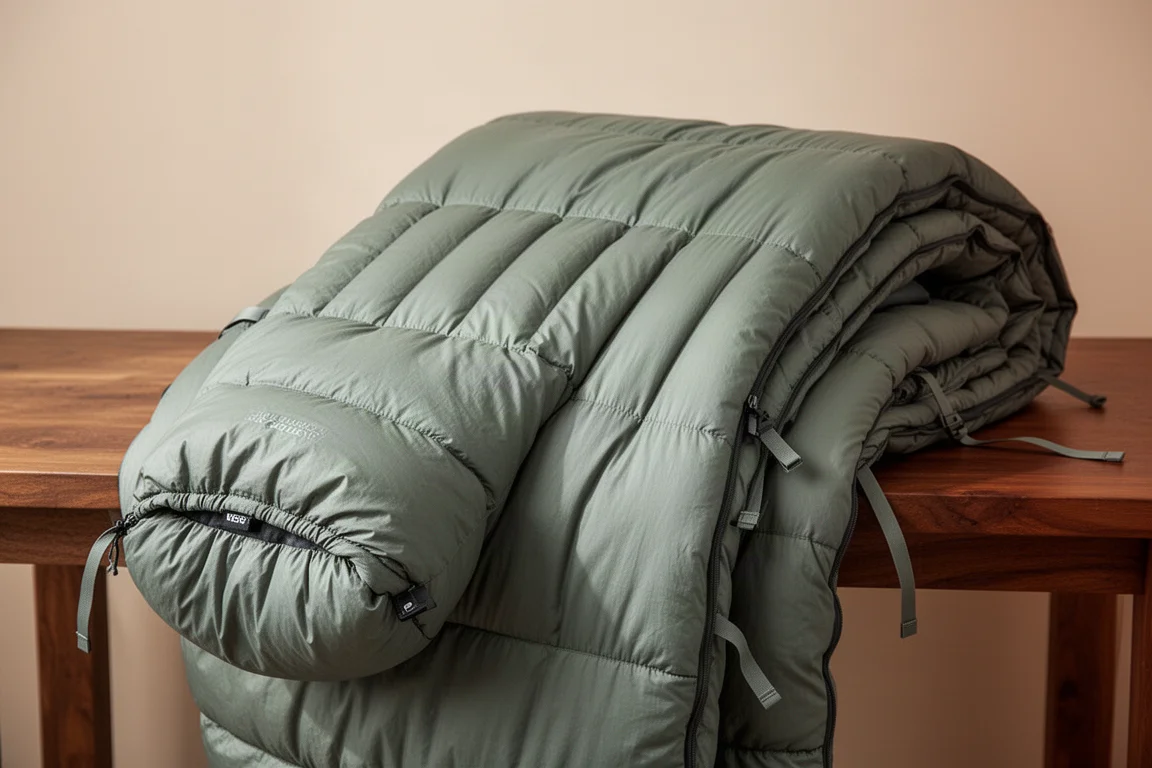
The StormLoft 30-degree quilt uses a 10-denier shell fabric and 800 fill power down, which adds up to 567 grams in the regular length version. That is a competitive weight for the warmth on offer, and the shell feels light rather than fragile in normal use.
The more interesting question with any quilt is whether the temperature rating is honest, because a comfort rating and a limit rating can be twenty degrees apart in real conditions. This one is described as a comfort rating rather than a limit rating, and that held up: with temperatures just below freezing, the quilt performed well and the night was comfortable rather than marginal.
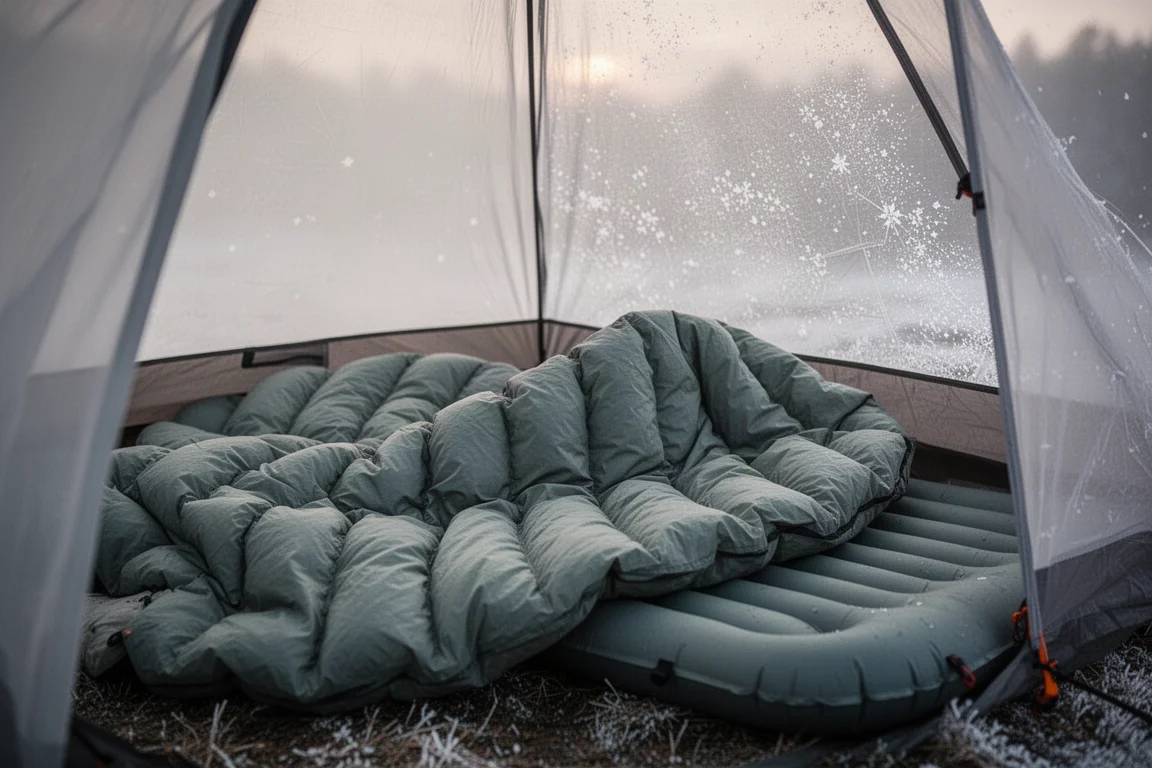
For anyone building a sleep system around a quilt, that distinction is what you are paying for. A 30-degree comfort rating gives you a genuine margin at freezing, and it means the quilt works as a shoulder-season and cold-weather piece rather than a summer-only one.
Outdoor Vitals Tushar Rain Jacket: Light Shell, Premium Price
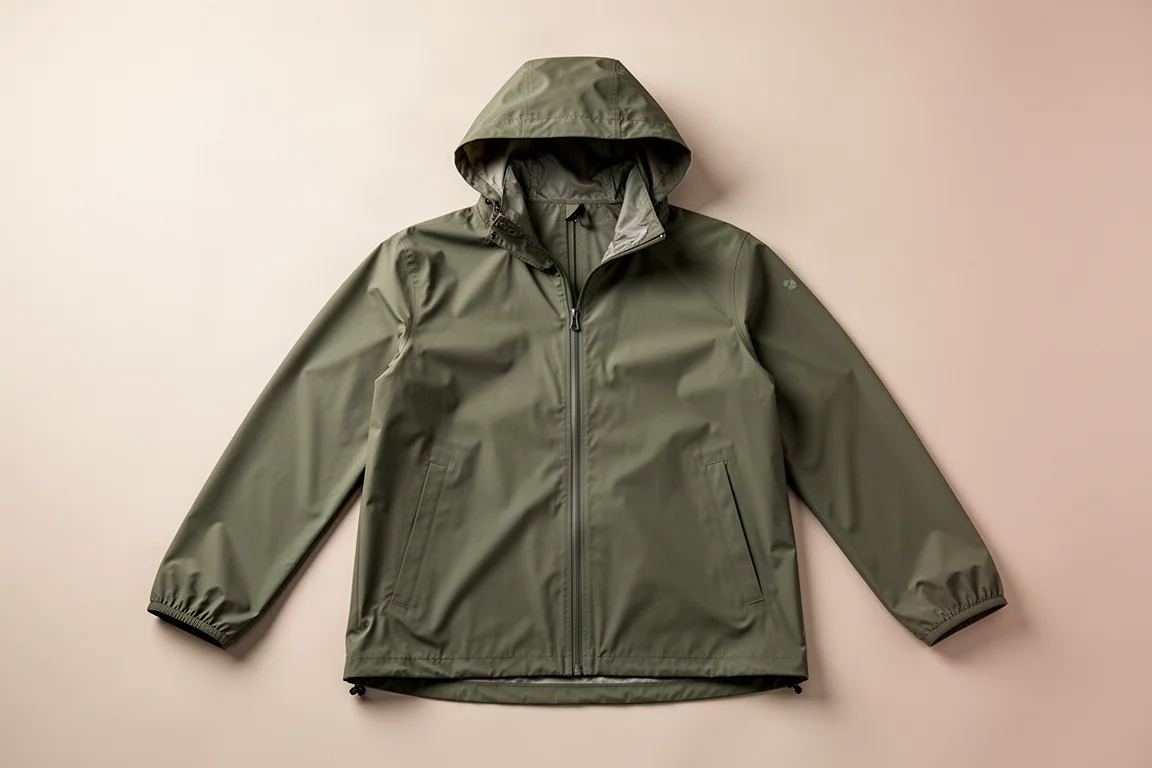
The Tushar rain jacket weighs around 200 grams and uses a construction approach that is uncommon in other shells, combining durability, breathability, and low weight in a way that most lightweight jackets cannot manage at the same time. It was worn through on-and-off rain on trail and did its job as a packable layer that goes on at breaks and comes off when the sun returns.
The consideration here is price. At $230 it sits in premium territory, and that money is going toward the specialist fabric and the low weight rather than features or insulation. If you want the lightest possible shell that still holds up to abrasion and breathes well on the move, the cost is the trade you are making.
Overall Buying Advice
These five pieces do not all serve the same buyer, and matching them to your conditions matters more than buying the whole set.
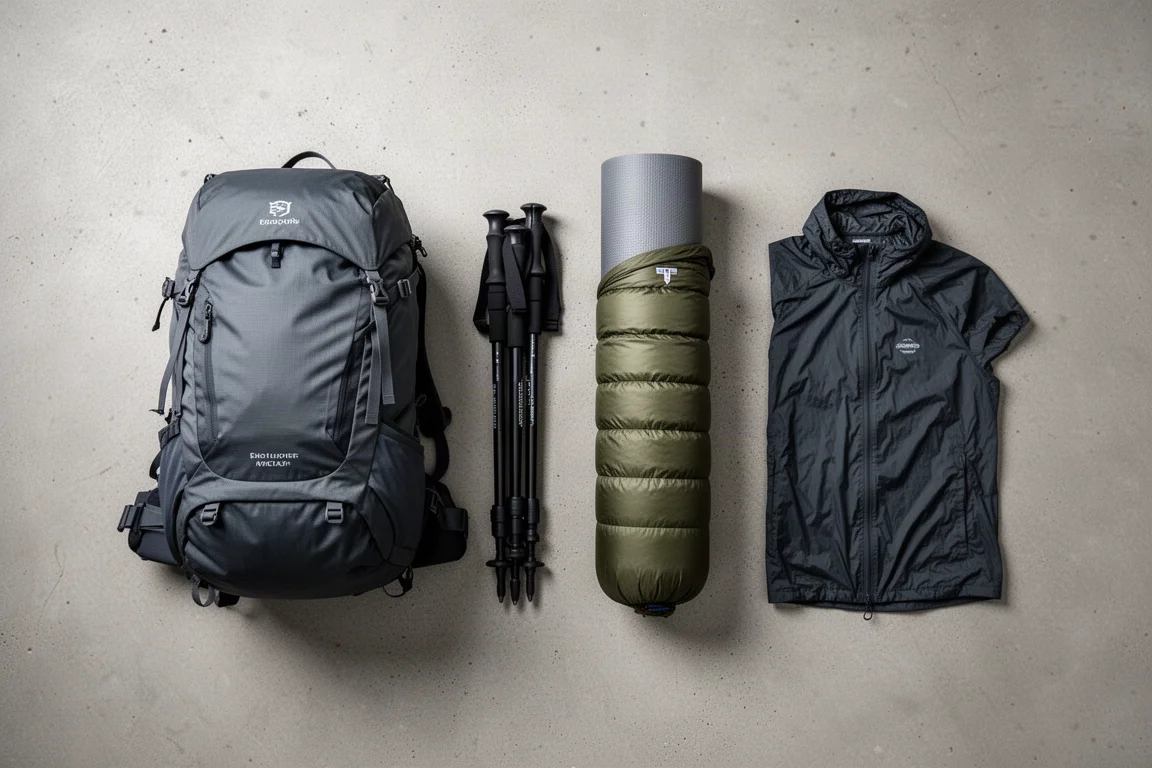
The CS40 pack is the standout for anyone who wants a genuinely light pack that can still carry a heavy winter load, and the reachable side pockets make it easy to live with on long days. The 4S 2P tent makes the most sense for exposed trips where wind and rain are likely, and less sense for mild, sheltered outings where a lighter shelter will do. The Oblivion pad is the value pick of the group for three-season backpackers who want warmth and comfort without a premium price, as long as you accept the 26-ounce weight and the side-mounted valve.
The StormLoft quilt is a straightforward buy if you need insulation that holds up down to about freezing and you want it light. The Tushar jacket is the one piece where budget genuinely changes the decision: it is excellent at what it does, and the $230 price is the reason to think carefully before adding it.
As a general rule, spend first on the sleep system and the pack, because those two carry the most weight in how a trip actually feels. Add the weatherproof shelter when your routes demand it, and treat the premium shell as a finishing piece rather than a starting point.
Conclusion
The strongest pieces in this group are the ones that solve a specific problem well: the CS40 carries heavy loads at a genuinely low weight, the StormLoft quilt delivers honest warmth at freezing, and the 4S 2P tent trades a little condensation management for serious weather anchoring. The Oblivion pad is the approachable all-rounder, and the Tushar jacket is a specialist shell with a specialist price.
If you are building a cold-weather backpacking setup, the pack and the quilt are the two easiest recommendations here. The tent and the jacket are the pieces worth matching carefully to where you actually hike.
Further reading
Related Reviews

Backpacking Gear
Building a 10 lb Base Weight: An Ultralight Backpacking Gear List
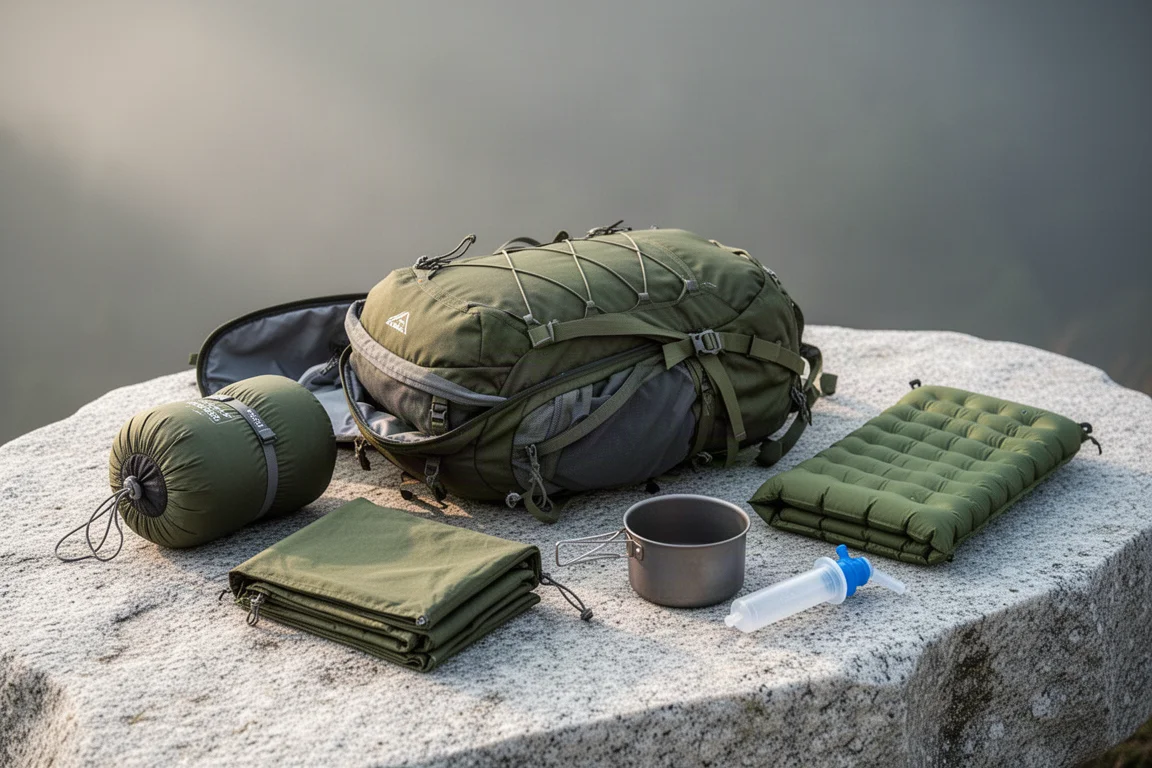
A practical walkthrough of the ultralight pieces behind a 10 lb base weight, from a 765 g pack and a roomy one-person tent to a full camp chair and a dependable water filter.
Backpacking Gear
A 15-Pound Lightweight Backpacking Gear List for Solo Trips
A beginner-friendly 15-pound backpacking setup built from easy-to-find gear, with notes on what each piece does, how it packs, and where to spend your attention.
Backpacking Gear
8 Ultralight Backpacking Gear Upgrades Worth Carrying
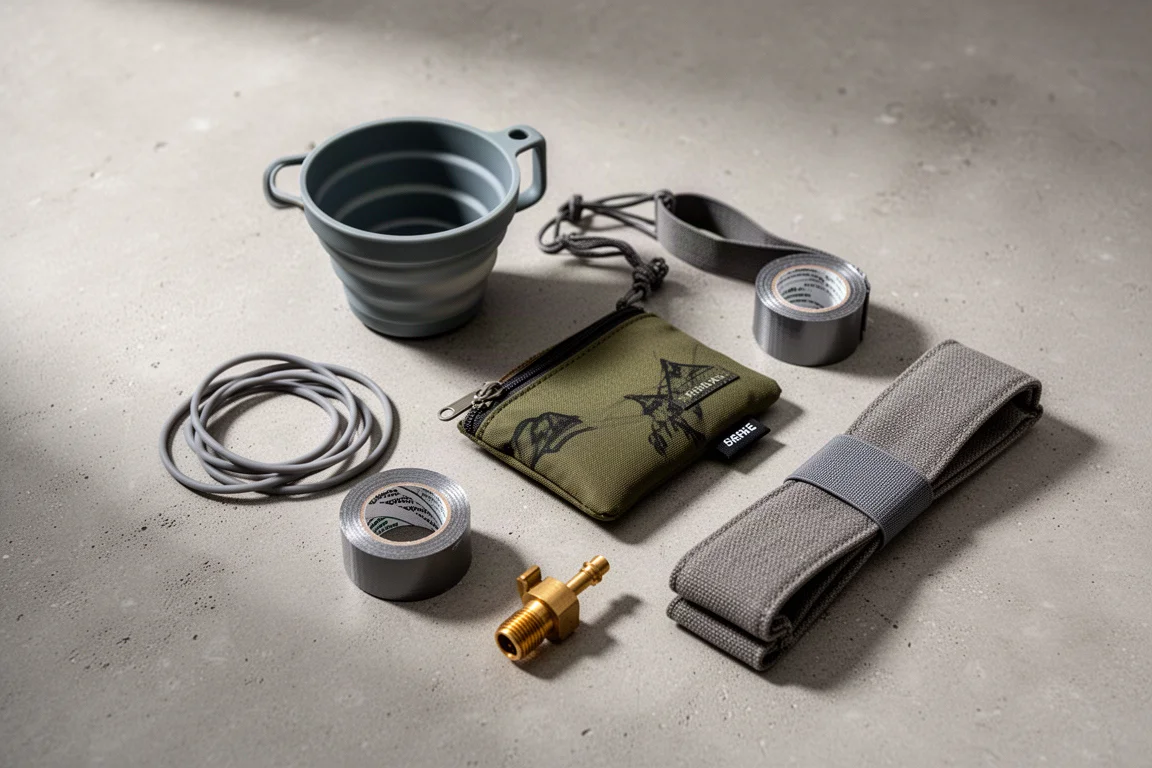
Eight small, affordable backpacking upgrades that solve real trail annoyances, from a pillow that stays put to a fuel valve that rescues leftover canister gas.