Backpacking Gear
Outdoor Vitals Gear Review: Five Backpacking Pieces Tested in Snow and Rain
Five Outdoor Vitals pieces, including the CS40 pack, Oblivion sleeping pad, and Fortius 2P tent, tested on a winter mountain trip with snow, frozen ground, and rain.
Introduction
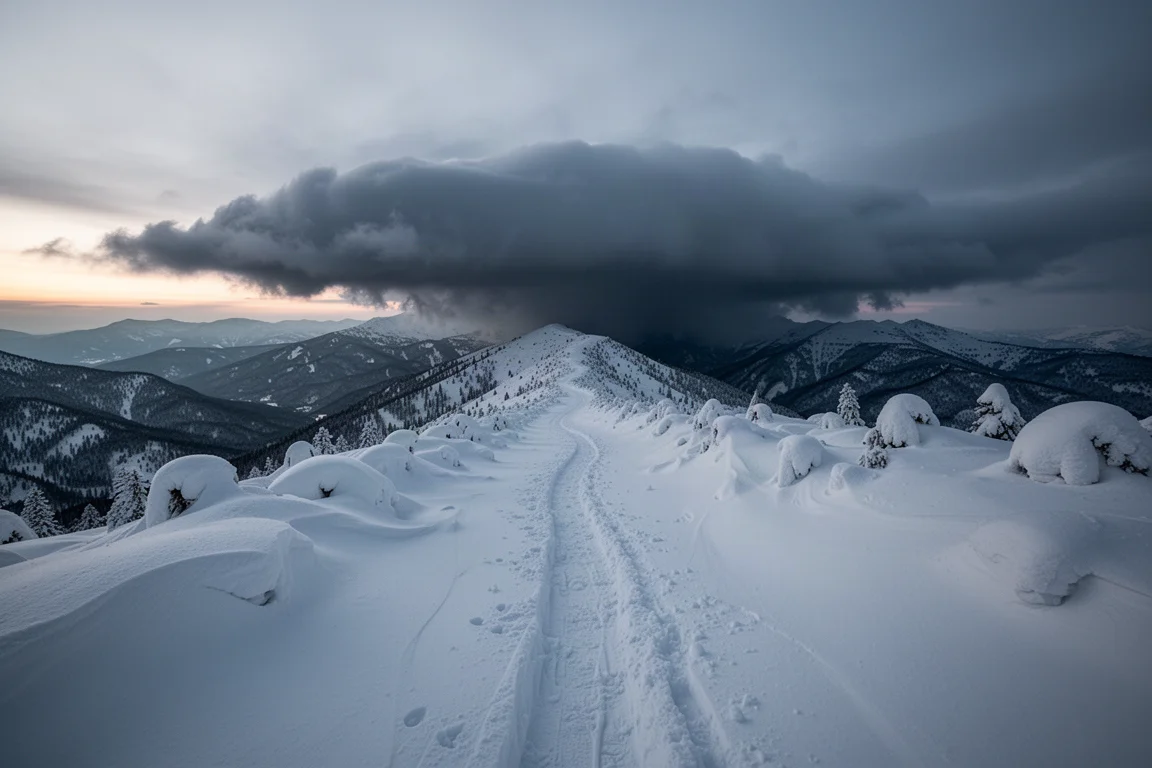
Some gear only proves itself when the weather turns. This set of five pieces from Outdoor Vitals went out on a winter trip into the mountains of Utah, where the plan called for snowshoes, spikes, a frozen lake, and camping on wet, frozen ground. Temperatures dropped just below freezing overnight, rain moved through on the second morning, and a thunderstorm rolled in during the approach.
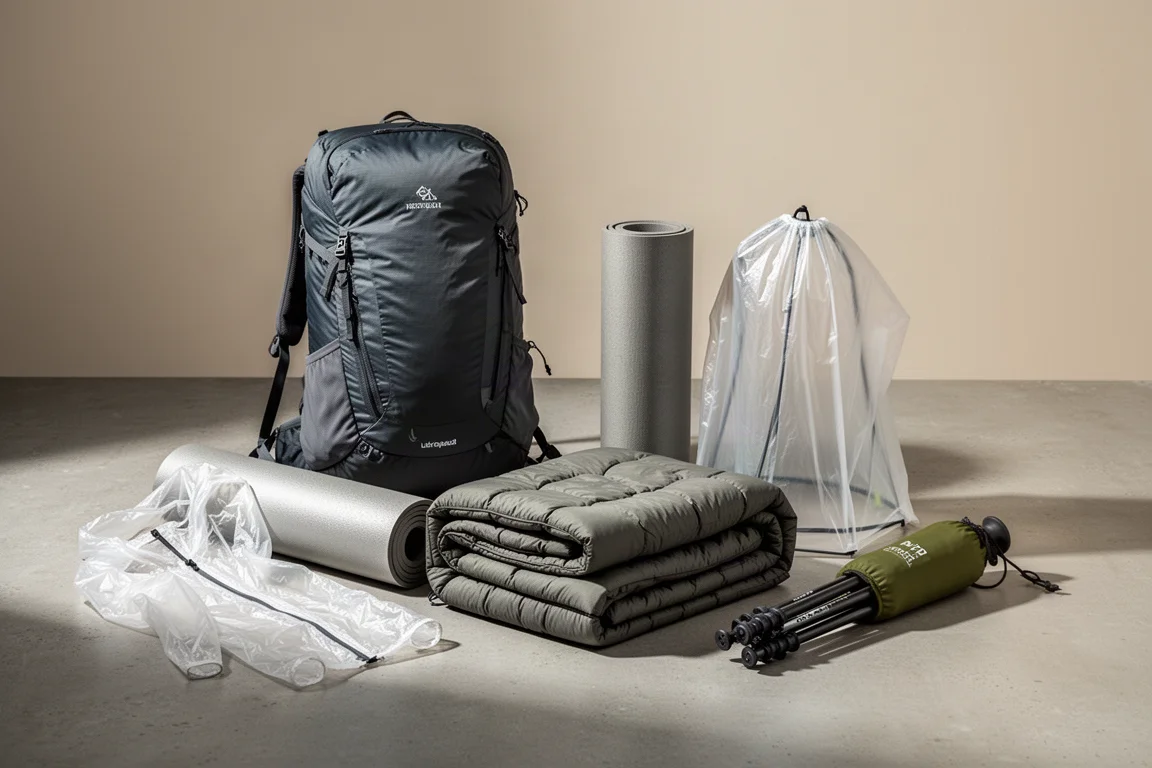
The five pieces covered here are the CS40 pack, the Oblivion sleeping pad, the StormLoft 30-degree down quilt, the Tushar rain jacket, and the Fortius 2P tent. Each one was used in real conditions rather than on a short walk near the trailhead, and field notes went back to the people who designed the gear while the trip was still happening.
This is not sponsored content. The interest here is straightforward: work out which of these pieces earn a permanent place in a pack, and which ones make more sense for a different kind of trip.
How This Gear Was Tested
Conditions were demanding in a useful way: snow at the trailhead turning to deeper drifts higher up, a frozen lake, steep switchbacks under softening snow, and a campsite on wet, frozen ground. Overnight lows dipped below freezing, rain fell off and on the following morning, and wind moved through the basin.
That mix matters because it stresses several parts of a kit at the same time. Frozen ground tests a sleeping pad’s insulation. Cold, damp air tests a quilt rating. Sustained rain tests a tent’s geometry and a shell’s breathability. Carrying a full winter load uphill tests a pack frame and its load transfer.
Notes were compared with the designers mid-trip, which is a useful way to separate a genuine limitation from a setup mistake. A few of the findings below came directly out of those conversations.
Outdoor Vitals CS40 Pack
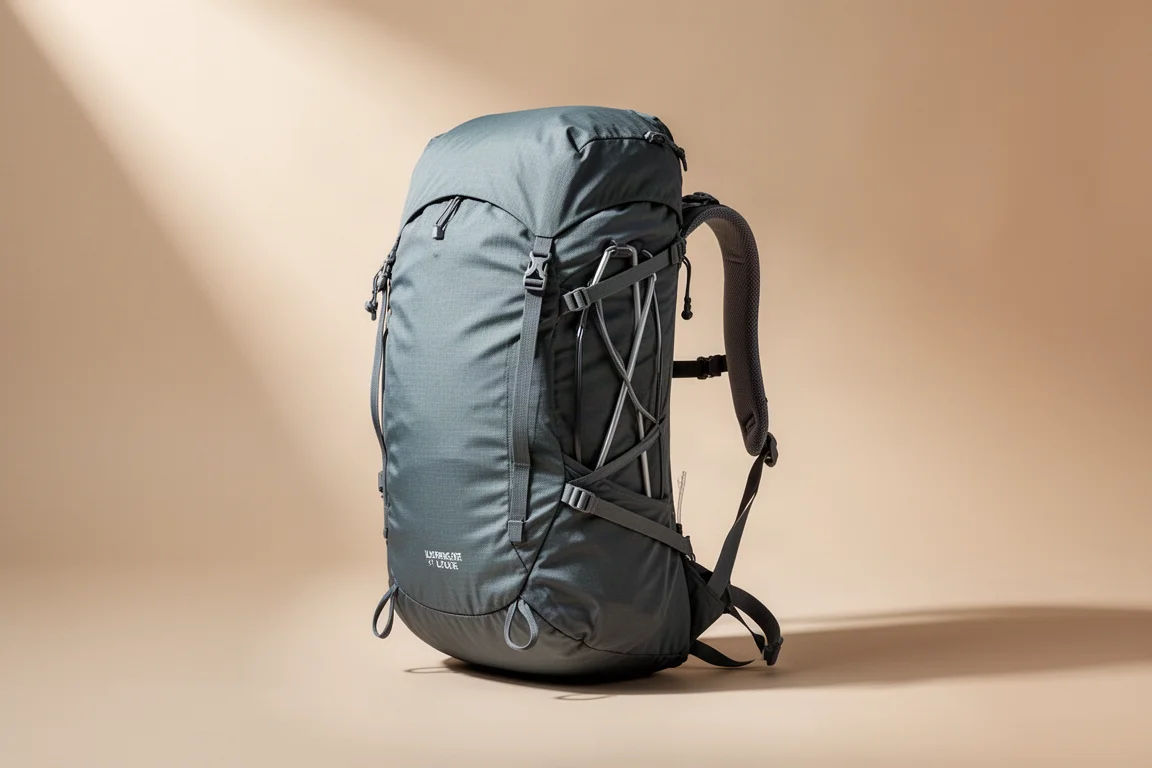
The CS40 is the piece that stood out most. It looks sleek, but the details are what separate it from a crowded field. The side water bottle pockets are reachable while wearing the pack, which sounds minor until you count how many packs make you stop and take everything off just to drink.
The frame is two carbon fiber internal stays that terminate above shoulder level. Load lifter straps run from the top of the frame to the shoulder straps, so tension lifts weight off the shoulders and transfers it down to the hip belt. That is the difference between a pack that carries 35 pounds well and one that puts all of it on your spine.
The fabric is Ultra 200, a 200 denier woven material laminated on the inside. It is highly abrasion resistant with strong tear and tensile performance at a weight class closer to a 100 denier fabric.
The CS40 weighs just over 700 grams and handled a winter load in the 35 to 40 pound range. For reference, a heavier pack previously used for the same loads comes in almost 500 grams more, which is a meaningful amount of weight to add to a base setup.
Outdoor Vitals Oblivion Sleeping Pad
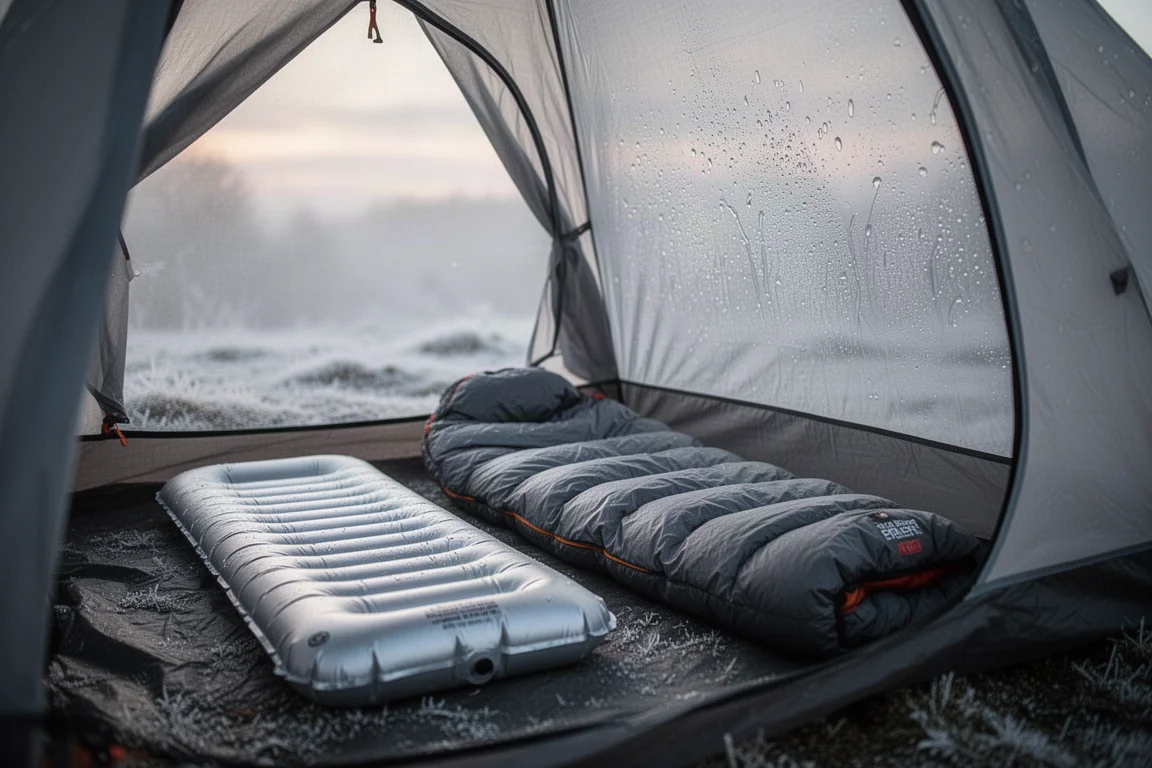
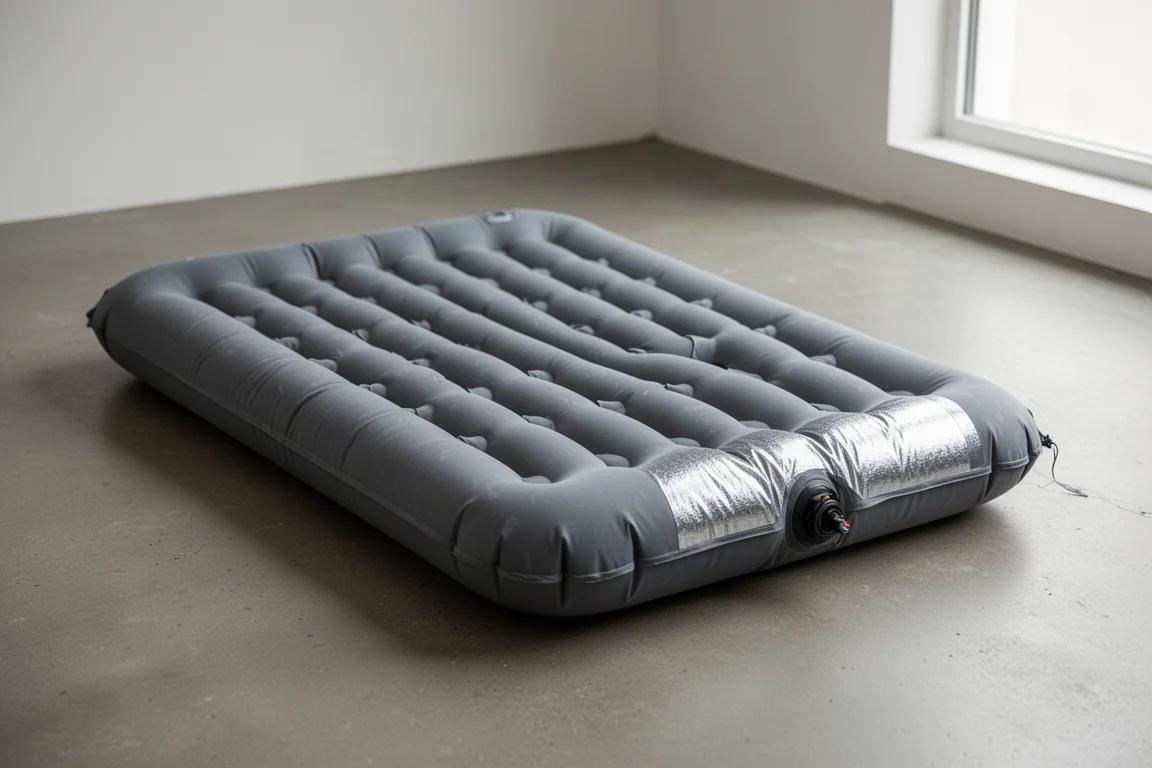
The Oblivion comes in a 25-inch wide version and a 21.5-inch regular version. The wide model tested here is 3 inches thick, weighs 26 ounces, and carries an R value of 3.5.
The baffling uses vertical baffles split into small pressure relief points, similar in concept to the Nemo Tensor. Straight vertical baffles can cut off circulation in the arms over a long night. This layout avoided that entirely, and only a few turns were needed across the whole night.
Insulation is synthetic, with reflective foil running through the middle of the pad, plus a reflective coating on the top surface. That top layer is the likely reason the pad slept noticeably warmer than its 3.5 R value suggests, particularly when paired with a quilt, since it appears to create a slightly warmer micro climate above the pad.
The valve is two-way: an inflation flap, plus a full pull to dump air quickly. The one wish is that the valve sat on top of the pad, which would make small firmness adjustments easier without getting up, and would help top up the air right before bed in cold conditions.
At just over $100, it is priced well below many pads with comparable specs, and it slept warm on frozen ground that should have felt cold.
Outdoor Vitals StormLoft 30-Degree Down Quilt
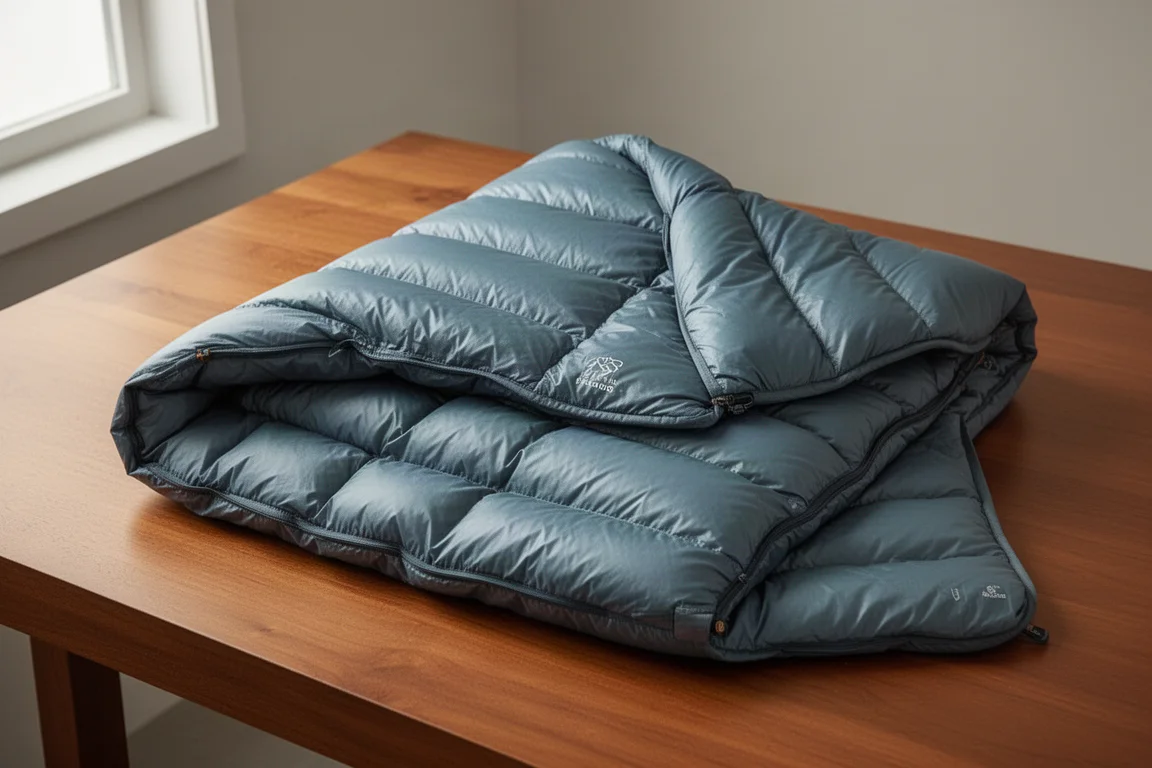
The StormLoft 30 uses a 10 denier shell and 800 fill power down, which comes to 567 grams in the regular length. Quilt specs are easy to publish and hard to verify, so the meaningful question is whether the temperature rating is honest.
Overnight temperatures went just below freezing and the quilt was comfortable, which suggests the 30 degree figure is a comfort rating rather than a limit rating. That is the more useful number for most people, because it describes the temperature you can actually sleep at rather than the temperature you merely survive.
If you already own several quilts, the appeal here is a 30 degree option that covers trips down to around freezing without adding much weight to the pack.
Outdoor Vitals Tushar Rain Jacket
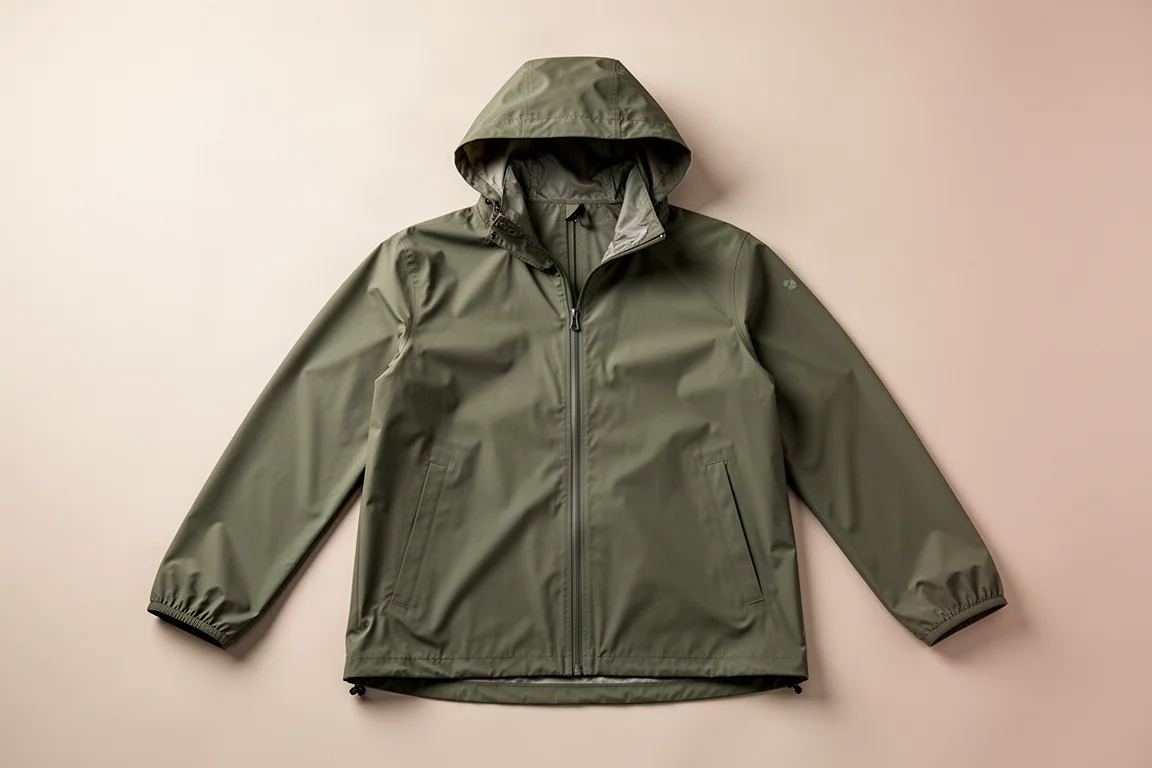
The Tushar uses a fabric technology that is not common in this category, and the result is a jacket that aims at three things at once: durable, breathable, and light. At around 200 grams, it sits in a weight class where most shells give up either durability or breathability.
Rain moved through camp on the second morning, which gave a real test window. The price is $230, which is the main trade-off, and it places the jacket in premium territory for a piece this light.
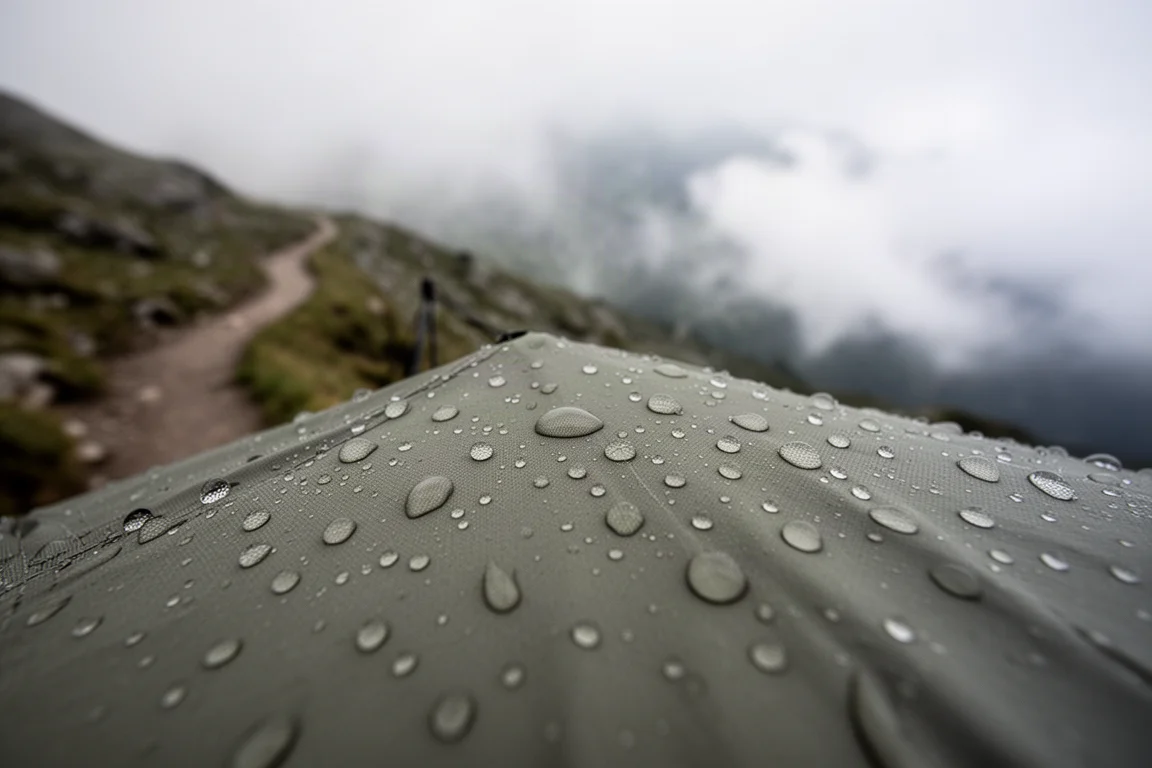
Breathability and long-term durability are the two things worth watching over more trips, because both tend to show up over time rather than in a single outing.
Outdoor Vitals Fortius 2P Tent
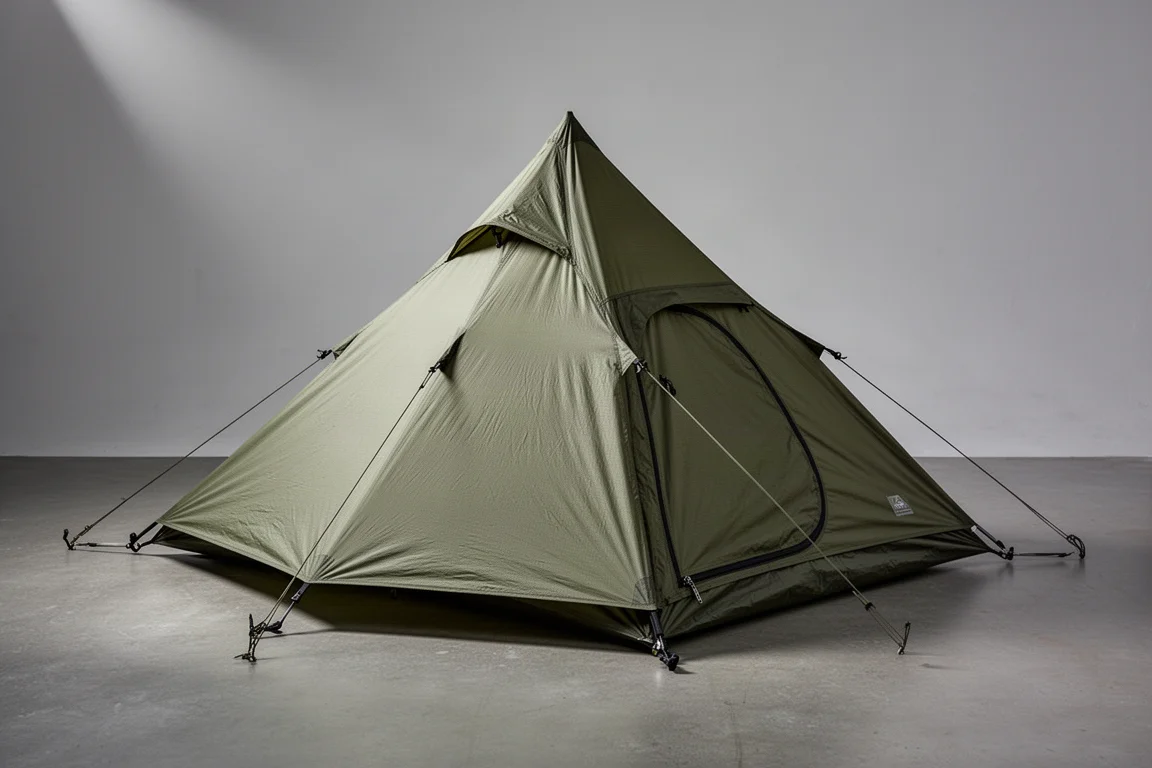
The Fortius 2P is a trekking pole tent with an all-in-one pitch, meaning the fly and inner go up together. In rain, that is a meaningful design choice, because the inner never sits exposed while you wrestle the fly over it.
It weighs under a kilogram for a two-person shelter and it did not leak during sustained rain, even before it was fully staked out, which points to well-tuned geometry.
The structure is built for weather. There are numerous guy-out points and multiple ways to lock the tent down, so wind and heavy rain have somewhere to go. The trade-off is condensation: on wet, frozen ground there was noticeable moisture inside, with a few drips from the top landing on the sleep system. That is expected in those conditions, and airflow adjustments can reduce it.
Buying Advice: Which Pieces Are Worth It
Match each piece to the trip rather than buying the whole set at once.
The CS40 makes sense if you want one pack that stays light on the scale but still carries a winter load. The reachable bottle pockets and the load transfer to the hip belt are the two features that show up every single day on trail, and both are easy to appreciate once the pack is heavy.
The Oblivion is the value pick. At just over $100 it delivers a 3-inch thick, 26-ounce pad with a 3.5 R value that slept warmer than expected on frozen ground. Anyone who does not want to spend $200 on a sleeping pad should start here.
The StormLoft 30 quilt suits three-season trips and cold-weather trips down to around freezing. If your coldest nights go well below that, look at a warmer rating instead.
The Tushar is for hikers who care about pack weight and breathability and are willing to pay $230 for both. The Fortius 2P is the shelter to choose when weather is the main variable: exposed ridgelines, heavy rain, strong wind. For mild summer trips, a lighter shelter will usually be the better call.
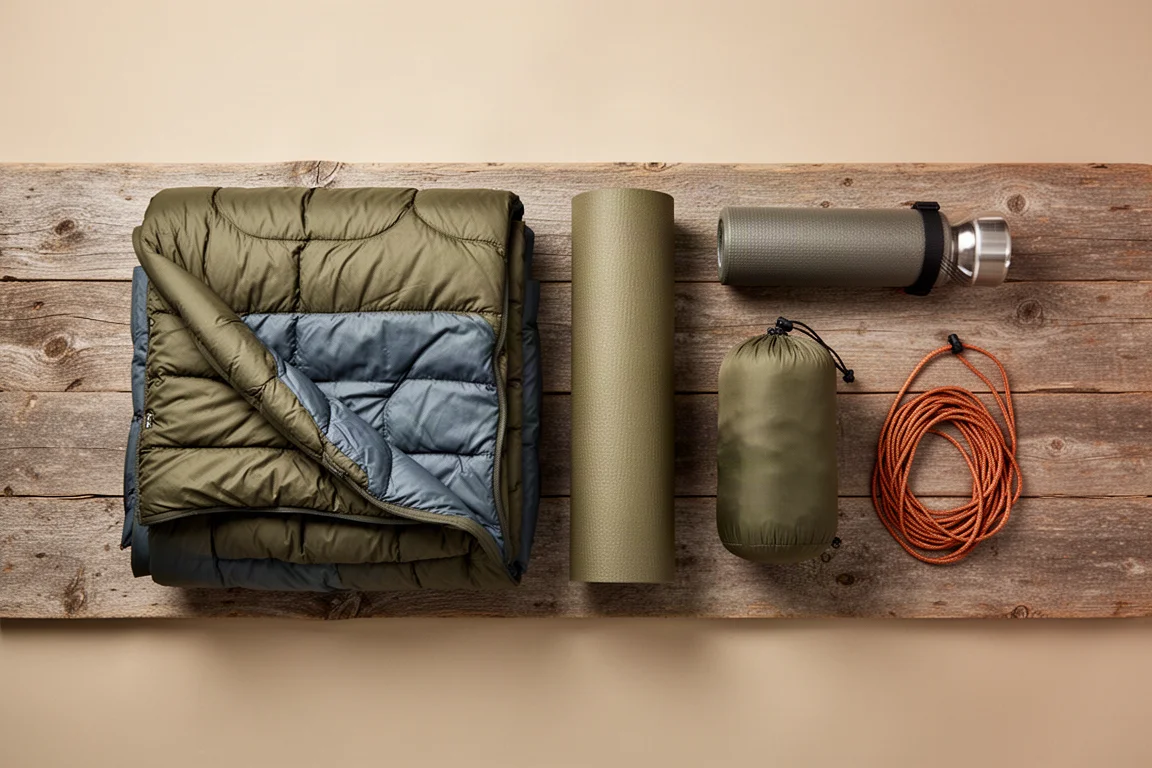
If you are building a kit piece by piece, start with the sleeping pad and quilt, since sleep quality on cold ground affects everything else on a trip. The pack comes next, because it carries the whole system, and the shelter and shell can follow once you know what conditions you actually camp in.
Conclusion
Five pieces, one honest trip. The CS40 and the StormLoft 30 quilt are the two that earned a permanent spot in the kit, the Oblivion sleeping pad is the standout value, the Tushar rain jacket is a premium shell for weight-conscious hikers, and the Fortius 2P is a weather-first shelter rather than a fair-weather one. Buy for the conditions you actually meet, and this lineup covers a lot of ground.
Further reading
Related Reviews

Backpacking Gear
Building a 10 lb Base Weight: An Ultralight Backpacking Gear List
A practical walkthrough of the ultralight pieces behind a 10 lb base weight, from a 765 g pack and a roomy one-person tent to a full camp chair and a dependable water filter.
Backpacking Gear
A 15-Pound Lightweight Backpacking Gear List for Solo Trips
A beginner-friendly 15-pound backpacking setup built from easy-to-find gear, with notes on what each piece does, how it packs, and where to spend your attention.
Backpacking Gear
8 Ultralight Backpacking Gear Upgrades Worth Carrying
Eight small, affordable backpacking upgrades that solve real trail annoyances, from a pillow that stays put to a fuel valve that rescues leftover canister gas.