Backpacking Gear
Outdoor Vitals Backpacking Gear: Four Redesigned Pieces Worth a Look
A hands-on look at four redesigned Outdoor Vitals pieces, including an ultralight pack, an insulated jacket, a synthetic hoodie, and a 15 degree quilt, with the real strengths and trade-offs to know before buying.
Introduction
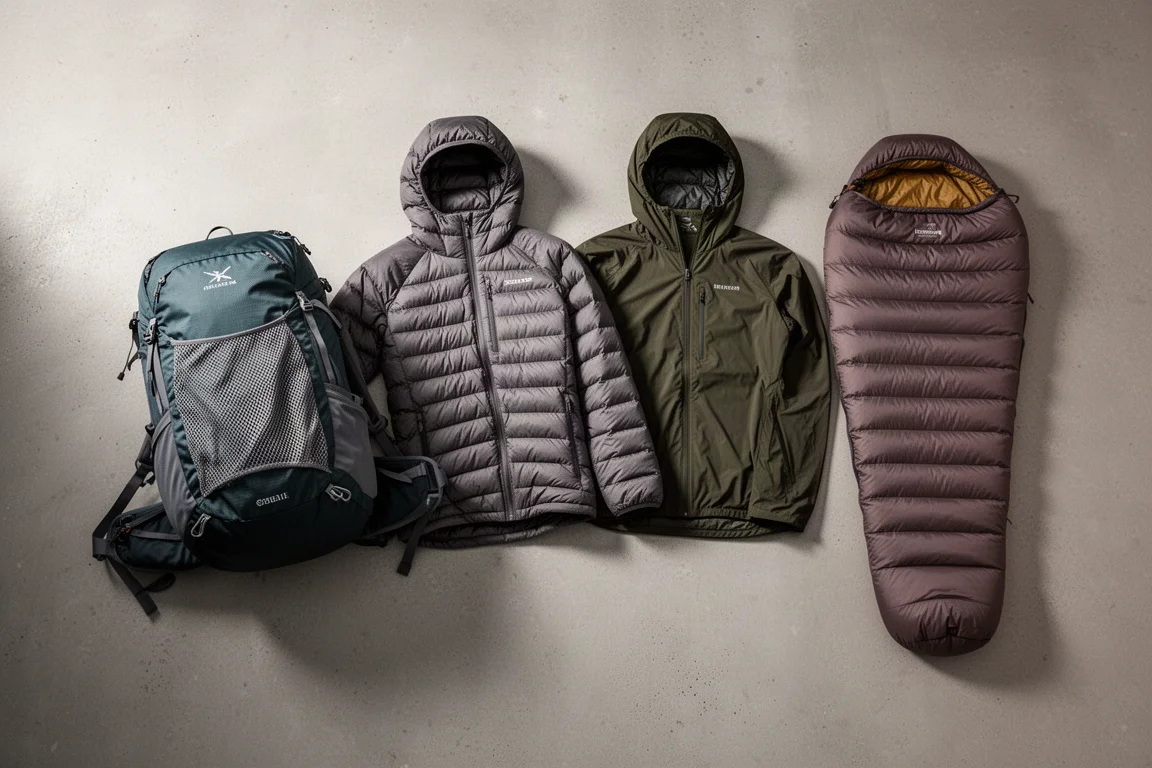
For a long time, Outdoor Vitals sat in an awkward spot. The gear was solid, but it rarely made anyone’s shortlist against the bigger names in backpacking. The redesigned line changes that picture, and it does so in ways you notice on the trail rather than on a spec sheet.
This is a look at four pieces that were used on real trips, with real loads, in genuinely cold conditions. No sponsorship was involved in this assessment, and every trade-off below is one you would run into yourself after a few nights out.
What Changed at Outdoor Vitals
The shift is not marketing. It is design. The company brought in a dedicated product designer and rebuilt several core pieces from the ground up instead of adjusting them at the edges. The result is a line that now holds its own next to established backpacking brands on construction and feature choices, not just on price.
The trend across all four products is the same: fewer compromises, more deliberate detail, and a willingness to rethink how a piece is assembled rather than how it looks in a product photo.
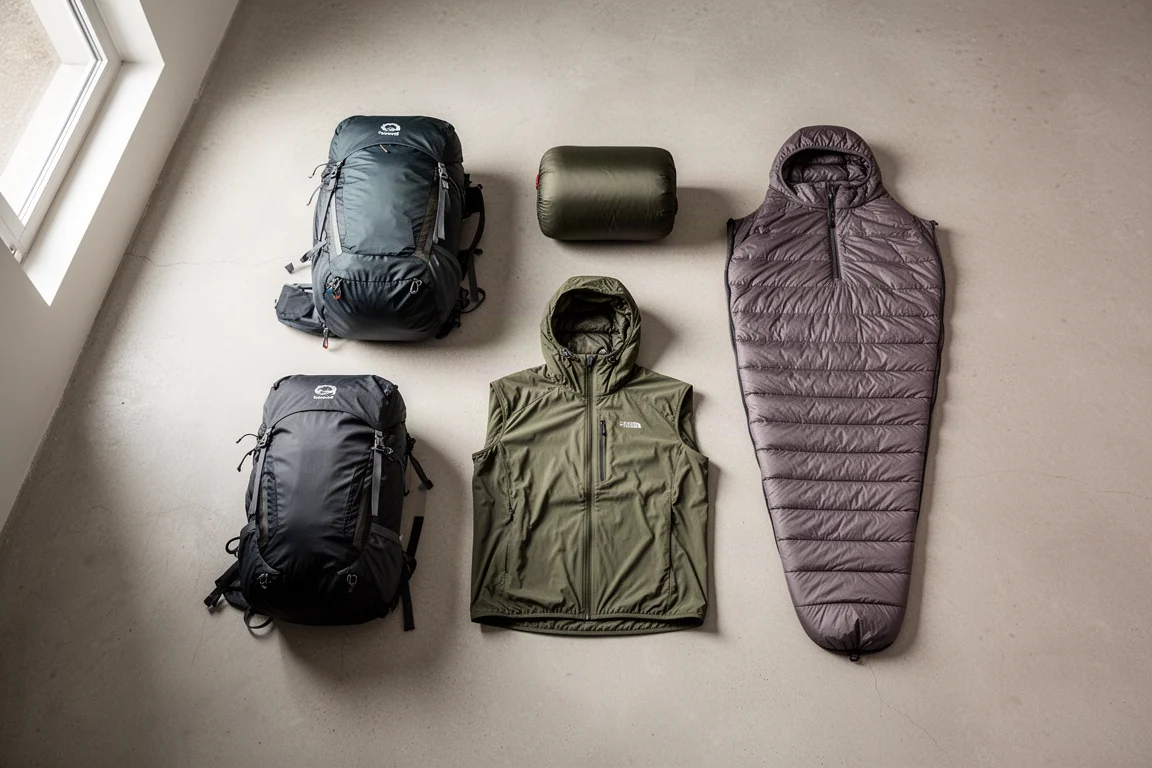
That matters for buyers because it changes the value equation. You are no longer choosing Outdoor Vitals because it costs less. You are choosing it because the piece itself stands up.
Outdoor Vitals Shadowlight Backpack: An Ultralight Load Hauler
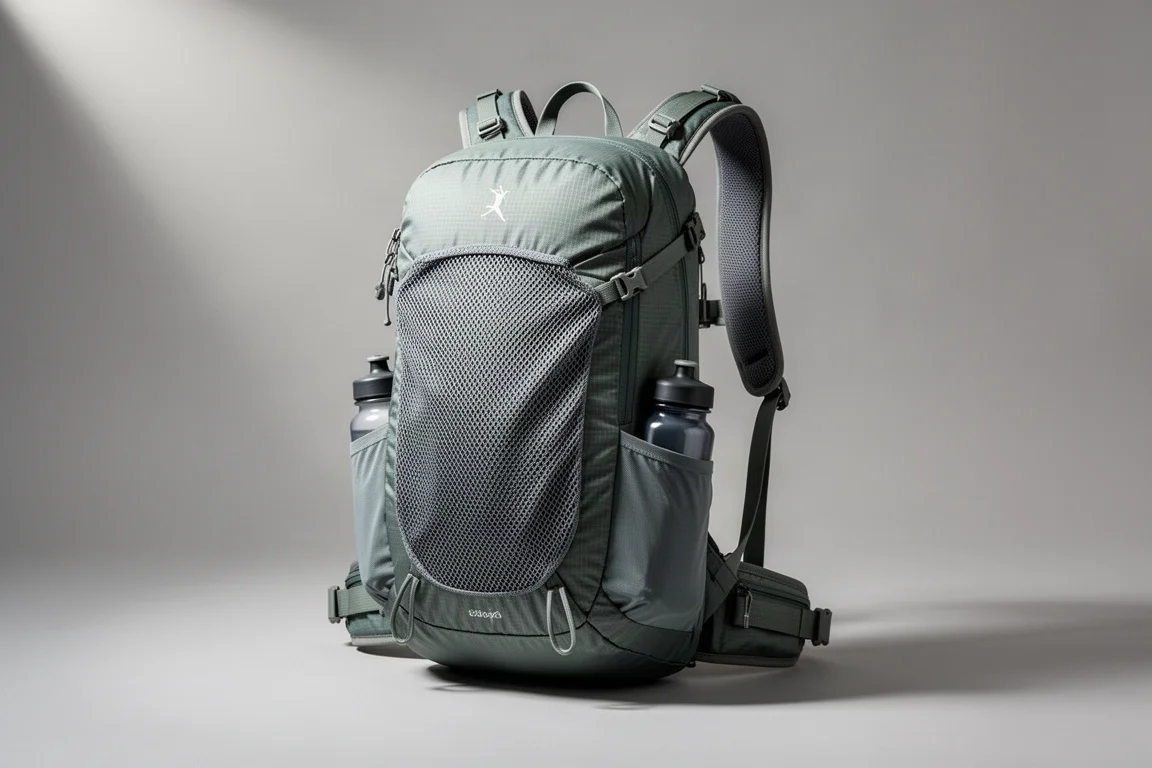
Start with the pack. The Shadowlight carries weight better than its weight class suggests, thanks to an internal frame mounted higher than usual and load lifters that pull the load up toward your back. The hip belt pockets are sewn onto the belt rather than added afterwards, so they open one-handed, and there is a sit pad built into the back panel for rest stops.
Two things to know before buying. The upper side pockets sit high and can crowd the lower water bottle pockets, which hold a standard disposable-style bottle but not trekking poles or tent poles. The rear mesh pouch is split into two sections, which adds organization but makes it harder to stuff one large item across the full panel. The stretch fabric is generous, though, and a full-length center zip lets you reach gear without opening the top of the pack.
The pack is not waterproof, so a pack liner stays part of the kit. At roughly $200, it lands at the budget end of backpacking packs.
Outdoor Vitals Nova Pro Jacket: Stitchless Baffles and a Down-Synthetic Blend
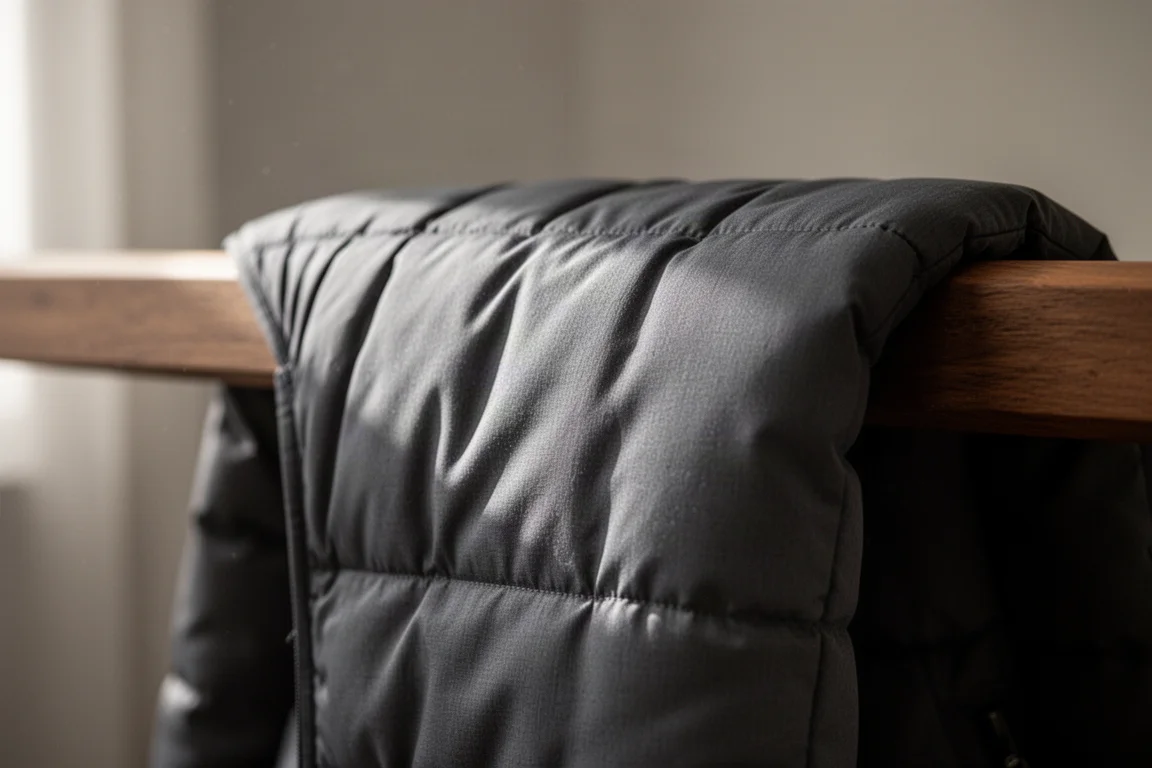
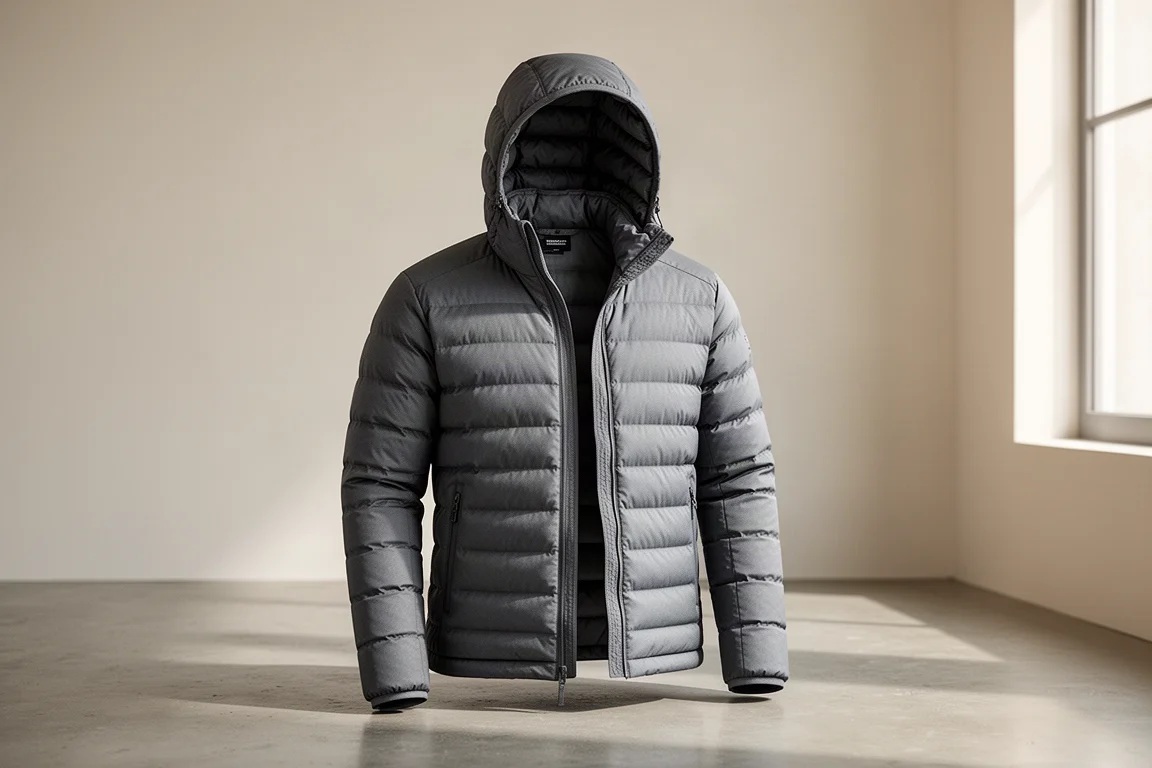
The Nova Pro is the newest piece here, and its baffles are the reason to pay attention. Instead of stitched-through seams, the shell and lining are woven together so there are no needle holes between the chambers. That keeps insulation lofted in the gaps and slows both wind and water from cutting through the jacket.
The fill is mostly down with a small synthetic blend, intended to help the jacket hold loft if it gets damp. Worn on trips in the low 30s and then in the low 20s, it stayed warm throughout. Pit zips give you a way to dump heat while moving, which is unusual to find on a down jacket.
The trade-off is weight. The construction and the fill mix make it slightly heavier than the lightest down jackets in its warmth class.
For shoulder-season trips where wind is a bigger problem than rain, that trade is easy to accept.
Outdoor Vitals Ventus Hoodie: Seven Ounces of Synthetic Warmth
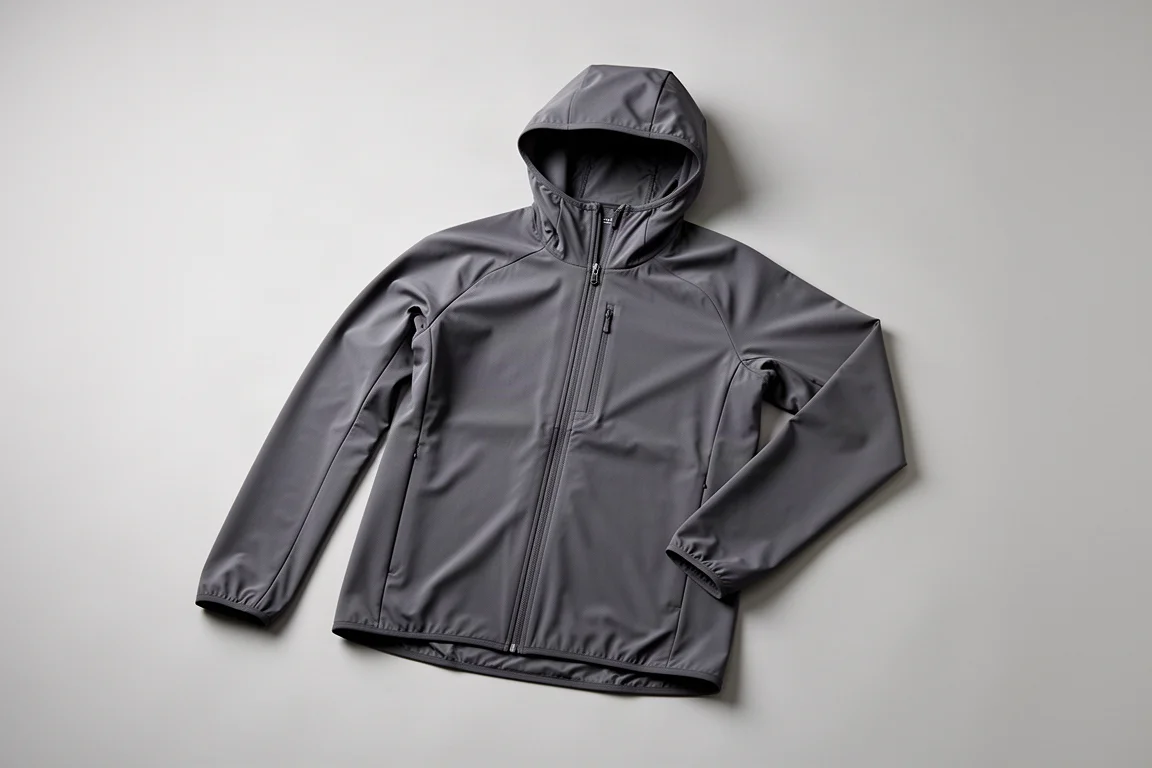
If one piece deserves the spotlight, it is the Ventus Hoodie. It weighs around seven ounces, packs down small, and delivers a surprising amount of warmth for a synthetic layer. In warmer shoulder-season conditions it can take the place of a puffy jacket entirely, and combined with the Nova Pro it handles below-freezing nights without requiring a bulky winter parka.
It is not a do-everything layer. As a synthetic piece it is at its best across three-season use, and for deep winter on its own you will still want more insulation. As a single purchase that covers the widest range of conditions, though, it is the one to start with.
Outdoor Vitals 15 Degree Quilt: Lightweight Warmth for Cold Nights
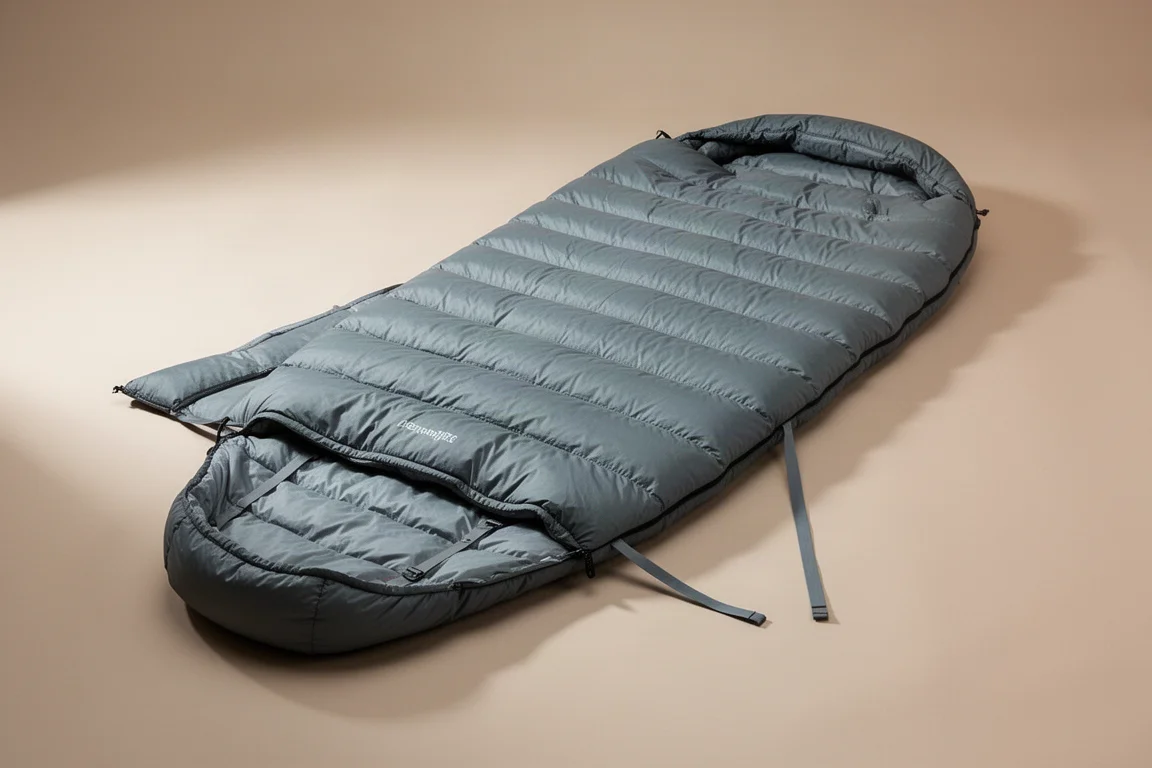
The redesigned 15 degree quilt is the piece that surprised the most. Used at roughly 30 degrees and then again near 20 degrees, it stayed warm with no jacket needed inside and no socks on, and it is lighter than the sleeping bags it can replace in winter conditions.
The outer shell bows outward, which lets the quilt wrap underneath you when it is secured with pad straps. On a 25 inch wide rectangular insulated pad, though, the sides did not come up when rolling over, leaving a gap where cold air could enter. That is worth planning around with a narrower pad or a different strap setup. The other small annoyance is the cinch cord at the head of the quilt, which sits in the middle and can rest against your face through the night.
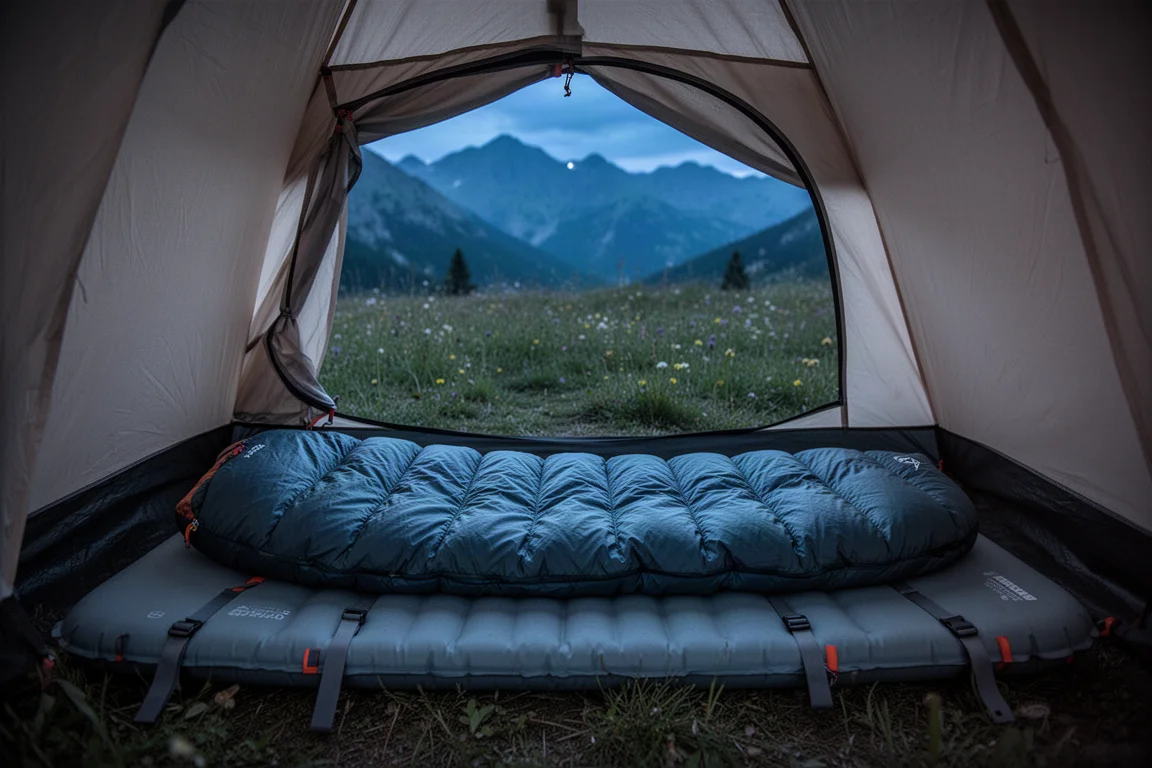
The quilt is rated to 15 degrees, and the company’s own guidance is that the rating is realistic, which lines up with how it performed in the low 20s.
Buying Advice: Matching the Gear to Your Trips
These four pieces do different jobs, so the right starting point depends on what your trips actually look like. If your pack is the weak link, the Shadowlight is the affordable fix and the most comfortable way to carry a heavy load. If you hike in wind and shoulder-season cold, the Nova Pro is the layer that earns its space. If you want one warm layer that works across as many trips as possible, the Ventus Hoodie is the safest single purchase. And if you sleep cold and want to drop pack weight, the 15 degree quilt is the piece to build a sleep system around.
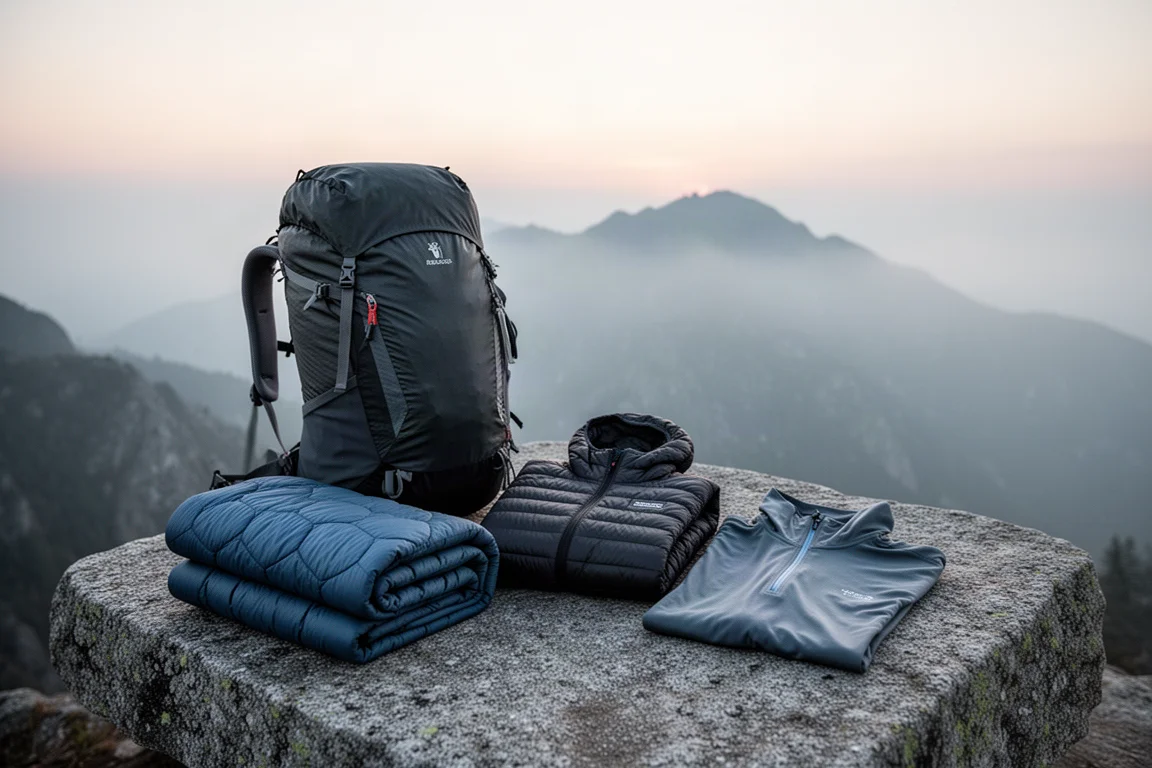
One practical note: the quilt rewards a little experimentation with pad width and strap tension, and the Shadowlight rewards a pack liner. Budget a small amount of time to dial both in, and the gear performs closer to its potential.
Conclusion
Outdoor Vitals has moved from a brand you settle for to a brand you can plan around. The Shadowlight carries weight comfortably at a budget price, the Nova Pro brings a genuinely different baffle construction to an insulated jacket, the Ventus Hoodie is the standout layer for its weight, and the 15 degree quilt delivers real cold-weather warmth at a fraction of the bulk of a winter bag. Each one has a trade-off worth knowing before you buy, and none of them is a reason to walk away.
Further reading
Related Reviews

Backpacking Gear
Building a 10 lb Base Weight: An Ultralight Backpacking Gear List
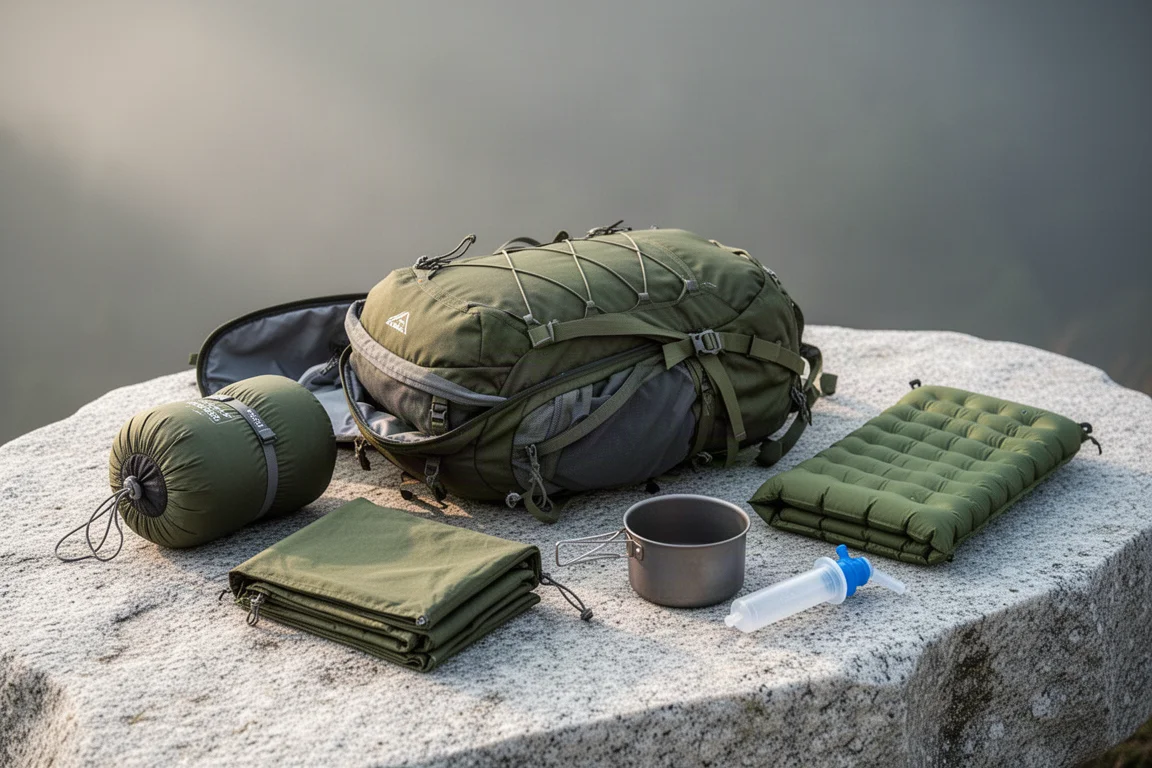
A practical walkthrough of the ultralight pieces behind a 10 lb base weight, from a 765 g pack and a roomy one-person tent to a full camp chair and a dependable water filter.
Backpacking Gear
A 15-Pound Lightweight Backpacking Gear List for Solo Trips
A beginner-friendly 15-pound backpacking setup built from easy-to-find gear, with notes on what each piece does, how it packs, and where to spend your attention.
Backpacking Gear
8 Ultralight Backpacking Gear Upgrades Worth Carrying
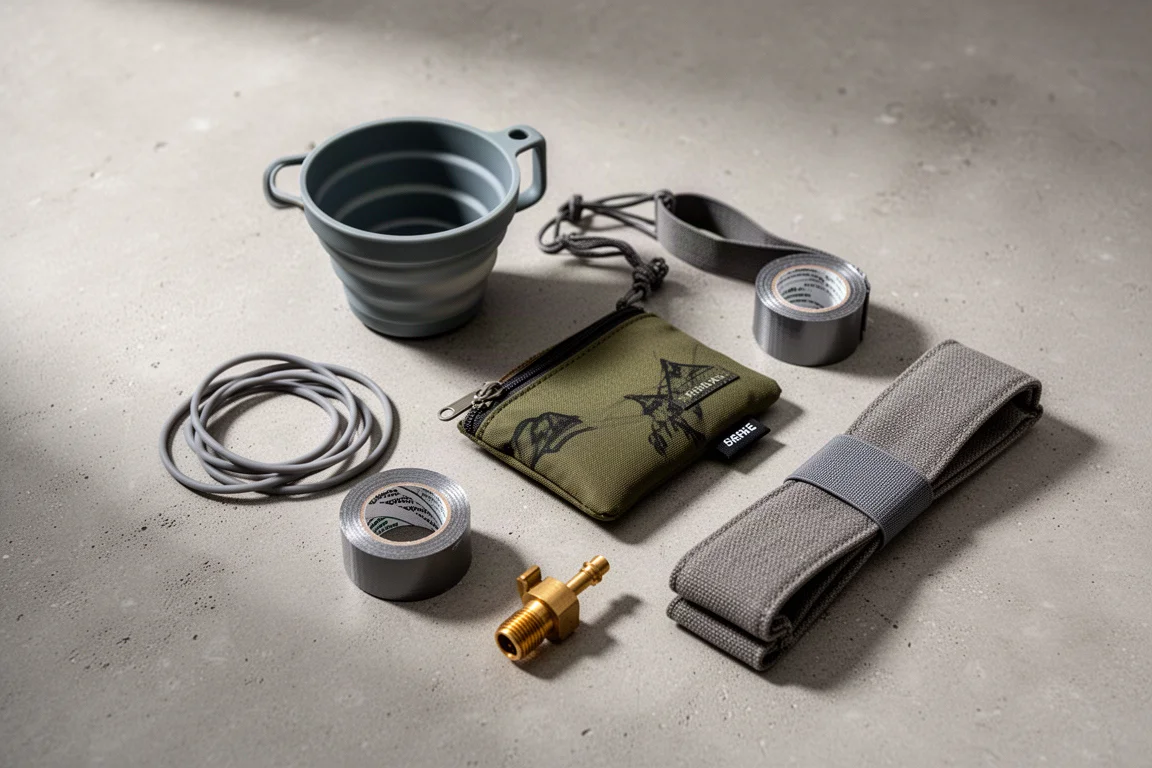
Eight small, affordable backpacking upgrades that solve real trail annoyances, from a pillow that stays put to a fuel valve that rescues leftover canister gas.