Camping Tents
Outdoor Vitals 40s Tent Review: An Ultralight Trekking Pole Shelter Built for Real Weather
A single-wall, trekking pole backpacking tent that weighs about 26 ounces in the one-person size, with the ventilation and wind handling to match its low weight.
Introduction
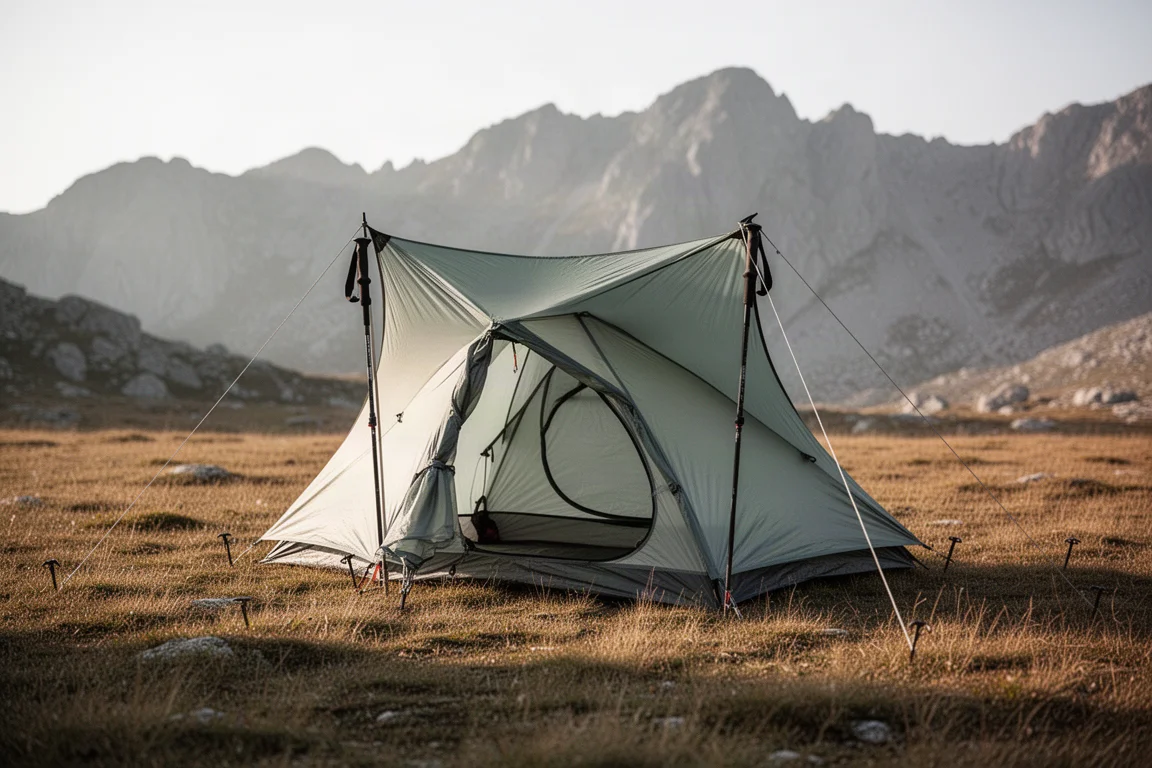
The Outdoor Vitals 40s Tent is a single-wall shelter that pitches with trekking poles instead of dedicated tent poles. That one design decision shapes almost everything about it: the packed weight, the way it sheds wind, and the kind of hiker it makes sense for.
It comes in a one-person version at $280, with a two-person version that runs roughly $25 to $30 more. The two-person model gives up the offset pole arrangement and adds a second vestibule.
This review covers what the 40s Tent does well, where it asks something of you in return, and how to decide whether it belongs in your kit.
Who the Outdoor Vitals 40s Tent Is For
Start with the obvious point: this is a trekking pole tent, so it assumes you already carry trekking poles on the trail. If you do, those poles stop being dead weight and become your shelter structure. If you don’t, the standard pitch won’t work as designed. A carbon fiber pole add-on is planned for hikers who don’t carry poles, but it isn’t part of the standard setup.

Beyond that, the tent suits backpackers who count ounces but still want something that holds together when the weather turns. The one-person version weighs about 26 ounces. The design also fits hikers who spend time above treeline or in open basins, where wind arrives fast and a shelter needs to shed load rather than flap itself apart.
It is not aimed at car campers, and it isn’t a freestanding tent. Six stakes are required to pitch it, so it wants ground you can drive a stake into.
Main Strengths
Ultralight Build Without Going Fragile
The body is 15 denier ripstop nylon, siliconized for waterproofing and PU coated. That is a light fabric, and the design leans into it deliberately, then adds back the pieces that field testing showed actually mattered.
The result is a shelter that trims weight without trimming the parts you rely on. Stake points are generous enough to accept an 18 inch stake, which gives you far more placement options than the short, minimalist stake loops found on some ultralight tents. In practice that means you can find a hold in awkward ground and still get a solid pitch.
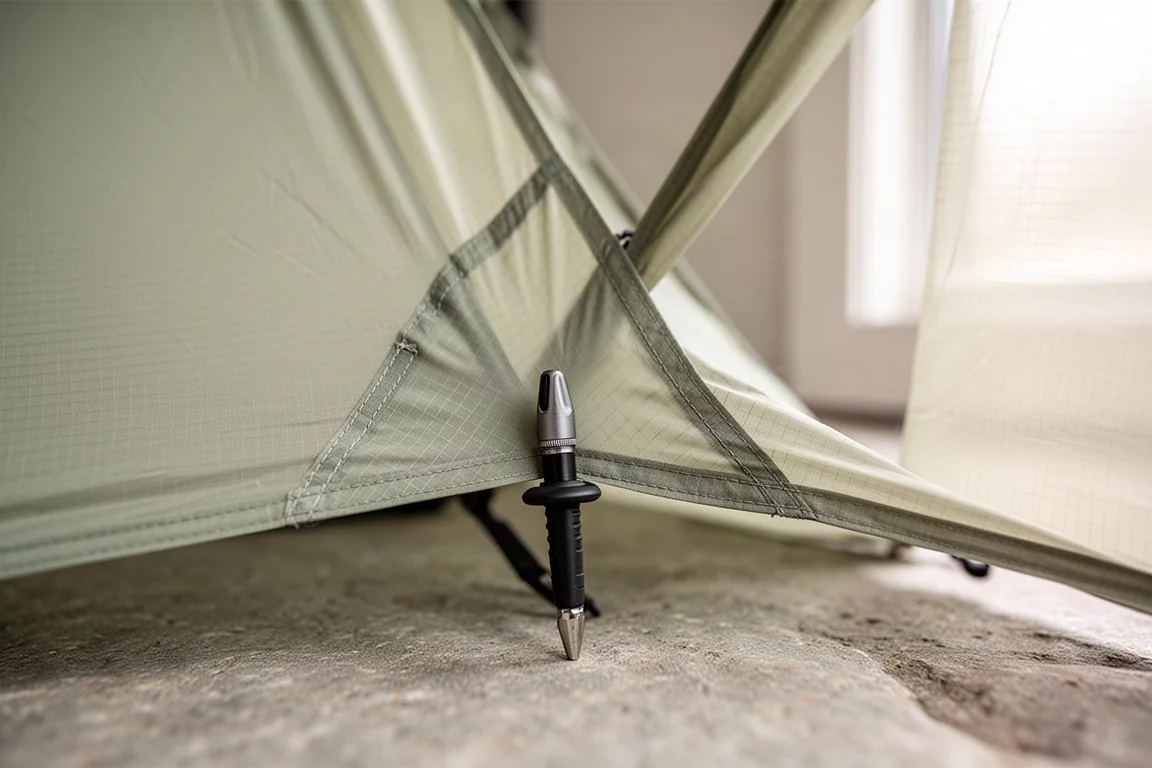
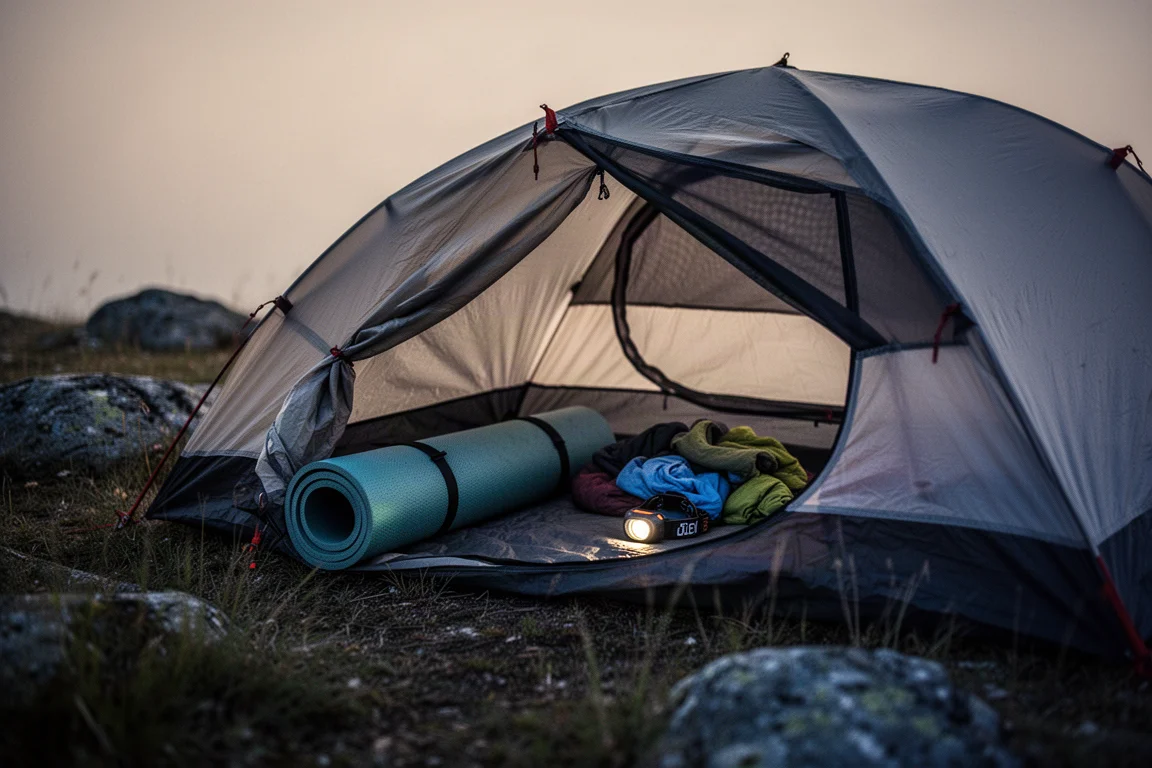
The floor is a true rectangle, 32 inches wide at both ends, and there is no official head end. The tent isn’t tapered, so you can pitch it with your head uphill or downhill depending on the site. A 25 inch wide pad fits with room left over for clothing, a headlamp, and the small items you want close at hand.
Ventilation and Living Space
Single-wall tents live or die on airflow, and the 40s Tent handles it with a few connected choices. The vestibule doesn’t hug the ground tightly, so air moves underneath. A large mesh wall panel sits on one side, and mesh runs along each end between the wall and the bathtub floor.
The door can be peeled back on both sides. Unclipping one section leaves the pole tips retained while opening the entry wide, which is useful when you want a clear view and a cross breeze on a warm evening.
Inside, the two pole tips cant outward slightly, which adds elbow room where you actually move. The offset pole heights keep the structure light while still leaving ample headroom, enough that a three and a half inch thick pad can be folded over for seating with room left to stretch out.
Storage is intentionally minimal: one pocket on the far side, positioned in the middle, with the vestibules handling the rest of your gear.
Weather Load and Pitching Flexibility
The 40s Tent ships with removable wind panels, and they can be repositioned around the exterior as conditions change. If wind is loading one corner, you move a panel there. They are also available separately if you want extras.
The side pull-outs serve two purposes. They add headroom and interior space, and they help the tent resist wind load so the wall doesn’t fold inward. The recommendation is to pull the fabric out a little rather than crank them tight like a guy line, letting the wind do the loading. Some campers also prop a stick under a pull-out at an upward angle for extra headroom.
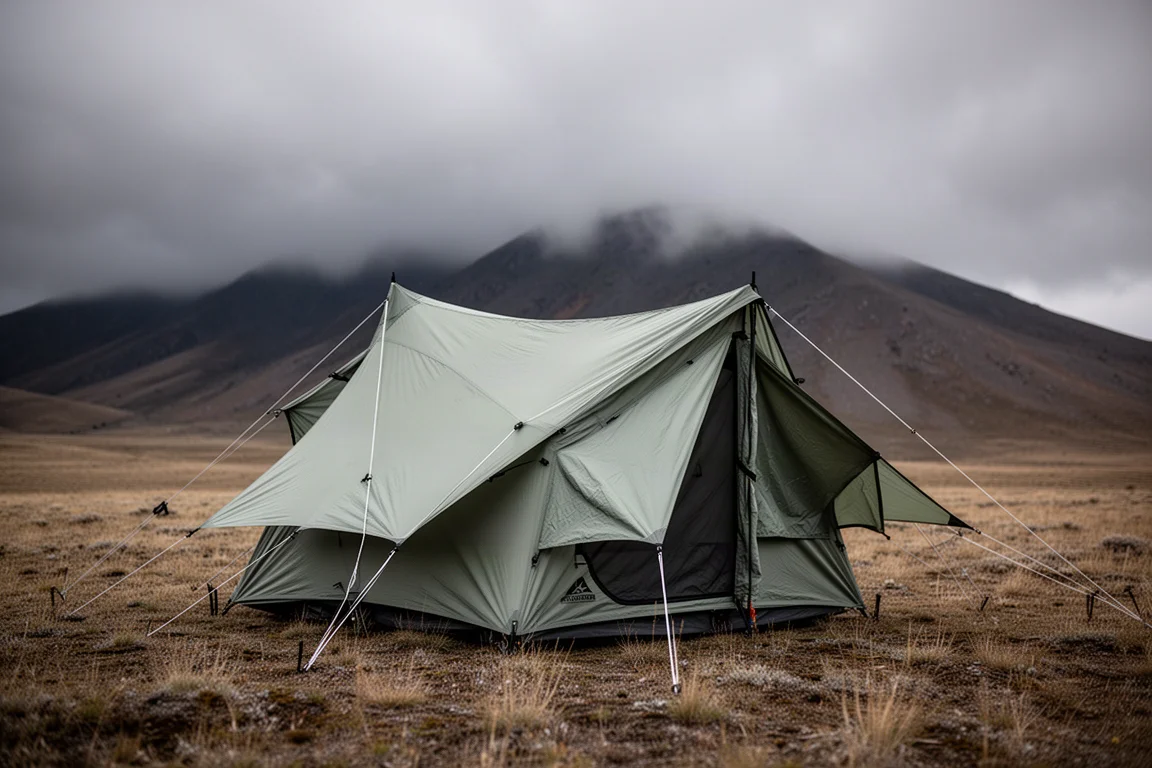
Pitch height is adjustable too, and that is one of the more practical advantages of a trekking pole design. Set the poles higher and stake out wider when condensation is likely, and air moves more freely underneath. Set them lower when cold is the bigger concern.
Six stakes complete the pitch. The process is straightforward: stake the four corners loosely, set the poles, pull out the two sides, then work around the tent snugging everything up until it sits clean. The design has been used across deserts, high country basins, the Appalachian Trail, and the Seattle area over a couple of years of testing.
Things to Consider Before Buying
The most important consideration is the pole requirement. Without trekking poles, you can’t pitch this tent in its standard configuration. The carbon fiber pole add-on is planned rather than available today, so anyone who hikes without poles should plan around that rather than assume an alternative is included.
Second, single-wall shelters ask more of the camper in humid or damp conditions. The ventilation design addresses this directly, and pitch height gives you a tuning knob, but a single-wall tent is still a single-wall tent.
Third, six stakes means six good stake placements. On rock slabs or hard-packed ground, that can take some searching. The longer stake loops help, but they don’t eliminate the need for suitable terrain.
Finally, this is a purpose-built ultralight shelter. If you want a freestanding tent you can pitch on a platform without staking, this isn’t it.
Buying Advice
The one-person 40s Tent at $280 is the version most solo backpackers will want. It weighs around 26 ounces, uses the offset pole structure, and offers a single large vestibule. If you regularly camp with a partner or want more vestibule space for gear, the two-person version costs roughly $25 to $30 more and adds a second vestibule, though it gives up the offset pole arrangement.
If you already hike with trekking poles and you want a light shelter that can handle sudden weather at altitude, this is a sensible buy. The repositionable wind panels, the long stake points, and the adjustable pitch height all point to a tent designed by people who spent real nights in it. If you hike without poles, or you want a freestanding design, wait for the carbon pole option or look at a different shelter.
Conclusion
The Outdoor Vitals 40s Tent earns its place by being honest about what it is: a light, single-wall, trekking pole shelter that trades a little setup flexibility for weight savings and weather capability. It asks you to carry poles and to read the ground before you pitch. In exchange, you get a tent that weighs about 26 ounces in the one-person size, breathes well, and stands up to wind that shows up without warning.
Product link
View more details for Outdoor Vitals 40s Tent
This product is mentioned in the review. Check the specifications, options, and compatibility before buying.
View more details for Outdoor Vitals 40s TentFurther reading
Related Reviews
Camping Tents
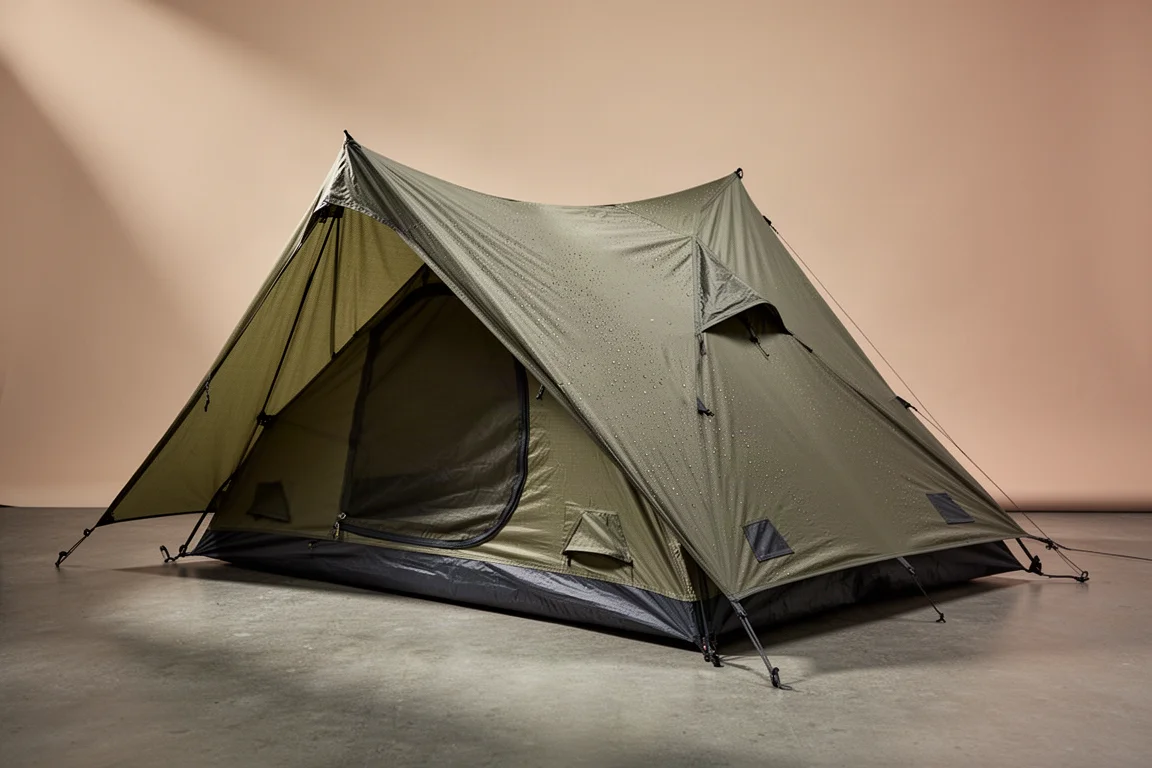
3F UL Gear Taiji Two-Person Tent Review: Field Waterproofing Results and Buying Advice
The Taiji pairs an attached fly with a removable inner, but sustained rain exposed untaped vent seams that need sealing before this shelter can be trusted.
Camping Tents
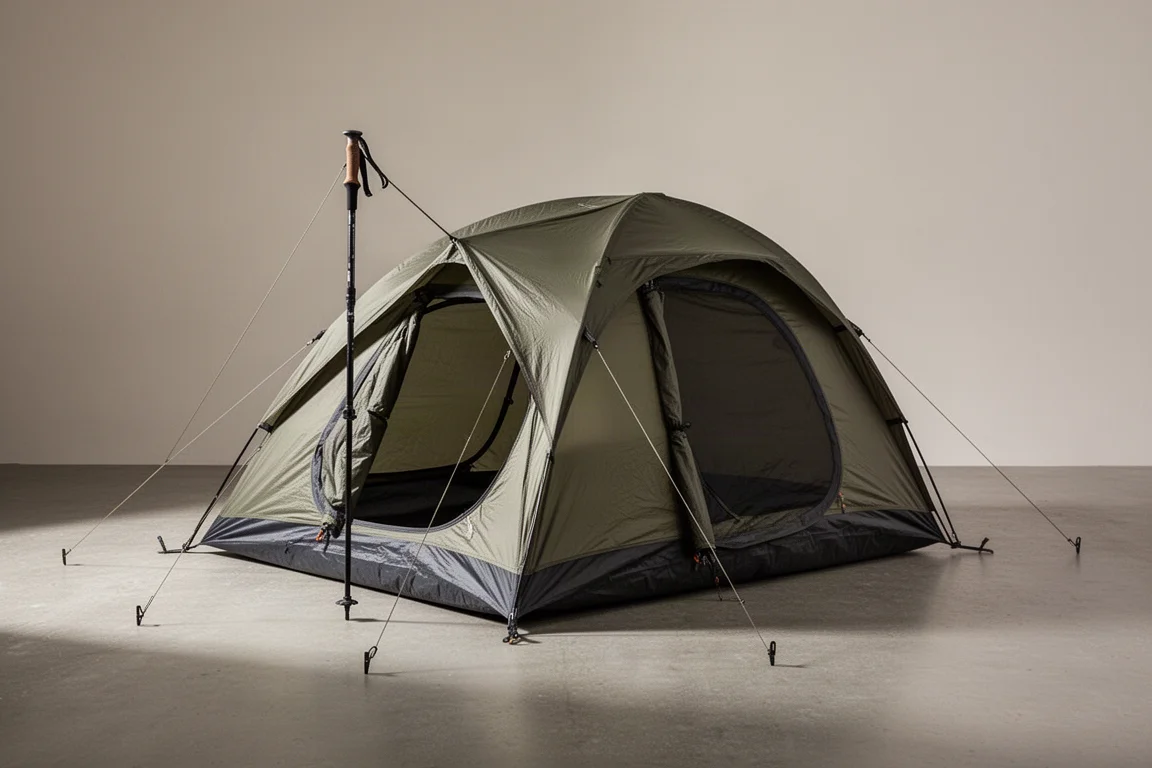
3FUL Gear Lanshan 2 Pro 4-Season Review: A Sub-$200 Single-Wall Trekking Pole Tent
An early look at the 3FUL Gear Lanshan 2 Pro 4-Season, covering its straightforward pitch, generous interior space, and the condensation and seam-sealing questions that come with any single-wall shelter.
Camping Tents
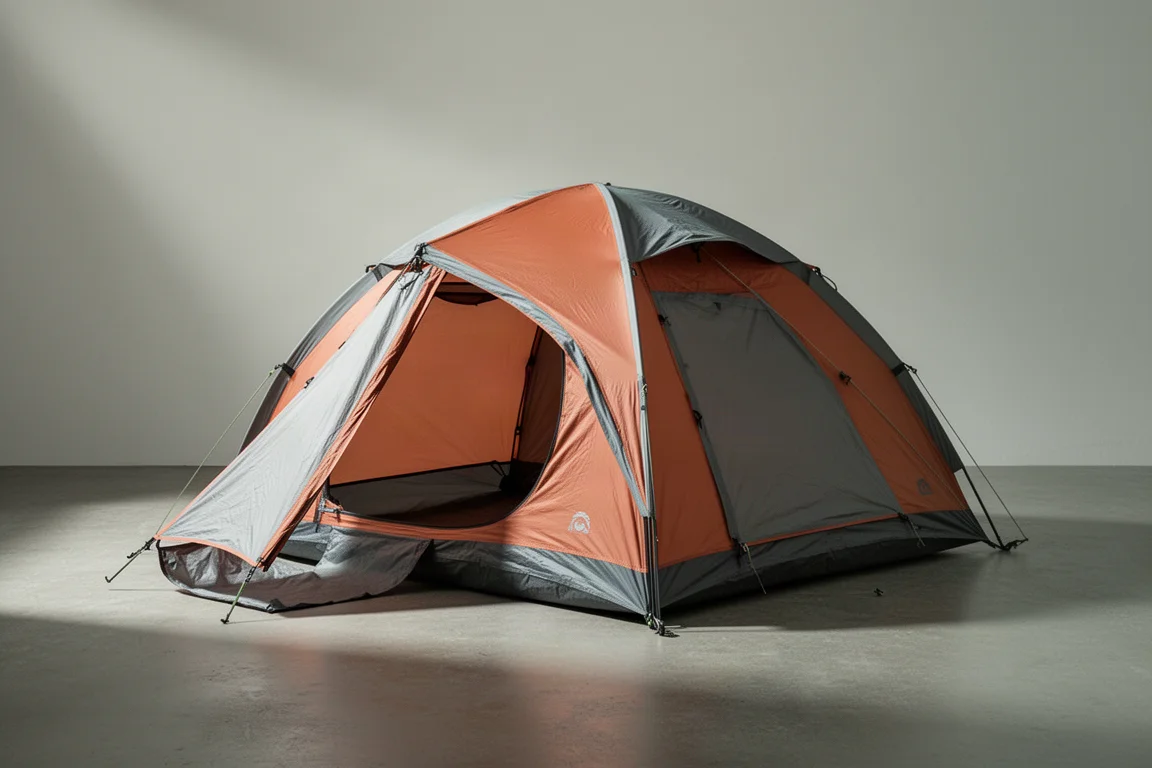
Alps Mountaineering Lynx 1-Person Tent Review: Big Value in a Small Budget Tent
A close look at the Alps Mountaineering Lynx 1-Person Tent, covering real interior dimensions, materials, setup time, ventilation limits, and who should buy it.