Insulated Jackets
Outdoor Research Super Strand LT Hoodie Review: Down-Like Warmth in a 10.9 Ounce Synthetic Jacket
A 10.9 ounce synthetic insulated hoodie that comes remarkably close to down for warmth, packability, and wet-weather performance, with a few minimal-feature trade-offs to know about first.
Introduction
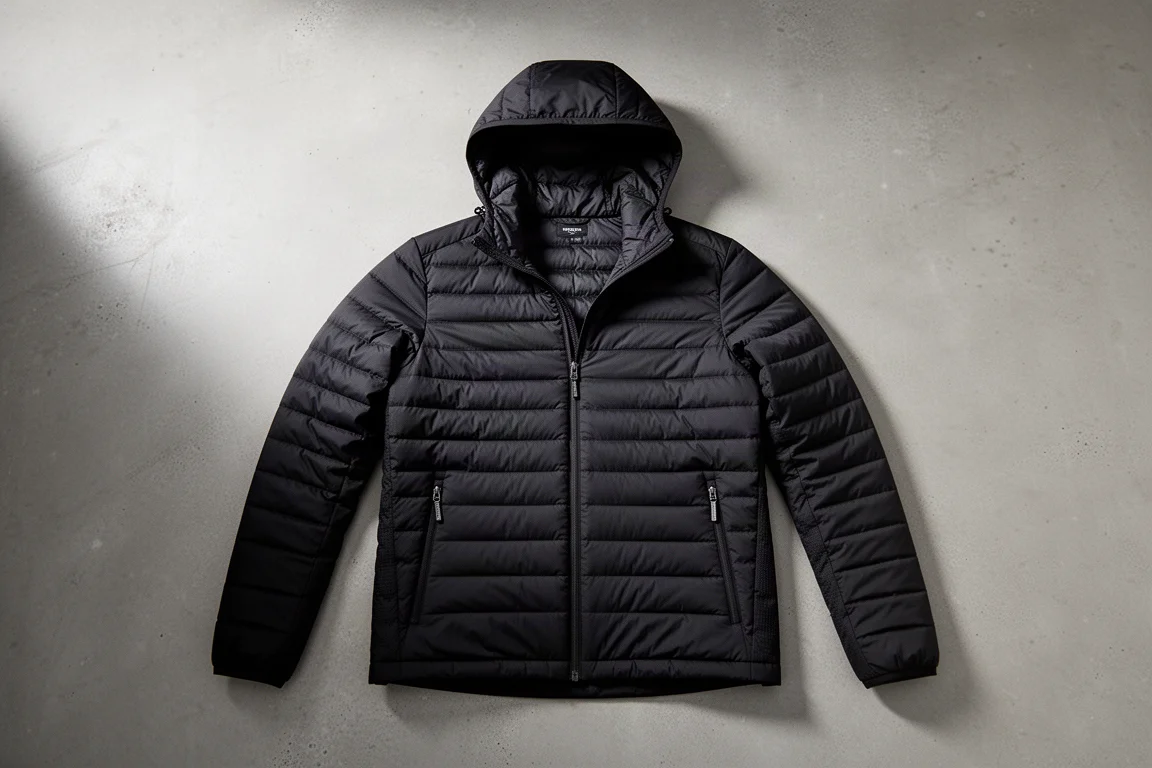
The Outdoor Research Super Strand LT Hoodie is a synthetic insulated jacket built around one clear goal: getting as much warmth as possible into as little weight as possible. In the hooded version it weighs 10.9 ounces, which puts it below most lightweight down jackets and makes it unusually light for a synthetic fill layer.
That weight figure matters because synthetic insulation has traditionally come with a penalty. It is usually heavier, bulkier, and less warm for the same loft than down. The Super Strand LT Hoodie is designed to close that gap using a Vertical X Super Strand fill made from 100 percent polyester, and the result sits closer to down performance than anything else in this part of the market.
This review covers what the jacket does well, where it falls short, and who should consider it.
Who This Jacket Is For
This is a jacket for people who count grams without wanting to give up warmth. Backpackers, hikers, and anyone who layers for cool to cold conditions will find the weight-to-warmth ratio appealing. Because the fill is synthetic, it also suits trips where moisture is unavoidable: damp mornings, humid climates, and multi-day outings where a down jacket would be a liability if it got wet.
It is available in men’s and women’s versions, in hooded and hoodless builds, and in sizes from small through XXXL. Color options include blue, black, gray, and yellow.

The hoodless version costs roughly 20 dollars less, which makes sense for anyone who already carries a separate hooded layer or who mostly uses this jacket as a mid layer beneath a shell.
Main Strengths: Warmth, Weight, and Weather Protection
The headline strengths are all connected. The jacket is light, it is warm for that weight, and it holds up better in wind and damp than its specification sheet suggests.
Down-Like Insulation Performance
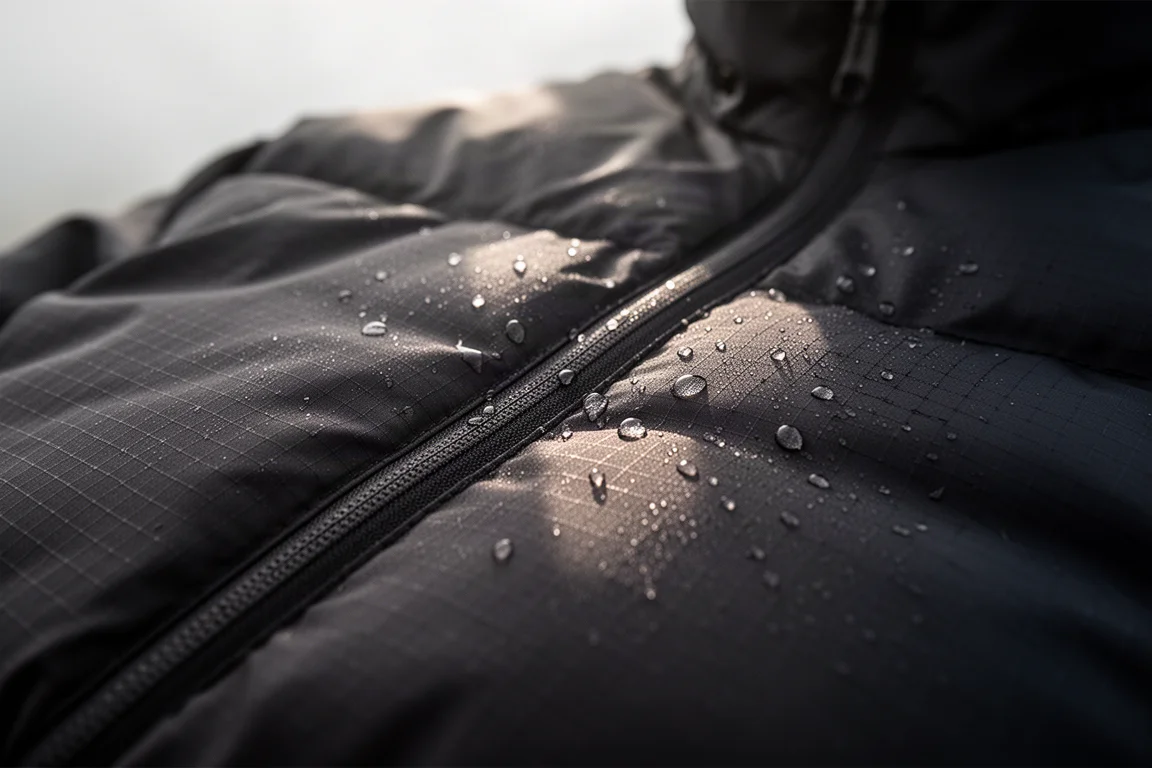
Outdoor Research describes the Vertical X Super Strand fill as polyester strands shaped to mimic the structure of down clusters, combining the packability, warmth, and loft of down with the wet-weather behavior of synthetic. In practice, the difference is hard to notice. The jacket compresses down small, springs back to full loft almost immediately after being pulled out of a pack, and delivers warmth that tracks closely with comparable down jackets of the same weight.
Warmth is subjective, and personal comfort varies with activity level and conditions, but as a reference point: with just a t-shirt the jacket is comfortable down to about 40 degrees Fahrenheit. Around 30 degrees it works well over a merino wool long sleeve while hiking, and for sitting still around camp at the same temperature it stays warm over a merino long sleeve plus a mid-weight merino base layer. For a jacket at this weight, that lines up with how similar down jackets perform.
Wet performance is where the synthetic fill separates itself. Down loses much of its insulating value once it gets soaked, while this jacket keeps working. That alone makes it a more forgiving choice for wet climates and shoulder-season trips.
Breathability and Wind Protection
Many lightweight insulated jackets are too hot to wear while moving, so they come off as soon as the climb starts. This one stays on. The shell releases enough heat that it can be worn for miles of hiking without overheating, which is uncommon in this category and makes it far more useful as an active layer rather than a camp-only piece.
Wind resistance is the other surprise. In sustained wind with gusts up to 60 miles per hour at roughly 15 degrees Fahrenheit, the wind did not cut through the shell. Additional layers underneath contributed to that comfort, but for a jacket this light the wind protection is genuinely strong.
Packability and Loft
Because the fill behaves so much like down, the jacket packs down to a small bundle and lofts back quickly. It has been compressed for days at a time and still returned to its original shape. Combined with the 10.9 ounce weight, that makes it easy to justify carrying even when it might only come out of the pack at camp.
Things to Consider Before Buying
The feature set is deliberately minimal, and that minimalism is the source of most of the compromises. The shell is 12 denier ripstop nylon inside and out, with YKK zippers throughout, so the fundamentals are solid. What is missing is adjustability.
Hood and Cuff Adjustability
The hood has no adjustments at all. The only way to cinch it down is to zip the jacket all the way up, which means you cannot vent heat while keeping the hood in place. Unzip partway and the hood loses its grip and can be pushed off by wind. For a jacket that is otherwise thoughtfully designed, this is the biggest letdown.
The cuffs are also non-adjustable. They have a slight stretch, but not enough to fine-tune the fit at the wrist.
Pockets and Storage
There are two zippered hand pockets and two large internal drop pockets, one on each side. The internal pockets are not zippered, so small items are less secure than they could be. The hand pockets are lined with the same shell material as the rest of the jacket rather than microfleece, so they do not add warmth for cold hands.
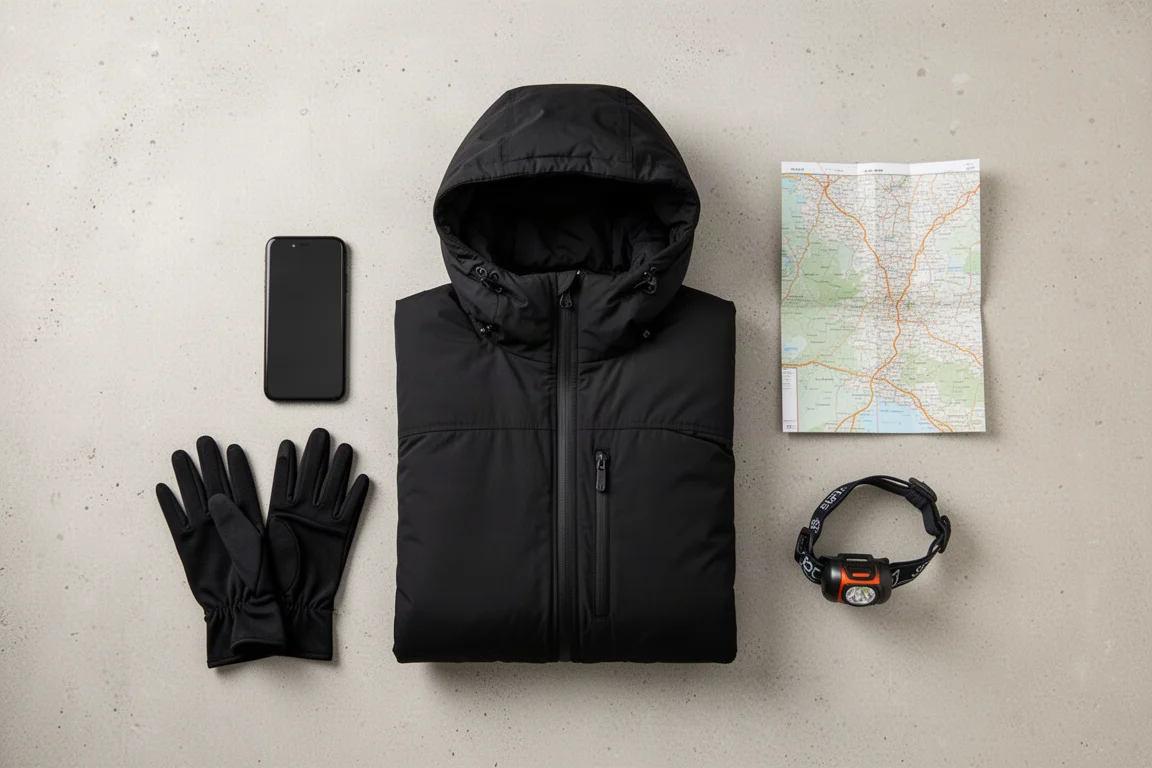
There is no upper chest pocket, which is a common place to carry a phone for quick access to music, messages, or a map. And while the left hand pocket doubles as a stuff sack, packing the jacket into it takes patience and a fair amount of finesse before the zipper will close.
The jacket also has no hem adjustment, so the waist cannot be cinched down. There is a hang loop at the collar.
Buying Advice
At around 220 dollars, this is not an inexpensive jacket, but it is priced in line with comparable lightweight insulated jackets from major outdoor brands, and it undercuts many of them. Similar down and synthetic options often run closer to 300 dollars. When the Super Strand LT Hoodie goes on sale, the value argument gets stronger still.
The decision comes down to priorities. If you want the lightest possible warm layer with genuine wet-weather resilience and you do not need a highly adjustable hood, this jacket delivers. If hood adjustment, chest storage, or zippered internal pockets are essential to how you use a layer, those gaps will bother you on every trip.

Sizing runs true, and there is enough room in the cut to layer a mid-weight base layer and a light fleece underneath without restricting movement, while the jacket still fits cleanly over a t-shirt.
Conclusion
The Super Strand LT Hoodie succeeds at the thing it set out to do. At 10.9 ounces it is lighter than most comparable down jackets, yet it matches their warmth, packs down just as small, and keeps working when it gets wet. The shell is breathable enough to hike in and wind resistant enough to hold up in serious gusts.
The trade-offs are concentrated in the details: no hood adjustment, no chest pocket, unzippered internal pockets, and a stuff pocket that takes patience. Those are real annoyances, but they do not undermine the core performance. For anyone looking for a light, warm, versatile synthetic layer for late summer through winter, this is a strong option.
Product link
View more details for Outdoor Research Super Strand LT Hoodie
This product is mentioned in the review. Check the specifications, options, and compatibility before buying.
View more details for Outdoor Research Super Strand LT HoodieFurther reading
Related Reviews
Insulated Jackets
Aerogel vs Down Insulation: Two Aerogel Jackets Compared
Aerogel is the lightest solid on record, but two aerogel jackets measured against a comparable down jacket tell a more complicated story about warmth.
Insulated Jackets
Arc'teryx Atom LT vs Decathlon Trek 50: Does the Premium Synthetic Jacket Earn Its Price?
A side-by-side look at two synthetic insulated jackets at very different prices, covering fit, weight, insulation, features, and warranty.
Insulated Jackets
Big Agnes Shovelhead Jacket Review: Does Treated Down Stay Warm When Wet?
A close look at the Big Agnes Shovelhead jacket and its bluesign approved, PFAS-free DownTek insulation, including what happened when it was soaked twice in near-freezing conditions.