Outdoor Books
Outdoor Books for Ireland: 10 Guide Books and Skills Reads Worth Owning
Ten outdoor books for Ireland and beyond, from route guides and coffee table inspiration to field guides and skills manuals, with a clear look at what each one does best.
Introduction
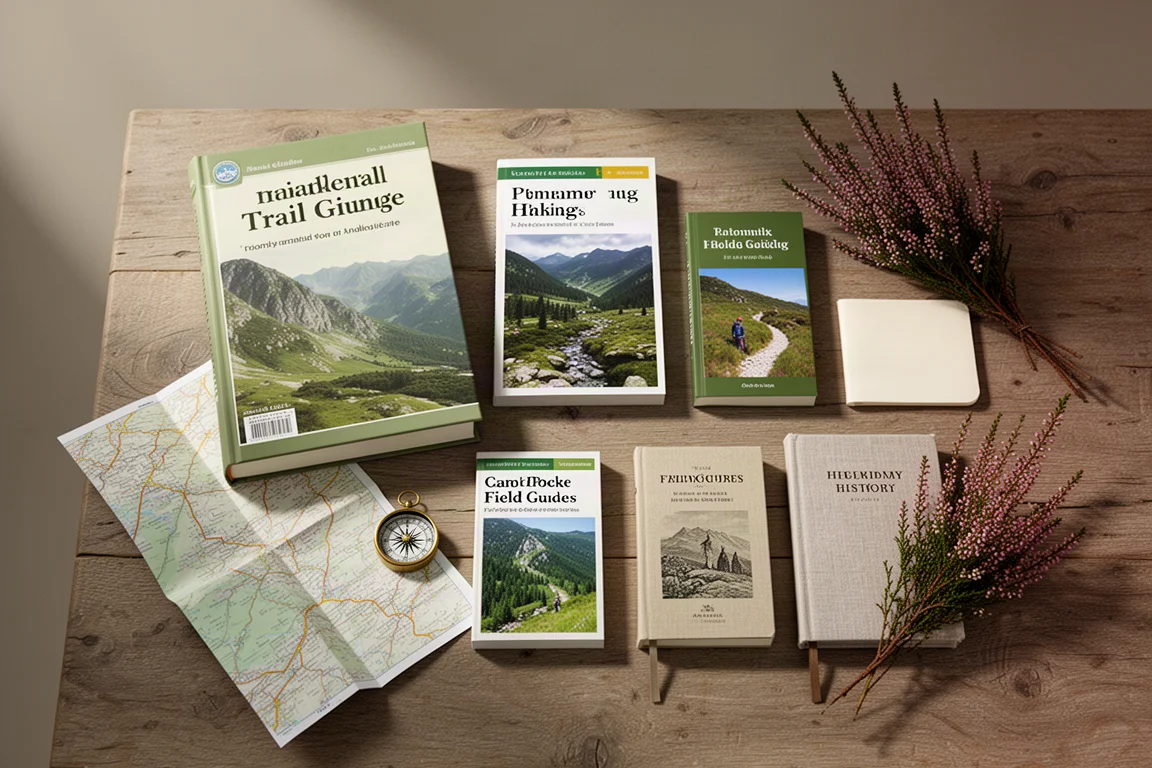
The island of Ireland has a deep outdoor publishing tradition, and recent years have brought a surge of new titles covering long-distance trails, mountain lists, wildflowers and the skills needed to move safely in the hills. The ten books below do two broad jobs. Some are guide books that point you toward routes worth walking. Others are educational books that build the knowledge to walk them well.
Some are beautiful objects to keep on a table and browse for inspiration. Others are practical references designed to be carried, marked up and returned to season after season. Each earns its shelf space for a different reason.
How to Choose an Irish Outdoor Book
Guide books and skills books do different work, and it helps to know which one you actually need. A route guide should be well researched, clearly mapped and honest about access, because paths and permissions change over time. A skills book should explain complex material in a way you can absorb after a long day outside, rather than burying you in detail.
For readers who are newer to the outdoors, the most useful starting point is usually a route guide with well-curated choices and clear photography. For anyone working toward formal training, a field guide or technical manual will hold more long-term value. Several of the titles here sit comfortably in both camps, which is why they are worth a closer look.
Wanderlust: The British and Irish Isles by Alex Roddy
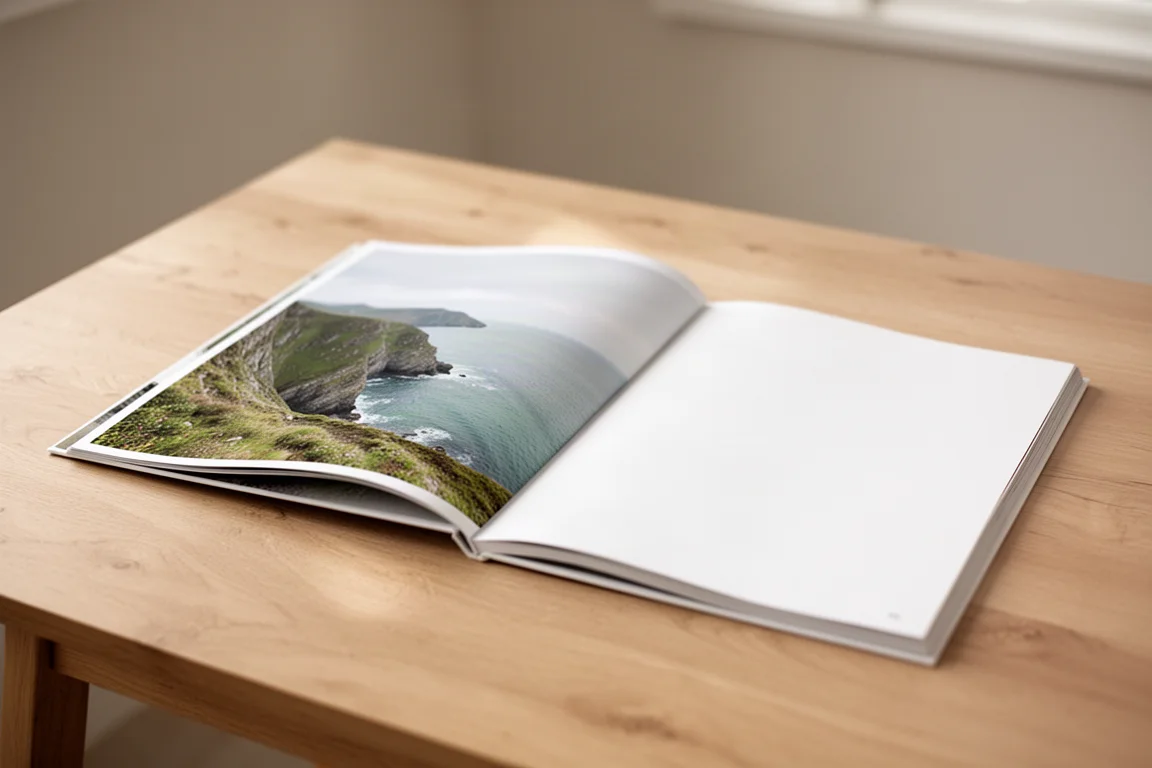
Wanderlust: The British and Irish Isles is the most beautiful book on this list, and that is the main reason it leads. It is a large coffee table book of trails across the island of Ireland and the UK, gorgeously laid out and easy to open at random for inspiration. The writer brought in for the project is Alex Roddy, a well-known name in the outdoor space, and the research behind the text reflects that reputation.
The route selection leans on the classics, including the Beara Way, Wicklow Way, Burren Way and Causeway Coast Way, with a bonus section that summarises the Ulster Way, St Patrick’s Way and Western Way. It is a book to own for the pleasure of it and to return to whenever you need a nudge toward somewhere new.
Irish Peaks by Mountaineering Ireland
Irish Peaks is the most thoroughly researched guide here. It runs to 256 pages and 71 hikes, built around the highest 100 mountains list for the island of Ireland. That list is extensively researched, created and maintained, with routes fed back in from clubs around the country, and the book draws directly on it.
Mountaineering Ireland oversees access and conservation, and the routes have been chosen both for how pleasing they are to walk and for how likely they are to remain open and accessible. The book uses licensed Ordnance Survey Ireland maps, so the mapping will feel familiar to anyone used to reading those sheets, and the route descriptions are detailed, with history and points of interest along the way.
Availability is worth noting. This is the first edition, and a second edition has been produced that is reported to be nearly sold out, with no clear word yet on another print run. If it has been on your list, it may be worth buying sooner rather than later.
The Hike Life: My 50 Favourite Hikes in Ireland by Rosanna Purcell
The first of Rosanna Purcell’s two collections is a genuinely good guide book rather than a celebrity side project. Purcell is an Irish public figure with a large social media following, and the books have attracted fair questions about whether the content holds up. It does.
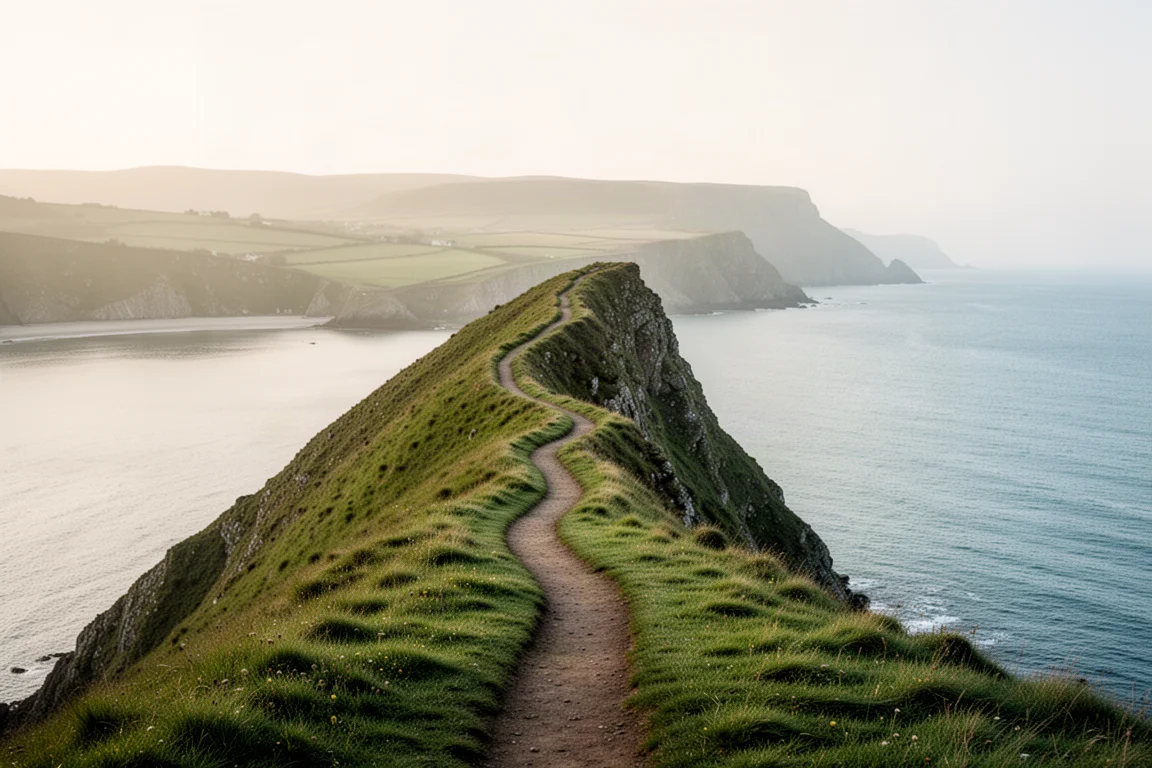
Search for the top hikes in Ireland and you will see the same handful of trails recommended again and again. This book includes routes that are far less widely known, and crucially they are standout trails in their own right rather than obscure choices made for the sake of being different. The presentation is well curated too: recommended food spots, swim spots and places to visit nearby, balanced so that each page stays readable instead of crammed with information.
The Hike Life: 50 More to Explore by Rosanna Purcell
50 More to Explore continues in the same format, and the two volumes work well as a pair. The photography is a highlight, with strong images for every location, and it is worth recognising the effort that takes. The route choices are excellent, and both books are easy to use as a source of ideas when you want somewhere new to walk.
These are the books to reach for when you want inspiration rather than technical detail. They are also reliable gifts, and both volumes have made the rounds as Christmas and birthday presents for good reason.
The County High Points of Ireland by Kieran Gribbon
The County High Points of Ireland is, as far as the author of this list is aware, the only published book on the county high points, a list that is very popular to complete. That alone makes it a useful purchase for anyone taking the project on.
Its strengths are practical. The book is small, lightweight and easy to carry, with glossy pages, so it can travel with you on the climb itself. Kieran Gribbon focuses on the quickest route for each high point, which matters because access can change; where there is an access road, that is the route described, on the basis that it is least likely to close. The maps are not outstanding, but for a book this size the coverage is good, with information on all the different hikes, the various challenges you can take on, and a personal record progress section at the back.
The Wild Flowers of Ireland: A Field Guide by Zoe Develin
The Wild Flowers of Ireland is a field guide to identifying flowers across the island of Ireland, and it is unusually easy to use. Flowers are grouped first by colour, then by petal shape, and then by finer detail such as tightly packed heads or long clusters, which means you can work from what you can actually see rather than from botanical knowledge you may not have. Some sections are naturally larger than others, with orchids among the long cluster groups.
A short introduction explains useful terminology, leaf forms, labels and the different parts of a flower, and the rest of the book is a deep dive. It was bought as part of mountain leader training and came recommended again and again, and that recommendation holds up. You do not need to be working toward any qualification to enjoy it. Woodland walks, or simply a look at what is growing in your own garden, are reason enough.
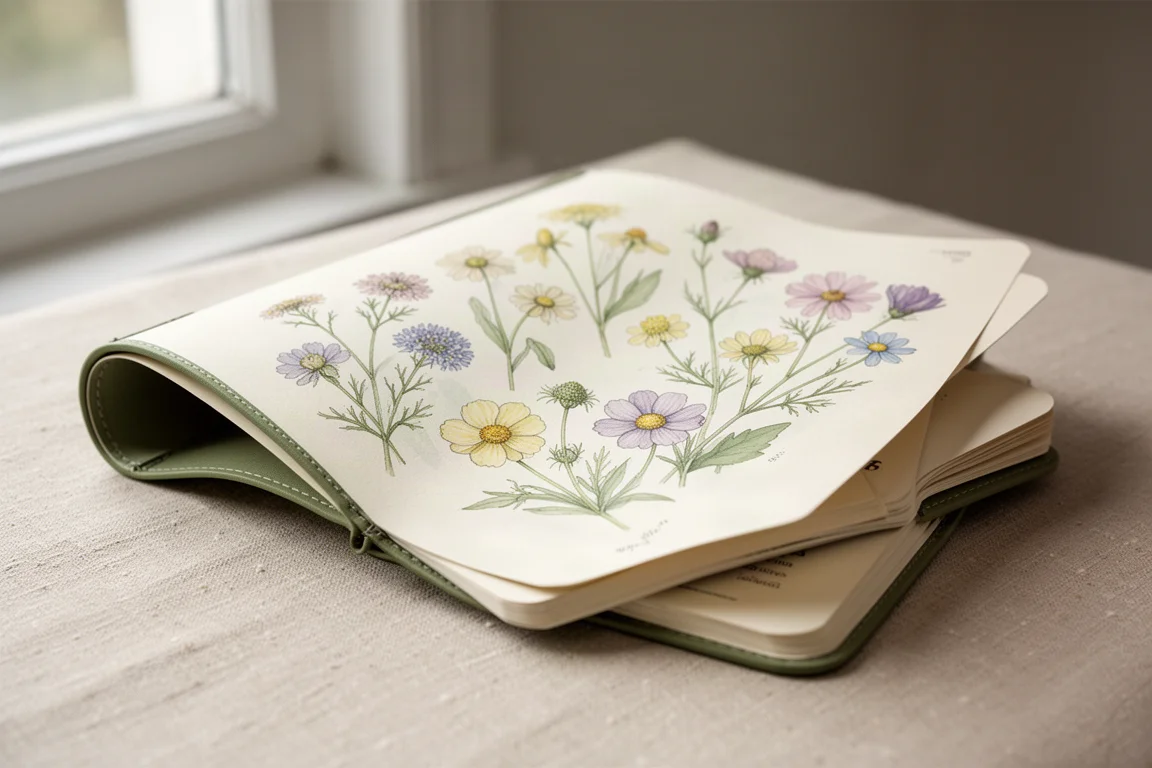
Loughcrew: The Cairns by Jean McMahon
Loughcrew: The Cairns covers the megalithic history around Loughcrew, the county high point of Meath. It is a beautiful little book, written in the style of an old academic journal, with illustrations that sit well alongside the text and a site map to orient you.
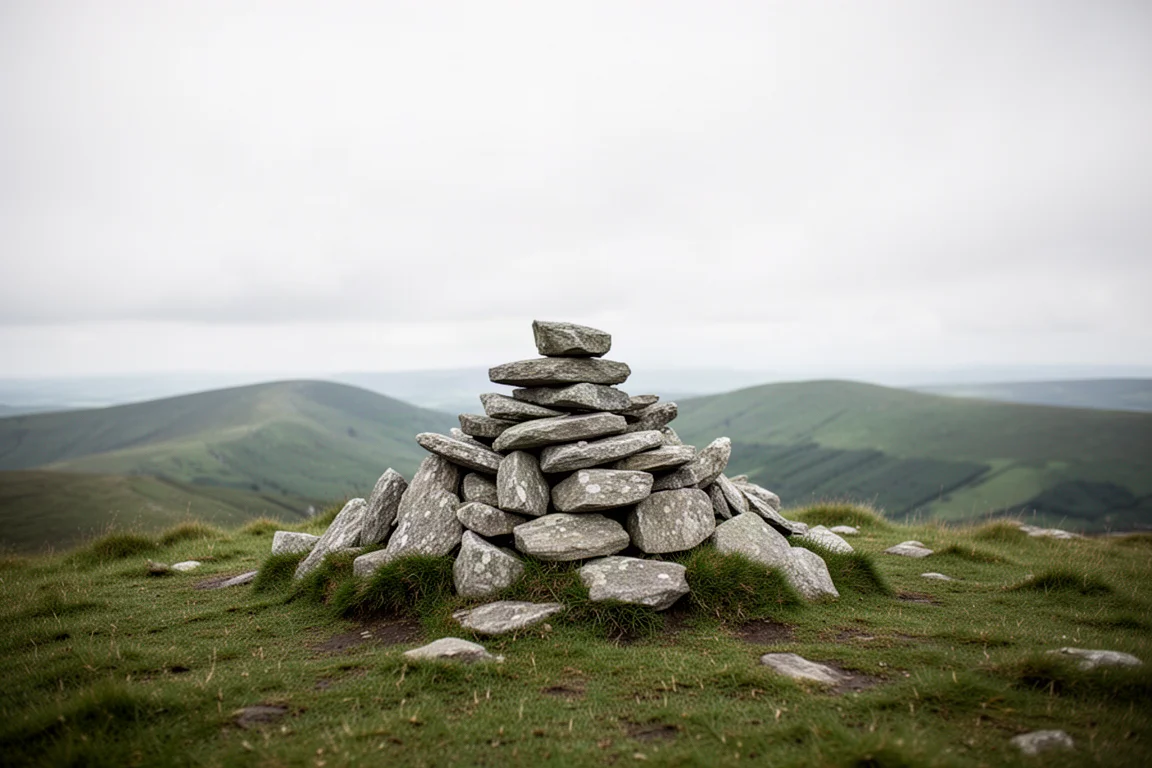
It is small and short by design, which lets you dip into the layers of history in the area without being overwhelmed. Bought at the visitor centre, it added an extra layer of context to the landscape around it. Books like this open up a place in a way a route description alone cannot.
Rock Climbing by Libby Peter
Rock Climbing by Libby Peter came recommended by an experienced climber when the goal was to move from bouldering into roped climbing, and it has proven to be the right choice. It balances information with digestibility, explaining material in depth without leaving you overloaded.
The book covers everything from the ground up to the top of the wall, which makes it useful whether you are starting out or refreshing skills you already have. It is not a cover to cover read. It is a book to dip in and out of, reading chapters, refreshing and familiarising, and it works well as a reference alongside outdoor practice.
The Mountain Leader by Mike Rain
The Mountain Leader is an approachable, readable book about the skills involved in leading groups in the hills. The language is not dense, and after half an hour of reading you are not left with a headache, which is more than can be said for some technical manuals. It is thoughtfully led rather than a wall of information.
It was bought while preparing for mountain leader training and has been genuinely enjoyable. Readers who want a gentler entry point will find it easier going than the more densely written technical options in this space. It will interest a wider audience than aspiring guides, particularly long-term hikers, though it is likely to be overkill for someone who has only been out a handful of times.
The Complete Walker, Fourth Edition
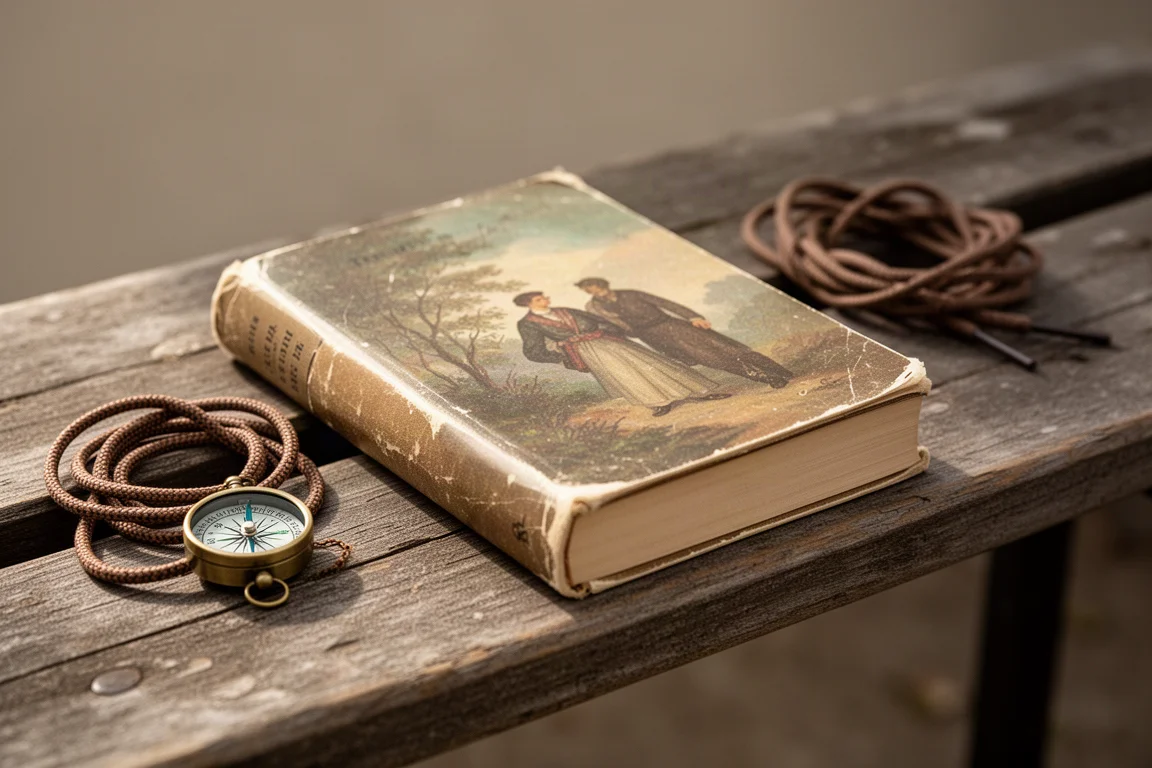
The Complete Walker, Fourth Edition, is included as a curiosity rather than an educational purchase. This edition was printed in 2004 and the book was originally written in the 1960s, so the information is well out of date if you are looking for current technical guidance.
What it offers instead is a history of where modern gear came from. It discusses different backpack frames, bag and frame styles, and weight distribution, all of which are still visible in the equipment used today. The stoves section is a good example: things are fancier now, but much of it is fundamentally the same. For anyone who enjoys seeing how the outdoor world has changed, and how much has stayed the same, it is a satisfying book to own.
Overall Buying Advice
For most readers, the sensible approach is to pick one route guide and one skills book rather than buying everything at once. A well-curated collection of hikes will keep you busy for years, and a field guide or technical manual keeps paying off as your experience grows.
If you are buying for someone else, the Hike Life books and The Wild Flowers of Ireland are the easiest to give confidently, since they are enjoyable regardless of how experienced the recipient is. The County High Points of Ireland is the obvious choice for anyone chasing a list, and Irish Peaks is the strongest option for a serious mountain walker. Wanderlust works as a gift for the coffee table as much as for the trail, and The Complete Walker suits the reader who likes outdoor history.
Availability is the one thing worth checking before you commit. At least one title here has been close to selling out, so it pays to buy when you see it rather than waiting for a restock that may not come quickly.
Conclusion
Ten books, two clear purposes. The guide books point you toward routes you might not otherwise find, and the educational titles build the skills and context that make those routes more rewarding. Start with the one that matches where you are now, and add the rest as your interests grow.
Further reading
Related Reviews

Backpacking Gear
Building a 10 lb Base Weight: An Ultralight Backpacking Gear List
A practical walkthrough of the ultralight pieces behind a 10 lb base weight, from a 765 g pack and a roomy one-person tent to a full camp chair and a dependable water filter.

Road Bikes
10 New Road Bikes Worth Watching: Aero, Titanium, Steel and Endurance Standouts
A practical roundup of 10 new road bikes, from aero flagships chasing single-watt gains to titanium, steel and endurance platforms built for real roads.
Bikepacking Gear
11 Bikepacking Essentials for Long-Distance Cycling
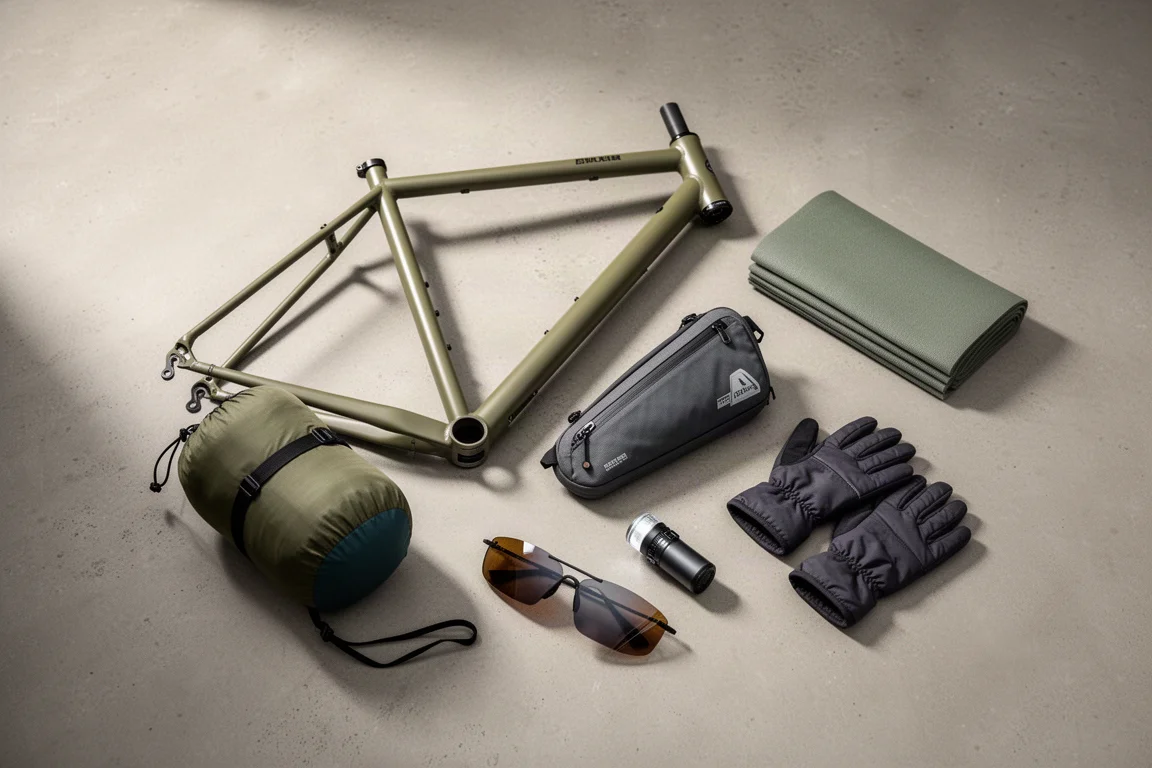
Eleven bikepacking essentials for long-distance cycling, from a steel gravel frame and a two-person tent to helmet lights, packable gloves, and a frame bag that puts weight in the right place.