Backpacking Gear
Outdated Backpacking Gear: Three Modern Alternatives Worth a Look
Hiking boots, ground sheets, and stuff-sack pillows still get handed down as default advice. Here is where the old thinking holds up, where it does not, and which alternatives make more sense.
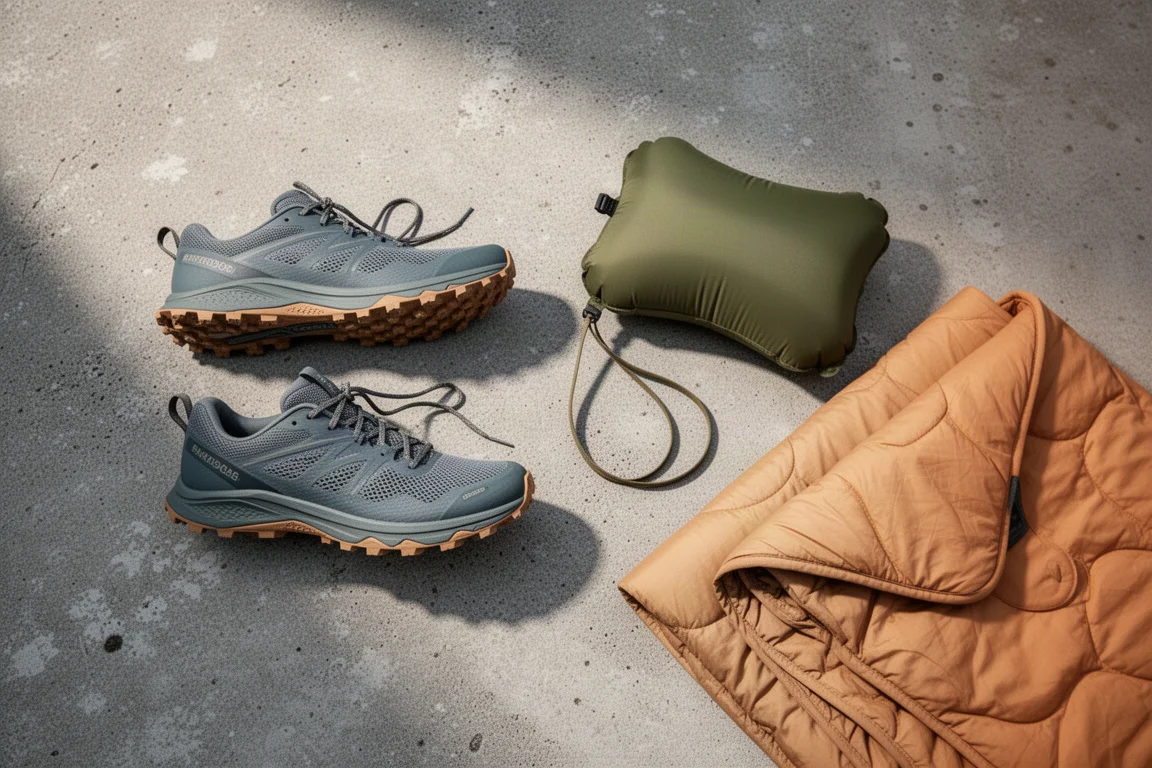
Introduction
Some gear advice keeps circulating long after the gear itself stopped being the obvious answer. Hiking boots, ground sheets, heavy sleeping bags, and merino wool base layers are still recommended to newer backpackers as defaults, often without much discussion of the trade-offs involved.
None of these items are useless. The problem is that they are frequently presented as the safe choice, when in many three-season trips they add weight, cost, or drying time without solving the problem they are supposed to solve. This guide looks at three alternatives that cover the same needs more efficiently, and at the situations where the traditional option still deserves a place in your pack.
How We Evaluated This Gear
Four questions shaped the recommendations below. First, does the item actually do what it is bought for, or does it only appear to? Second, how much does it weigh and how quickly does it dry? Third, how well does it adapt when conditions change over the course of a trip? And fourth, does it improve comfort in a way you will notice night after night?
Those criteria tend to separate gear that earns its place from gear that gets carried out of habit. Weight and drying time matter most in wet climates, adaptability matters most on long routes with variable weather, and comfort matters most in the sleep system, where a small improvement compounds across every night of a trip.
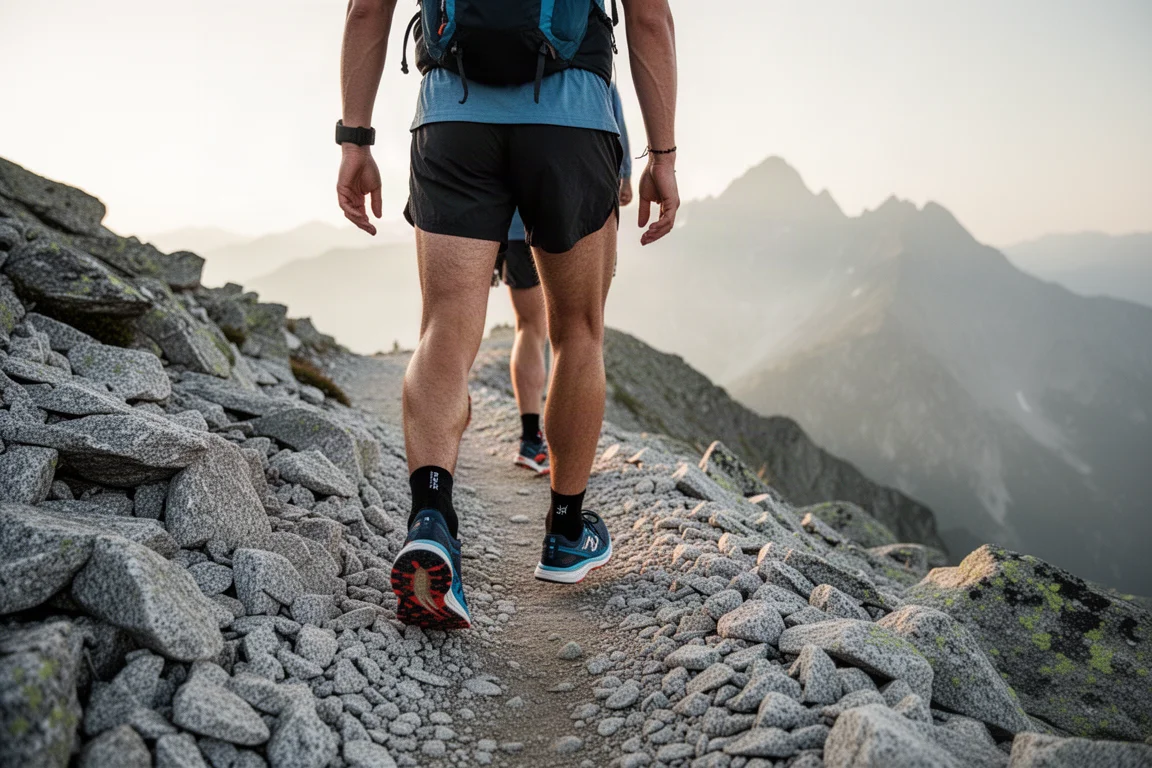
The other principle worth stating plainly: gear that transfers a problem somewhere else is not solving it. Several pieces of traditional backpacking equipment fall into that category, and the sections below explain where.
Salomon Quest: What Hiking Boots Really Do for Your Ankles
The most common reason people give for choosing a hiking boot over a trail runner is ankle support. The concern is understandable. Uneven ground can roll an ankle, and a taller boot looks like insurance against it. The evidence is less clear than the intuition.
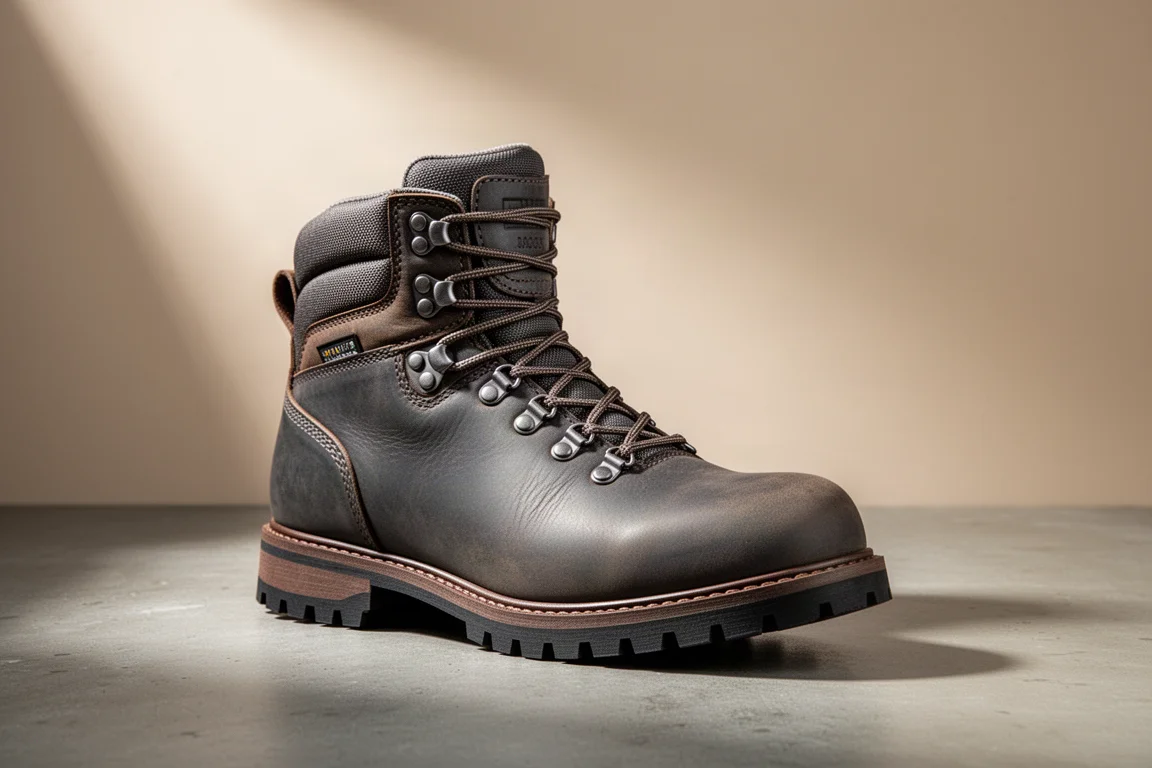
There is no conclusive scientific evidence that hiking boots prevent ankle rolls compared with hiking shoes or trail runners. The one relevant study found that a boot needs two specific features to reduce the likelihood of an ankle roll. The cuff has to sit well above the ankle bone, and the side of the boot has to be genuinely stiff, either through a plastic shaft running down the side or through a hard shell construction like a ski boot or mountaineering boot. A general-purpose hiking boot such as the Salomon Quest has neither. The cuff does not rise far above the ankle bone, and the upper flexes easily, so the ankle can still bend considerably when you step onto uneven rock.
There is a second layer to consider. Research suggests that when a boot does succeed in limiting ankle movement, the load shifts to the knee, which significantly increases the likelihood of a knee injury. The problem is not removed so much as moved to a different joint.
For hikers who simply prefer the feel of a boot, the Salomon Quest remains a familiar and well-established option. What it is not is a reliable answer to ankle instability specifically. If ankle trouble is the actual concern, strength work and a physiotherapist’s exercises address the cause rather than bracing it.
Hoka Speedgoat: Trail Runners as a Practical Default
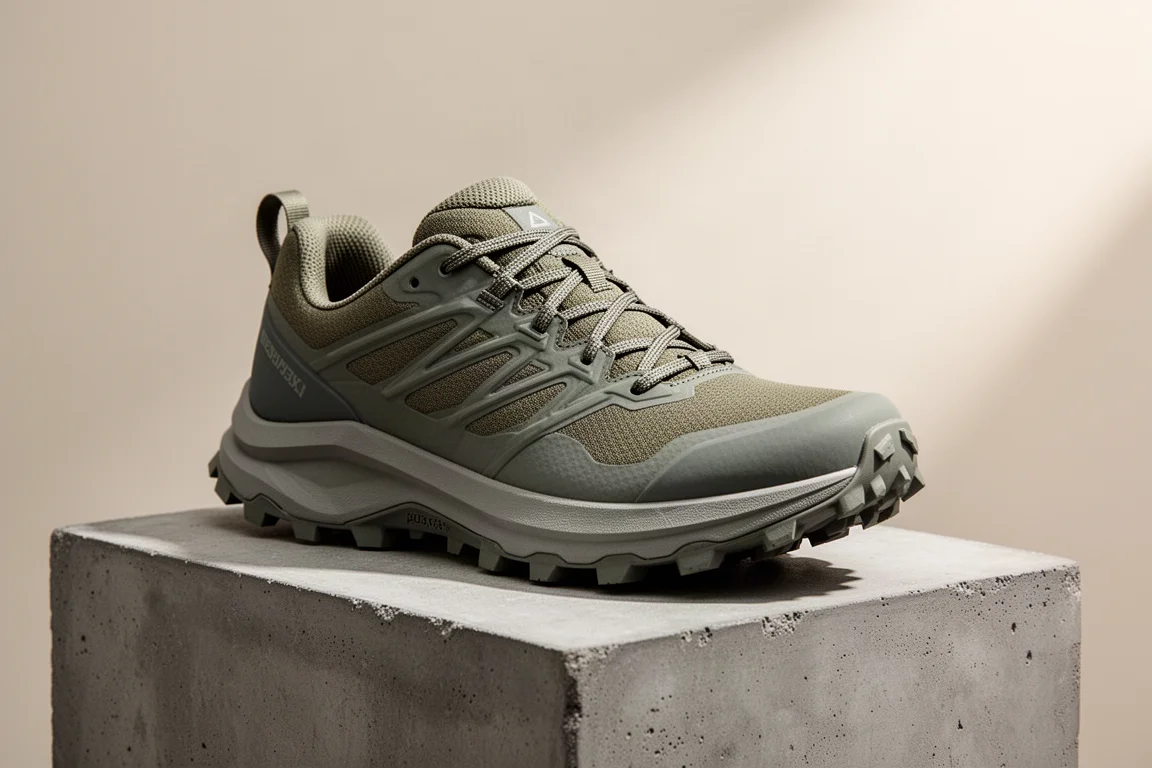
Trail runners are lighter than boots, dry faster, and run cooler in hot weather, which is why they suit most hiking and backpacking trips through spring, summer, and autumn. The Hoka Speedgoat sits in that category as a well-known example of the low-cut trail runner approach.
The practical gains show up in the details of a trip. A lighter shoe reduces the effort of every step, which matters more on long days than on short ones. A faster-drying shoe means stream crossings and rain showers stop being a problem you carry with you. And in heat, a lower, more breathable shoe keeps your feet cooler over many hours of walking.
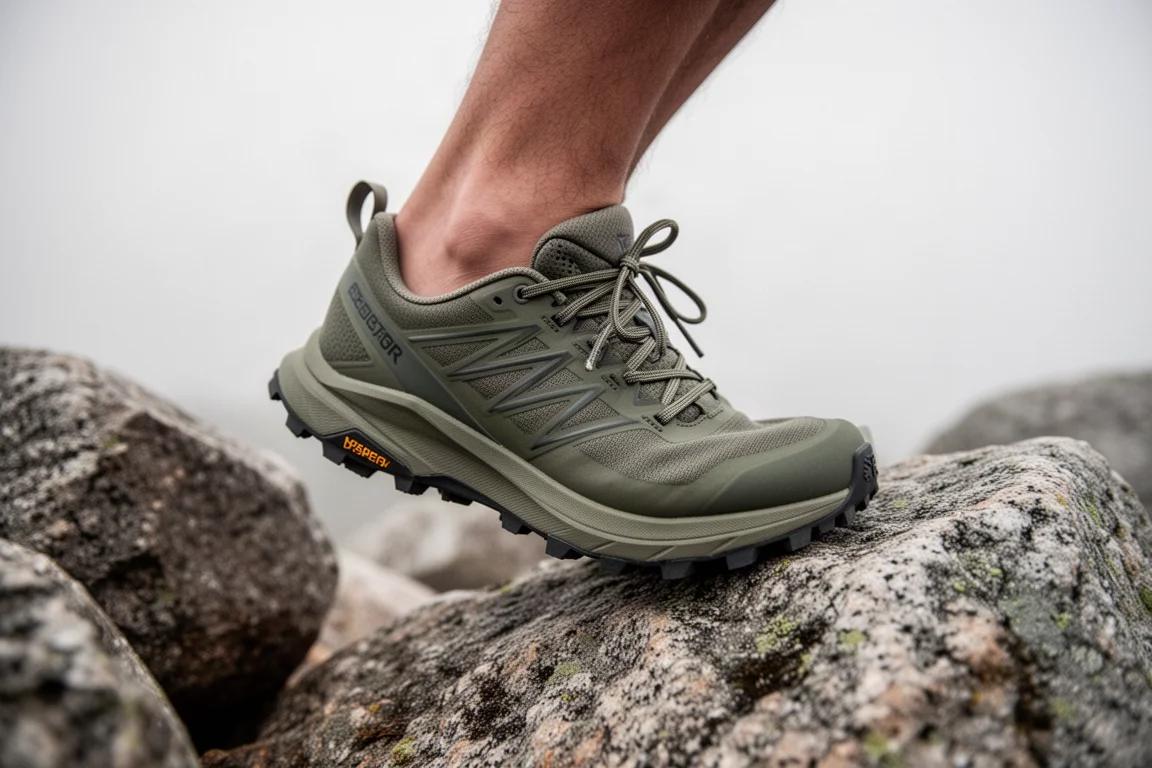
The trade-off is straightforward: you give up the covered ankle and the protective feel of a boot upper. For most three-season trips that is a fair exchange, particularly because the stiffness and cuff height that would theoretically reduce ankle rolls are missing from most general hiking boots anyway.
Ground Sheets and Sleeping Bags: Where the Old Advice Still Applies
Ground sheets were standard practice for good reasons at the time. They protected the tent floor from wear and stopped water from wicking up through the base. Tent materials have improved considerably over the past 20 to 30 years, and neither concern holds up the way it once did. Modern tents have sat in standing water without letting moisture inside, and most established campsites and tent pads present nothing that will abrade or puncture a floor.
There are exceptions worth respecting. On very abrasive ground, such as desert terrain, or where cacti and needles are present, a ground sheet is a sensible addition. There is also a genuinely useful case for one: tents with a fast fly mode, where the pole structure attaches to the ground sheet and the fly goes over the top. You can sleep on that setup when insects are not a concern, and in rain you can pitch the inner tent underneath the fly, keeping it dry in the process.
Sleeping bags follow a similar pattern. Quilts are more versatile, work across a wider range of temperatures, and let you dump heat quickly by putting an arm or a leg out or by undoing the pad attachment. They also make it easier to toss and turn without getting tangled. Sleeping bags remain the better call for genuinely extreme cold, such as high-altitude expeditions or Arctic trips, and for anyone who simply prefers the enclosed feeling. Outside those cases, a quilt is usually the more comfortable and more flexible option.
Trekology 2.0: A Pillow That Stays Where You Put It
For decades the standard approach to a camp pillow was to stuff spare clothing into a stuff sack. That only works if you carry enough spare clothing to build something comfortable, which is rarely the case. Even on a 36-day hike through wildly variable weather, there was never enough spare clothing to make a genuinely comfortable pillow.
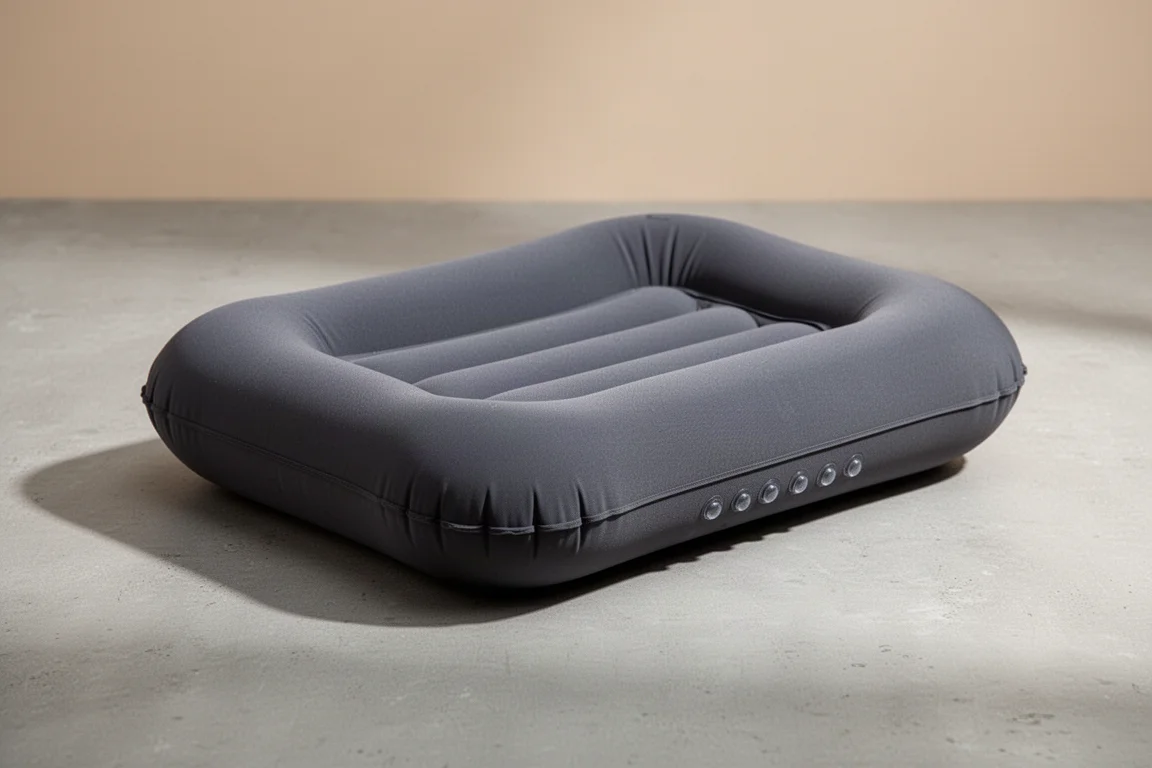
Dedicated inflatable pillows solve this cleanly. They are very light, they pack down small, and they are comfortable enough to sleep on properly rather than tolerate. The Trekology 2.0 goes a step further by attaching to your sleeping pad with a strap, so the pillow stays where you put it instead of sliding away in the middle of the night.
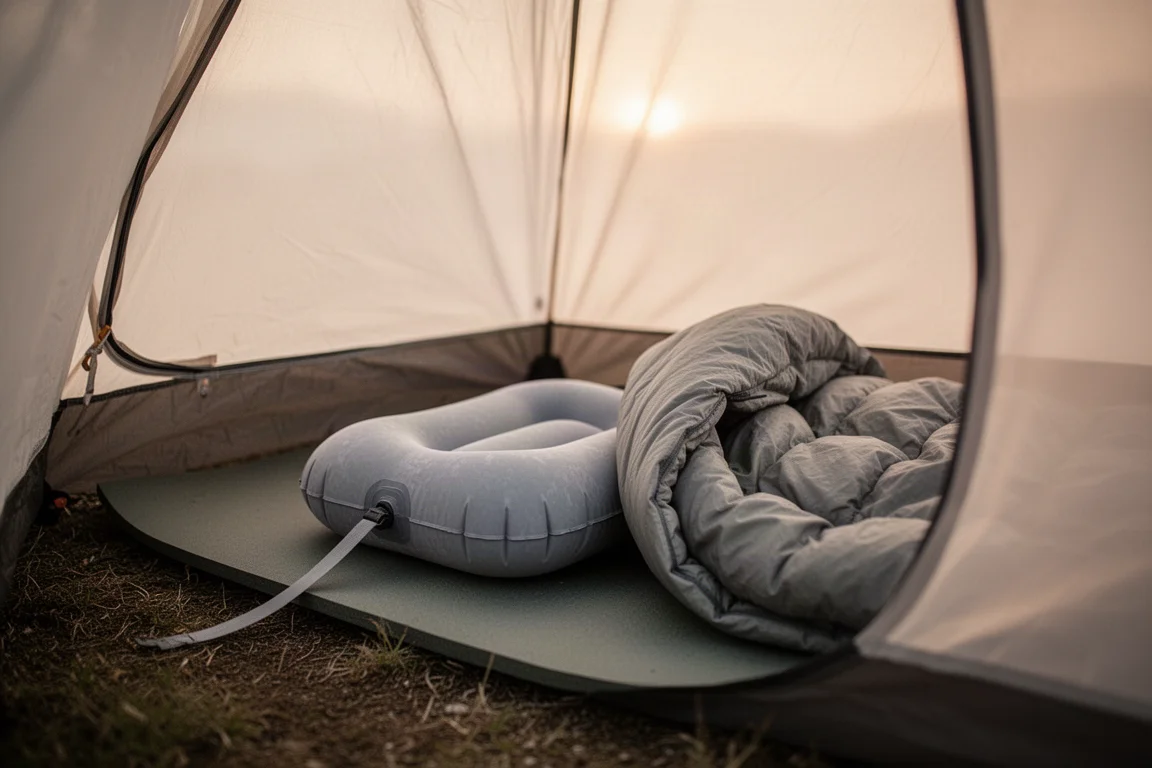
That attachment detail is what makes the difference in practice. A pillow that migrates off your pad wakes you up repeatedly, and a dedicated pillow that stays put delivers a better night’s sleep than a lumpy stuff sack ever will.
Where Merino Wool Still Makes Sense
Merino wool has a devoted following, but it is not the best material for every situation. Merino holds roughly 40 percent of its weight in moisture, compared with about 4 percent for polyester and 10 to 12 percent for nylon.
The implication is practical. In any activity where you will get wet, whether from sweat, rain, or a stream crossing, a synthetic layer holds less moisture against your skin and dries considerably faster. For active use in wet or humid conditions, synthetics are the better choice.
Merino still earns its place when you are not active. As a thin base layer for sleeping or for time around camp, it regulates temperature very well, and that is exactly where it belongs in a sleep system.
Buying Advice
Start with the conditions you actually hike in, not the conditions you imagine. For three-season backpacking in temperate climates, trail runners cover most trips well, and the weight and drying advantages show up on every single day. If you have persistent ankle problems, treat that as a strength and mobility project with a physiotherapist rather than a footwear problem to brace.
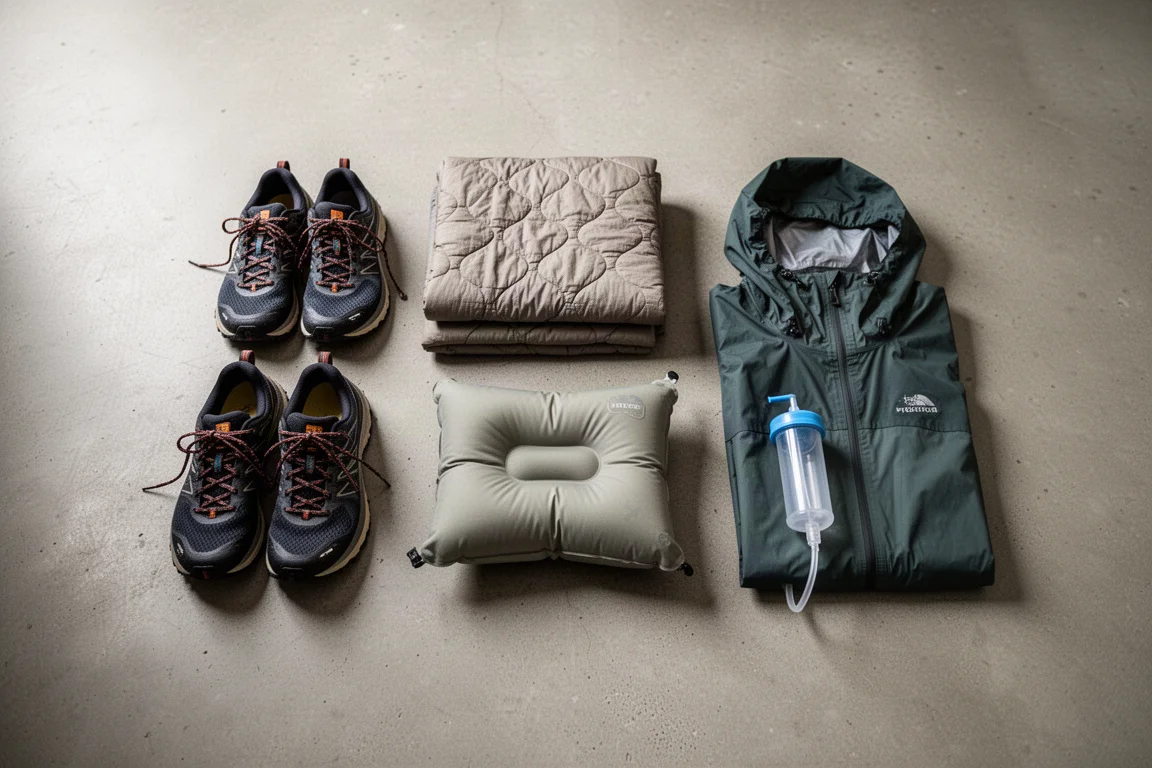
For shelter, skip the ground sheet unless your terrain demands one, and look at whether your tent supports a fast fly mode before deciding. For sleep, a quilt covers a wider range of temperatures than a bag, and a dedicated inflatable pillow with a pad strap is one of the cheapest comfort upgrades available. On materials, keep synthetics for the layers you sweat in and save merino for camp and sleep, where its temperature regulation is genuinely useful.
One habit is worth breaking outright: carrying extra clothing specifically to build a pillow. Carry less, sleep better, and let a purpose-built pillow do the job.
Conclusion
The pattern across all of this is the same. Traditional backpacking gear often persists because it feels cautious rather than because it performs better. Boots, ground sheets, sleeping bags, and clothing-stuffed pillows all have situations where they still make sense, and none of them should be discarded blindly.
Where they fall short is as universal defaults. Lighter footwear, a shelter setup matched to real conditions, a quilt that adapts to temperature swings, and a pillow that stays on your pad will serve most backpackers better across most trips. Match the gear to the ground you walk on, and the decisions become much simpler.
Further reading
Related Reviews

Backpacking Gear
Building a 10 lb Base Weight: An Ultralight Backpacking Gear List
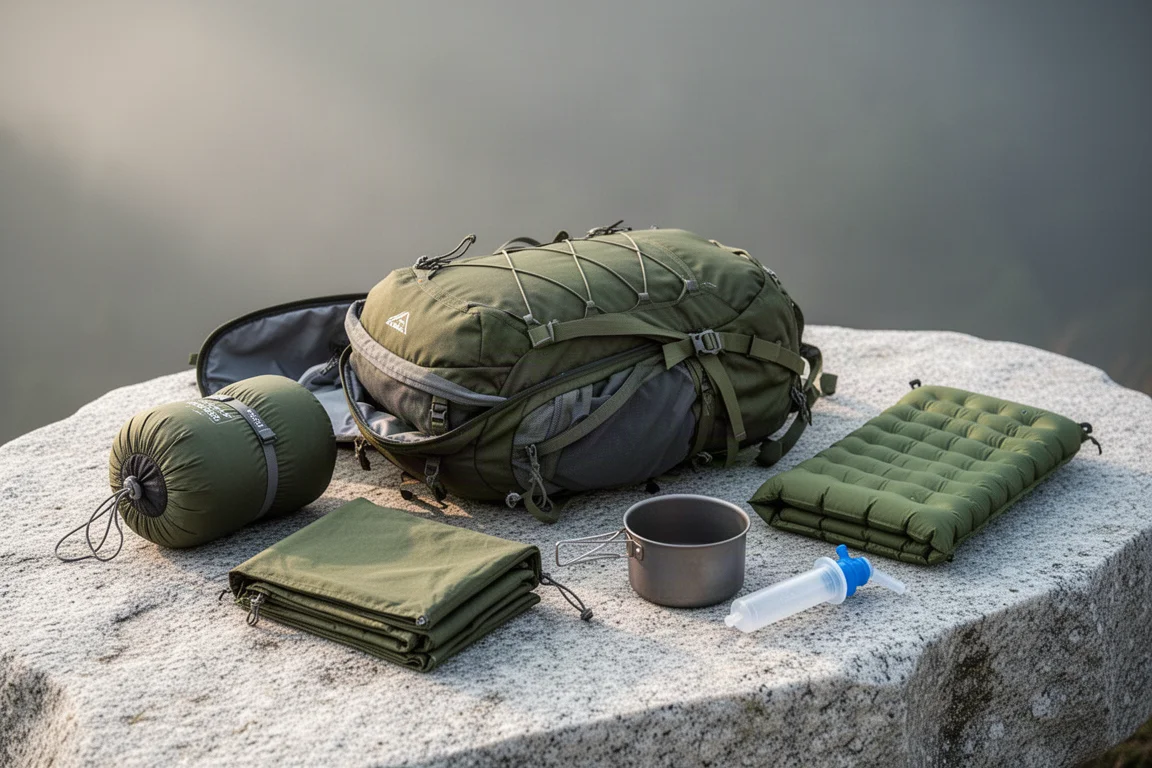
A practical walkthrough of the ultralight pieces behind a 10 lb base weight, from a 765 g pack and a roomy one-person tent to a full camp chair and a dependable water filter.
Backpacking Gear
A 15-Pound Lightweight Backpacking Gear List for Solo Trips
A beginner-friendly 15-pound backpacking setup built from easy-to-find gear, with notes on what each piece does, how it packs, and where to spend your attention.
Backpacking Gear
8 Ultralight Backpacking Gear Upgrades Worth Carrying
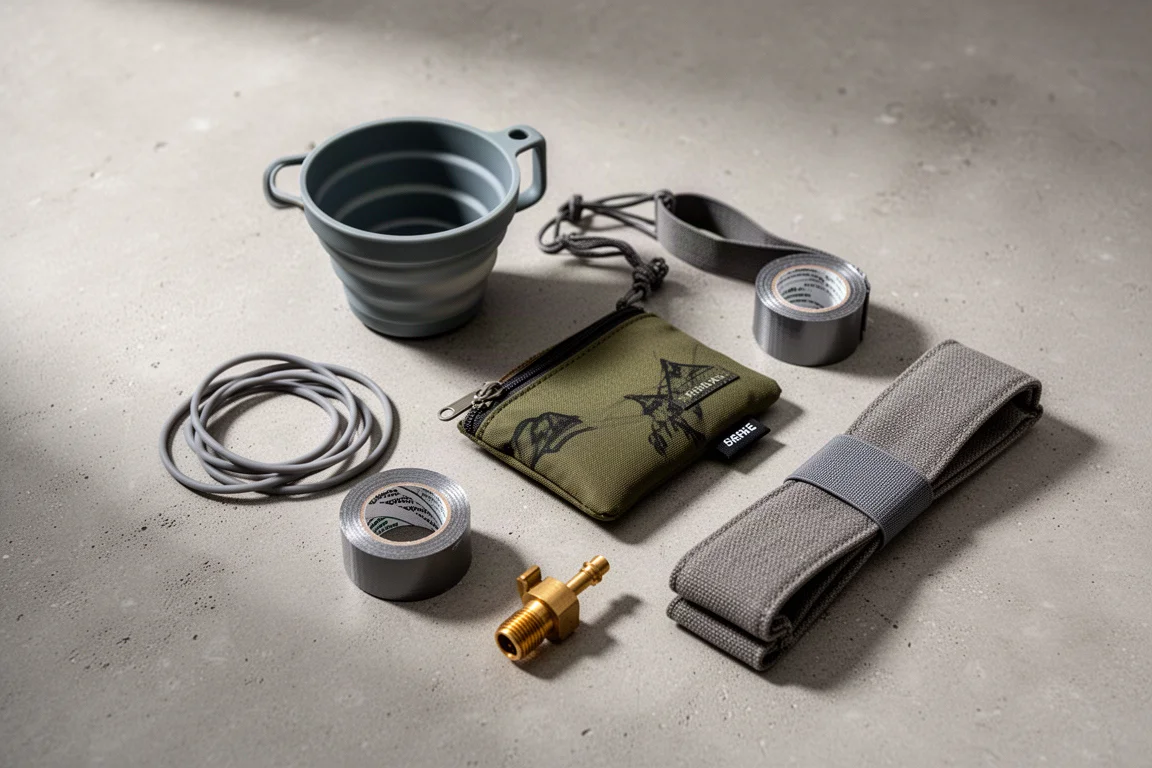
Eight small, affordable backpacking upgrades that solve real trail annoyances, from a pillow that stays put to a fuel valve that rescues leftover canister gas.