Portable Power
Oukitel P201 Review: A Straightforward 2,000W Portable Power Station
A simple, pure sine wave 2,000W power station with 4,000W surge capacity, fast two-hour charging, and early-bird pricing worth knowing about.
Introduction
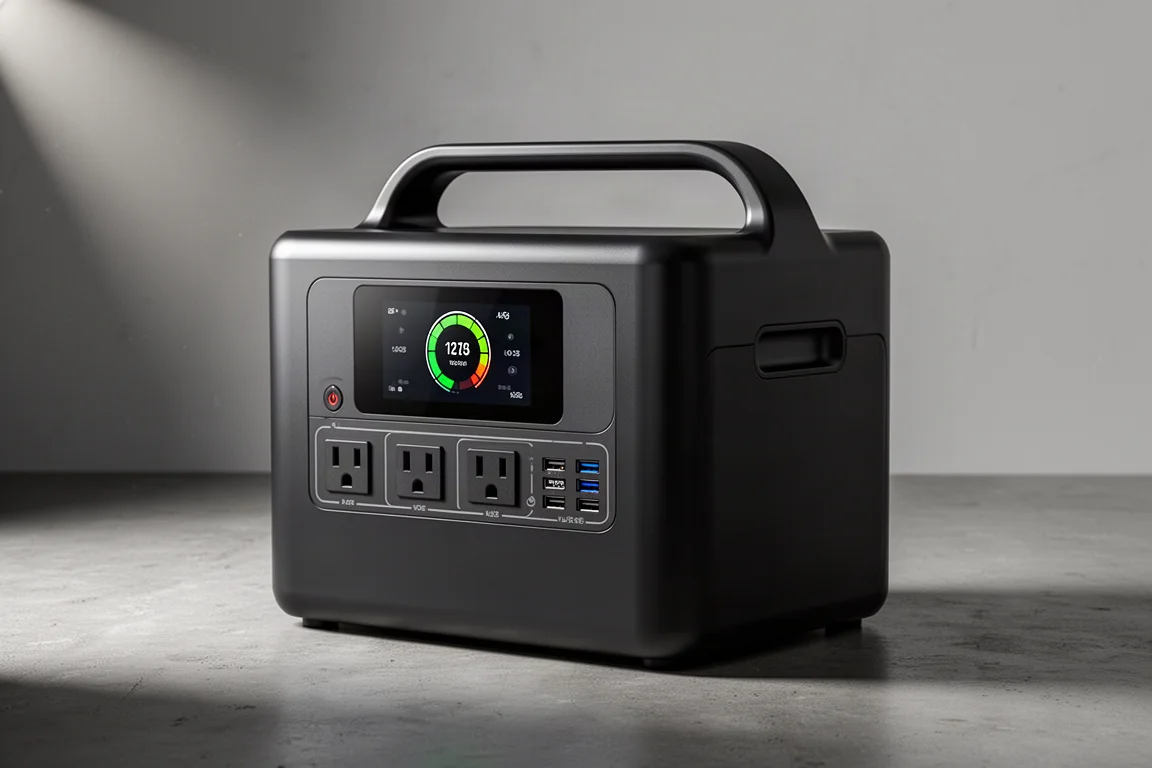
Battery-powered power stations are genuinely useful if you have the right expectations for them. The Oukitel P201 is a 51V, 2,000W unit with a 2,000W pure sine wave AC inverter and a 4,000W surge rating. It is not a light unit, and it is not designed to run an entire house, but with realistic expectations and a real use case, it can be a very handy thing to have around for peace of mind and portability.
It is worth knowing that early pricing makes this considerably cheaper than its standard cost. The standard price is expected to be $169.99, and early access options have brought it down significantly: the first 100 backers on Kickstarter could get it for $99, and Oukitel has also offered a coupon on its own site where you pay $50 upfront and receive $100 back later. Those early deals carry some risk, so only take one if you are comfortable with it.
Design and Controls
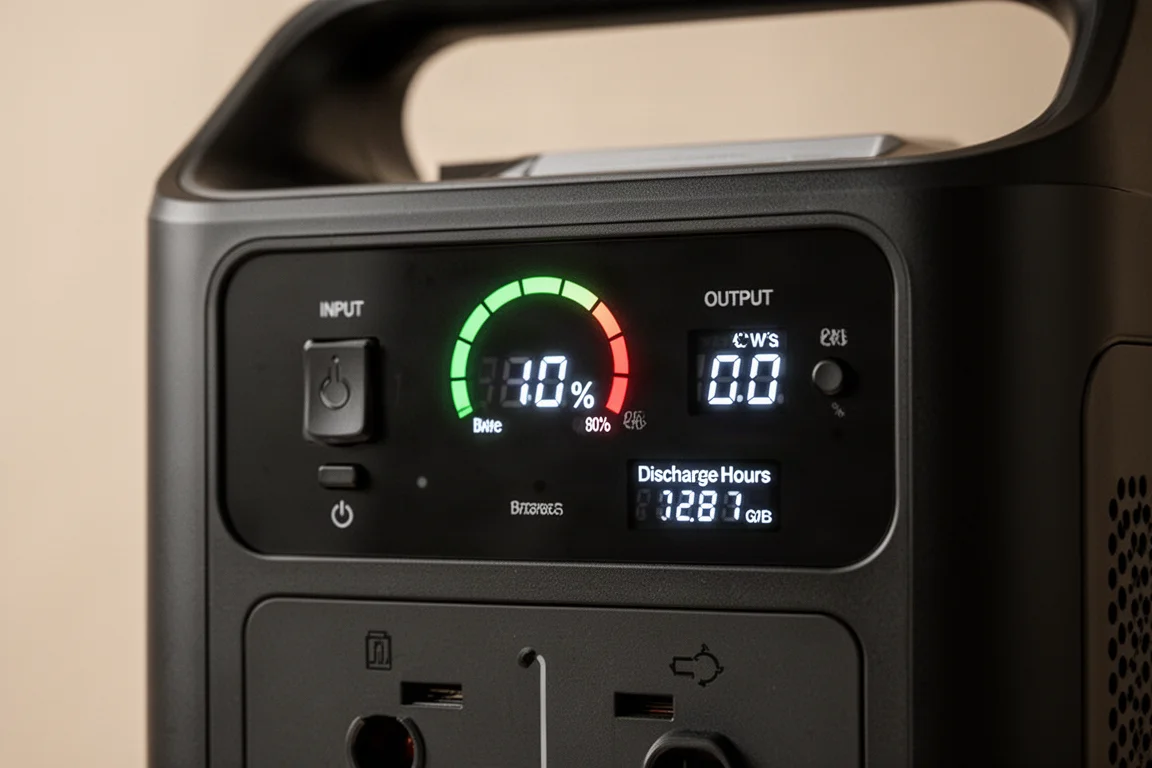
The P201 is a very simple machine with very few options, but just enough to get everything working without being confusing. There is a main power button to turn the unit on and off, and each individual power bank section toggles on and off with its own push button, complete with a light and an audible beep so you always know something is happening.
The front display shows an approximate discharge time remaining in hours, switching to minutes at high draw or when the battery gets low. There is a circular gauge for remaining battery percentage, plus readouts for output watts and input watts. Output is 110 volts at 60 Hz, which is ideal for use in the USA.
Real-World Output Testing
One important efficiency note: simply powering up the AC inverter drops the estimated remaining time dramatically, taking roughly 20% of the battery’s usable estimate on its own, depending on heat. That is something to always check on units like this.
Under load, the unit handled a mixed draw of around 432W easily, and pushing further with additional loads brought it up to about 1,600W of continuous output without issue. In a surge test, running a 1,400W heat gun alongside a circular saw pushed the draw past 2,000W, and the unit held roughly 2,200 to 2,300W for a significant period without shutting down. That means it over-delivers relative to its stated rating, which is a big deal, even if sustained draws that high are not practical for long. Even with a full battery, running that kind of load lands you in the under-an-hour range.
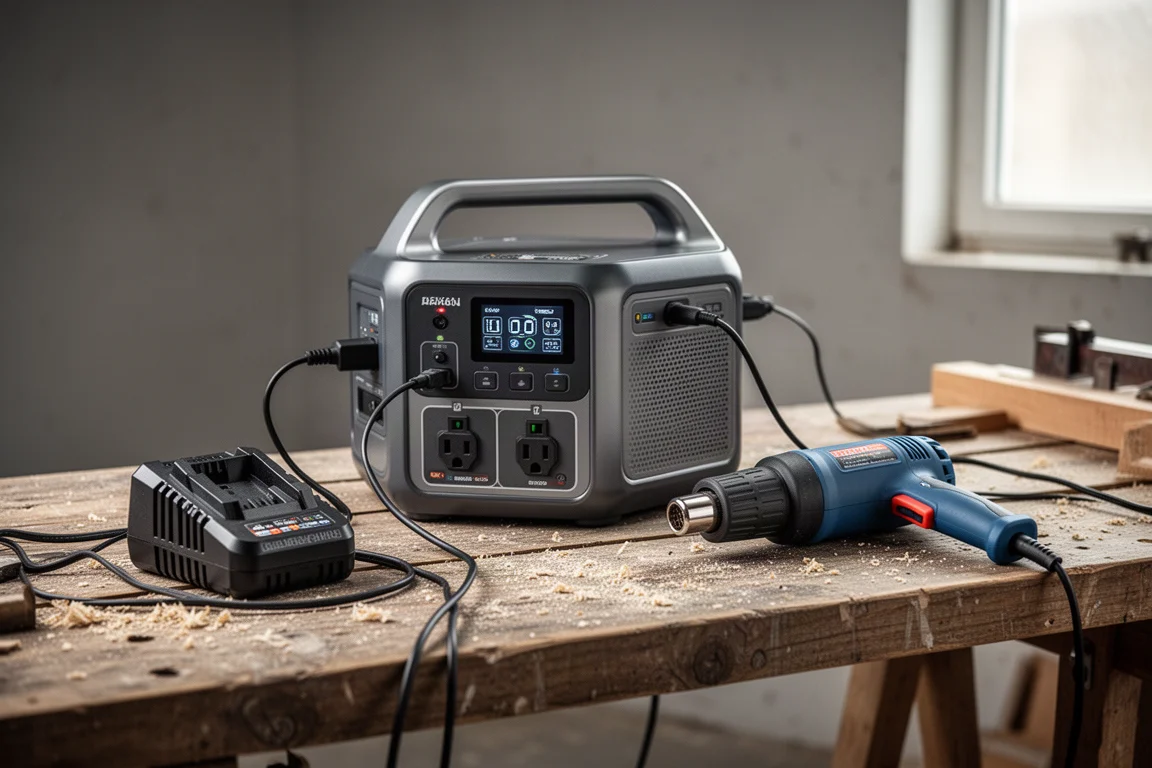
Keep in mind the DC-to-AC conversion carries roughly a 10 to 15% efficiency loss, so expect real output to be a bit below what the battery holds.
Charging: AC and Solar
All charging inputs are located on one side of the unit, including a solar power adapter port. A full charge takes about 2 hours with no issue at all, which is genuinely impressive, and you can charge via solar or AC while still using the output plugs at the same time.
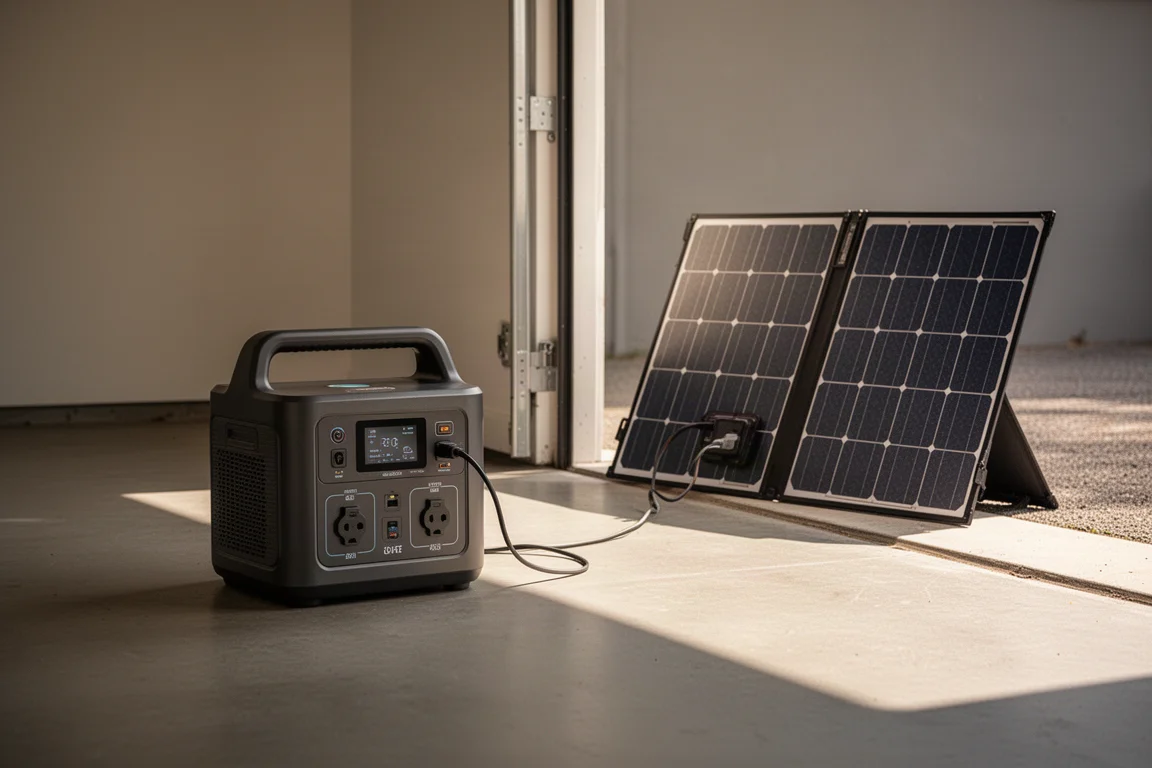
When AC is plugged in, a supercharge light indicates charging. With about 1,668W of input and 1,568W of output, roughly 100W still flows into the battery as it passes through. Interestingly, the output voltage rose from 110V to 117V while charging, suggesting the power still goes through the inverter rather than passing straight through.
The only cable included is a standard computer-style power cable, so plan accordingly.
Things to Consider Before Buying
This unit is not set up as a battery backup. It cannot run constantly in pass-through mode and will physically turn itself off at some point, so do not buy it expecting uninterruptible power.
It will not power a whole house, and it will not even power a whole RV. Most computers and everyday electronics will be fine, but be cautious about what you plug in, since modified-wave units have been known to damage certain devices. The P201 is a pure sine wave unit, which is exactly what you want for delicate electronics.
Buying Advice
If you want this style of 2,000W unit, match the battery watt-hours and battery type to your needs. LiFePO4 batteries tend to hold up better over time for this type of output compared with tool-system batteries, even though tool batteries have the appeal of working across other tools.
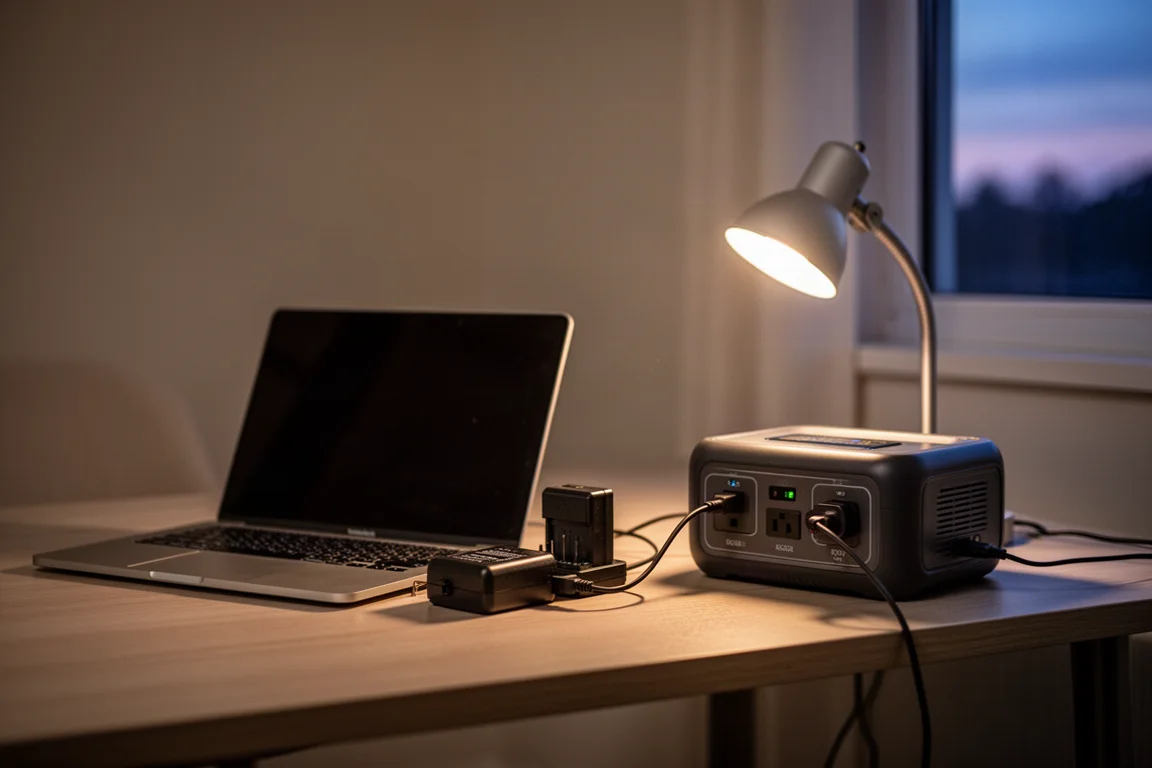
If you are price-sensitive, the early access routes matter. The $99 Kickstarter tier for the first 100 people and the $50 coupon deal on the Oukitel site are significant discounts from the $169.99 standard price, but both involve some risk or upfront commitment, so go with whatever you are comfortable with.
Conclusion
The Oukitel P201 does what a simple 2,000W power station should: it holds more than its rated output in a surge, charges fully in about 2 hours, accepts both AC and solar input, and keeps the controls uncomplicated. Set your expectations around what it will and will not run, take advantage of early pricing only if it suits you, and it makes a solid, reassuring addition to a workshop, camp setup, or emergency kit.
Product link
View more details for Oukitel P201
This product is mentioned in the review. Check the specifications, options, and compatibility before buying.
View more details for Oukitel P201Further reading
Related Reviews
Portable Power
Best Portable Power for Camping and Remote Work: Six Power Banks and Solar Panels Compared
A practical comparison of six portable power options, from a 500W solar generator for car camping to a one pound solar power bank built for backpacking.
Portable Power
Best Portable Power Stations 2026: Nine Models Compared for Real-World Use
We compared nine portable power stations across output, capacity, charging speed, noise, and UPS performance to find the best value and the best overall pick.
Portable Power
Best Portable Power Stations and Power Banks for Blackouts and Travel
Five portable power solutions compared: two EcoFlow power stations, a flight-friendly Zendure power bank, a see-through Shargeek, and the feature-packed Omni 20c+.